Khash (Beef Leg Soup)
This soup will fuel you for the whole day! Khash was once known as poor man's food. As the legend goes, a king kept the good meat for himself and tossed the bones into the gorge where a shepherd named Khash lived. The king was so taken with the aroma of the shepherd's broth that he invited the poor man over and had him cook the bones. After that, the king kept the bones — and handed the meat out to the poor.

Cooking method
-
Step 1:
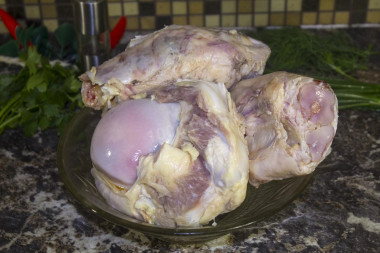
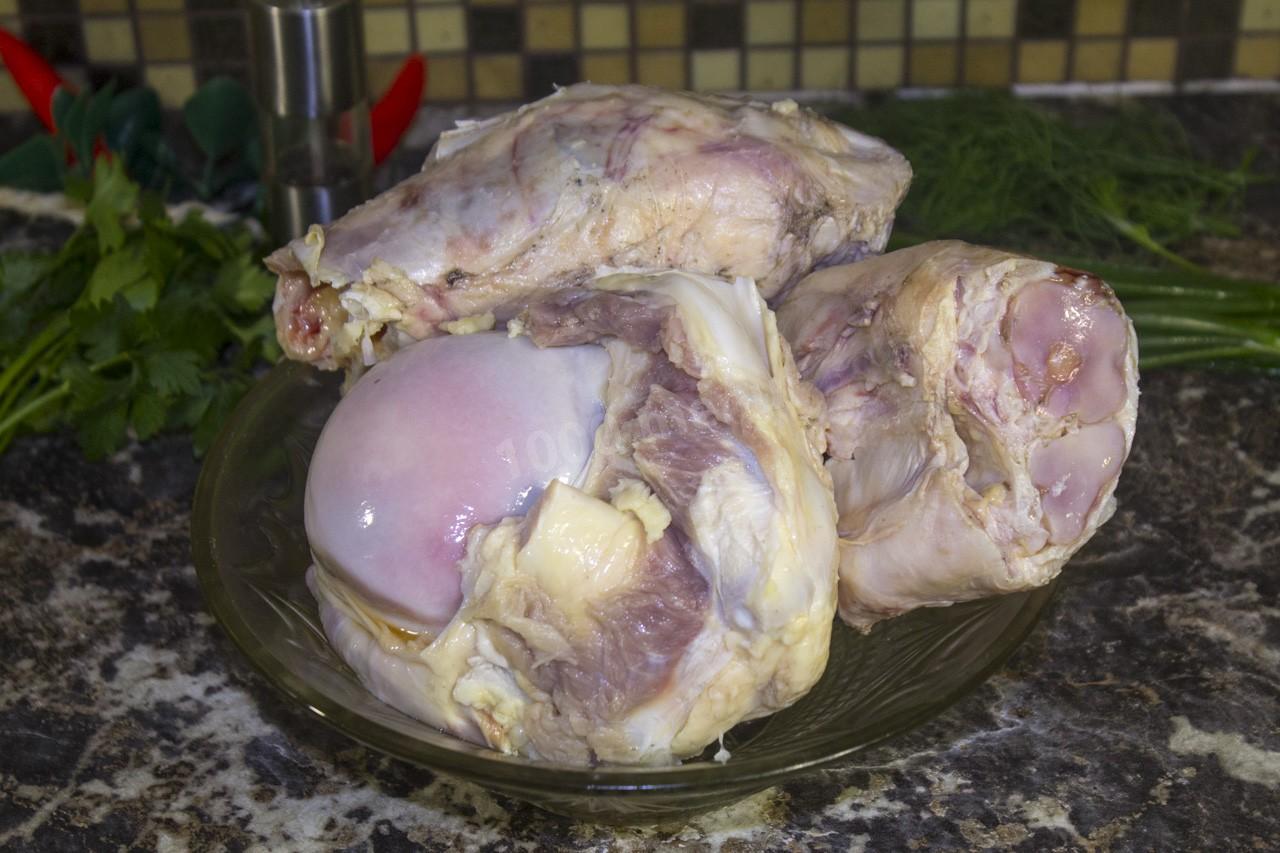
Here's the star of khash — beef legs, or in my case the knee joints. Oxtail and tripe are also used; if you go with tripe, soak it first and boil it separately, then add it to the main pot.
-
Step 2:
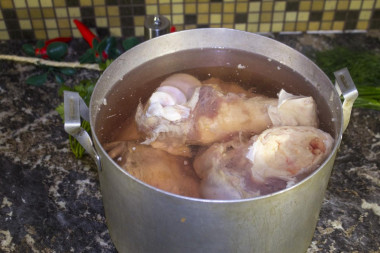
Have the butcher cut the legs so they fit your pot, then wash them well and soak for 6–8 hours, changing the water several times. I soaked mine overnight.
-
Step 3:
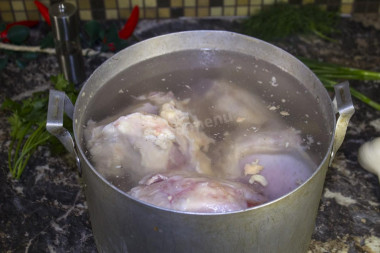
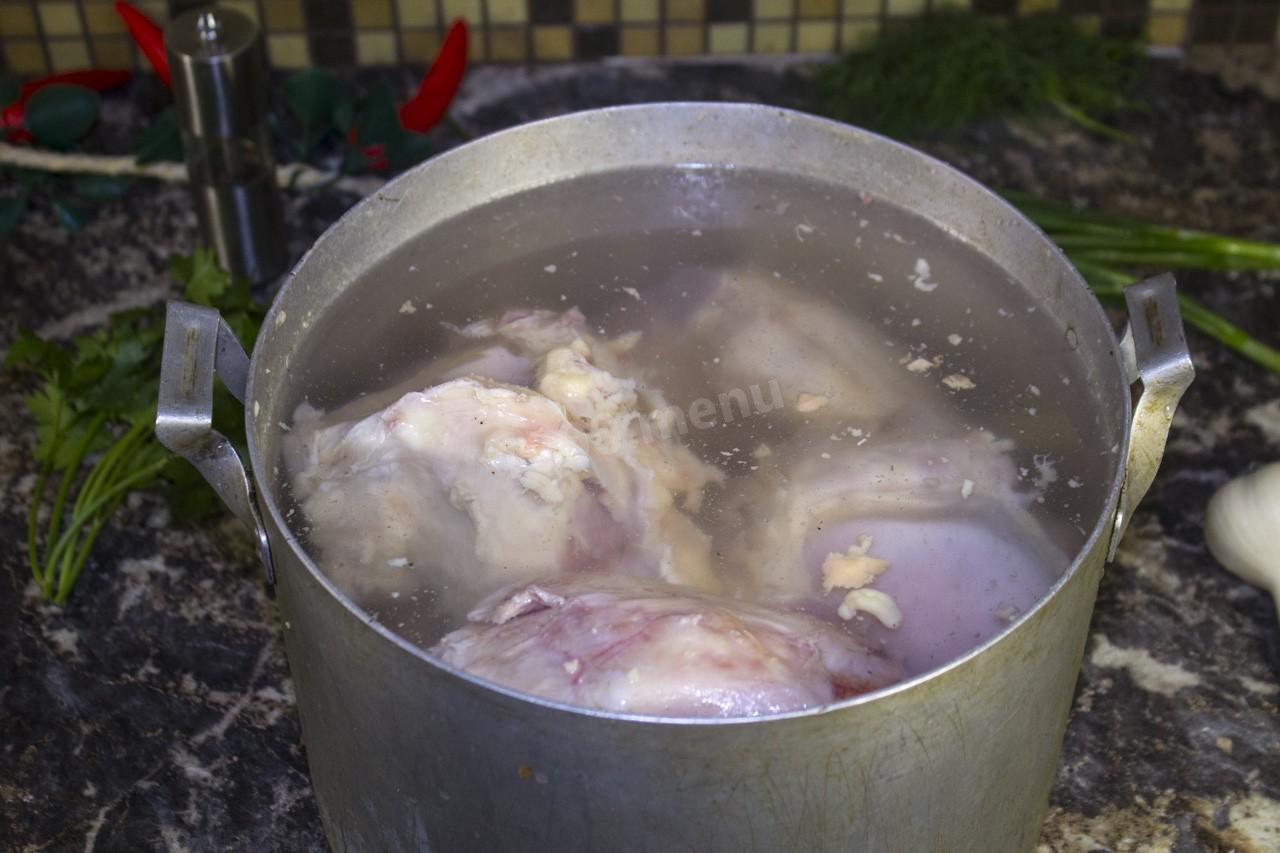
Before cooking, give them one more good wash and change the water one last time.
-
Step 4:
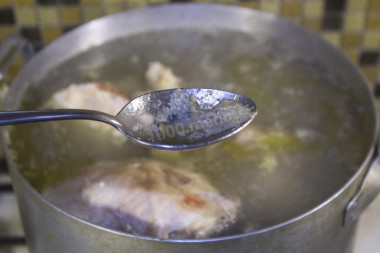
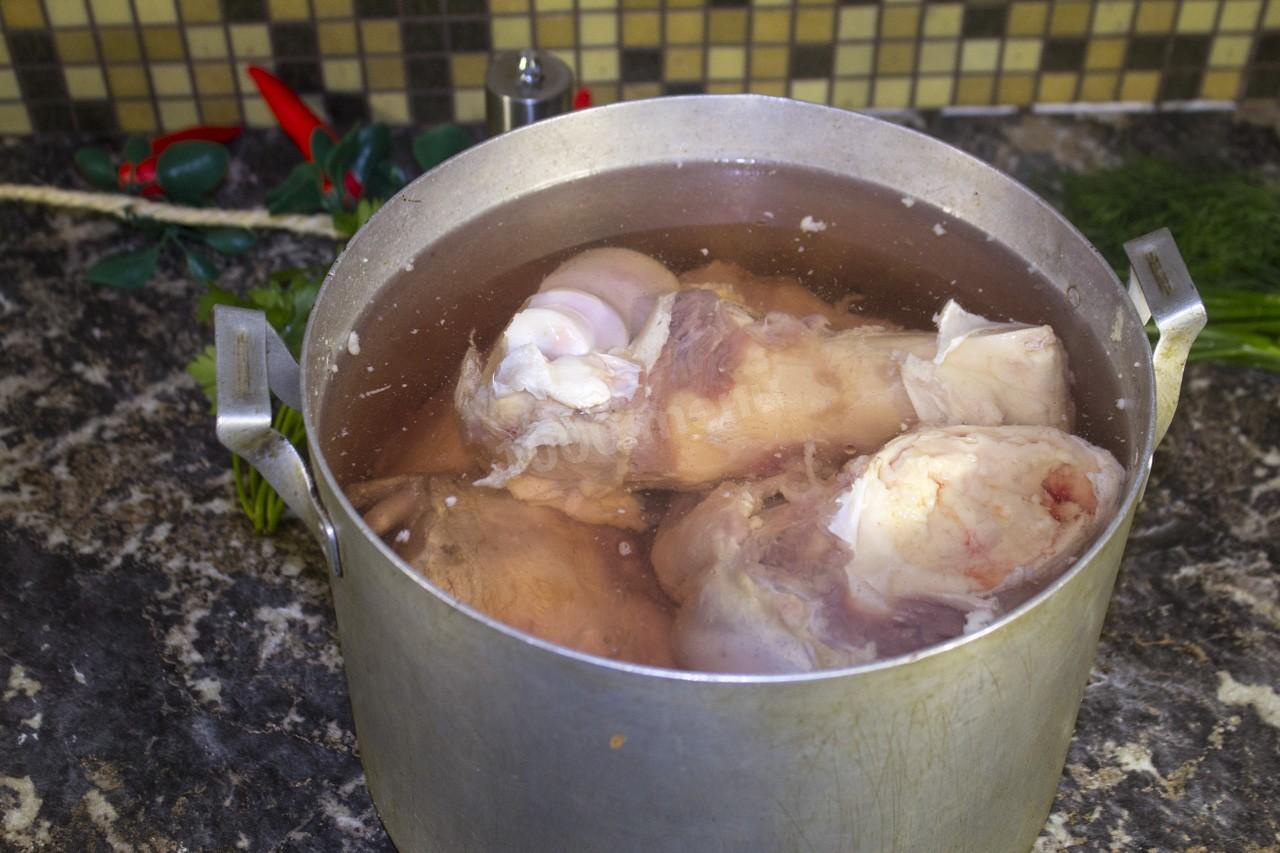
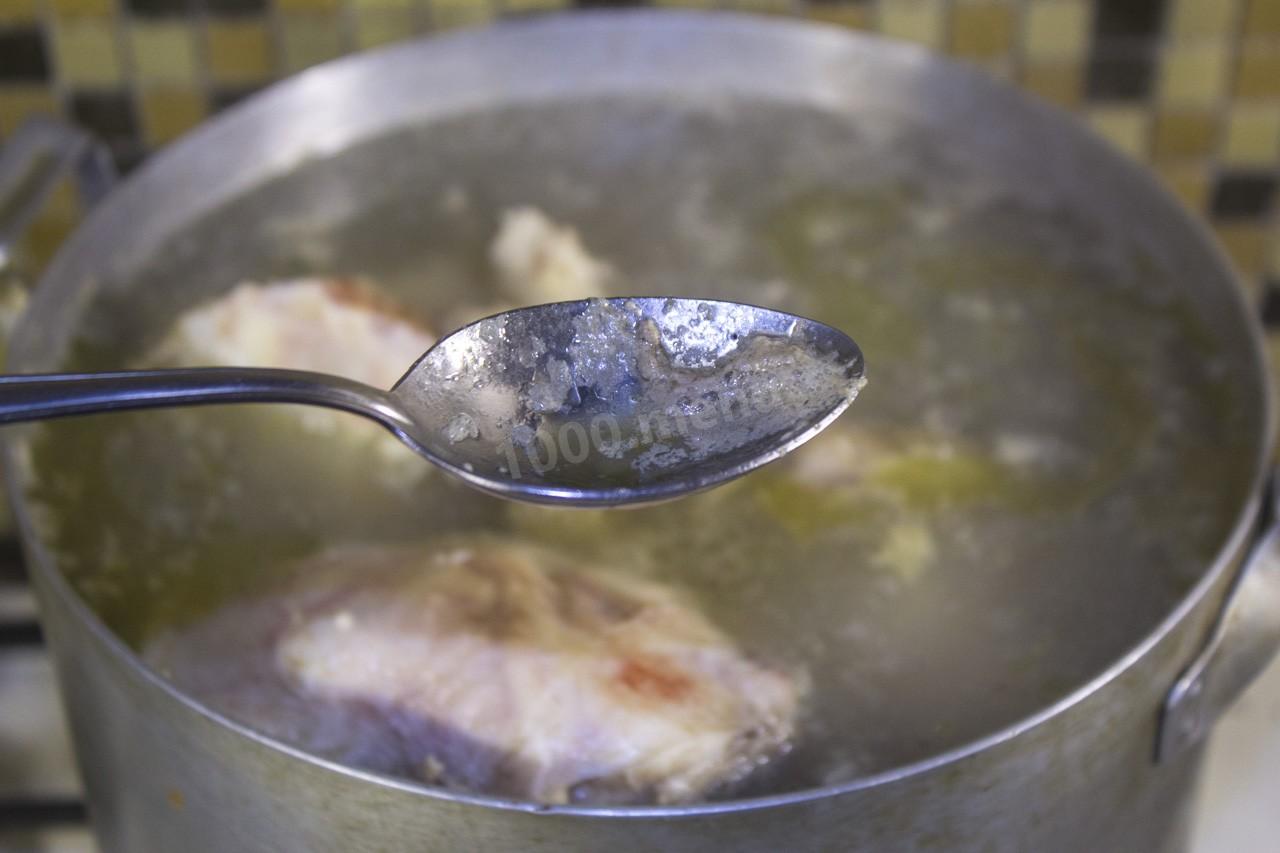
Bring to a boil and skim off the foam, then drop the heat to its lowest setting and basically forget about it for 8 hours. I just skimmed the foam now and then and made sure the broth never came to a hard boil.
-
Step 5:
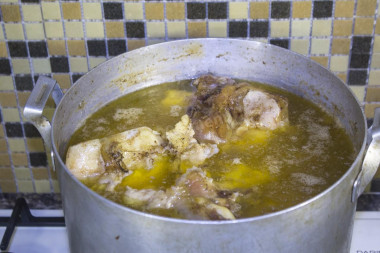
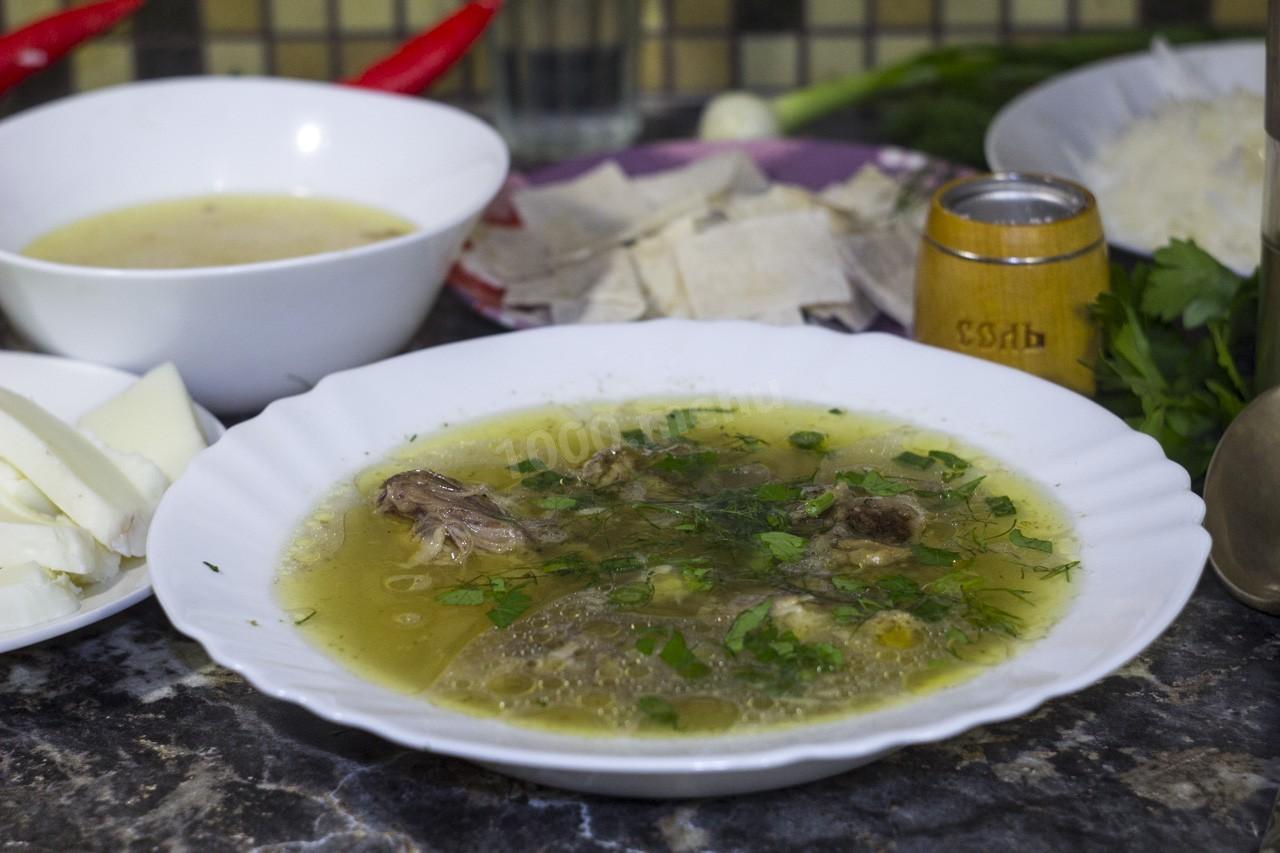
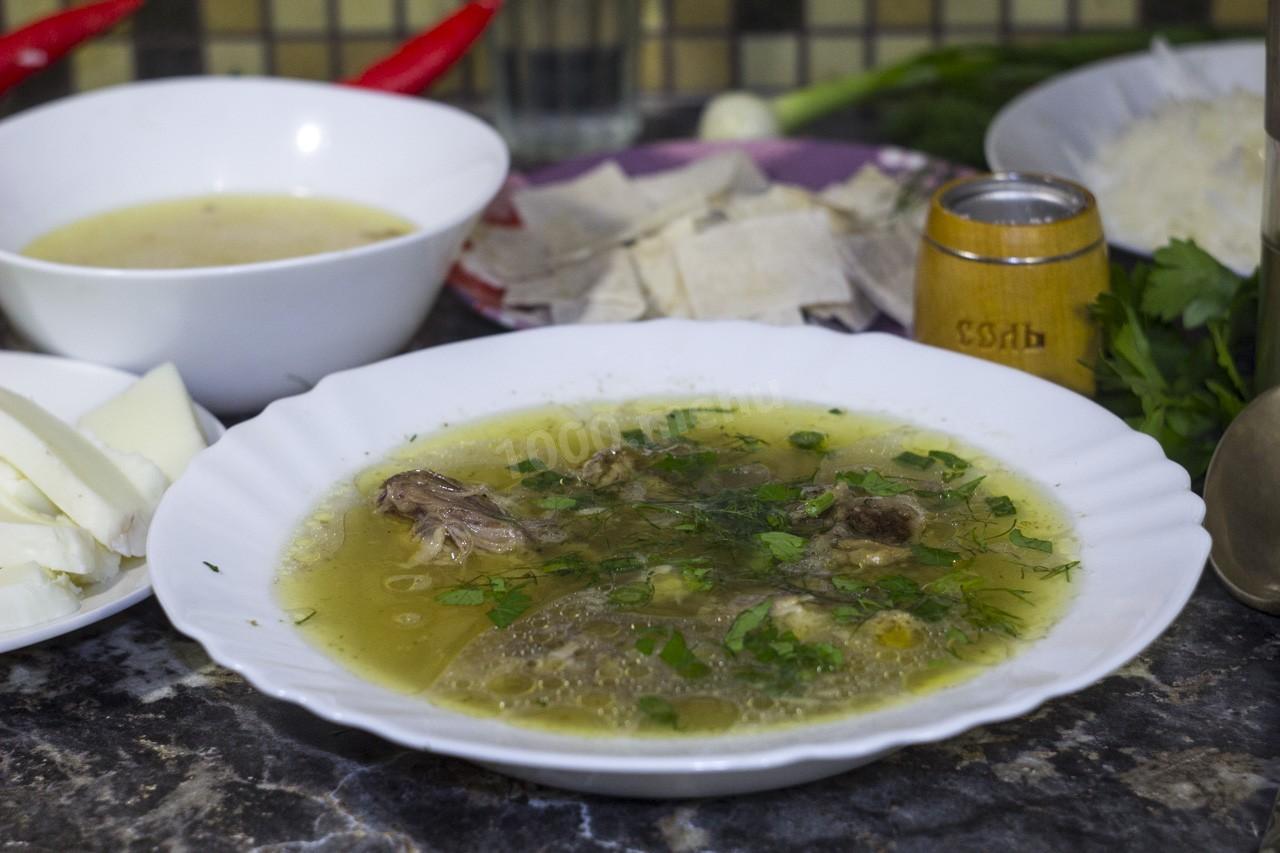
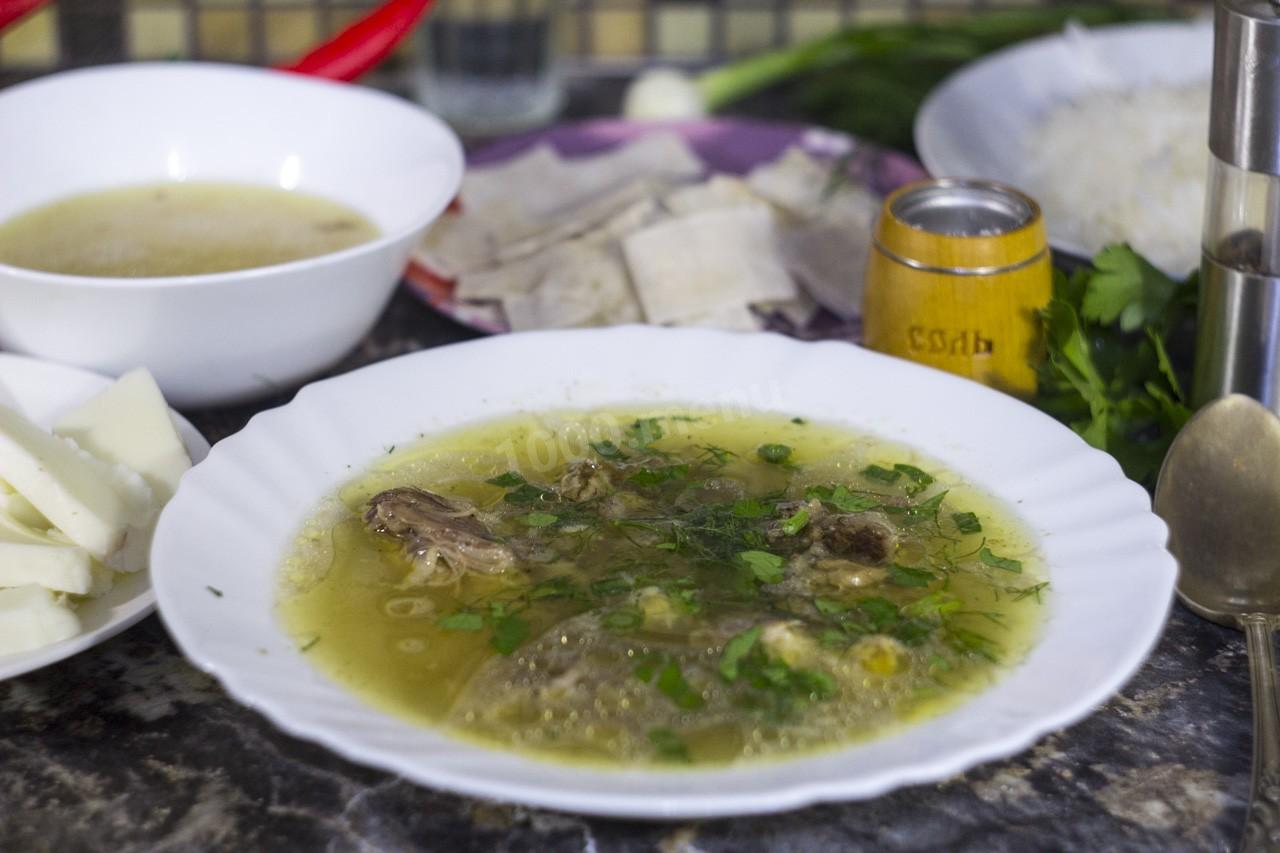
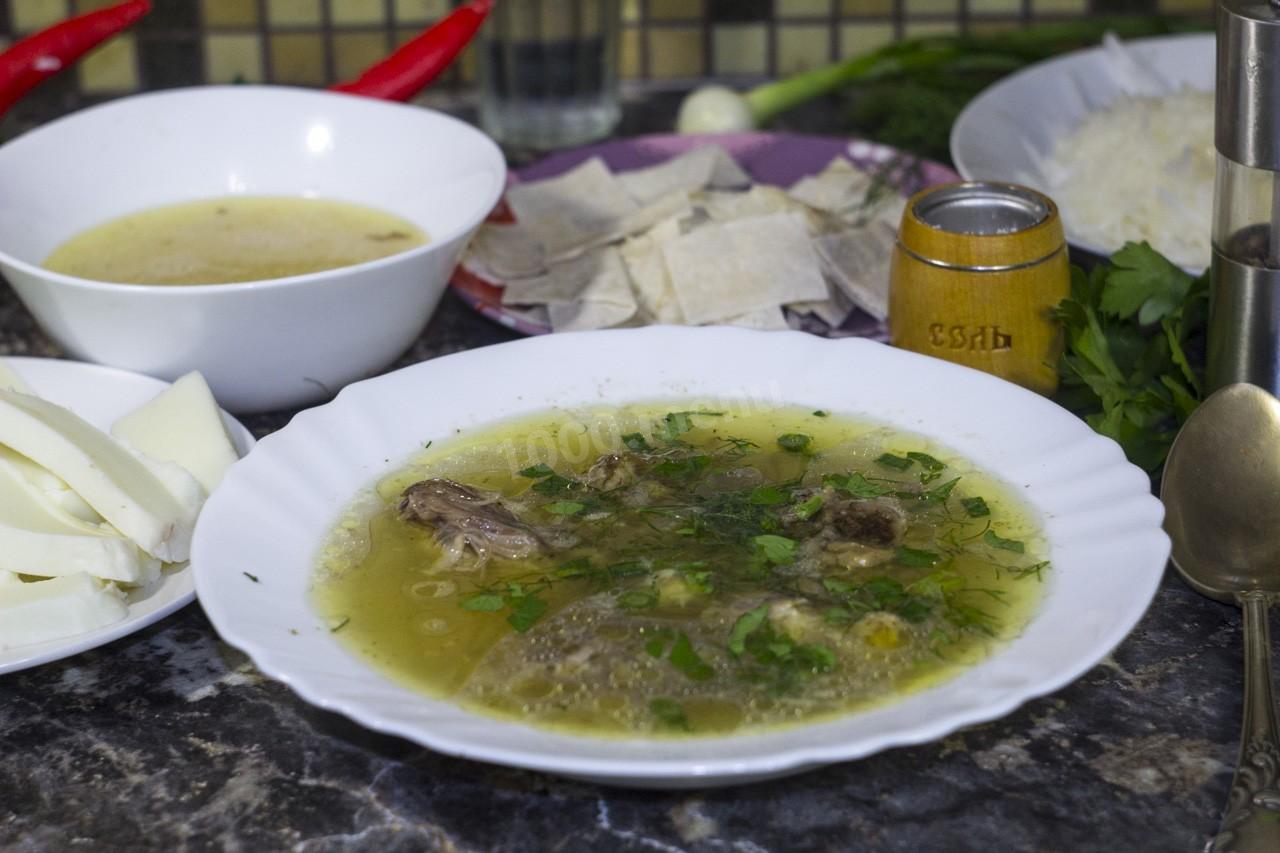
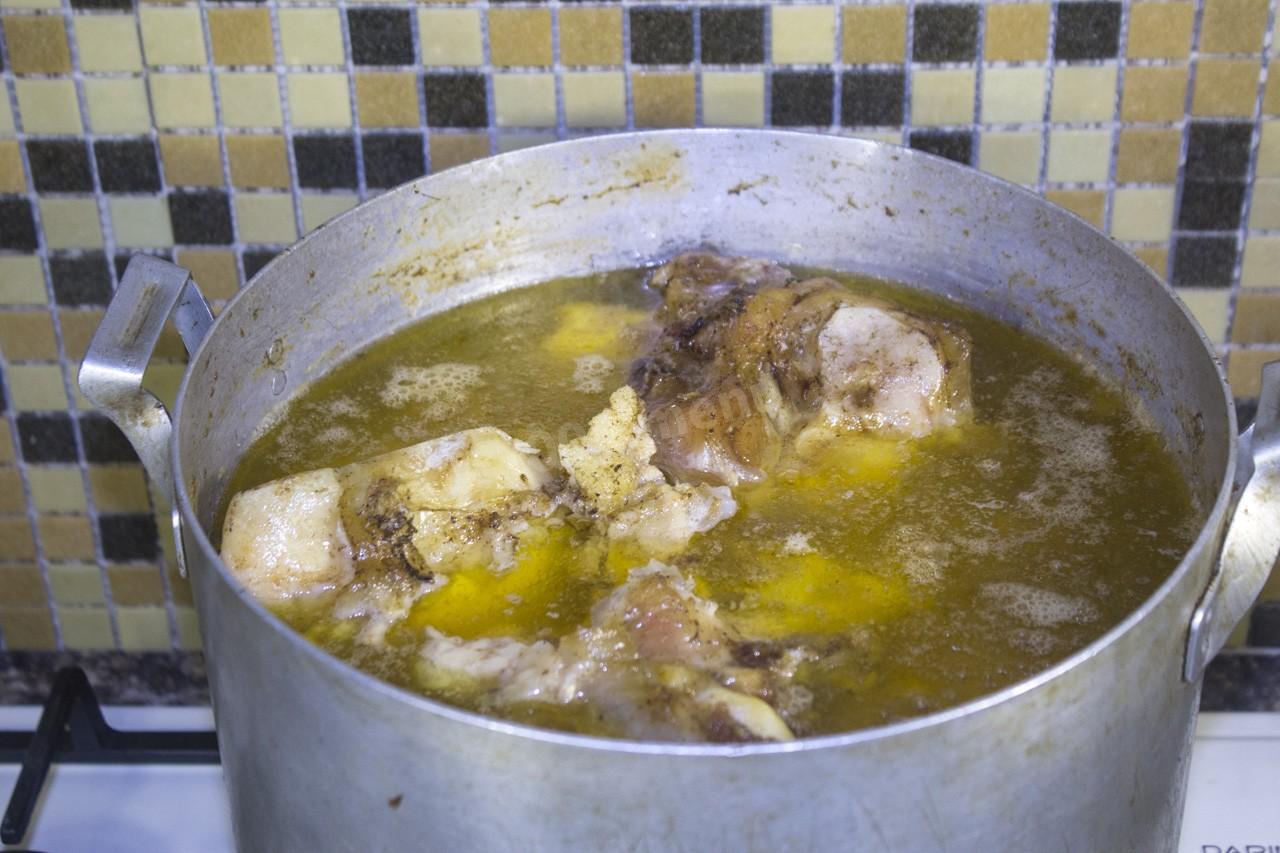
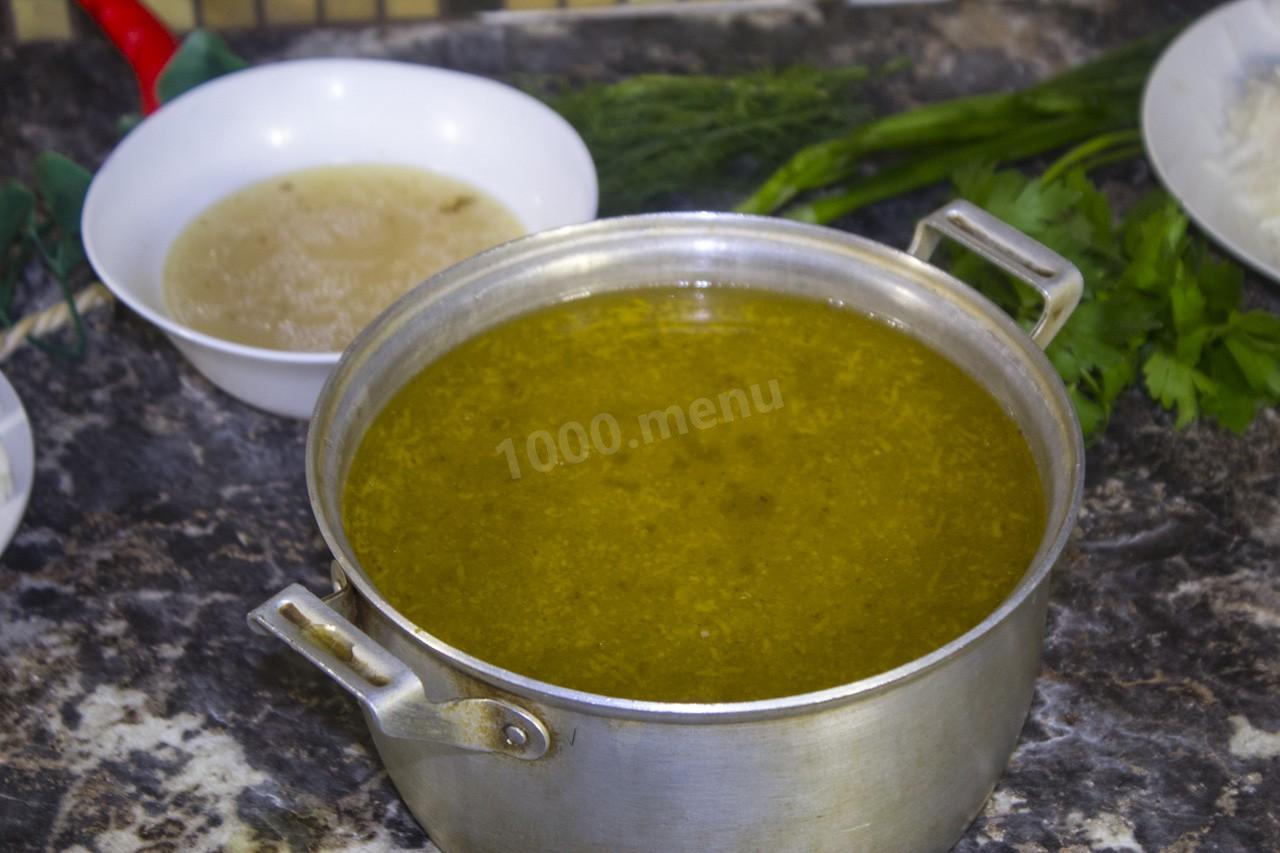
After 8 hours you'll have a rich, fragrant broth like this. Traditionally, no salt or other seasoning goes into the khash pot itself.
-
Step 6:
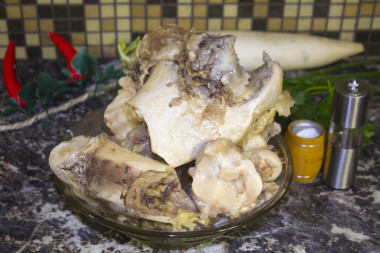
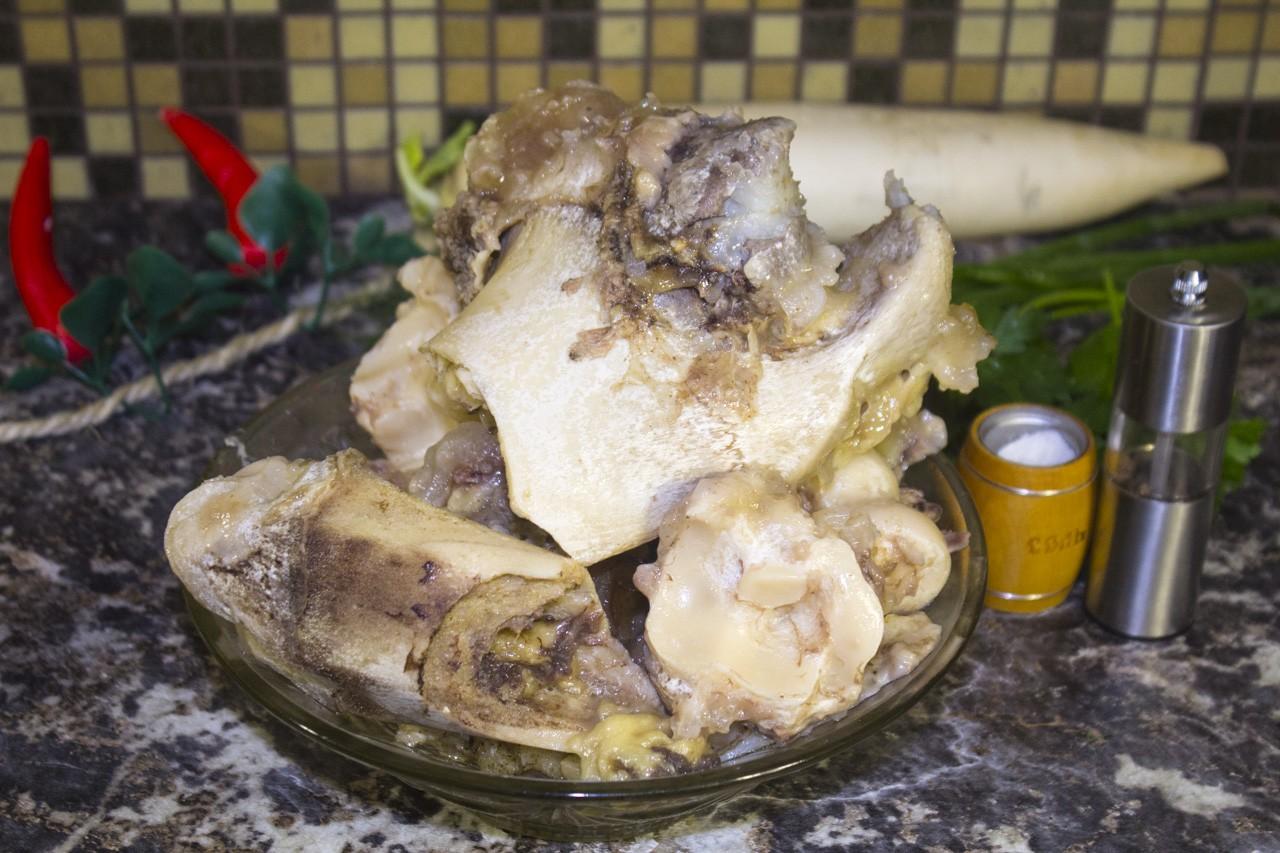
Carefully — so you don't burn yourself — lift the bones out of the broth.
-
Step 7:
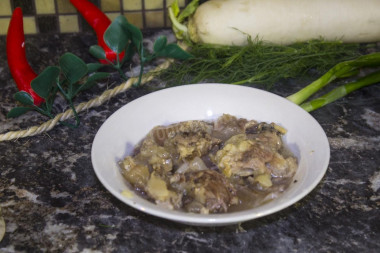
Pull the meat off the bones.
-
Step 8:
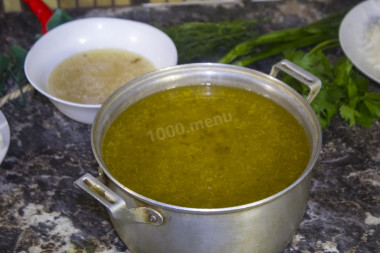
Be sure to strain the broth through a sieve to catch any small bone fragments.
-
Step 9:
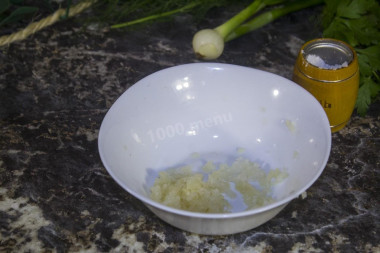
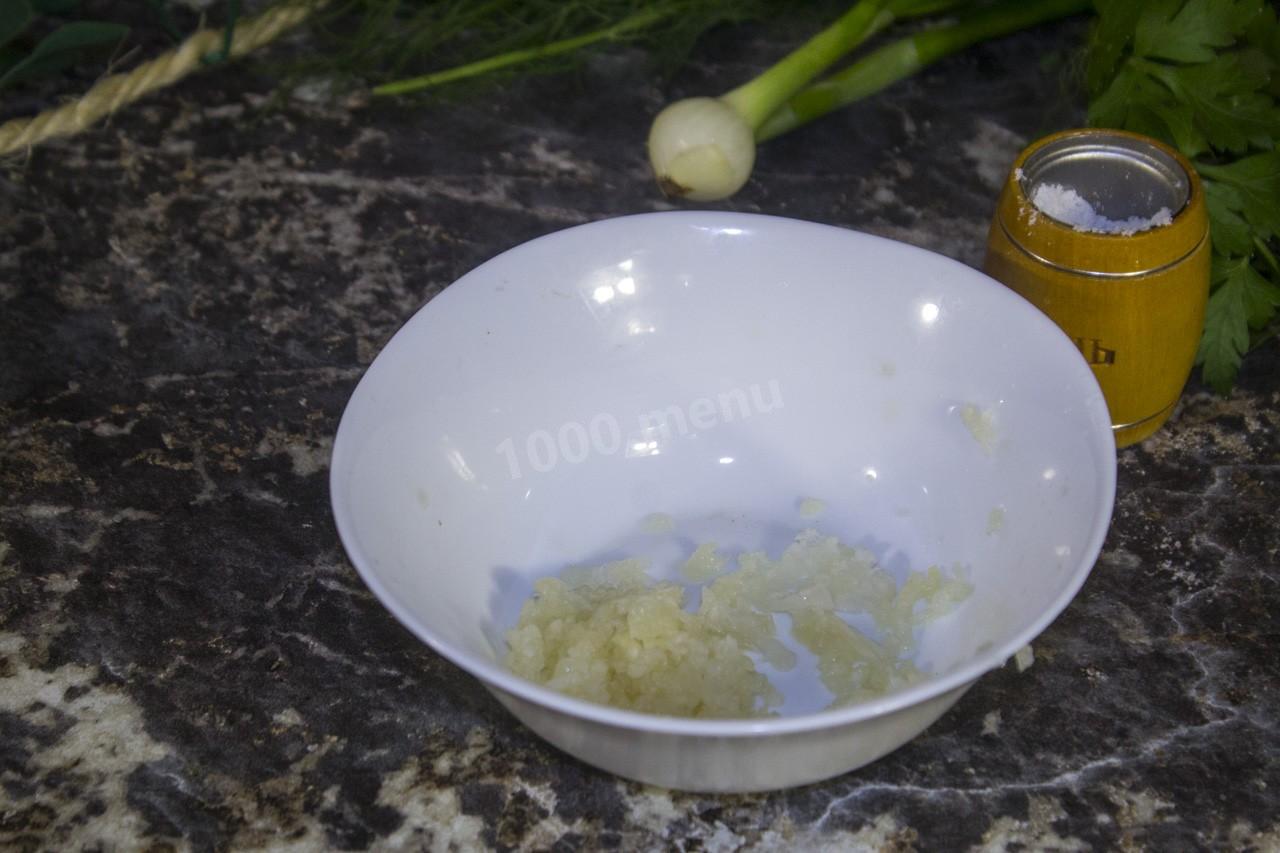
Press a whole head of garlic into a small bowl.
-
Step 10:
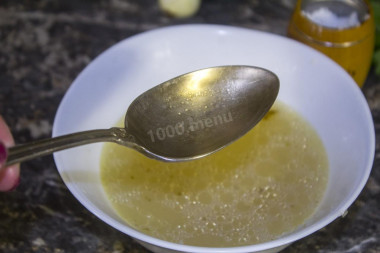
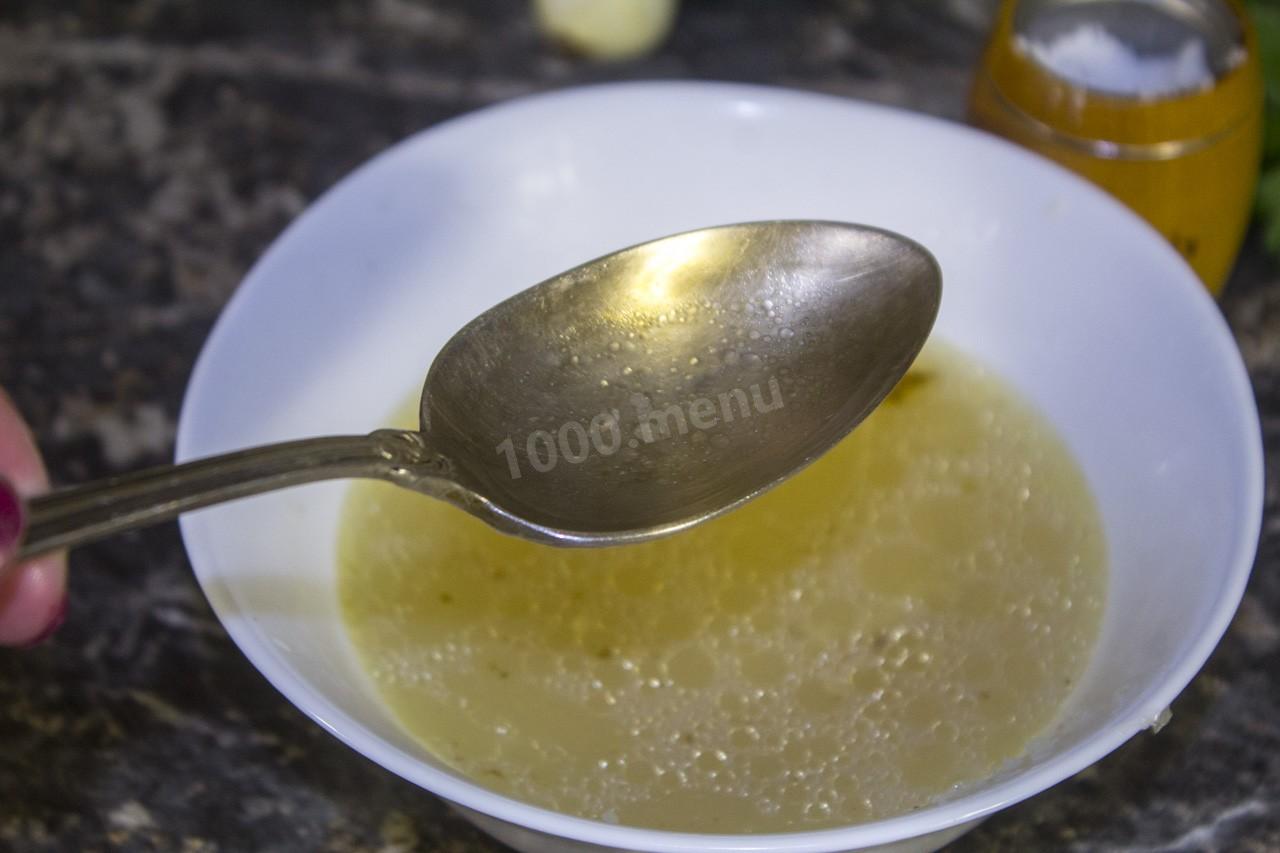
Pour in 1–2 ladles of hot broth, add 1–2 tablespoons of vinegar, and salt it — this is your dressing for the khash.
-
Step 11:
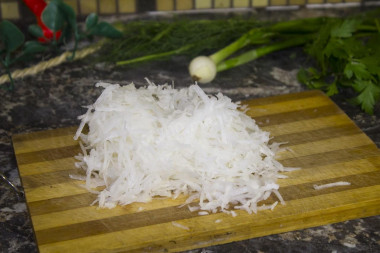
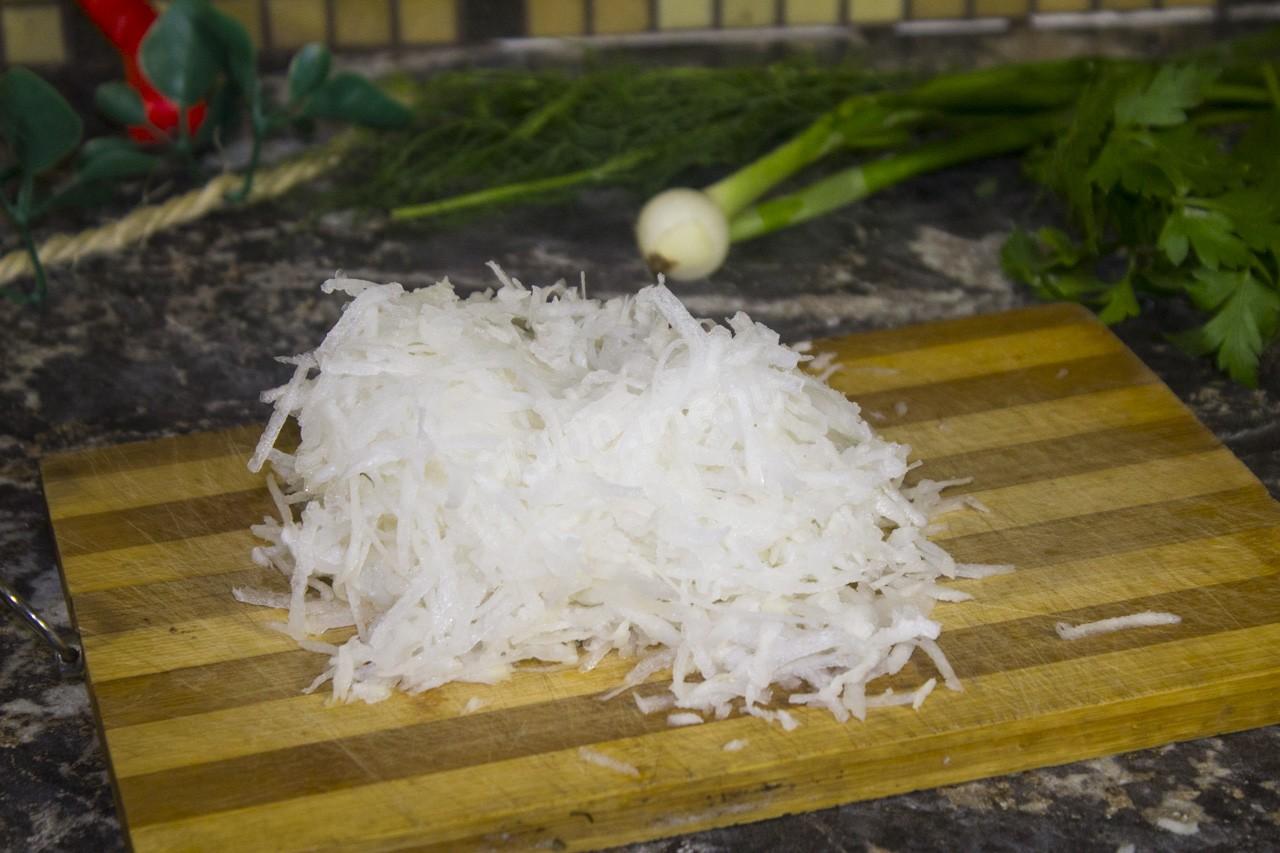
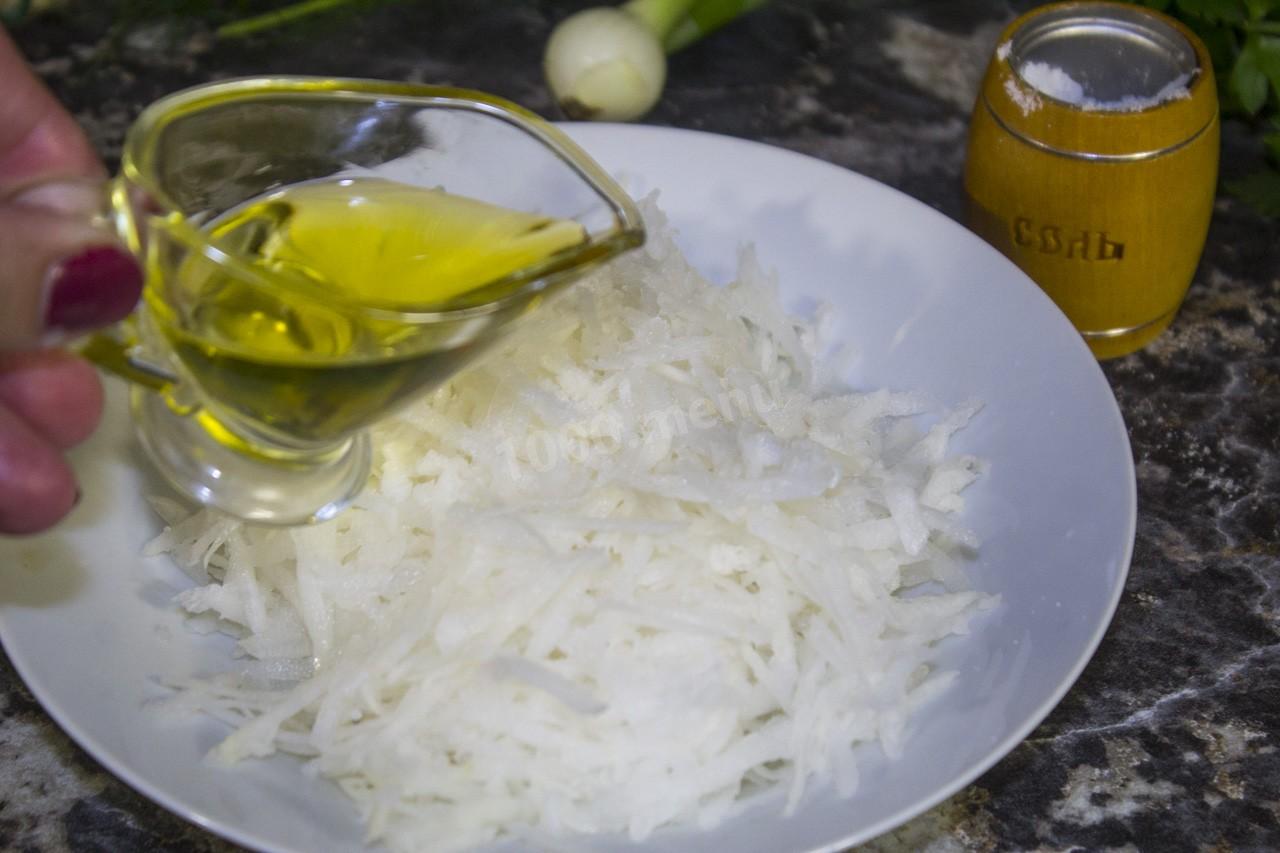
Radish — grated or cut into pieces — is the traditional accompaniment to khash.
-
Step 12:
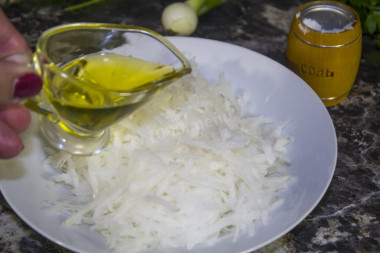
I dress the radish with a little vegetable oil and salt.
-
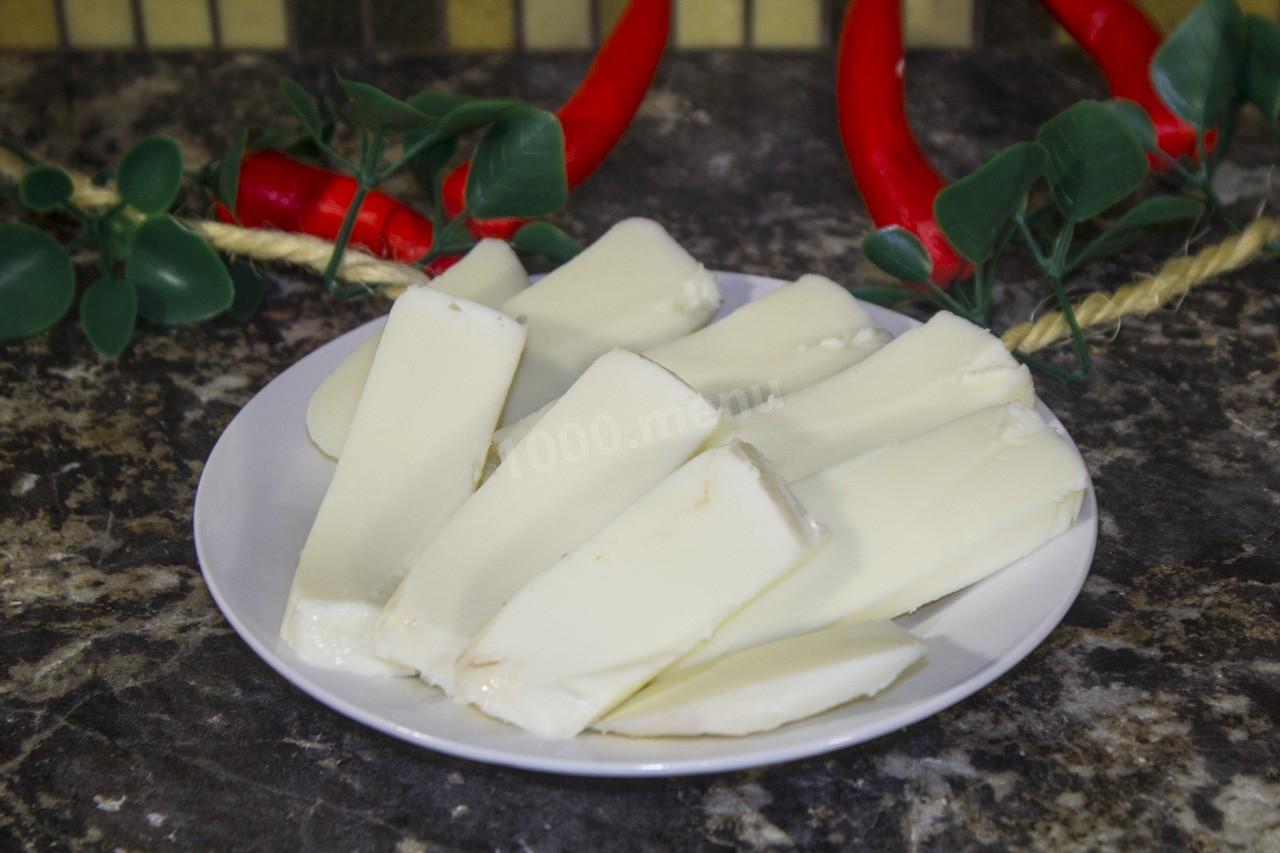
Step 13:
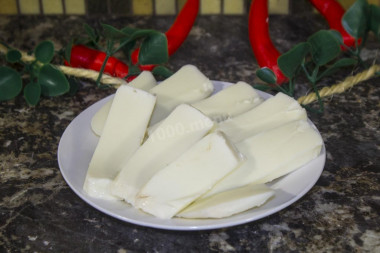
There should also be sliced brined cheese on the table alongside the khash.
-
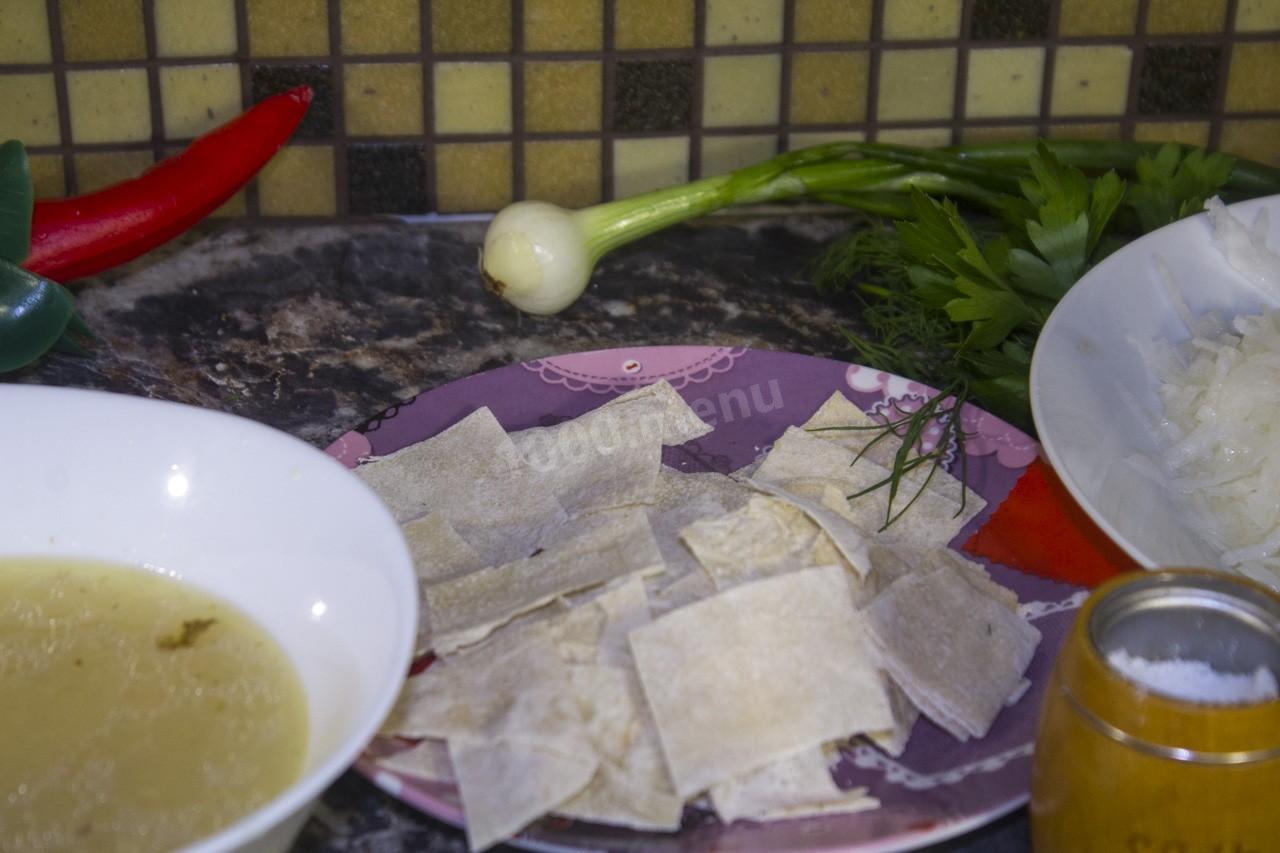
Step 14:
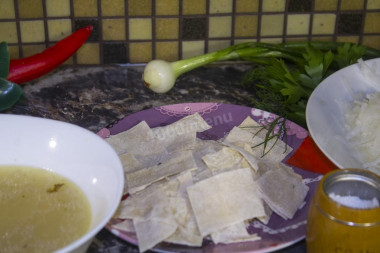
Cut thin Armenian lavash into small squares and let them dry out a bit.
-
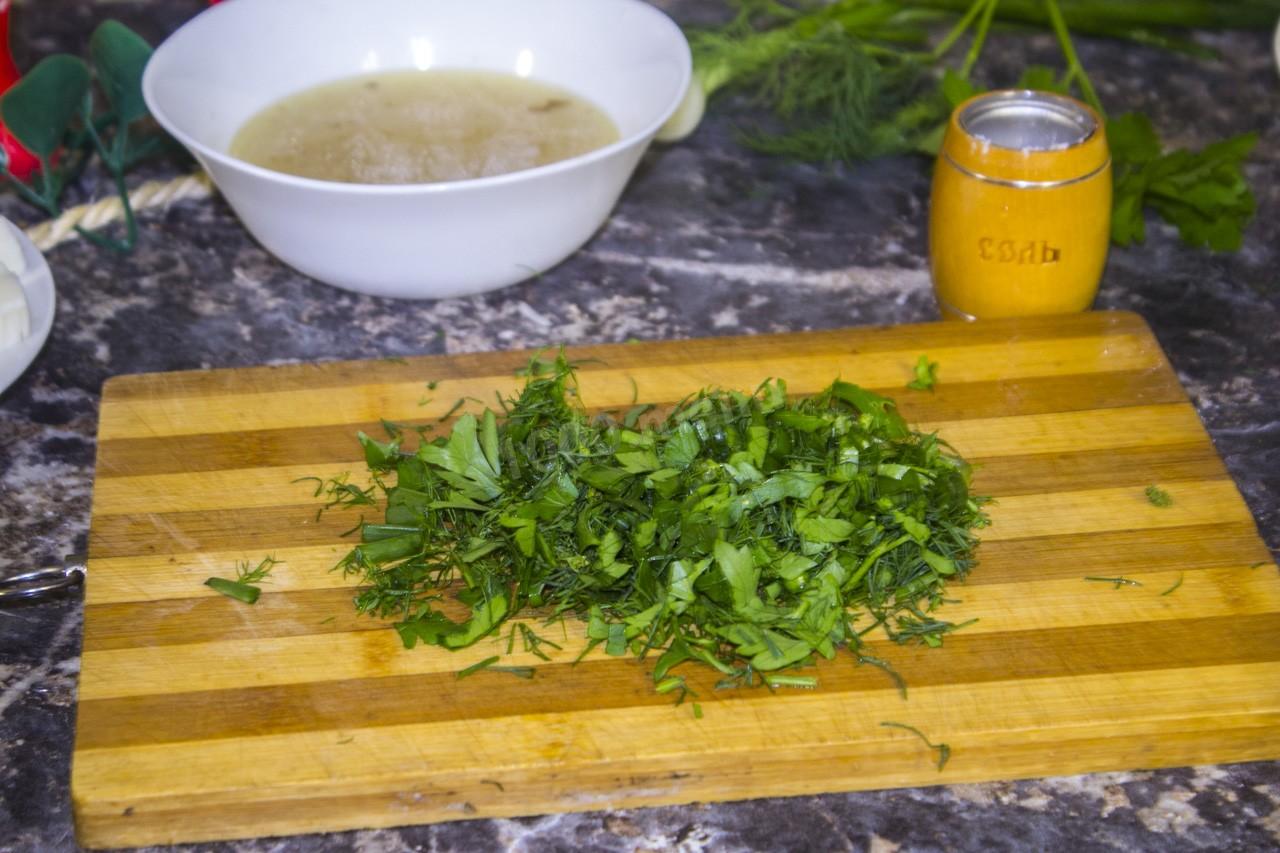
Step 15:
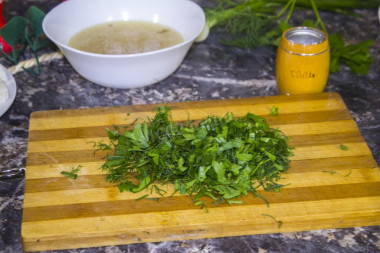
Finely chop the fresh herbs.
-
Step 16:
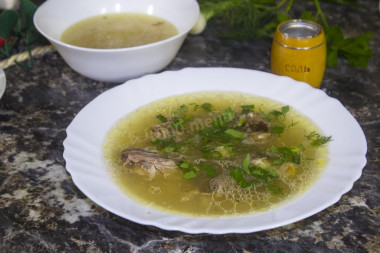
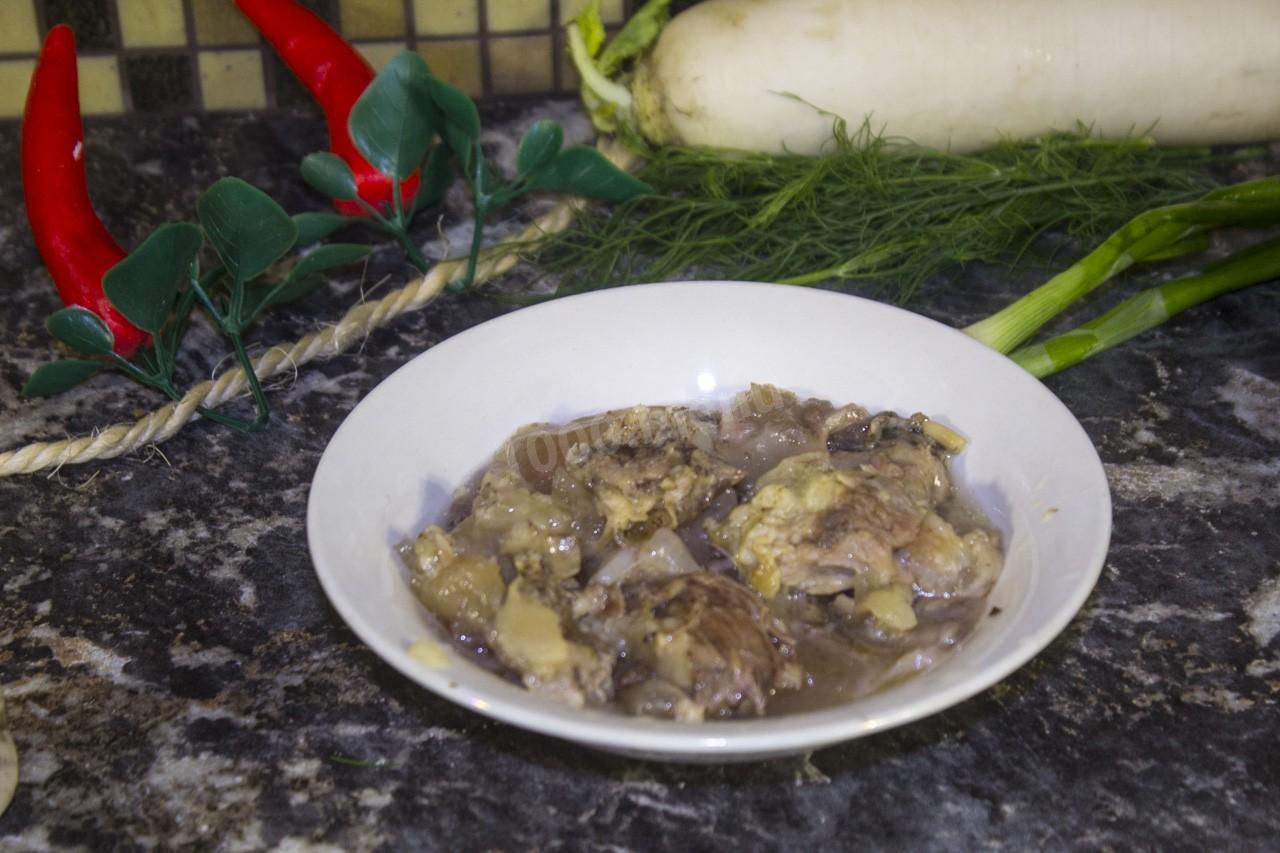
Place pieces of meat in a bowl, pour over the piping-hot broth, salt it, add the garlic dressing, and eat it with the dried lavash on the side — or drop the lavash right into the bowl and let it soften.
-
Step 17:
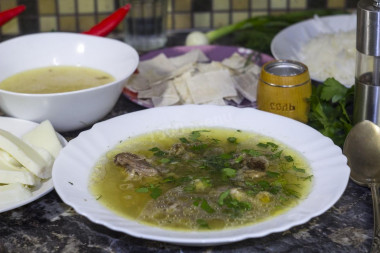
I'm sure you'll love this dish. Enjoy!
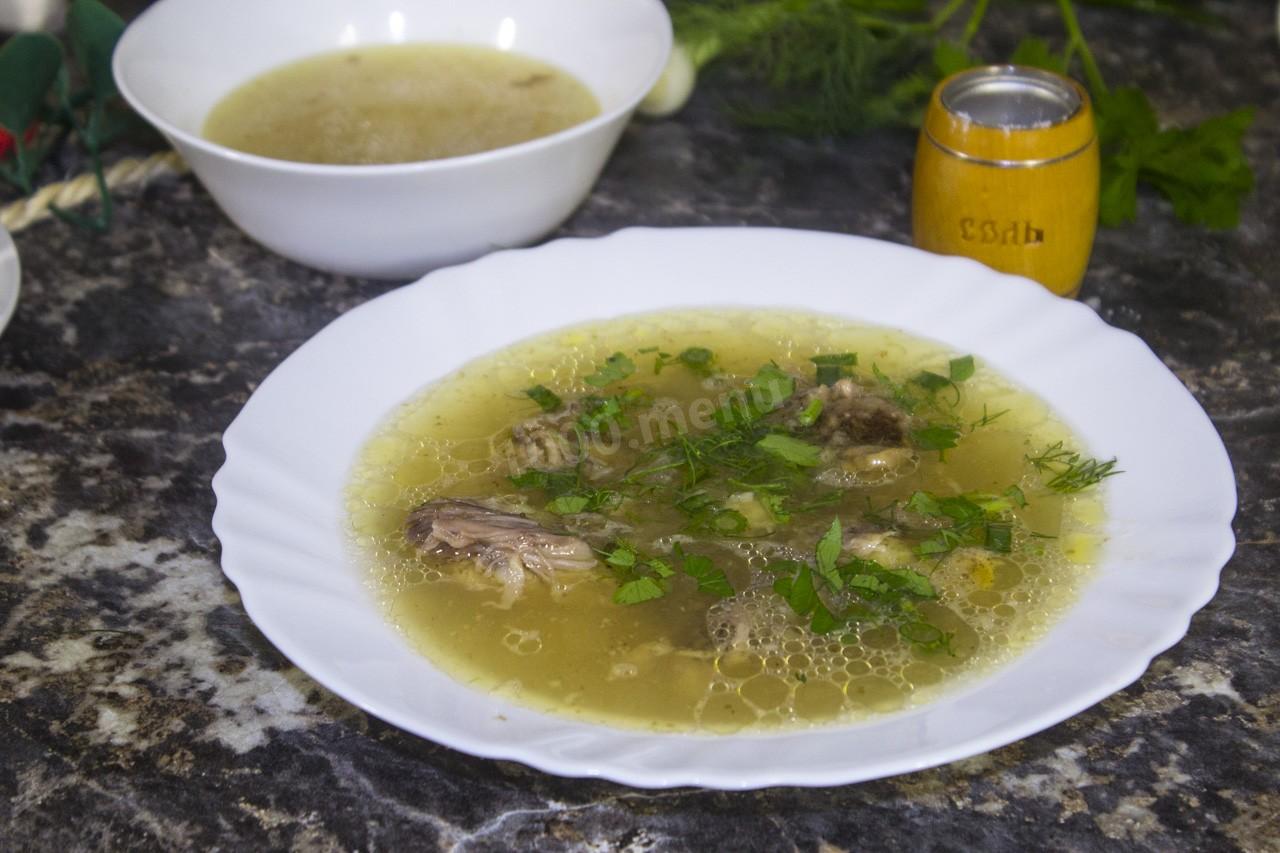
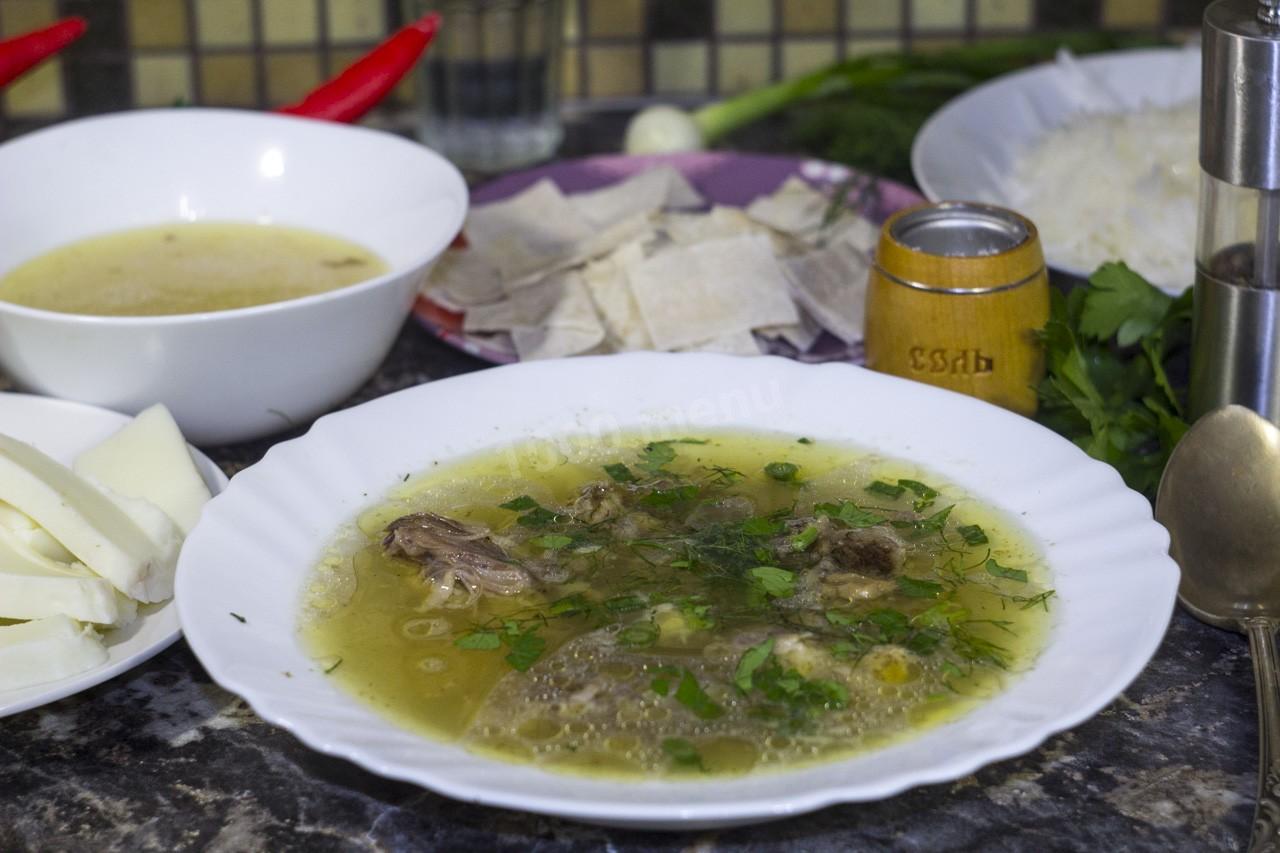
- These days khash is made on the second or third day of a wedding, or after a long stretch of New Year's celebrations — it fully revives you after all that feasting. It's a whole ritual of its own, traditionally a men-only affair, with the women left to simply enjoy the result. The soup is served at breakfast as a dish in its own right. Khash is famously good for the joints, which makes it truly one of a kind!
Caloric content of the products possible in the composition of the dish
- Garlic - 143 kcal/100g
- Radish - 35 kcal/100g
- Vegetable oil - 873 kcal/100g
- Armenian lavash - 236 kcal/100g
- Lavash - 277 kcal/100g
- Water - 0 kcal/100g
- Frozen mixed soup herbs (packaged) - 41 kcal/100g
- Fresh herbs - 41 kcal/100g
- White vinegar - 11 kcal/100g
- Beef shanks - 187 kcal/100g
- Brined cheese - 355 kcal/100g
Similar recipes


- National cuisine
- Old recipes
- Salads
- Soups
- Meat and meat products
- Cheese
- Vegetables
- Bakery products
- Spices seasonings spices
- Fats and oils
- Other
- Wheat bread
- Garlic
- Зелень
- Vinegar
- Vegetable oil
- Water
- Caucasian cuisine
- Asian cuisine
- Cooking
- Lavash salad
- Cheese soup
- Meat soup
- Soup without potatoes
- Beef
- Brine cheese
- Root radish
- No eggs