Sauerkraut Shchi with Mushrooms
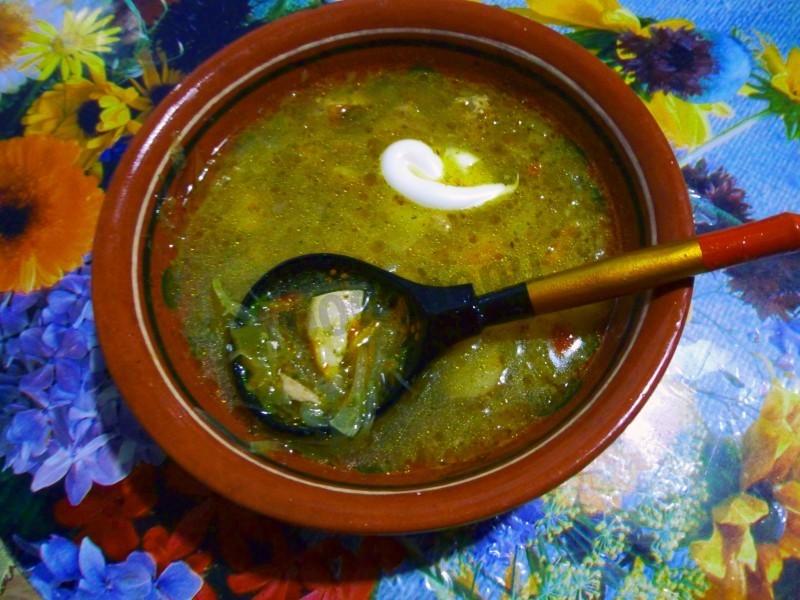
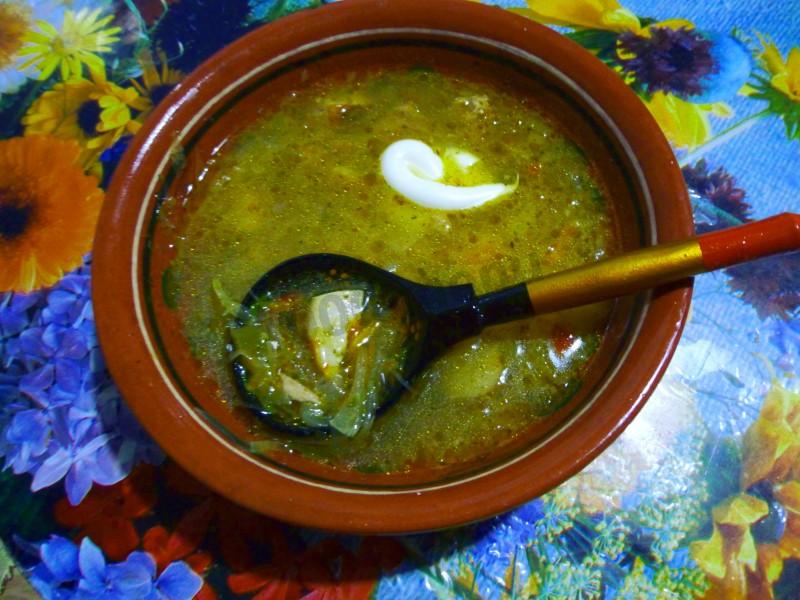
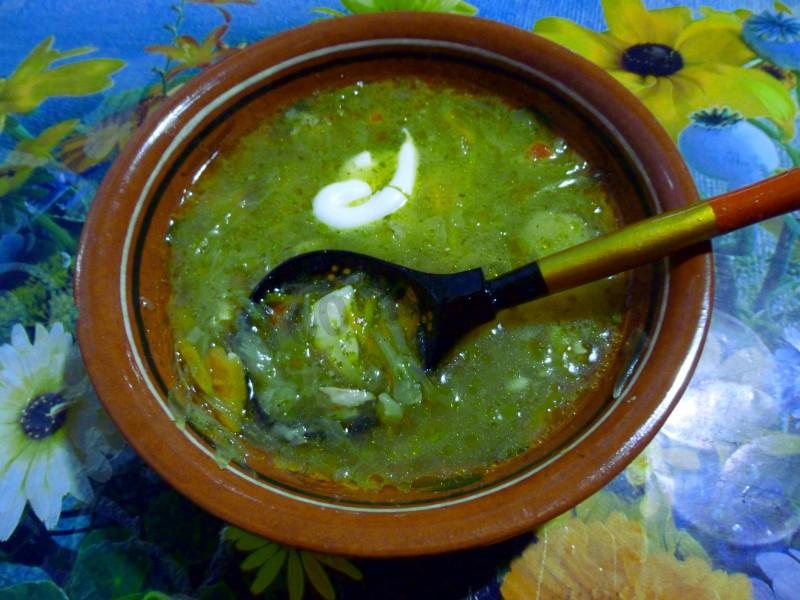
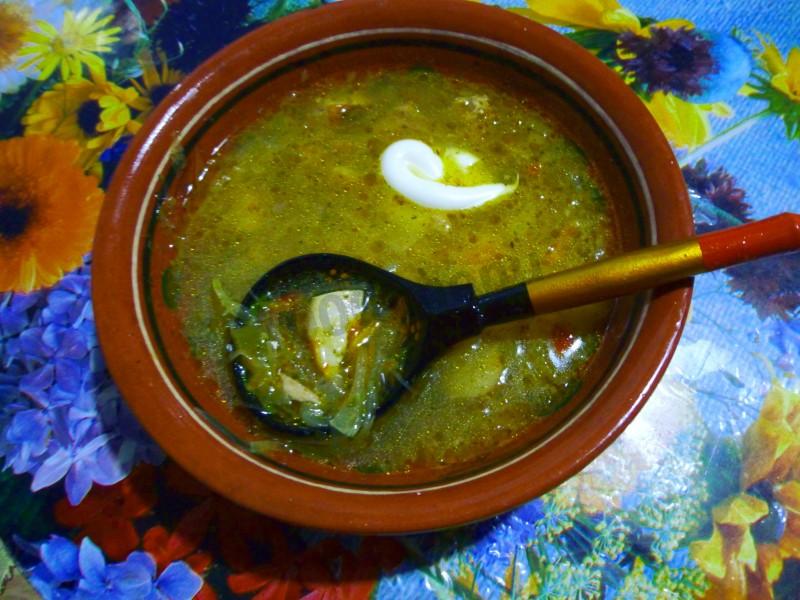
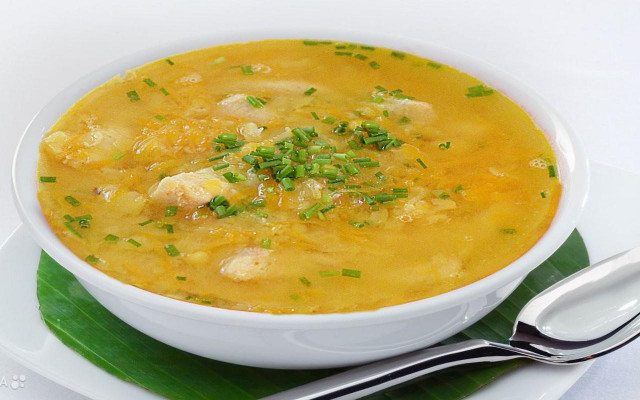
Sauerkraut shchi with mushrooms is an exceptionally tasty dish! Shchi — a classic Russian cabbage soup — goes way back. It comes two ways: on meat or bone broth, and a meatless "monastery" version. The lean version is perfect for fasting days and a hit with vegetarians, too. It was eaten widely in the first half of the 19th century: the poor and the serfs made lean shchi with mushrooms (sauerkraut and foraged forest mushrooms were the cheapest things around), while the same soup graced the tables of the nobility — only with a good piece of meat alongside. This recipe is, of course, a long way from what our ancestors made, but let's cook up a wonderful tangy mushroom shchi all the same.

Cooking method
-
Step 1:
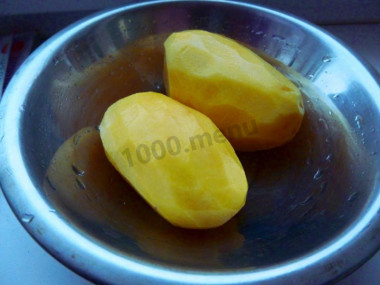
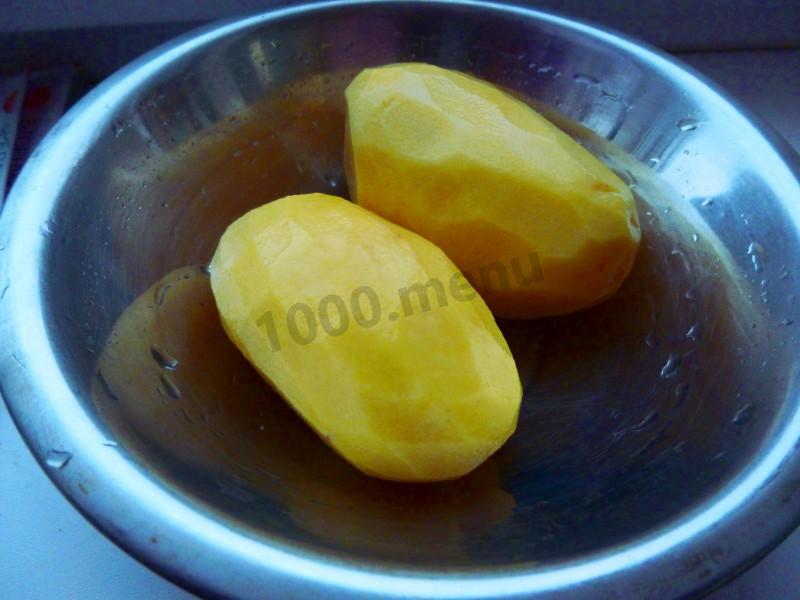
A note up front: I always make the broth the night before, so the next day all that's left is to quickly finish the soup. So, set the pot of broth (or water) on the stove to heat up. Wash and peel the potatoes.
-
Step 2:
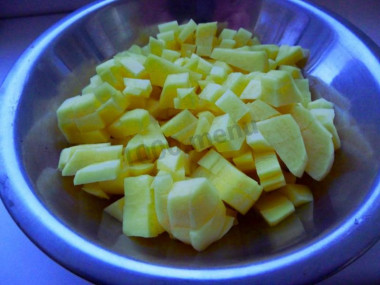
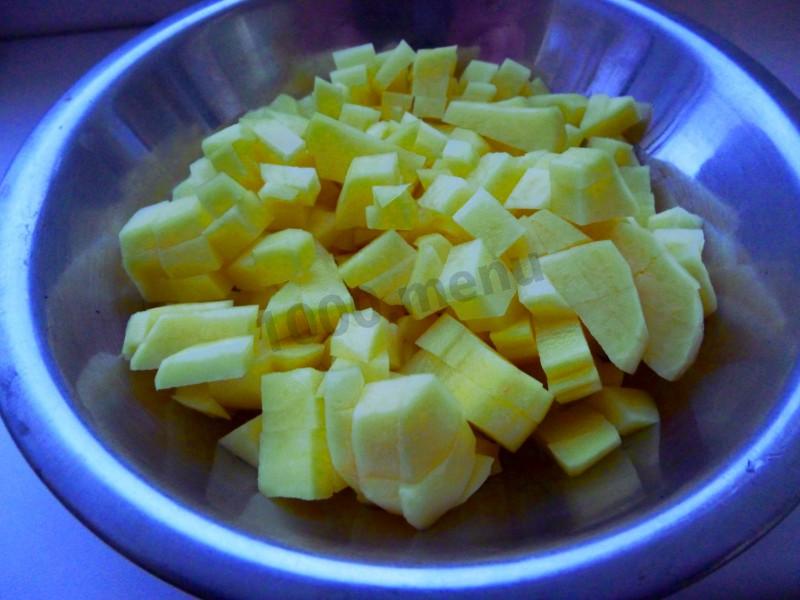
Cut the potatoes into small cubes and add them to the boiling broth.
-
Step 3:
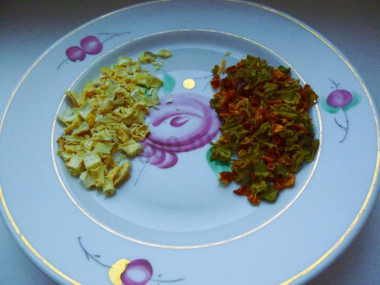
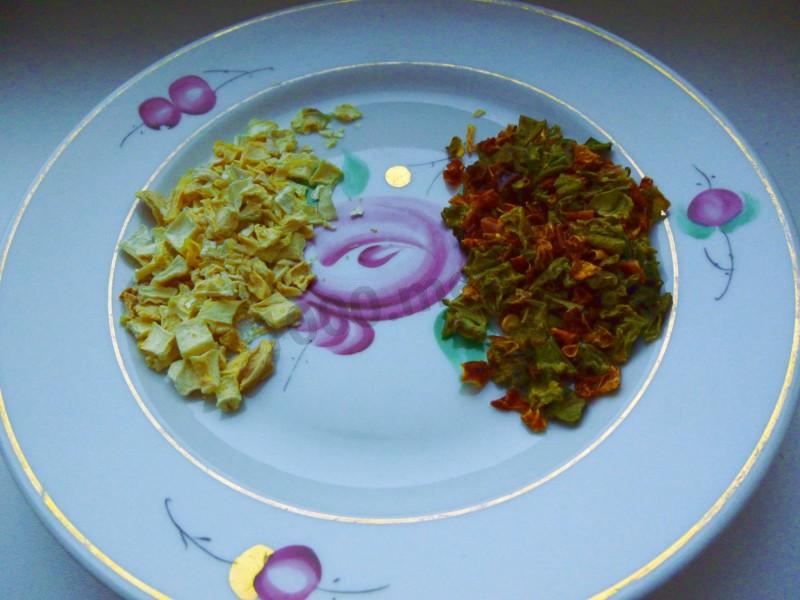
Right after the potatoes, add the dried parsley, celery, and parsnip roots. Bring the broth to a boil, lower the heat, and cook for 10 minutes.
-
Step 4:
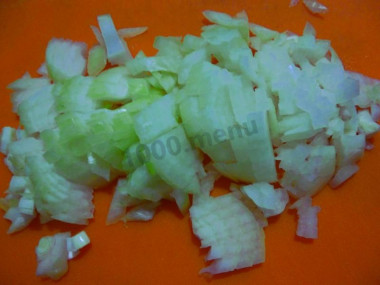
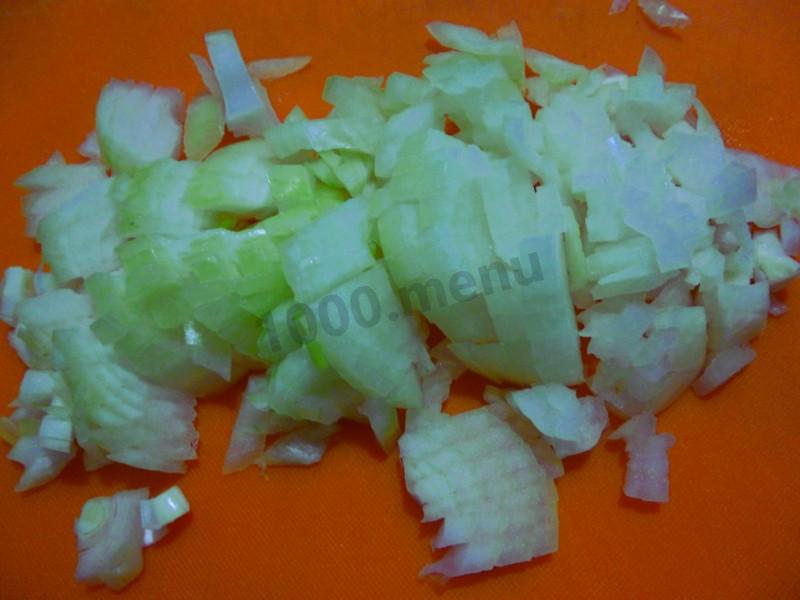
Peel the onion and cut it into small dice. Set a skillet with vegetable oil over the heat and sauté the onion until soft and translucent. If you have a tomato on hand, chop it and add it to the onion — it makes the shchi even tastier. :)
-
Step 5:
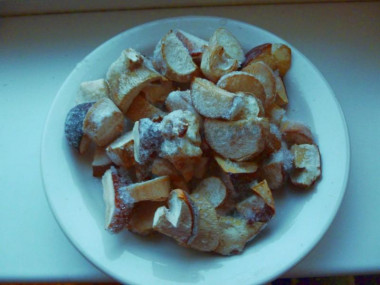
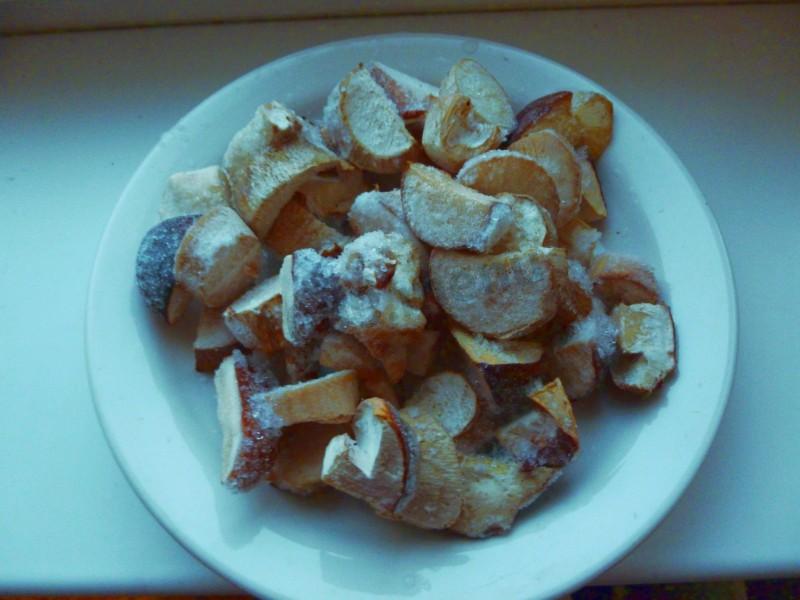
My mushrooms have been frozen since fall: the stems of red-cap boletes, birch boletes, and porcini.
-
Step 6:
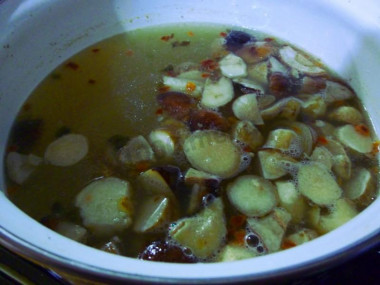
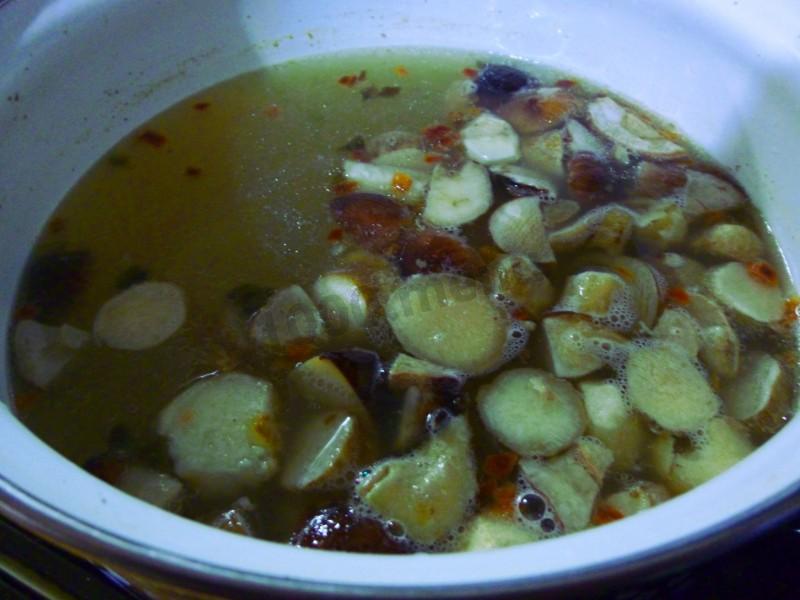
Add the mushrooms to the broth with the potatoes and roots without thawing. Keep cooking another 15 minutes.
-
Step 7:
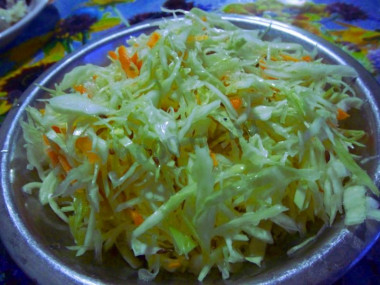
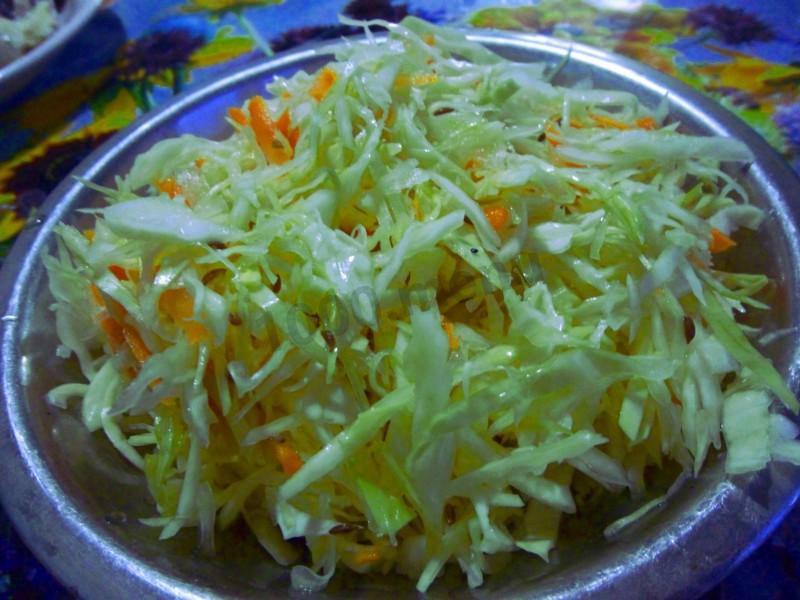
I made the sauerkraut myself, and it already has carrot in it, so I don't add carrot separately. I also don't drain the brine too carefully — it makes the shchi nice and tangy, which is exactly what we want.
-
Step 8:
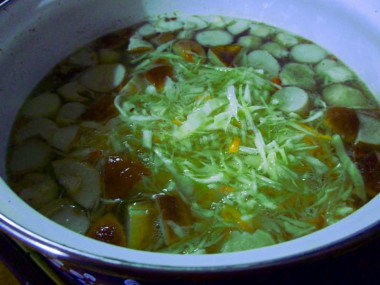
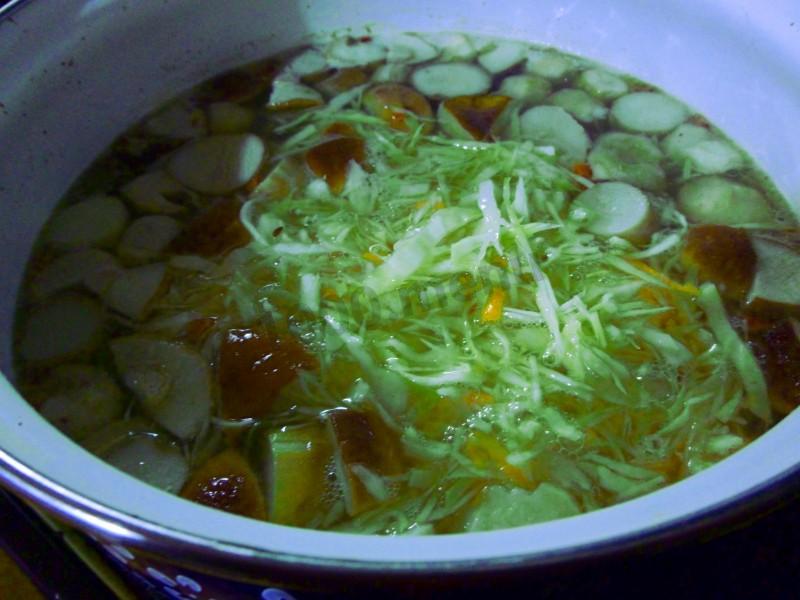
Add the sauerkraut to the pot, bring to a boil, and cook for 30–40 minutes. Once the cabbage stops floating and settles evenly through the broth, add the sautéed onion, stir, and taste for salt (adding more if needed). Drop in the bay leaves and let it boil. I used frozen and dried herbs — dill, parsley, lovage — plus a pinch of khmeli-suneli and ground coriander. Turn off the heat and let it rest, covered, for 10–15 minutes.
-
Step 9:
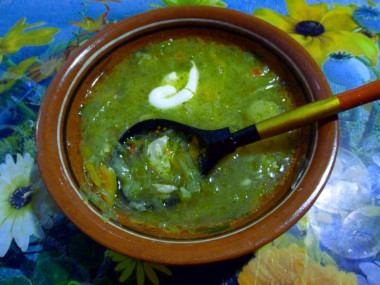
Hot, fragrant shchi with a dollop of sour cream and some rye bread is especially good in winter. It warms both body and soul!
-
Step 10:
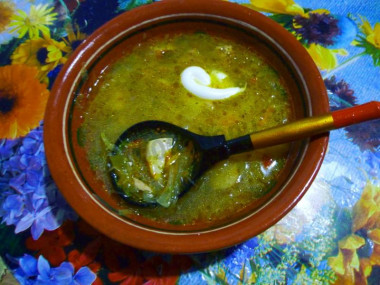
Dig in, treat your loved ones, and stay well!
Caloric content of the products possible in the composition of the dish
- Mature potatoes - 80 kcal/100g
- Baked potatoes - 70 kcal/100g
- Mashed potatoes - 380 kcal/100g
- Boiled potatoes - 82 kcal/100g
- Potatoes in their skins - 74 kcal/100g
- Fried potatoes - 192 kcal/100g
- Sweet pepper - 27 kcal/100g
- Garlic - 143 kcal/100g
- Fresh porcini mushrooms - 34 kcal/100g
- Fried porcini - 162 kcal/100g
- Pickled porcini - 24 kcal/100g
- Bay leaf - 313 kcal/100g
- Vegetable oil - 873 kcal/100g
- Sauerkraut - 19 kcal/100g
- Onion - 41 kcal/100g
- Dried spices - 240 kcal/100g
- Frozen mixed soup herbs (packaged) - 41 kcal/100g
- Fresh herbs - 41 kcal/100g
- Soup roots - 32 kcal/100g
- Meat broth - 34 kcal/100g
Similar recipes


- Soups
- Mushrooms
- Vegetables
- Spices seasonings spices
- Root flower leaves
- Fats and oils
- Other
- Garlic
- Зелень
- Bay leaf
- Dry spices
- Roots
- Vegetable oil
- Broth
- Cooking
- Shchi soup
- Mushroom soup
- Cabbage soup
- Meat-free soup
- Potato soup
- Vegetarian soups
- Mushrooms with onions
- Cabbage with mushrooms
- Porcini mushrooms
- From potatoes
- From cabbage
- From sweet pepper
- From onion
- No eggs
- Vegetarianism
- Recipes for lean dishes without butter