Classic Pepper Lecho for Winter (Finger-Licking Good)
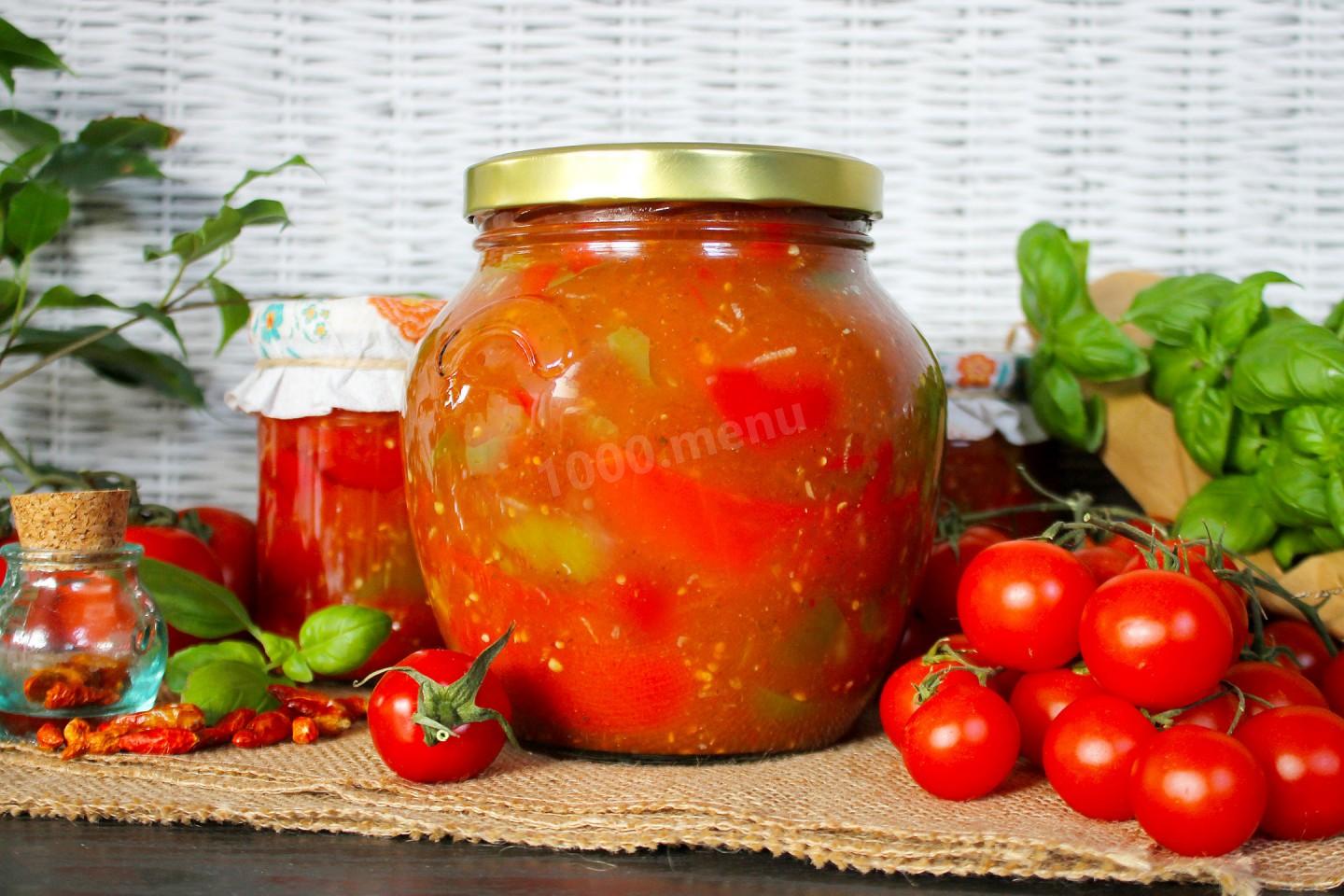
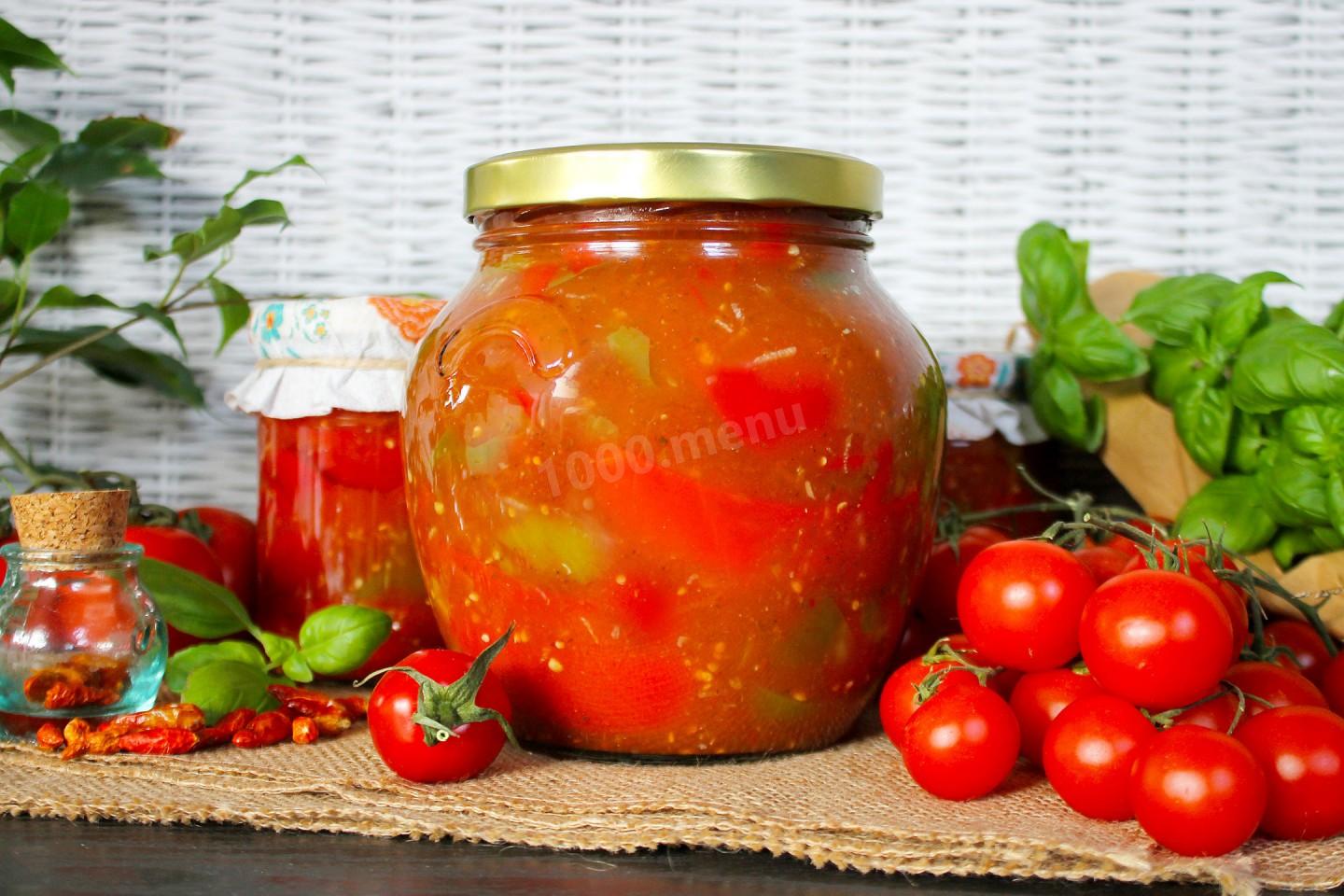
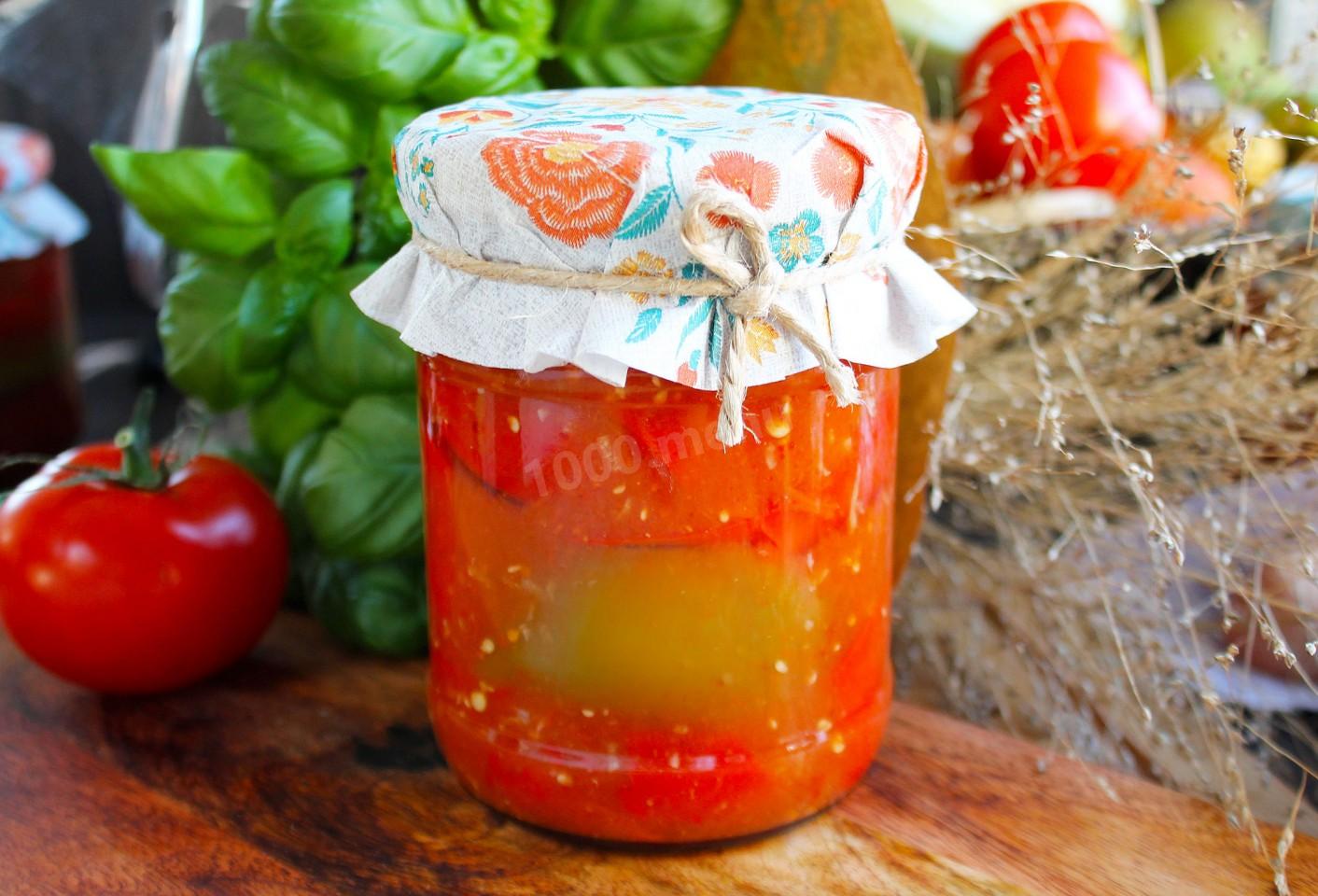
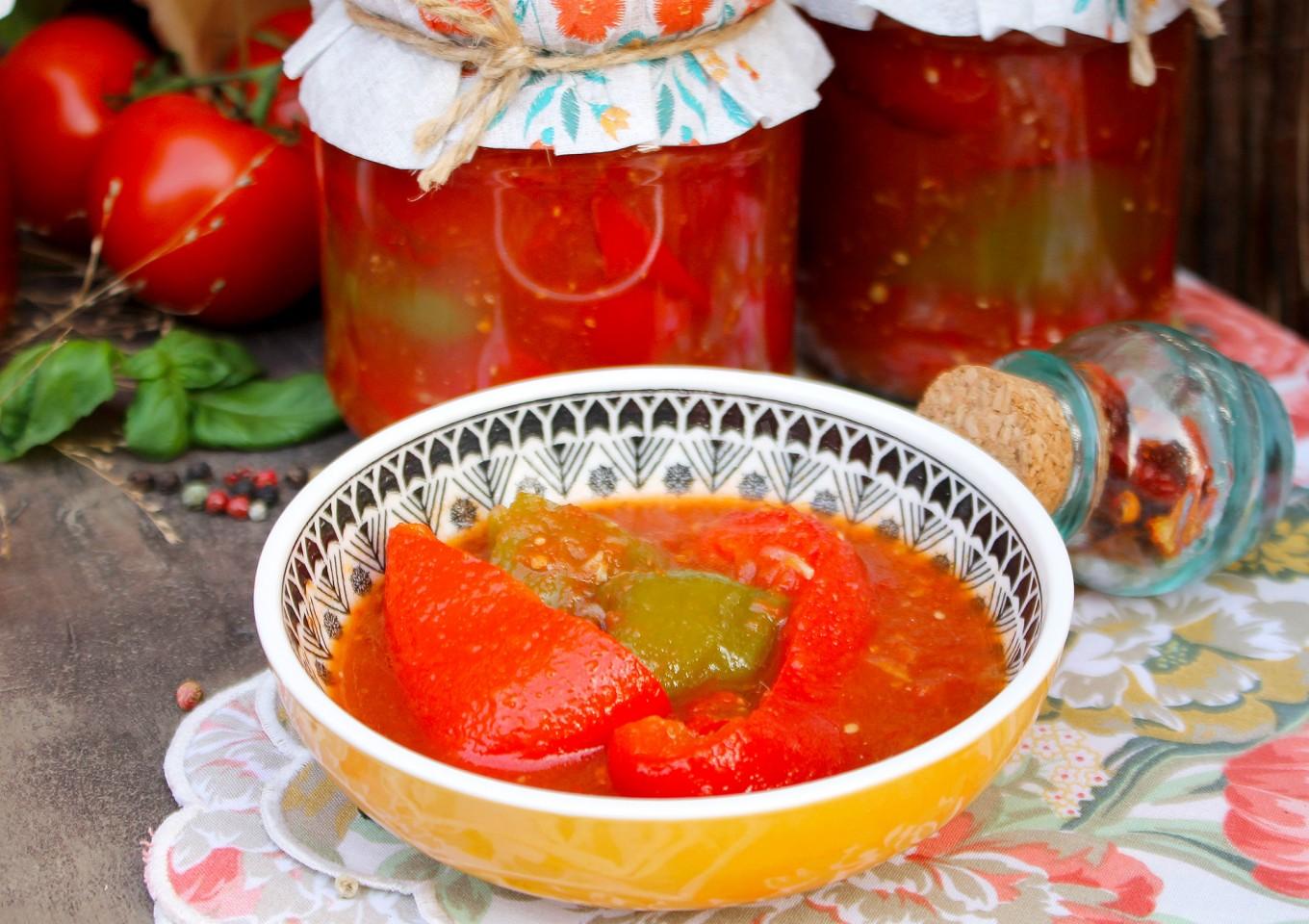
Quick, delicious, and simple, from everyday ingredients! A recipe proven over the years. This classic pepper lecho for winter will become a favorite the moment you make it. The relish comes out not spicy—piquant and just lightly sweet. At our house it never makes it to February; it's the first thing to go.

Cooking method
-
Step 1:
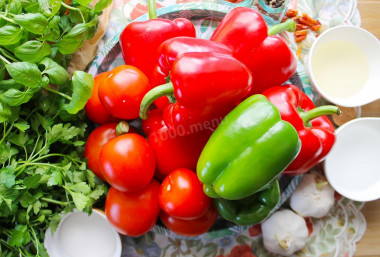
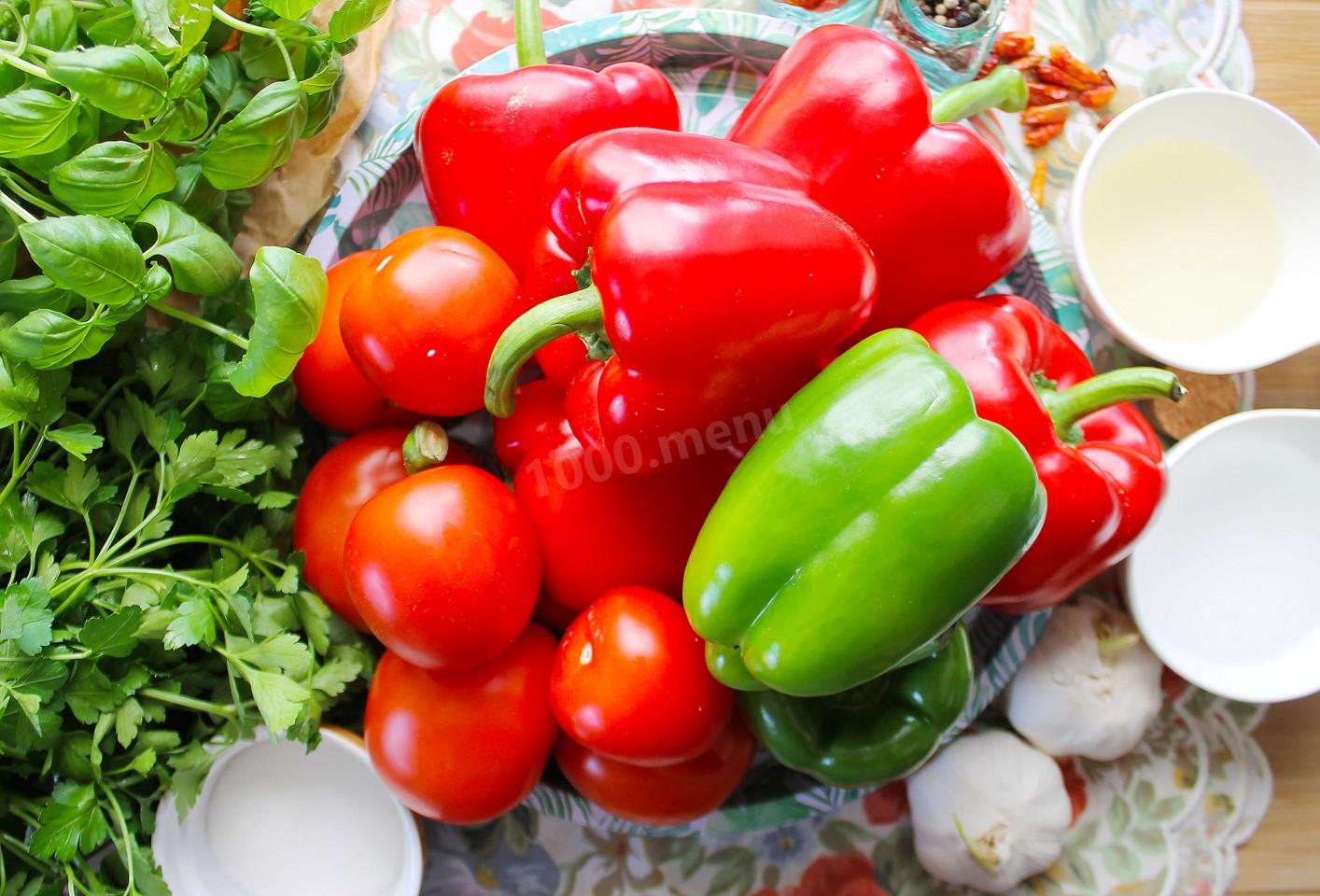
How do you make finger-licking-good tomato-and-pepper lecho for winter? Gather everything on the list. Which vegetables are best? Seasonal juicy tomatoes and large, fleshy peppers are perfect for lecho. A mix of red, yellow, and orange peppers makes it especially tasty and colorful. Wash the vegetables well.
-
Step 2:
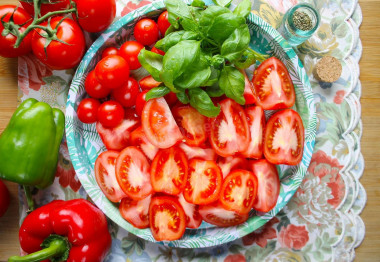
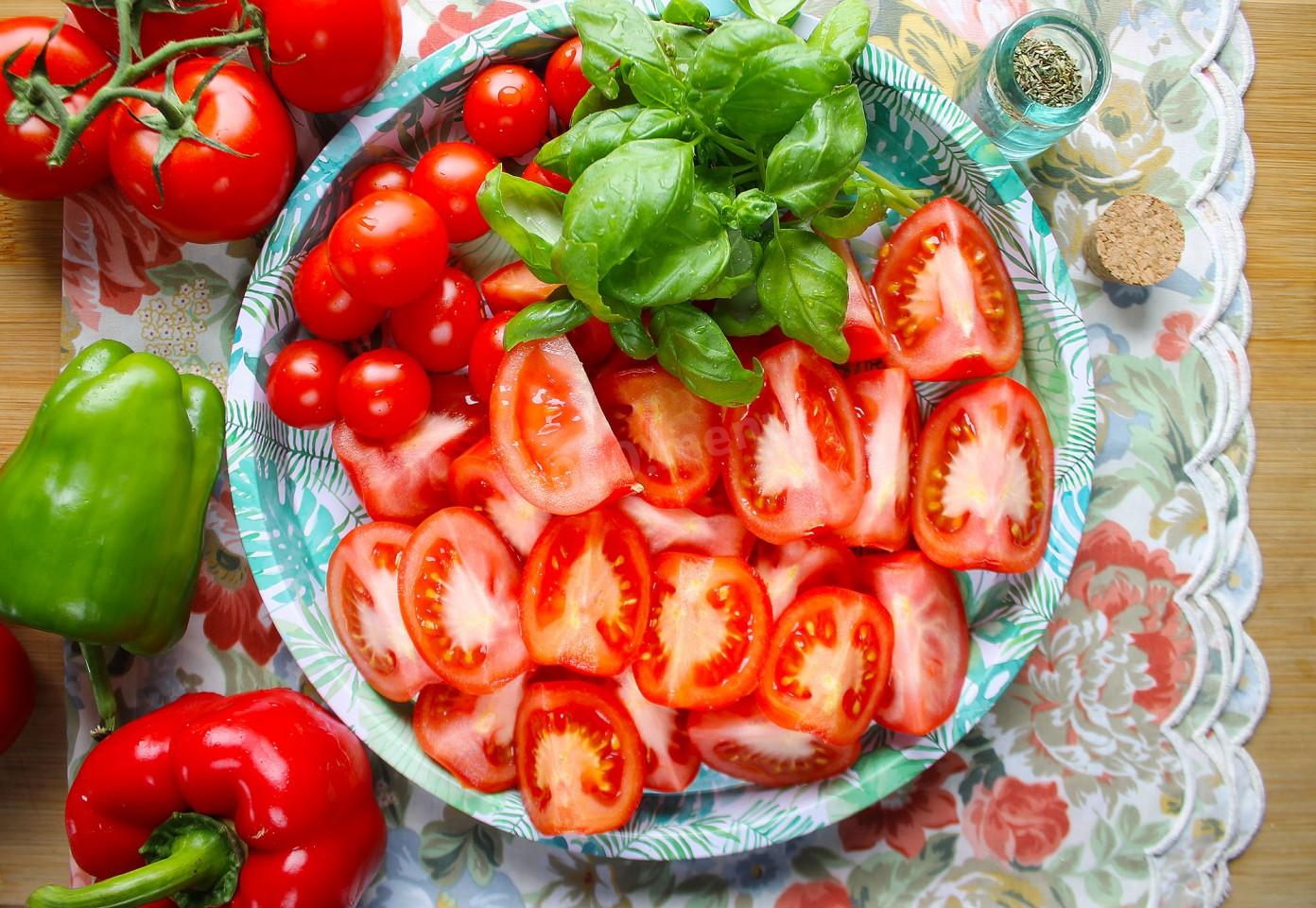
Cut the tomatoes into quarters, removing the stem ends if you like. Rinse the basil. If you use dried basil instead of fresh, cut the amount down by 3–4 times, to taste.
-
Step 3:
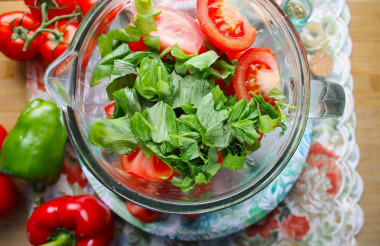
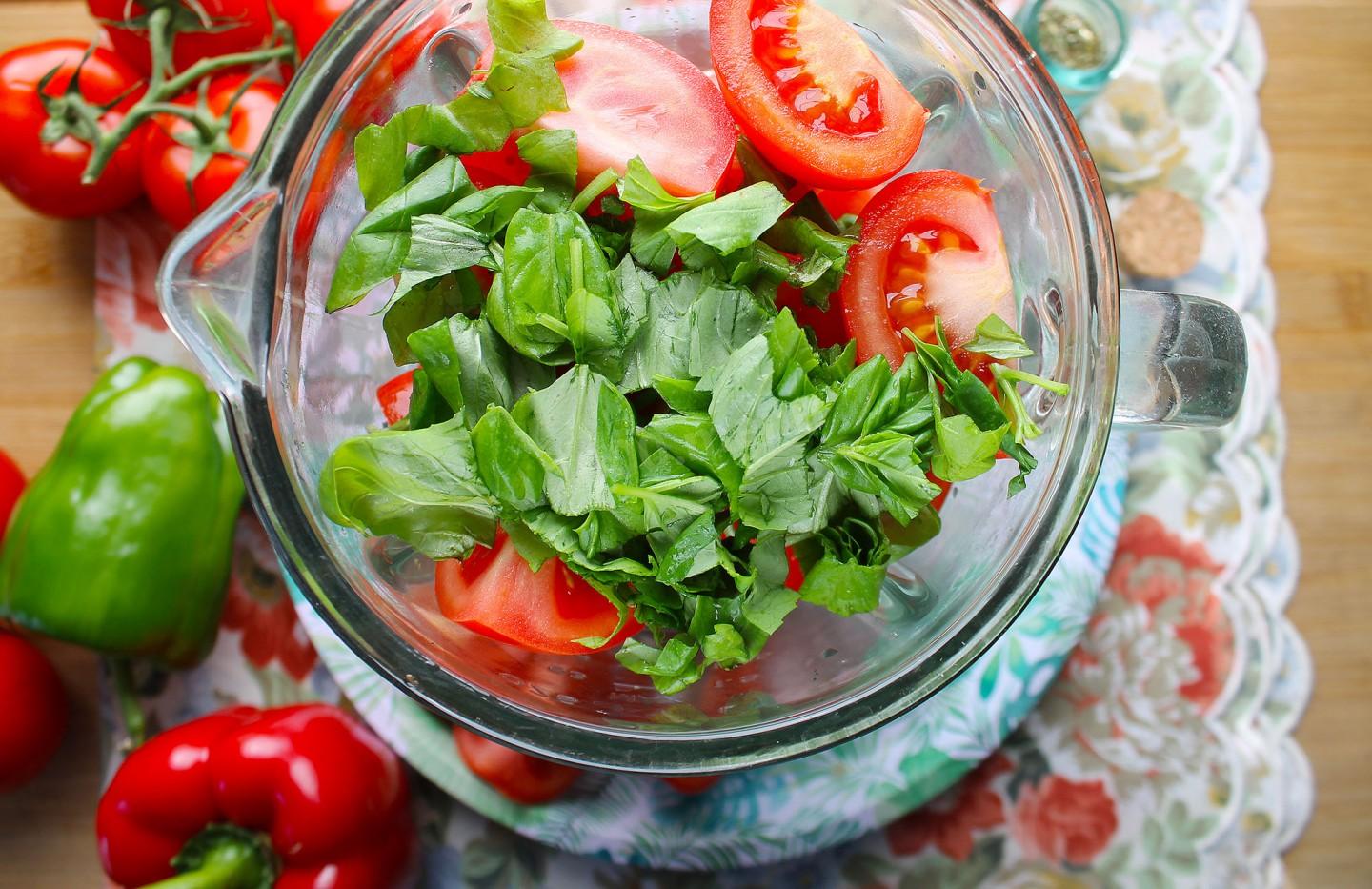
Put the tomatoes and torn basil in a blender and blend until smooth.
-
Step 4:
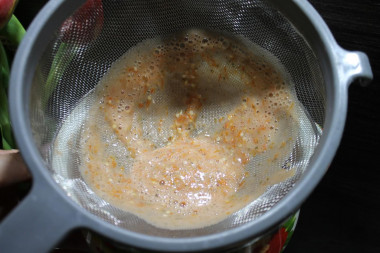
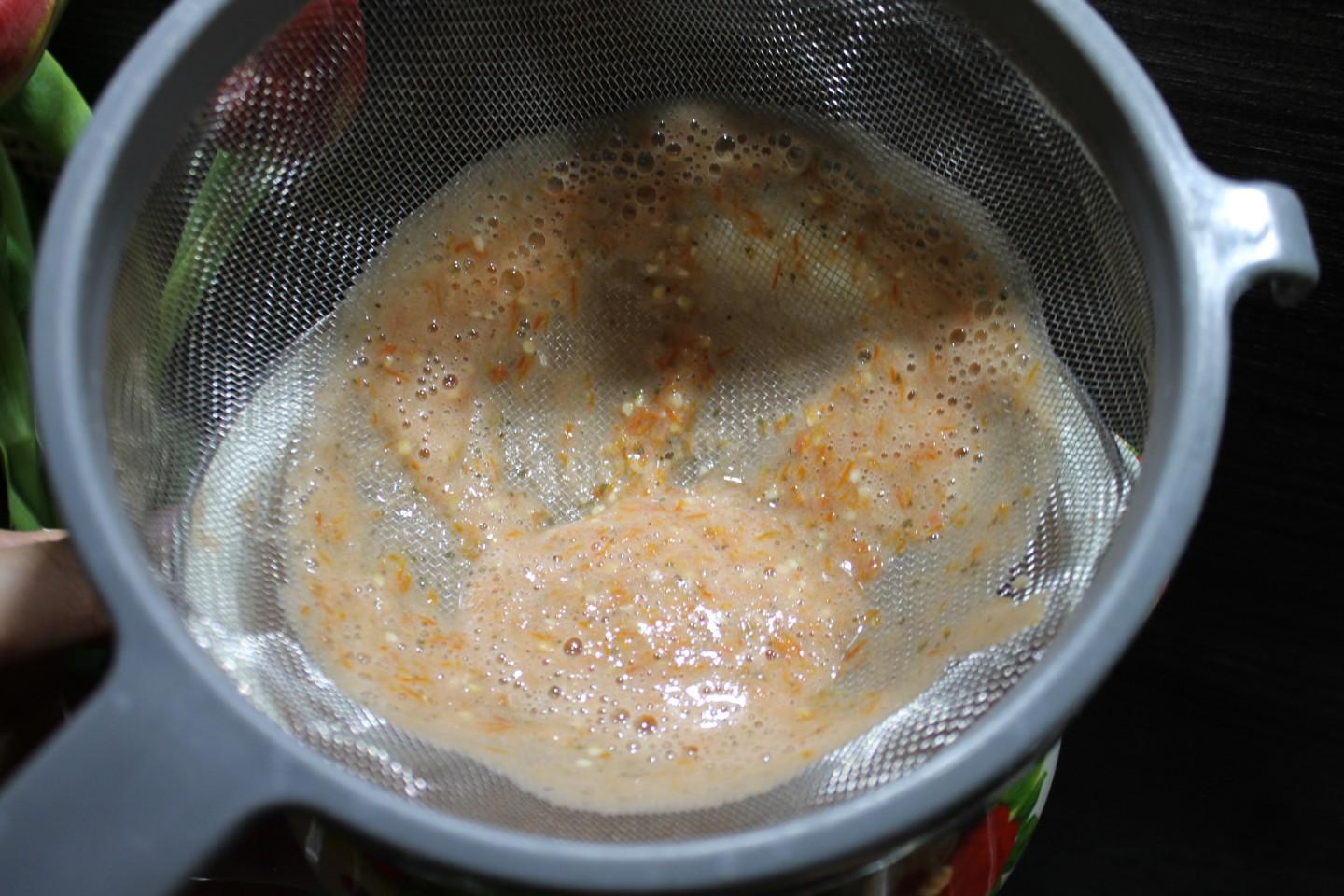
For a perfectly smooth purée, press it through a sieve. You can skip this step if you like.
-
Step 5:
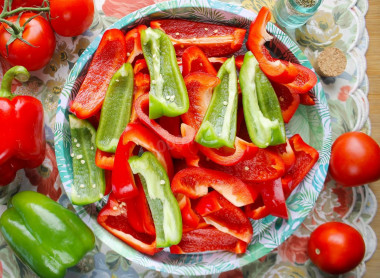
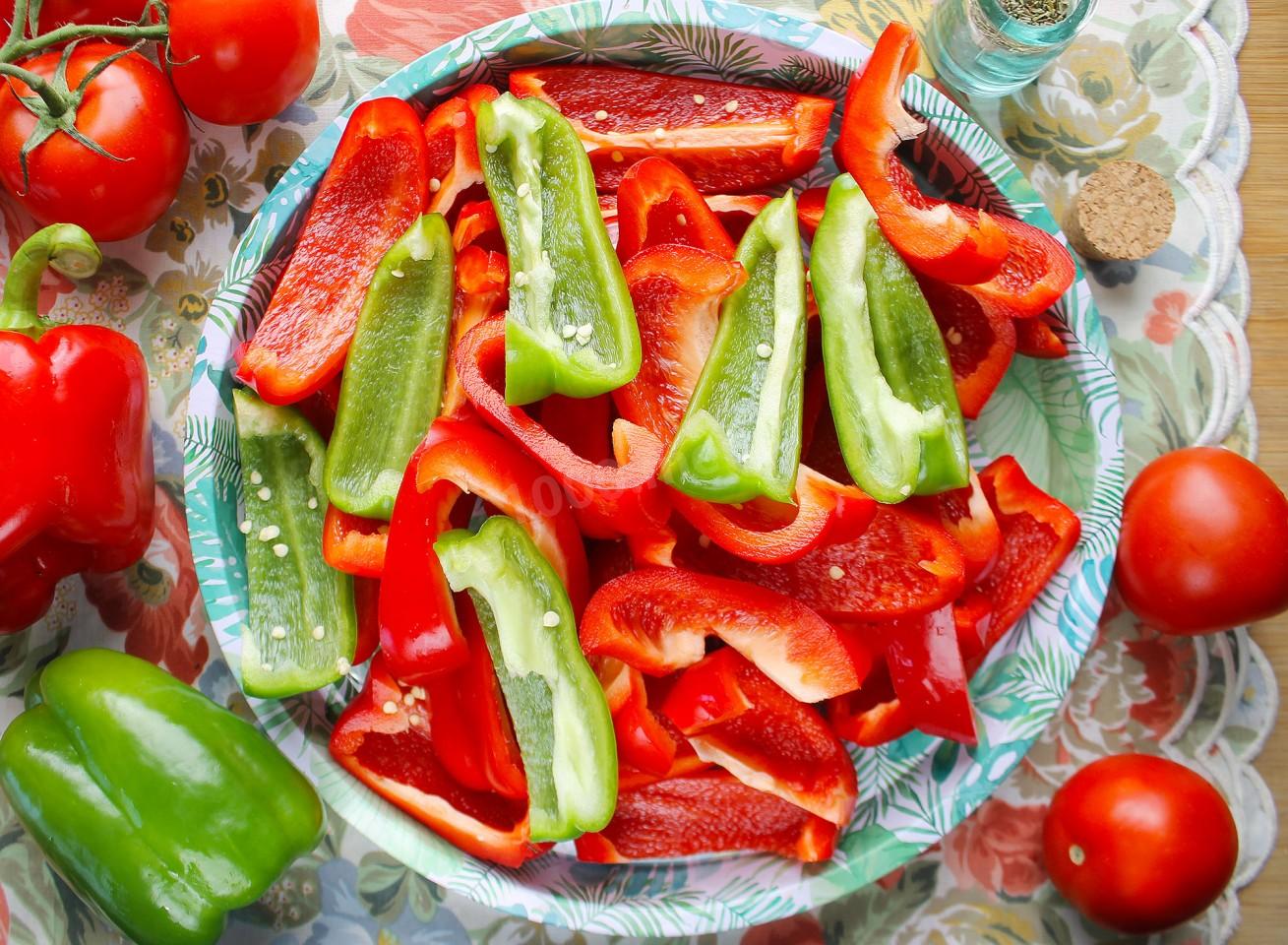
Halve the bell peppers and remove the stem and seedy core. Cut each half into 2–3 more strips.
-
Step 6:
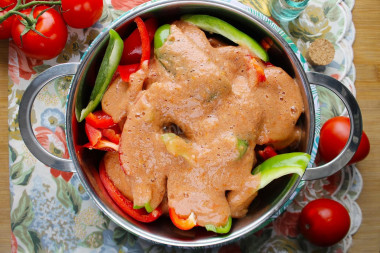
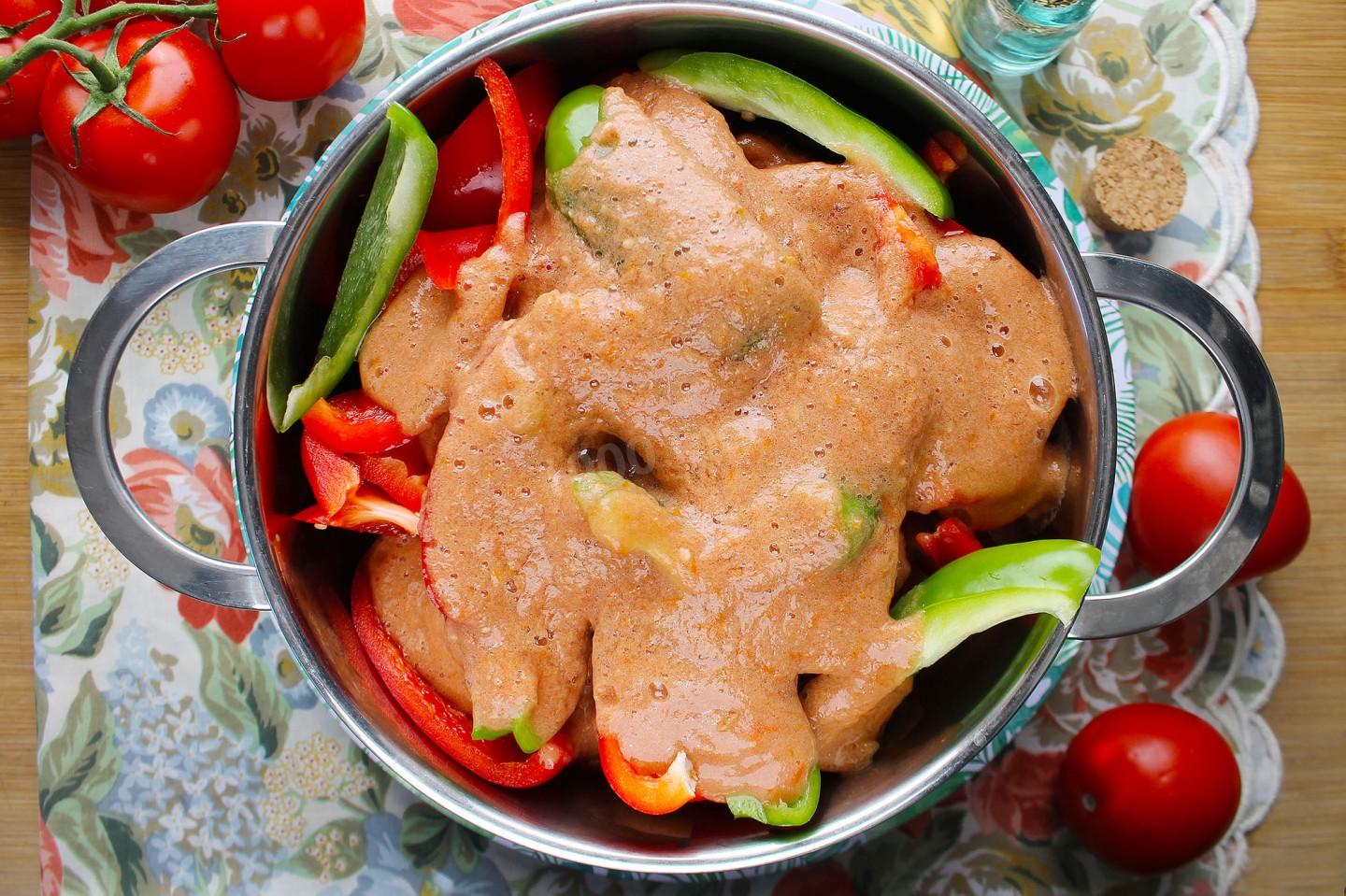
Put the peppers in a pot, pour the tomato purée over them, and set it on the stove. Once it boils, lower the heat to medium and cook the lecho for about 10 minutes. Adjust for your peppers: if they're thick-walled and fleshy, let it cook another 5–10 minutes. The peppers should soften a bit but not turn to mush.
-
Step 7:
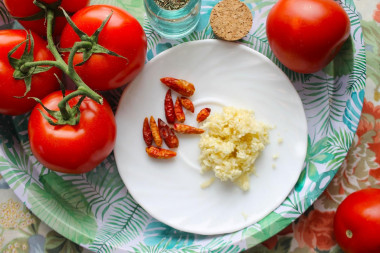
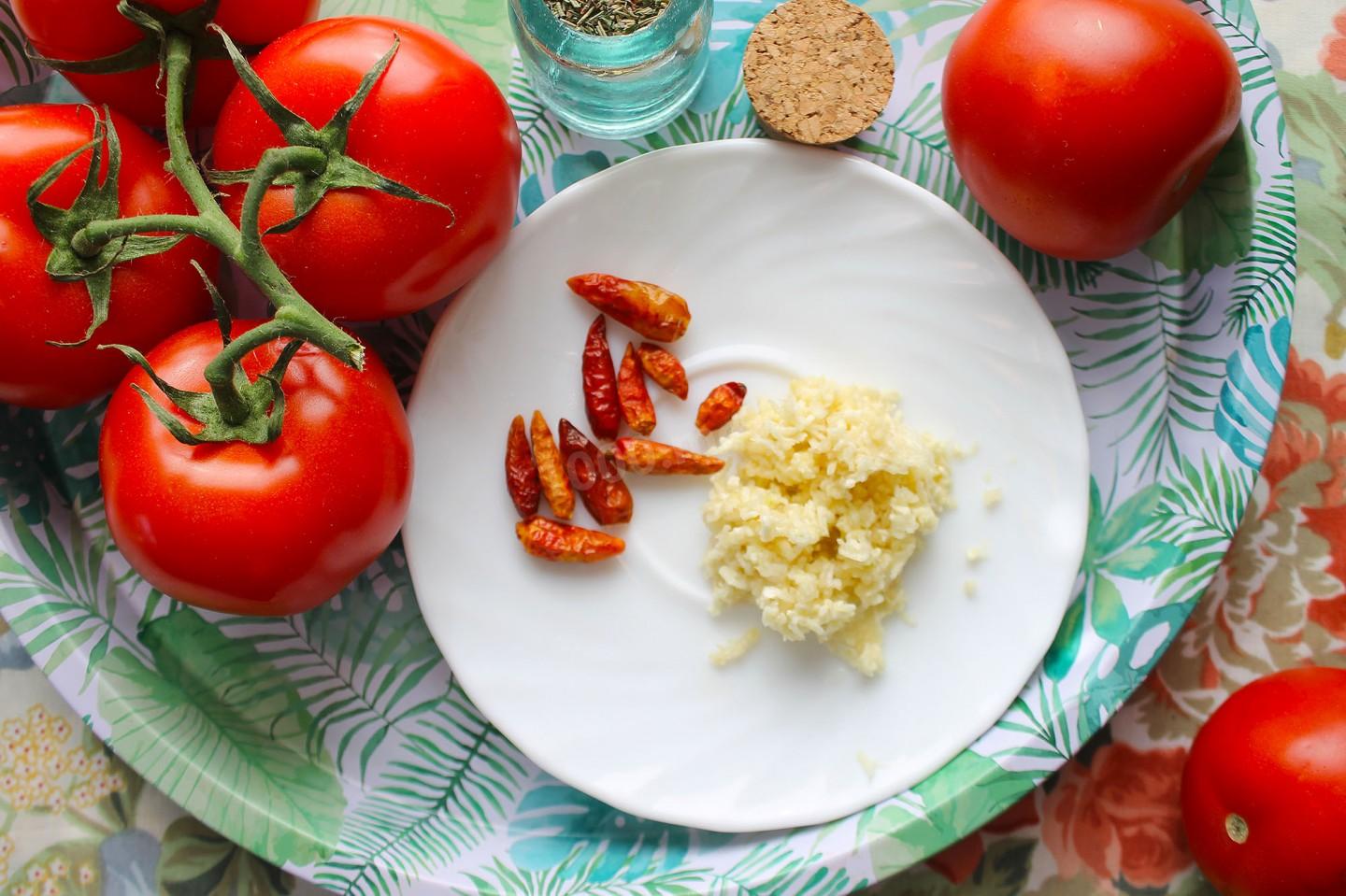
Meanwhile, prep the rest of the ingredients. Peel the garlic and rinse it along with the hot pepper under running water. I used dried chili and cut back the amount, since the kids happily eat this lecho. Adjust the heat to your taste.
-
Step 8:
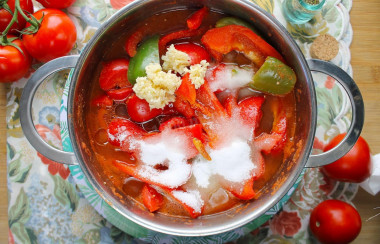
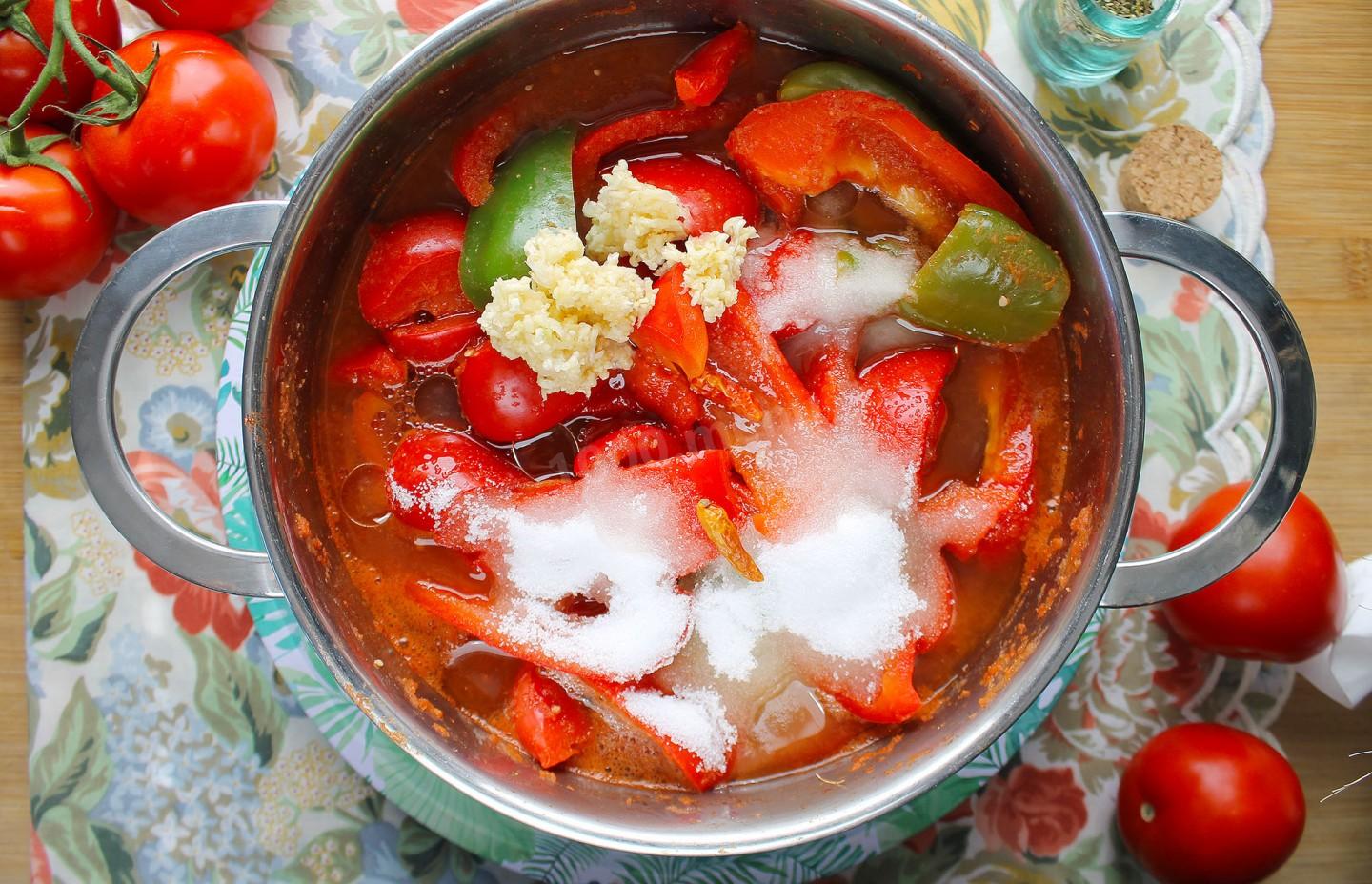
Add the sugar, salt, garlic and pepper, vegetable oil, and vinegar to the pot. Stir the lecho gently so you don't break the pieces of pepper. Taste it—I added nearly the same amount of salt again. Cook the lecho for about 5 minutes.
-
Step 9:
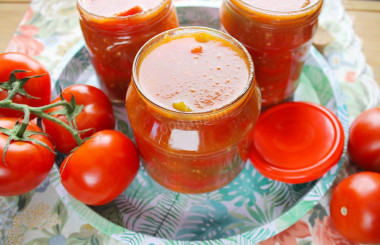
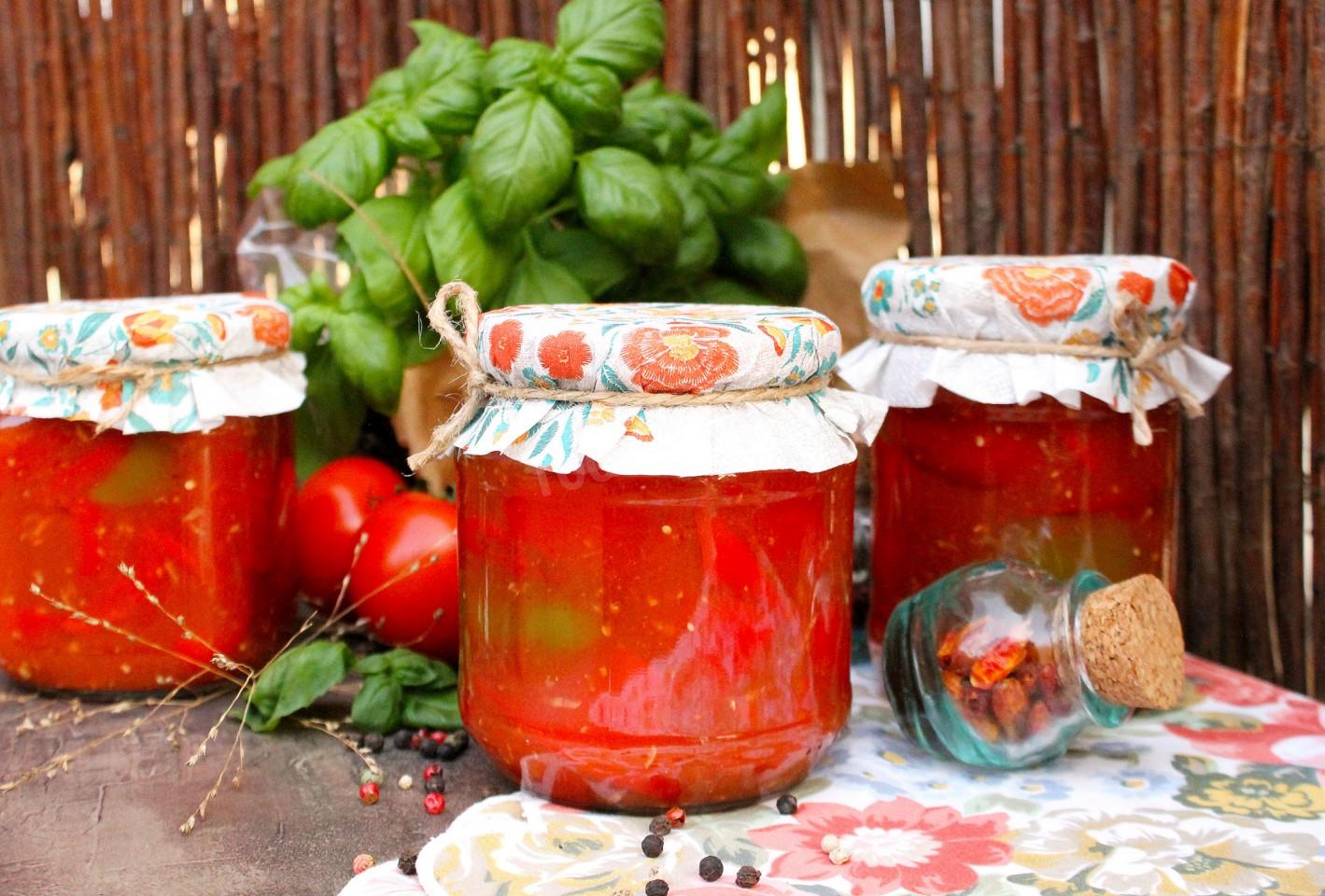
Fill sterilized jars to the top with the finished lecho and seal them.
-
Step 10:
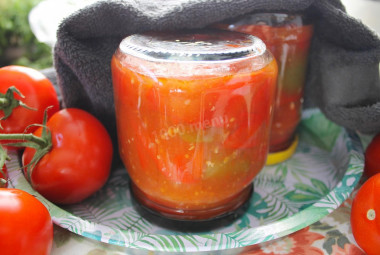
Turn the jars upside down and leave them under a warm blanket at room temperature until completely cool. Then move the lecho to a cool place for long-term storage.
-
Step 11:
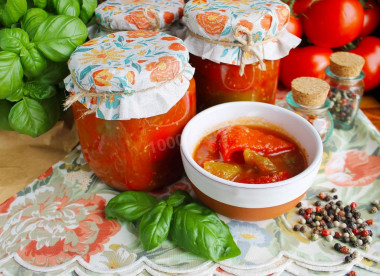
This amount made 1,600 ml of finished lecho for me—I filled three 500 ml jars and had a small bowl left over to taste.
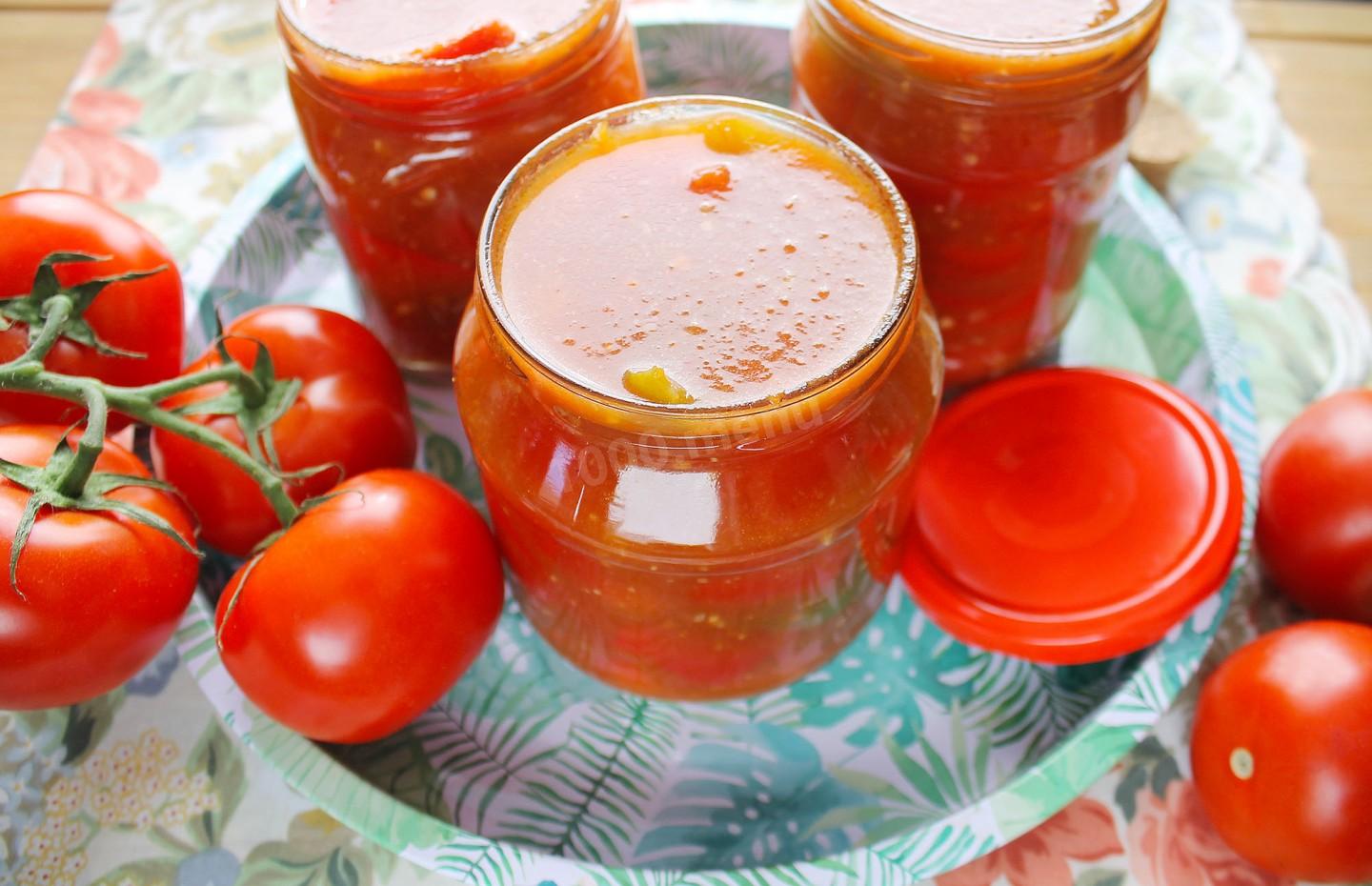
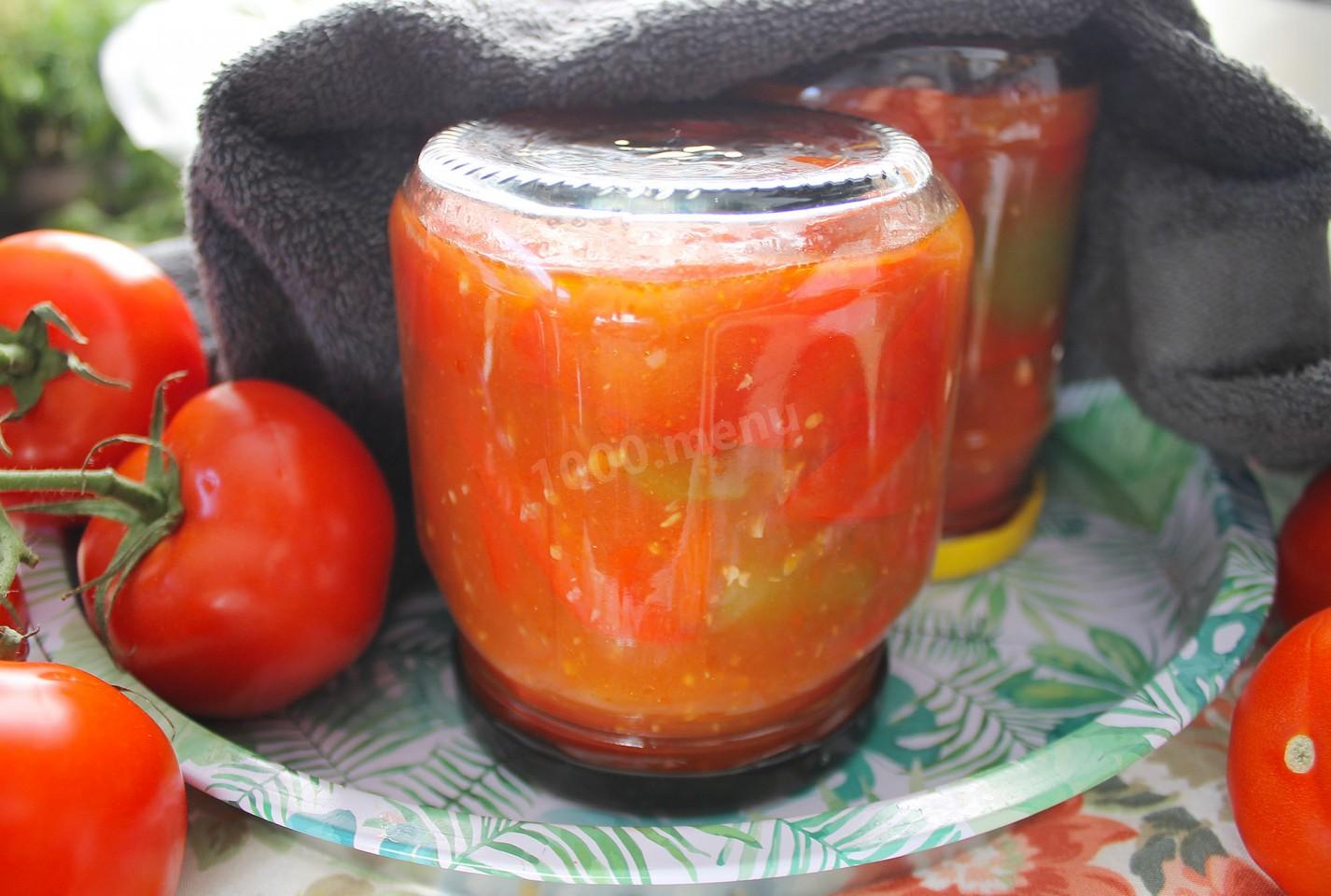
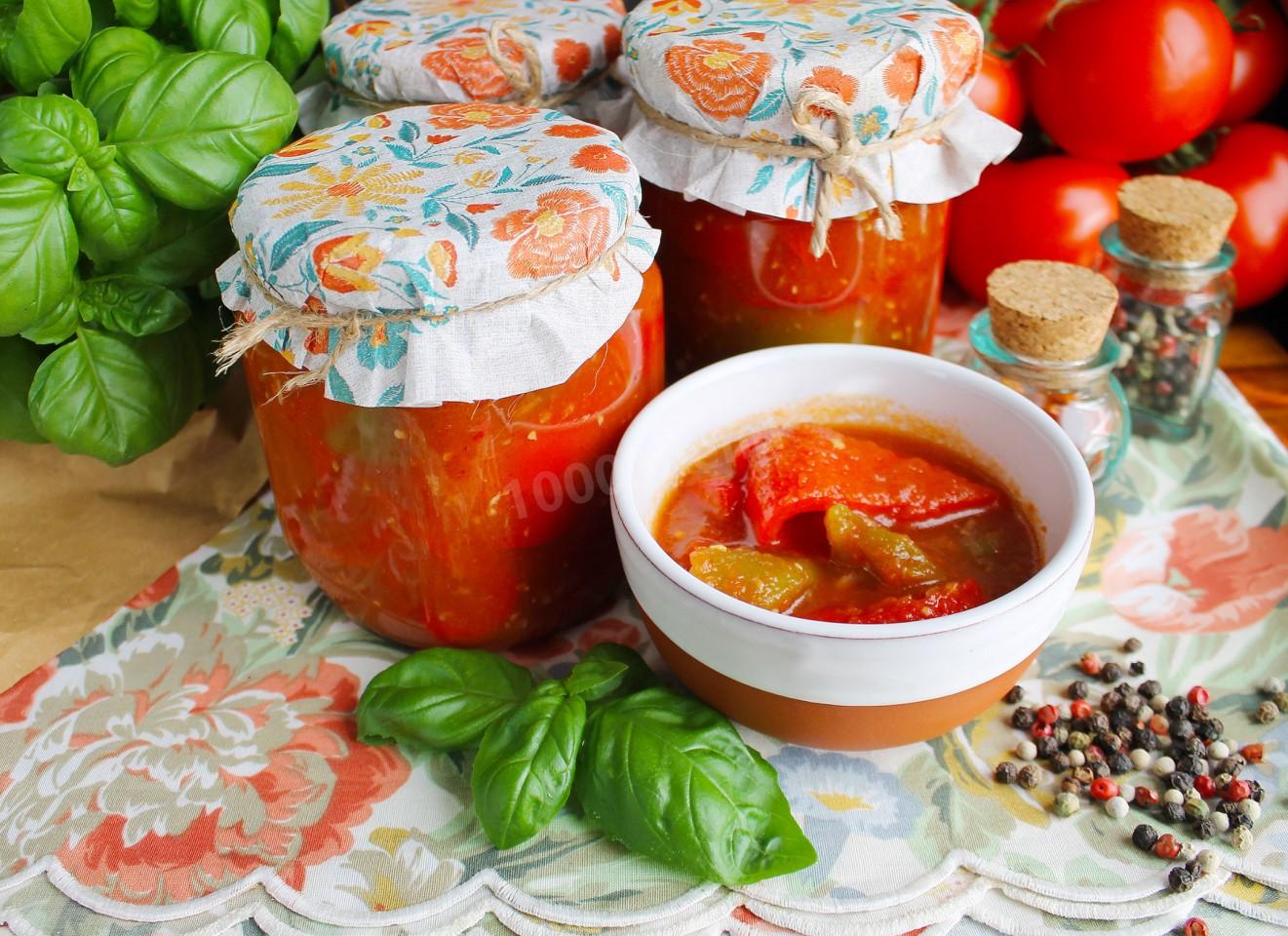
- Depending on how juicy your vegetables are, you may have a little fragrant tomato sauce left over after filling the jars—use it for borscht, serve it with meat, or spread it on a fresh hunk of bread. Enjoy!
- To make sure your summer harvest keeps you happy all through the cold season, read up on the basic rules, secrets, and tips for winter preserves.
Caloric content of the products possible in the composition of the dish
- Tomatoes - 23 kcal/100g
- Sweet pepper - 27 kcal/100g
- Garlic - 143 kcal/100g
- Fresh basil - 27 kcal/100g
- Dried basil - 251 kcal/100g
- Granulated sugar - 398 kcal/100g
- Sugar - 398 kcal/100g
- Wine vinegar (3%) - 9 kcal/100g
- Vinegar 9% - 11 kcal/100g
- Balsamic vinegar - 88 kcal/100g
- Apple vinegar - 14 kcal/100g
- Vinegar - 11 kcal/100g
- Vegetable oil - 873 kcal/100g
- Hot capsicum - 40 kcal/100g
- Salt - 0 kcal/100g
Similar recipes


- Classic recipes
- Homemade preparations
- Vegetables
- Sweet
- Spices seasonings spices
- Fats and oils
- Garlic
- Basil
- Pepper
- Salt
- Vinegar
- Vegetable oil
- Cooking
- Vegetable blanks
- You'll lick your fingers for winter
- Marinades
- From tomato
- From sweet pepper
- Vegetarianism
- Recipes for lean dishes without butter
- Sugar