Plum and Tomato Ketchup for Winter
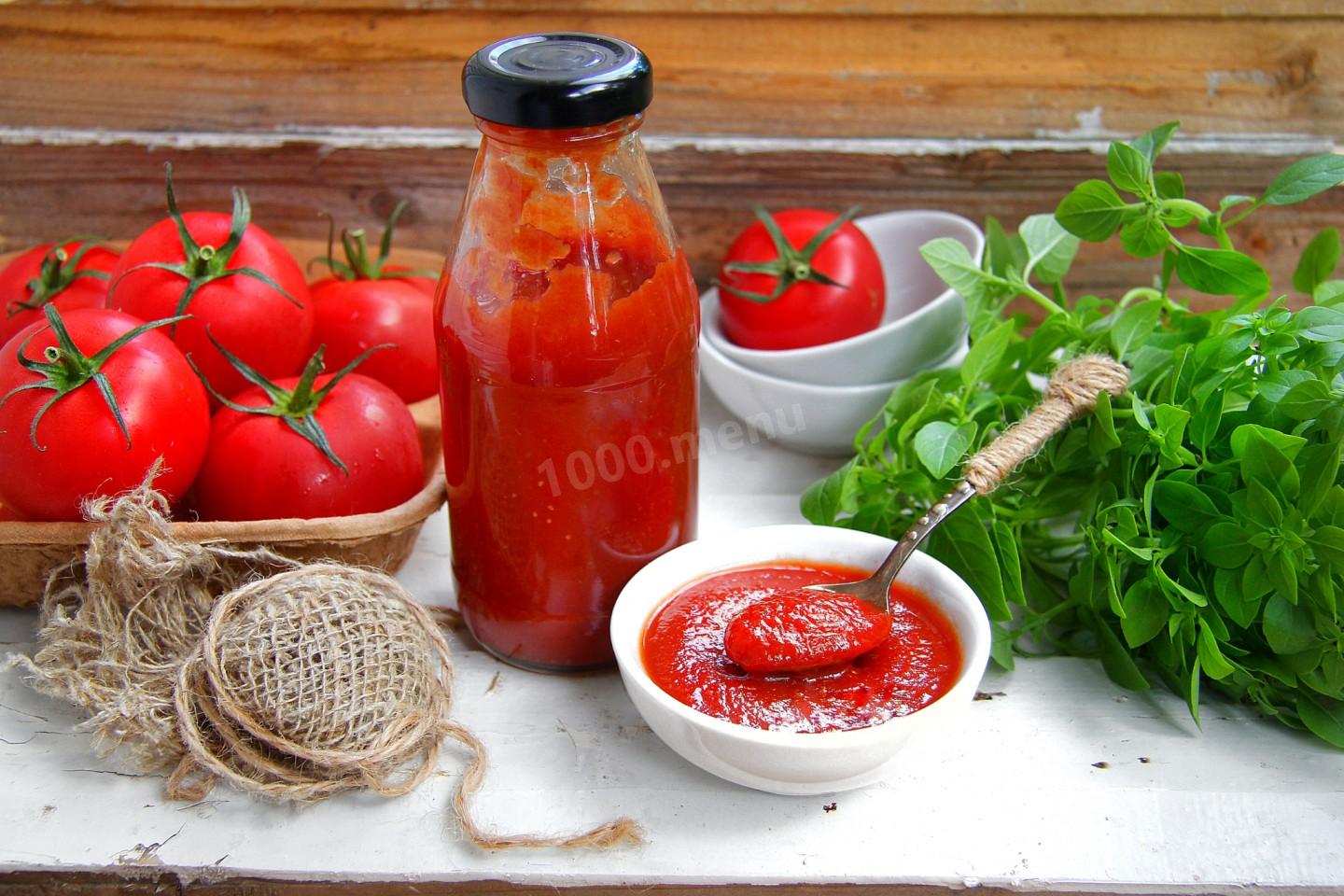
A fragrant ketchup with a light fruity edge. It's an intriguing pairing of vegetable and fruit in one sauce, where ketchup made from ripe, juicy tomatoes is set off by the sweet note of plum. This ketchup is great with steak and with most main dishes of meat and poultry. For something different, it's wonderful!


Cooking method
-
Step 1:
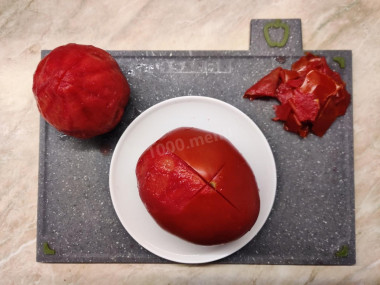
Rinse ripe, juicy summer tomatoes under running water and score a small cross in the skin of each. Pour boiling water over the tomatoes and slip off the skins.
-
Step 2:
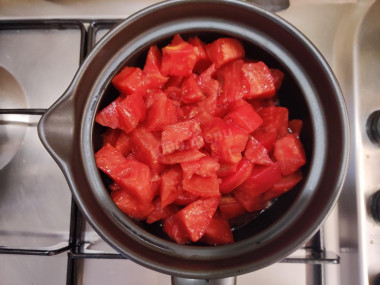
Cut the tomatoes into large chunks and put them in a heavy-bottomed pot—I use a clay sauté pan. Over medium heat, let the tomatoes simmer in their own juices, stirring occasionally. The time varies; it took me about half an hour.
-
Step 3:
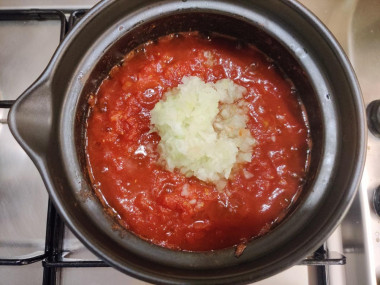
Add the onion, puréed in a blender. Stir and simmer over low heat for a couple of minutes.
-
Step 4:

Rinse the plums under running water, pit them, and check that they're free of pests. Purée the plums with an immersion blender. Mine are yellow plums, but blue or red ones work just as well here.
-
Step 5:
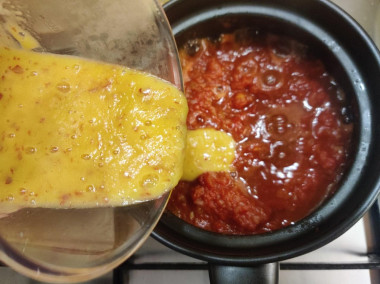
Pour the plum purée into the sauté pan and stir the mixture together.
-
Step 6:
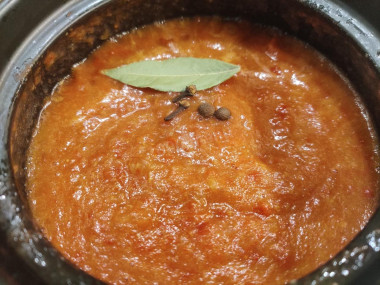
For aroma and flavor, add the seasonings: bay leaf, allspice, and cloves. Simmer the sauce over the lowest heat until it thickens—it took me about 10 minutes. The sauce will spatter, but don't put a lid on it: we want to evaporate the liquid, not trap it inside. You can cover the pan with a mesh splatter screen.
-
Step 7:
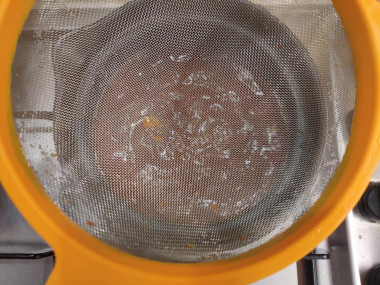
I don't have one, so I just set a metal colander over the pan. Thanks to this little trick, the steam still escapes while the spatters stay inside :)
-
Step 8:
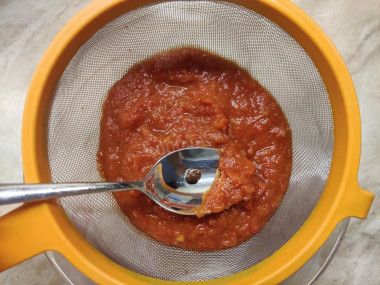
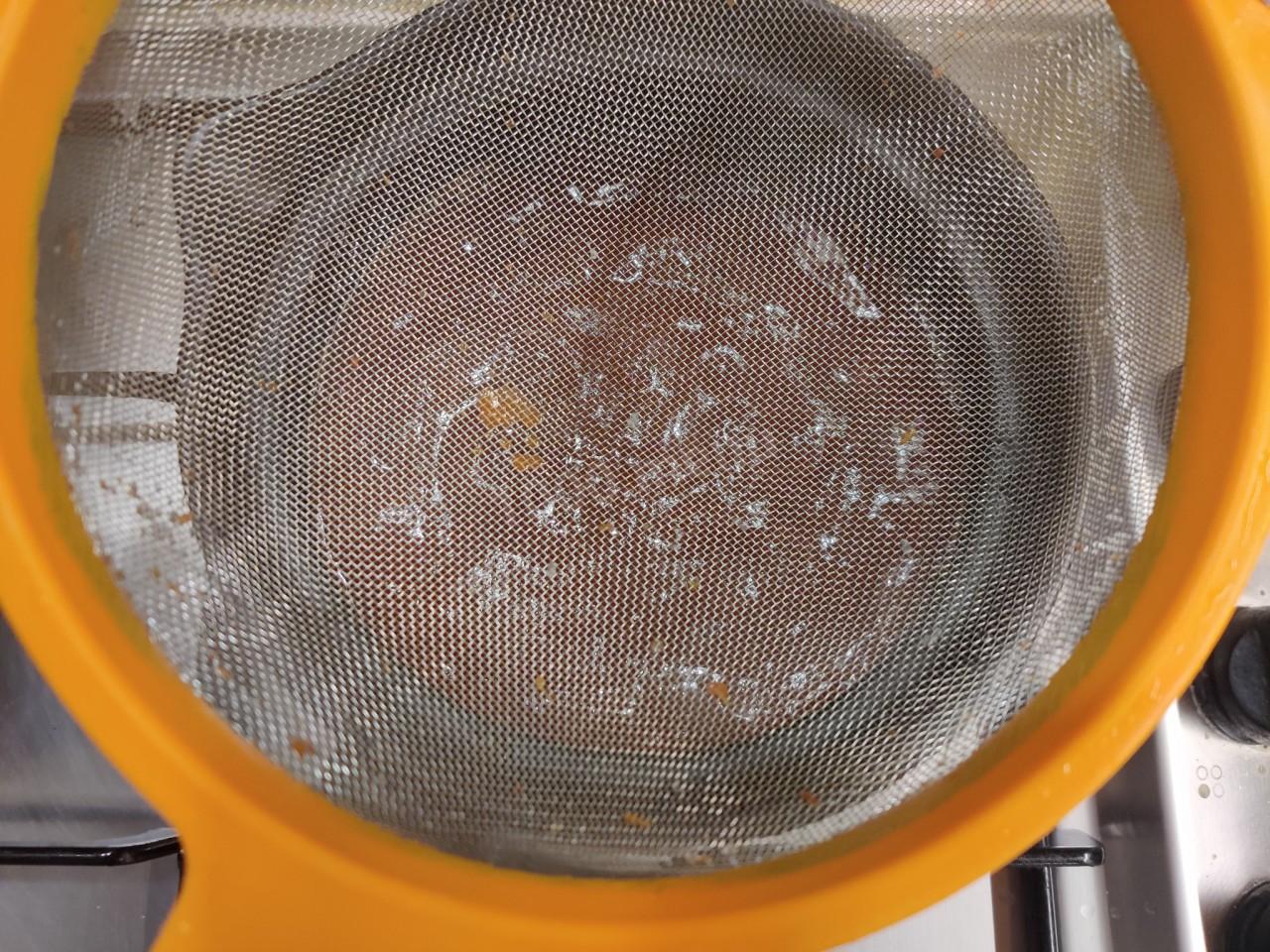
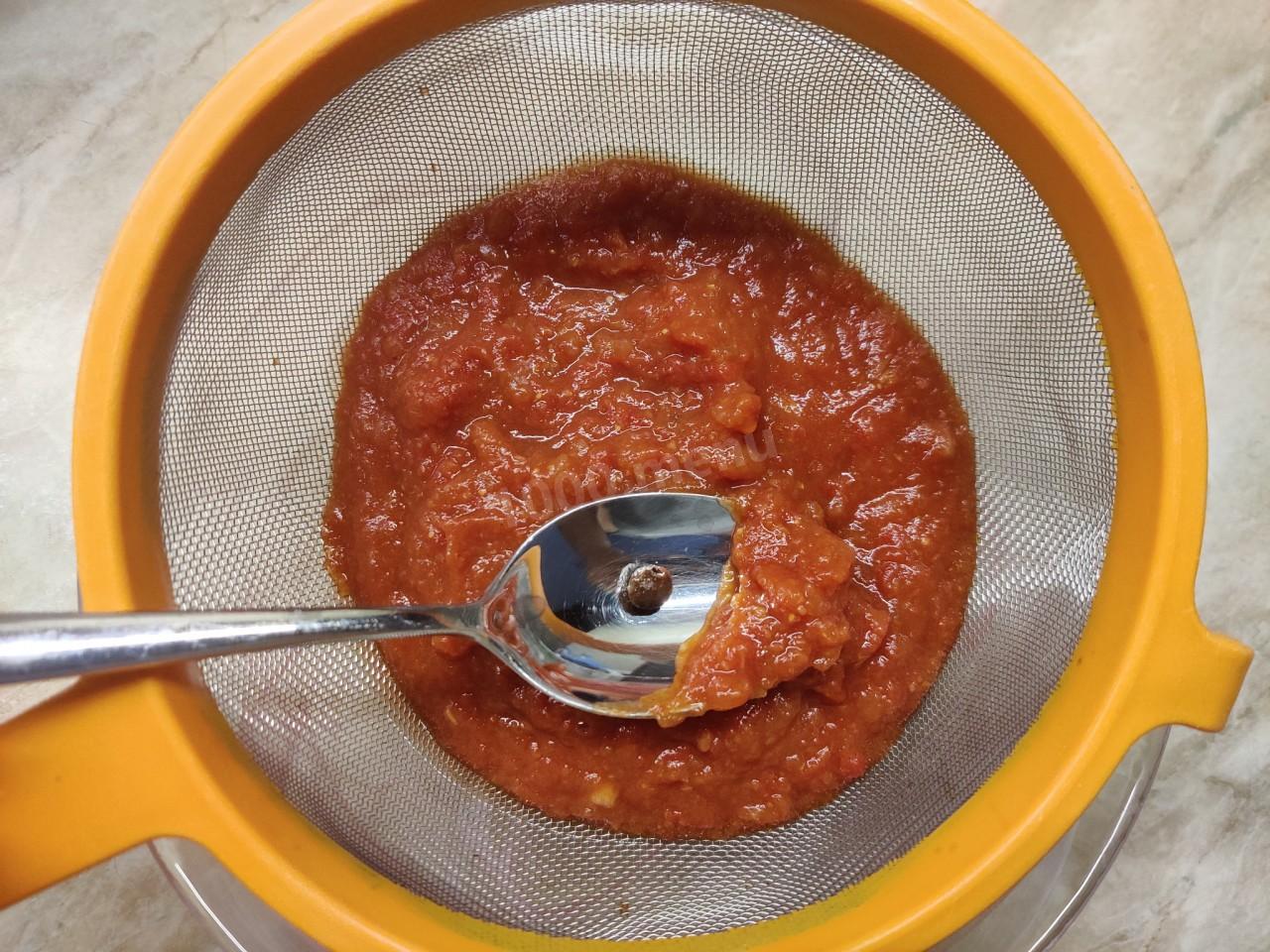
Once the onion has cooked down, tip the sauce into a metal sieve and press it through with a spoon, leaving the whole seasonings behind.
-
Step 9:
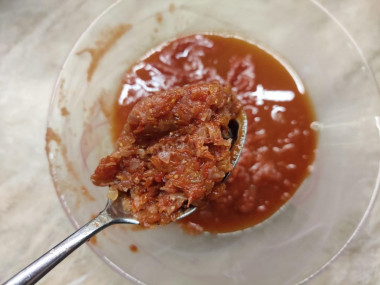
The more thoroughly you press it through, the more ketchup you'll end up with. I had just 1 tablespoon of pulp left over—toss that out.
-
Step 10:
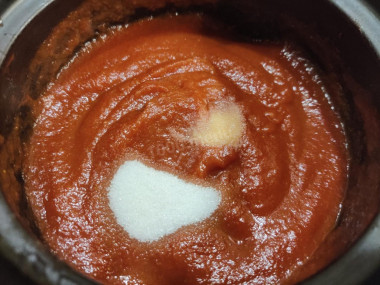
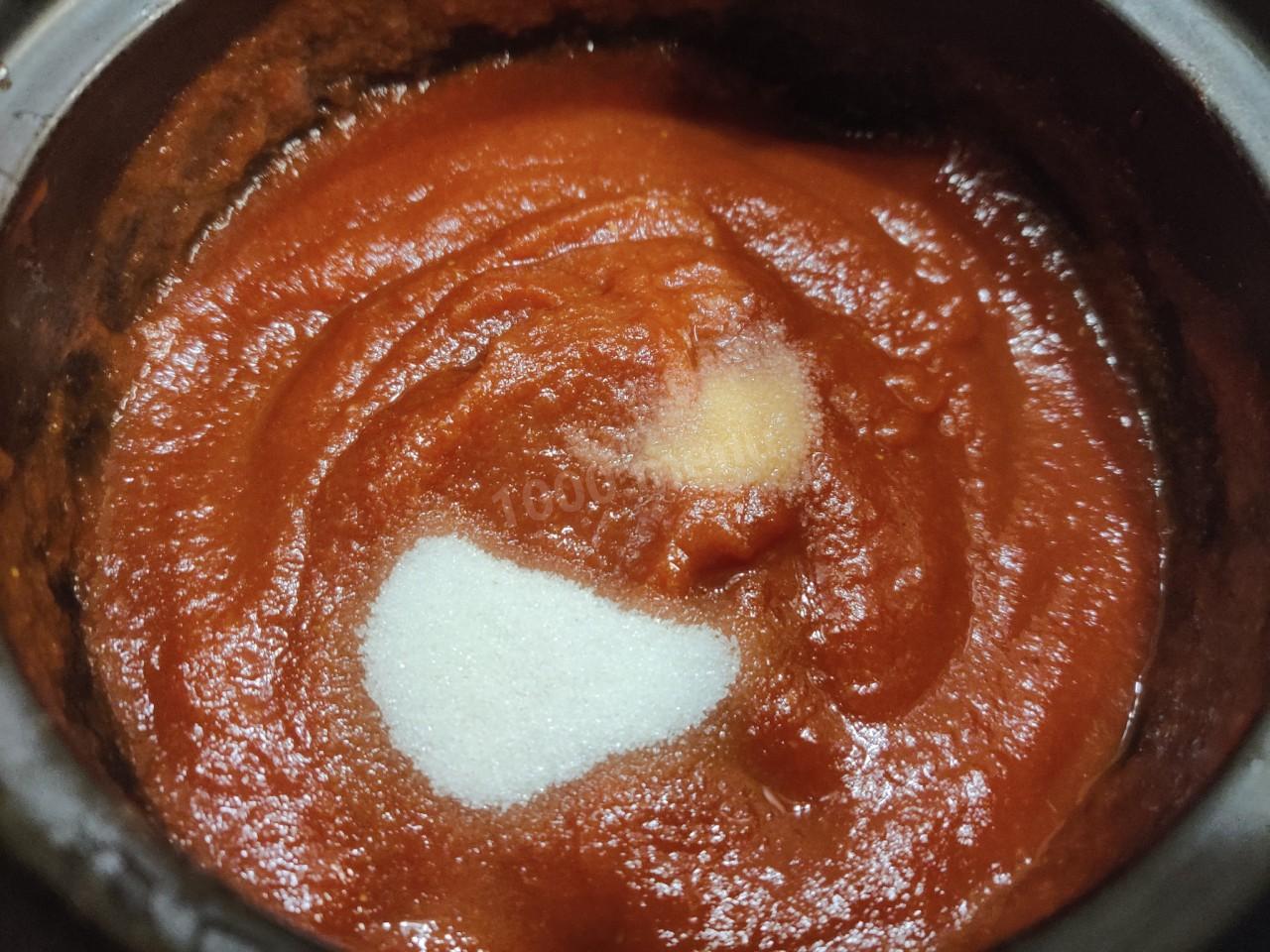
Now the ketchup is smooth. Return it to the pan over the lowest heat, then add the salt and sugar. Do this a little at a time, stirring and tasting so you don't overdo it. All that's left is to stir and bring the ketchup to the thickness you want—just a few minutes.
-
Step 11:
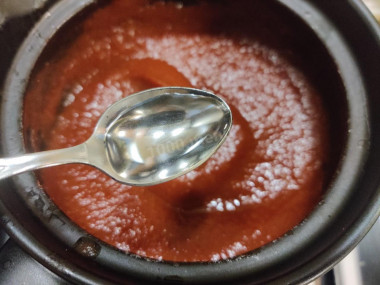
When you're completely happy with the consistency, take it off the heat and stir in the vinegar.
-
Step 12:
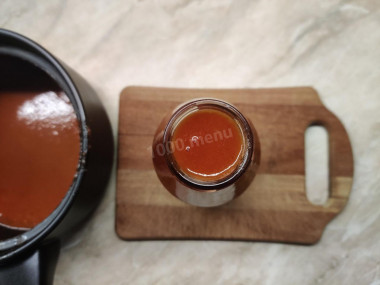
Stir, then pour the ketchup into bottles.
-
Step 13:
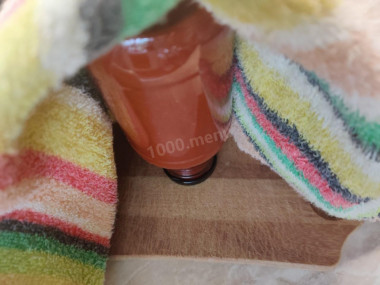
Cap them, turn them upside down, and wrap them until cool.





- I especially loved this ketchup paired with beef steaks. The sauce is fragrant and thick, with clear fruity notes—but my family never did guess which fruit gave it that intriguing twist.
- The amounts given yielded just one 300-ml (about 10-oz) bottle of ketchup—which made it all the more precious to us :)
- Keep the ketchup in the fridge.
- Enjoy!
- Since everyone's preference for salty, sweet, bitter, spicy, sour, and hot is different, add seasonings to your own taste!
Caloric content of the products possible in the composition of the dish
- Tomatoes - 23 kcal/100g
- Plum - 42 kcal/100g
- Fresh frozen plum - 52 kcal/100g
- Carnation - 323 kcal/100g
- Bay leaf - 313 kcal/100g
- Granulated sugar - 398 kcal/100g
- Sugar - 398 kcal/100g
- Wine vinegar (3%) - 9 kcal/100g
- Vinegar 9% - 11 kcal/100g
- Balsamic vinegar - 88 kcal/100g
- Apple vinegar - 14 kcal/100g
- Vinegar - 11 kcal/100g
- Salt - 0 kcal/100g
- Onion - 41 kcal/100g
- Allspice - 263 kcal/100g
Similar recipes
- Sauces
- Homemade preparations
- Vegetables
- Fruit berries
- Sweet
- Spices seasonings spices
- Clove
- Bay leaf
- Pepper
- Salt
- Vinegar
- Cooking
- Homemade ketchup
- Homemade tomato sauce
- Without sterilization
- Vegetable blanks
- Sauce for winter
- Fruit blanks
- Marinades
- From tomato
- From onion
- From plums
- Vegetarianism
- Recipes for lean dishes without butter
- Sugar