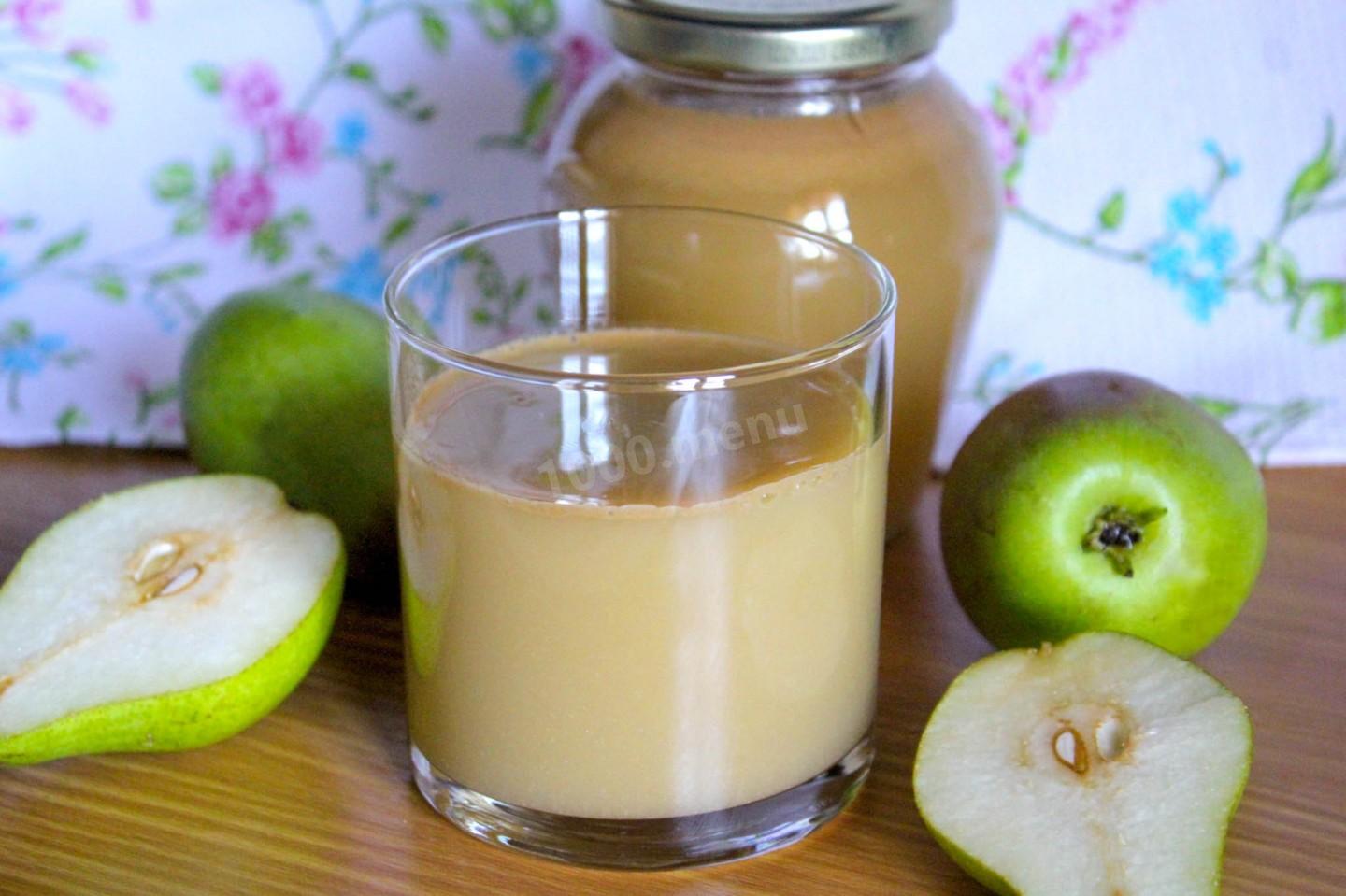
Pear Juice for Winter
Natural, wholesome, homemade, and delicious! This recipe puts up pear juice for winter without a juicer—all you need is an ordinary meat grinder. It's a simple, no-fuss way to preserve your pear harvest along with all its goodness.

Cooking method
-
Step 1:
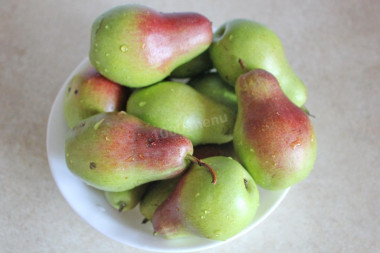
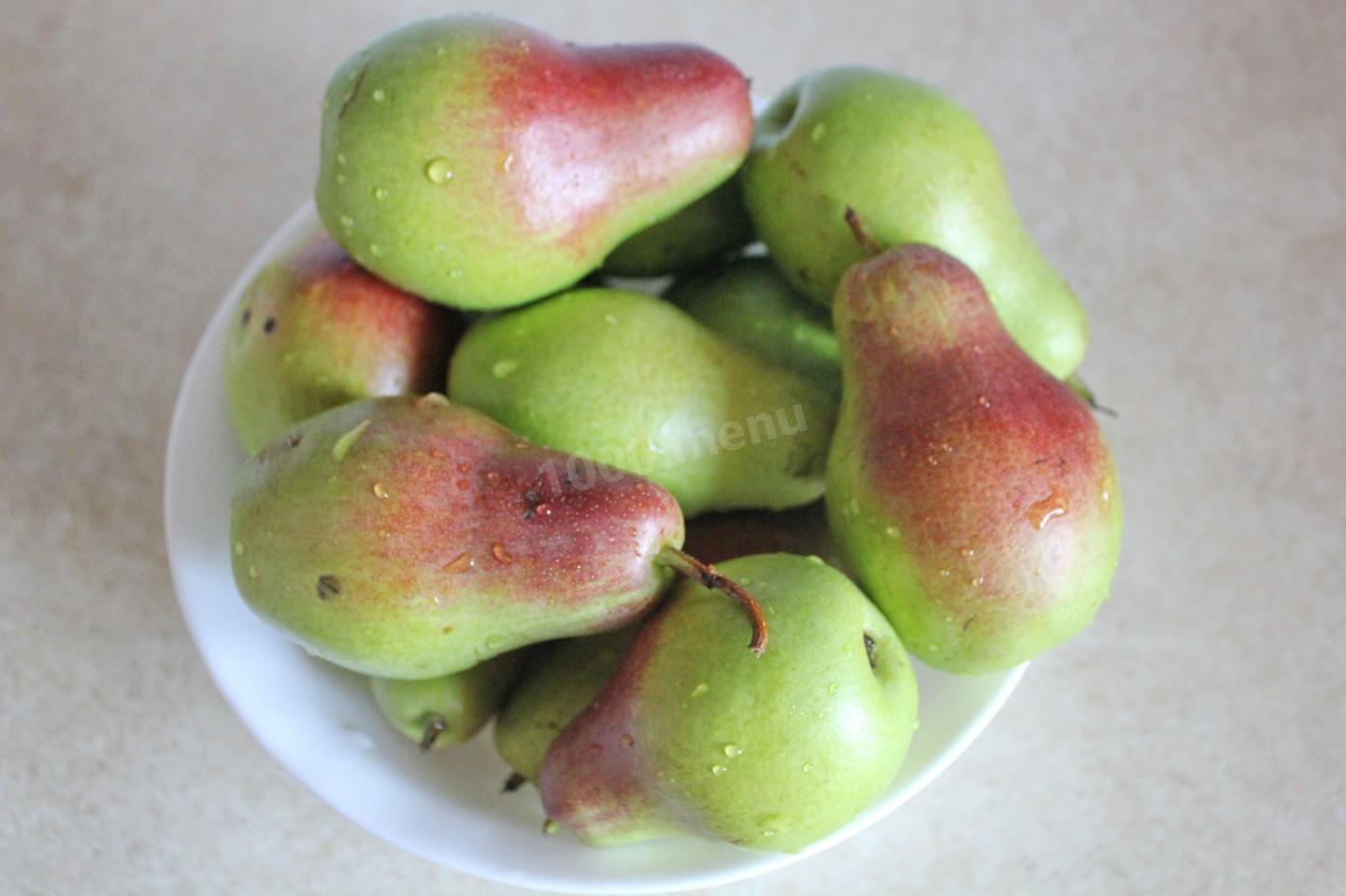
How do you make pear juice for winter? Gather your ingredients. Use firm, juicy pears—they should be ripe enough to make the juice tasty and sweet. Wash them well and wipe them dry with a towel.
-
Step 2:
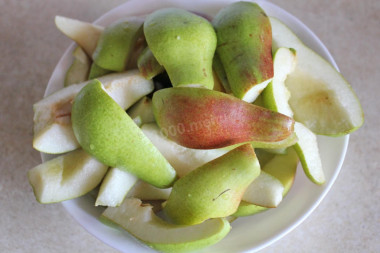
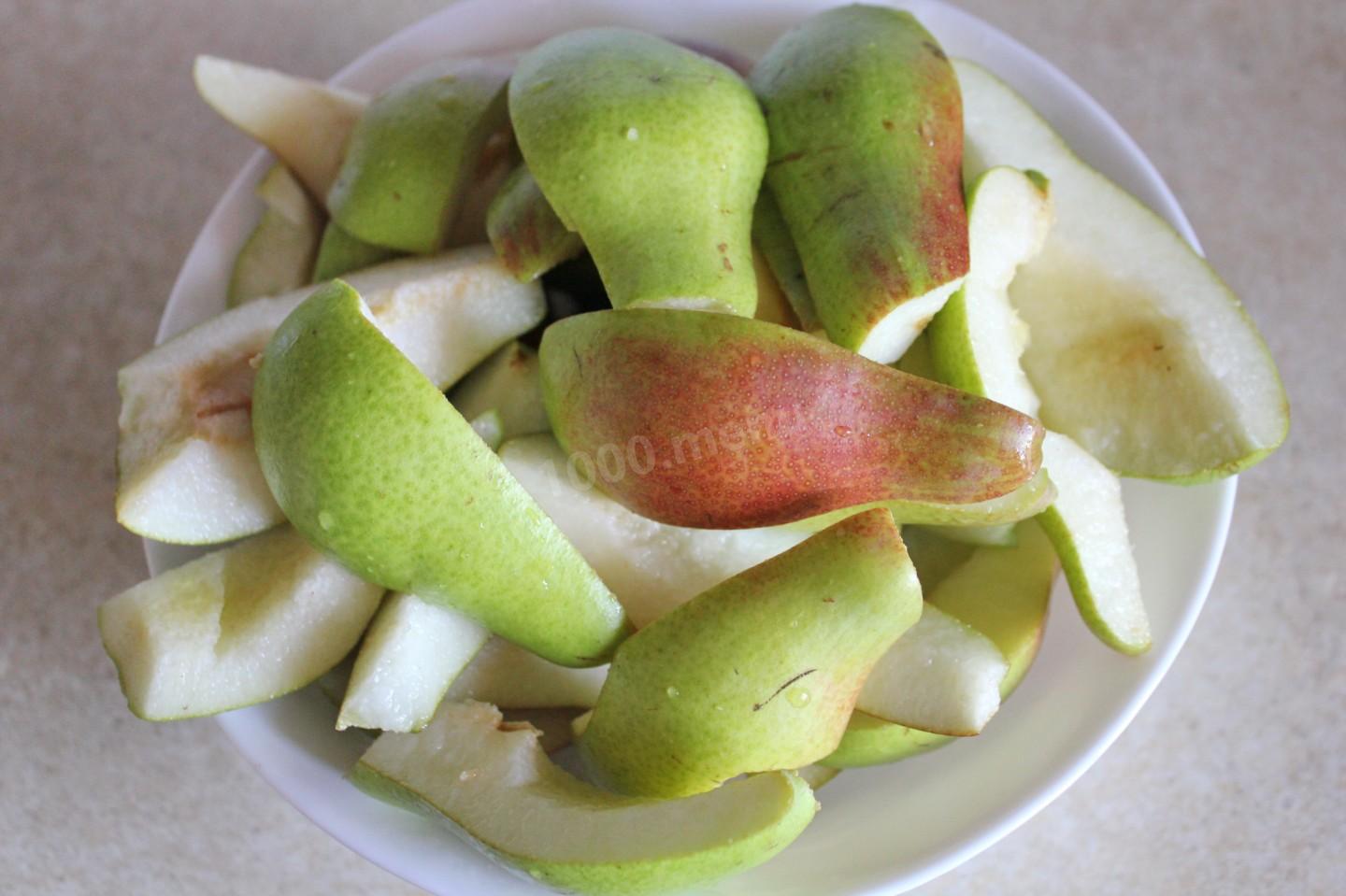
Quarter the pears and remove the cores and any bad spots.
-
Step 3:
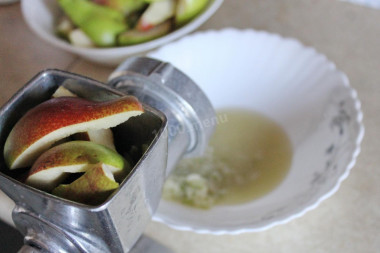
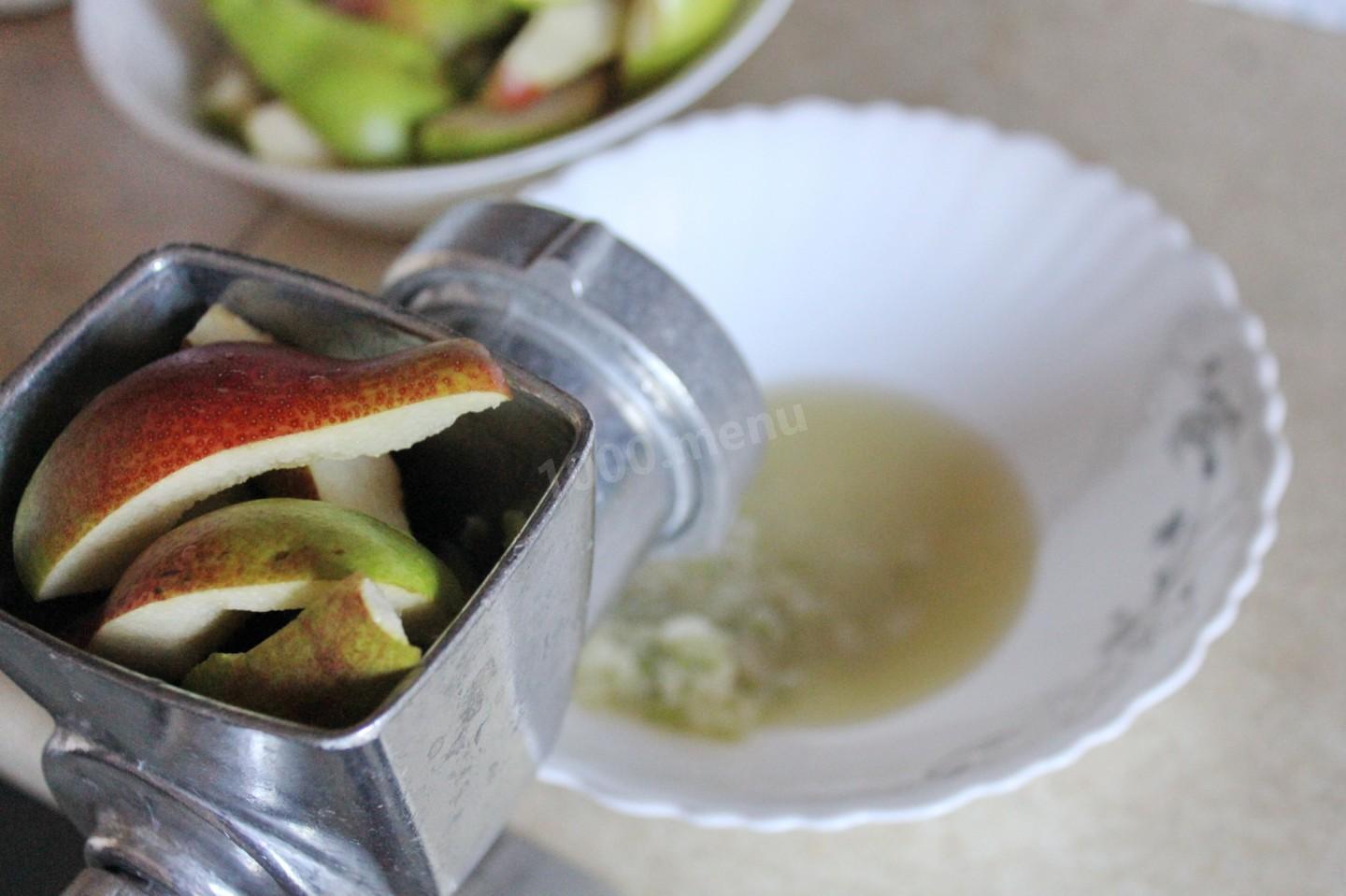
Run the pears through a meat grinder—a hand-crank or electric one both work. Set a deep bowl underneath to catch the pulp.
-
Step 4:
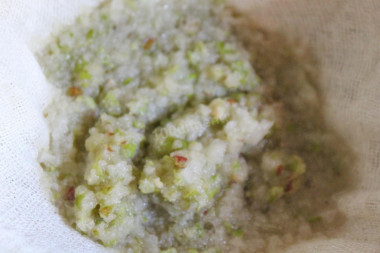
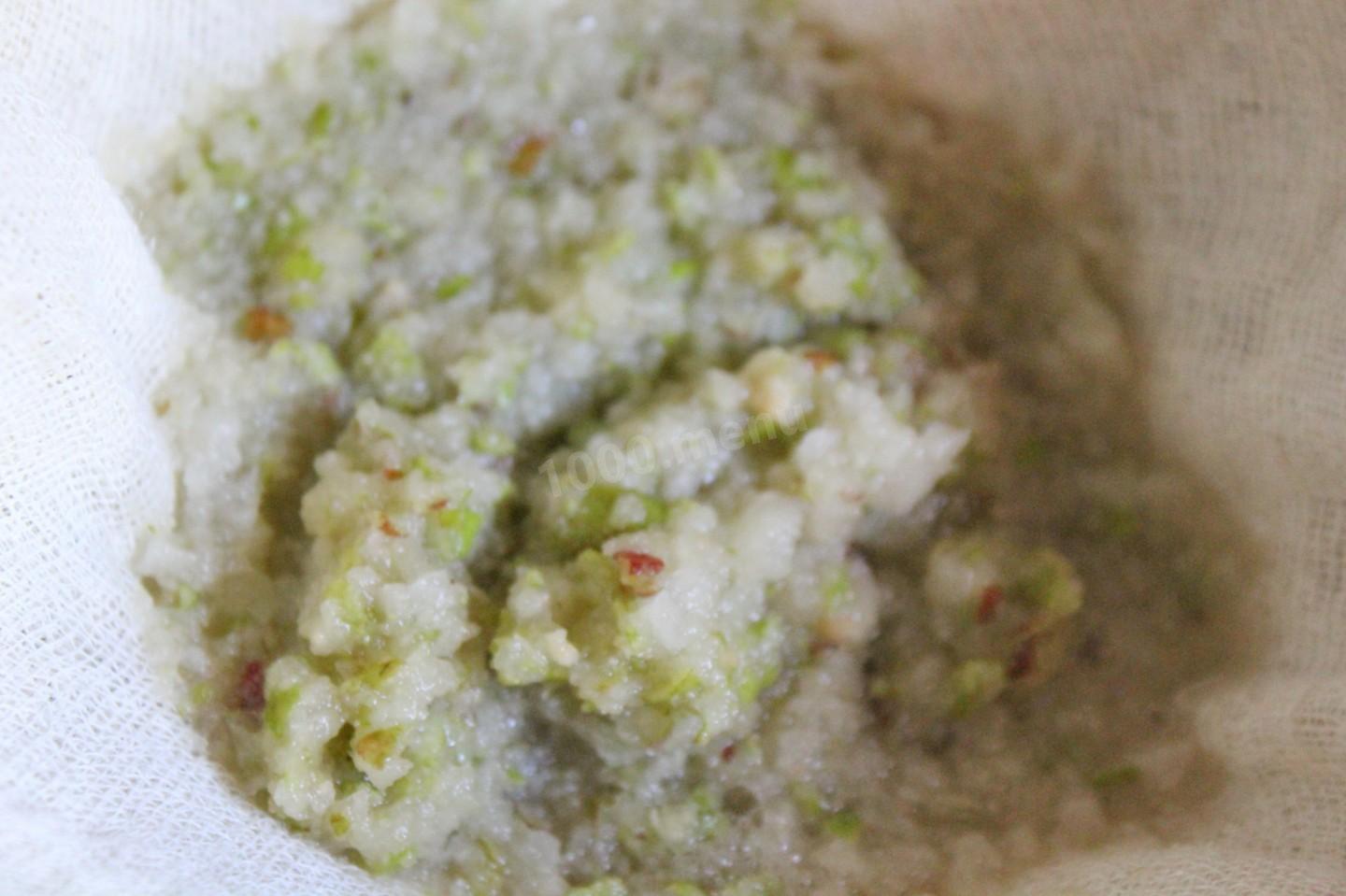
Strain the resulting juice-and-pulp mixture through cheesecloth. For a clearer juice, fold the cloth into several layers; for juice with pulp, a single thin layer is enough. Then gather the cheesecloth into a bundle and squeeze out the remaining juice well. A kilogram of pears usually yields about half a liter of juice. Don't throw out the leftover pulp—there are plenty of good recipes for it.
-
Step 5:
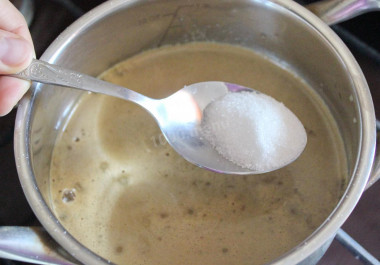
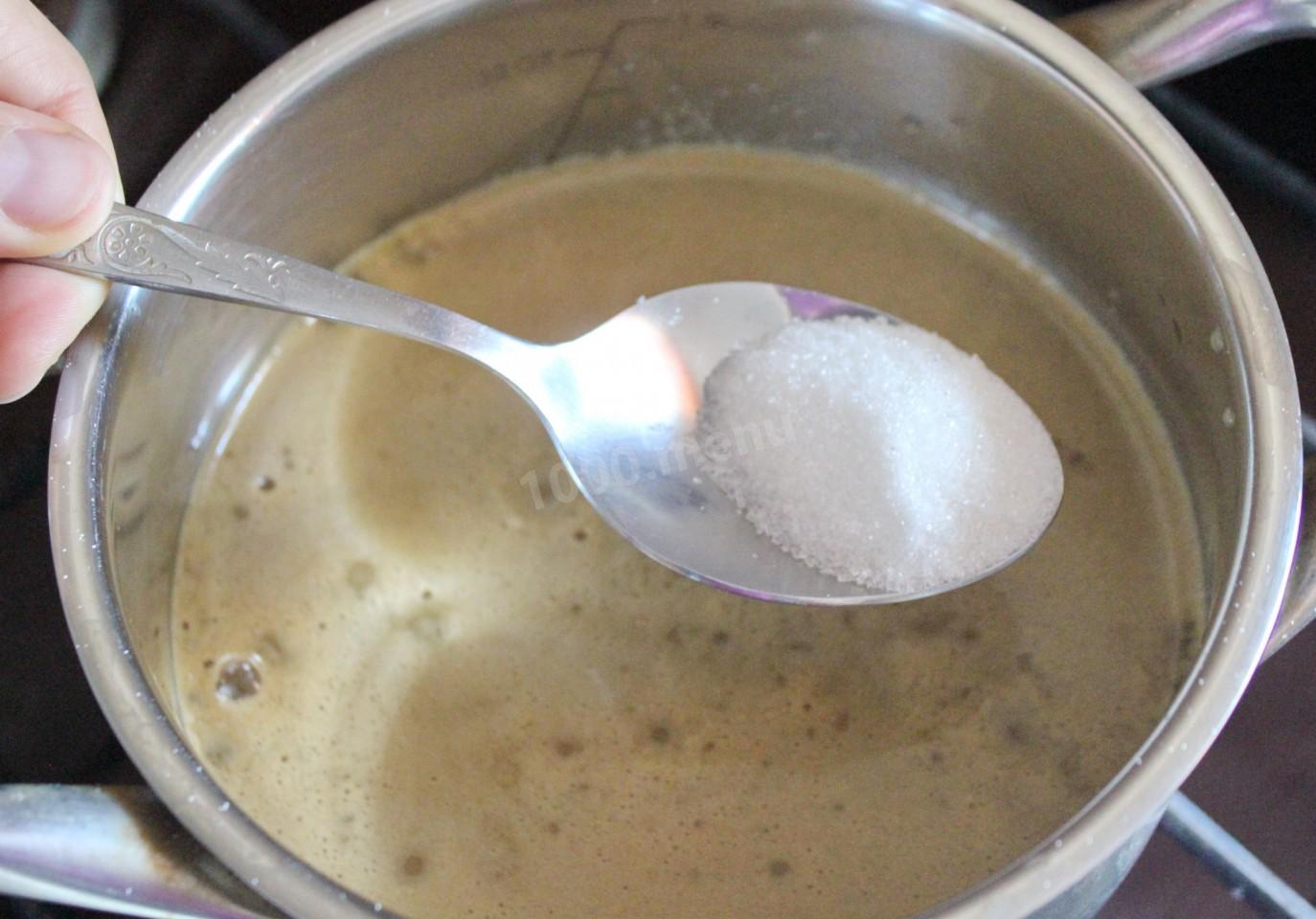
Pour the juice into a pot and bring it to a boil over low heat. Boil the juice for 15 minutes, skimming off any foam that forms with a spoon. You can add a little sugar, but it's not necessary—pear juice is plenty sweet on its own. Pour the hot juice into sterilized jars and seal with sterilized lids. Wrap the jars in something warm and leave them to cool completely.
- For some reason, pears get unfairly overshadowed by apples when it comes to nutrition—even though they're packed with valuable nutrients and are much sweeter. Pears contain vitamins A, B1, B2, E, P, PP, and C, along with trace minerals: iron, molybdenum, zinc, cobalt, iodine, fluorine, manganese, copper, vanadium, boron, silicon, rubidium, nickel, magnesium, chlorine, calcium, sulfur, sodium, phosphorus, and potassium. They also contain folic acid, which is prescribed for pregnant women and children. You can simply drink natural pear juice daily—even just a glass a day. And remarkably, pears are safe for people with diabetes: although very sweet, they're high in fructose, which doesn't require insulin to process. Pear juice also speeds up metabolism and helps flush toxins and heavy metals from the body. It strengthens the immune system, boosts your energy and your mood, helps cleanse the kidneys, and even helps remove excess water and salt, thanks to the high potassium content. That said, anyone with a gastrointestinal condition like an ulcer shouldn't drink pear juice on an empty stomach. So don't doubt the tremendous benefits of pear juice—be sure to put up a few bottles for winter to treat and nourish yourself and your loved ones.
- To make sure your summer stores keep you happy all through the cold season, read up on the basic rules, secrets, and tips for winter preserves.
Caloric content of the products possible in the composition of the dish
- Pear - 42 kcal/100g
- Dried pear - 246 kcal/100g
- Canned pears - 76 kcal/100g
- Granulated sugar - 398 kcal/100g
- Sugar - 398 kcal/100g