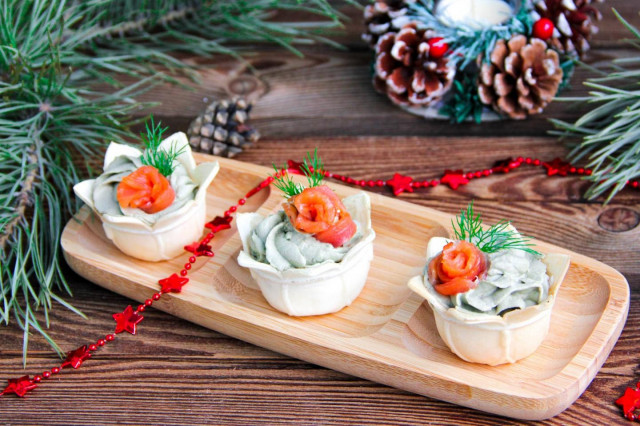
No-Cook Adjika with Tomatoes, Garlic, and Pepper
Original, zesty, appetizing, and delicious! This no-cook adjika with tomatoes, garlic, and pepper is a spicy condiment-cum-appetizer that goes great with many dishes — especially meat — making their flavor brighter and richer. With bell pepper, the adjika comes out less fiery and juicier.



Cooking method
-
Step 1:
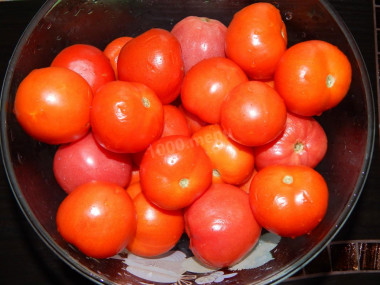
How do you make no-cook adjika from tomatoes with garlic and pepper? Get the ingredients ready. For adjika, it's best to use well-ripened tomatoes — even overripe, cracked, or "unpresentable"-looking ones will do, but never spoiled or rotting ones, which can ferment. Wash the tomatoes thoroughly under running water.
-
Step 2:
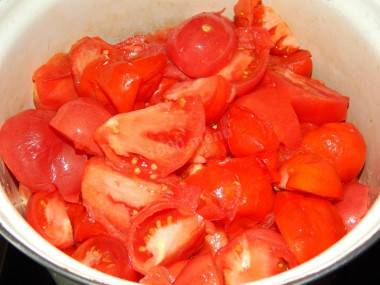
If the tomato skins seem tough, it's better to remove them. How do you peel tomatoes easily? Wash them and cut a criss-cross slit in the top with a sharp knife. Drop them into boiling water for 1–2 minutes. Take them out, cool them slightly, and peel off the skin. But peeling is optional. Cut out the stem end of the tomatoes and cut the flesh into pieces.
-
Step 3:
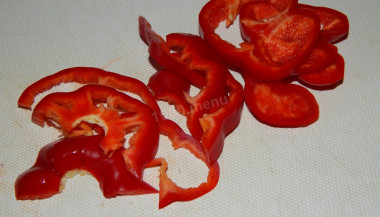
For adjika, it's better to use red bell peppers so the appetizer comes out a rich, bright, even color. Rinse the bell peppers thoroughly under running water, using a brush if you like. All the vegetables for this appetizer need to be washed especially well, since it isn't heat-treated. Cut the peppers in half and remove the stalk and seed core. Cut the bell pepper flesh into large strips or cubes.
-
Step 4:
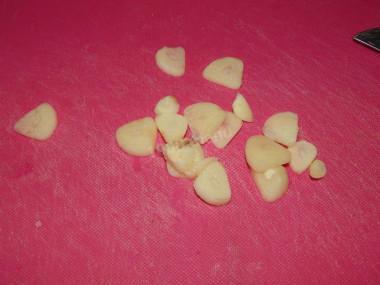
Peel the garlic cloves and cut them into large pieces.
-
Step 5:
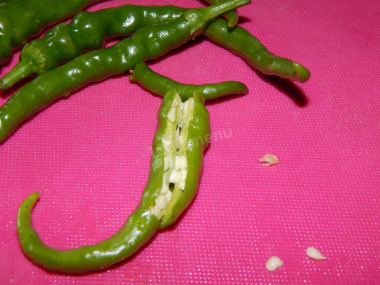
Wash and dry the hot chili pods. Remove the seeds from the pods and cut the pods into several pieces. If you want the adjika spicier, you can leave the seeds in. Be sure to work with hot peppers wearing rubber gloves so you don't irritate your skin.
-
Step 6:
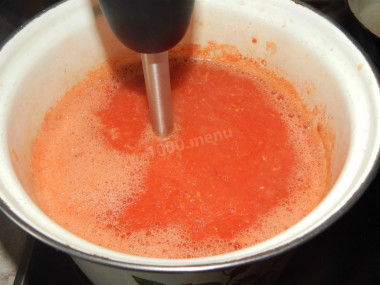
Put all the ingredients into a deep container or pot made of a material that won't react with vegetable juice — stainless steel or enamelware. Using a blender, process all the ingredients into a purée. Instead of a blender, you can use a regular meat grinder.
-
Step 7:
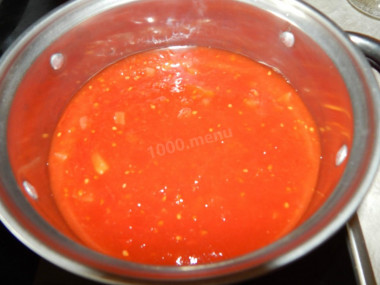
Add the salt and vinegar to the vegetable mixture, stir, and leave it to infuse for an hour. Meanwhile, prepare jars and lids for the preserve. Wash them with baking soda and sterilize them in whatever way is convenient. For how to do this, see the link at the end of the recipe.
-
Step 8:
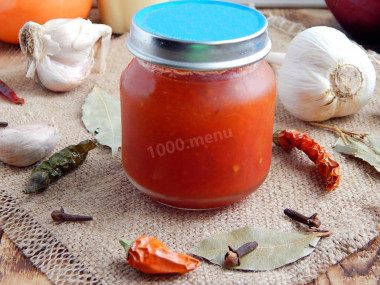
Spoon the adjika into the prepared jars, seal them, and store them in the refrigerator. Enjoy!


- For how to calculate the number of jars, why jars burst and how to prevent it, plus tips and tricks, see the article on winter preserves.
- Since everyone's tolerance for salty, sweet, bitter, spicy, sour, and pungent flavors is different, always add spices and seasonings to your own taste! If you're using a seasoning for the first time, keep in mind that some spices are especially important not to overdo (chili pepper, for example).
- Unless the author specifies otherwise, vinegar in recipes is added at a 9% concentration by default.
Caloric content of the products possible in the composition of the dish
- Tomatoes - 23 kcal/100g
- Sweet pepper - 27 kcal/100g
- Garlic - 143 kcal/100g
- Hot chili peppers - 40 kcal/100g
- Salt - 0 kcal/100g
- Table vinegar - 11 kcal/100g