Butter-Free Dough
Inexpensive, made from simple ingredients, quick and easy! Unlike classic shortcrust pastry, butter-free dough is made with a minimum of animal fat. If you'd rather not use butter, that's no reason to skip this dough and the things you can bake from it.


Cooking method
-
Step 1:
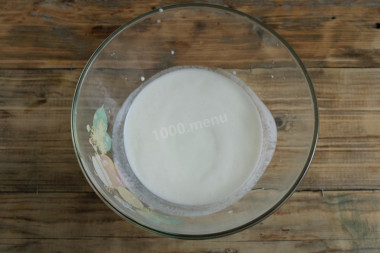
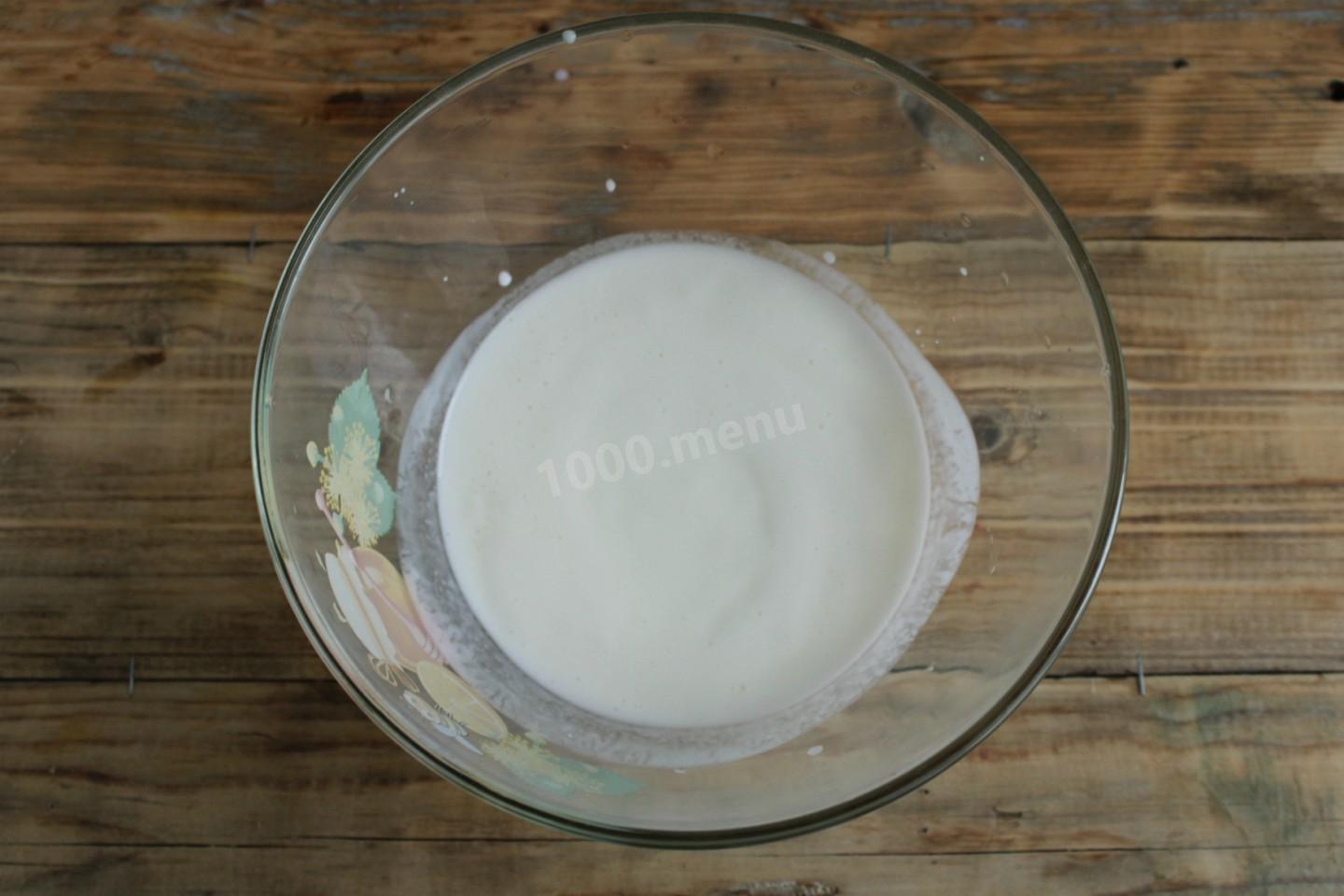
How do you make butter-free dough? Prepare the ingredients. Use higher-fat kefir - mine is 3.2%. Take it out of the fridge ahead of time so it comes to room temperature. Pour the kefir into a large bowl. Add the sugar (adjust the amount depending on what you're baking), a pinch of salt to balance the flavor, and the baking soda. Whisk the ingredients together.
-
Step 2:
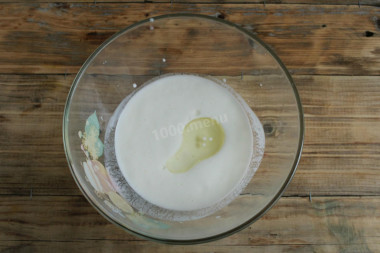
Pour the vegetable oil into the bowl with the kefir and stir.
-
Step 3:
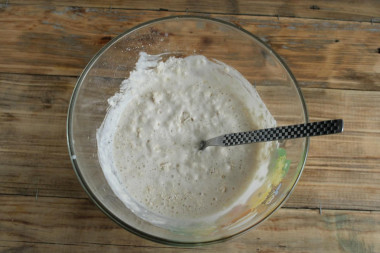
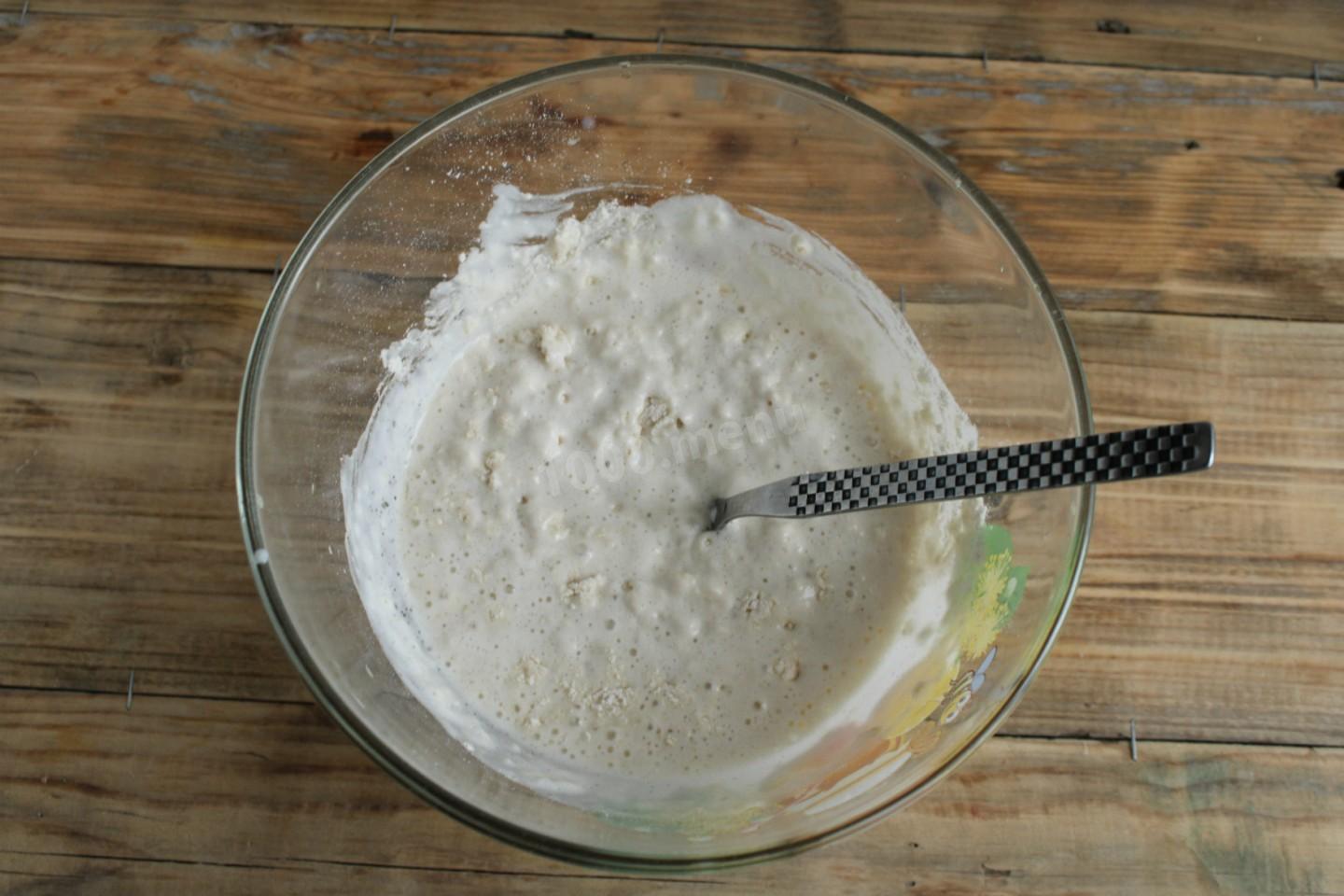
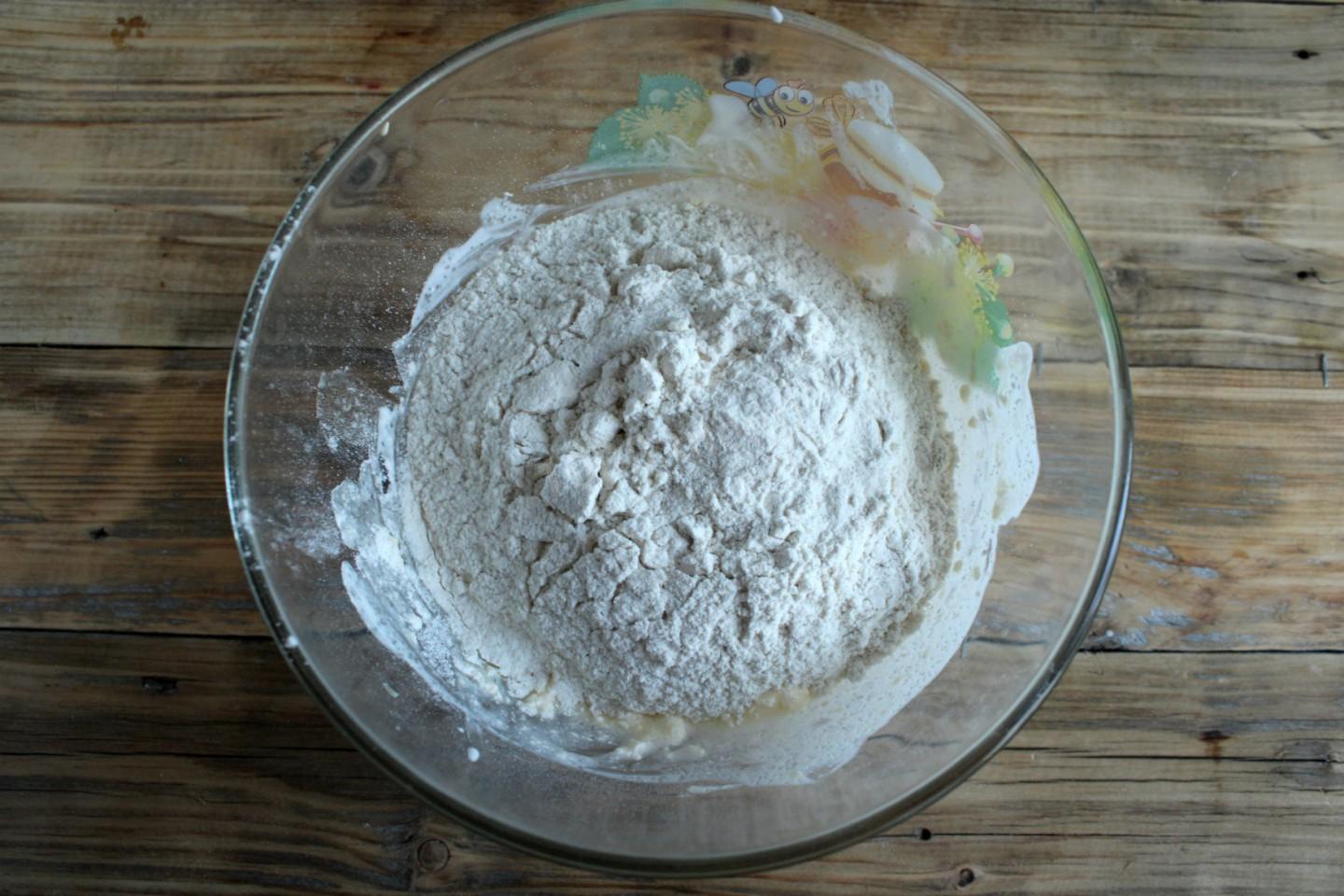
In a separate bowl, whisk the egg until the white is fully broken up. Pour the egg into the bowl with the liquid, stir, and start adding the sifted wheat flour. Be sure to sift the flour to keep out any foreign matter or debris and to aerate it with oxygen, which makes the baked goods softer and lighter.
-
Step 4:

Add the flour in small batches, stirring with a spoon until the dough starts coming together into one ball. Then gather it by hand on a floured work surface into a ball. You may need a little more or less flour than the recipe states - go by the feel of the dough.
-
Step 5:
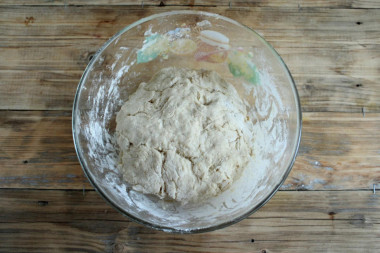
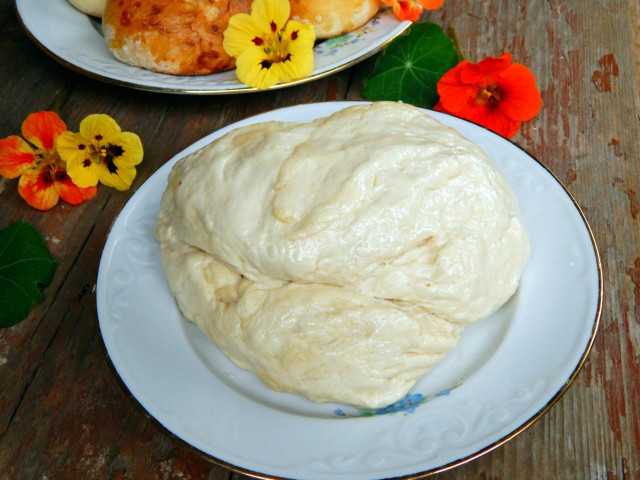
You should end up with a dense, firm dough, but don't knead it too long or it'll turn tough. Unlike classic shortcrust made with butter or margarine, this dough doesn't need chilling or resting in the fridge - you can go straight to rolling it out and baking. Use it for cookies, pies, pastries, and other baked goods.


- You can make shortcrust pastry without kefir too, using vegetable oil and egg yolks, but I find that dough made with kefir comes out richer and softer.
- Always wash the eggs before using them, since even a shell that looks clean can carry harmful bacteria. It's best to use a food-safe wash and a brush.
- Be prepared to need more or less flour than the recipe calls for. Go by the consistency of the dough rather than the exact amount of flour. To avoid mistakes, learn about flour and how it behaves!
- Can you swap baking powder for baking soda, how do you add them correctly so the baking turns out light, how do you avoid an unpleasant soda taste, and more - read the article "Baking powder or baking soda: which is better?"
Caloric content of the products possible in the composition of the dish
- Granulated sugar - 398 kcal/100g
- Sugar - 398 kcal/100g
- Full-fat kefir - 62 kcal/100g
- Kefir, 1% fat - 38 kcal/100g
- Nonfat kefir - 30 kcal/100g
- Doctor Bifi kefir, 1.8% fat - 45 kcal/100g
- Kefir, 2.5% fat - 53 kcal/100g
- Vegetable oil - 873 kcal/100g
- Salt - 0 kcal/100g
- Wheat flour - 325 kcal/100g
- Baking soda - 0 kcal/100g
- Chicken egg - 80 kcal/100g
Similar recipes
- Dough recipe
- Eggs
- Dairy products
- Flour
- Sweet
- Spices seasonings spices
- Fats and oils
- Other
- Salt
- Vegetable oil
- Baking soda
- Without heat treatment
- Dough for pies
- Kefir dough
- Yeast-free dough
- Cookie dough
- Unleavened homemade dough
- Chicken eggs
- Kefir
- Wheat flour
- Recipes for lean dishes without butter
- Sugar