Herring Under a Fur Coat (Shuba)
Everyone should have a recipe for this beloved holiday salad!
natali
Recipe author
Herring Under a Fur Coat (Shuba)

Nutrients and energy value of the composition of the recipe
By weight of the composition:
Proteins 30 %
7 g
Fats 35 %
8 g
Carbohydrates 35 %
8 g
133 kcal
GI:
78
/
0
/
22
Cooking method
-
Step 1:
Step 1:
-
Step 2:
Step 2:
-
Step 3:
Step 3:
-
Step 4:
Step 4:
-
Step 5:

Step 5:
-
Step 6:
Step 6:
-
Step 7:
Step 7:
-
Step 8:
Step 8:
-
Step 9:
Step 9:
-
Step 10:

Step 10:
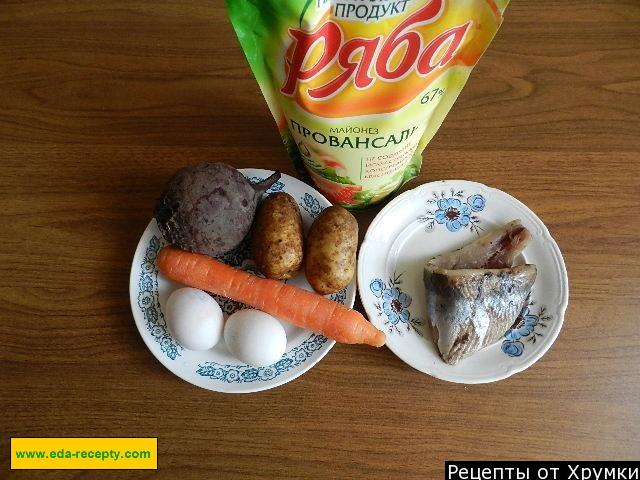
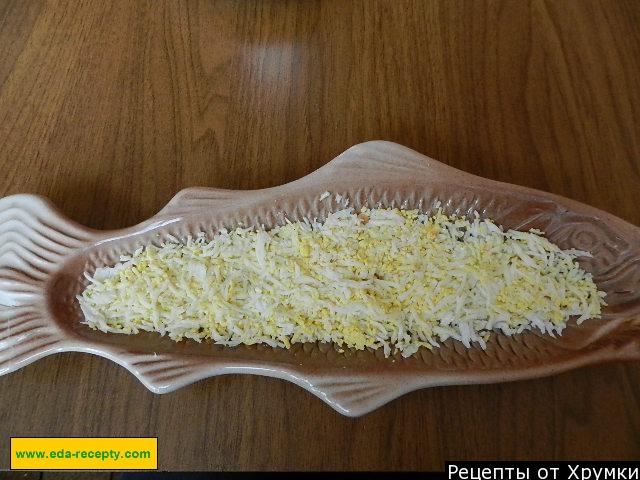
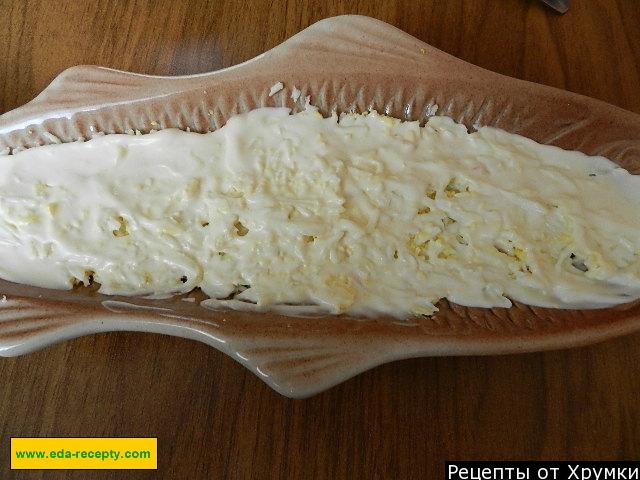
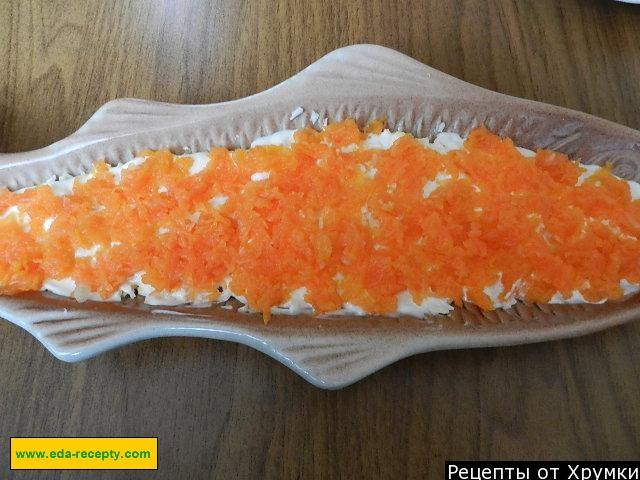
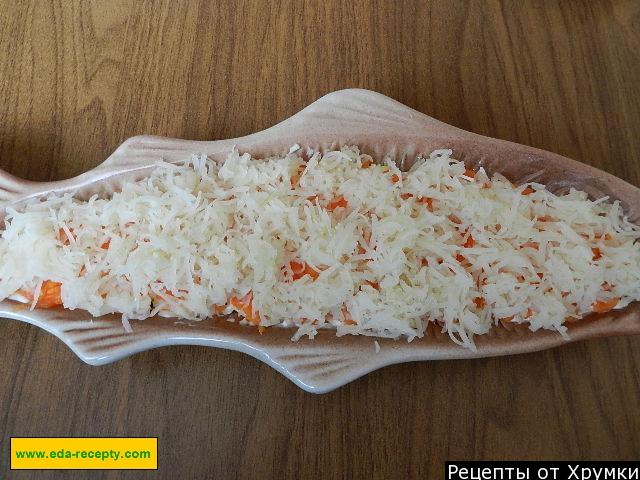
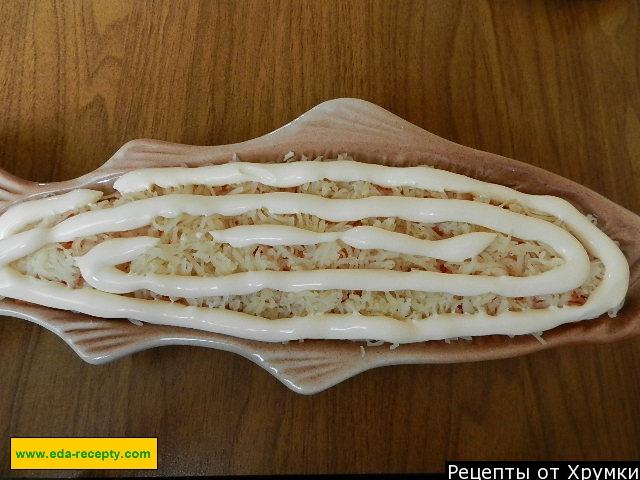
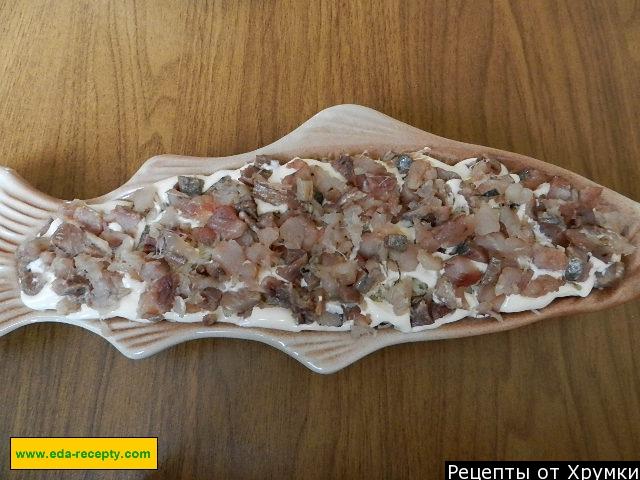
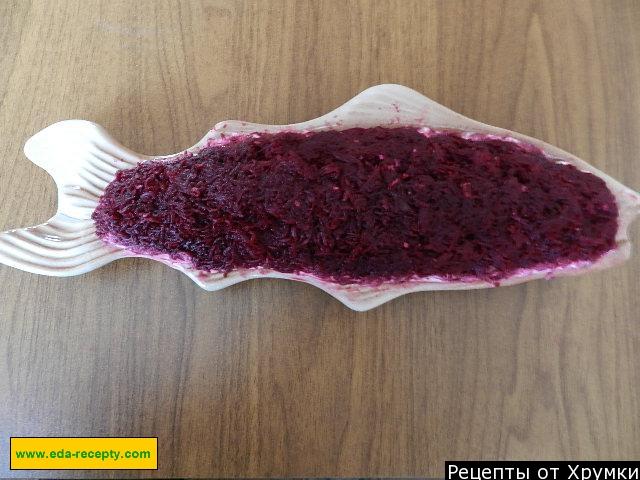
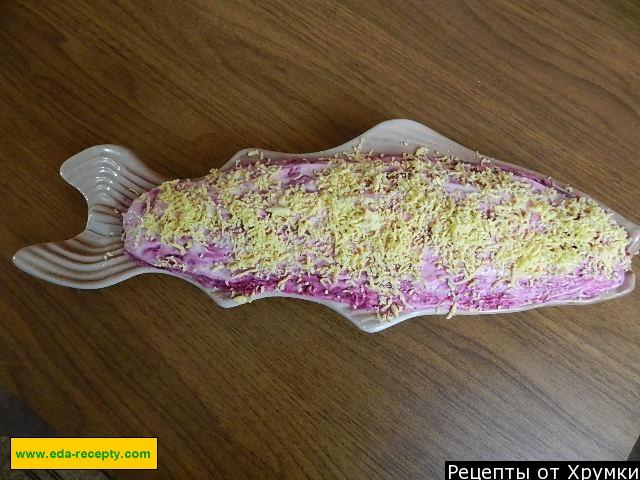

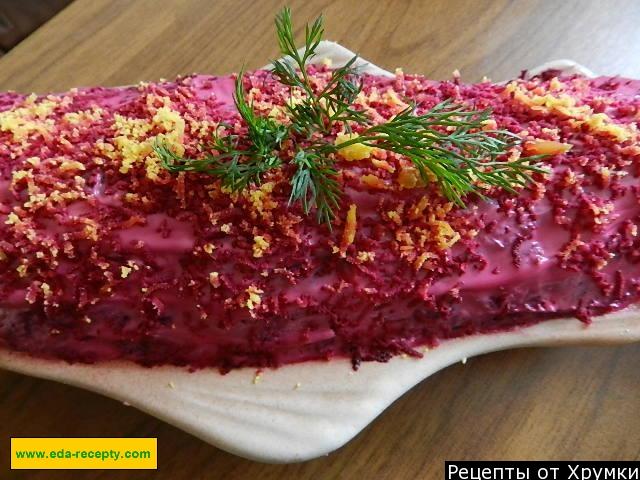
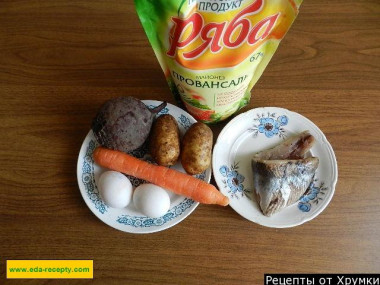
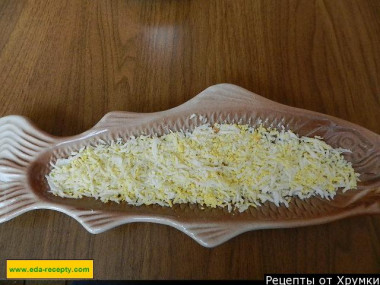
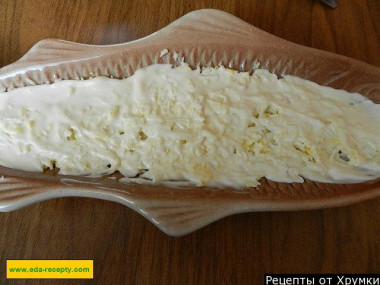
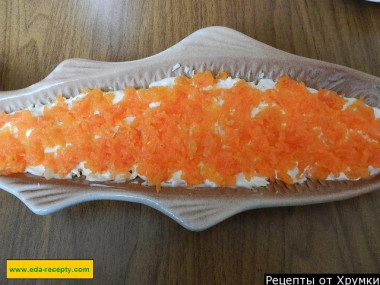
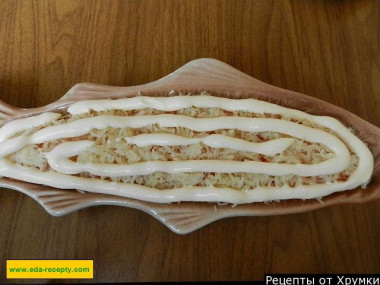
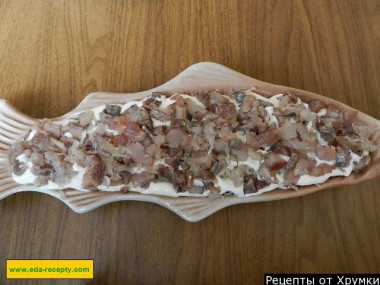
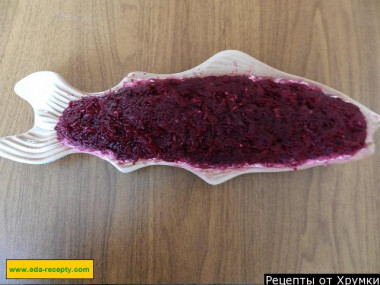
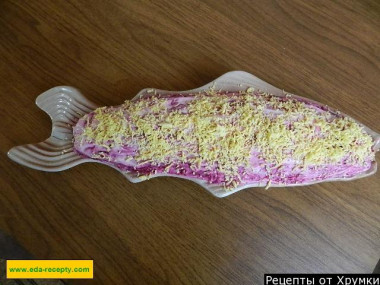
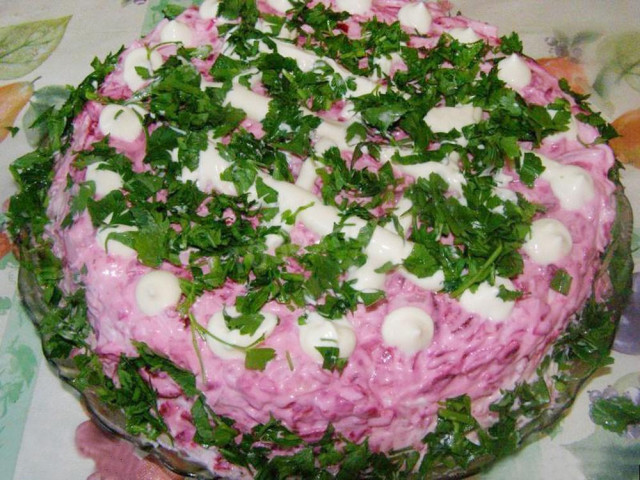
- Herring Under a Fur Coat — or simply "Shuba," as this salad is also known — is one of the most popular salads in Russia and neighboring countries. Like anything well-loved, it shows up in all sorts of variations, with recipes differing in the number of layers and which ingredients get swapped. Traditionally it appears at nearly every holiday feast, both as a main dish and as a relatively light appetizer. There are versions with onion, with apple, without eggs, or without potatoes. The onion, if you use it, can be fresh and finely diced, scalded with boiling water, or pickled ahead of time. The dressing can be plain mayonnaise or mayonnaise with mustard. Some versions add dissolved gelatin to the mayonnaise so the salad holds its shape better. In other words, there are many takes on this salad, with more sure to come. But the heart of it is the same: a "fur coat" of boiled vegetables layered one over another. By most accounts, the essential layers — besides the herring — are potato, eggs, and beet (the minimalist version). There's already an apple version here, so let's do the basic, classic one, which in our family also includes carrot. Start by cleaning the herring so you're left with just boneless fillets, then cut the fillets into small cubes. Boil the beet (it takes the longest of all the vegetables), and boil the potatoes, carrots, and eggs as well. Peel everything you've cooked and grate it on the coarse side, keeping each ingredient separate for now. Then layer everything into a deep dish, one layer at a time, spreading each with mayonnaise — for example, potatoes first, then herring, eggs, carrot, and beet. If the layers are shallow and the dish is small, you can repeat the sequence. It's best to finish with the beet on top — and don't forget to coat that with mayonnaise too. Refrigerate it all for about two hours. Before serving, you can decorate it with stripes or swirls of mayonnaise, fresh herbs, eggs cut into rounds, or simply a dusting of finely grated egg (simple but striking) — just do this right before serving so the garnish doesn't dry out or wilt.
Caloric content of the products possible in the composition of the dish
- Ripe potatoes - 80 kcal/100g
- Baked potatoes - 70 kcal/100g
- Mashed potatoes - 380 kcal/100g
- Boiled potatoes - 82 kcal/100g
- Potatoes in their skins - 74 kcal/100g
- Fried potatoes - 192 kcal/100g
- Chicken egg - 157 kcal/100g
- Egg white - 45 kcal/100g
- Egg powder - 542 kcal/100g
- Egg yolk - 352 kcal/100g
- Ostrich egg - 118 kcal/100g
- Beet - 40 kcal/100g
- Dried beet - 278 kcal/100g
- Boiled beet - 49 kcal/100g
- Carrots - 33 kcal/100g
- Dried carrots - 275 kcal/100g
- Boiled carrots - 25 kcal/100g
- Herring in vegetable oil - 301 kcal/100g
- Herring in sour cream - 97 kcal/100g
- Herring in tomato sauce - 159 kcal/100g
- Hot-smoked herring - 215 kcal/100g
- Pickled herring - 192 kcal/100g
- Fresh herring - 161 kcal/100g
- Salted herring - 217 kcal/100g
- Salad mayonnaise, 50% fat - 502 kcal/100g
- Light mayonnaise - 260 kcal/100g
- Provençal mayonnaise - 624 kcal/100g
- Provençal mayonnaise - 627 kcal/100g
- Table mayonnaise - 627 kcal/100g
Similar recipes
Related and additional categories:
- Festive table
- National cuisine
- Salads
- Eggs
- Fish and seafood
- Vegetables
- Fats and oils
- Mayonnaise
- Soviet recipes
- Cooking
- Egg salad
- Simple festive salads
- Salads with mayonnaise
- Vegetable salads
- Potato salad
- Sea salad
- Festive salads
- Recipes for March 8
- Fish with vegetables
- From carrots
- From beets
- From potatoes