Mock Caviar (Herring Spread)
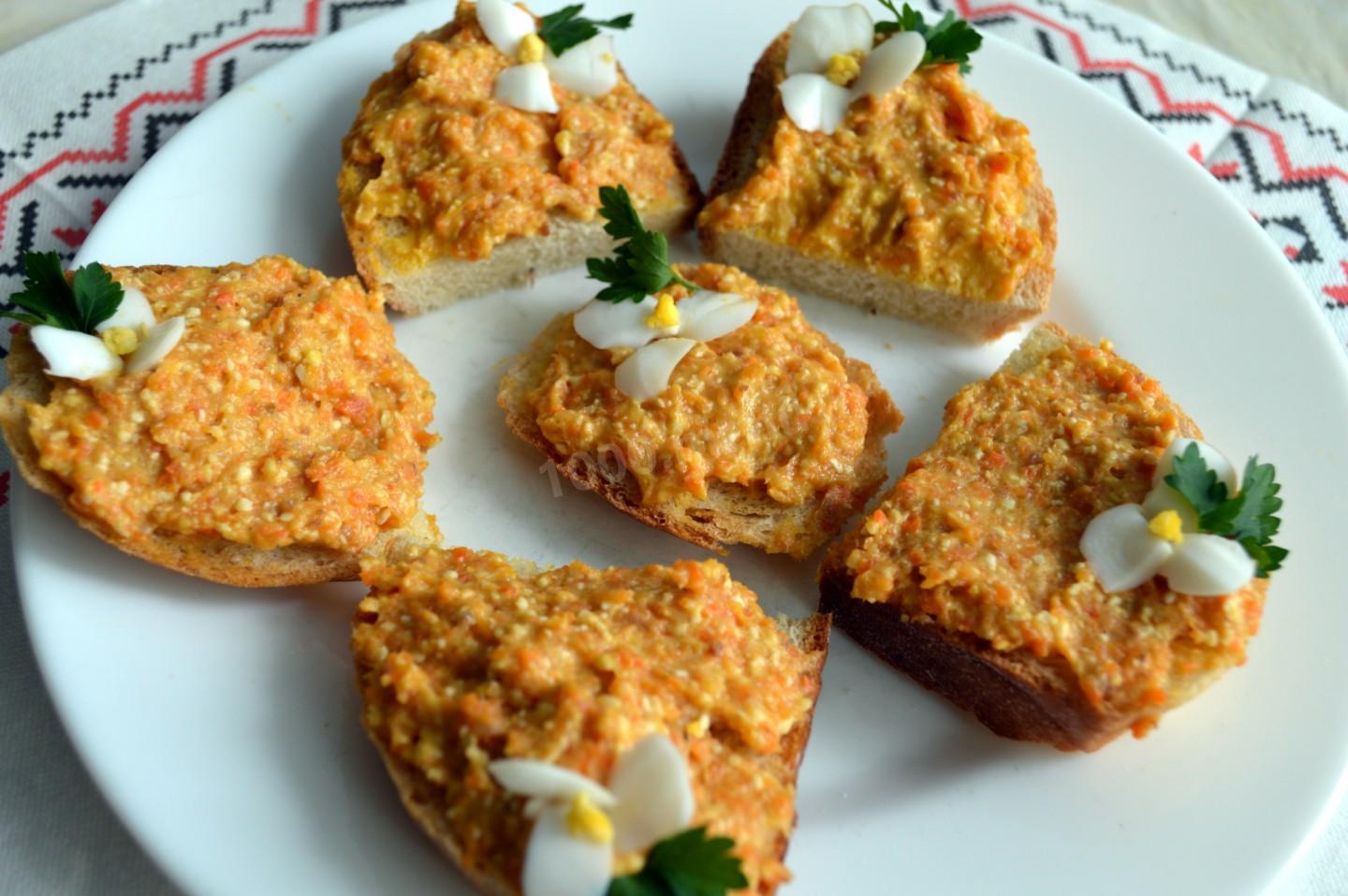
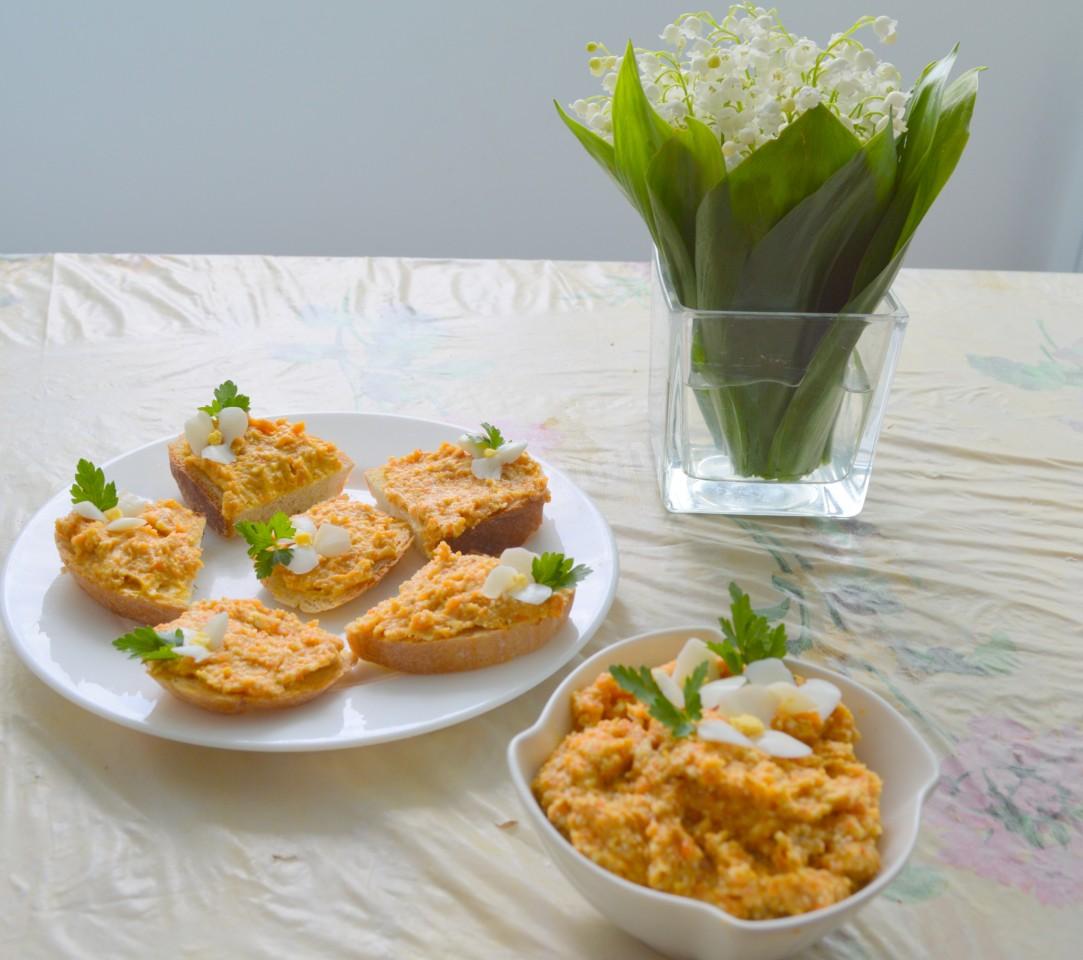
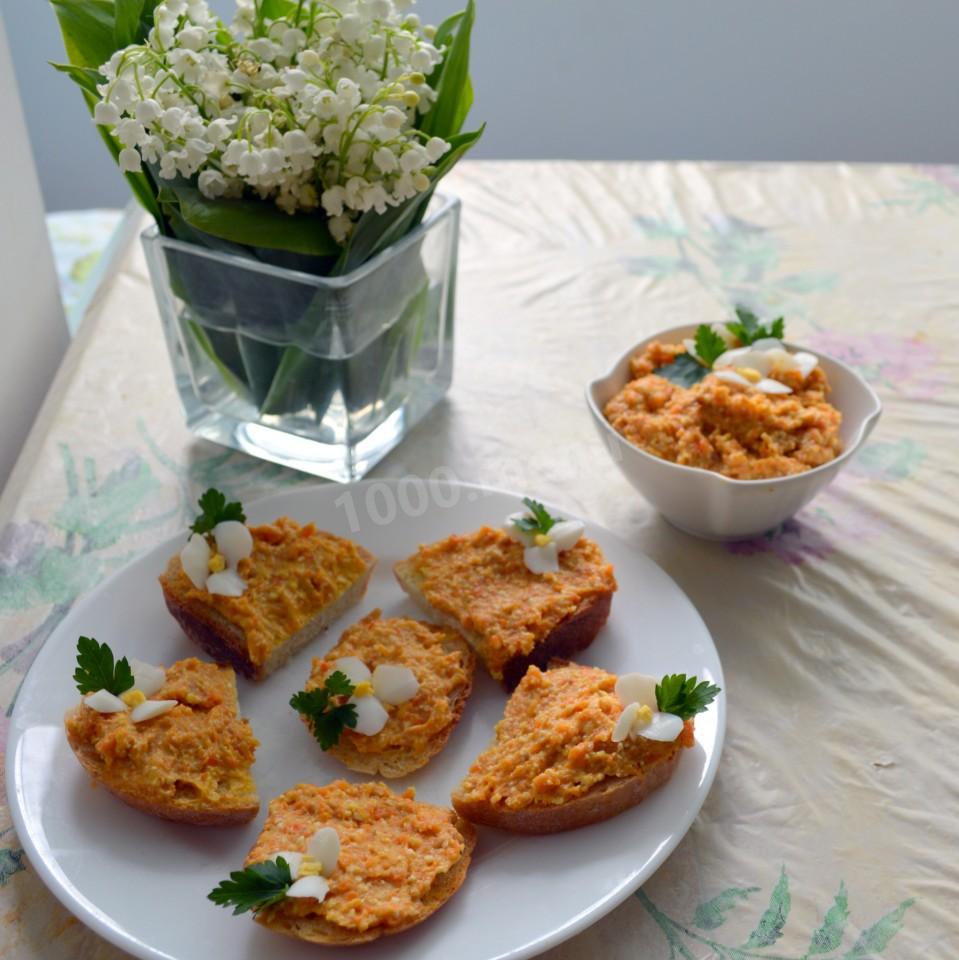
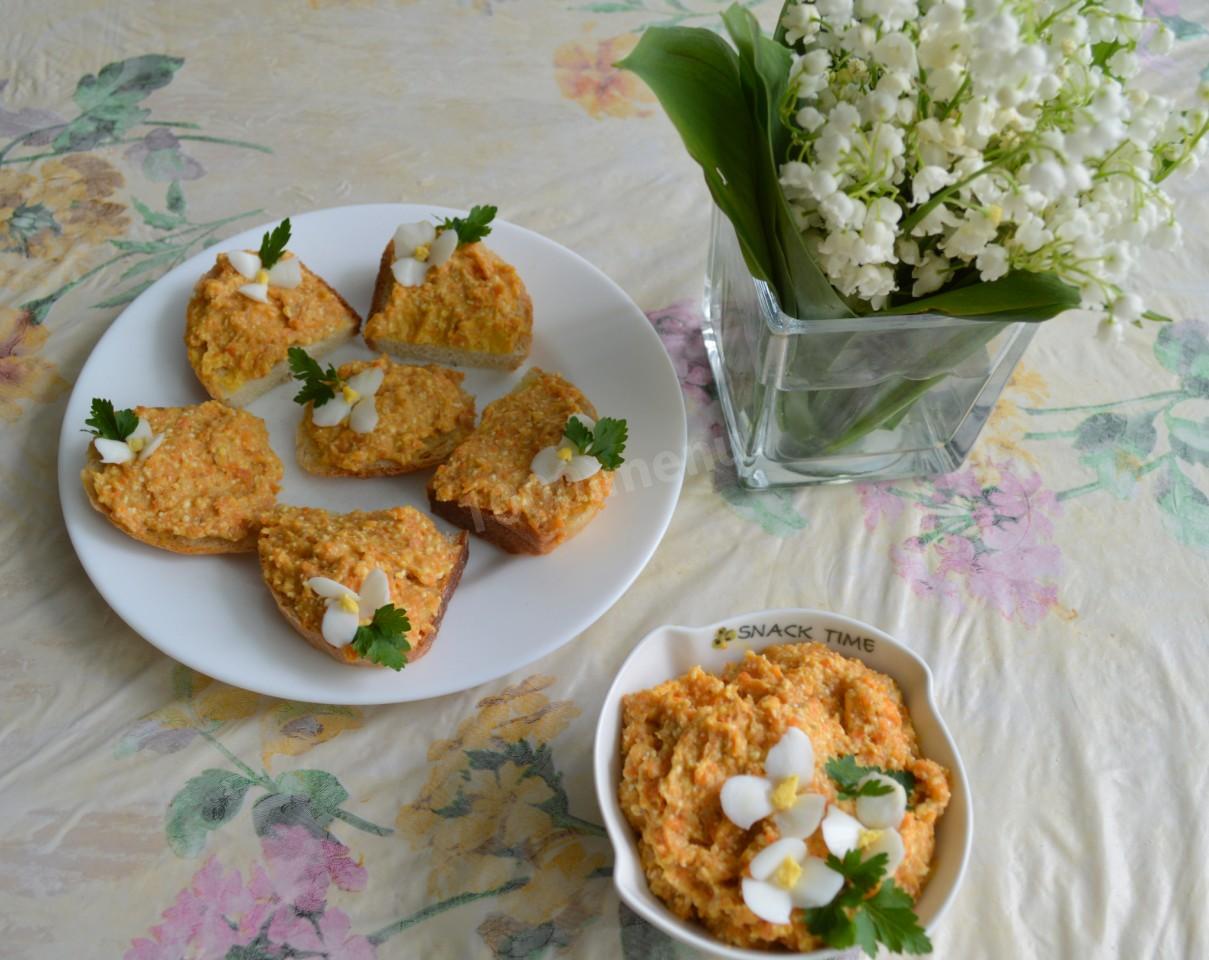
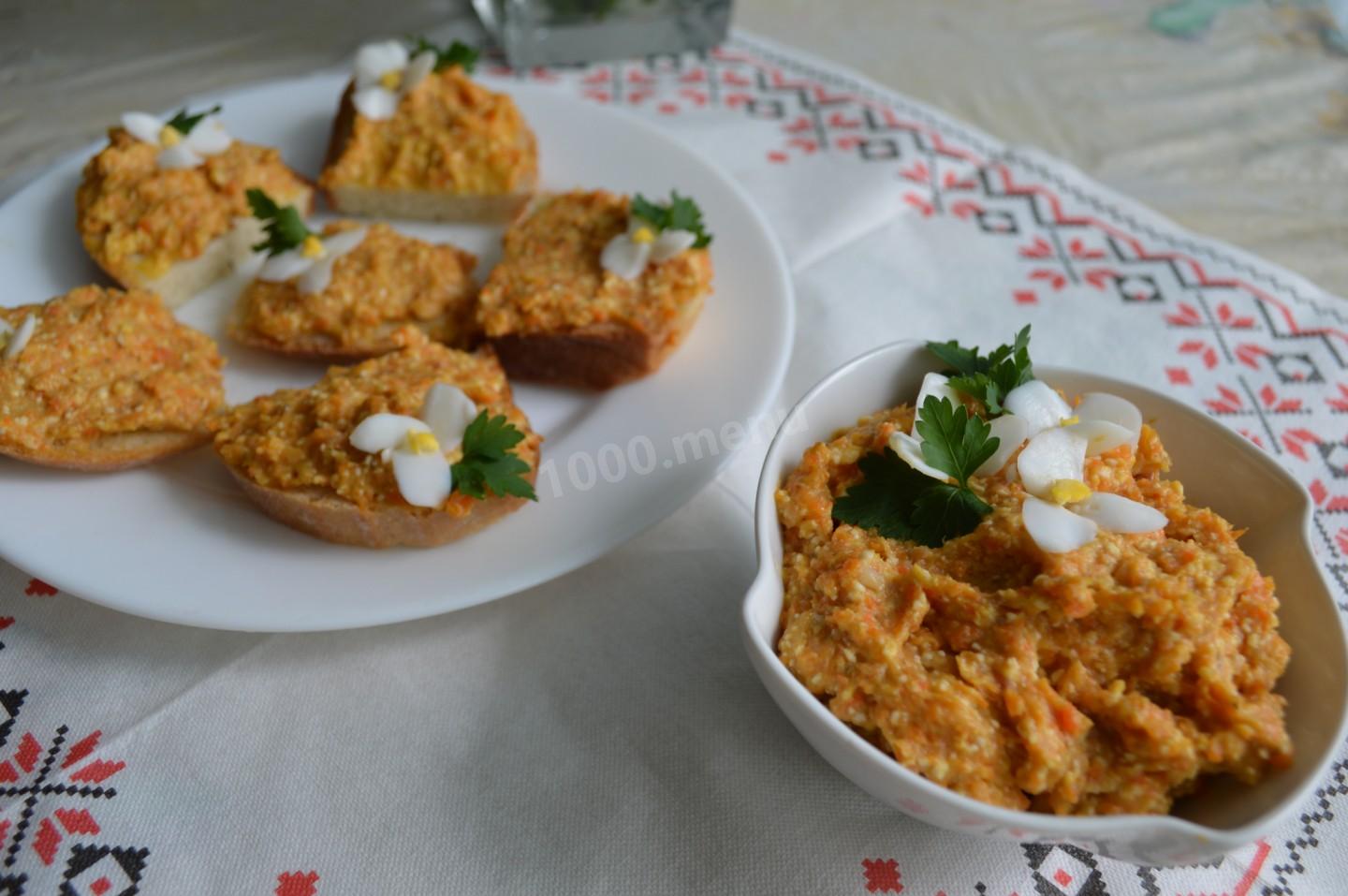
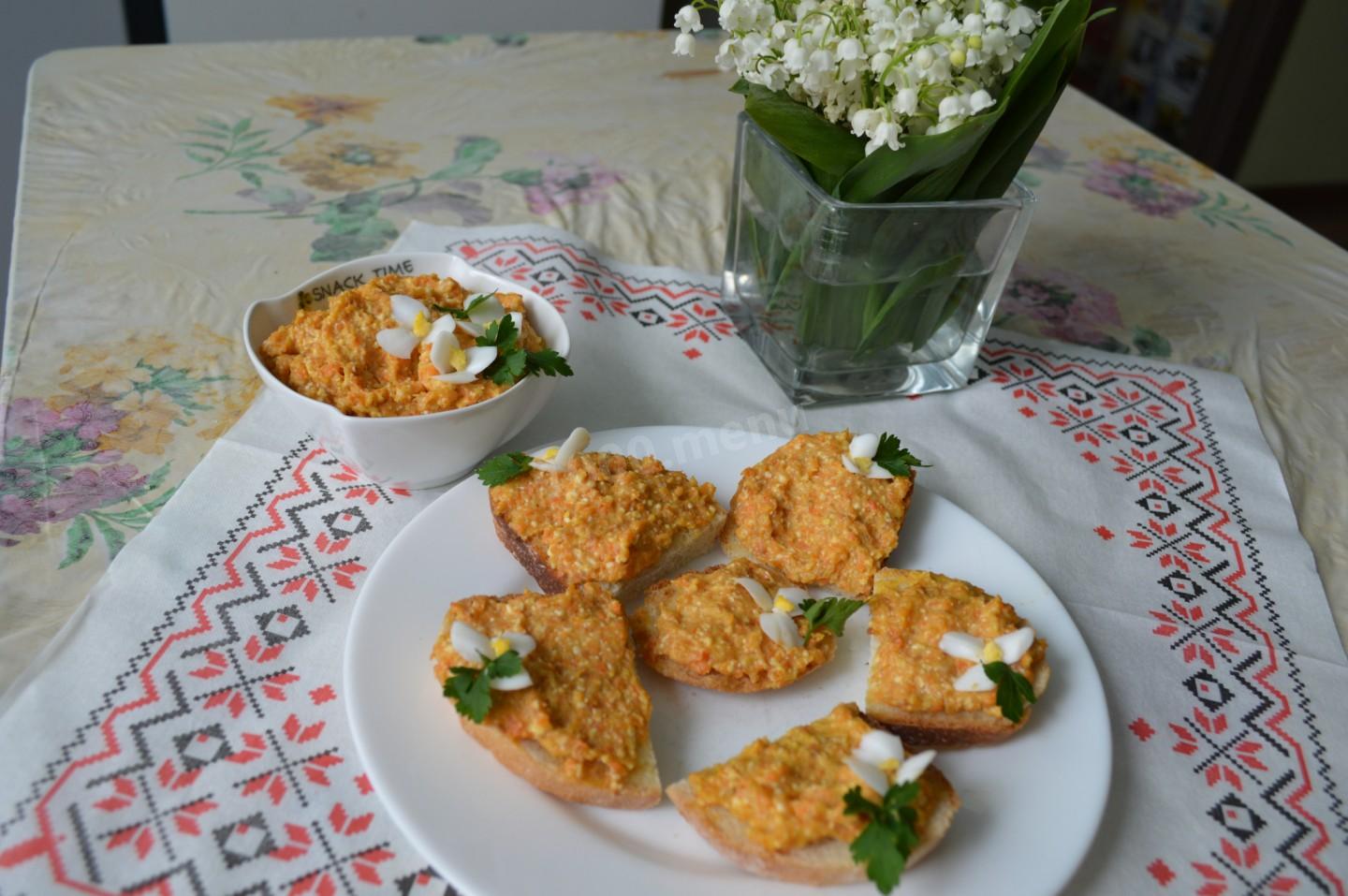
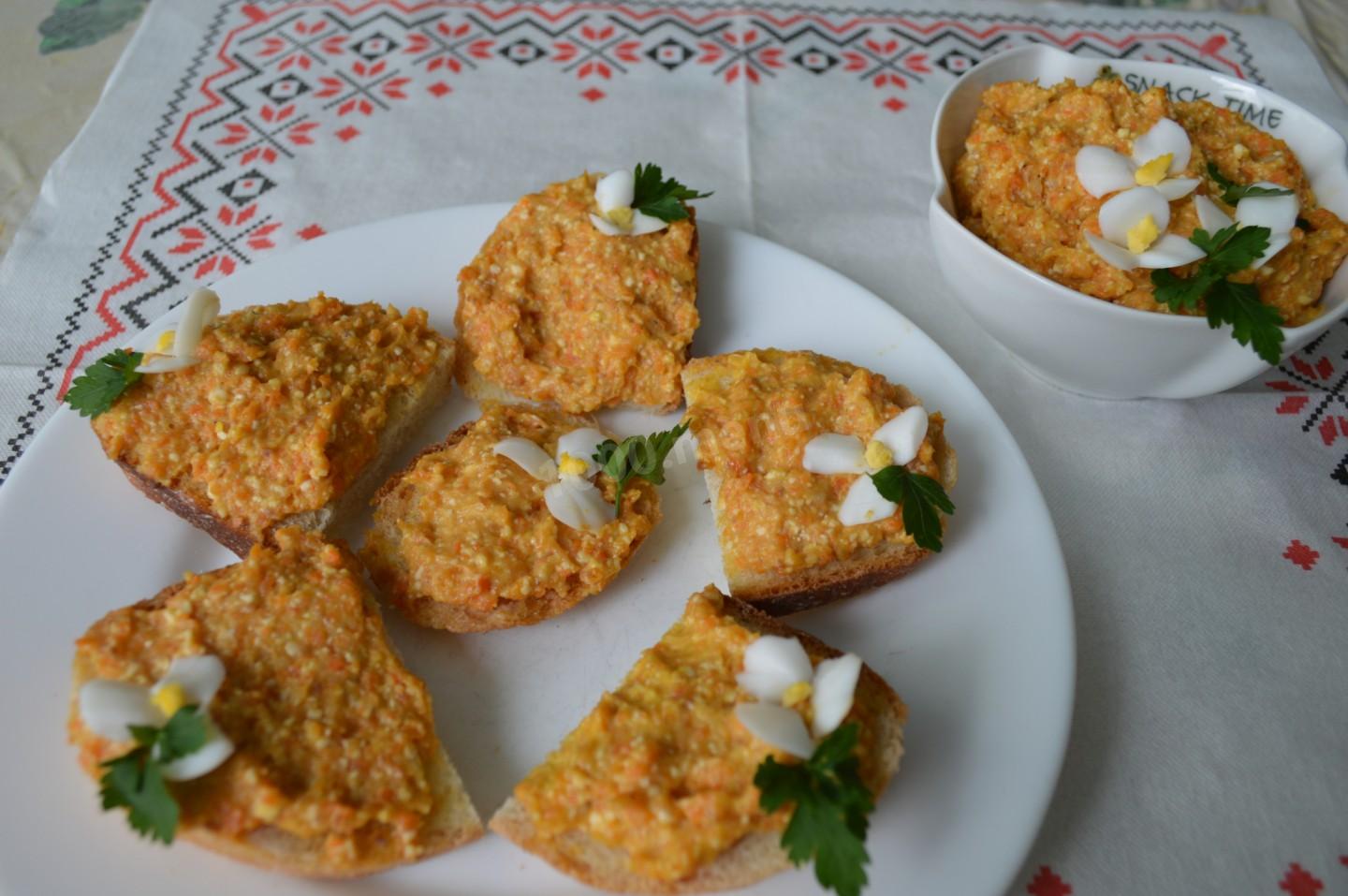
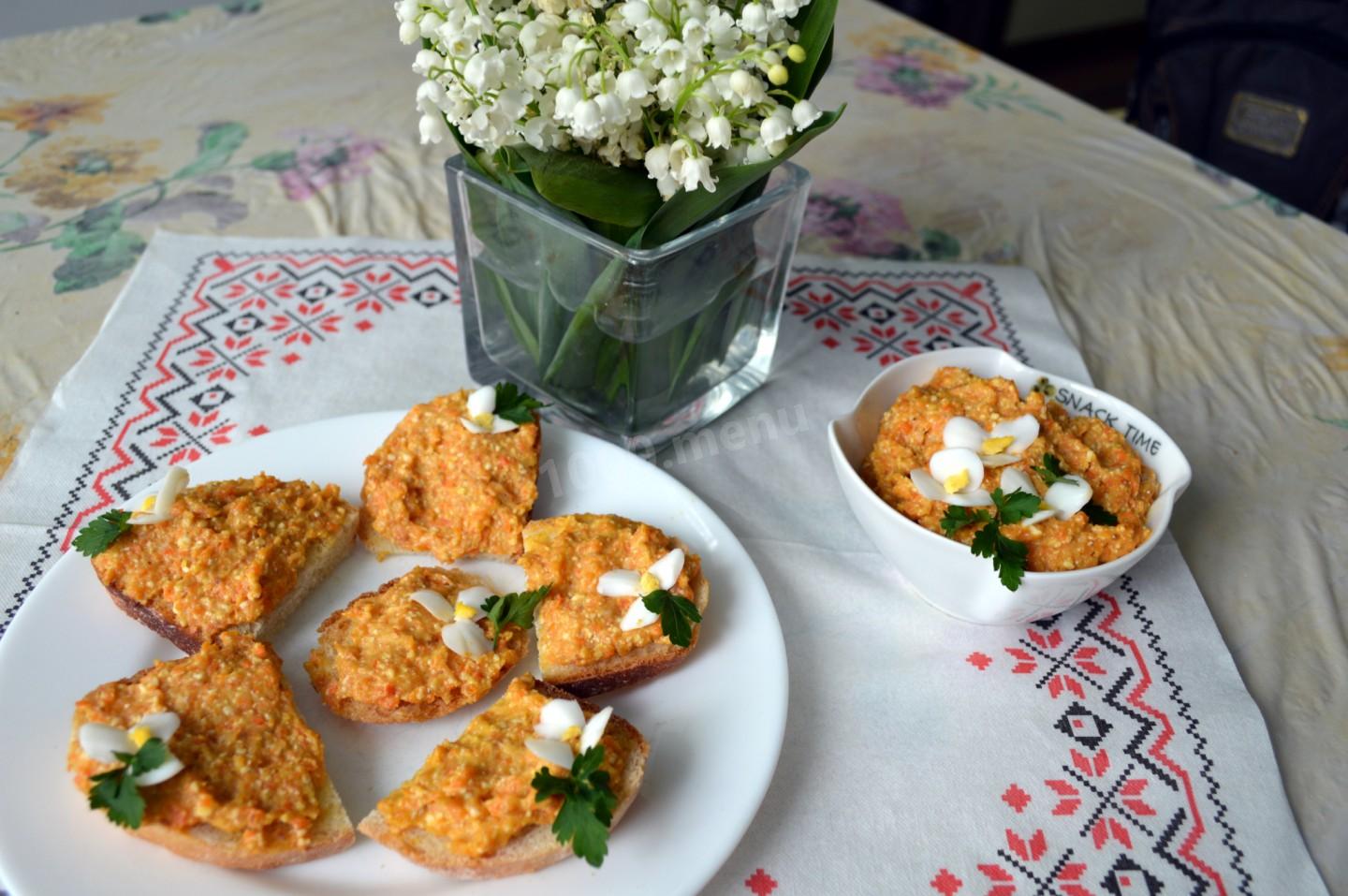
This unfussy dish will be the star of a holiday table! You could file it under "guests on the doorstep." The spread itself comes together very quickly. Serve it at a buffet in small tartlets, in egg halves, or on toast — whatever you have on hand in the kitchen.
Marina
Recipe author
Mock Caviar (Herring Spread)
Nutrients and energy value of the composition of the recipe
By weight of the composition:
Proteins 26 %
11 g
Fats 70 %
30 g
Carbohydrates 5 %
2 g
274 kcal
GI:
100
/
0
/
0
- I recommend you make this "mock" caviar. It's a fairly budget-friendly, tasty dish that you can serve for breakfast, anytime during the day, or to round out a holiday spread. People call it a "fake" red caviar because of the herring and carrots, but in my view it's closer to a kind of forshmak. You decide! The main ingredient is herring, which lends its flavor to everything else in the recipe. I follow one rule: eat herring only in the months whose names contain the letter "R" — September through April. May, June, July, and August are the hottest months of the year, so it's best to skip this product then. But it's up to you — so even though it's May outside, here's the recipe (my husband happily polished off the "caviar"). Making the "caviar" happens in two stages: first prep the ingredients, then put it together.
- Prepping the ingredients: 1. Boil the carrots for 20 minutes, cool them, and peel. If a carrot is large, cut it into several pieces (four to six, depending on size). While the carrots cook, you can deal with the herring. 2. Clean the herring, remove the innards, separate the fillets from the bones, and remove the skin. Cut each fillet into three pieces. My herring had roe, so I added that too (I haven't tried it with milt...). 3. Unwrap the processed cheese. 4. The butter should be at room temperature, so take it out of the fridge a couple of hours before. Now for the second stage: making the dish. Blend the prepped herring, carrots, processed cheese, and butter in a blender or food processor. Transfer to a clean container and refrigerate. You can make the "caviar" ahead, so when guests drop by unexpectedly or you need a quick family snack, a ready dish is already in the fridge. Keeps no more than five days. If you like, garnish before serving however you wish (herbs, vegetables, egg). But that's not necessary at all — you can just spread it on bread and enjoy. Enjoy!
Caloric content of the products possible in the composition of the dish
- Carrots - 33 kcal/100g
- Dried carrots - 275 kcal/100g
- Boiled carrots - 25 kcal/100g
- Herring in vegetable oil - 301 kcal/100g
- Herring in sour cream - 97 kcal/100g
- Herring in tomato sauce - 159 kcal/100g
- Hot smoked herring - 215 kcal/100g
- Pickled herring - 192 kcal/100g
- Fresh herring - 161 kcal/100g
- Salted herring - 217 kcal/100g
- Processed cheese with 60% fat content - 354 kcal/100g
- Processed cheese with 45% fat content - 294 kcal/100g
- Cheese 'megle' - 590 kcal/100g
- Tartar cheese - 348 kcal/100g
- Cheese 'cheese 'shavru' (goat) - 173 kcal/100g
- Viola cheese - 307 kcal/100g
- Butter 82% - 734 kcal/100g
- Amateur unsalted butter - 709 kcal/100g
- Unsalted peasant butter - 661 kcal/100g
- Peasant salted butter - 652 kcal/100g
- Melted butter - 869 kcal/100g
Similar recipes
Related and additional categories: