Grill-Pan Beef Steak
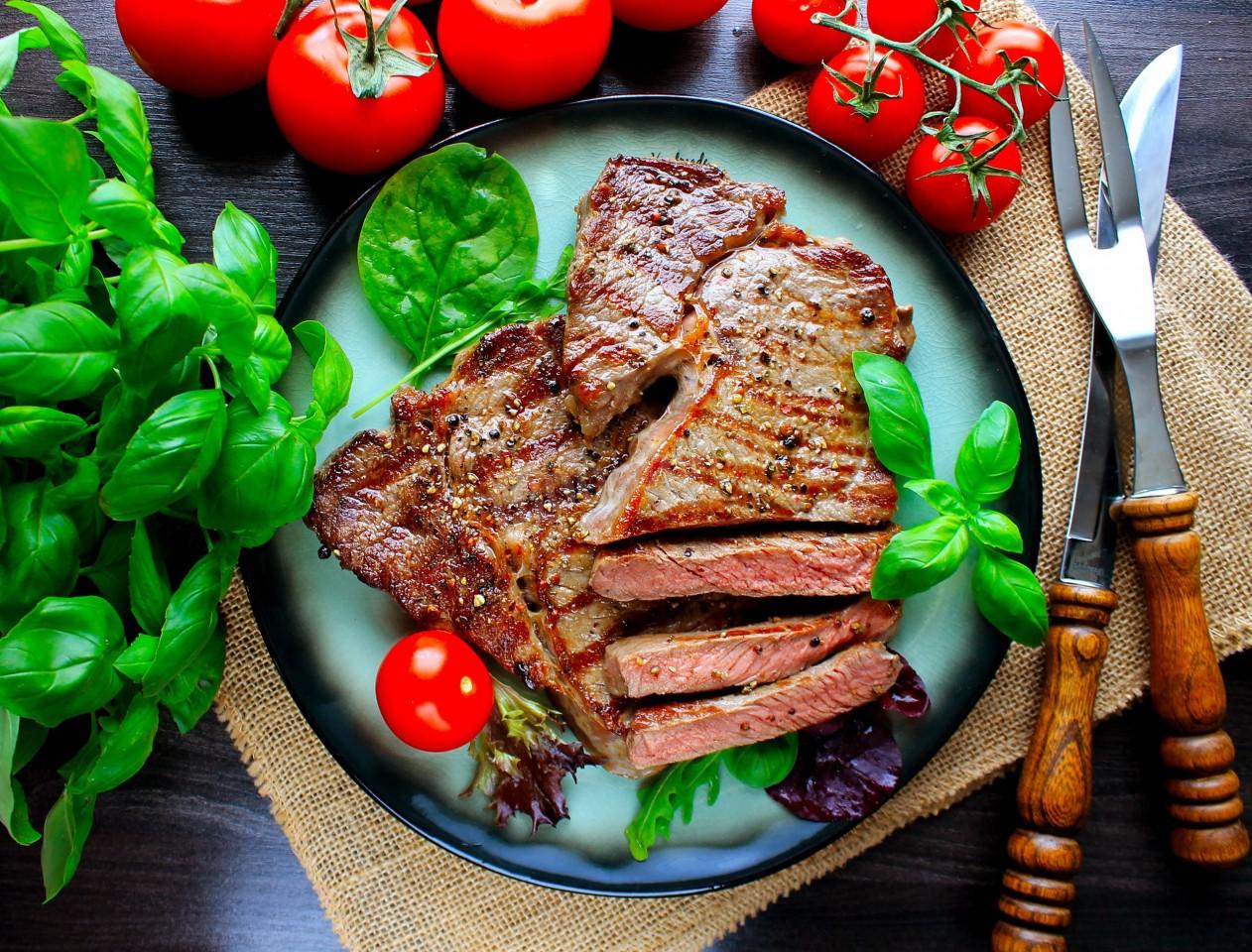
The juiciest, most incredibly delicious, appetizing steak — with a great crust! Beef steak cooked in a grill pan melts in your mouth, it comes out so tender. And it's genuinely simple and easy to make once you know a few key tricks. Serve it for a special occasion or a hearty family dinner!

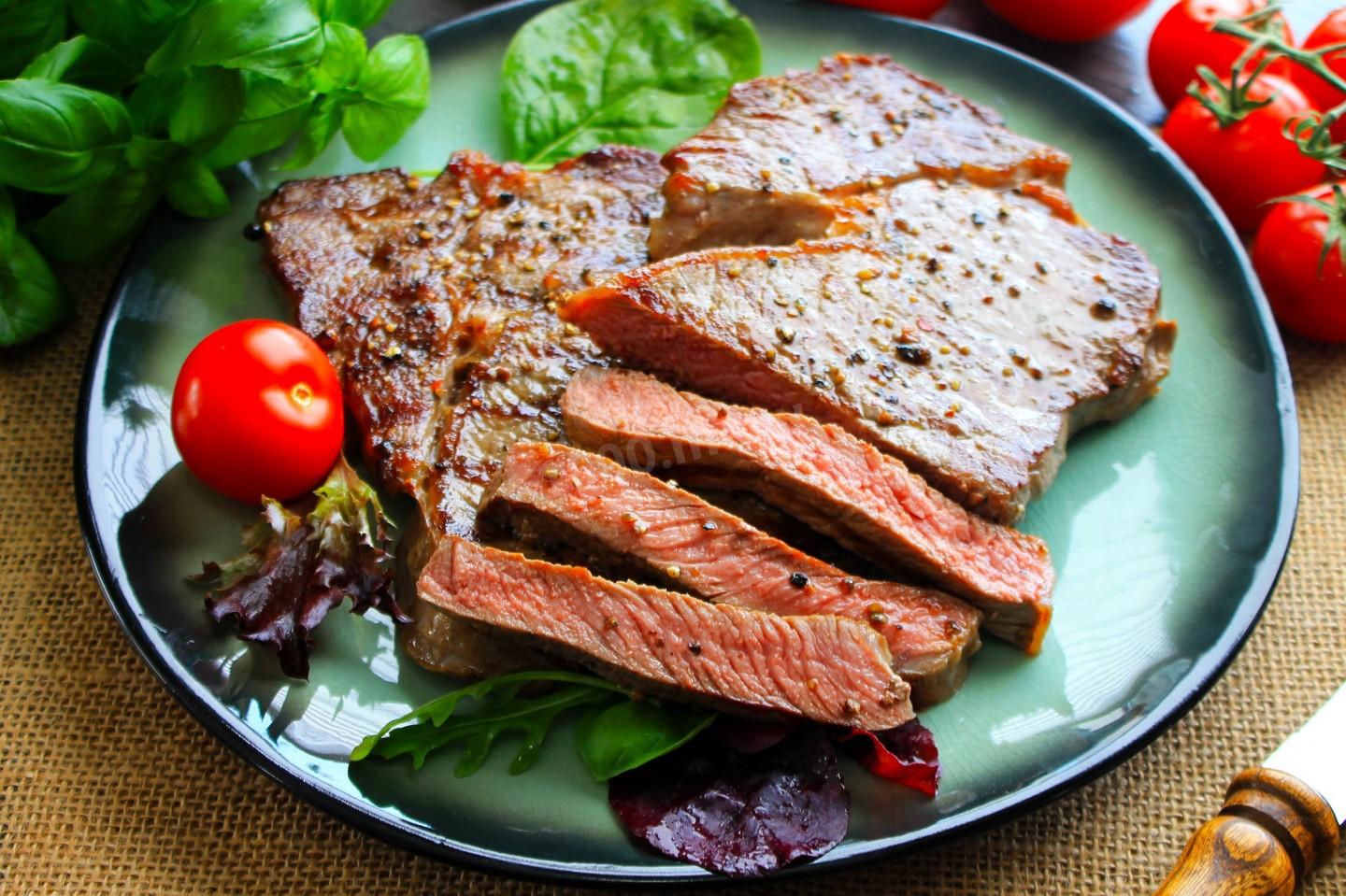
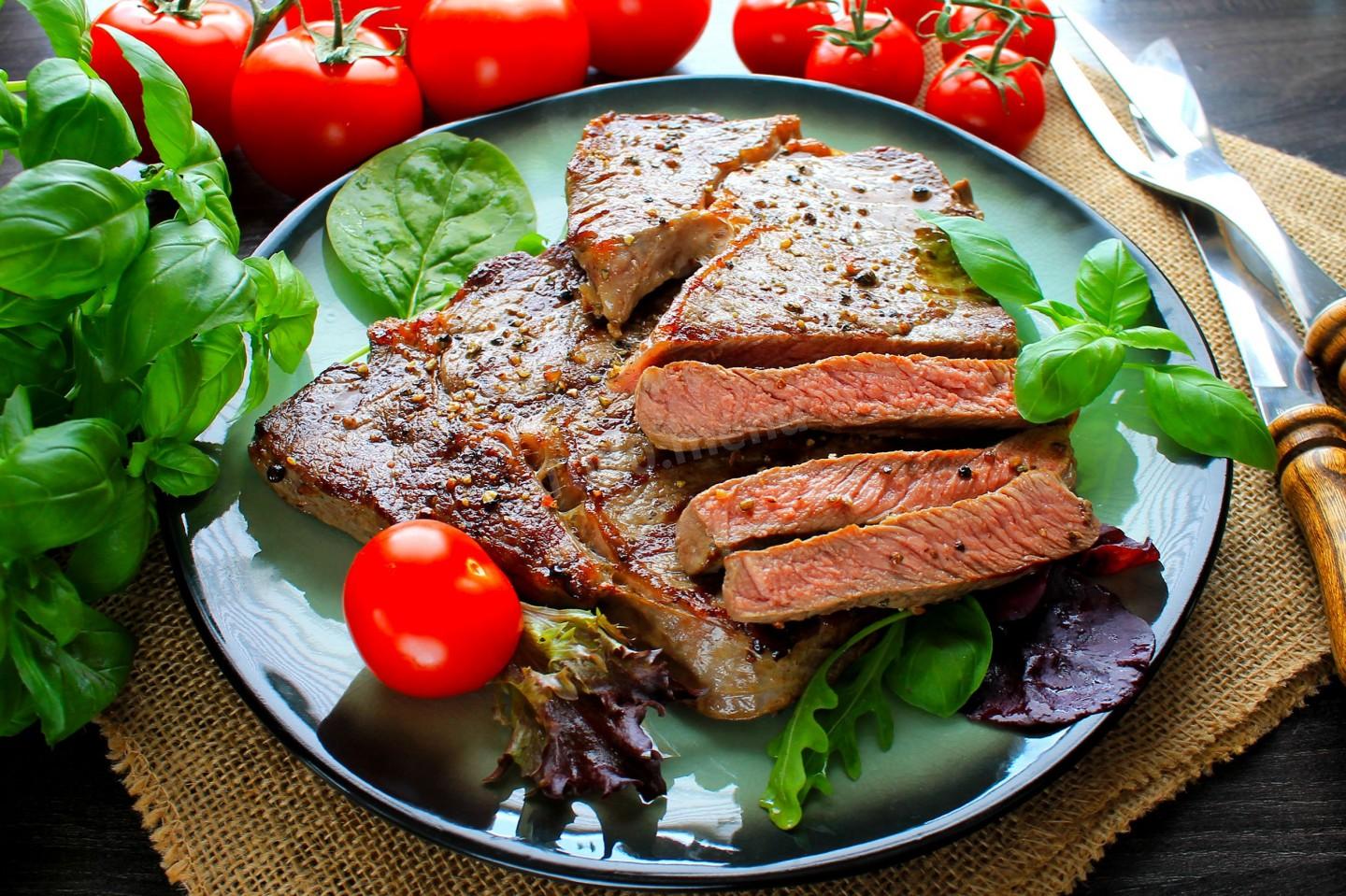
Cooking method
-
Step 1:
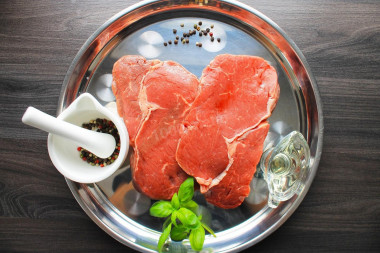
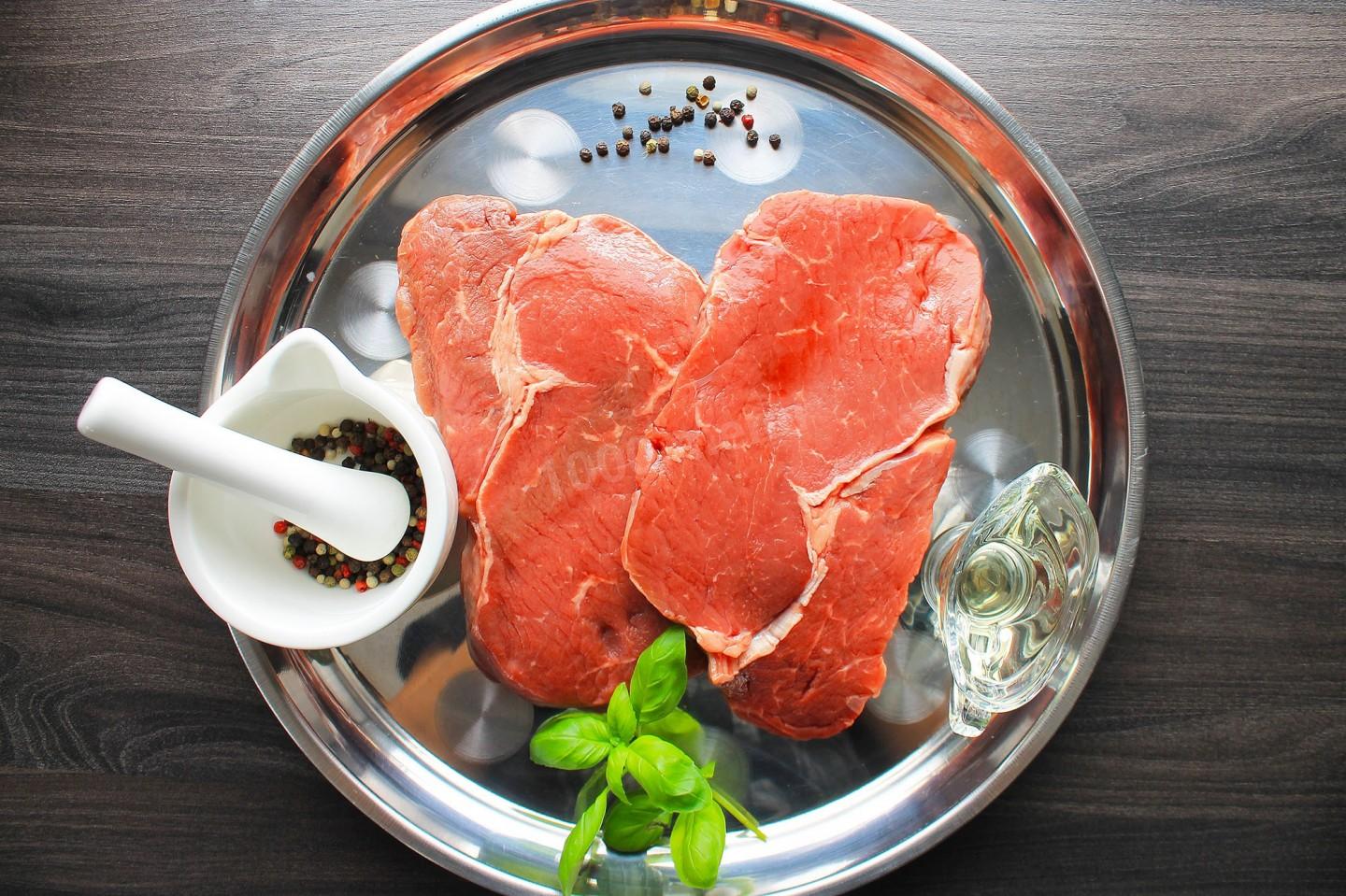
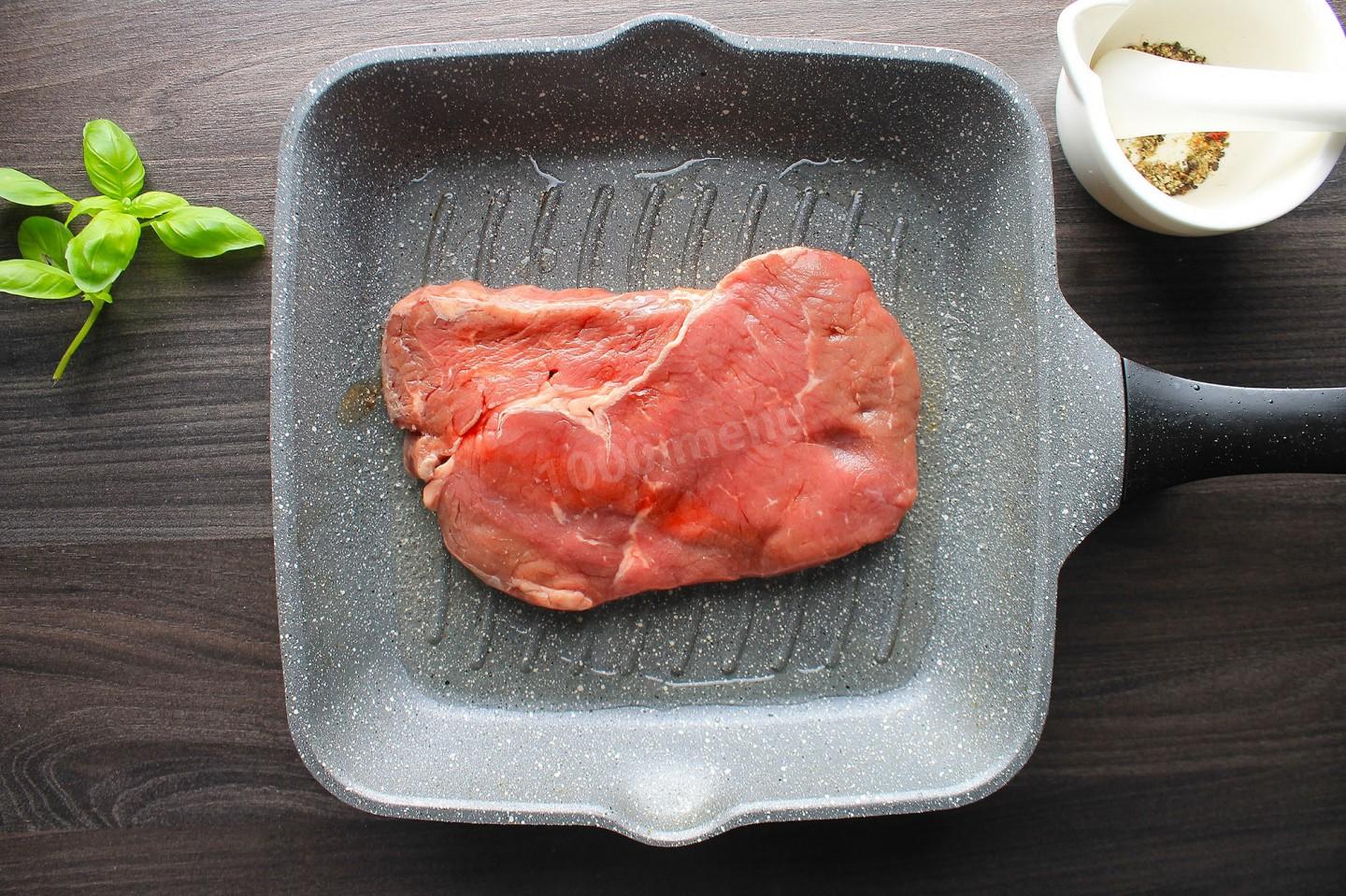
How do you cook a beef steak in a grill pan? Gather all the ingredients from the list. Which cut should you use? For pan-fried steaks, it's best to choose a part of the animal whose muscles didn't do much work (the back, loin, or the front of the round). So, take the steaks out of the fridge and let them sit for a while.
-
Step 2:
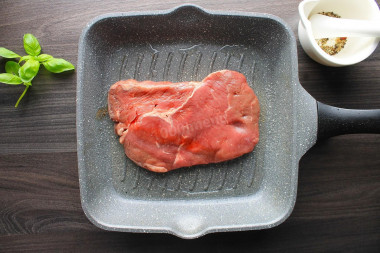
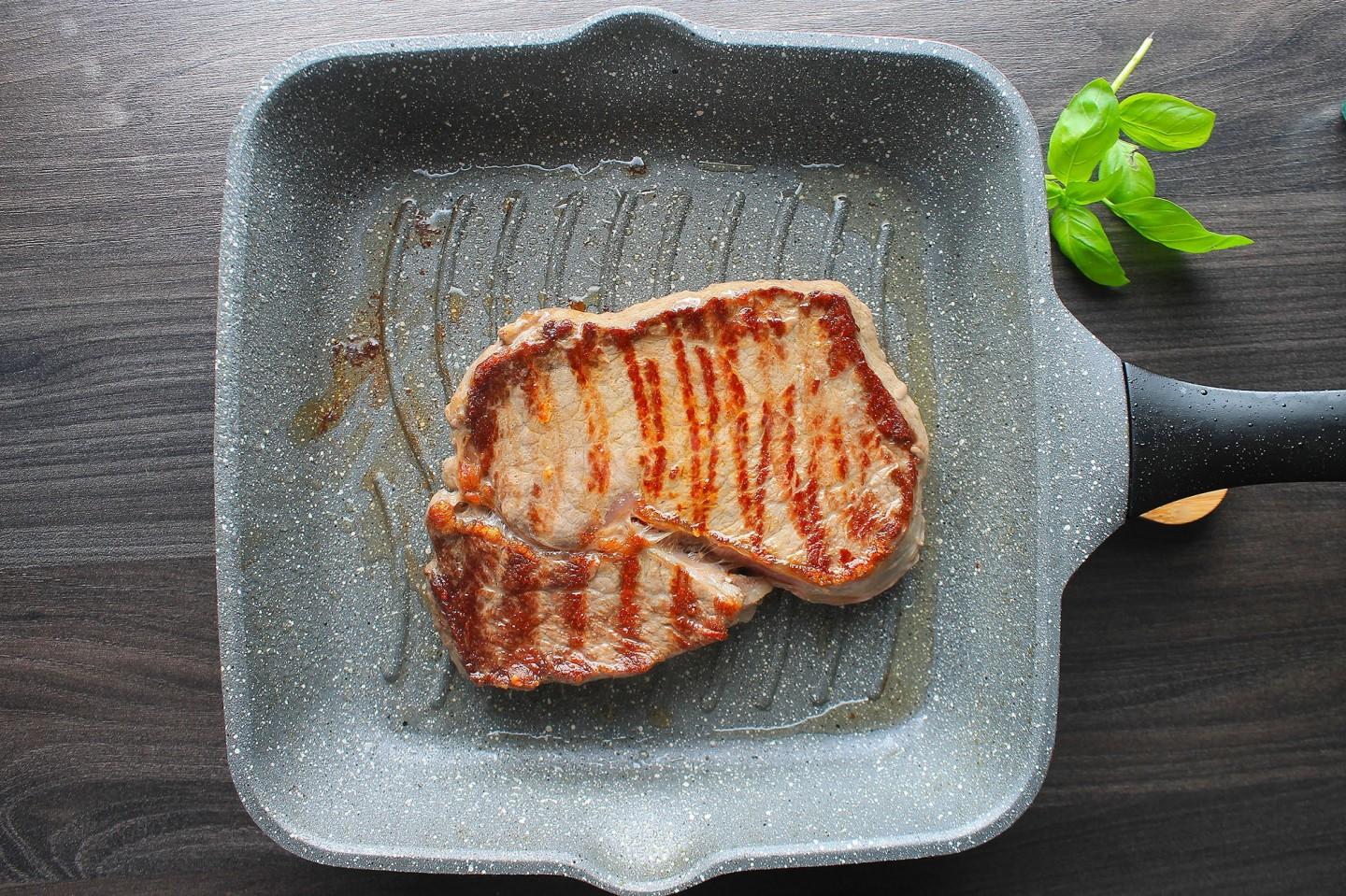
Once the steak has come to room temperature, you're ready to cook. Preheat the grill pan really well — it should be as hot as possible. Brush the bottom with oil (a silicone brush works nicely) and lay the steak down to sear. It should sizzle immediately, which tells you the pan is hot enough. Sear the beef for 1–2 minutes.
-
Step 3:
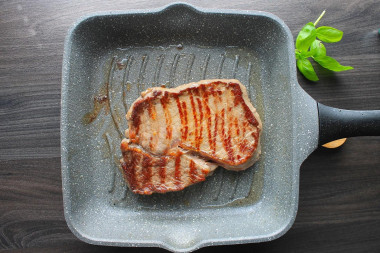
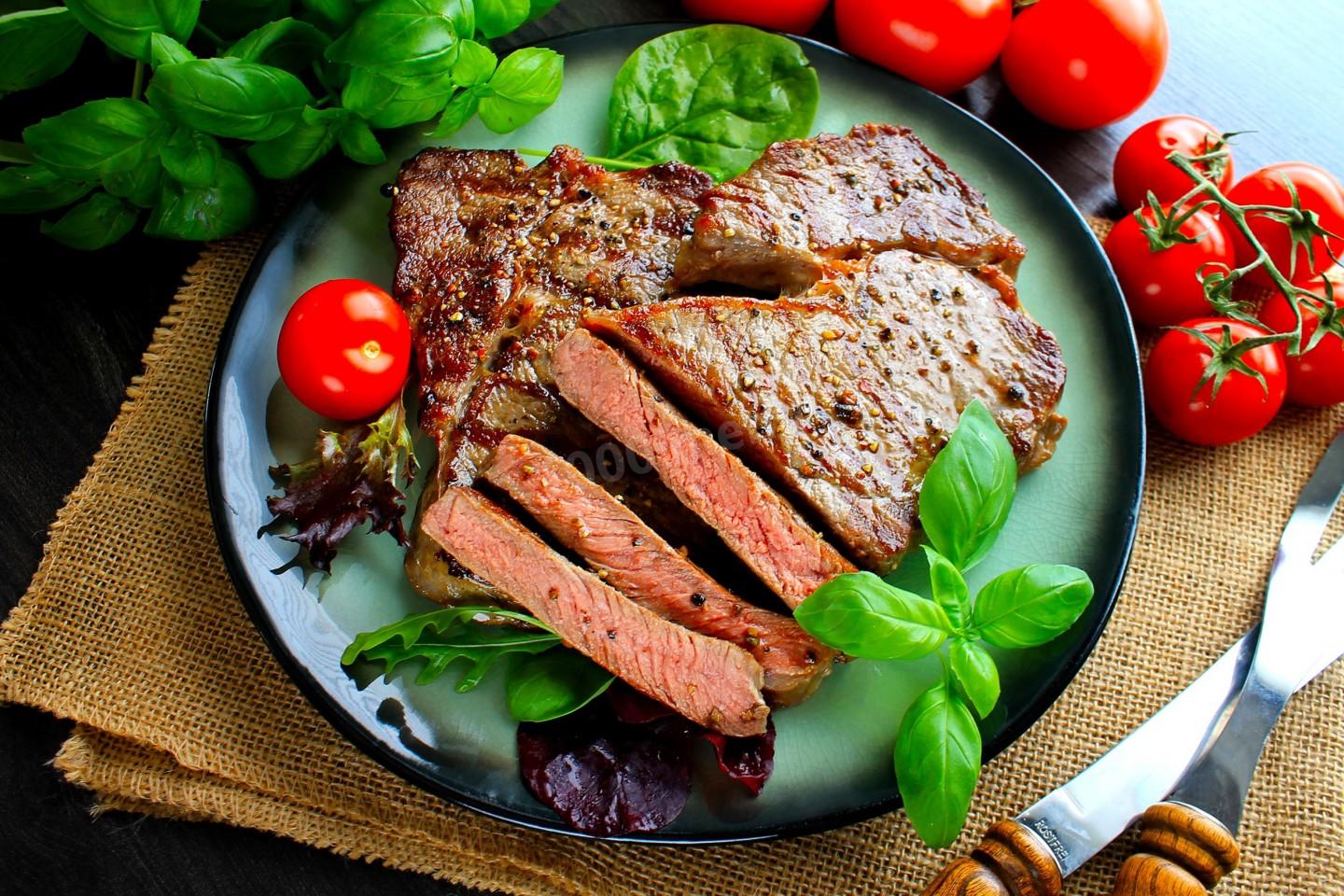
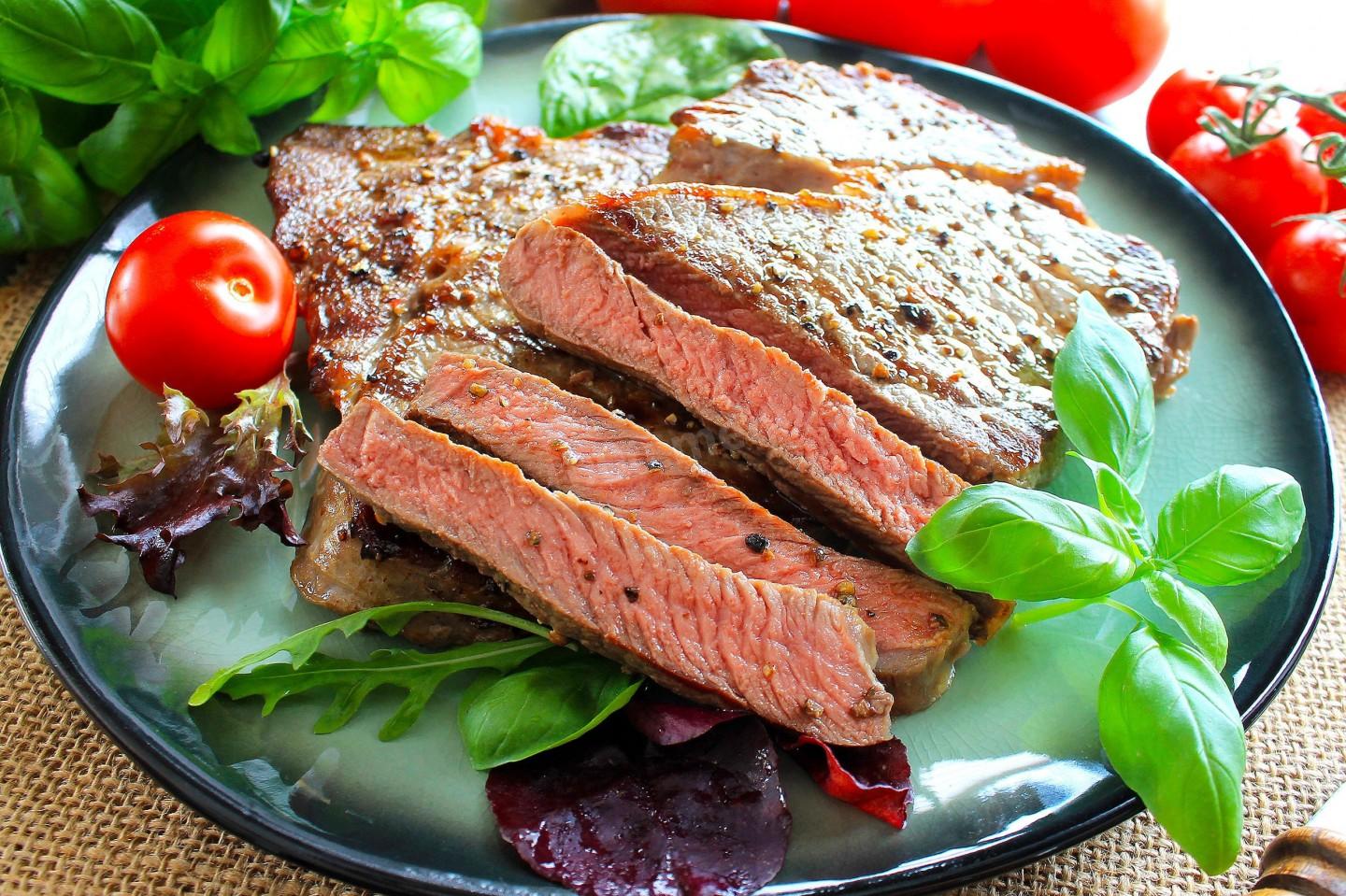
Then flip the steak and cook the other side for 1 to 2 minutes as well. Now turn the heat down, flip again, and cook to your preferred doneness, finishing the second side the same way. I cooked a steak about 3/4–1 inch (2–2.5 cm) thick over high heat for one minute per side, then over moderate heat for another 2 minutes per side. That's 6 minutes total, and mine came out a perfect medium.
-
Step 4:
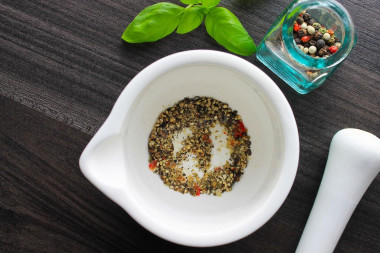
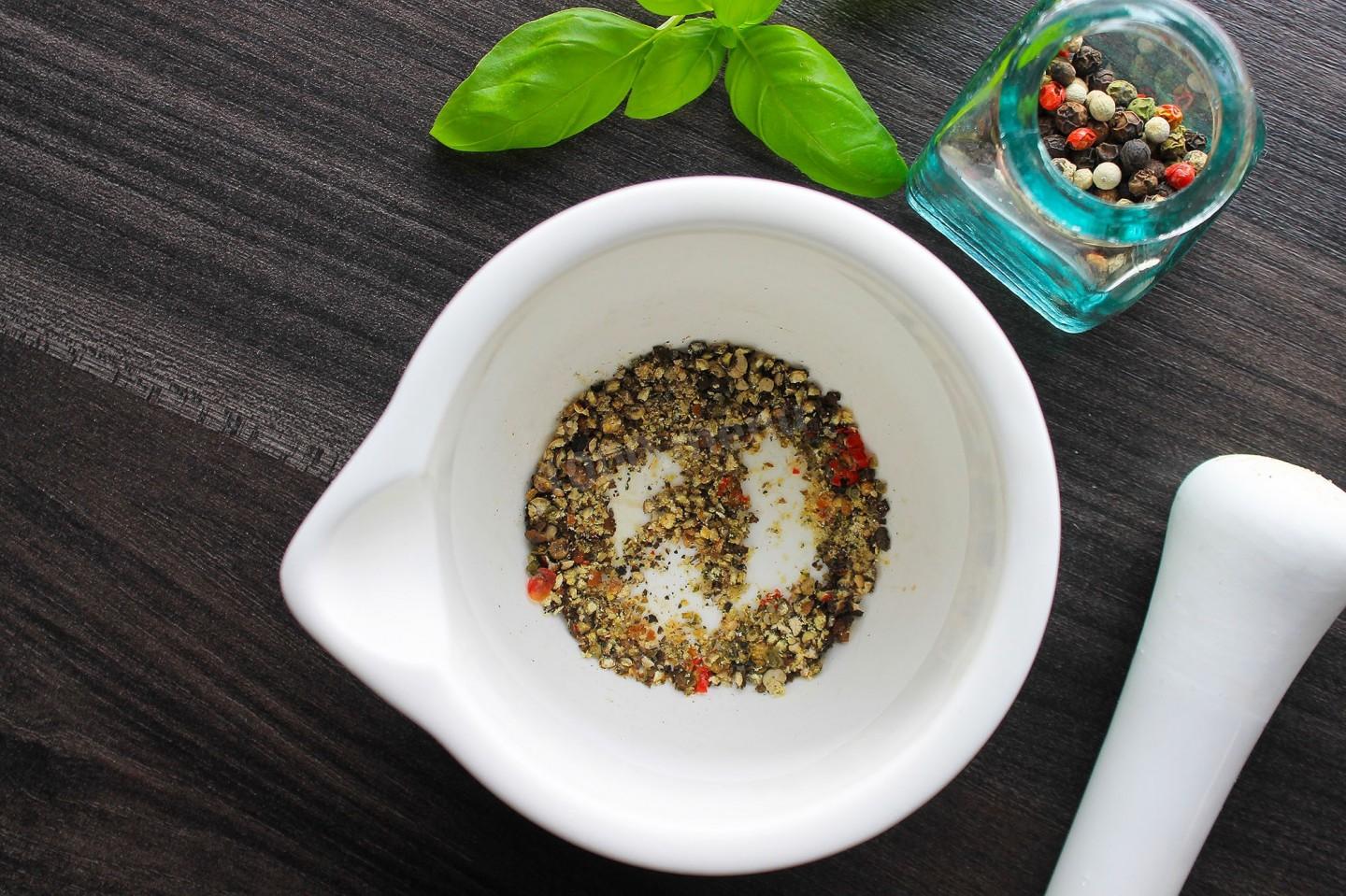
Crush the peppercorns in a mortar — freshly cracked pepper is wonderfully fragrant and pairs perfectly with beef. Of course, you can use pre-ground pepper instead.
-
Step 5:
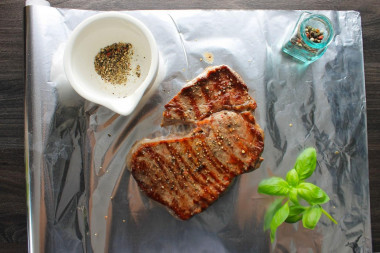
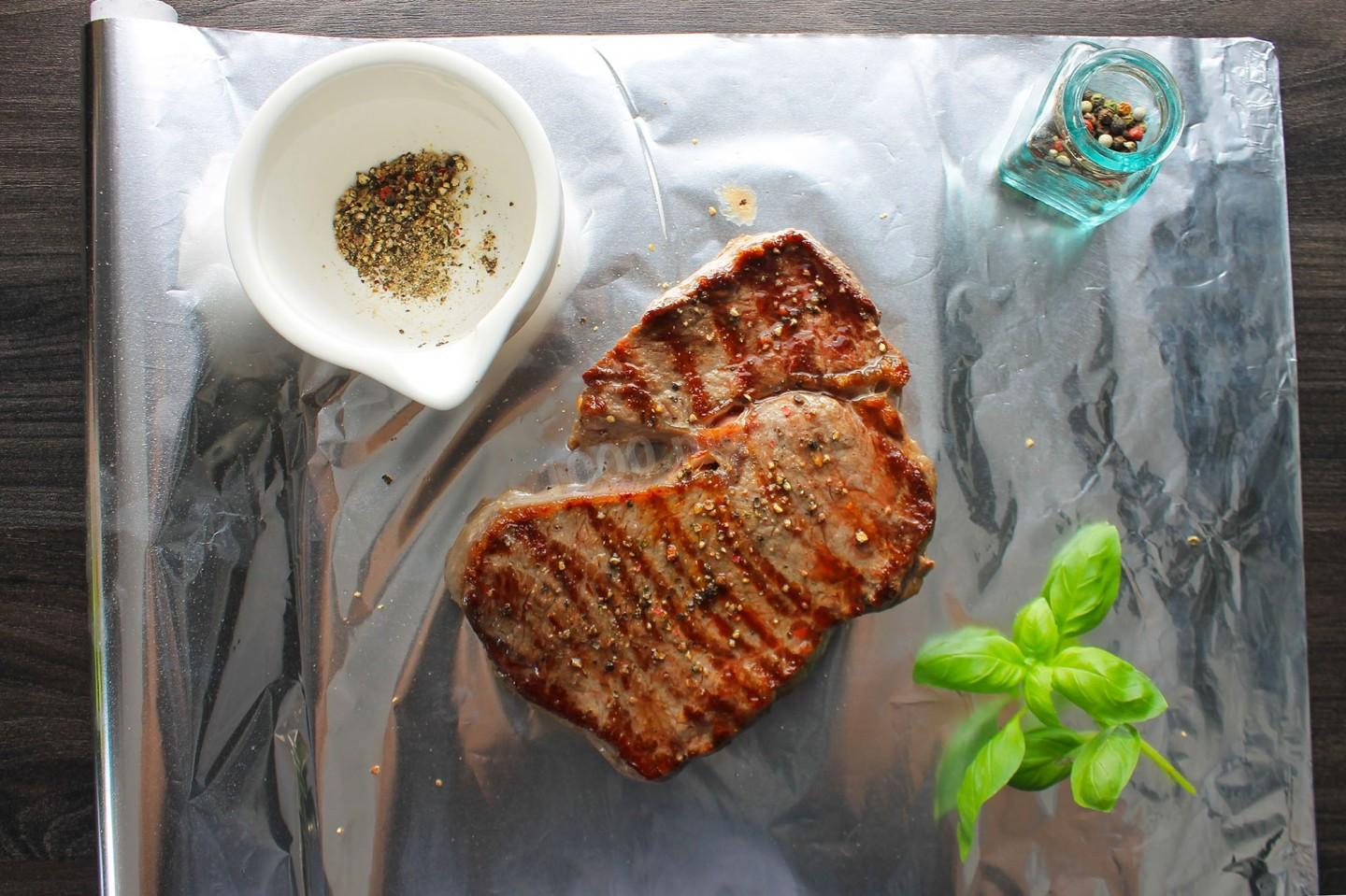
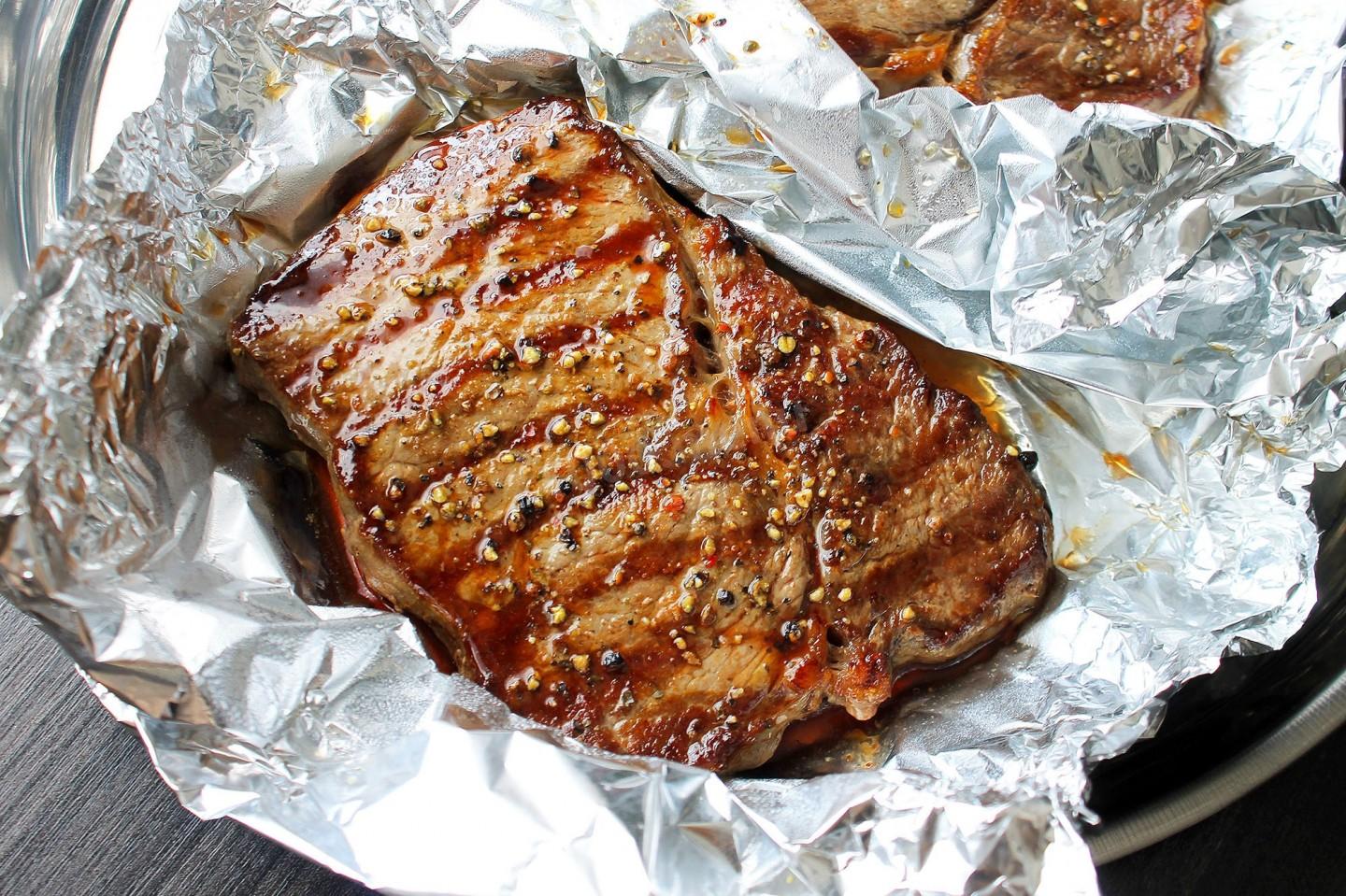
Take the steak off the heat and season it with salt and pepper. Steaks usually aren't served straight from the pan — they're given a few minutes to rest.
-
Step 6:
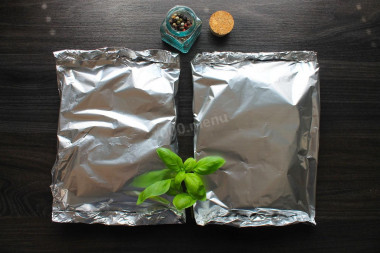
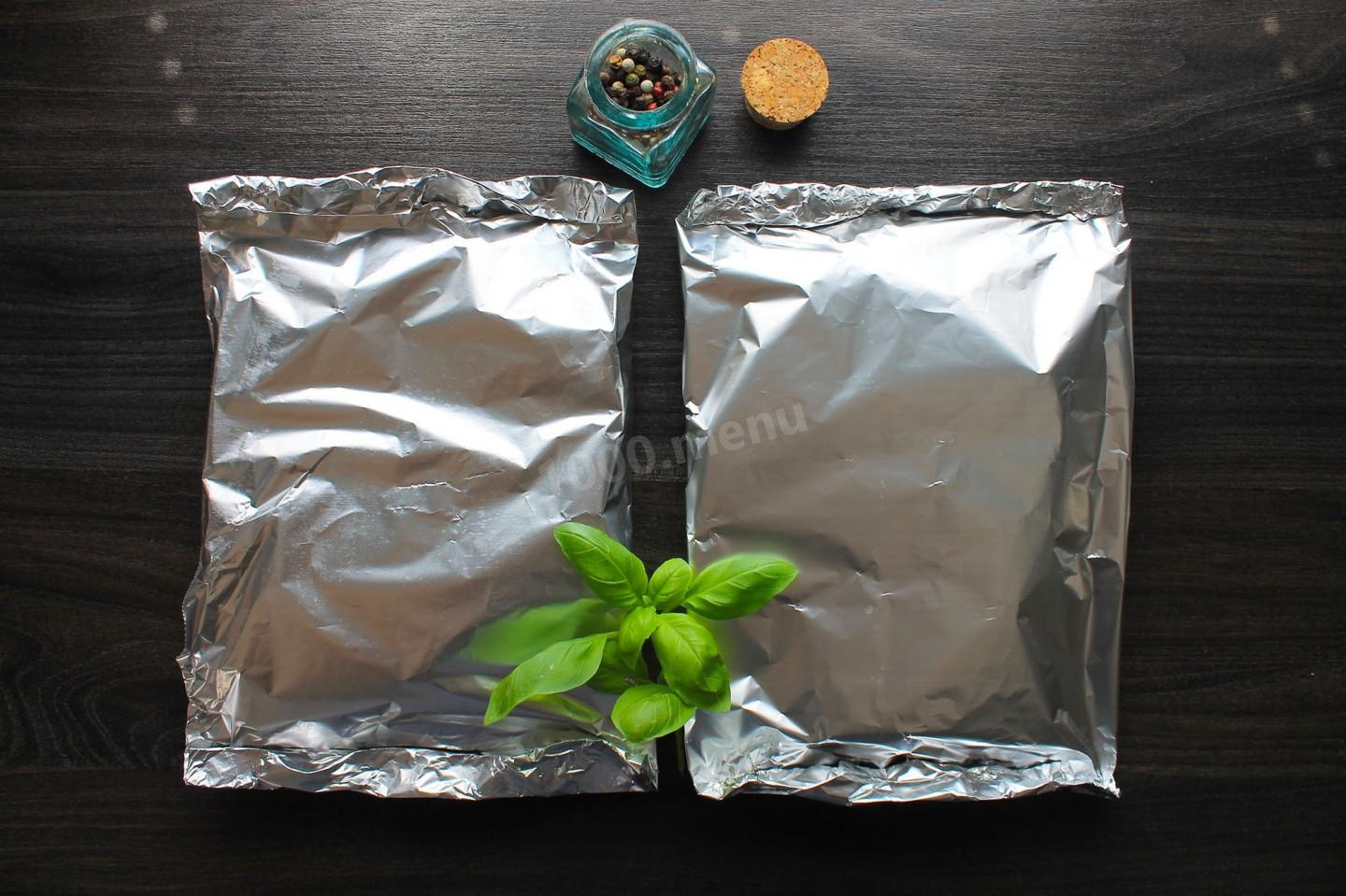
Wrap each steak individually in foil and let it rest on a flat surface for 10 minutes.
-
Step 7:
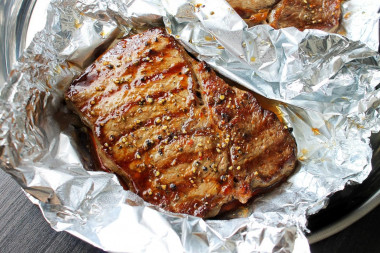
Unwrap the rested steaks.
-
Step 8:
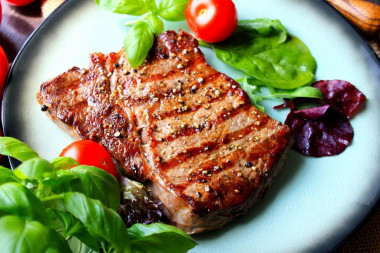
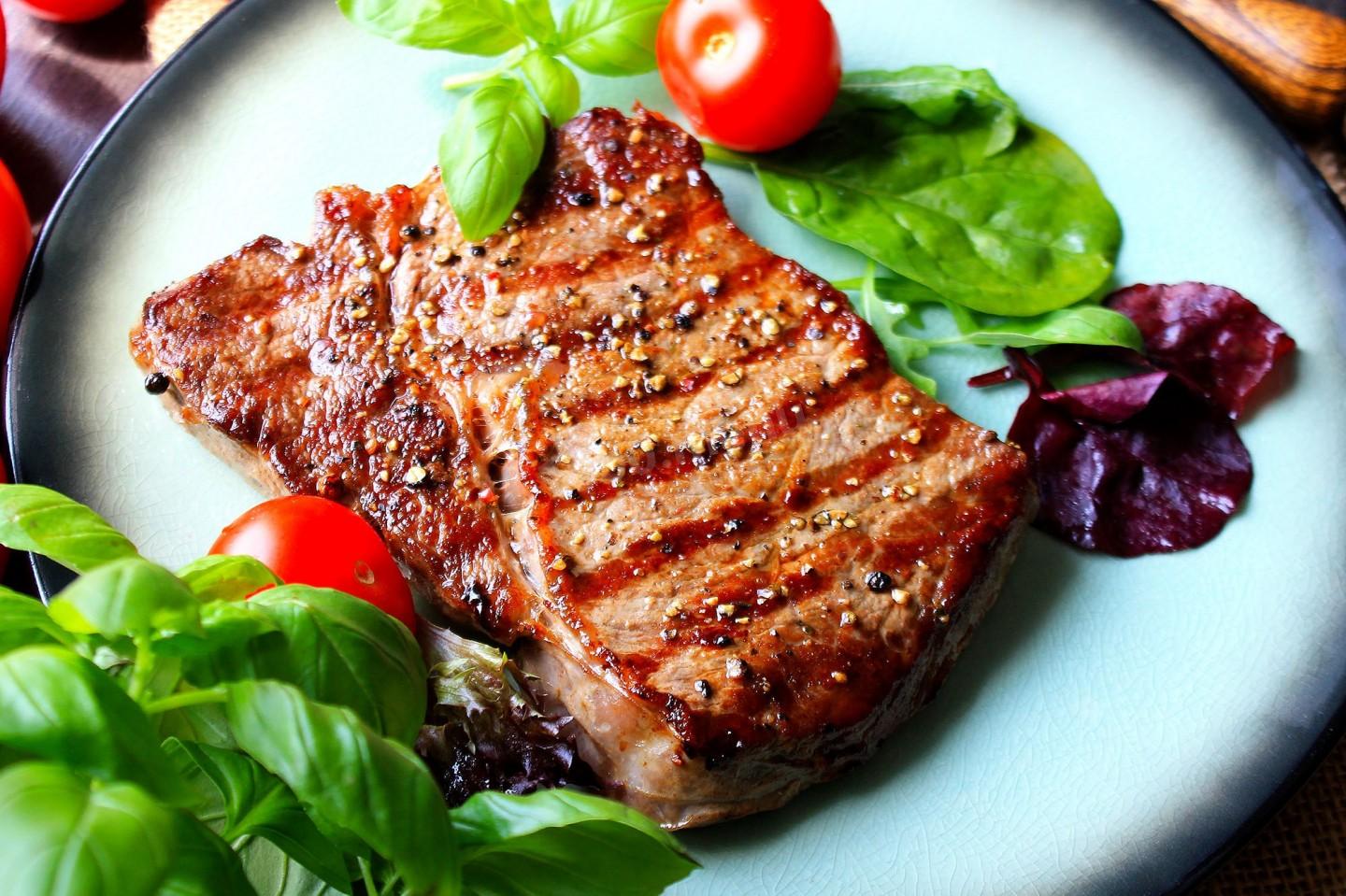
Serve the steak with fresh vegetables and salads.
-
Step 9:
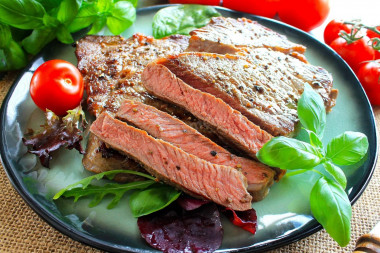
Slice the steaks into portions with a thin, sharp knife and savor the incredible flavor. Fantastic!
- Right after slaughter, meat cools and turns tough. It's important to let beef age for a while at low temperatures (just above freezing). Keeping a wrapped piece on the bottom shelf of the fridge for about a week is enough. As it ages, the meat becomes much more tender and its color shifts from bright red to a deep, almost burgundy hue. Searing time depends on many factors: your target doneness (rare, medium, or well-done), the thickness of the steaks, the quality of the pan, and even how long the beef has aged. Give it a try — enjoy!
- Use an oil with a high smoke point for frying. Oils are only healthy up to a certain temperature — the smoke point — beyond which they start to burn and form toxic compounds, including carcinogens. Unrefined oils, with few exceptions, have a low smoke point; they're full of unfiltered organic particles that burn quickly. Refined oils handle heat better and have a higher smoke point. If you're cooking in the oven, in a skillet, or on the grill, make sure you're using a high-smoke-point oil. The most common ones are refined sunflower, olive, and grapeseed oil.
Caloric content of the products possible in the composition of the dish
- Vegetable oil - 873 kcal/100g
- Black pepper peas - 255 kcal/100g
- Salt - 0 kcal/100g
- Marbled beef - 170 kcal/100g