Fish Cakes (Ground Fish Patties)
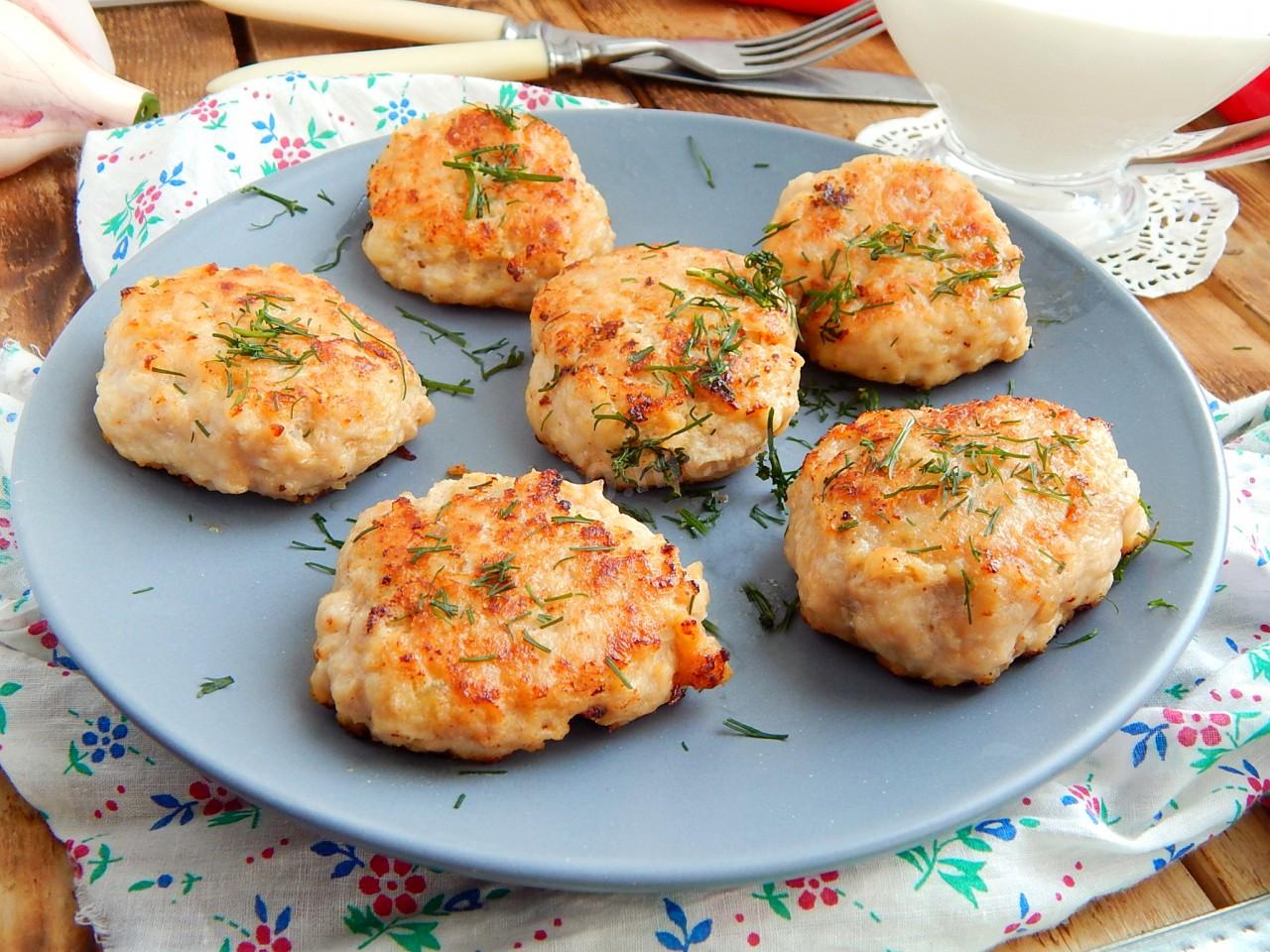
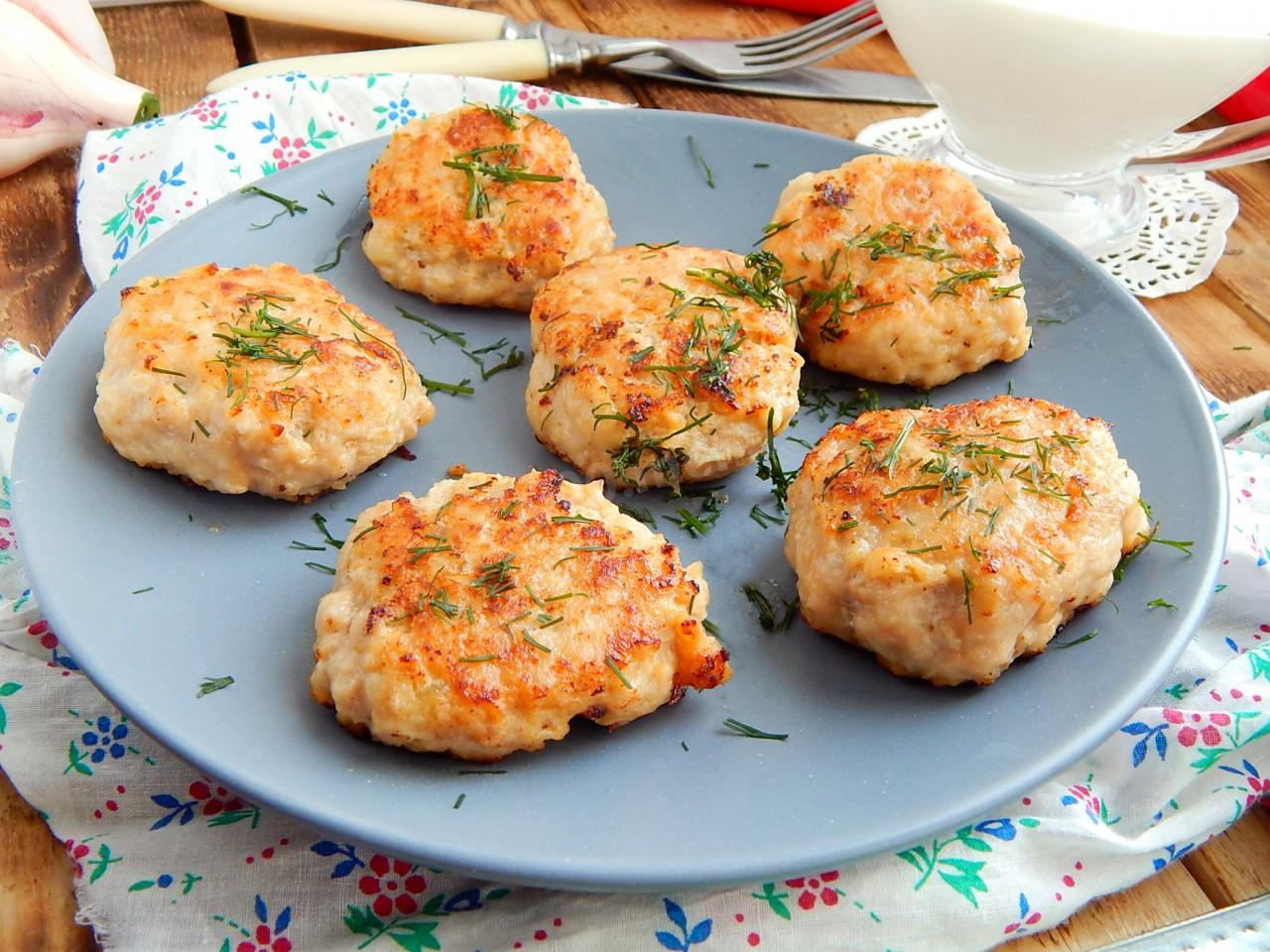
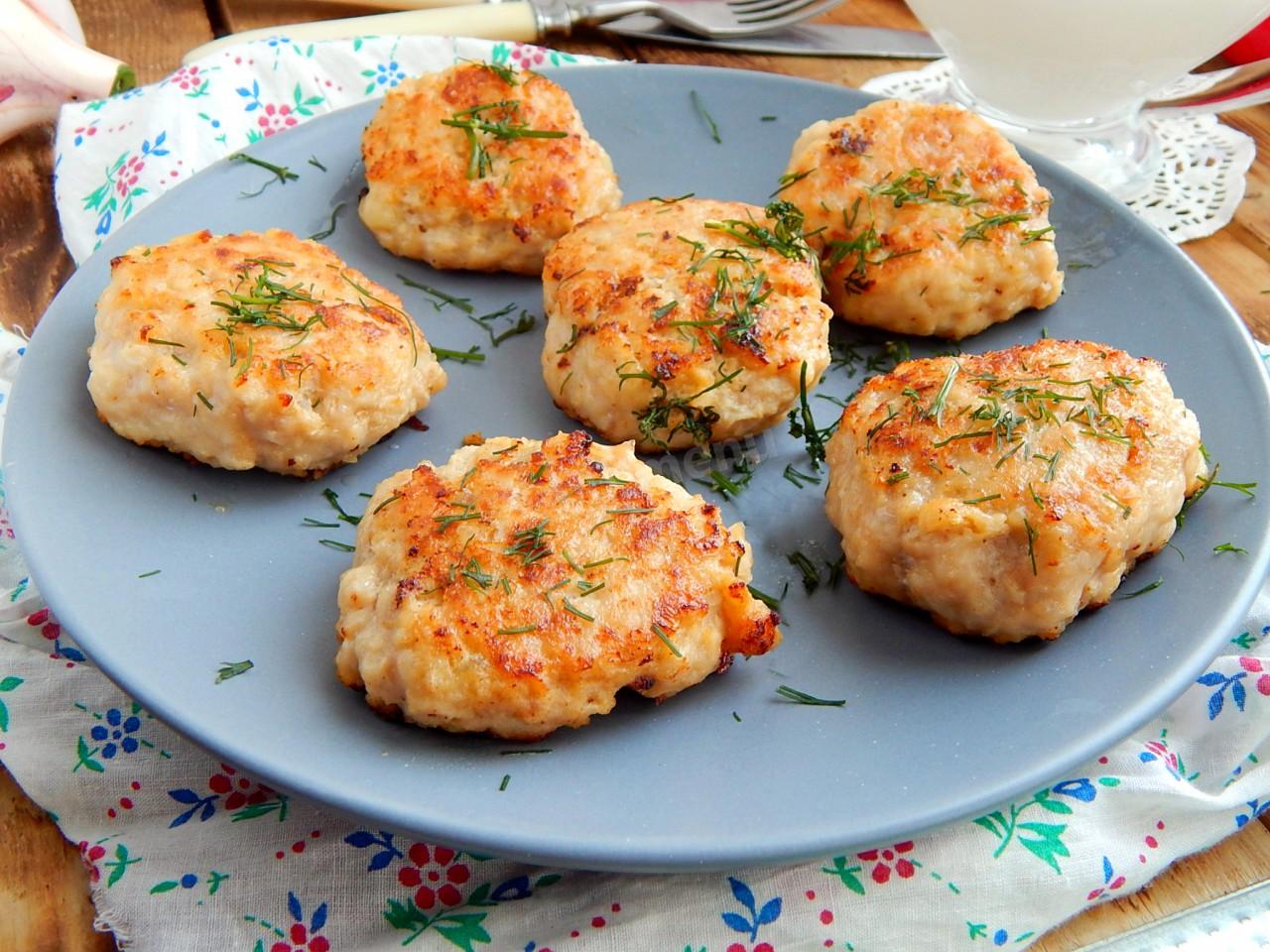
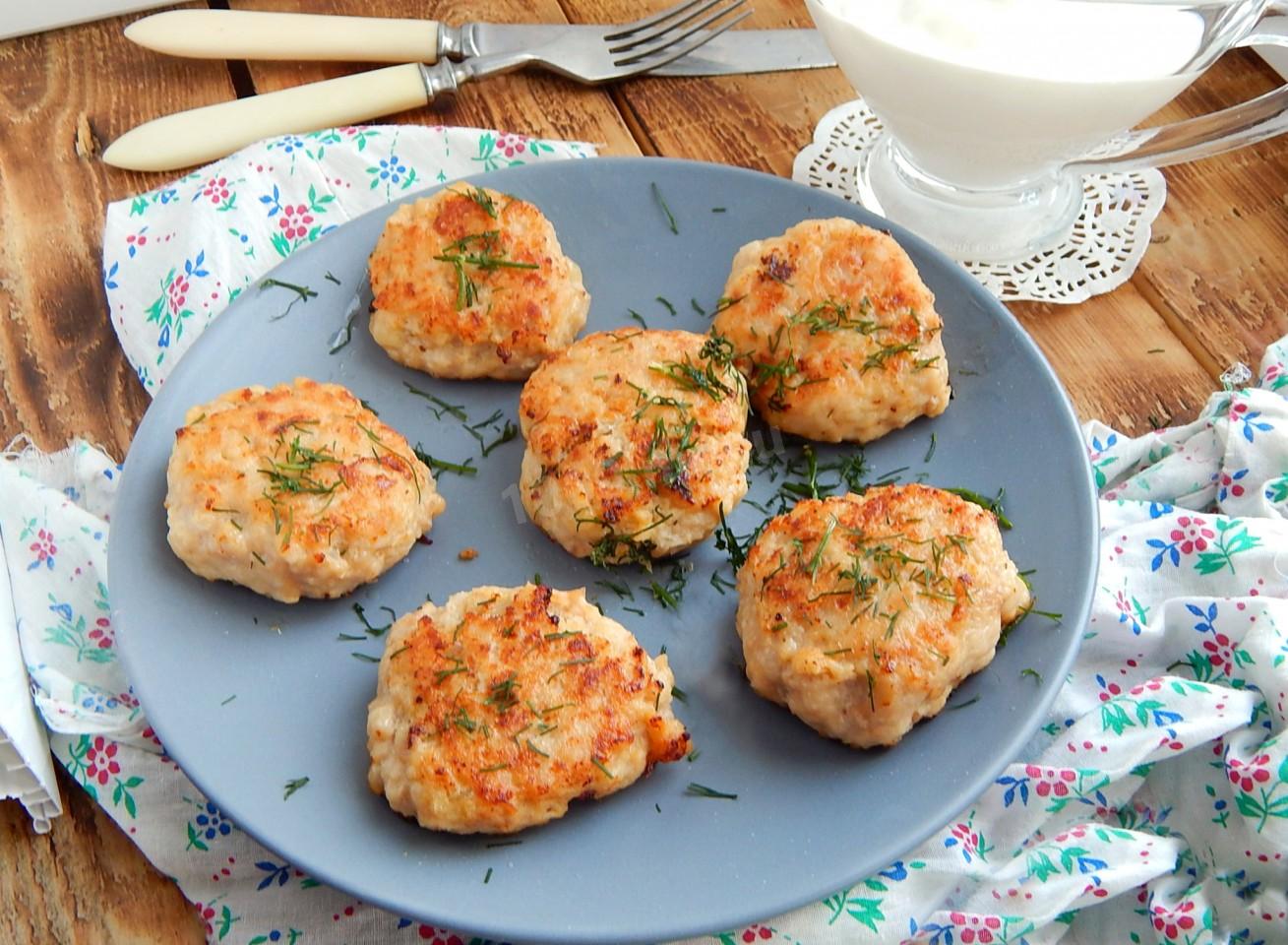
A tasty, healthy dish to mix up your menu! Cutlets are a delicious, filling dish often made for lunch or dinner. Meat cutlets may be more popular, but fish ones are very good for you — they contain nutrients you won't find in meat, so it's worth making them from time to time.

Cooking method
-
Step 1:
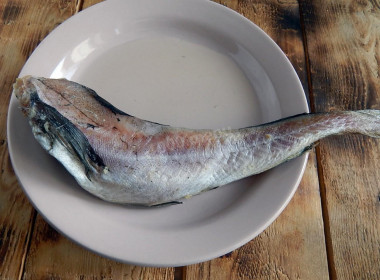
How do you make fish cakes? Gather your ingredients. You can make these from store-bought ground fish, but it's better to grind it yourself from fresh fish. Use any fish you like and can find — I'm using pollock. It has a milder fishy smell and fewer small bones, it's easy to work with for dishes like this, and it's fairly inexpensive. Rinse, clean, and gut the fish.
-
Step 2:
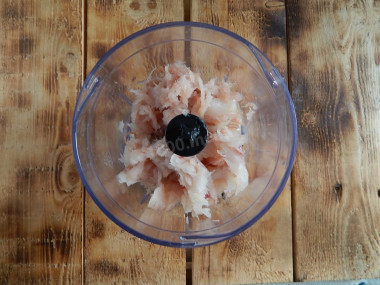
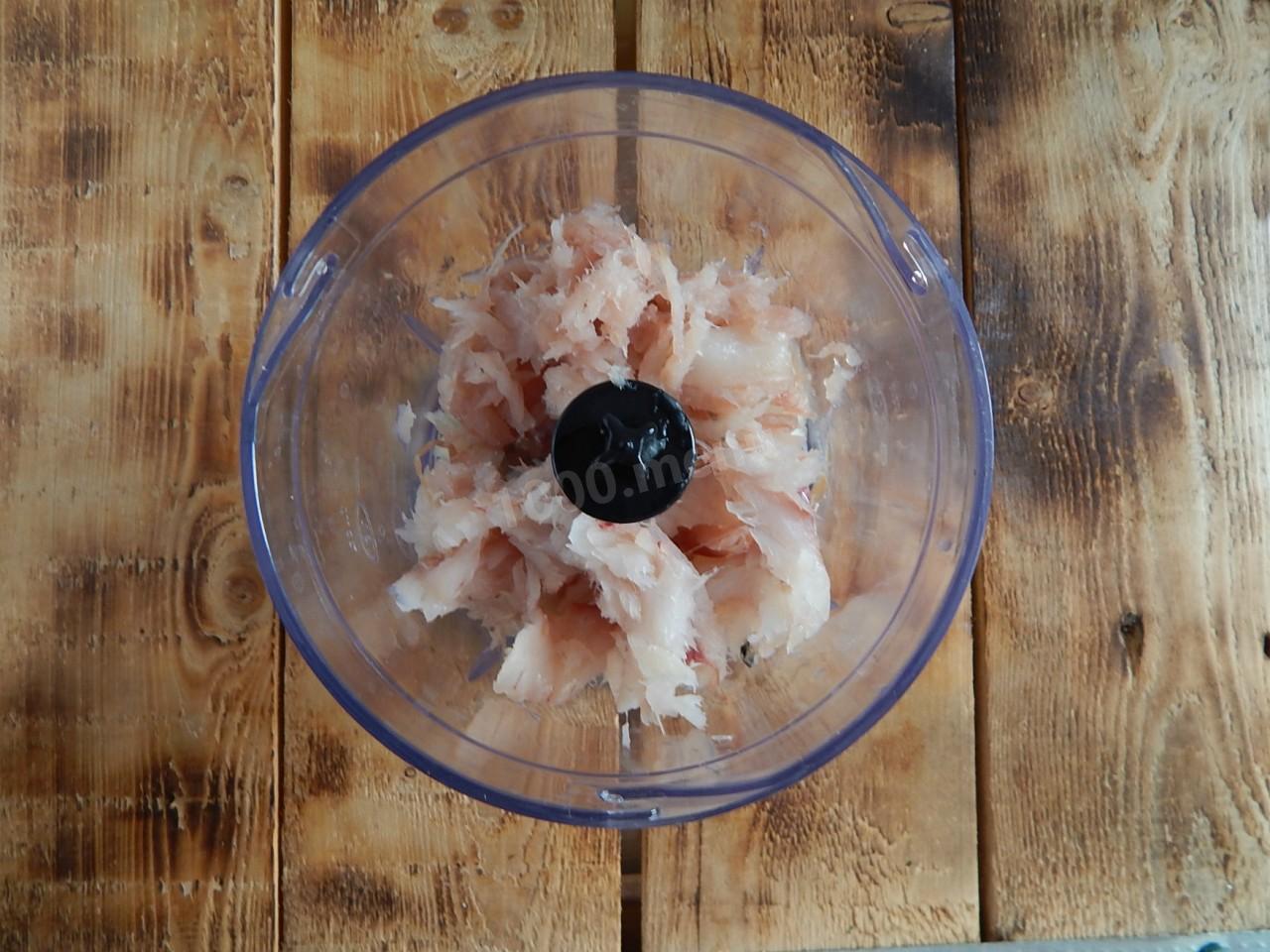
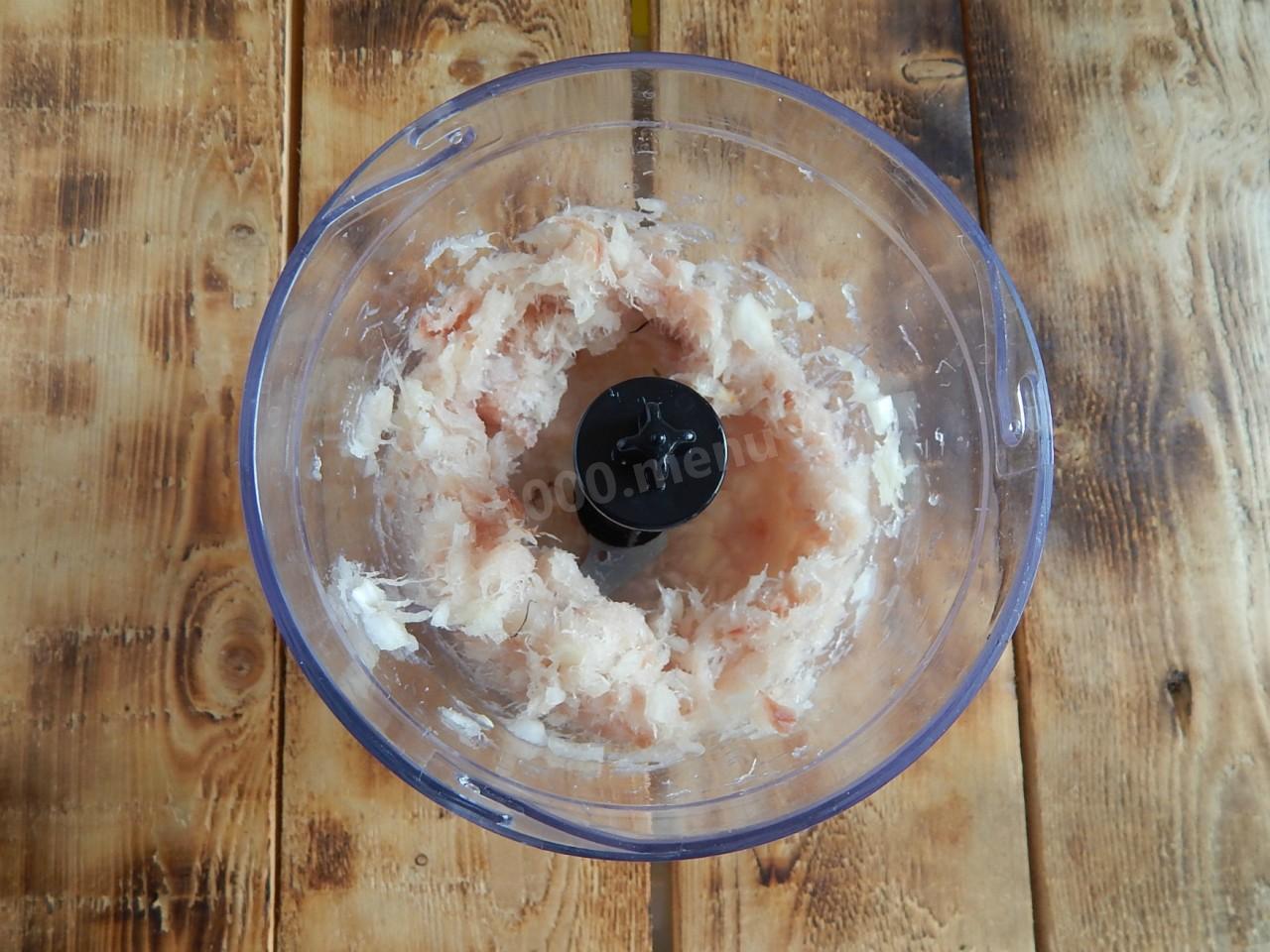
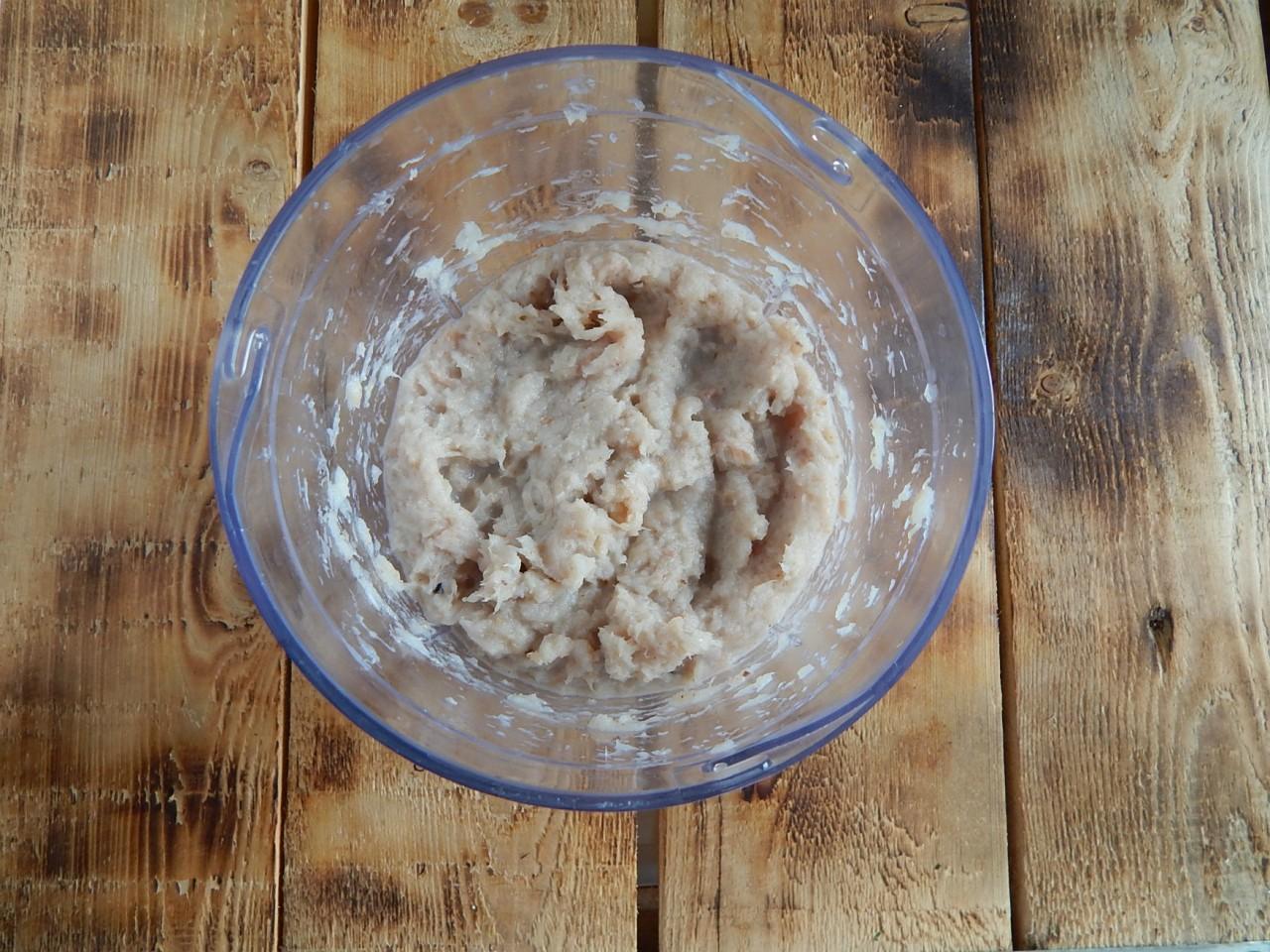
Separate the flesh from the bones, put it in a blender, and process it to a ground consistency.
-
Step 3:
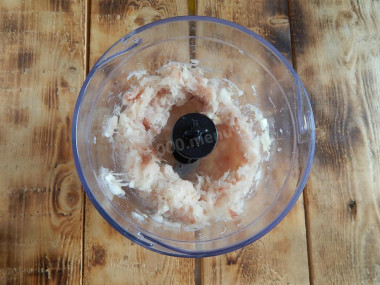
Don't worry about small bones ending up in the mix — the blender grinds the whole thing down thoroughly, bones and all. If you don't have a blender, you can run the fish fillet through a regular meat grinder.
-
Step 4:
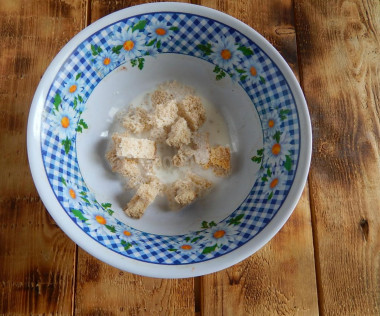
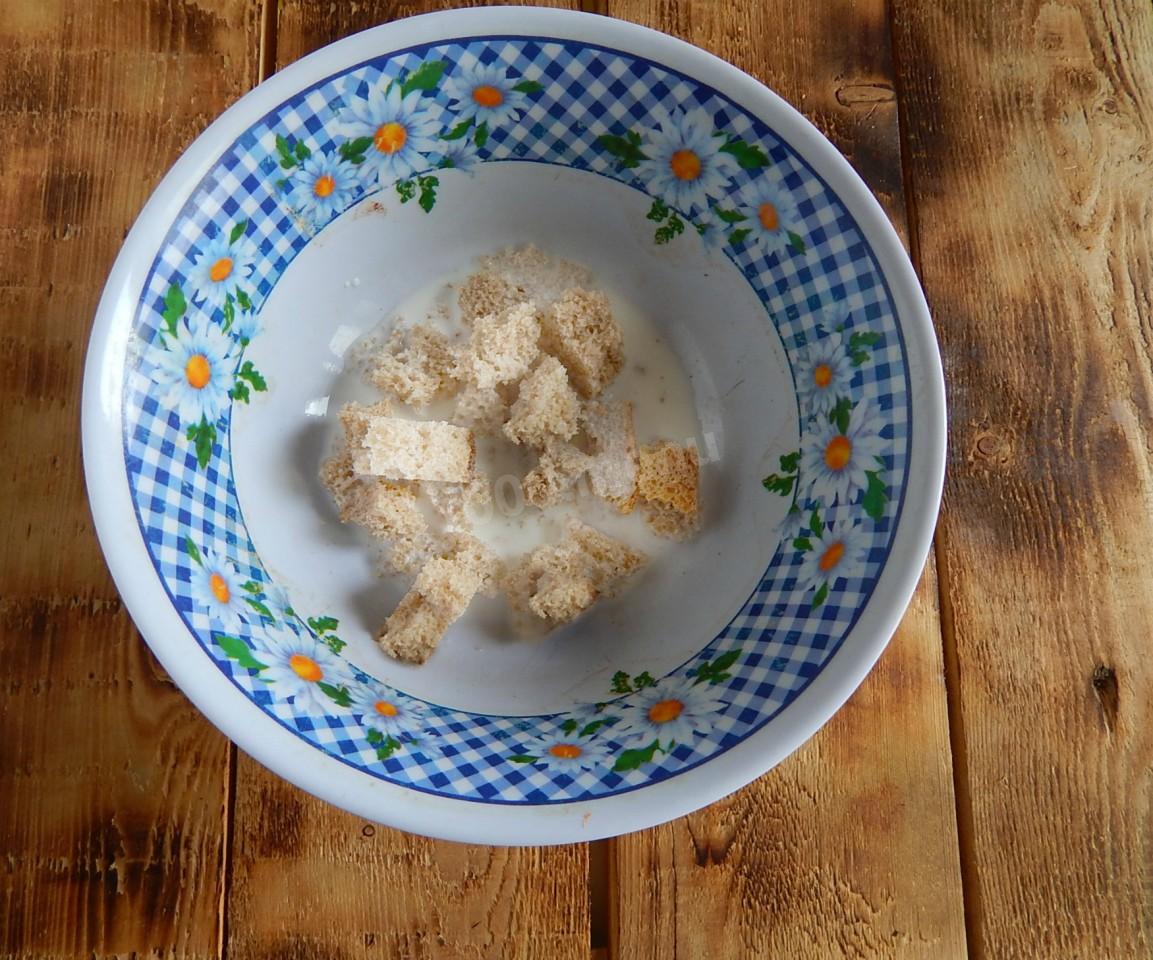
For softer, fluffier, more tender cakes, add crumbs of white bread soaked in milk to the fish. To gently mask the fishy taste, you can stir in some finely chopped fresh dill, which also makes the cakes more fragrant.
-
Step 5:
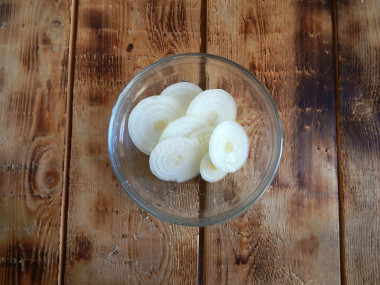
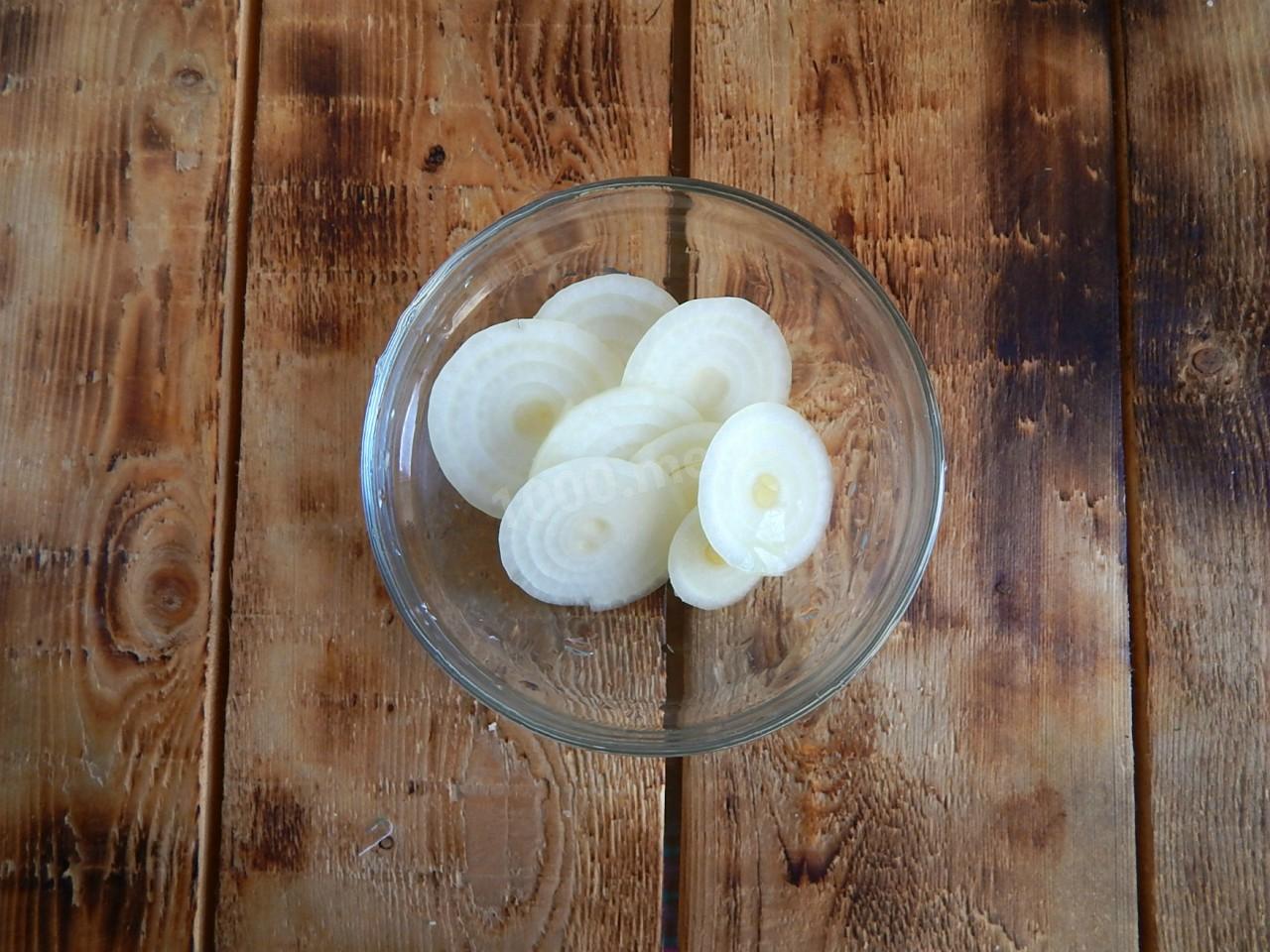
Peel the onion and cut it into pieces.
-
Step 6:
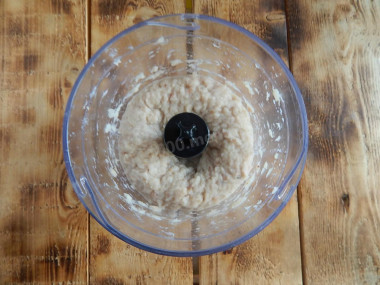
Add the onion to the blender.
-
Step 7:
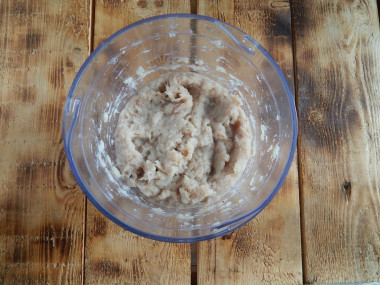
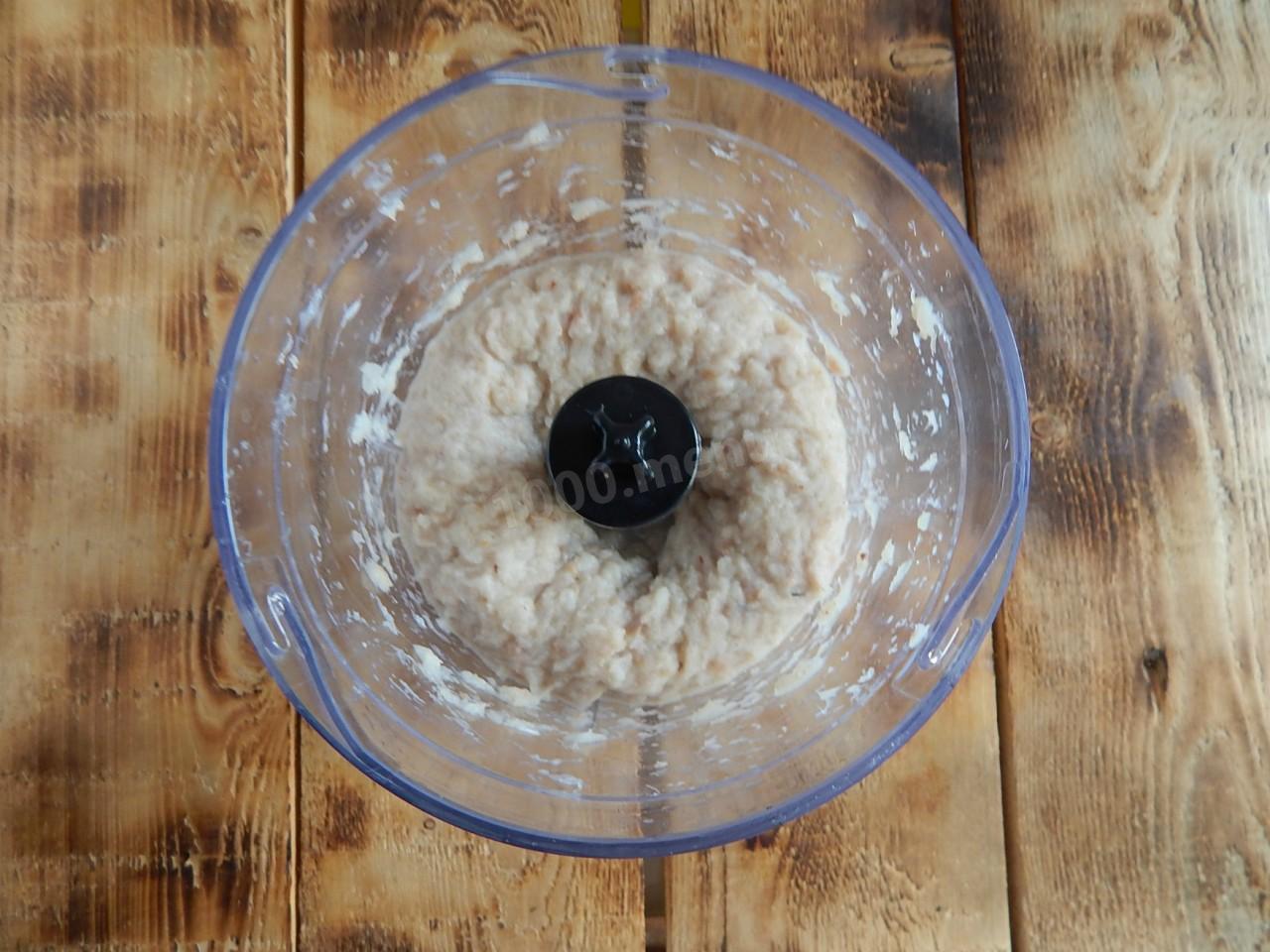
Add a raw egg. Season with salt and ground black pepper to taste and blend everything until smooth.
-
Step 8:
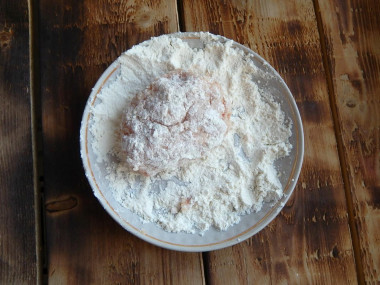
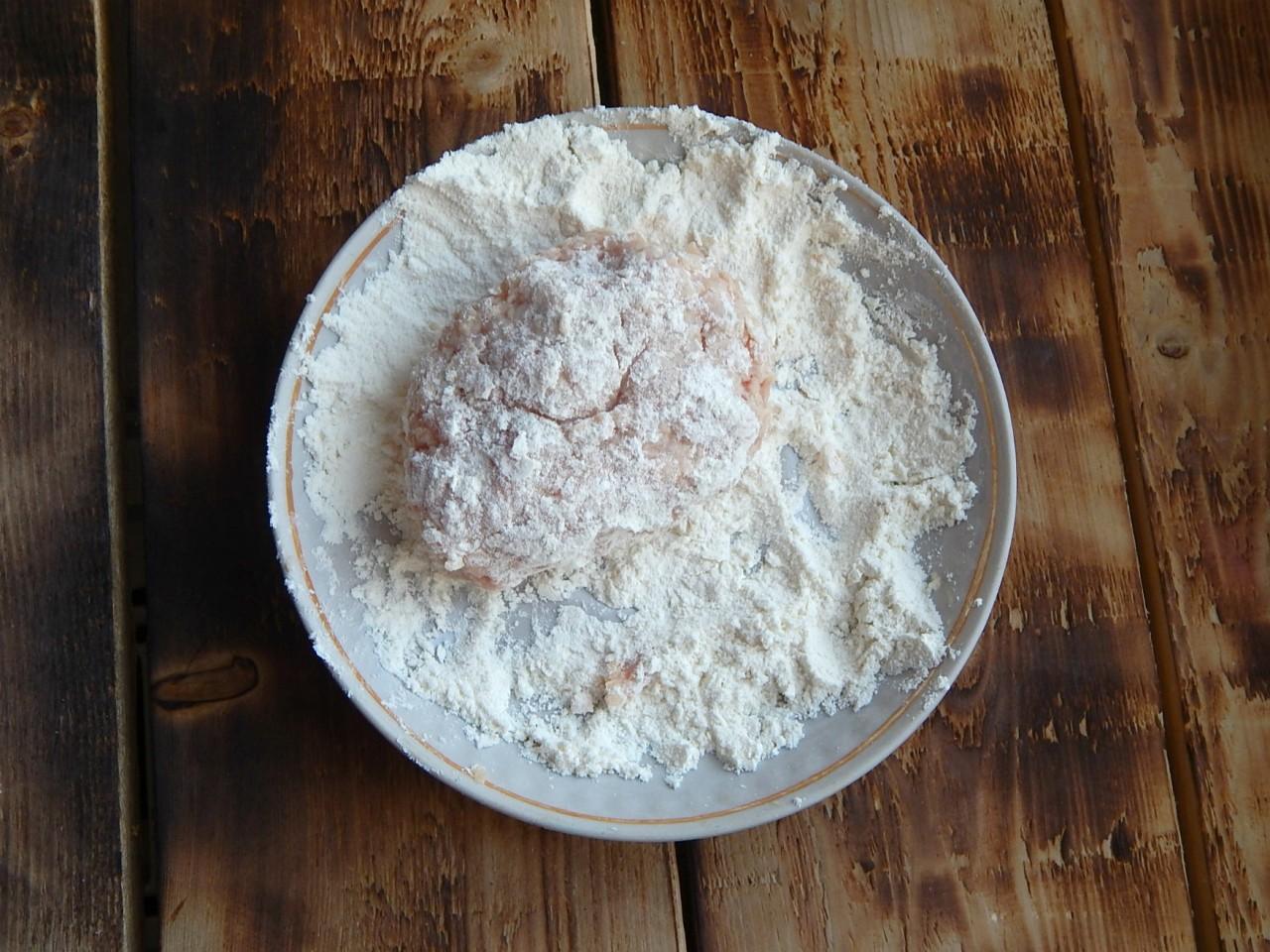
With hands dampened in cold water, shape the fish mixture into cakes and coat them in wheat flour. You can use breadcrumbs instead of flour for a firmer, crisper crust.
-
Step 9:
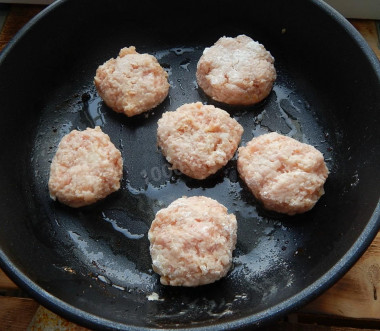
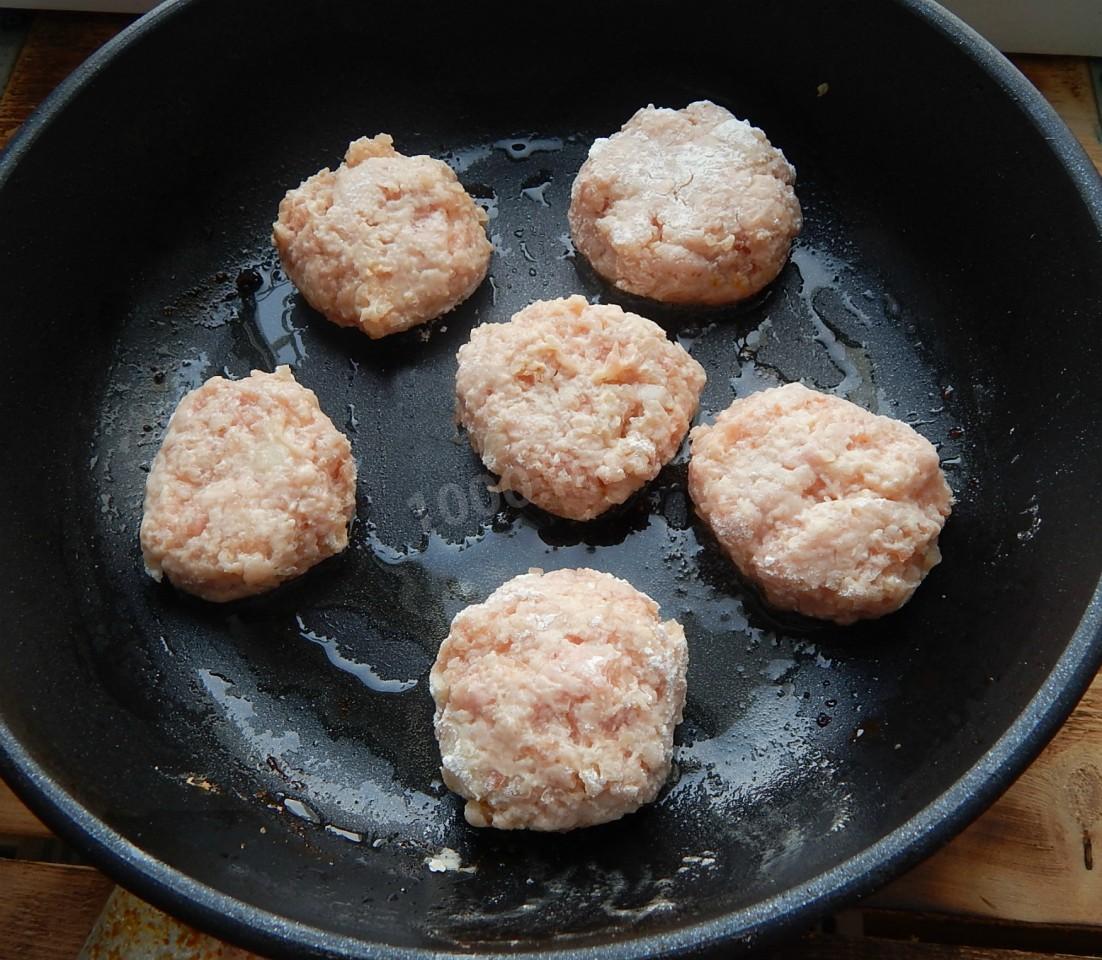
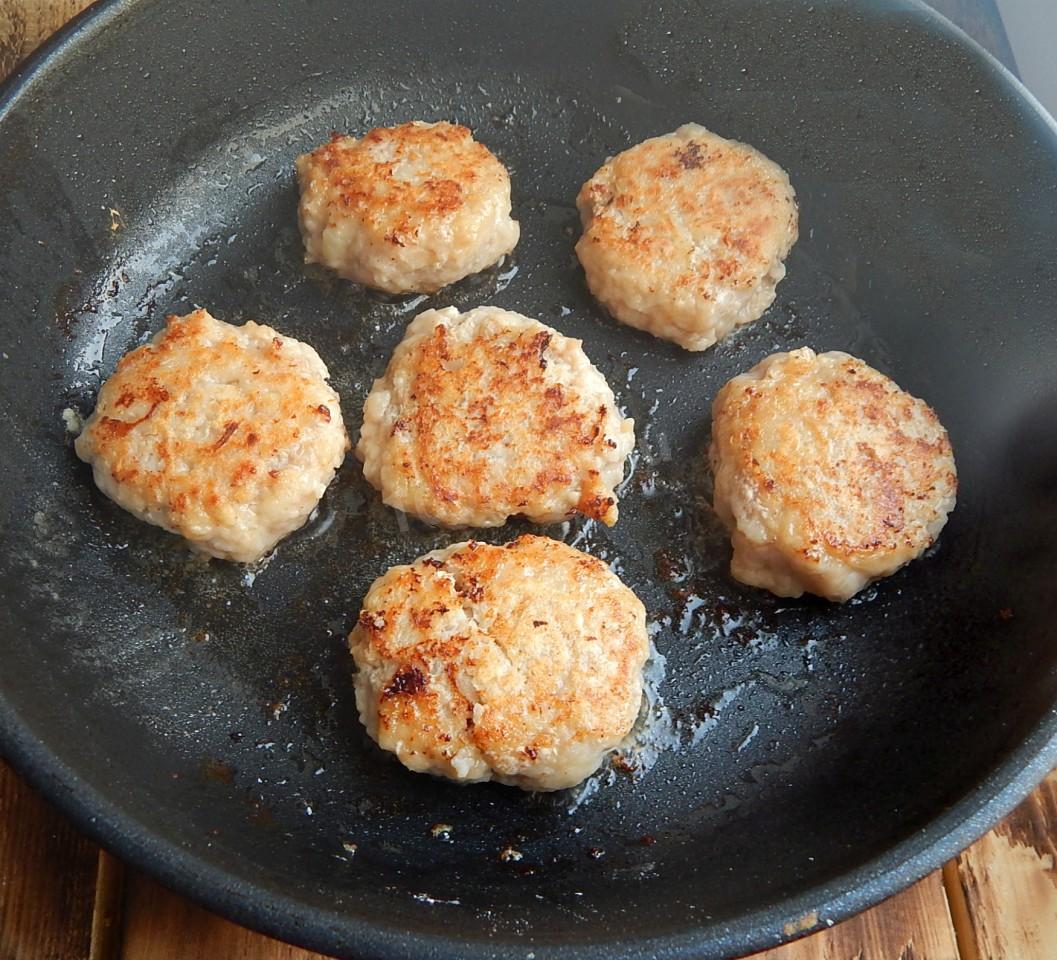
Pour vegetable oil into a skillet and heat it. Add the fish cakes, reduce the heat to medium, and fry them on both sides until golden brown.
-
Step 10:
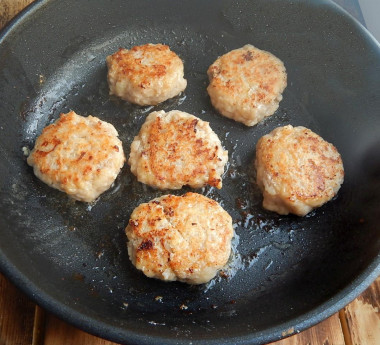
Then cover the pan, reduce the heat to low, and cook the cakes for another 10–15 minutes. Turn off the heat and serve the fish cakes with any side dish, or on their own with a sauce and bread. Enjoy!
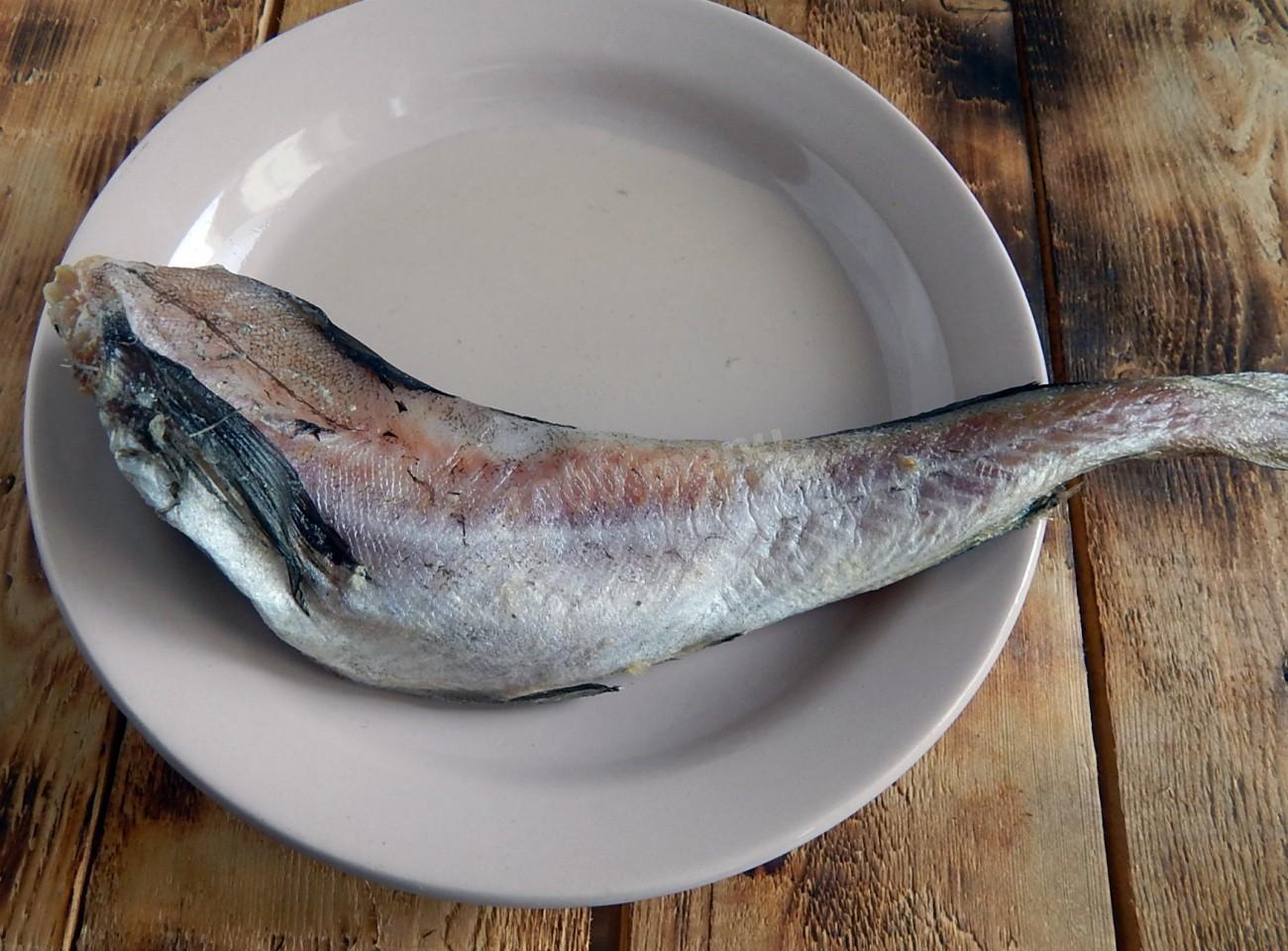
- How do you fillet a whole fish? Remove the tail, head, and fins. Cut along the backbone down to the spine. Turn it on its side and, with a sharp knife, cut the flesh away from the backbone. Flip the fish and cut the fillet from the other side. Clean the inside, removing the black membrane, which is bitter and will spoil the taste. Rinse and be sure to pat it dry well.
- Every oil is only healthy up to a certain temperature — its smoke point — beyond which it starts to burn and forms harmful compounds. It's worth learning which oil is best for frying and which is better left out of the pan.
- Important! The wrong pan can ruin even the best recipe. It pays to know how to choose the right skillet for different dishes.
Caloric content of the products possible in the composition of the dish
- Whole cow's milk - 68 kcal/100g
- Milk 3.5% fat content - 64 kcal/100g
- Milk 3.2% fat content - 60 kcal/100g
- Milk 1.5% fat content - 47 kcal/100g
- Concentrated milk 7.5% fat content - 140 kcal/100g
- Milk 2.5% fat content - 54 kcal/100g
- Boiled pollock - 79 kcal/100g
- Pollock fresh - 72 kcal/100g
- Ground black pepper - 255 kcal/100g
- Vegetable oil - 873 kcal/100g
- Salt - 0 kcal/100g
- Onion - 41 kcal/100g
- Wheat flour - 325 kcal/100g
- Chicken egg - 80 kcal/100g
- White bread - 266 kcal/100g
Similar recipes
- Kitchen utensils
- Second course
- Eggs
- Fish and seafood
- Dairy products
- Vegetables
- Flour
- Bakery products
- Spices seasonings spices
- Fats and oils
- Wheat bread
- Pepper
- Salt
- Blender
- In a meat grinder
- Vegetable oil
- Frying
- In a frying pan
- Cutlets
- Fish second course
- Chicken eggs
- Fish with vegetables
- Pollock
- Milk
- From onion
- Wheat flour
- Recipes for lean dishes without butter