Skillet Omelet with Sausage and Tomatoes
A tasty, hearty, quick, and simple breakfast for the whole family! A skillet omelet with sausage and tomatoes is a great way to start the day in any season. Filling and fast, it keeps hunger at bay for hours. Swap in different kinds of sausage for a new flavor each time, and serve it with your favorite sauce, like ketchup.






Cooking method
-
Step 1:
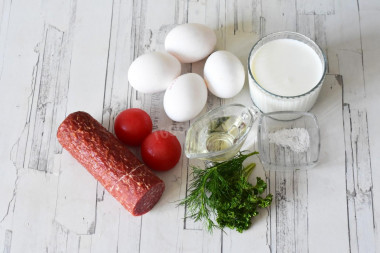
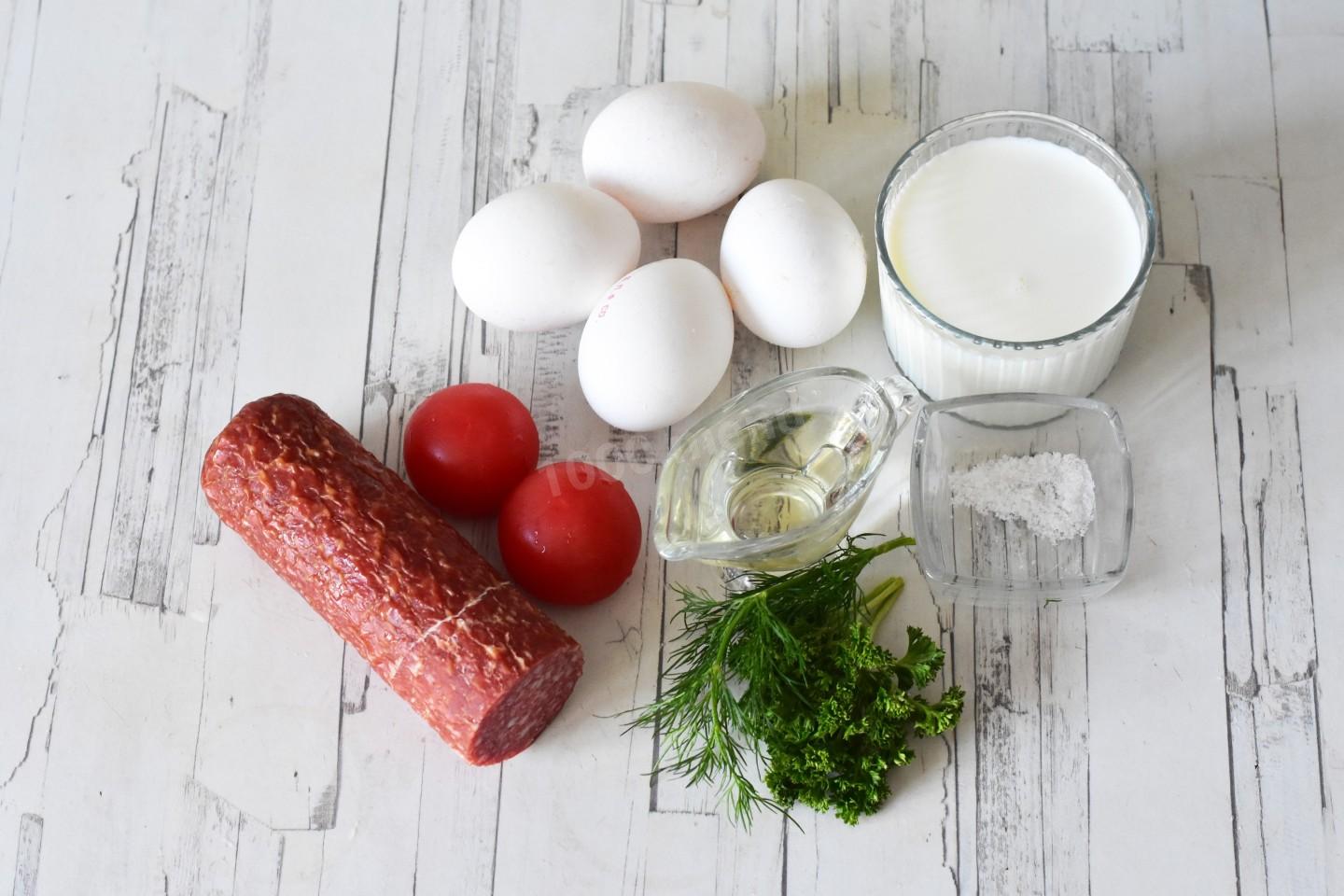
How do you make a skillet omelet with sausage and tomatoes? It's quick and easy! Start by gathering the ingredients on the list. Use milk and eggs at room temperature — salt dissolves poorly in a cold mixture. Instead of vegetable oil, you can grease the pan with butter.
-
Step 2:

Peel the casing off the sausage and slice it into rounds. I used dry-cured sausage, but you can use semi-smoked, cooked-smoked, or boiled sausage — whatever you prefer.
-
Step 3:
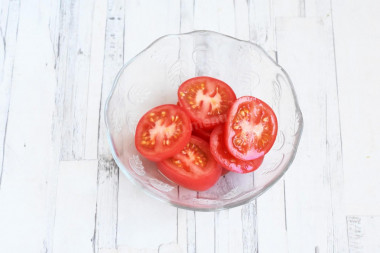
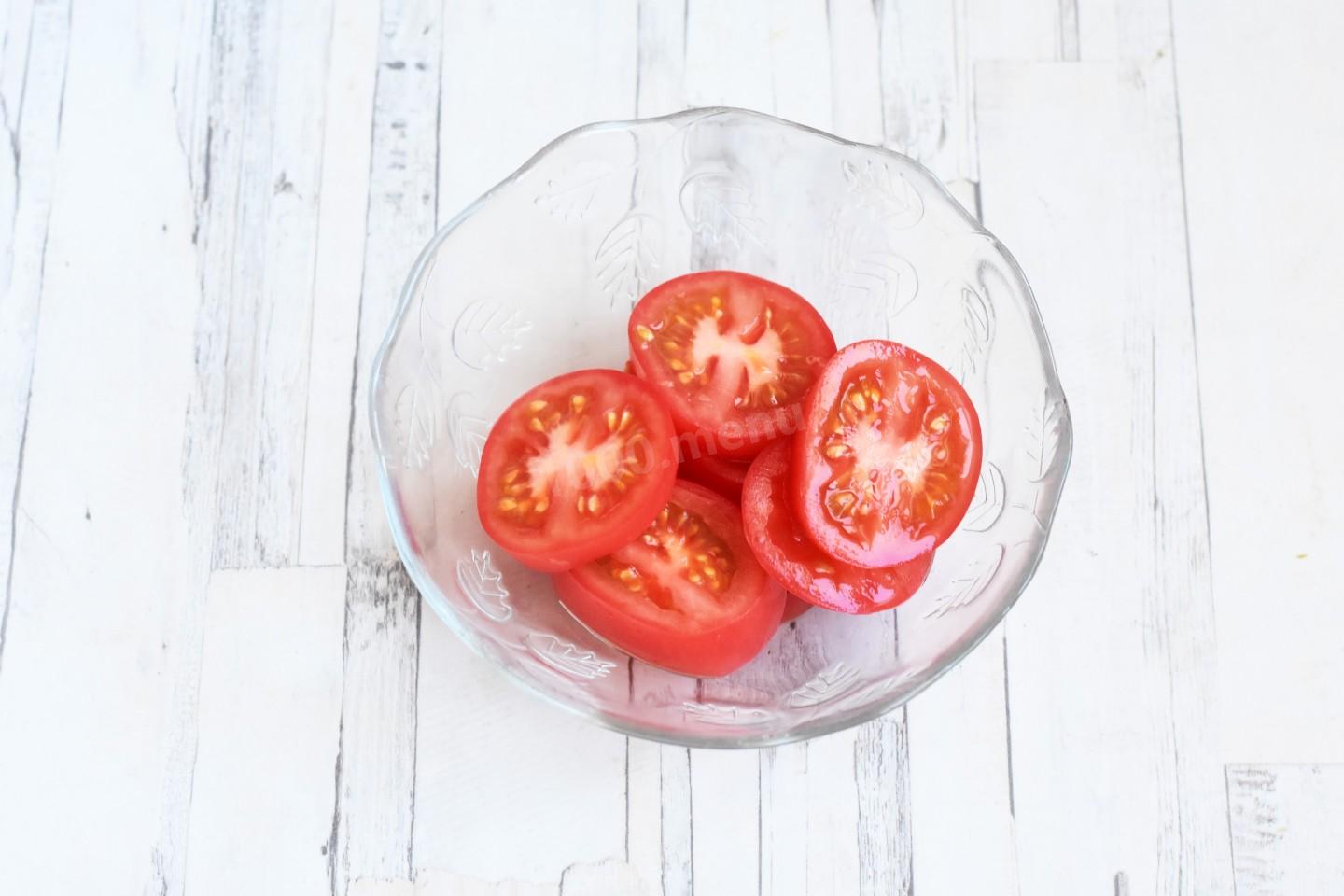
Wash the tomatoes, pat them dry, and cut them into rounds or wedges. Choose tomatoes that are juicy but firm. Soft ones don't hold their shape — they'll fall apart into mush as you slice and cook them and spoil the look of the dish.
-
Step 4:
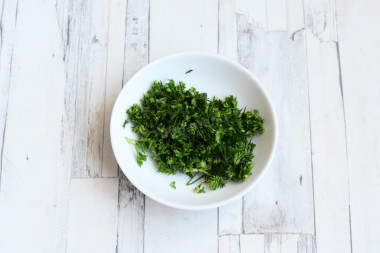
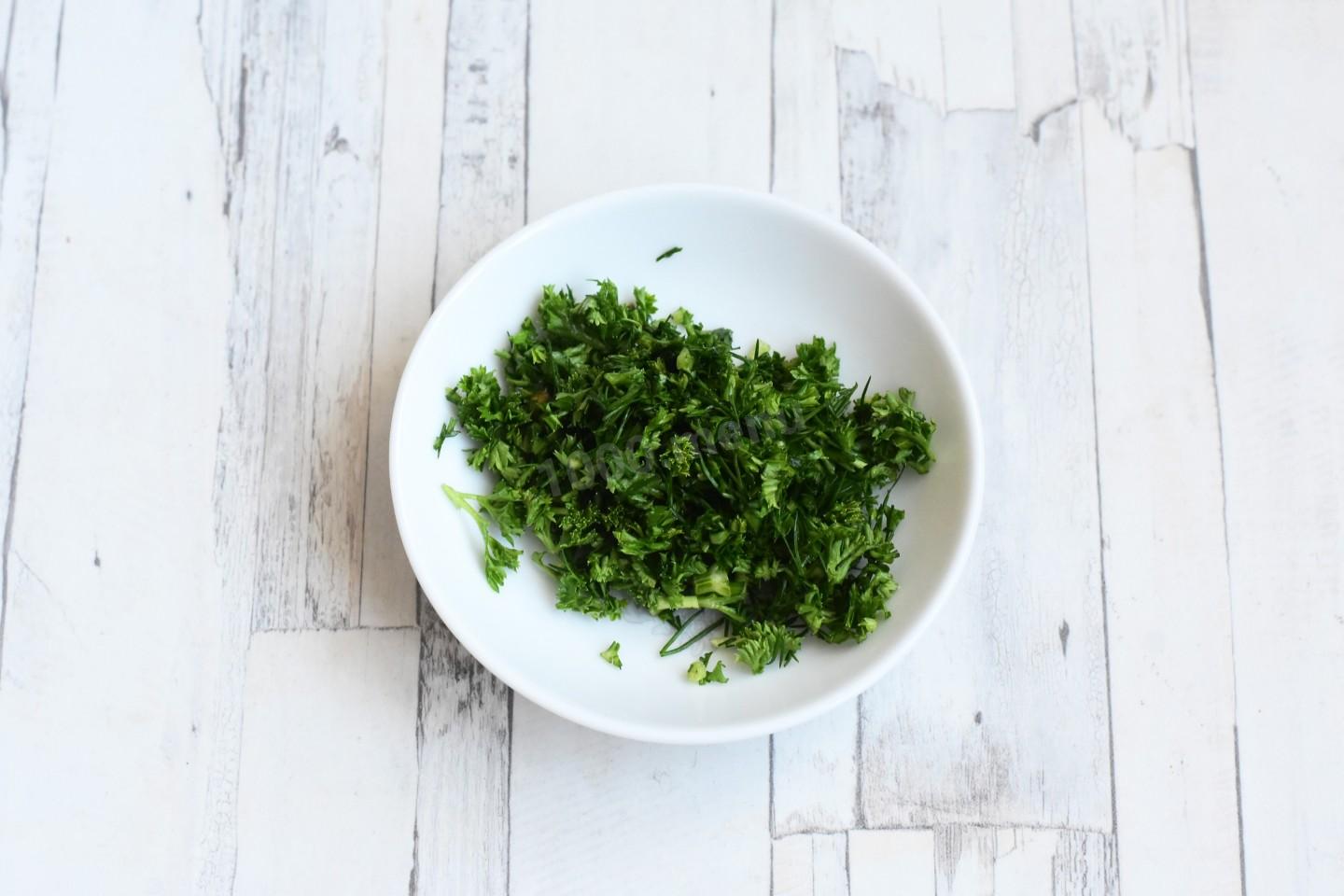
Wash the dill and parsley, dry them, and chop finely. If you like, swap in or add other herbs, such as cilantro or green onion, or use a blend.
-
Step 5:

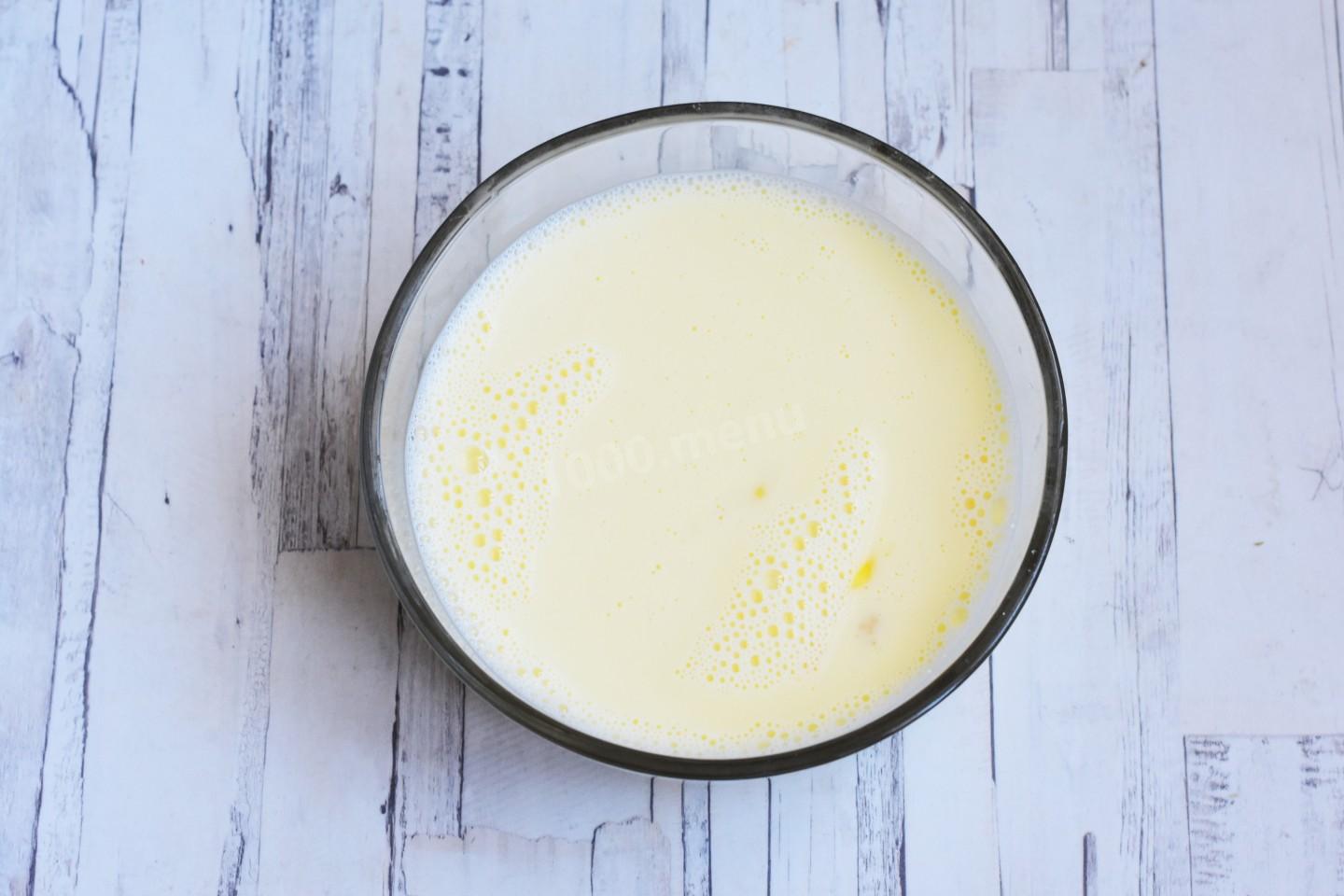
Crack the room-temperature eggs into a bowl, pour in the milk, and add the salt. Whisk until smooth.
-
Step 6:
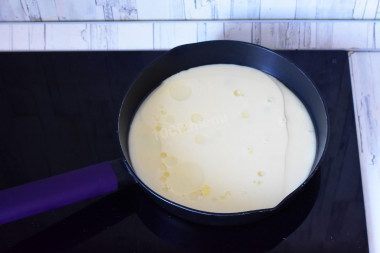
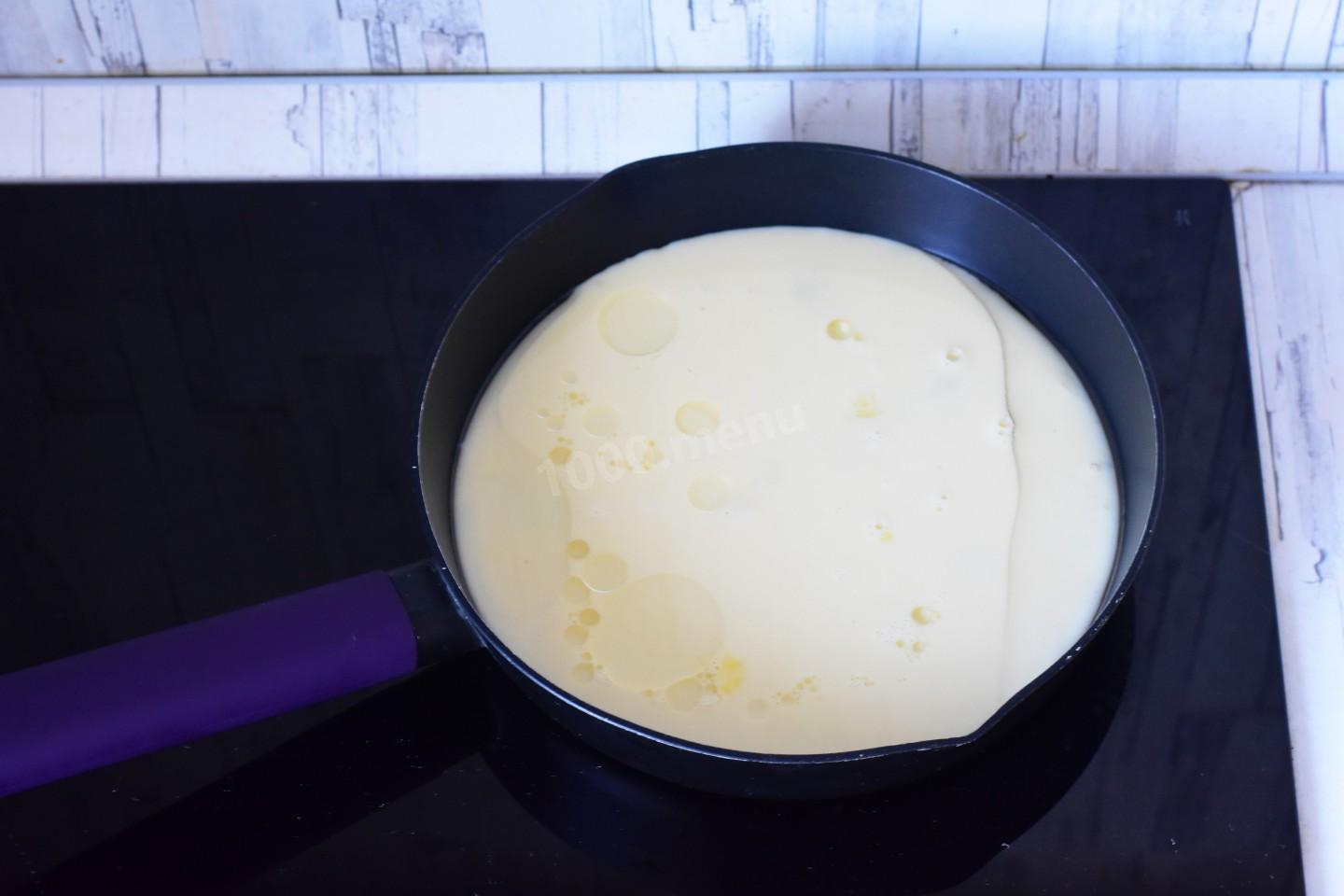
Heat the vegetable oil in a skillet over medium heat. Pour in the egg-and-milk mixture. Keep in mind that the size of your pan determines the diameter and thickness of the finished omelet. Mine is about 9 inches (22 cm) across, but you can use a larger one.
-
Step 7:
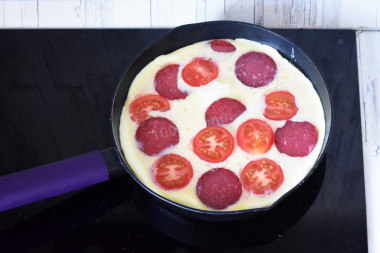
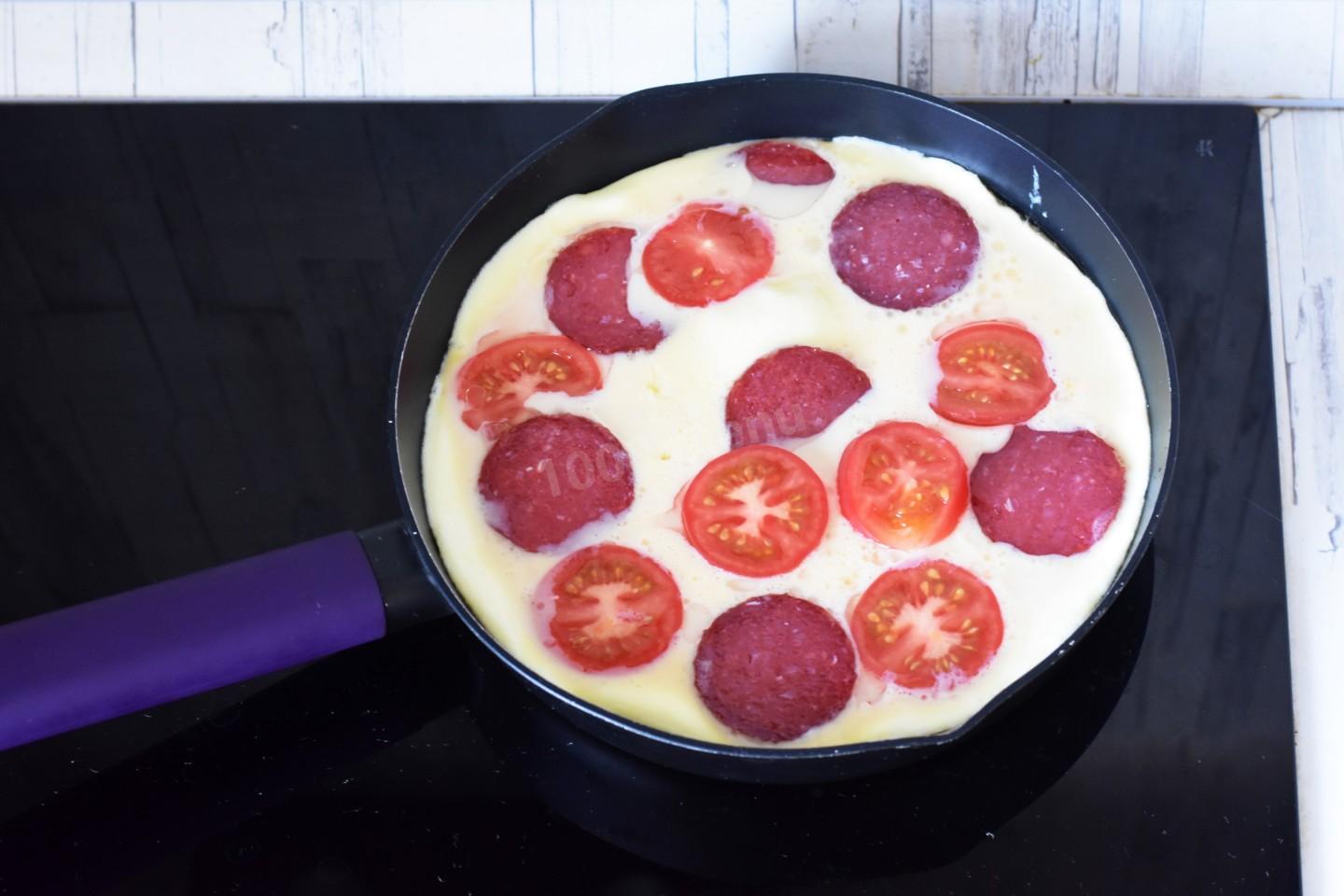
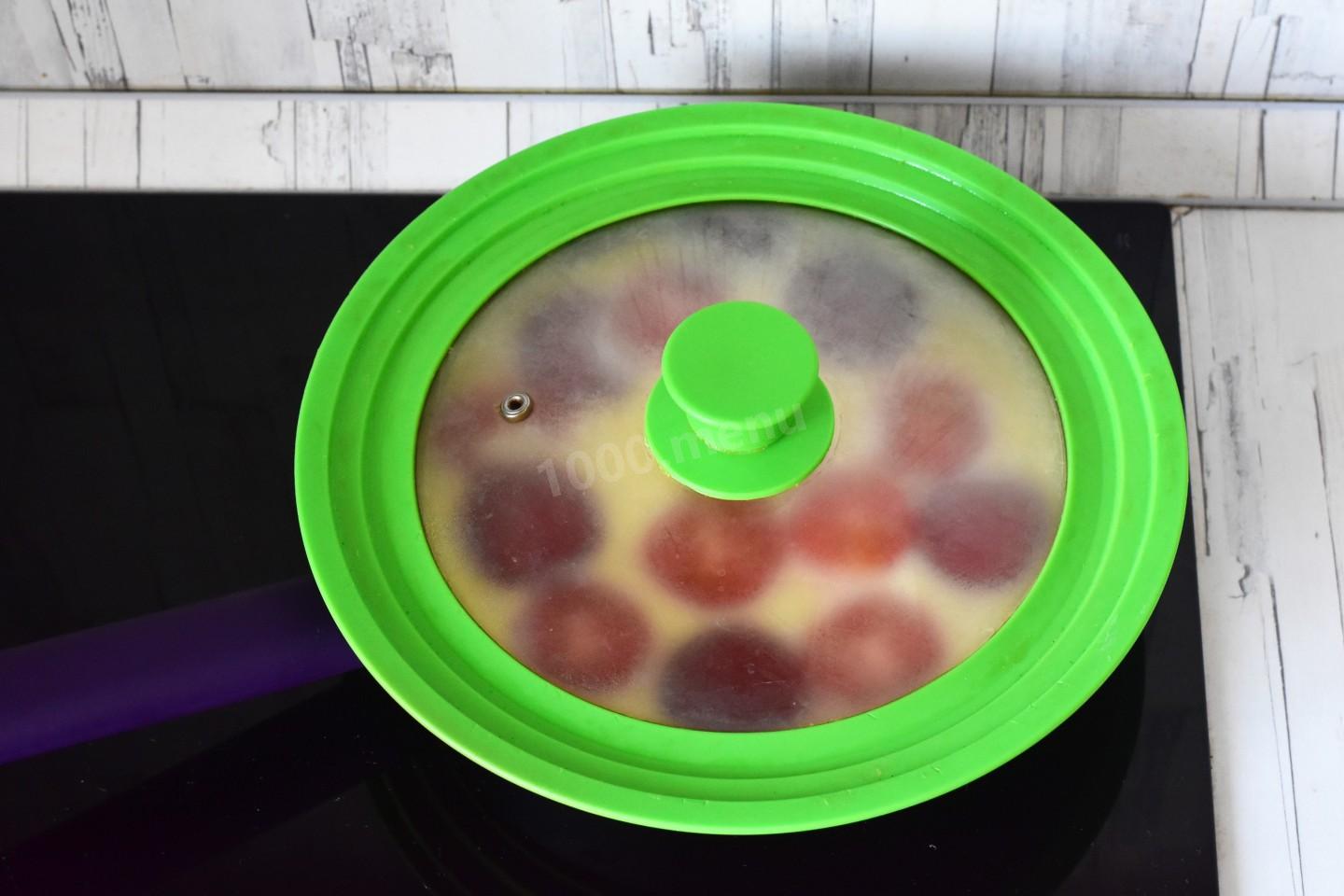
Arrange the sausage and tomato rounds on top. You can add the toppings right away, but I waited a couple of minutes for the surface of the omelet to set slightly so the tomatoes and sausage wouldn't sink and would stay on top.
-
Step 8:
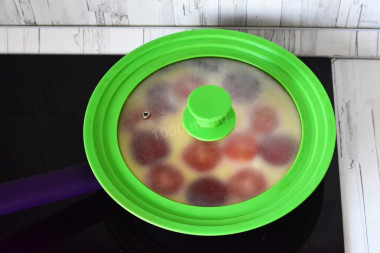
Cover the pan and cook the omelet over medium heat for about 10 minutes. The exact time depends on your pan's diameter and the thickness of the omelet — the thinner it is, the faster it cooks. Watch that the bottom doesn't burn, and lower the heat if needed.
-
Step 9:

Sprinkle the finished omelet with fresh herbs and serve. Enjoy!


- Always wash your eggs before using them — even a shell that looks clean can carry harmful bacteria. A food-safe wash and a brush work best.
- Every oil is only healthy up to a certain temperature — its smoke point — beyond which it starts to burn and forms harmful compounds. Choose a refined, high-smoke-point oil for frying and avoid overheating it.
- One more thing: the wrong pan can ruin even the best recipe. A good nonstick or well-seasoned skillet makes all the difference for an omelet.
Caloric content of the products possible in the composition of the dish
- Tomatoes - 23 kcal/100g
- Whole cow's milk - 68 kcal/100g
- Milk 3.5% fat content - 64 kcal/100g
- Milk 3.2% fat content - 60 kcal/100g
- Milk 1.5% fat content - 47 kcal/100g
- Concentrated milk 7.5% fat content - 140 kcal/100g
- Milk 2.5% fat content - 54 kcal/100g
- Chicken egg - 157 kcal/100g
- Egg white - 45 kcal/100g
- Egg powder - 542 kcal/100g
- Egg yolk - 352 kcal/100g
- Ostrich egg - 118 kcal/100g
- Parsley greens - 45 kcal/100g
- Dill greens - 38 kcal/100g
- Vegetable oil - 873 kcal/100g
- Salt - 0 kcal/100g
- Smoked sausage - 507 kcal/100g
Similar recipes





- Fast and tasty
- For breakfast
- Second course
- Eggs
- Meat and meat products
- Dairy products
- Spices seasonings spices
- Fats and oils
- Зелень
- Pepper
- Salt
- Vegetable oil
- Frying
- In a frying pan
- The second is fast and delicious
- Dishes in 30 minutes
- Omelets рецепты
- Meat second course
- Chicken eggs
- Sausage products
- Egg breakfast
- Milk
- Recipes for lean dishes without butter