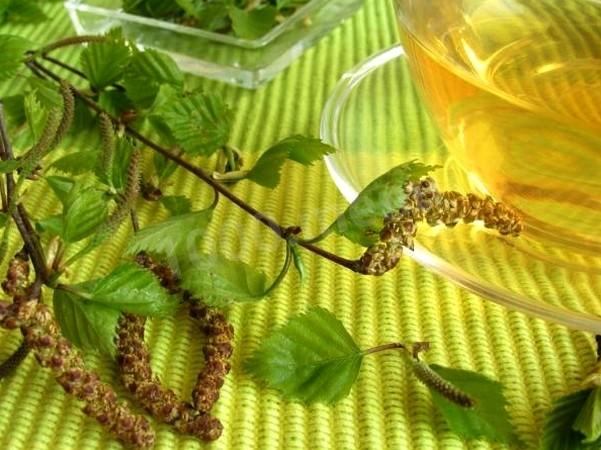
The symbolism of trees is explained not only by their beauty — the useful properties of the bark, leaves, and buds, used as a rule for making drinks or as a seasoning, have been known since ancient times. By the way, in some regions the fibers of birch bark were eaten instead of the staple food of any meal — bread; an equally important role was given to decoctions of the buds, thanks to which mighty warriors quickly regained their strength after long marches or hard battles.
Birch buds are most often found in recipes with these five products:
| Product | Number of recipes with a combination | Calories per 100g | Protein g per 100g | Fats g per 100g | Carbohydrates g per 100g |
|---|---|---|---|---|---|
| Honey | 2 | 400 | 0.8 | 0 | 81.5 |
| Vodka | 1 | 235 | 0 | 0 | 0.1 |
| Greens | 1 | 41 | 3.7 | 0.4 | 7 |
| Chamomile flowers | 1 | 9 | 0 | 0 | 8 |
| St. John's Wort | 1 | 10 | 0 | 0 | 9 |
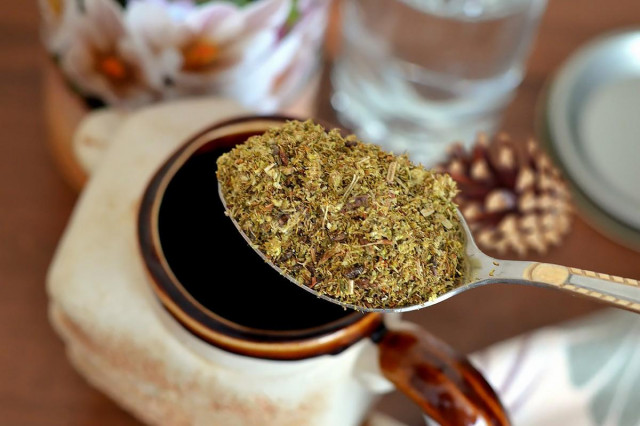
Recipes with birch buds include decoctions, tinctures, meat and vegetable treats, and salads. The shoots were dried, crushed, and used as a spice with a springtime-fresh, distinctive balsamic aroma and a slightly astringent aftertaste. By adding them to an appetizer, you can round out more than just the flavor of a dish — glossy, resinous, brown buds mixed in among fresh vegetables and herbs are sure to look intriguing. This way, harvested shoots can become the secret that lets you cook something tasty and unusual at any moment — but, most importantly, wholesome.