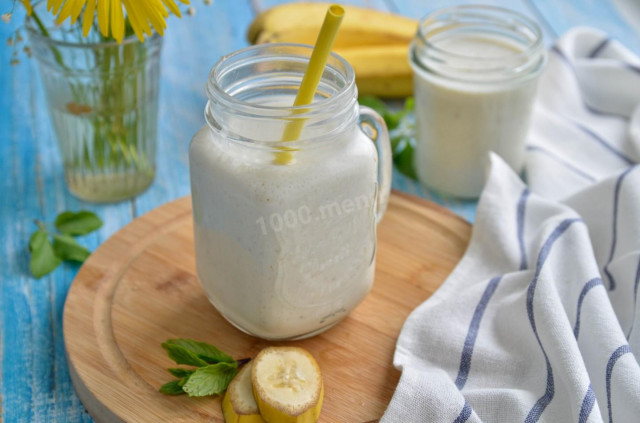
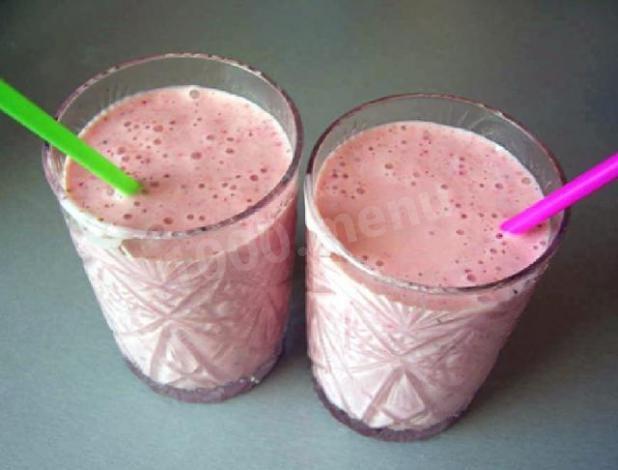
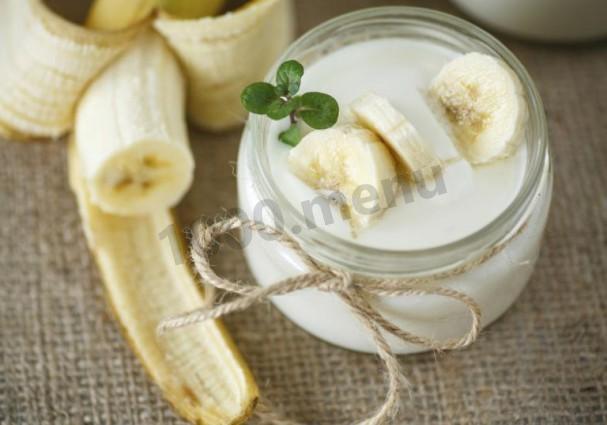
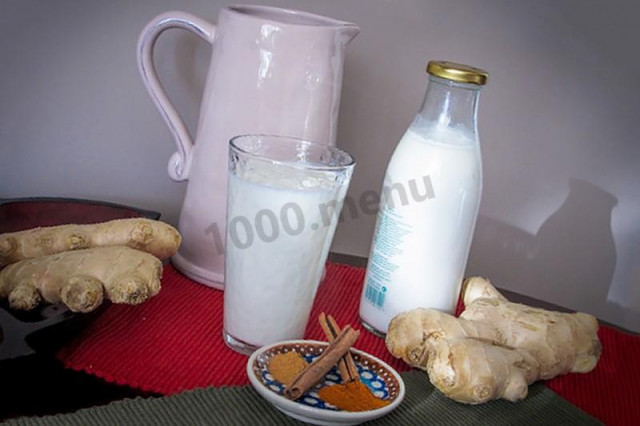
Its high content of B vitamins makes it surprisingly good for the body. Besides, this drink is absorbed much faster than milk and is very filling. By the third day it takes on a rather tart taste, but does not lose its nutritional properties. This miracle drink is not just pleasant to drink — it can also be added to a wide variety of dishes.
The five most commonly used ingredients in the recipes:
| Product | Calories per 100g | Protein g per 100g | Fats g per 100g | Carbohydrates g per 100g |
|---|---|---|---|---|
| Kefir | 38 | 2.8 | 1 | 4 |
| Milk | 68 | 3.2 | 3.6 | 4.8 |
| Sourdough starter | 29 | 3 | 0.1 | 4 |
| Bananas | 89 | 1.5 | 0.1 | 21.8 |
| Ground cinnamon | 247 | 3.9 | 3.2 | 79.8 |
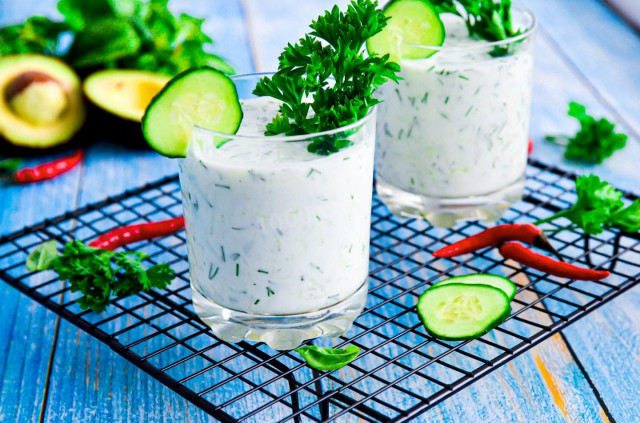
So, to make a tasty, sweet cake or pie, dress dietary buckwheat, stuff pancakes, or mix up fritters, it is enough to study homemade kefir recipes well, and it will become one of the main ingredients for the dough or the filling. This sour drink is ideal for kneading dough for all kinds of baking: pancakes, pies, cottage cheese muffins, mannik cakes, fritters, and hand pies come out light and airy. In addition, the fermented milk product is readily used for making cold soups: Russians have long made kefir-based okroshka, and Bulgarians make tarator. Such a soup perfectly quenches thirst and refreshes in hot weather.