Tarator — Bulgarian Cold Soup
Summery, light, refreshing, and quick! Tarator is a traditional Bulgarian cold soup. It's especially welcome in the summer heat, when you don't feel like standing over the stove. Its cultured-dairy base is great for digestion, and the dish brings together simple, affordable ingredients.



Cooking method
-
Step 1:
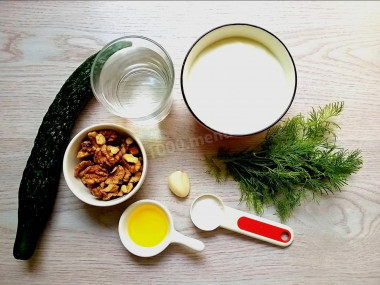
How do you make Bulgarian tarator? Start by gathering your ingredients. The base of the soup is cultured dairy. Classic tarator uses unsweetened Bulgarian yogurt, but you can use kefir or plain yogurt of any thickness instead. For the water, use still mineral water or filtered bottled water.
-
Step 2:
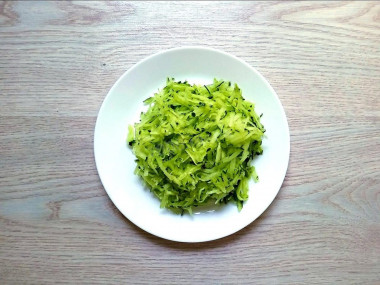
First, wash the cucumber and pat it dry with a paper towel. If the skin is thick and tough, peel it off. I left some of the skin on so the cucumber would show up brighter in the soup. It's best to remove any large seeds. Grate the cucumber on the coarse side of a box grater, or cut it into thin matchsticks if you prefer. Salt it and let it sit for 5–7 minutes to draw out the juice.
-
Step 3:
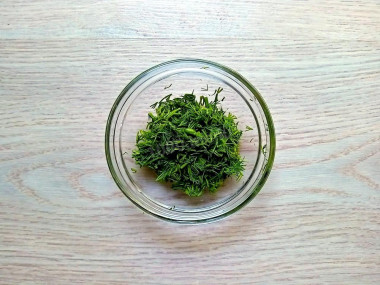
Rinse the dill sprigs under running water and pat them dry. Remove the tough stems and finely chop the tender fronds. You can use any herbs you like — parsley, cilantro, or celery leaf will all add a fragrant note.
-
Step 4:
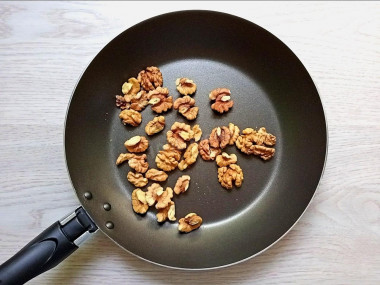
Rinse the walnut kernels and toast them in a dry skillet. This brings out their aroma and improves their flavor.
-
Step 5:
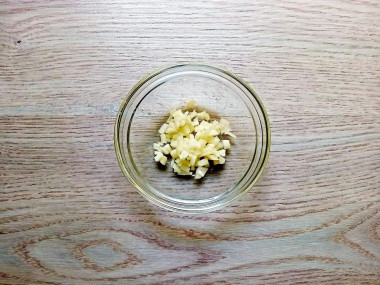
Grate the garlic on a fine grater, mince it by hand, or use a press. For a sharper soup, add more garlic.
-
Step 6:
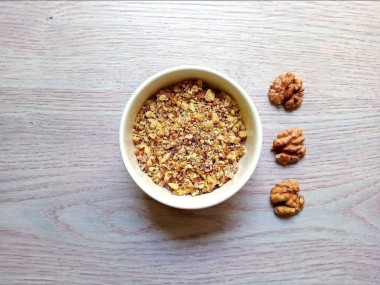
Crush the nuts however is easiest — a blender, rolling pin, mortar and pestle, or just a knife. I crushed mine with a rolling pin.
-
Step 7:
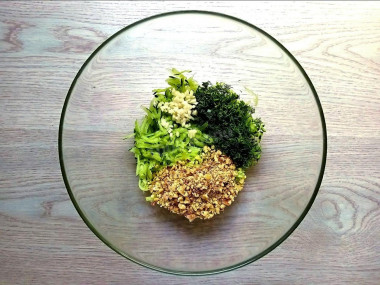
In a deep bowl or small pot, combine the grated cucumber (along with its juice), garlic, nuts, and dill. Stir. Set aside a little dill and a few nuts for garnish.
-
Step 8:
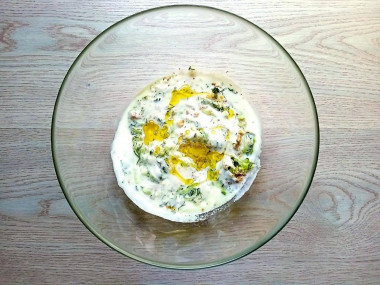
Pour the yogurt (or kefir) and oil into the bowl. Use any vegetable oil you like — mustard, sunflower, pumpkin-seed, or flax all work well. Unrefined oil is more aromatic.
-
Step 9:
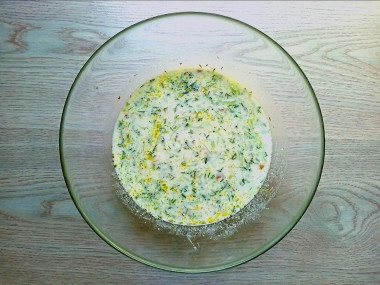
All that's left is to thin the soup with water. Add it a little at a time until you reach the consistency you want. Stir well to combine. Taste and add salt and pepper, plus any favorite spices.
-
Step 10:
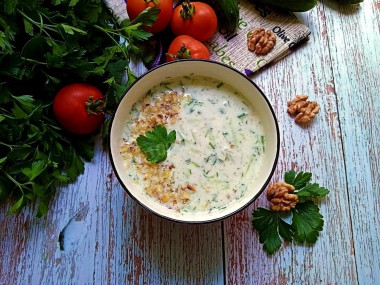
Bulgarian tarator is ready! Ladle it into deep bowls, sprinkle with the reserved dill and walnuts, and serve. Enjoy!


- As I mentioned, classic Bulgarian tarator is made with the country's famous yogurt. If you don't have it — let alone the Bulgarian kind — you can make tarator with kefir of any fat level, or any cultured-dairy drink you like.
- Important! Whether or not the recipe gives an exact amount of water, it's best to go by your own preference (thick or thinner soup), the size of your pot, and the ingredients you're using. Keep in mind that the author has their own idea of how much cucumber, nuts, and other ingredients belong in the soup, and it may not match yours. In practice, if you're making it for the first time, don't make a whole batch at once. Make a tasting batch for one or two people: scale all the ingredients down to 1–2 servings and figure the water at roughly one cup per serving for a thick soup, up to 1 1/2–2 cups for a thinner one. After tasting a small batch, you can adjust both the amount of liquid and the proportions to your taste. Before long, like most experienced cooks, you'll be adding water and ingredients by eye.
- If the cucumber skin isn't tough, damaged, or bitter, there's no need to peel it.
- For the best flavor, use neutral-tasting filtered or bottled water. Tap water can give the dish an off, characteristic aftertaste.
Caloric content of the products possible in the composition of the dish
- Fresh cucumbers - 15 kcal/100g
- Acedophilin of 3.2 % fat content - 58 kcal/100g
- 'rastishka ' - 122 kcal/100g
- Danone drinking yogurt - 76 kcal/100g
- Drinking yogurt 'agusha' - 87 kcal/100g
- 'aktimel' natural - 83 kcal/100g
- Danone yogurt with 2.2% fat content - 96 kcal/100g
- 'mazhetel' - 48 kcal/100g
- Ermann fat yogurt - 152 kcal/100g
- Yogurt with 3.5% fat content - 68 kcal/100g
- Natural yogurt with 1.5% fat content - 48 kcal/100g
- Low-fat milk yogurt - 38 kcal/100g
- Walnuts - 650 kcal/100g
- Black Walnut English Walnut - 628 kcal/100g
- Black Persian Walnut - 651 kcal/100g
- Walnut oil - 925 kcal/100g
- Garlic - 143 kcal/100g
- Dill greens - 38 kcal/100g
- Salt - 0 kcal/100g
- Water - 0 kcal/100g
- Olive oil - 913 kcal/100g
Similar recipes


- Fast and tasty
- National cuisine
- Snacks
- Soups
- Dairy products
- Vegetables
- Nuts
- Spices seasonings spices
- Fats and oils
- Garlic
- Pepper
- Salt
- Dill
- Vegetable oil
- Bulgarian cuisine
- Cold snacks
- Cooking
- Cooling
- Soups fast and delicious
- Dishes in 30 minutes
- Cold soups
- Vegetable soup vegetarian
- Meat-free soup
- Soup without potatoes
- Vegetarian soups
- Kefir
- From cucumbers
- No eggs
- Vegetarianism
- Recipes for lean dishes without butter