Classic Dressed Herring (Herring Under a Fur Coat) with Apple and Egg
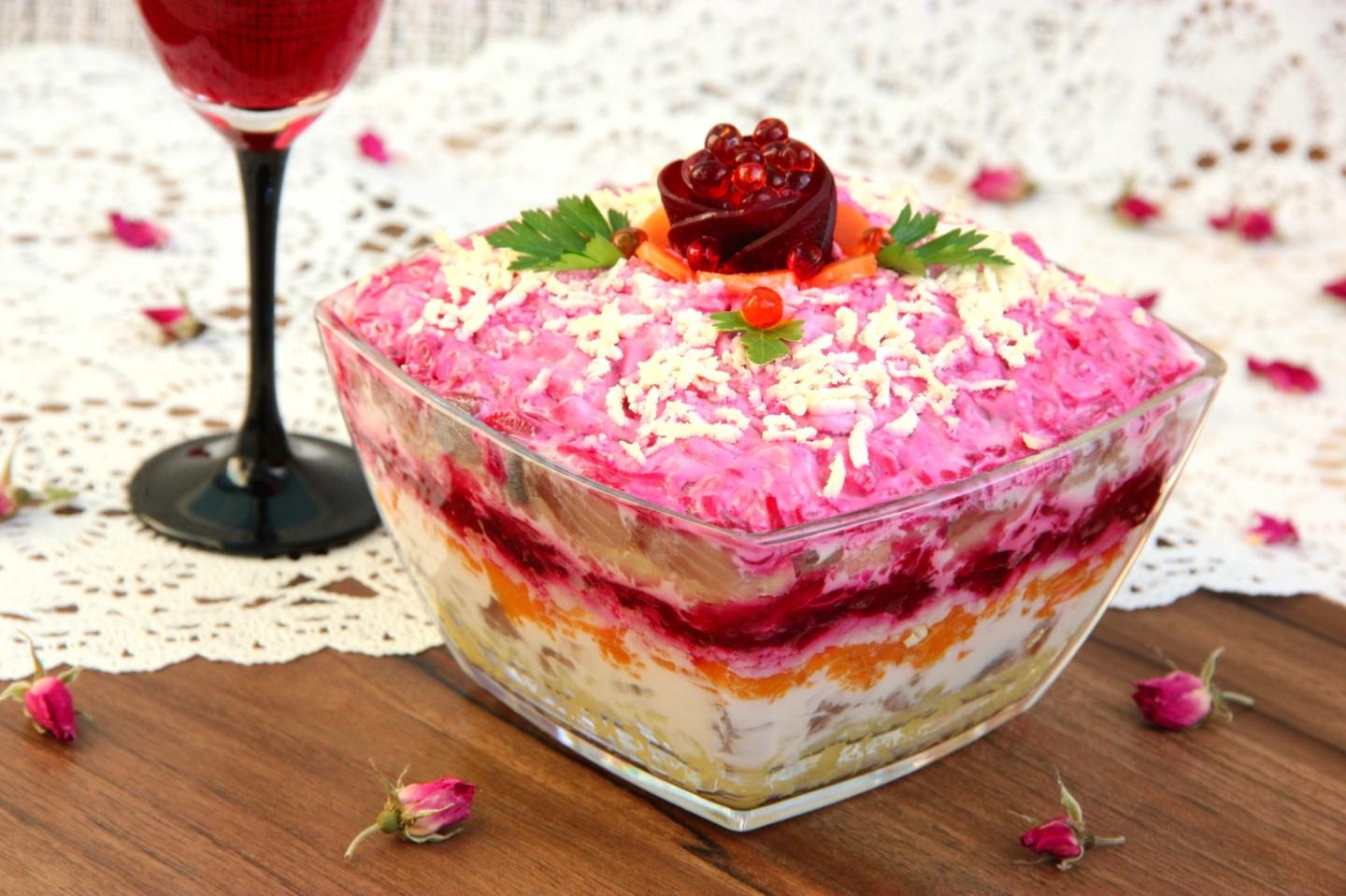
Classic, vibrant, delicious, and easy to make! This New Year's dressed herring (herring under a fur coat) is made with apple, in a free-form presentation. Serve it in one big bowl or in individual glasses—or even shape it into a cute fish!


Cooking method
-
Step 1:
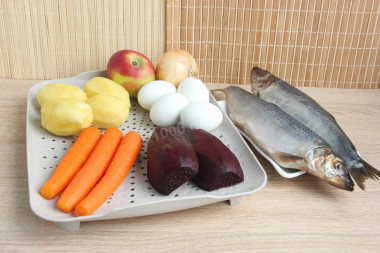
How do you make classic dressed herring with apple? Gather your ingredients, paying special attention to the herring. You can use ready-made fillet, but it's not as flavorful, though it saves time. Hard-boil the eggs for 8–9 minutes, then cover them right away with cold water so the shells peel off easily.
-
Step 2:
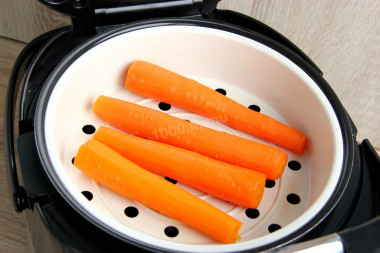
Cook the carrots, beets, and potatoes ahead of time however you like—they need to be cooled. You can boil them in their skins; I prefer to peel them first, which I like better. Steaming without overcooking is best. In a multicooker I cook carrots 15 minutes, potatoes 20, beets 25. In a steamer I put beets on the bottom tray, potatoes in the middle, carrots on top, set a timer for 30 minutes, and take each out as it's done.
-
Step 3:

How do you fillet the fish? Cut the head off the body. Starting from the tail fin, slice about 1/4 inch (0.5 cm) into the belly. Clean out the insides, rinse the fish under cool water, and remove any membrane from the belly cavity. Pat dry with a towel and make a shallow cut along the back, trimming around the fin on both sides, and along the belly all the way to the tail.
-
Step 4:
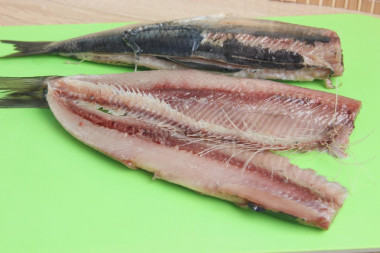
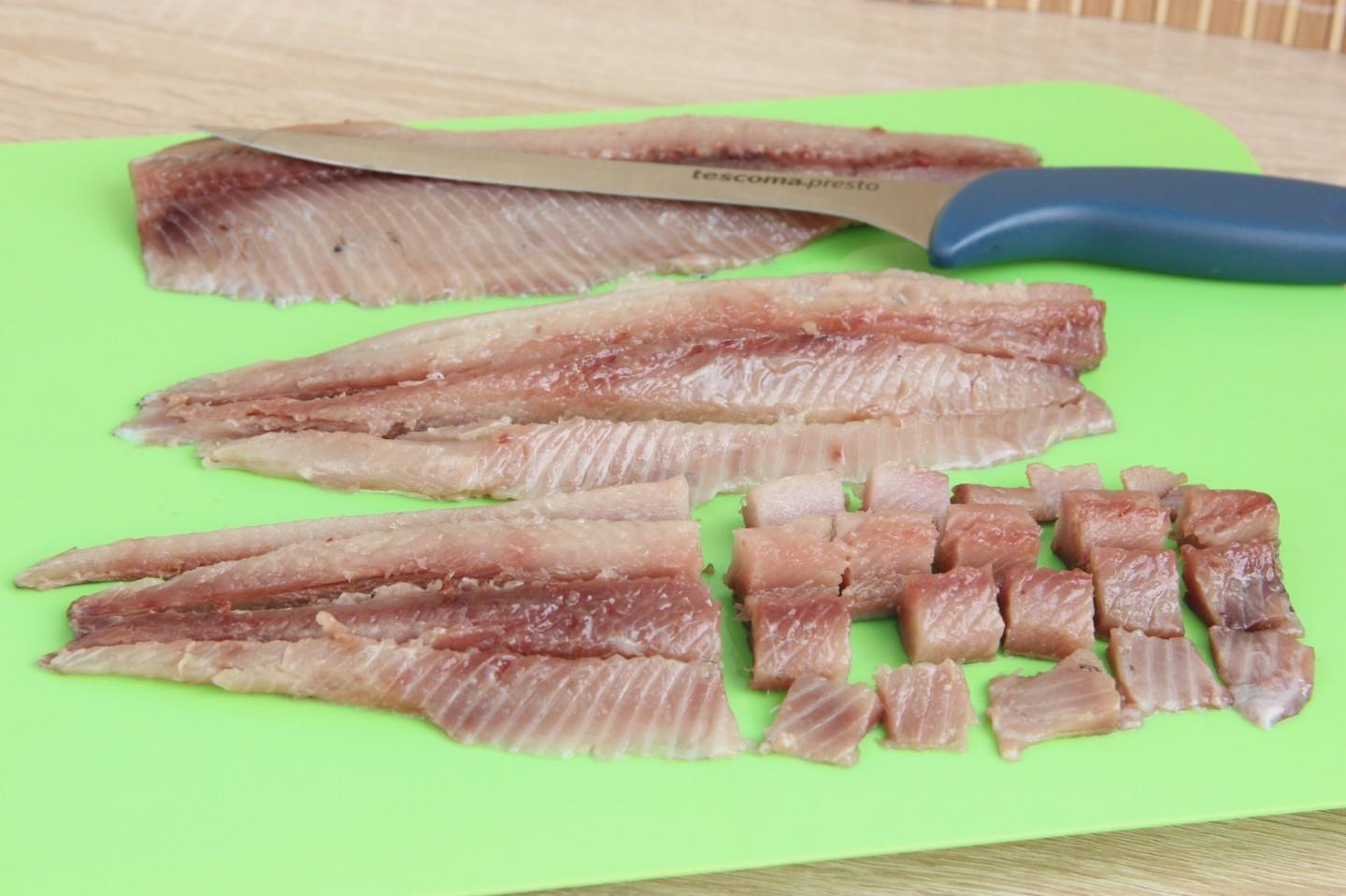
Remove the top and tail fins. Gently lift and peel off the skin—I find it easiest starting from the head. Then remove the backbone: run your thumb along the cut on the back, using the knife tip to free the larger bones, then gently pull the backbone away—it separates easily. Carefully remove all the bones, ideally with tweezers.
-
Step 5:
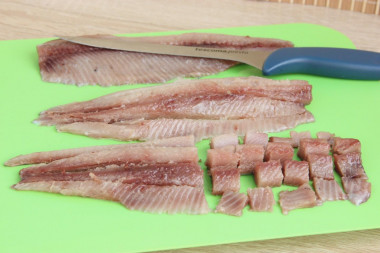
Cut the fillet lengthwise into strips, then crosswise into bite-size pieces. This makes any remaining bones easy to spot and remove, even by hand.
-
Step 6:
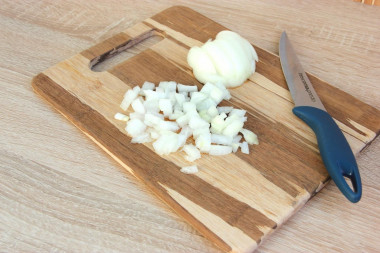
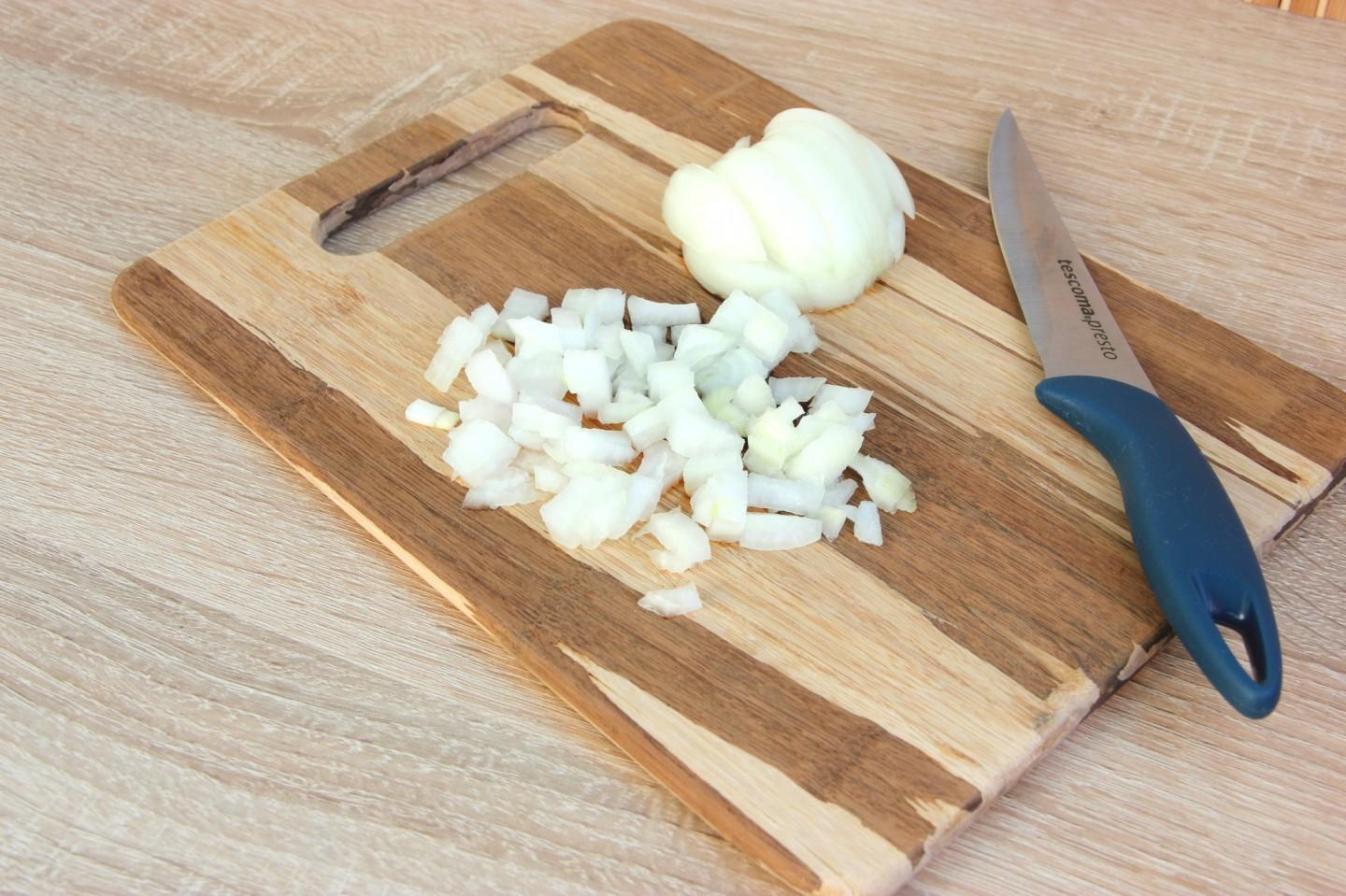
Cut the onion into small dice. If it's very sharp, scald it with boiling water to remove the harshness. Some people pickle or lightly fry the onion; I like it fresh, choosing juicy, sweeter varieties.
-
Step 7:
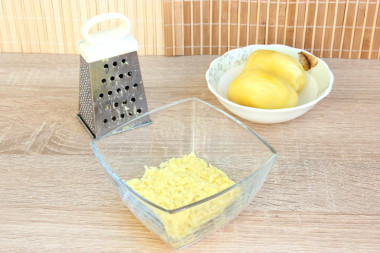
If you're making it in a large bowl, grate the vegetables on a coarse grater straight into the bowl, for a more delicate texture. For individual servings in small dishes, it's easier to grate each vegetable into separate bowls, then assemble layer by layer. The first layer is potato—spread it in the bottom of the bowl.
-
Step 8:
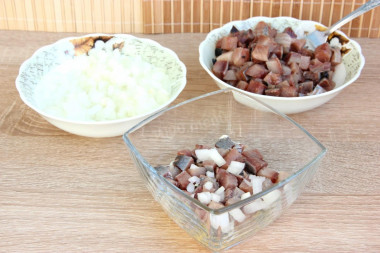
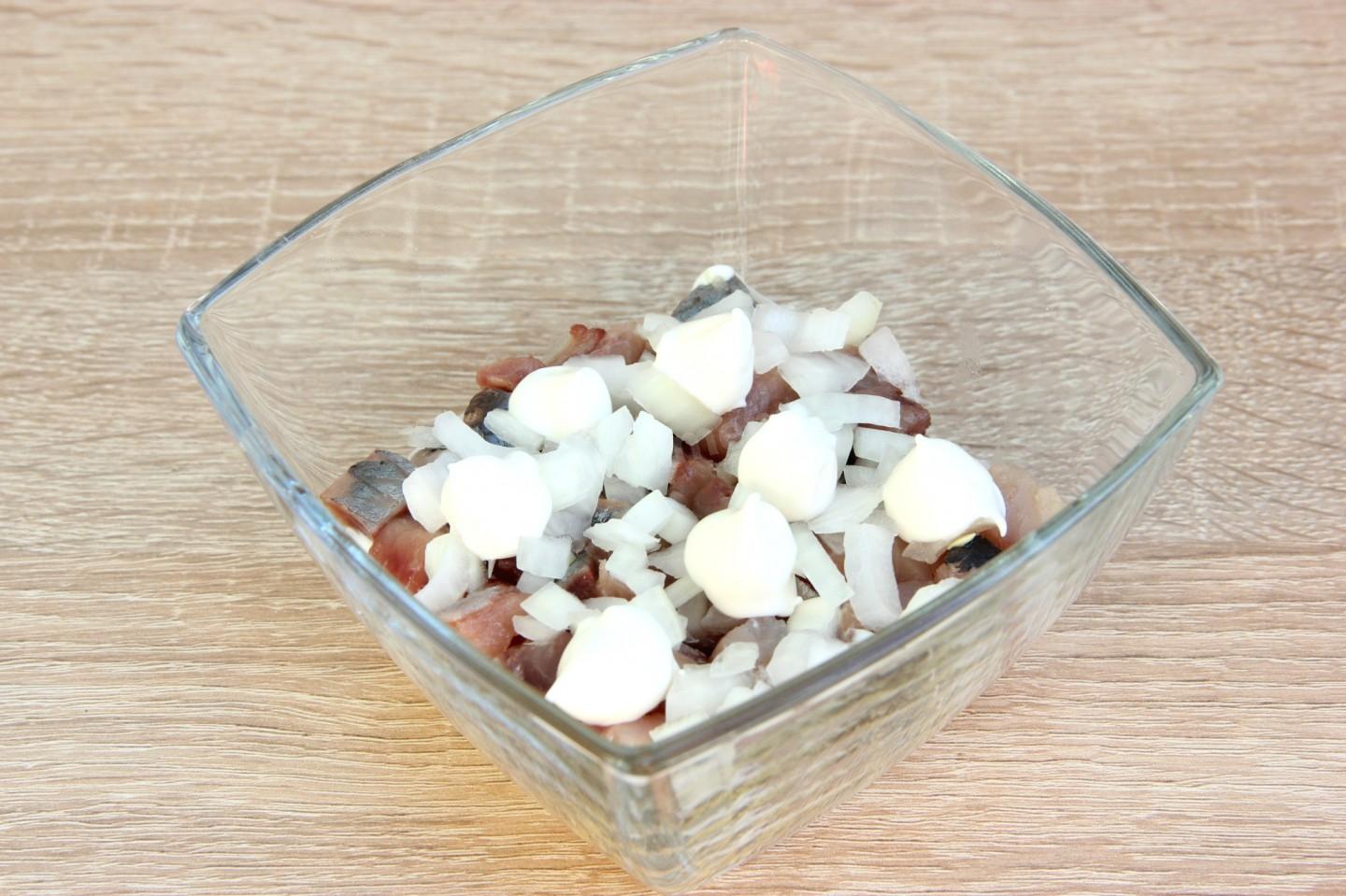
The 2nd layer is herring, the 3rd is onion. I don't spread mayonnaise on the first two layers.
-
Step 9:
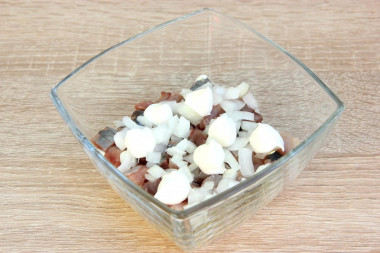
But do spread mayonnaise on the third (onion) layer.
-
Step 10:
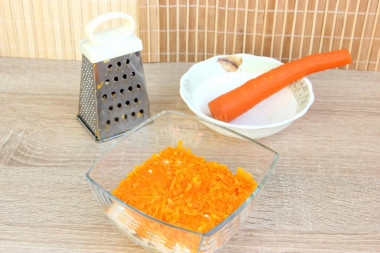
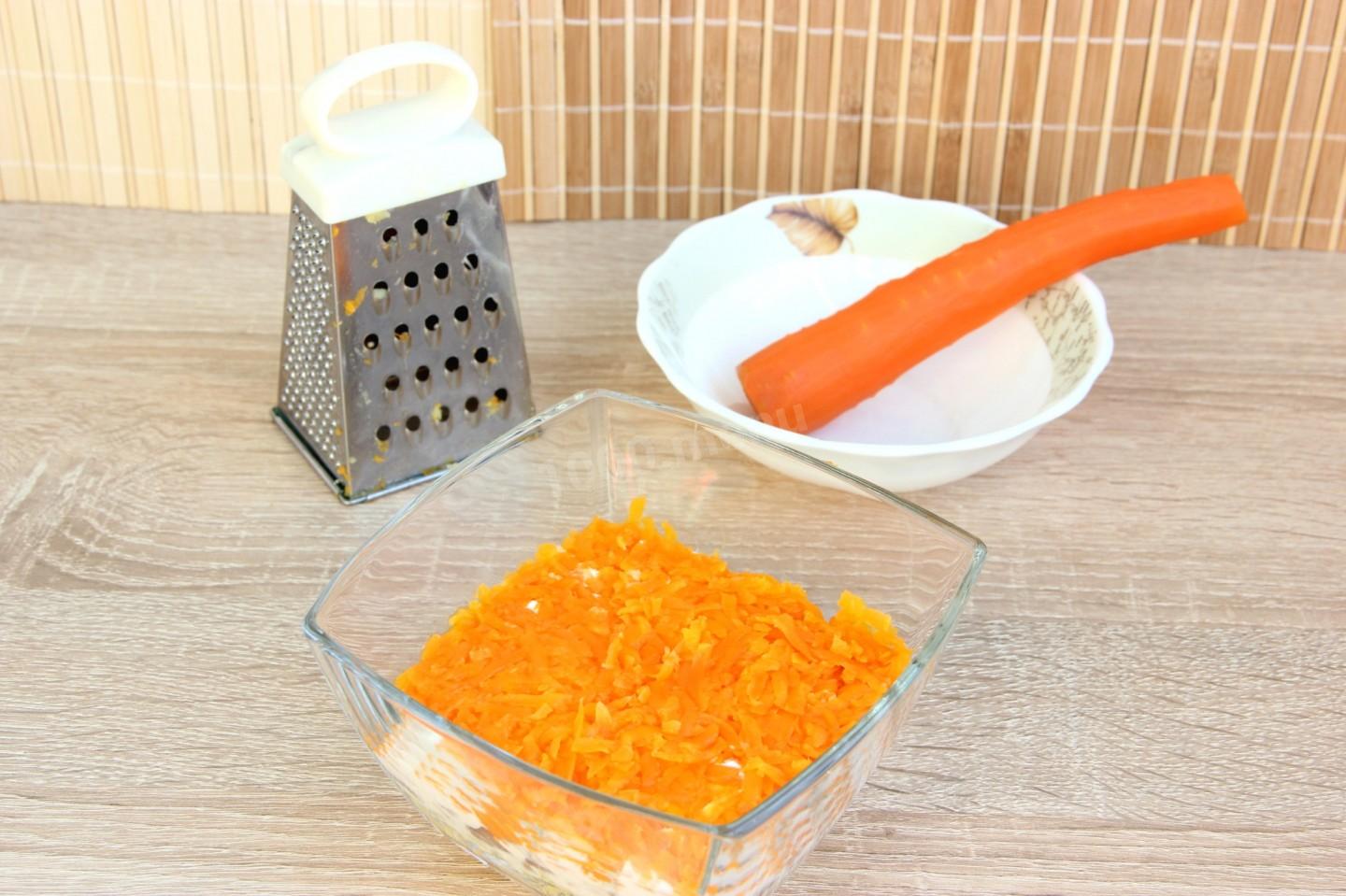
On the onion goes the 4th layer—carrot.
-
Step 11:
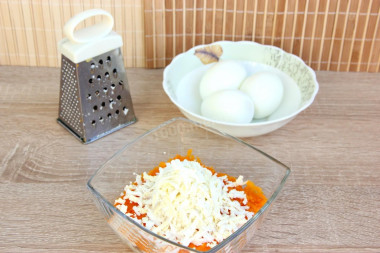
Then the 5th layer—boiled egg, whites and yolks together. Just grate the eggs.
-
Step 12:
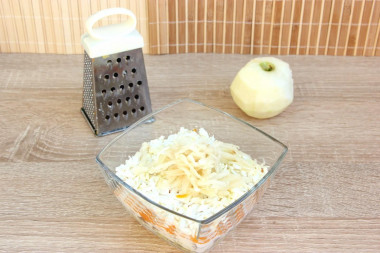
The 6th layer is apple. Use any kind—sweet or tart. Don't forget to peel it.
-
Step 13:

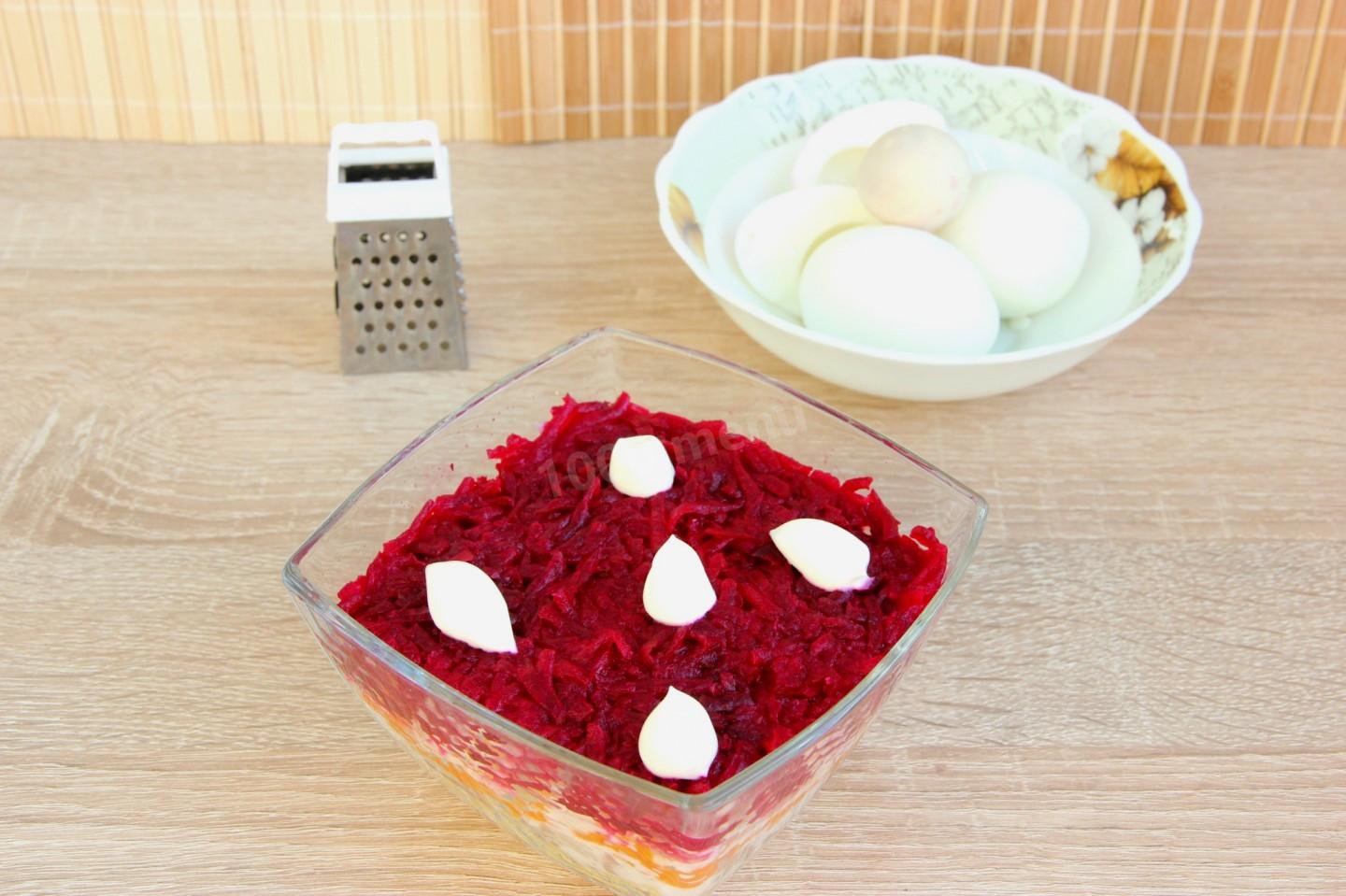
The 7th layer is beet, which then gets spread with mayonnaise. If your bowl is tall, repeat all the layers—but the top layer is always beet and mayonnaise. Smooth the layers gently. Once everything is layered (choose the thickness yourself), cover the dish with plastic wrap and refrigerate to soak for 1–2 hours, ideally overnight. Before serving, you can grate boiled yolk over the top and sprinkle with herbs.
-
Step 14:
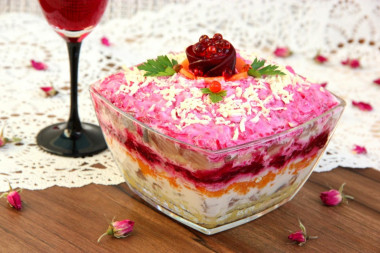
There are many ways to serve and decorate it. I made one large bowl, or several medium ones. Clear glass walls are nice, so all the layers show beautifully.
-
Step 15:

In individual wine glasses or dessert cups, the layers show off just as strikingly. This isn't the strictly classic "fur coat," so feel free to improvise with the layers however you like!
-
Step 16:

Served on a platter or in a herring dish, it's nice to shape the salad into a fun fish—kids love this presentation and will even happily eat the "dreaded" beets! Enjoy, and happy holidays!








- The salad was first served on the eve of New Year's 1919! It's usually credited to the merchant Anastas Bogomilov (owner of the largest network of taverns and canteens in Moscow and Tver), but it was actually invented by his cook, Aristarkh Prokoptsev. It was served as a cold appetizer alongside drinks—it helped guests get less drunk and rowdy—so it instantly became the most popular dish at every gathering during the turbulent post-revolutionary years, and remains so to this day.
- The dish turns out airier if you grate the vegetables straight into the bowl rather than into separate bowls. The flavor depends a lot on the herring itself, so it's better to buy whole herring than ready-made fillet. How do you pick a good one? 1) Look at the gills—dark red means fresh. 2) Red eyes mean lightly salted (and fattier). 3) Cloudy eyes mean a roe-heavy fish (leaner, since it moved a lot spawning). 4) A round, small mouth means female; a narrow, elongated one means male (tastier). 5) Pressed, the body should be firm. 6) Black or rusty streaks on the surface mean it sat out of brine too long—not good. If the onion is bitter, scald it or quick-pickle it. Choose beets with deep maroon, sweeter, tender flesh, and starchy, floury potatoes. Follow these and you'll get a tender, wonderful-tasting salad. This is my take on the classic. My family asks for it every New Year and we never tire of it, thanks to the add-ins I keep changing—I might add salmon, pickle, prunes, cheese, or caviar—and of course the presentation: as a cake, a roll, or set with gelatin. The taste is different every time, yet always so recognizable and beloved! The time given includes prepping the vegetables and chilling. You can make it ahead, which is handy for a holiday—the flavor only improves.
- It's best to make the mayonnaise yourself—it'll taste better and be healthier. Check out our homemade mayonnaise recipes. You can also use sour cream or plain yogurt instead of mayonnaise, on their own or mixed with it in any ratio you like—this cuts the calories.
Caloric content of the products possible in the composition of the dish
- Ripe potatoes - 80 kcal/100g
- Baked potatoes - 70 kcal/100g
- Mashed potatoes - 380 kcal/100g
- Boiled potatoes - 82 kcal/100g
- Potatoes in uniform - 74 kcal/100g
- Fried potatoes - 192 kcal/100g
- Chicken egg - 157 kcal/100g
- Egg white - 45 kcal/100g
- Egg powder - 542 kcal/100g
- Egg yolk - 352 kcal/100g
- Ostrich egg - 118 kcal/100g
- Apples - 47 kcal/100g
- Dried apples - 210 kcal/100g
- Canned apple mousse - 61 kcal/100g
- Beetroot - 40 kcal/100g
- Dried beetroot - 278 kcal/100g
- Boiled beets - 49 kcal/100g
- Carrots - 33 kcal/100g
- Dried carrots - 275 kcal/100g
- Boiled carrots - 25 kcal/100g
- Herring in vegetable oil - 301 kcal/100g
- Herring in sour cream - 97 kcal/100g
- Herring in tomato sauce - 159 kcal/100g
- Hot smoked herring - 215 kcal/100g
- Pickled herring - 192 kcal/100g
- Fresh herring - 161 kcal/100g
- Salted herring - 217 kcal/100g
- Salad mayonnaise of 50% fat content - 502 kcal/100g
- Light mayonnaise - 260 kcal/100g
- Provencal Mayonnaise - 624 kcal/100g
- Provencal mayonnaise - 627 kcal/100g
- Table mayonnaise - 627 kcal/100g
- Onion - 41 kcal/100g
Similar recipes


- Festive table
- Classic recipes
- Salads
- Eggs
- Fish and seafood
- Vegetables
- Fruit berries
- Fats and oils
- Mayonnaise
- Classic salads
- Herring under a fur coat classic
- Cooking
- Light classic salads
- Simple festive salads
- Vegetable salads
- Salad with apples
- Sea salad
- Festive salads
- Birthday recipes
- New Year recipes
- Fish with vegetables
- From carrots
- From beets
- From potatoes
- From onion
- Apples