Mackerel Cured in Onion Skins and Tea
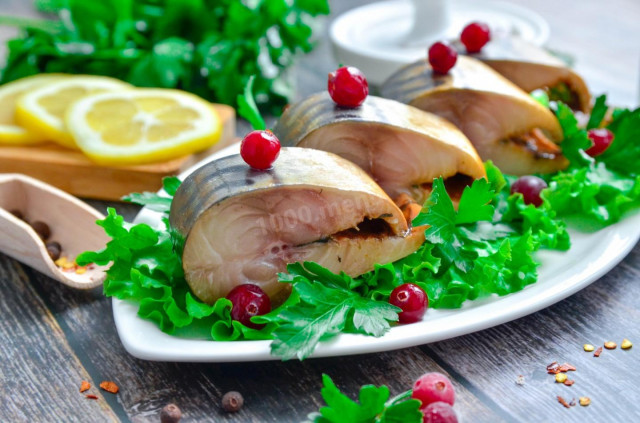
Wonderfully tasty, beautiful, appetizing, and savory! Mackerel cured in onion skins and tea comes out much healthier and tastier than store-bought, because the coloring used in the cure is natural and harmless. The onion skins and tea give the fish not just a beautiful color but a pleasant aroma too.



Cooking method
-
Step 1:
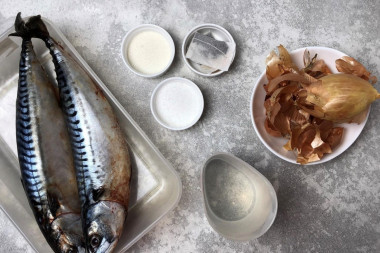
How do you cure mackerel in onion skins and tea? Gather your ingredients. If the mackerel is frozen, thaw it first — it's best to do this gradually by moving it from the freezer to the bottom shelf of the refrigerator. I used tea bags, which is more convenient, since you don't have to clean tea leaves off the fish afterward. But you can use loose tea. The tea should be plain black, with no added flavorings. Besides the salt and sugar, you can add any spices you like.
-
Step 2:
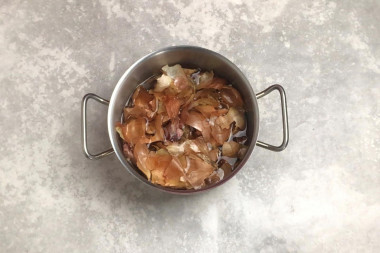
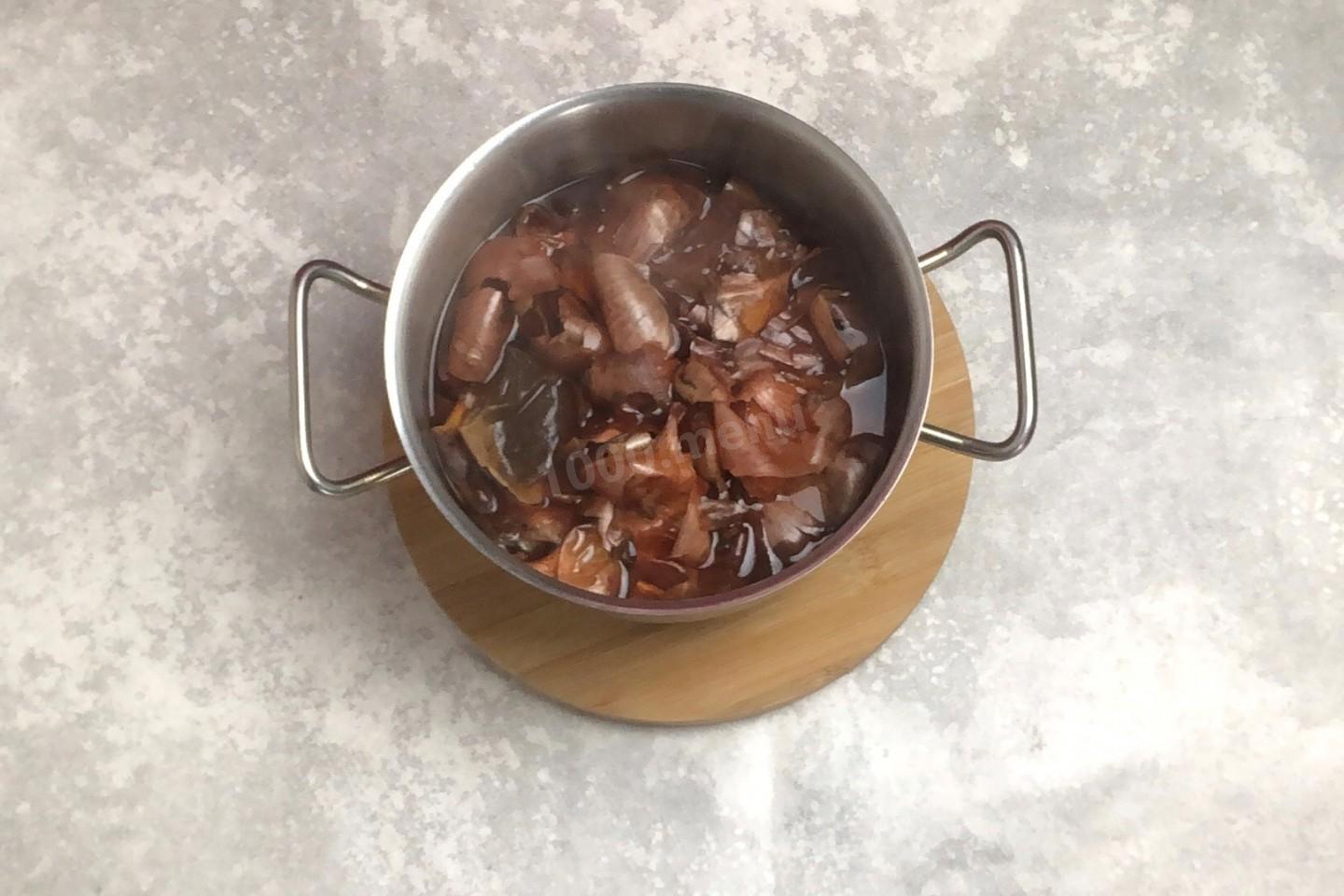
First make the brine. How do you make the brine? Take a pot of a suitable size and pour in the water. Add the salt, sugar, and seasonings if you're using them. Add the tea or tea bags, tearing off the paper tags. Add the onion skins and press them down with a spoon so they're submerged.
-
Step 3:
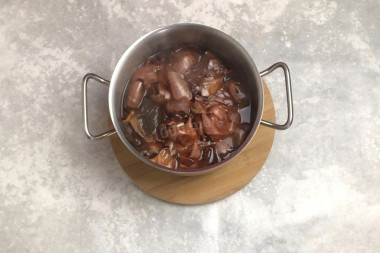
Set the pot of brine over medium heat and bring it to a boil. Boil the brine for one to two minutes, then turn off the heat. Let the brine cool to room temperature.
-
Step 4:
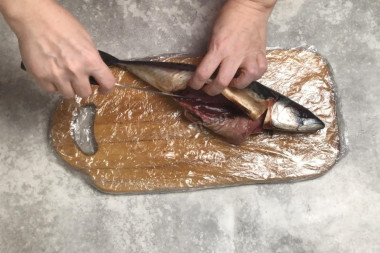
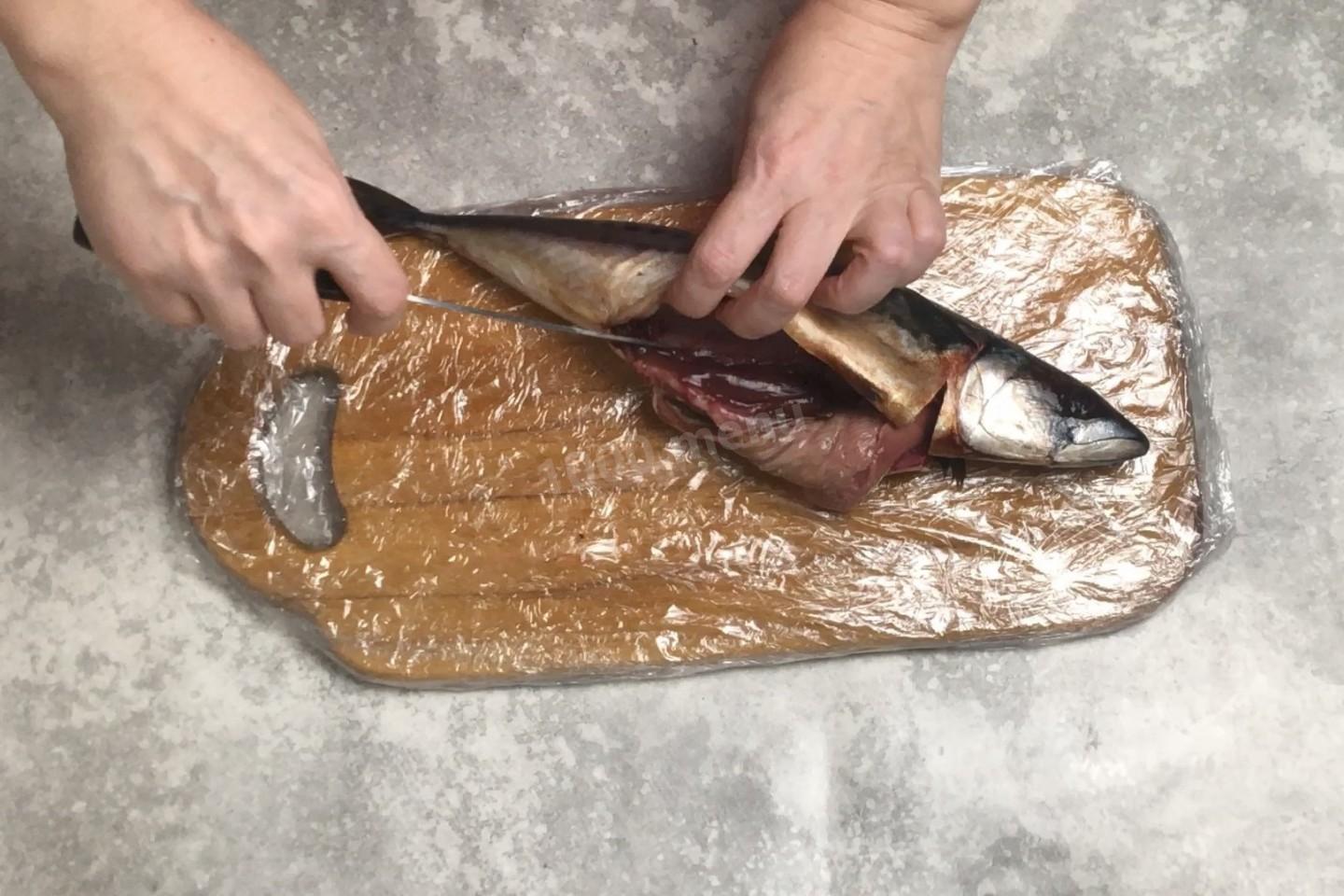
Gut the thawed fish. Cut it open along the belly from head to tail and remove the insides. It's also best to remove the black membrane lining the belly cavity.
-
Step 5:
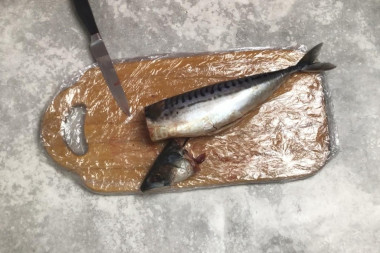
Cut off the head, and the tail too if you like. Rinse the gutted fish well.
-
Step 6:
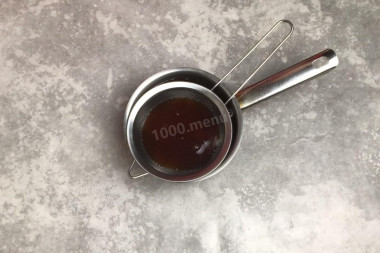
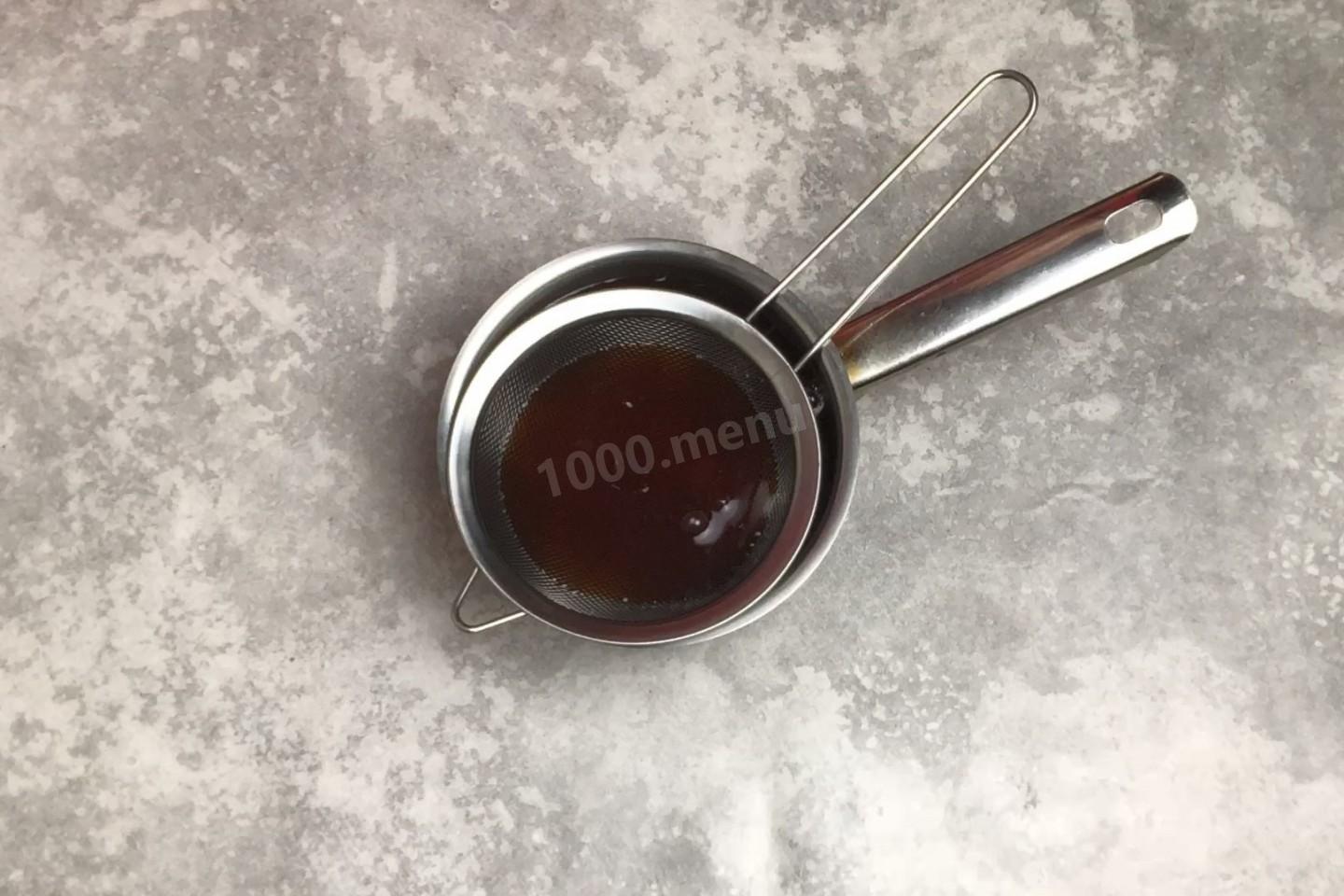
Strain the cooled brine through a sieve.
-
Step 7:
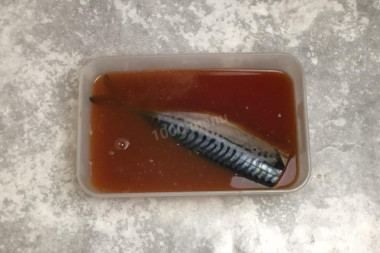
Put the prepared mackerel in a container suitable for curing — a plastic or glass container, a jar, or a plastic bottle with the neck cut off. Cover it with the brine. Put the container of fish in the refrigerator. Take it out and turn the mackerel over now and then so it cures evenly. The fish is ready to eat in 3 days. Enjoy!




- When buying mackerel, pay attention to its quality: the skin should be an even silver color, and the smell should be fresh and fishy, with no off odor. The eyes should be clear, not cloudy. If you buy frozen fish, thaw it gradually, ideally in the refrigerator — never in water, or the fish will lose its nutritional value and flavor.
- I'd planned to cure two fish, but one fell apart as I was cleaning it. That's a sign the fish was stored improperly and had been thawed and refrozen repeatedly. I had to throw it out.
- The finished mackerel came out very tasty and lightly salted, with a pleasant aroma. If you prefer a saltier version, add a little more salt.
- Keep in mind that properly thawing your ingredients has a lot to do with the quality and taste of the finished dish. For how to avoid mistakes and pick the best method, see the article on thawing.
- If you use ready-made spice blends, be sure to read the ingredients on the package. Salt is often already in such blends, so factor that in or you risk over-salting the dish.
- For making it, it's best to use filtered or bottled water with a neutral taste. If you use tap water, keep in mind that it can give the dish an unpleasant off-flavor.
Caloric content of the products possible in the composition of the dish
- Smoked mackerel - 221 kcal/100g
- Boiled mackerel - 211 kcal/100g
- Fresh mackerel - 181 kcal/100g
- Granulated sugar - 398 kcal/100g
- Sugar - 398 kcal/100g
- Salt - 0 kcal/100g
- Water - 0 kcal/100g
- Black tea - 0 kcal/100g
- Onion skins - 0 kcal/100g