Classic Sauerkraut Shchi (Cabbage Soup)
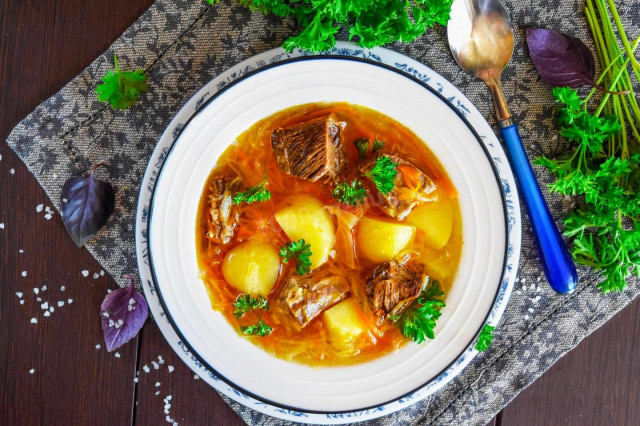
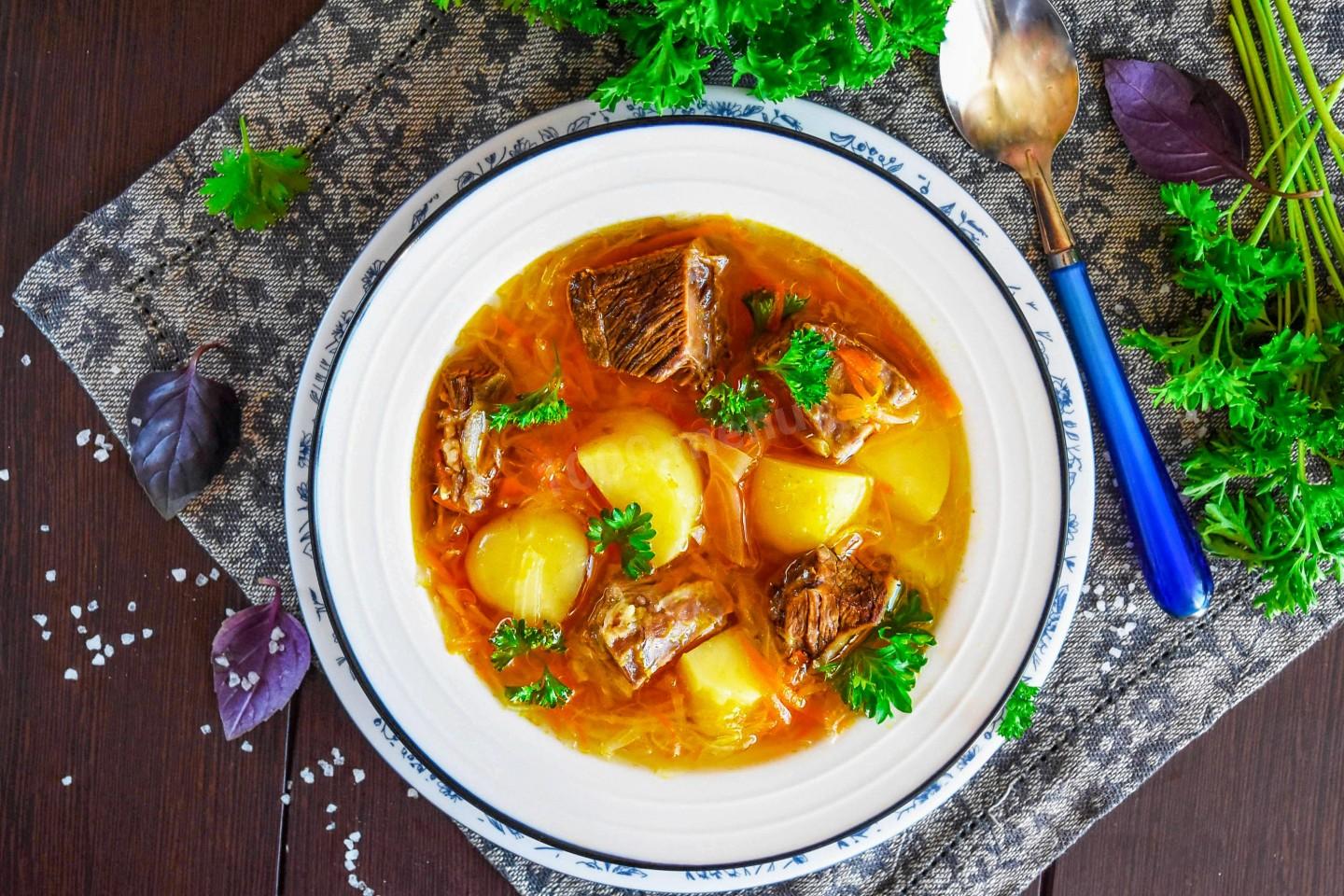
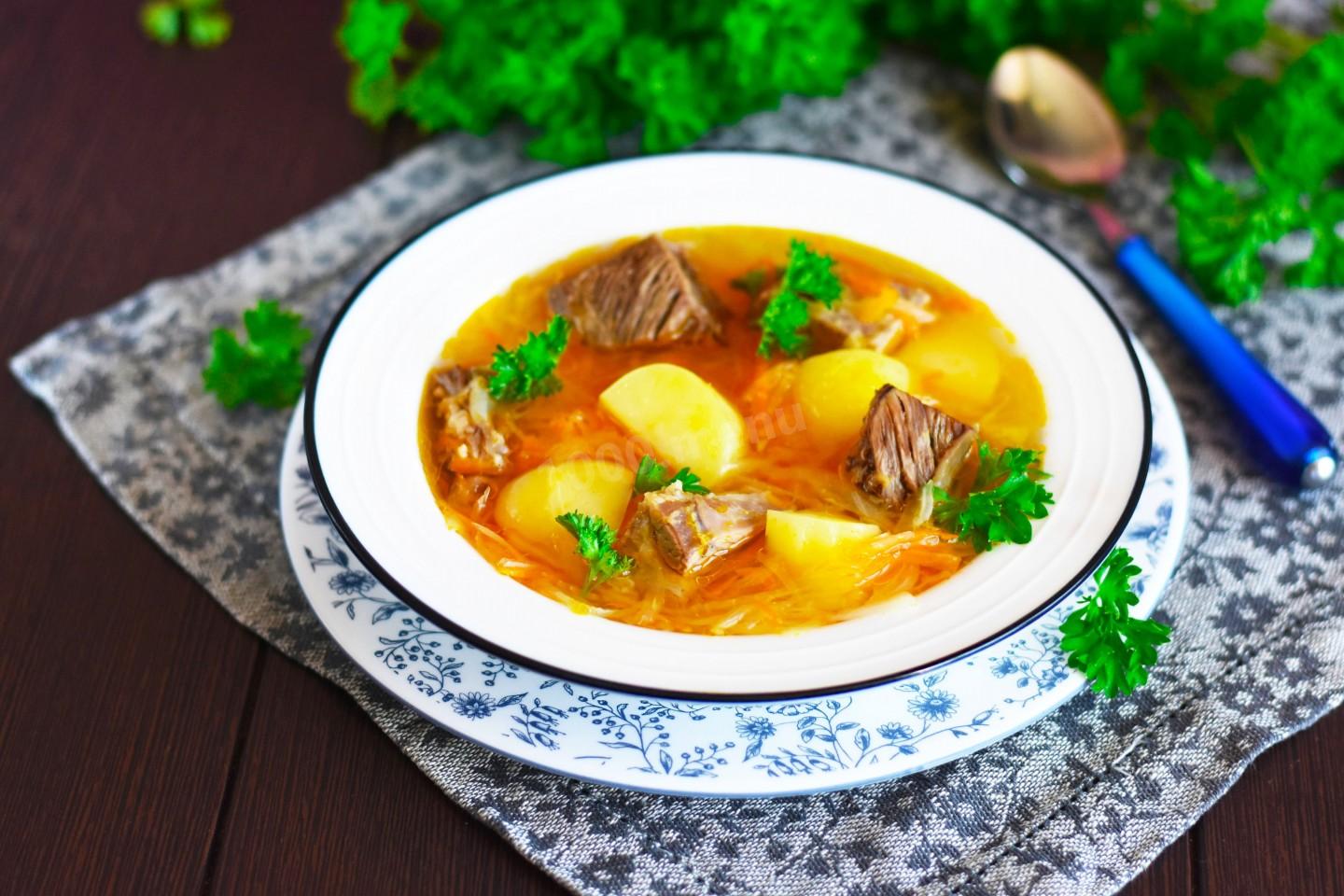
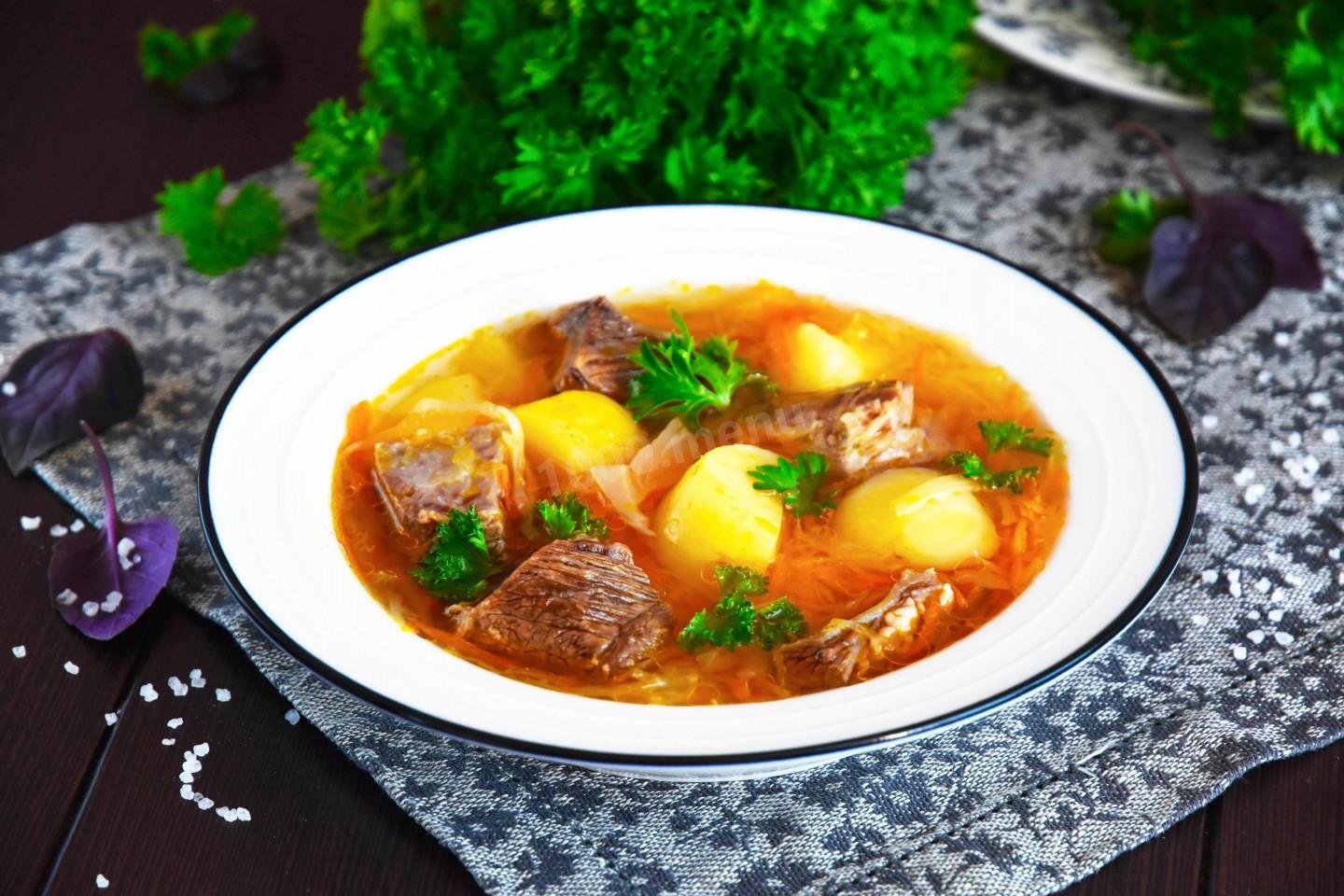
Rich, appetizing, thick, and hearty, made from ordinary ingredients. Classic sauerkraut shchi has a deep, full-bodied flavor. You can make it with or without meat, with fish, or with mushrooms. The soup has a pleasant, light, refreshing tang, which makes it equally good in summer and winter!

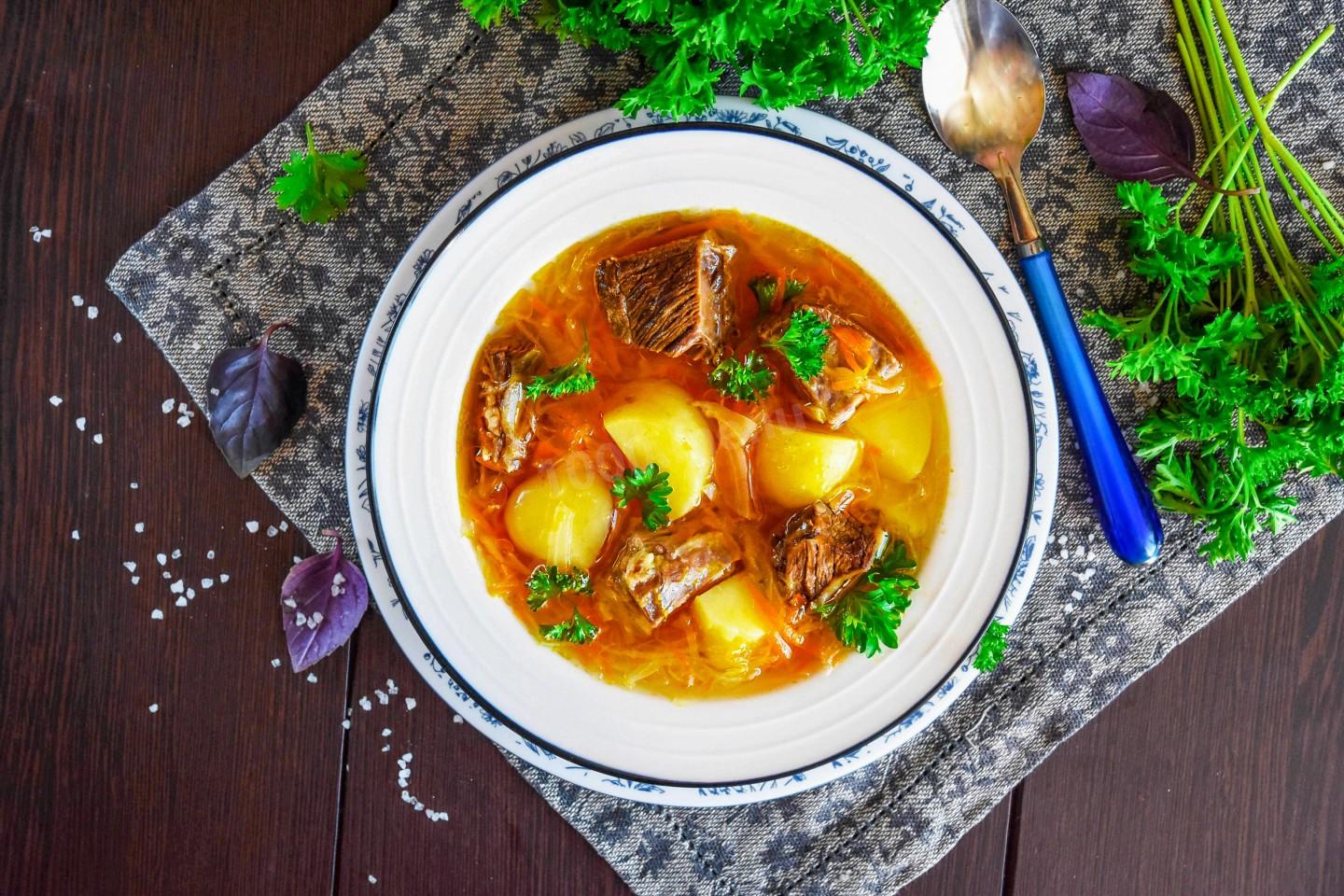
Cooking method
-
Step 1:
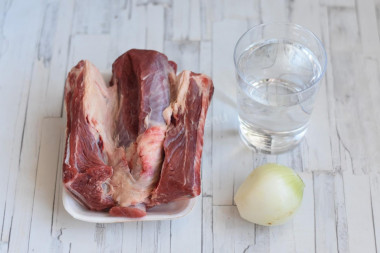
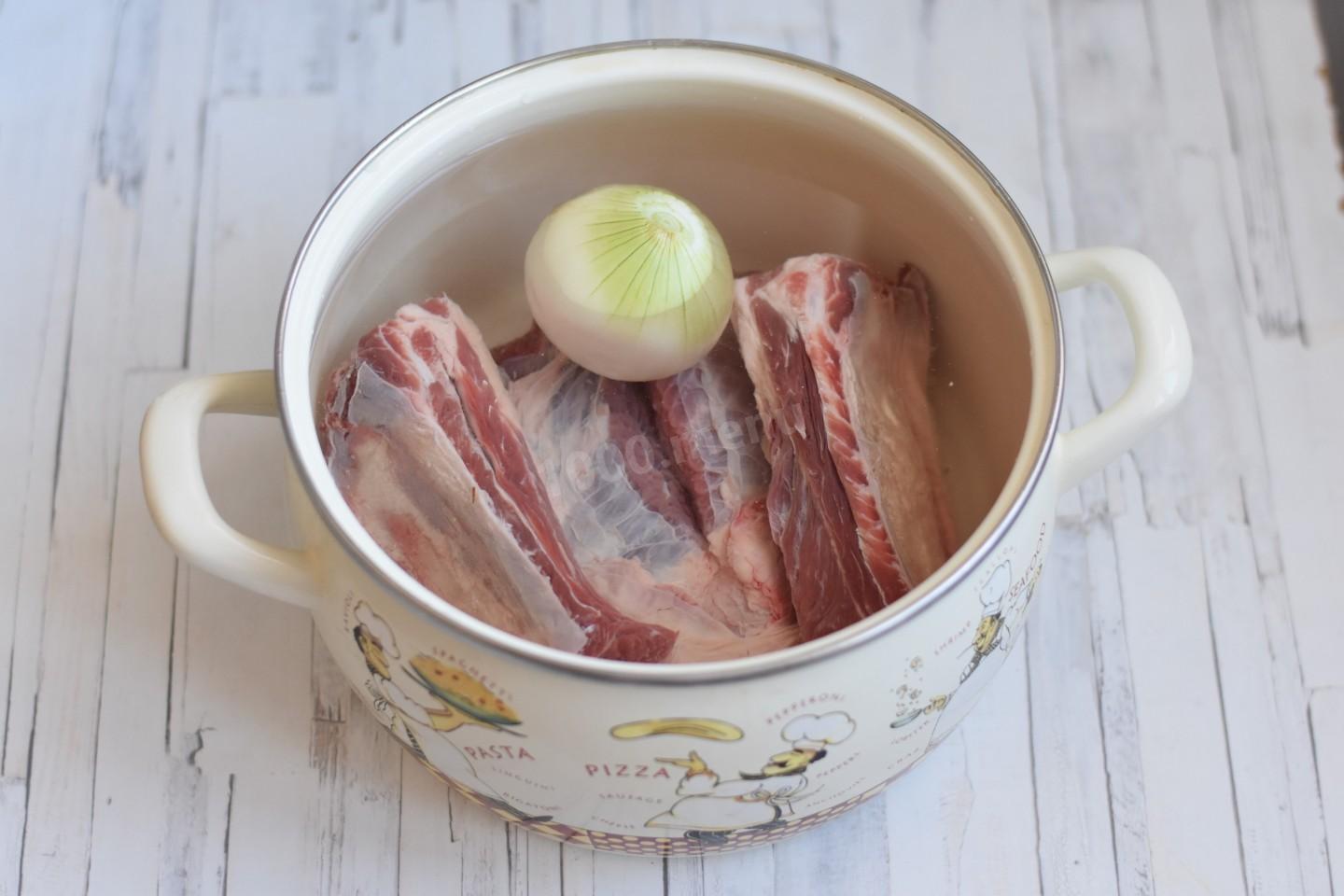
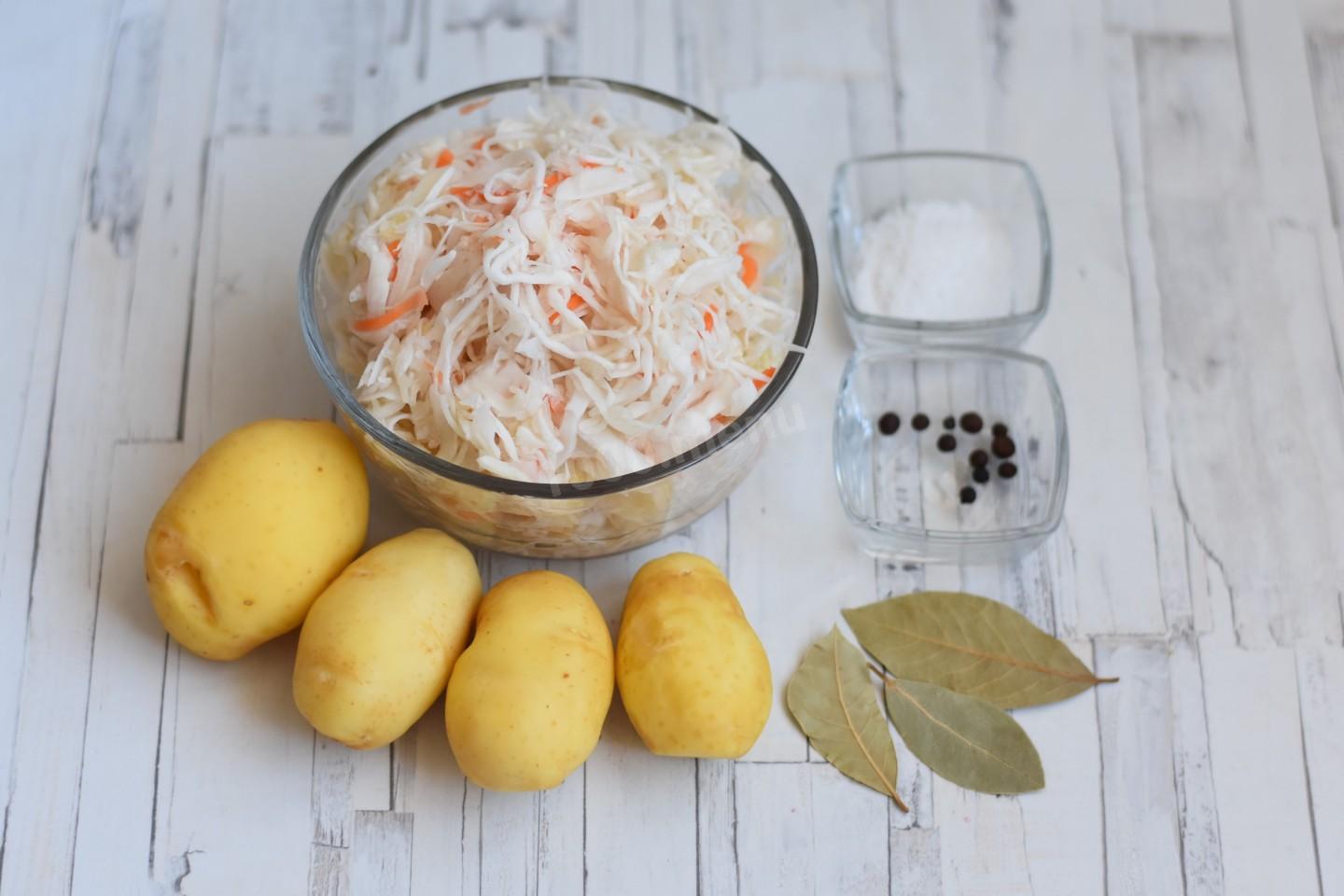
How do you make classic sauerkraut shchi? The recipe is very simple. Gather all the ingredients on the list and start by making the broth. You can use beef or veal. For a richer broth, use meat on the bone — a shank or a bone-in shoulder. I have beef ribs, but they have a lot of meat. If you can find ribs like that (the meat is sometimes trimmed off them), you can use them.
-
Step 2:
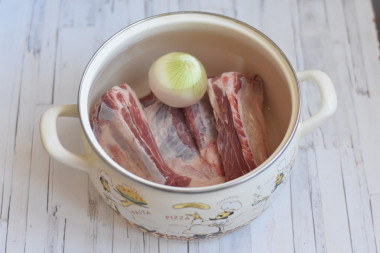
Wash and dry the meat. Put it in a pot together with a whole peeled onion and cover with cold water.
-
Step 3:
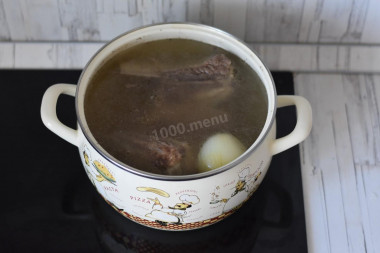
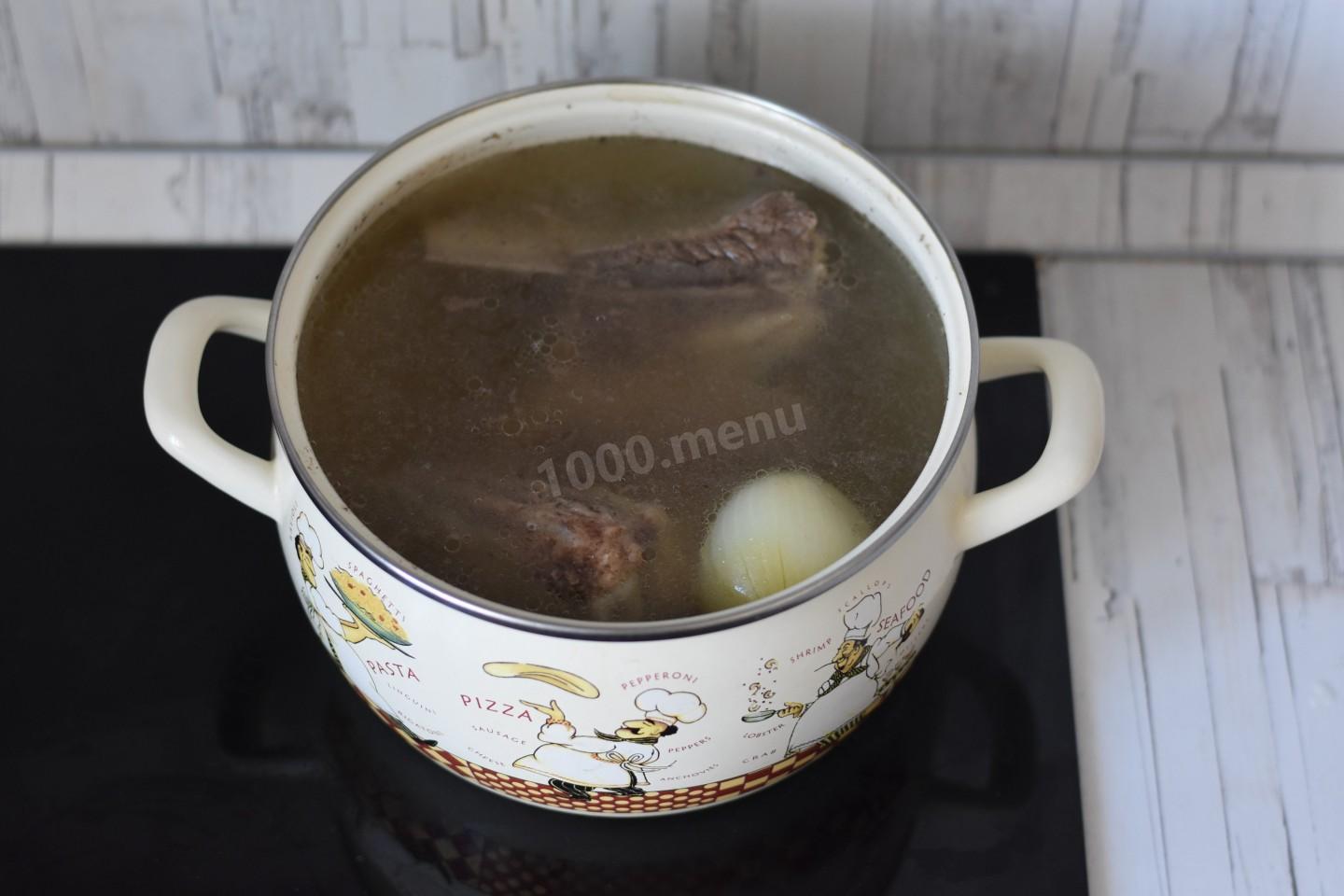
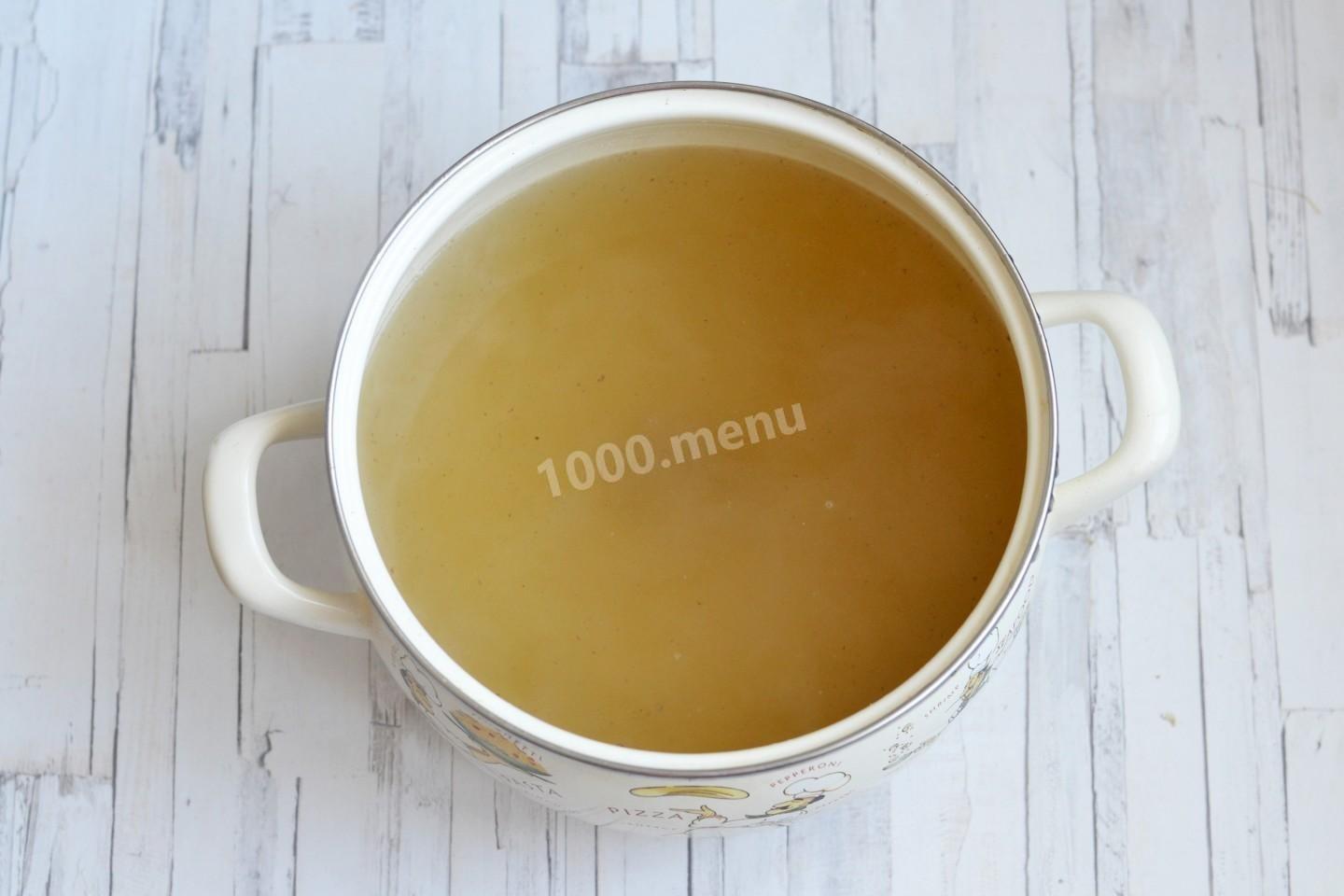
Bring the broth to a boil and cook for about 1.5–2 hours at a gentle simmer, skimming off the foam. At first the broth will be dark, but it will gradually clear up.
-
Step 4:
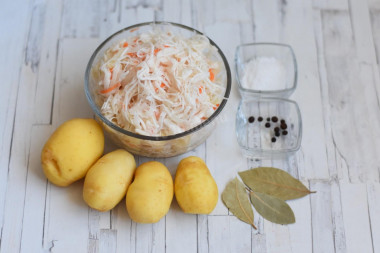
While the meat cooks, prepare the rest of the soup.
-
Step 5:
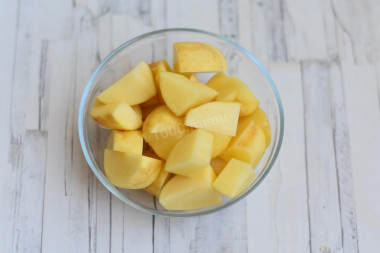
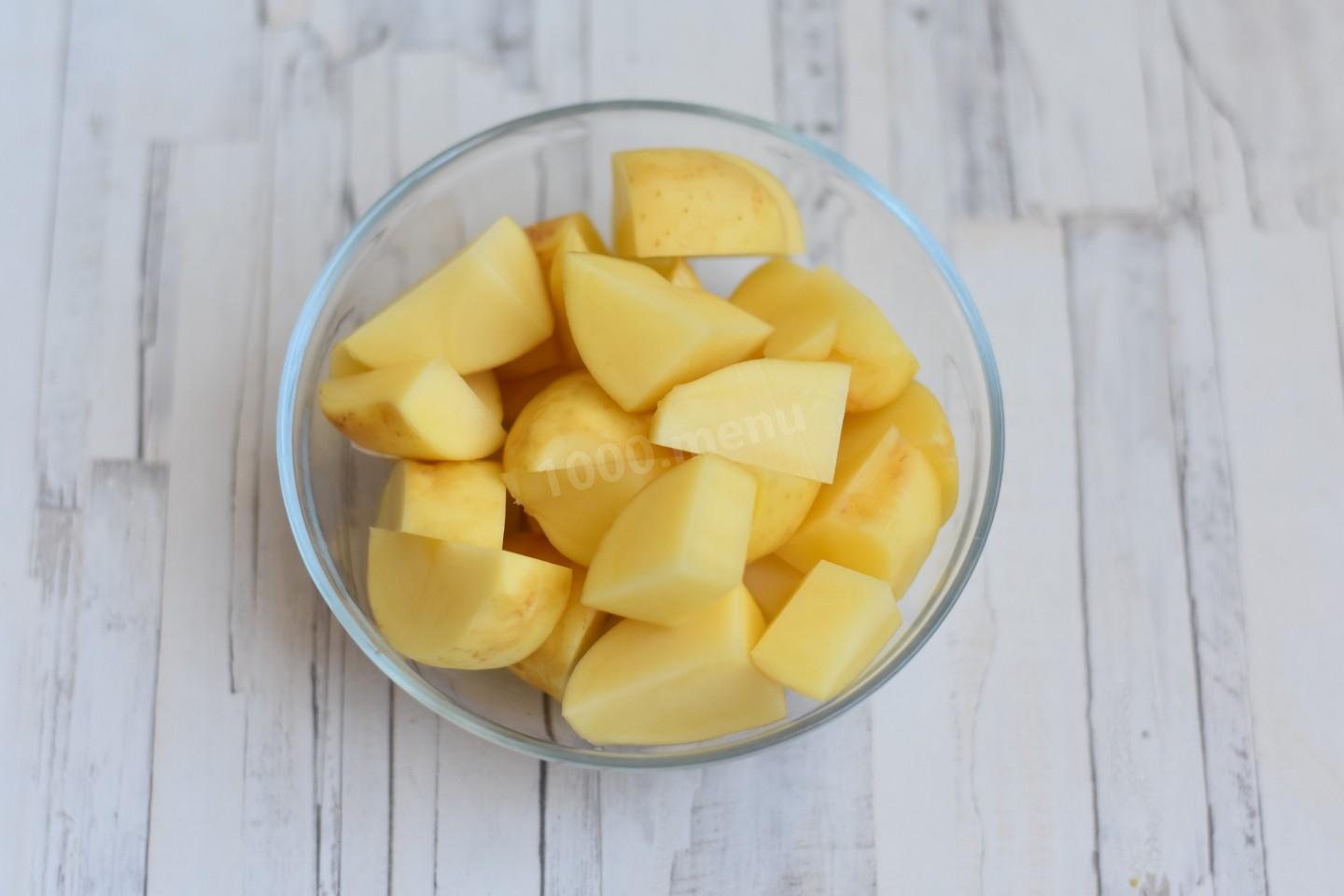
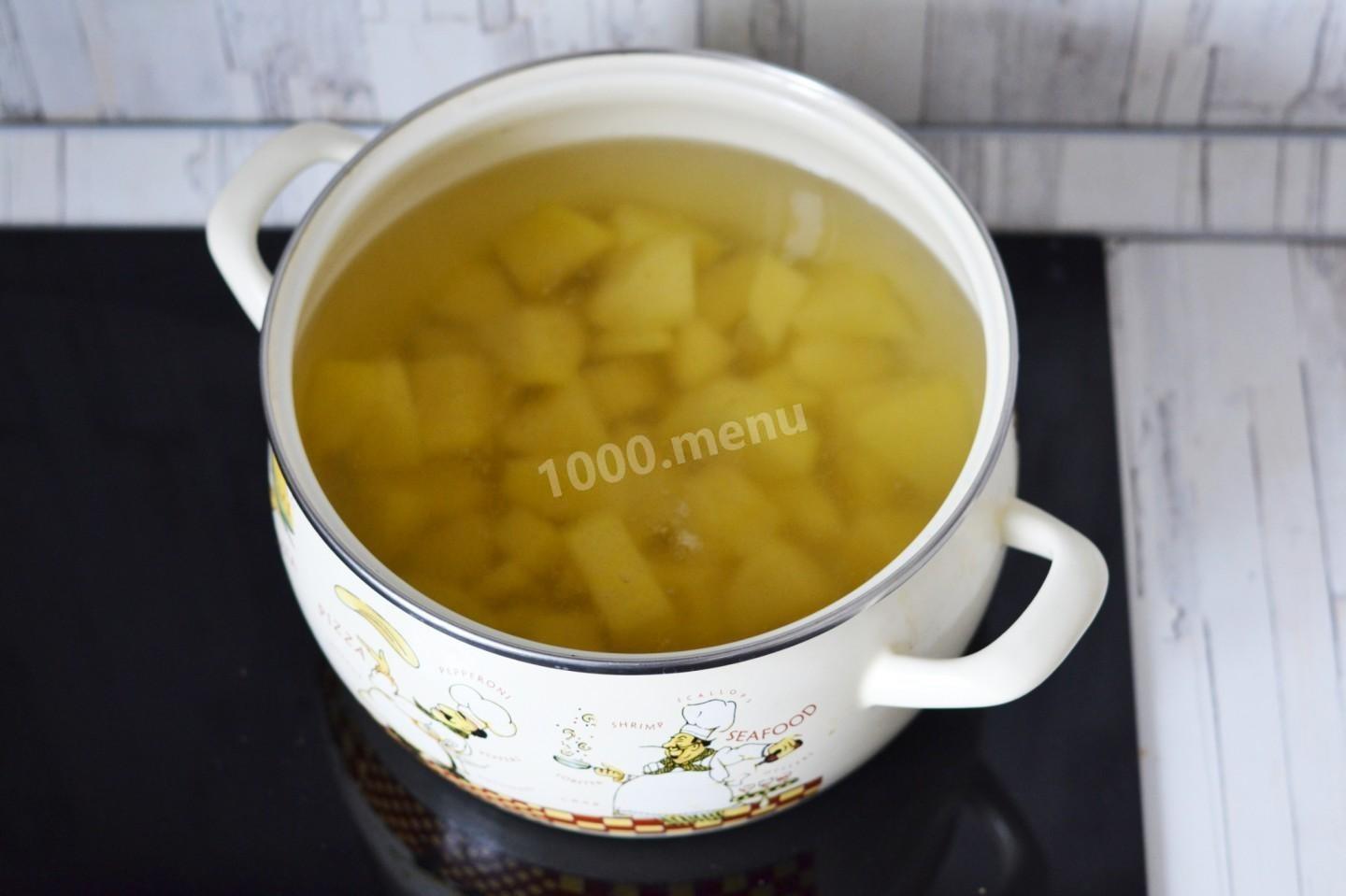
Peel the potatoes and cut them into medium cubes. It's delicious with new potatoes.
-
Step 6:
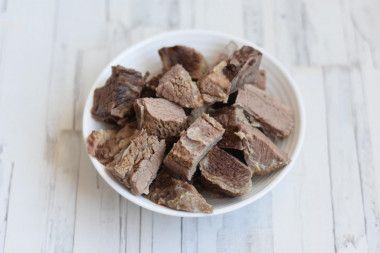
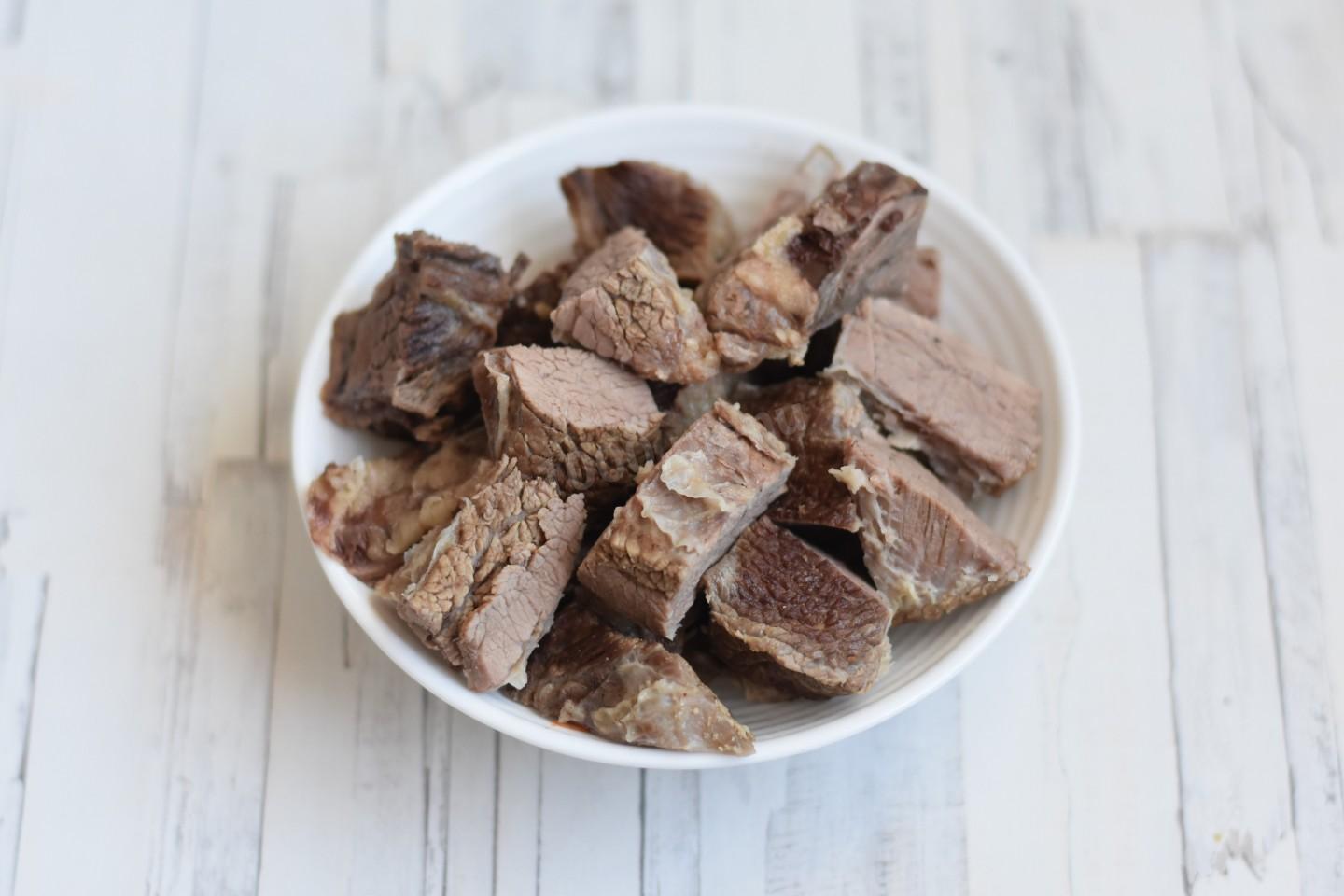
When the meat is done, take it out of the broth, pull it off the bones, and cut it into medium pieces or strips.
-
Step 7:
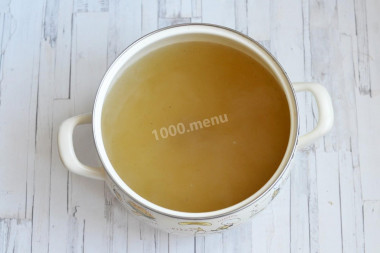
Take out the onion and discard it too — it gave all its juices to the broth and helped clear it. Strain the broth and return it to low heat.
-
Step 8:
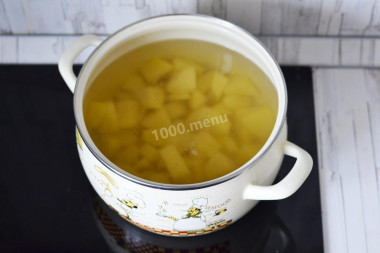
Return the meat to the pot of broth. Next, add the potatoes. Season with salt and pepper and cook everything together for 5 minutes.
-
Step 9:
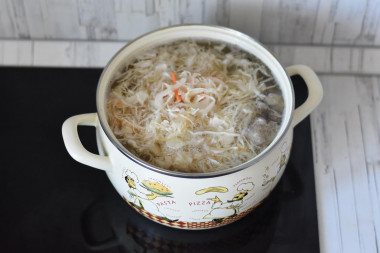
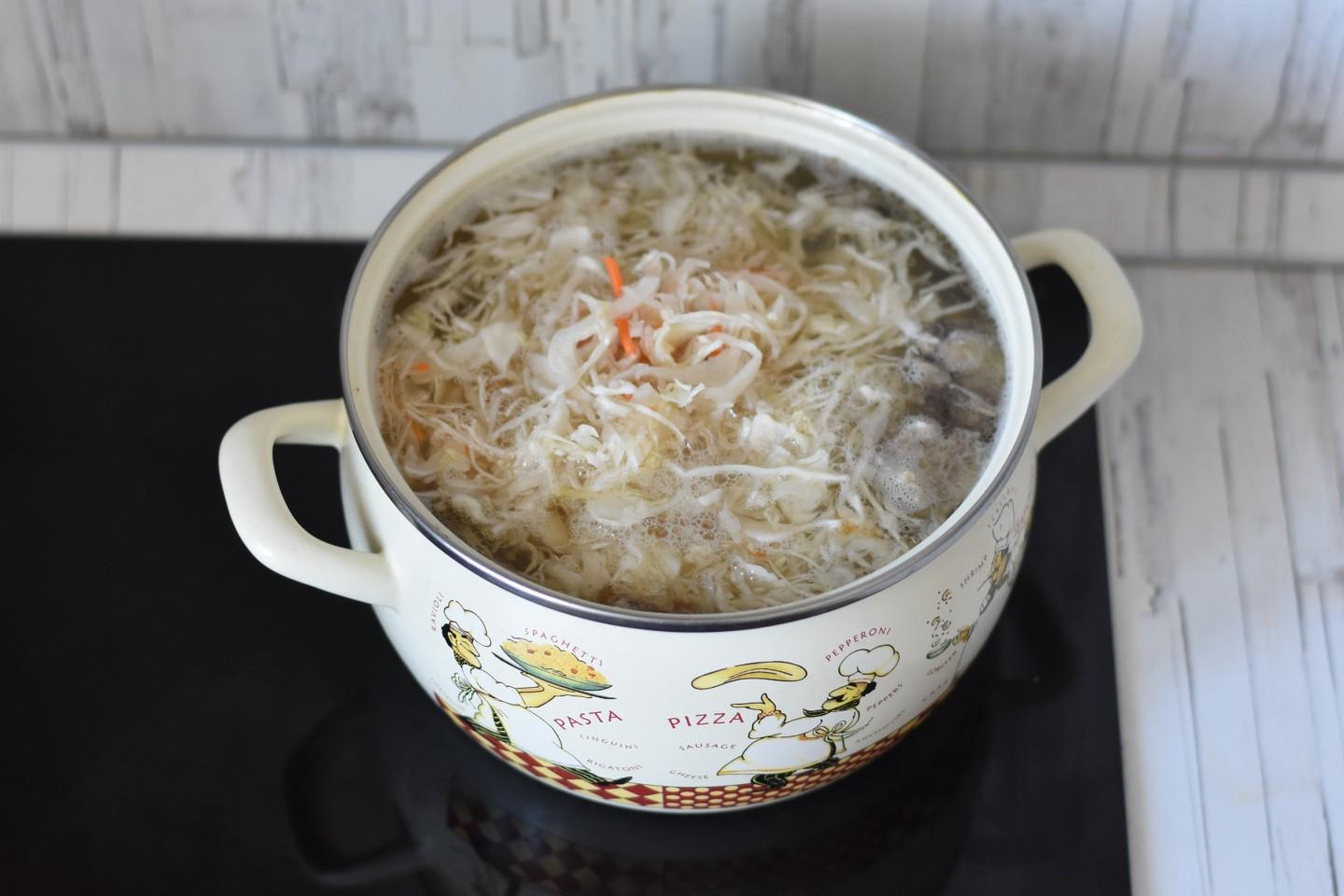
Then add the sauerkraut and cook everything together for about another 15 minutes, stirring now and then. You can squeeze out the sauerkraut before adding it or add it along with its brine — whichever you prefer. I think it tastes better with the brine.
-
Step 10:
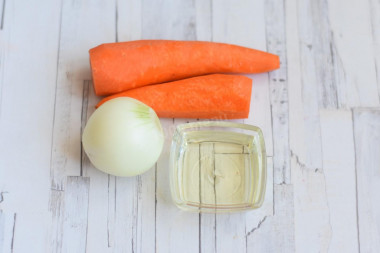
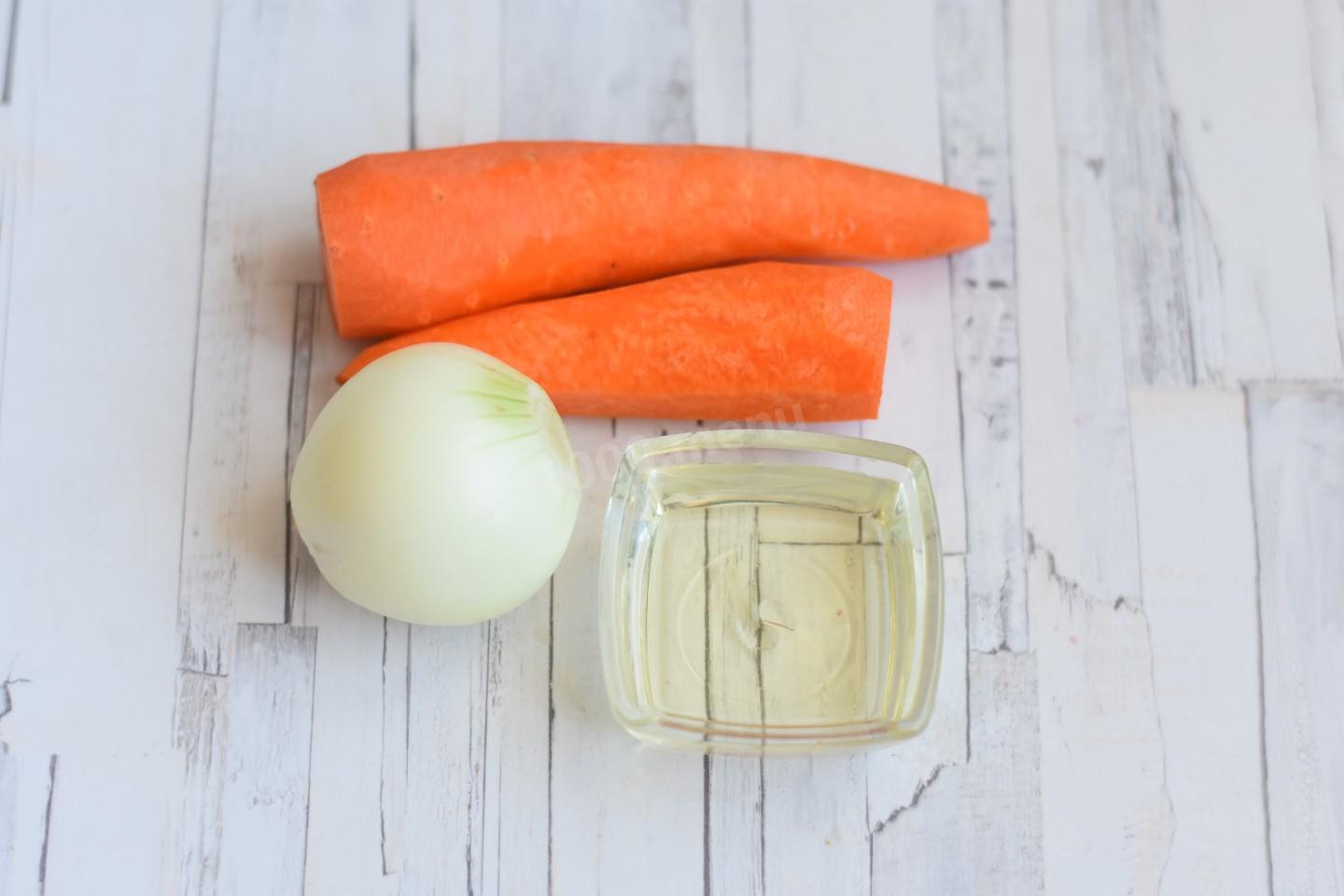
Make the sautéed vegetables. You can use any vegetable oil, but sunflower is best.
-
Step 11:
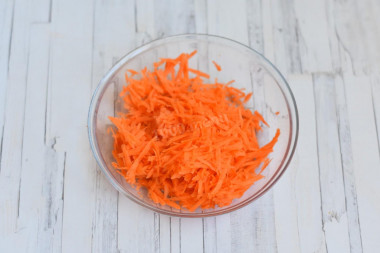
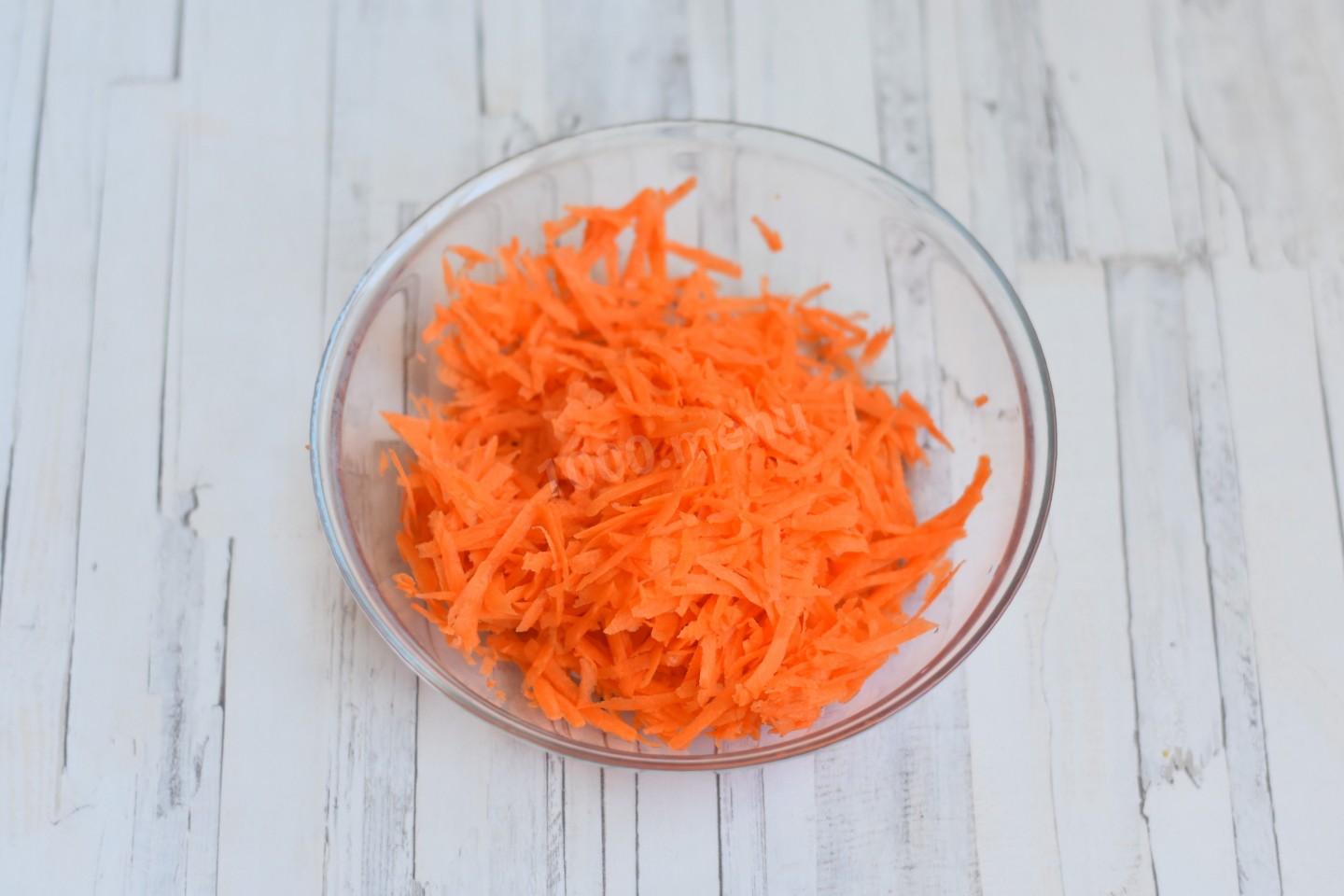
Peel the carrots and grate them on the coarse side of a grater.
-
Step 12:
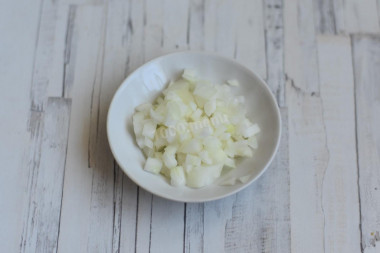
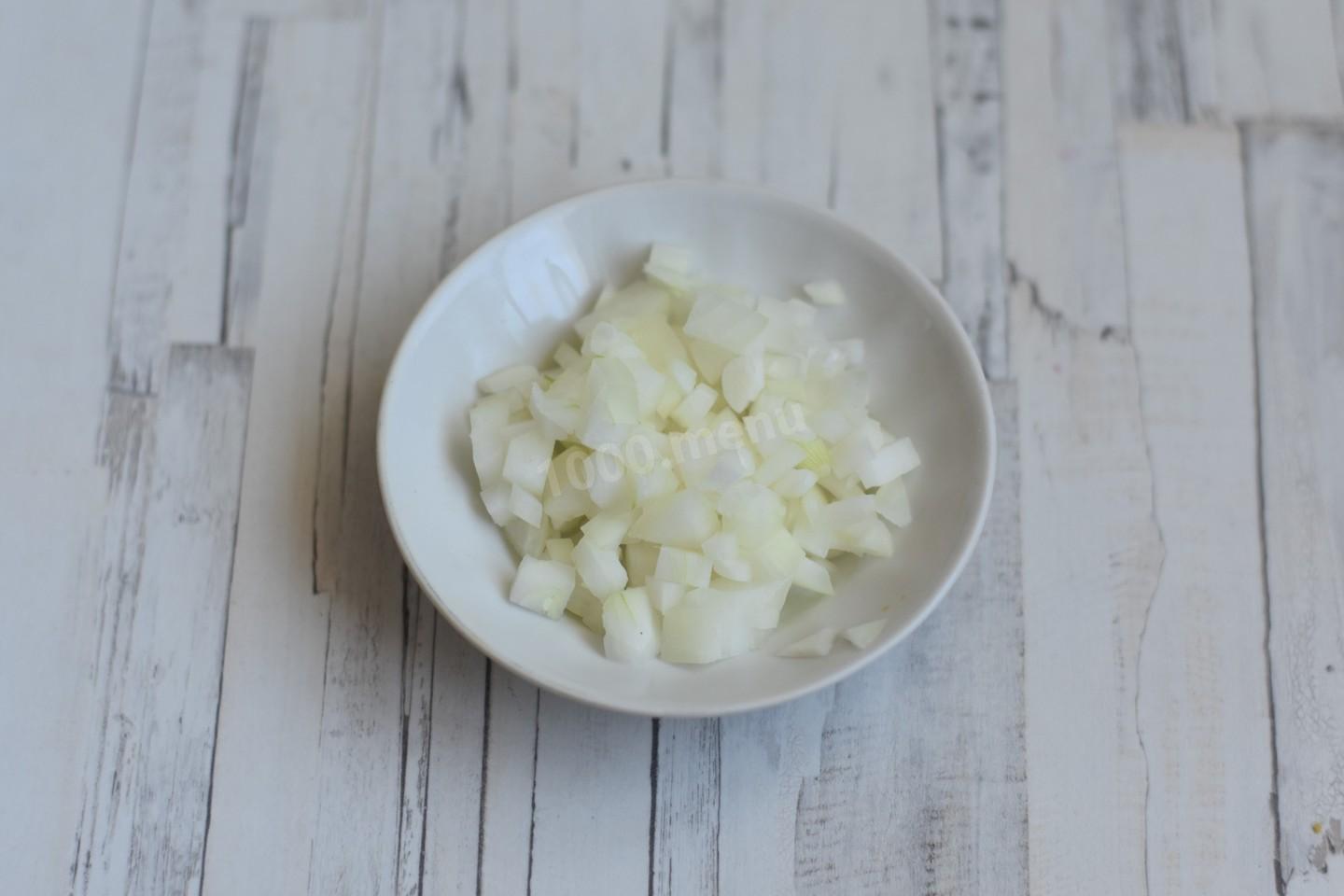
Peel the onion too and cut it into small cubes. If you or your kids don't like onion, you can leave it out of the sauté so it doesn't crunch. Still, onion contains substances the body needs, so I usually add a whole onion to the broth and then discard it, and make the sauté without onion.
-
Step 13:
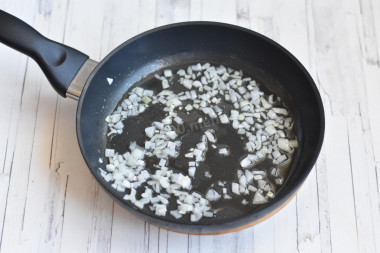
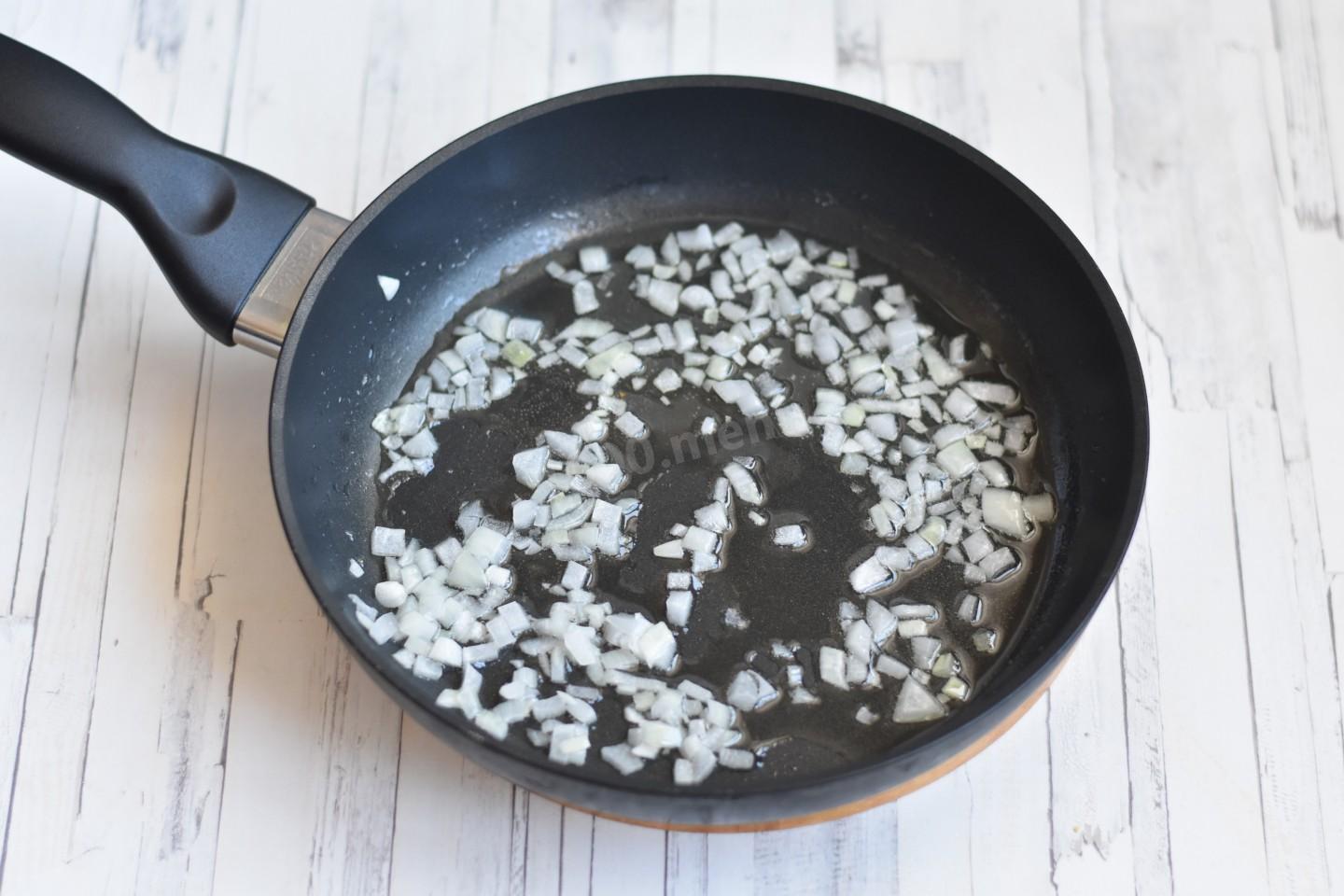
Heat the vegetable oil in a skillet over medium heat and fry the onion for 1–2 minutes.
-
Step 14:
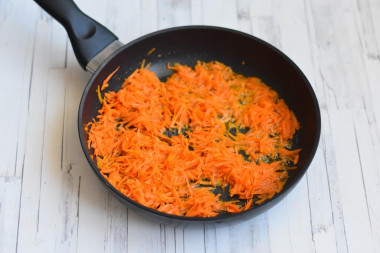
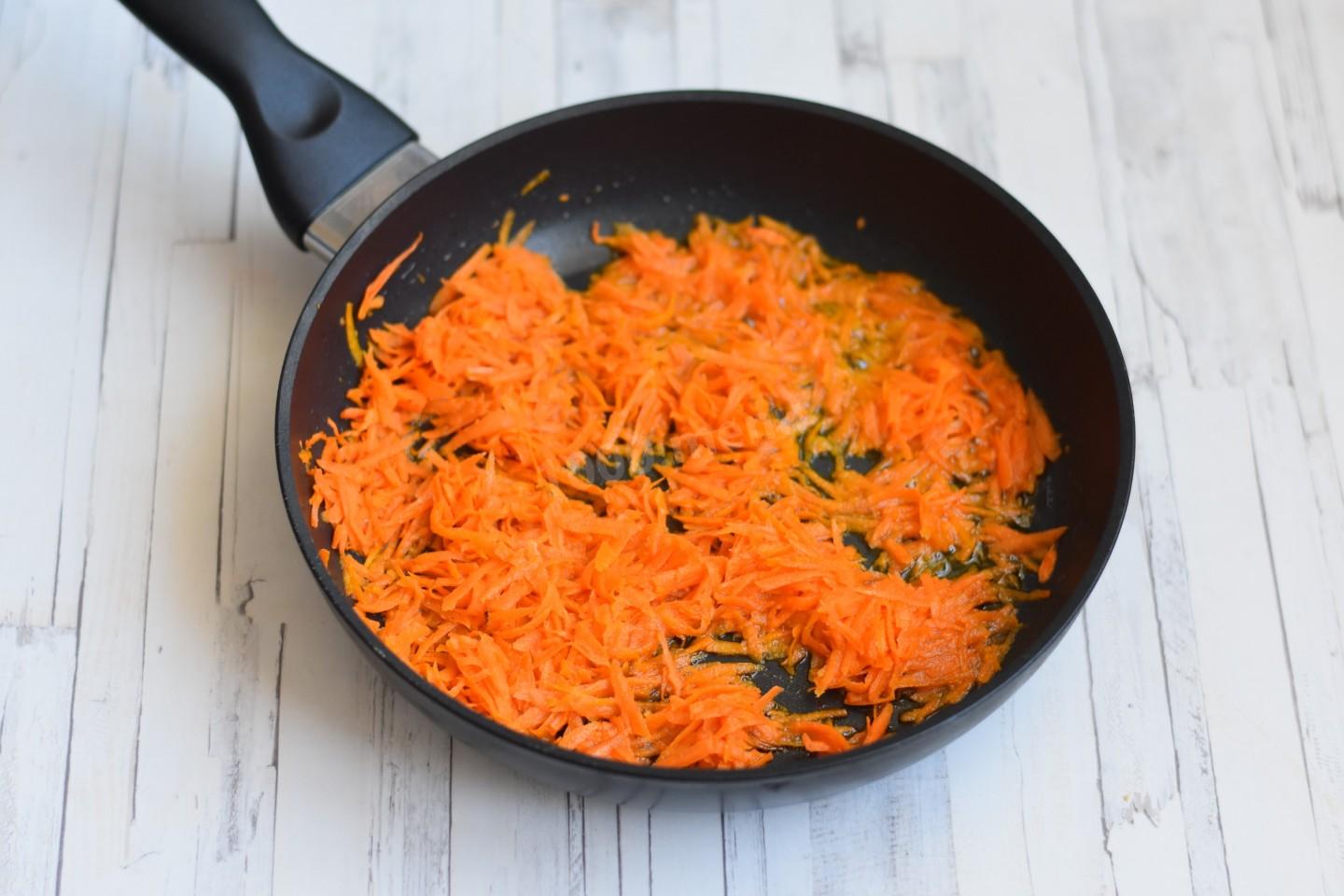
Then add the carrots and fry, stirring, until soft, another 3–5 minutes.
-
Step 15:
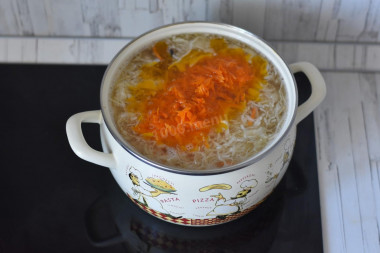
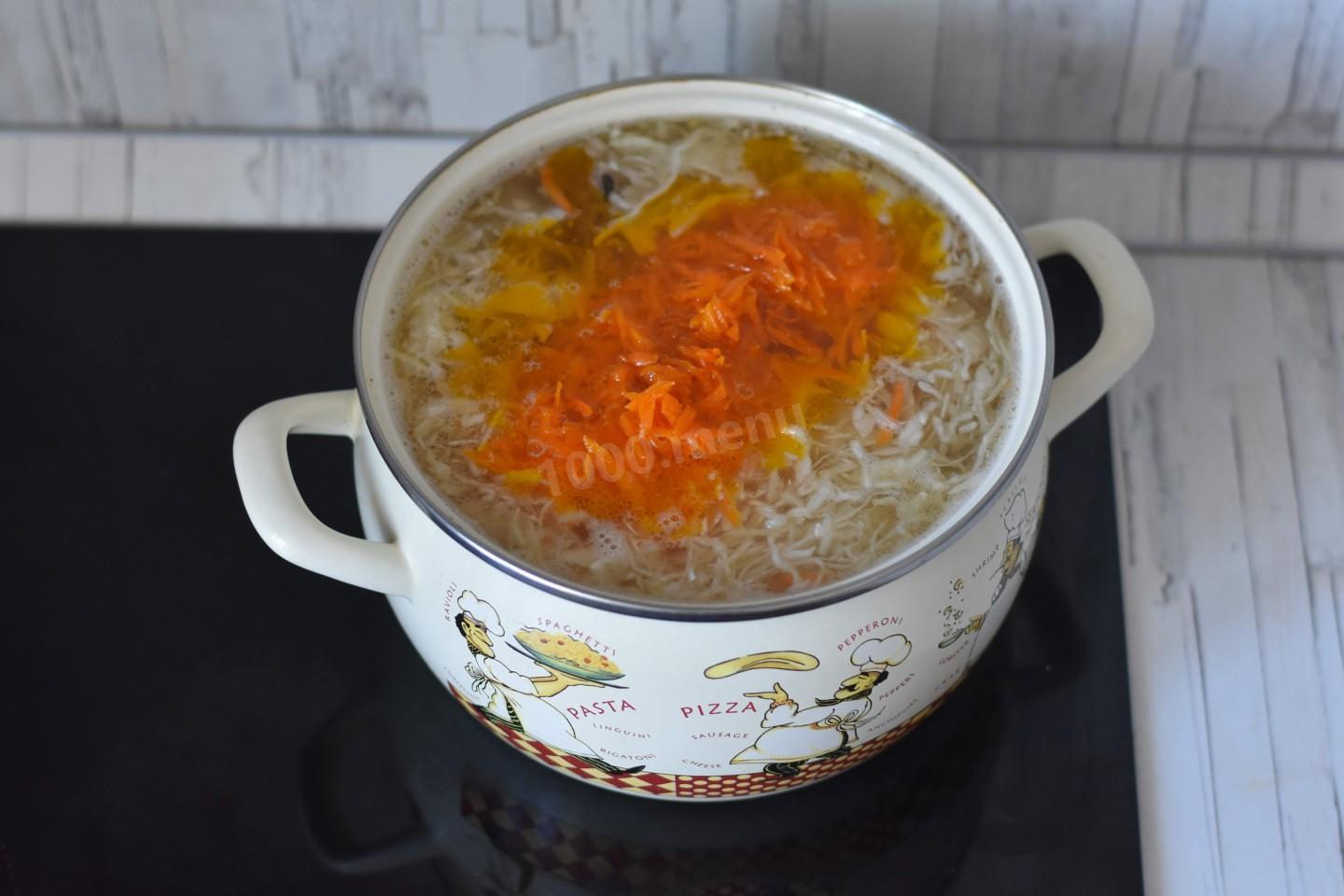
Add the sautéed vegetables to the pot of soup and cook everything together for 5–7 minutes.
-
Step 16:
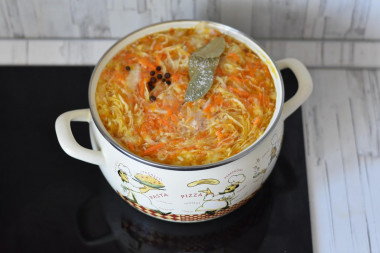
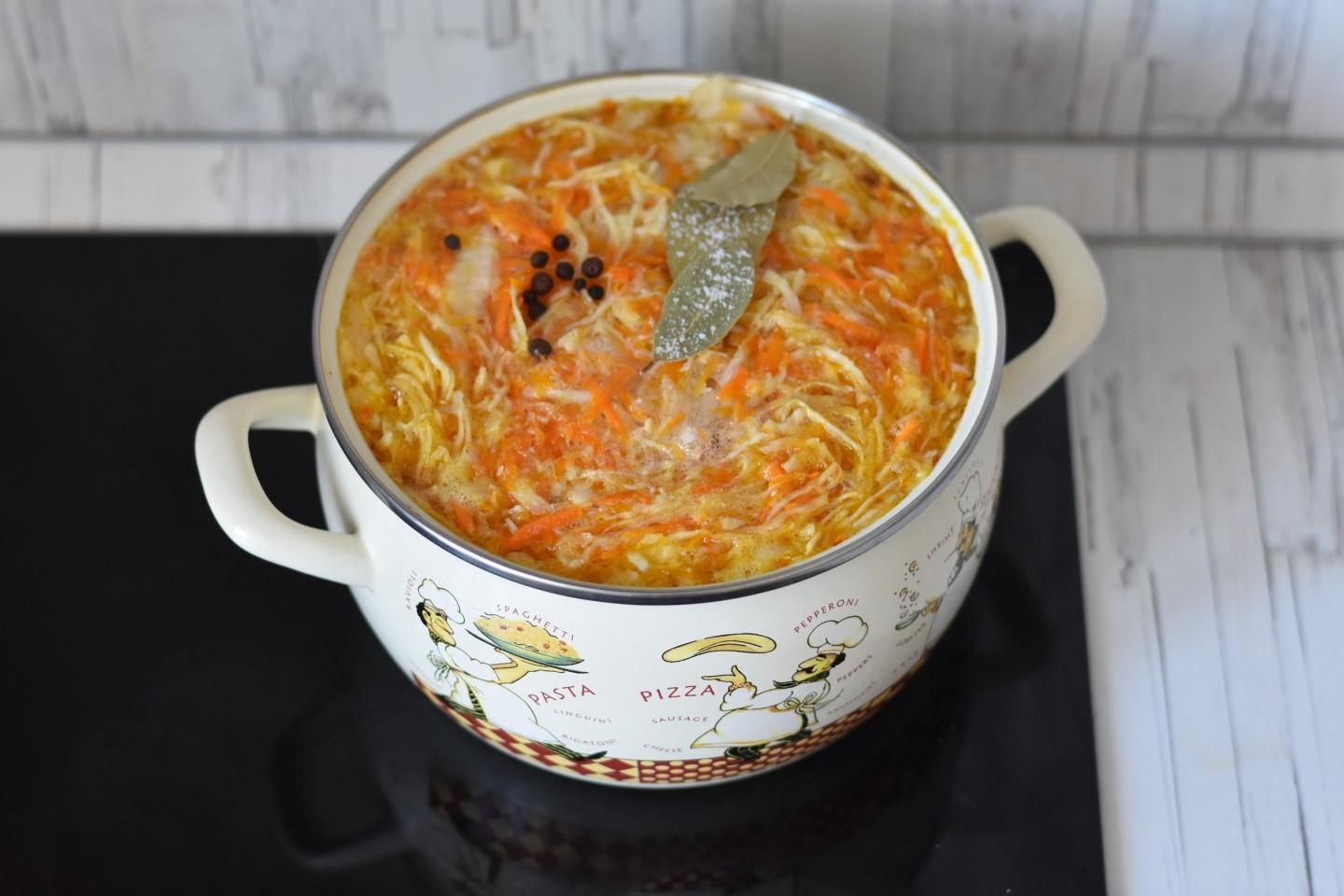
At the end, add both kinds of pepper and the bay leaves. Cook the shchi at a gentle simmer for 10 minutes.
-
Step 17:
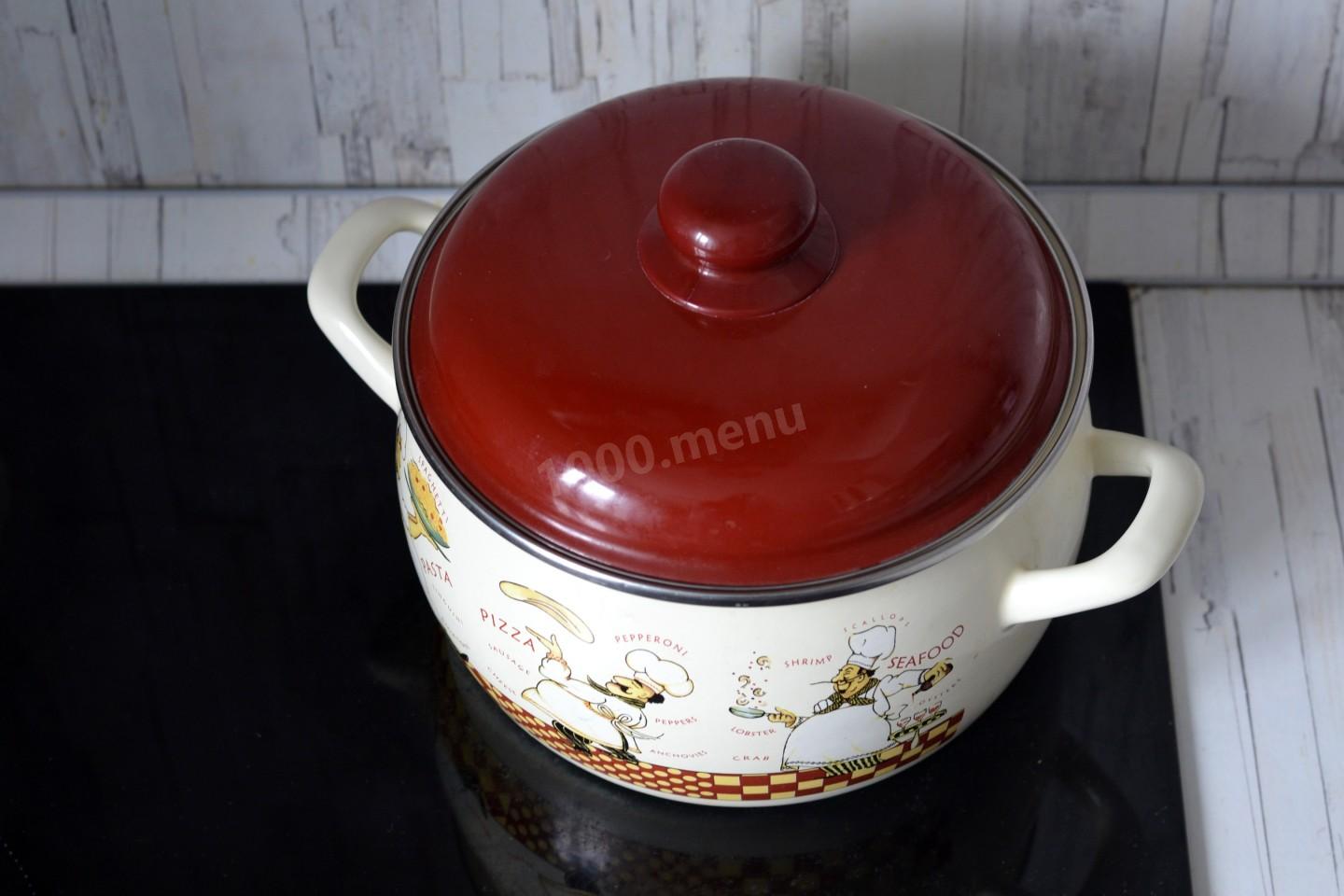
Take the finished shchi off the heat, cover the pot, and let the soup rest for 10–15 minutes. Then ladle it into bowls. You can serve it with sour cream. Enjoy!

- Important! Whether or not the recipe gives an amount of water, it's best to go by your own preference (how thick or thin you like your soup), as well as the size of your pot and the ingredients you're using. Keep in mind that the author has their own idea of how much meat, potato, grains, and other ingredients belong in the soup, which may not match yours. In practice, this means that if you're making it for the first time, don't cook a whole pot at once. Make a tasting batch for one or two people. Scale all the ingredients down to 1–2 servings and figure the water at anywhere from one cup per serving (for a very thick soup) up to 1.5–2 cups (for a thinner one). Remember that some liquid will boil off as it cooks. After tasting a small portion, you can adjust both the amount of liquid and the proportions to suit you. From then on, like most experienced cooks, you'll be able to add water and ingredients by eye.
- You can replace the beef with any other meat you prefer. Just keep in mind that the cooking time, as well as the taste and calorie count, will change. Pork and lamb are generally fattier than beef, while chicken breast or turkey are leaner. And the cooking time depends not only on the type of meat but also on which cut you use and how old or young the meat is.
Caloric content of the products possible in the composition of the dish
- Onion - 41 kcal/100g
- Ripe potatoes - 80 kcal/100g
- Baked potatoes - 70 kcal/100g
- Mashed potatoes - 380 kcal/100g
- Boiled potatoes - 82 kcal/100g
- Potatoes in their skins - 74 kcal/100g
- Fried potatoes - 192 kcal/100g
- Rendered beef fat - 871 kcal/100g
- Fatty beef - 171 kcal/100g
- Lean beef - 158 kcal/100g
- Beef brisket - 217 kcal/100g
- Beef rump - 380 kcal/100g
- Lean beef roast - 200 kcal/100g
- Beef shoulder - 137 kcal/100g
- Beef ribs - 233 kcal/100g
- Beef leg - 104 kcal/100g
- Oxtail - 184 kcal/100g
- Boiled ham - 269 kcal/100g
- Beef corned beef - 216 kcal/100g
- Carrots - 33 kcal/100g
- Dried carrots - 275 kcal/100g
- Boiled carrots - 25 kcal/100g
- Bay leaf - 313 kcal/100g
- Black peppercorns - 255 kcal/100g
- Sauerkraut - 19 kcal/100g
- Salt - 0 kcal/100g
- Water - 0 kcal/100g
- Sunflower oil - 898 kcal/100g
- Refined sunflower oil - 899 kcal/100g
- Allspice - 263 kcal/100g
Similar recipes



- National cuisine
- Classic recipes
- Old recipes
- Soups
- Meat and meat products
- Vegetables
- Spices seasonings spices
- Fats and oils
- Other
- Bay leaf
- Pepper
- Salt
- Vegetable oil
- Water
- Russian cuisine
- Classic soups
- Beef classic recipes
- Cooking
- Frying
- Shchi soup
- Meat soup
- Cabbage soup
- Potato soup
- Beef
- From carrots
- From potatoes
- From cabbage
- From onion
- No eggs
- Recipes for lean dishes without butter