Buckwheat Noodles with Beef and Vegetables
A colorful Asian-style dish to make at home. Buckwheat noodles don't have a pronounced buckwheat taste or aroma, but they keep all the grain's good qualities. Beef is one of the most nutritious meats, and combined with vegetables it makes a wholesome, tasty, balanced dish.



Cooking method
-
Step 1:
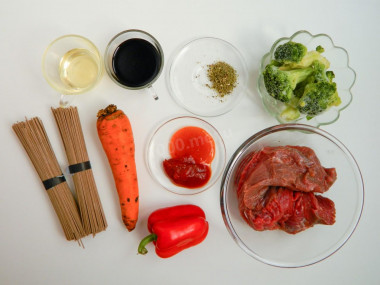
How do you make buckwheat noodles with beef and vegetables? Gather your ingredients. When buying the noodles, check the package for the cooking time, and ask if it isn't clear. Use medium carrots and peppers. Choose a cut of beef from the upper part of the carcass that's good for frying — with no excess liquid, off smell, or lots of sinew. Use any neutral, odorless vegetable oil.
-
Step 2:
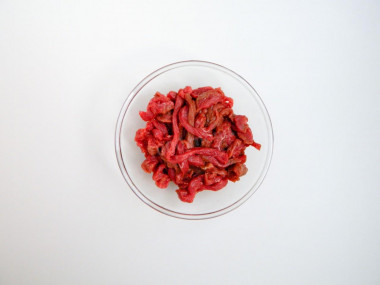
Rinse the meat well under running water and dry it. Trim off any sinew and membrane, and cut it into long pieces about 1/2 inch (1 cm) thick — the classic cut for this dish.
-
Step 3:
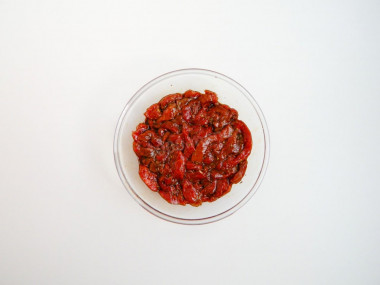
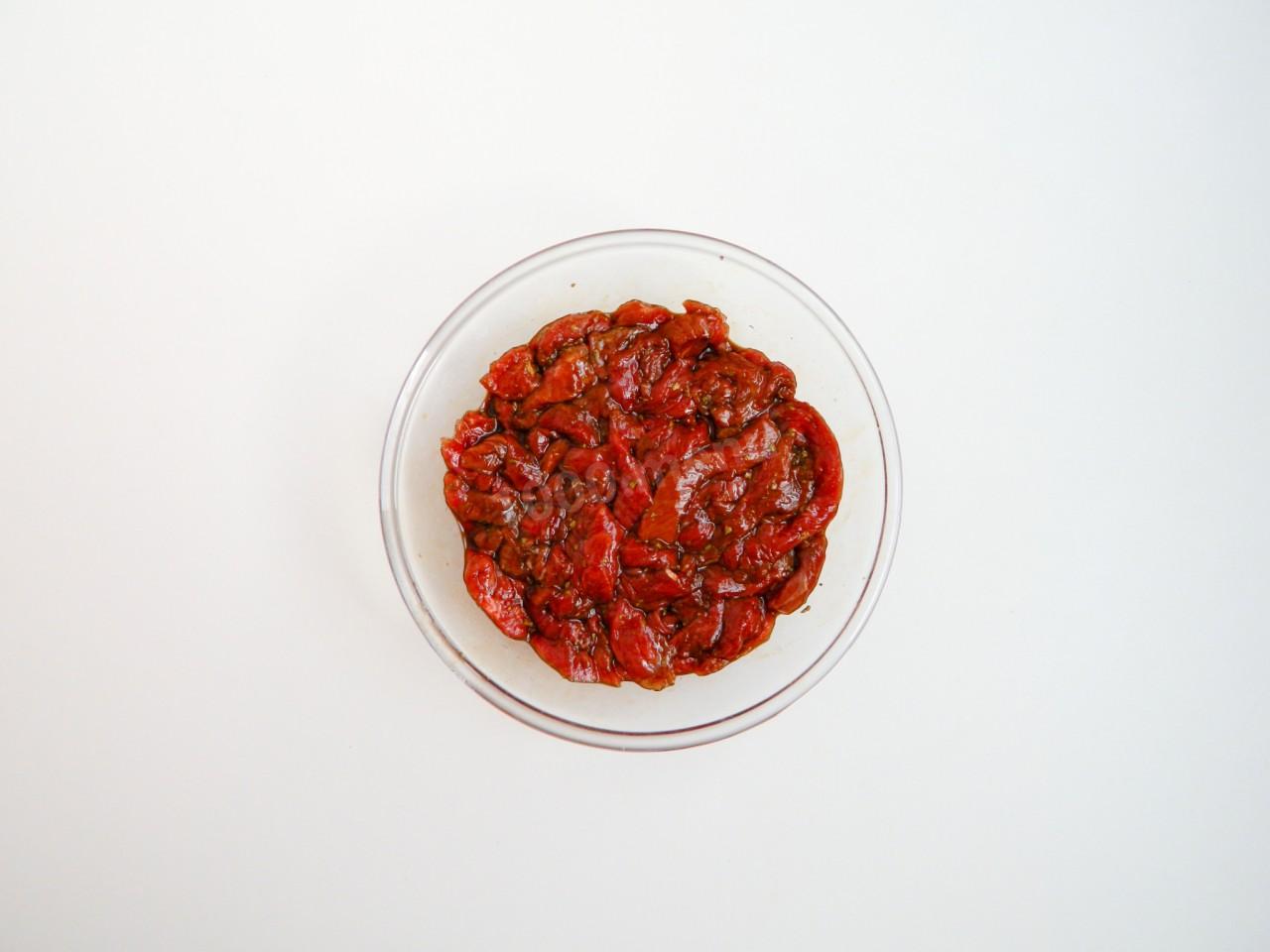
Use a non-reactive bowl for marinating — enameled, ceramic, or glass is ideal. Pour the soy sauce over the meat and add the marjoram and basil. No need to salt the meat; there's enough salt in the soy sauce. Stir and let it marinate for 30–40 minutes.
-
Step 4:
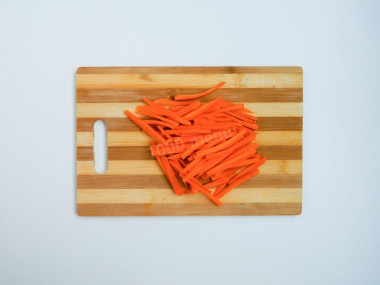
Wash, peel, and cut the carrot into strips about 4–5 cm long, so they hold their shape and don't fall apart.
-
Step 5:
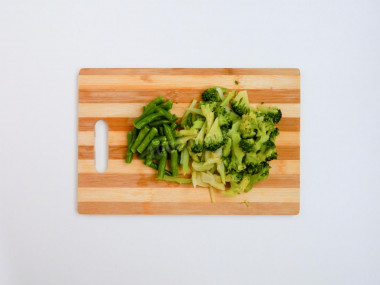
Rinse the broccoli, break it into florets, and cut them lengthwise into strips. Rinse the green beans, trim the tough ends, and cut them into 4–5 cm pieces. Cut this way, the vegetables blend nicely with everything else. If using frozen vegetables, take them out of the freezer 30–40 minutes ahead so they start to thaw and cook through.
-
Step 6:
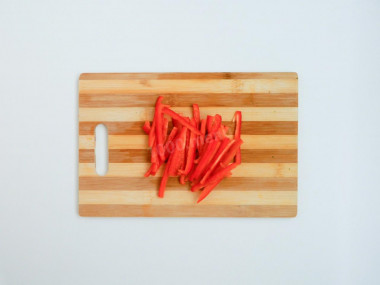
Rinse the pepper, remove the stem and seeds, and cut it into strips like the carrot.
-
Step 7:
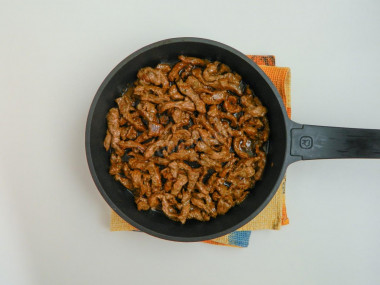
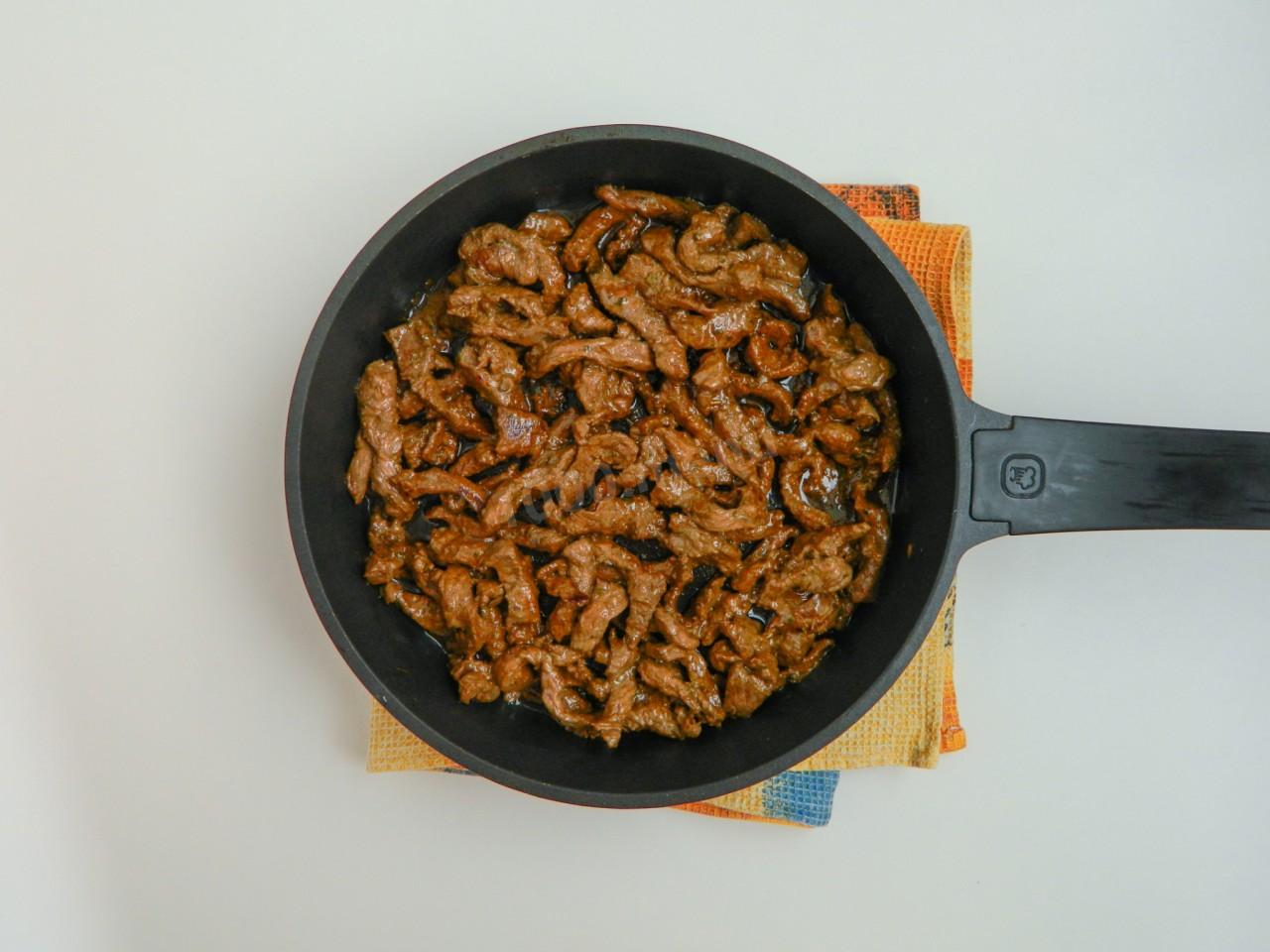
Use a high-sided pan — a wok is great for Asian dishes, since it's easier to cook in and gives a richer flavor. Add the marinated beef to a hot pan with the vegetable oil and fry 5 minutes per side over high heat. Check it with a fork: if it pierces easily, you chose a good cut and cooked it right.
-
Step 8:
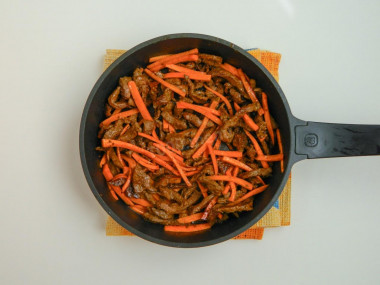
Add the cut carrot to the meat and fry for 5–6 minutes over medium heat, stirring occasionally.
-
Step 9:
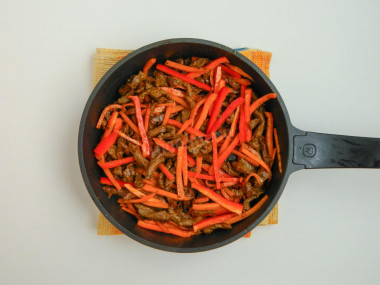
Add the cut pepper and keep frying for another 3 minutes, stirring as you go.
-
Step 10:
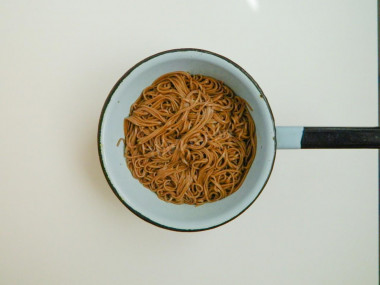
Cook the buckwheat noodles: drop them into boiling salted water, and once they sink in, stir and cook over low heat for as long as the package says — usually 3–5 minutes. Drain them in a colander. Don't overcook them, or they'll stick together and spoil the dish.
-
Step 11:
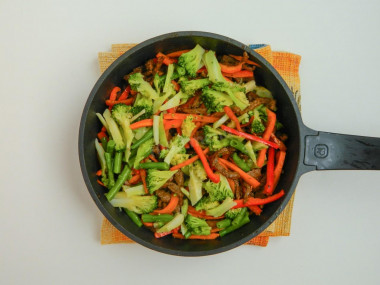
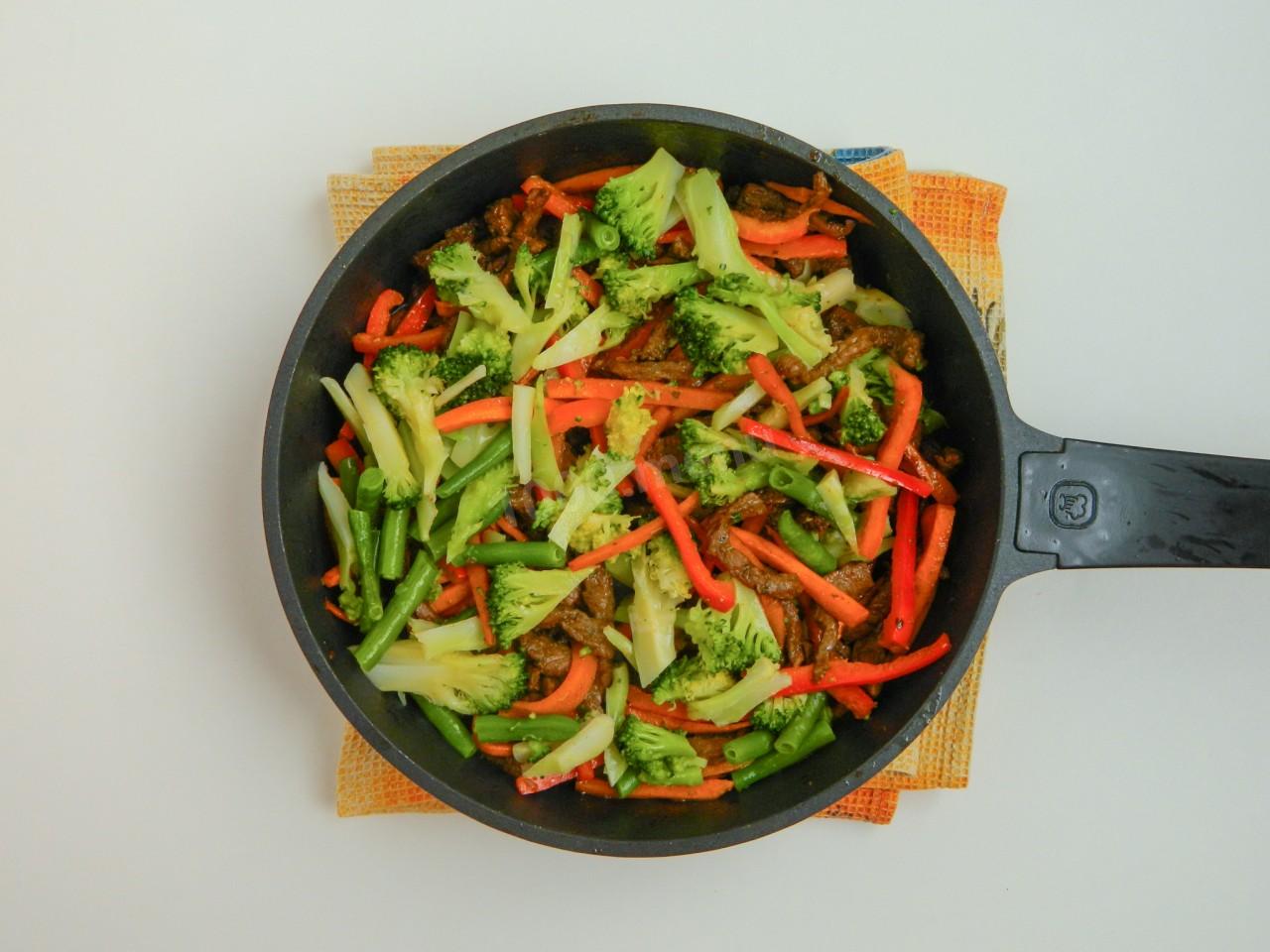
Add the beans and broccoli, cover, and simmer 3 more minutes over low heat so the vegetables don't scorch.
-
Step 12:
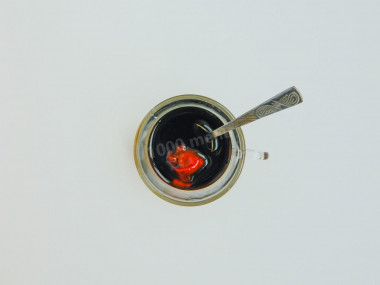
Make the sauce: mix the remaining soy sauce with the tomato paste and sweet chili sauce.
-
Step 13:
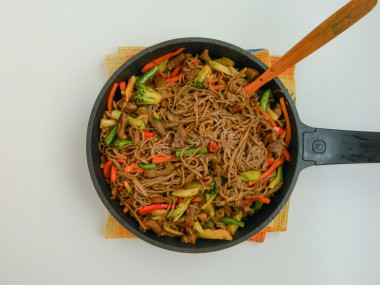
Add the noodles to the pan, pour in the sauce, and mix everything well. Your buckwheat noodles with beef and vegetables are ready.








- You can garnish the noodles with sesame seeds. Soba is a gray-brown Japanese noodle made from buckwheat flour. These days you can find Asian ingredients in our stores and cook the dish yourself. Buckwheat noodles with beef and vegetables will be a hit with pasta lovers. Adjust the flavor by changing the ratio of soy sauce to chili sauce to suit your taste — some like it spicier, some saltier. It looks great on the plate thanks to the bright vegetables and tidy cuts. Choosing good beef is tricky for a beginner, so if the meat turns out "rubbery" after frying, you can add a little warm water and braise it, adding the vegetables later.
- Important: the wrong pan can spoil even the best recipe, so it pays to pick the right one for the dish.
- For how to choose the ideal pot for soup, porridge, or pickling, see the article on pots and pans.
- Everyone's tolerance for salt, sweetness, bitterness, heat, and acidity is different, so always season to taste. If you're trying a spice for the first time, go easy — some, like chili pepper, are especially easy to overdo.
Caloric content of the products possible in the composition of the dish
- Sweet pepper - 27 kcal/100g
- Carrots - 33 kcal/100g
- Dried carrots - 275 kcal/100g
- Boiled carrots - 25 kcal/100g
- Broccoli - 33 kcal/100g
- Fresh basil - 27 kcal/100g
- Dried basil - 251 kcal/100g
- Marjoram - 271 kcal/100g
- Soy sauce - 51 kcal/100g
- Vegetable oil - 873 kcal/100g
- Tomato paste - 28 kcal/100g
- Salt - 0 kcal/100g
- String beans - 24 kcal/100g
- Beef fillet (steak) - 189 kcal/100g
- Beef fillet (roast beef) - 381 kcal/100g
- Chili sauce - 98 kcal/100g
- Buckwheat noodles - 348 kcal/100g
Similar recipes

- Homemade dinner
- Kitchen utensils
- National cuisine
- Second course
- Meat and meat products
- Semi-finished products
- Vegetables
- Pasta
- Legumes
- Spices seasonings spices
- Fats and oils
- Other
- From beans
- Basil
- Marjoram
- Salt
- Wok
- Vegetable oil
- Tomato paste
- Asian cuisine
- Cooking
- Frying
- Marinating
- In a frying pan
- Спагетти
- Meat second course
- Second courses of cabbage
- Beef
- Sauce
- Meat for dinner
- From carrots
- From cabbage
- From sweet pepper
- No eggs
- Recipes for lean dishes without butter
- Noodles