
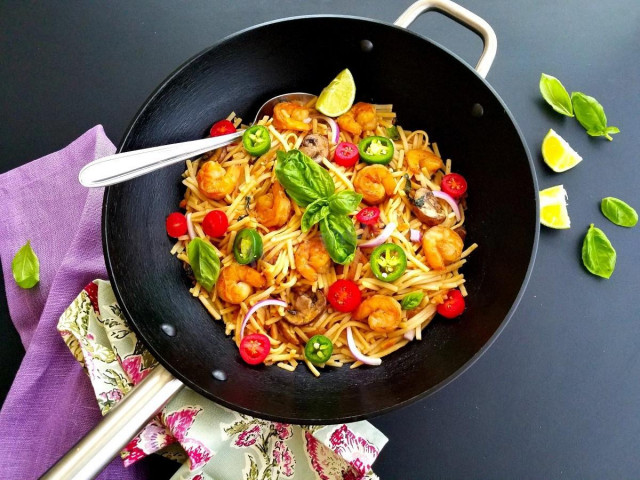
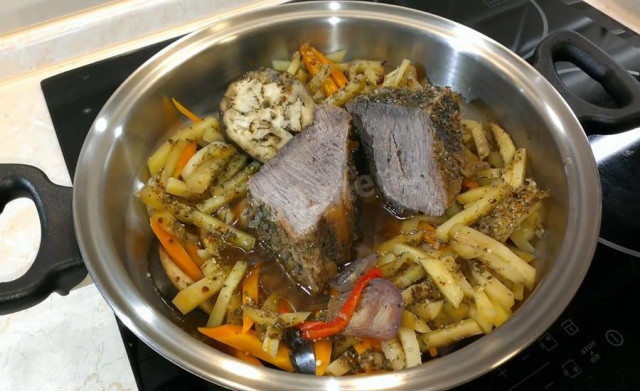
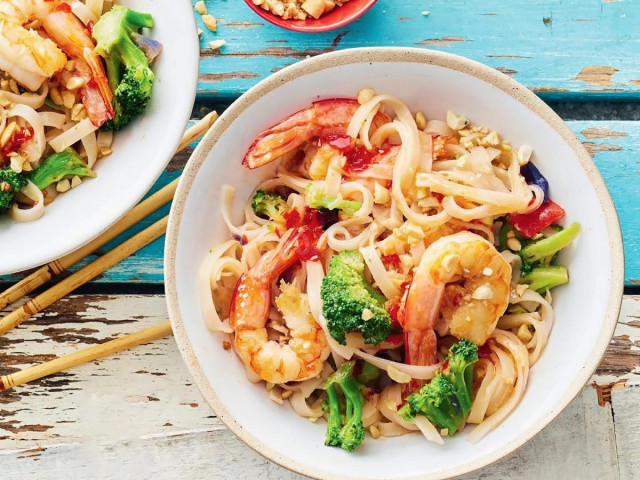
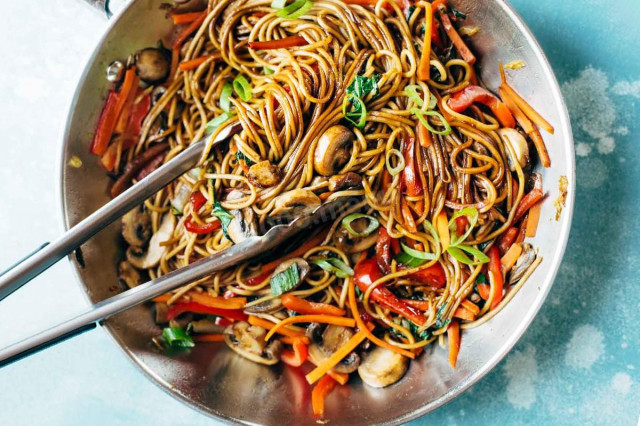
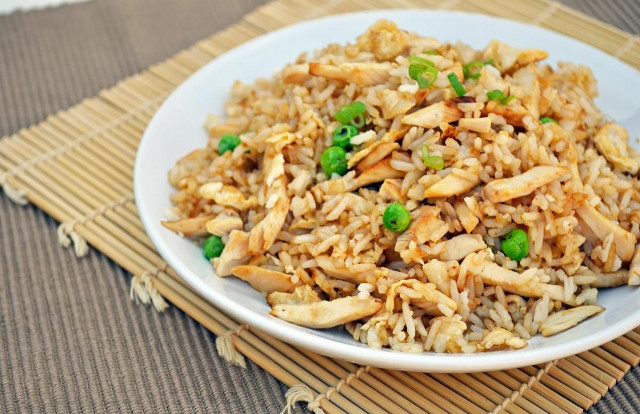

But having exotic ingredients isn't a guarantee of success — you need the right cookware. A wok is ideal for the job: a versatile pan with high sides and a flat or rounded bottom. A lid and a special rack come with it. The small diameter of the bottom lets you use oil in small amounts, so the food comes out low-fat and healthy. The wok is also used as a deep fryer and a steamer.
The five most commonly used ingredients in recipes:
| Product | Calories per 100g | Protein g per 100g | Fats g per 100g | Carbohydrates g per 100g |
|---|---|---|---|---|
| Soy sauce | 51 | 6 | 0 | 66.6 |
| Carrots | 33 | 1.3 | 0.1 | 6.9 |
| Bell pepper | 27 | 1.3 | 0 | 5.7 |
| Sugar | 398 | 0 | 0 | 99.7 |
| Green onion | 19 | 1.3 | 0 | 4.6 |
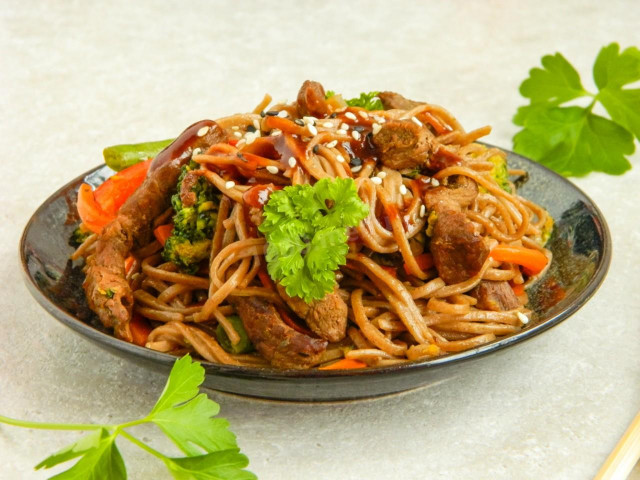
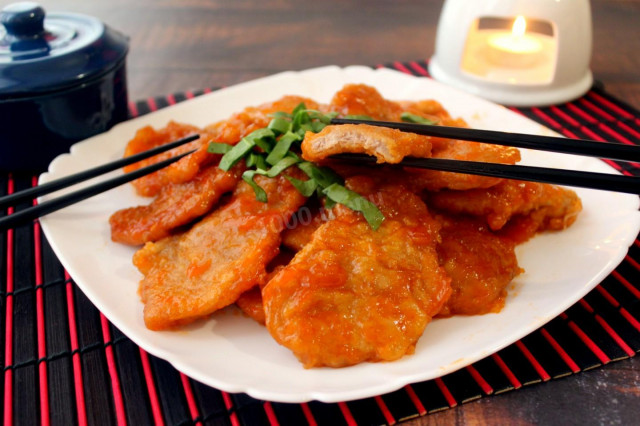
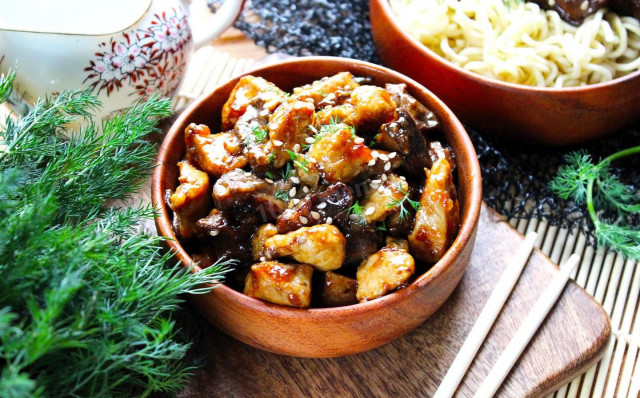
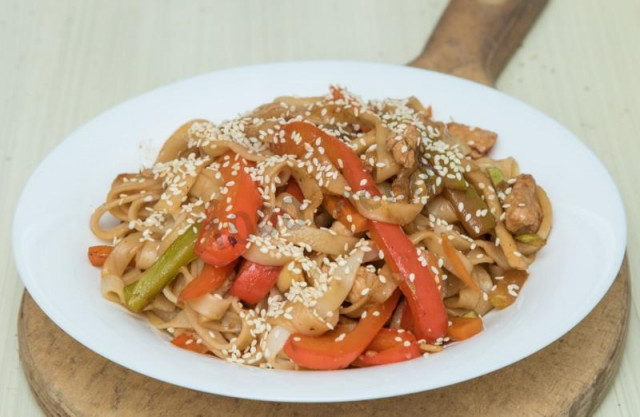
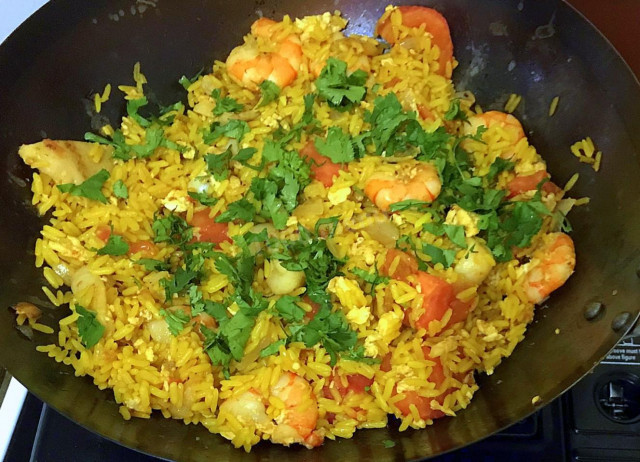
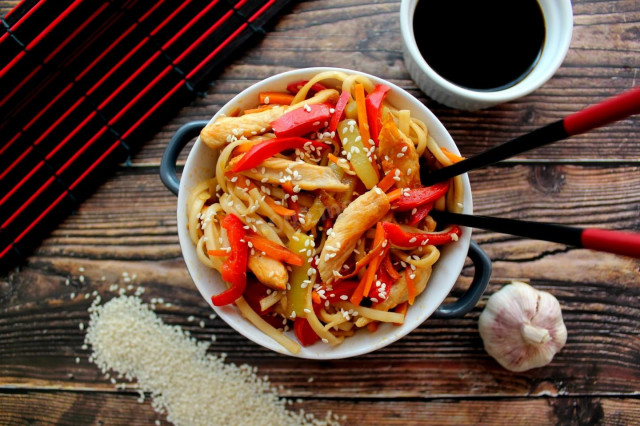
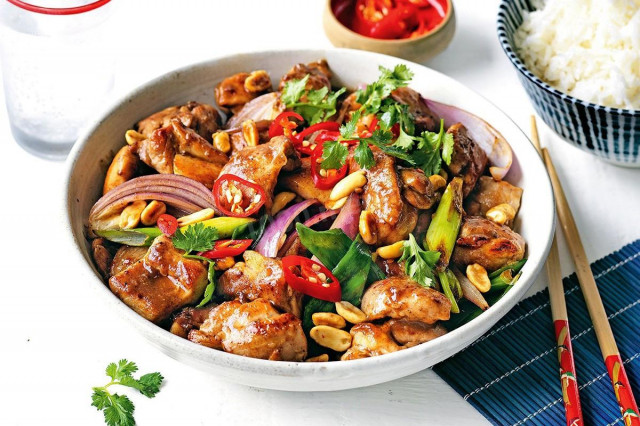
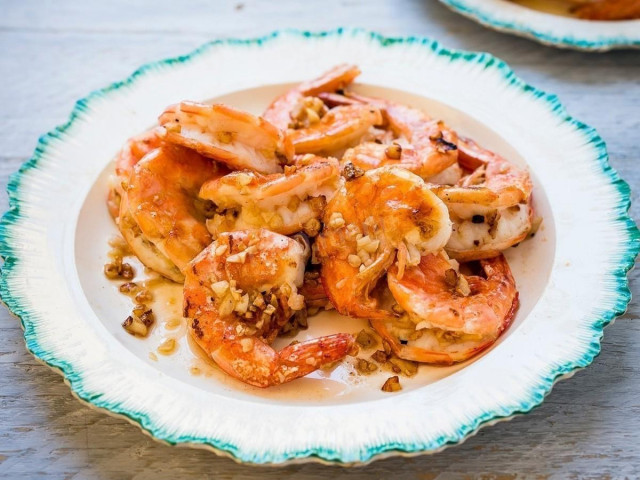
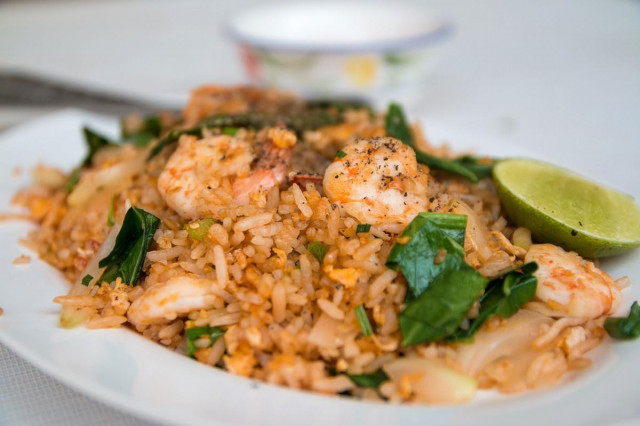
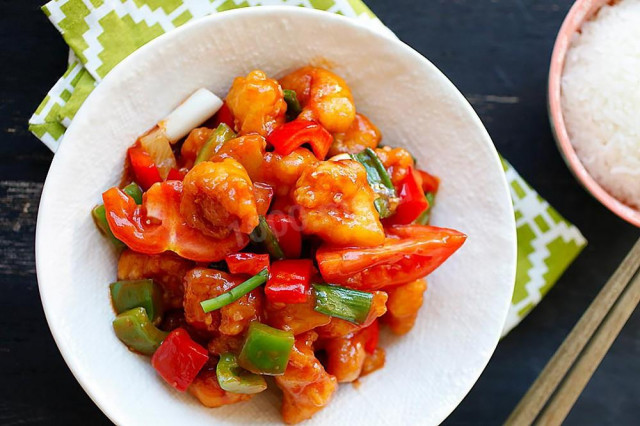
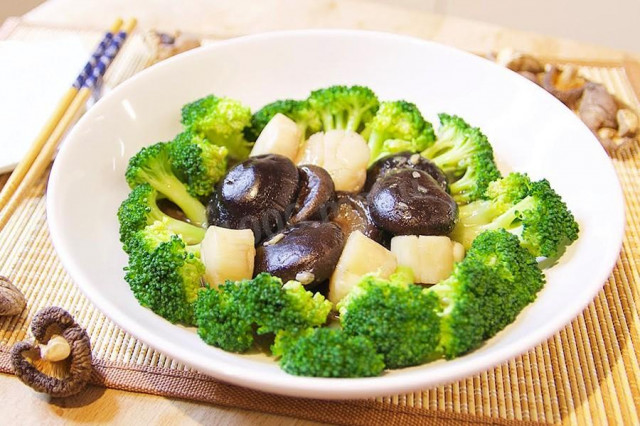
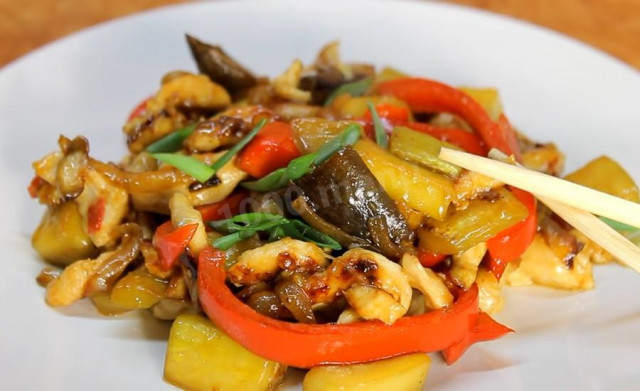
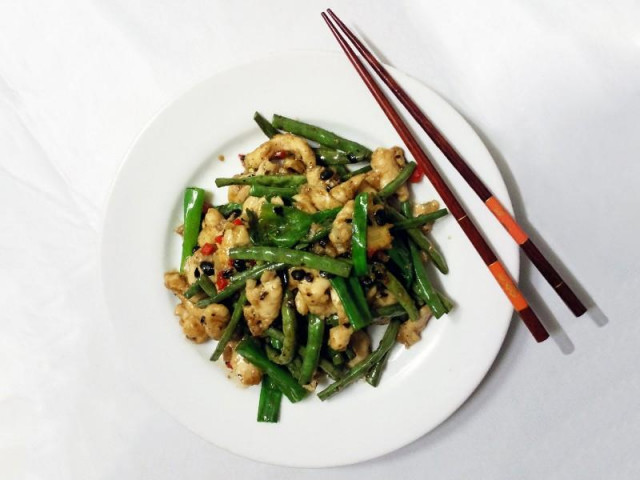
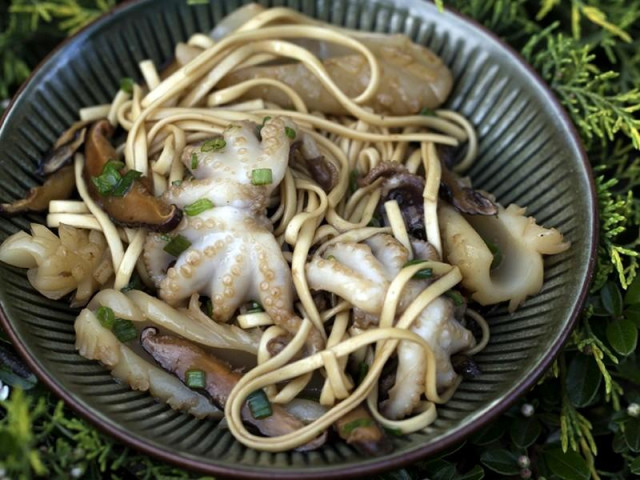
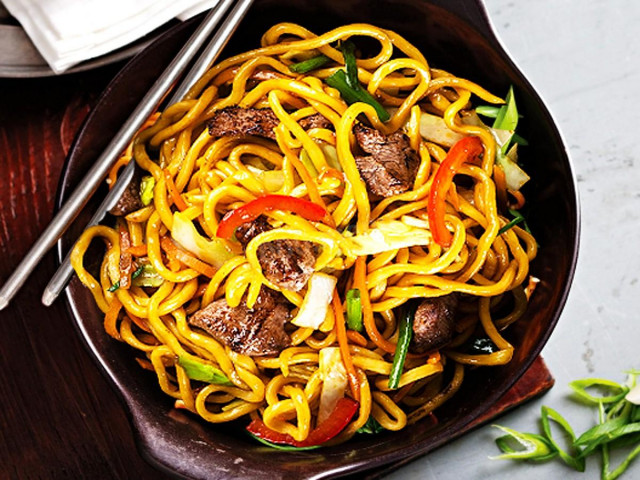
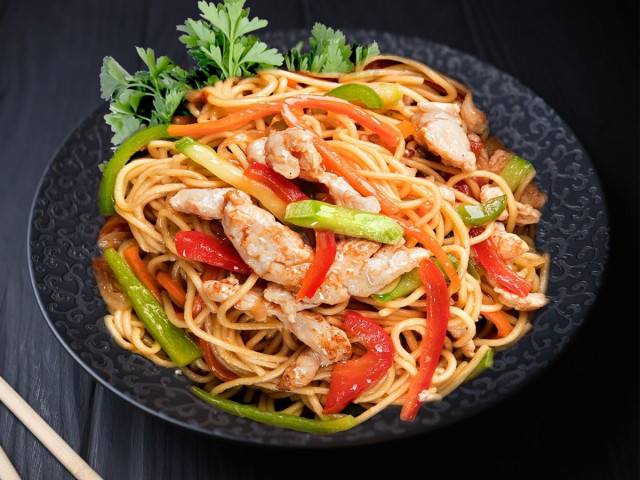
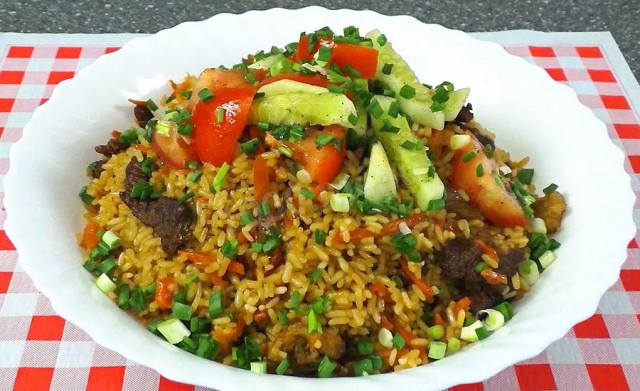
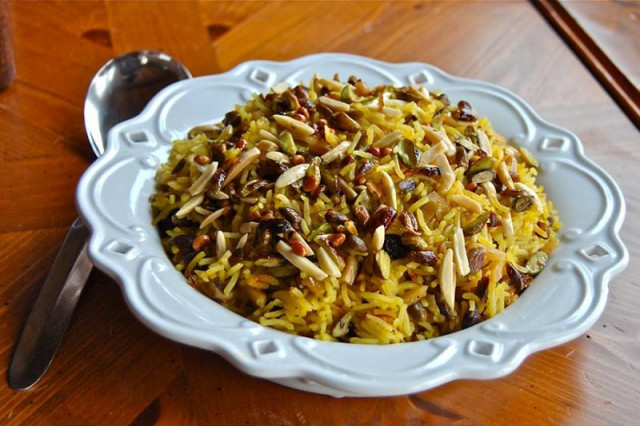
Its advantage lies in the brief heat treatment of meat, seafood, and vegetables at a very high temperature and in the shorter cooking time, thanks to which they take on a special, deep, rich flavor that can't be achieved with ordinary cookware. Wok recipes are wonderfully varied: warm meat salads, fried tofu with mushrooms, beef with honey and ginger, pork in wine, chicken in sweet-and-sour sauce, pilaf, noodles, vegetables with sesame seeds, and other Asian dishes.