No-Cook-Bath Tomato Juice for Winter
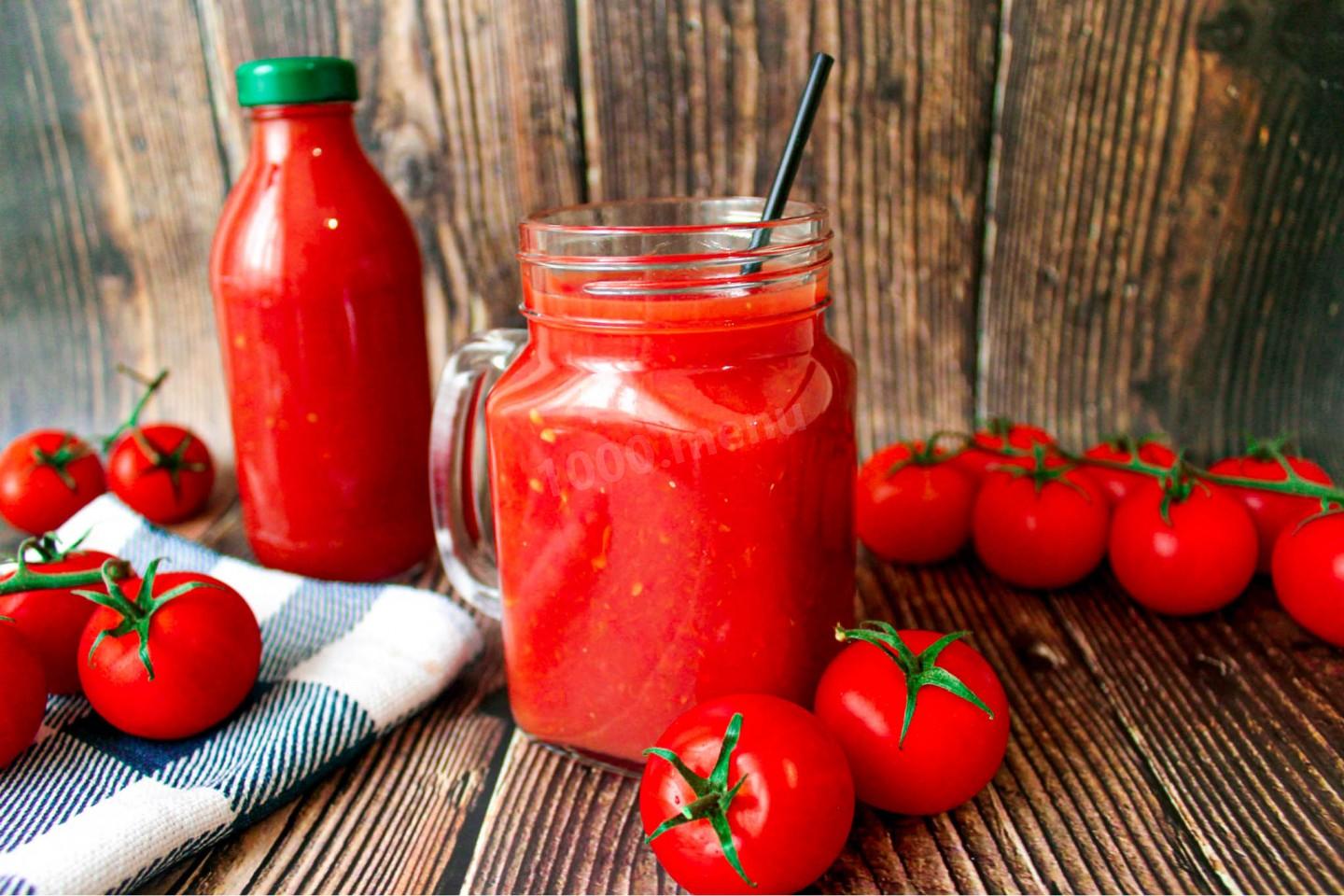
Wholesome, light, natural, and made from just two ingredients! This tomato juice for winter takes no processing bath and comes together very simply—no preservatives or additives, just tomatoes and salt. If you like, you can season your preserve with ground black pepper.

Cooking method
-
Step 1:
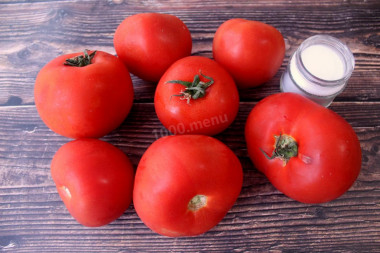
How do you make no-processing-bath tomato juice for winter? Gather your ingredients. Tomatoes are best bought at a farmers' market. Any variety works, but ideally they should be ripe and meaty—that determines the thickness, color, and quality of the juice. The meatier the tomatoes, the sweeter and thicker the juice.
-
Step 2:

Rinse the tomatoes under water, cut them in half, and remove the stem end along with the core—that is, the spot where the stem attaches and runs down into the tomato. After removing the stem end, cut the tomatoes into wedges.
-
Step 3:
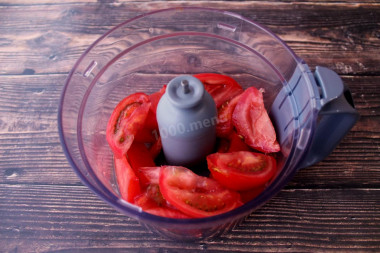
Put some of the tomato wedges in a blender and blend them well into a tomato purée. Pour the purée into a pot, load the next batch of wedges into the blender, and blend again. Work through all the tomatoes this way.
-
Step 4:

Use a fairly large pot, since the juice bubbles and can splash out of a small one. Add the salt to the tomato purée in the pot. At this point you can also add ground black pepper if you like. You can leave it unseasoned entirely and just salt and pepper it right before drinking.
-
Step 5:
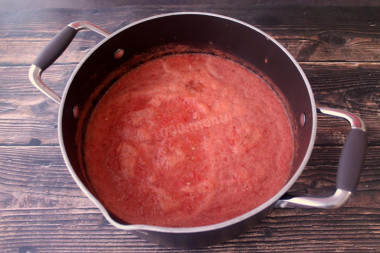
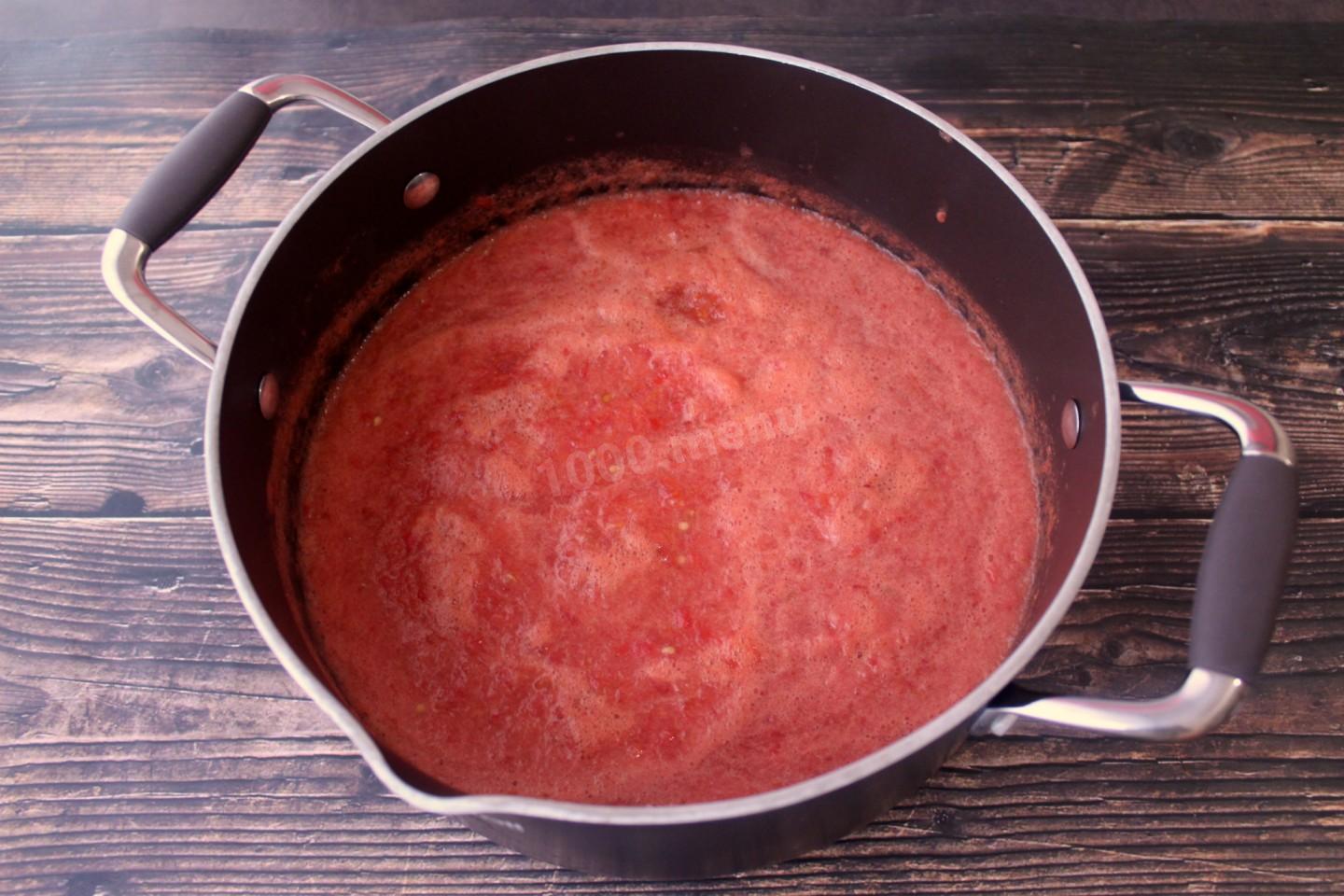
Set the pot of tomato purée over medium heat and bring it to a boil. Don't use high heat—the juice bubbles hard, and hot juice can splash onto you and cause a burn. As it cooks, foam will form on the surface; you don't need to skim it, as it gradually settles back on its own. Cook the juice, stirring occasionally, for 10 to 15 minutes after it boils. The time depends on how ripe your tomatoes are.
-
Step 6:
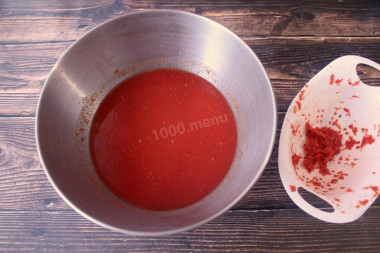
To make the juice smoother, press it through a sieve—this gets rid of small bits of skin and seeds. Pour the strained juice back into the pot and reheat it.
-
Step 7:
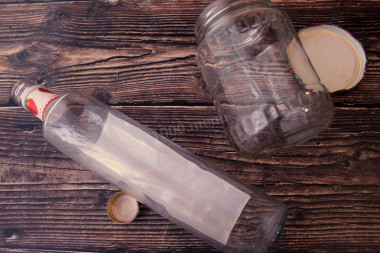
Get the glass jars ready for storing the juice. Sterilize the jars and lids ahead of time however you like—in the oven, over steam, in water, or even in the microwave.
-
Step 8:
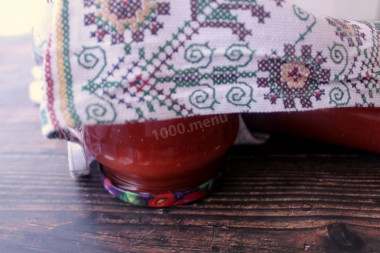
Pour the finished hot juice into the sterilized jars and seal them with sterile lids. Turn the jars upside down, cover them with a blanket, and let the juice cool completely. The next day, move the tomato juice to storage. A cellar or basement is the best spot—always cool and dark. It's not recommended to store unprocessed juice for more than 2 years.




- If you don't have a blender, you can run the tomatoes through a meat grinder. I don't recommend a juicer, though, since pushing tomatoes through one gives you juice without pulp—all the solids stay behind in the pulp compartment, and that juice is less rich in both flavor and texture.
- I used juicy Azerbaijani tomatoes for this juice. From this amount of ingredients, I got about 950 ml of homemade juice—roughly a store carton's worth. The yield depends on a lot of factors, of course: first, how meaty and juicy your tomatoes are; second, how powerful your blender is; and third, how thoroughly you press the purée through the sieve. So you may end up with a different amount.
- To make sure your summer stores keep you happy all through the cold season, read up on the basic rules, secrets, and tips for winter preserves.
Caloric content of the products possible in the composition of the dish
- Tomatoes - 23 kcal/100g
- Salt - 0 kcal/100g