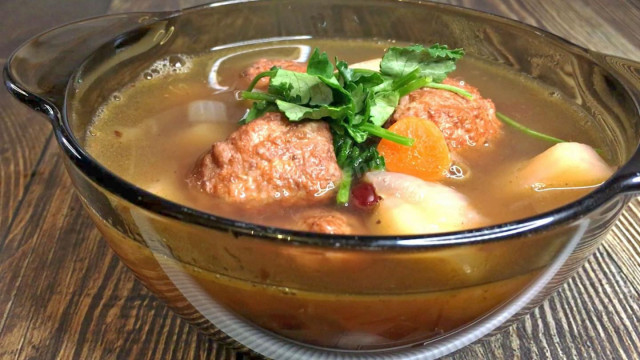
Red Bean and Meatball Soup with Tomatoes
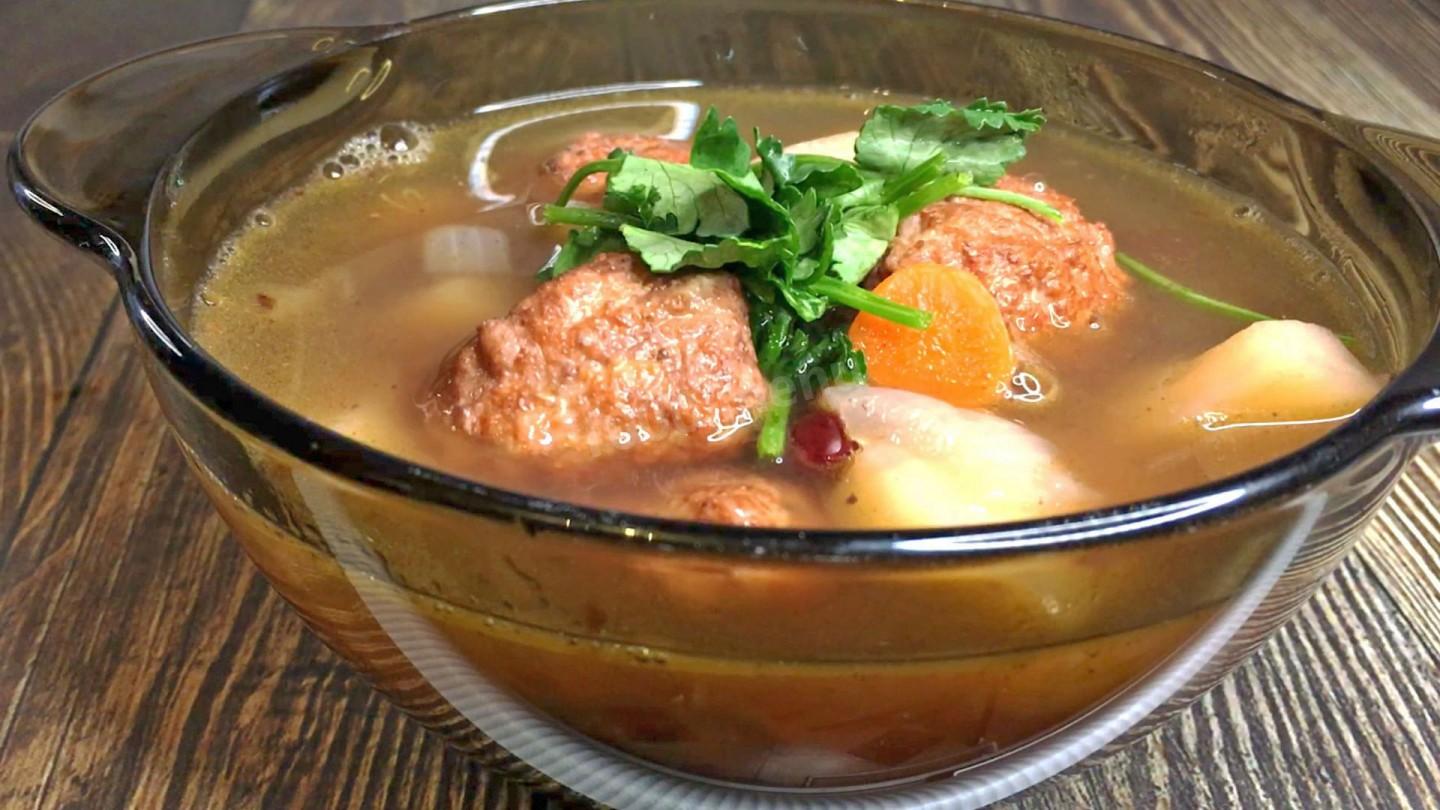
A tasty, hearty, and wholesome bean soup with meatballs. Soup with meatballs and beans is a delicious, simple, and—most importantly—healthy lunch for the whole family. If you like, you can add a little red chili pepper to the meat mixture to give the meatballs a bit of a kick.
nordia
Recipe author
Red Bean and Meatball Soup with Tomatoes
Nutrients and energy value of the composition of the recipe
By weight of the composition:
Proteins 25 %
2 g
Fats 38 %
3 g
Carbohydrates 38 %
3 g
40 kcal
GI:
100
/
0
/
0
- Soak the beans for 2 hours, then put them in a pot, add 2 liters of water along with the onion, garlic, and bay leaf, and cook for 1 hour. Cut up the potatoes, onion, tomato, and carrot. Add the egg, salt, and pepper to the ground meat, mix, and shape into meatballs. Heat a skillet, brush it with a little vegetable oil, and brown the meatballs on all sides. After the hour is up, remove the onion, garlic, and bay leaf from the pot. Add the vegetables and meatballs to the broth and cook for 15 minutes. At the end, season with salt and pepper to taste.
- Red beans are one of the healthiest foods in our diet.
- Beans are an easily digestible protein and a great meat alternative for vegetarians and anyone fasting. Red beans contain up to 25% protein, which rivals meat protein in nutritional value—and bean protein is 70–80% absorbed.
- Beans for weight loss. Red beans contain substances that curb the appetite and slow the absorption of fast carbohydrates, reducing the calories your body takes in.
- Good for the heart and blood vessels. The arginine in red beans takes part in nitrogen metabolism and has an insulin-like effect, helping lower blood sugar and reduce the risk of diabetes. Folic acid can lower homocysteine, high levels of which are a risk factor for heart and vascular disease, and the high magnesium content supports circulation.
- Good for the gut. Red beans are high in fiber. Plant fiber benefits the digestive system, helping cleanse the intestines and flush out waste. One cup of beans meets the body's daily fiber needs.
- Good for immunity. The sulfur in red beans supports immunity and the body's resistance to infection, and their antioxidant properties speed the elimination of toxins while bolstering the immune system.
- High in vitamins and minerals. Beans are packed with nutrients essential to the body. Red beans top the charts for aluminum, boron, potassium, calcium, magnesium, and copper, and they also contain plenty of sulfur, phosphorus, and iron. The B vitamins, plus C, E, K, and essential amino acids, are all vital for the body to function normally.
- Beans should never be eaten raw, as that can cause poisoning. Raw beans contain phasin and phaseolunatin—toxic substances that are easily neutralized by soaking the beans in water or by any heat treatment.
- Beans appear in cuisines all over the world, used in everything from light, healthy dishes to festive ones.
- Before cooking, dried beans are soaked in water for several hours and then boiled for a long time. Canned beans can simplify cooking and save time, and they still retain a good share of their vitamins and minerals.
Caloric content of the products possible in the composition of the dish
- Onion - 41 kcal/100g
- Ripe potatoes - 80 kcal/100g
- Baked potatoes - 70 kcal/100g
- Mashed potatoes - 380 kcal/100g
- Boiled potatoes - 82 kcal/100g
- Potatoes in uniform - 74 kcal/100g
- Fried potatoes - 192 kcal/100g
- Tomatoes - 23 kcal/100g
- Carrots - 33 kcal/100g
- Dried carrots - 275 kcal/100g
- Boiled carrots - 25 kcal/100g
- Garlic - 143 kcal/100g
- Bay leaf - 313 kcal/100g
- Mixed minced meat - 351 kcal/100g
- Water - 0 kcal/100g
- Egg yolks - 352 kcal/100g
- Red beans - 93 kcal/100g
Similar recipes


Related and additional categories:
- Soups
- Eggs
- Meat and meat products
- Vegetables
- Legumes
- Spices seasonings spices
- Other
- From beans
- Garlic
- Bay leaf
- Water
- Cooking
- Frying
- In a frying pan
- Egg soup
- Meat soup
- Tomato soup
- Minced soup
- Potato soup
- Bean soup
- Eggs with tomatoes
- Egg yolks
- Minced meat
- From carrots
- From potatoes
- From tomato
- From onion
- Recipes for lean dishes without butter