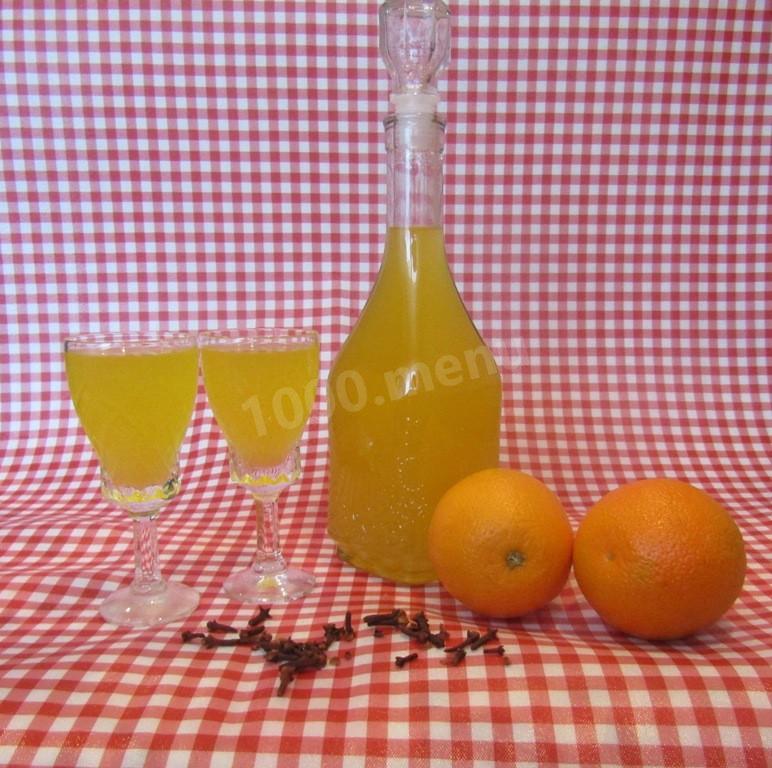
Orange-Clove Liqueur
A delicious, fragrant liqueur for any festive table. When the holiday is just a couple of days off and you've already drunk through your home stash, quick liqueurs and cocktails come to the rescue. This orange-clove liqueur is exactly that kind of recipe—let's make it!

Cooking method
-
Step 1:
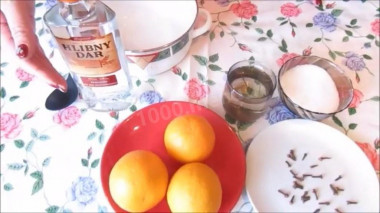
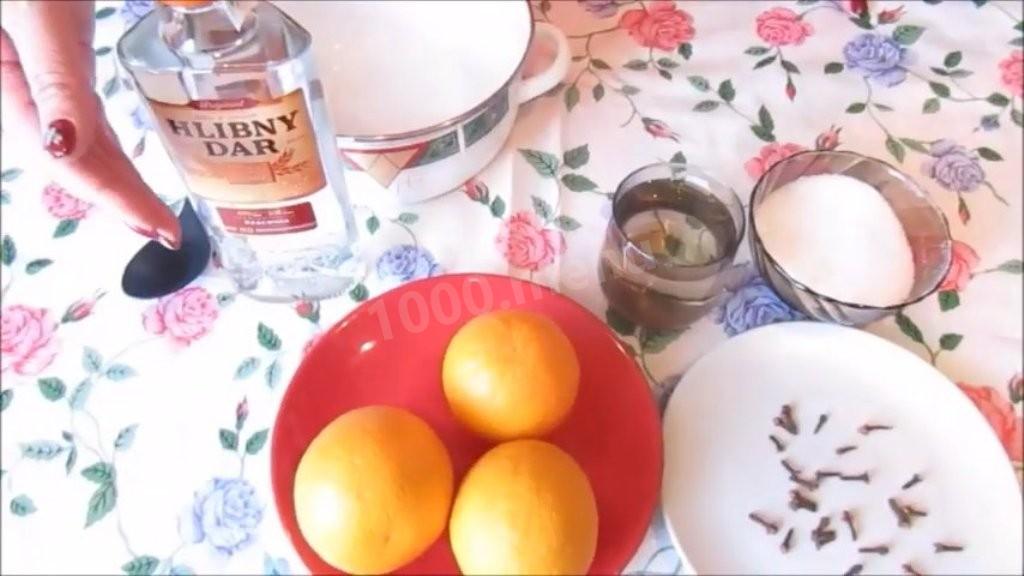
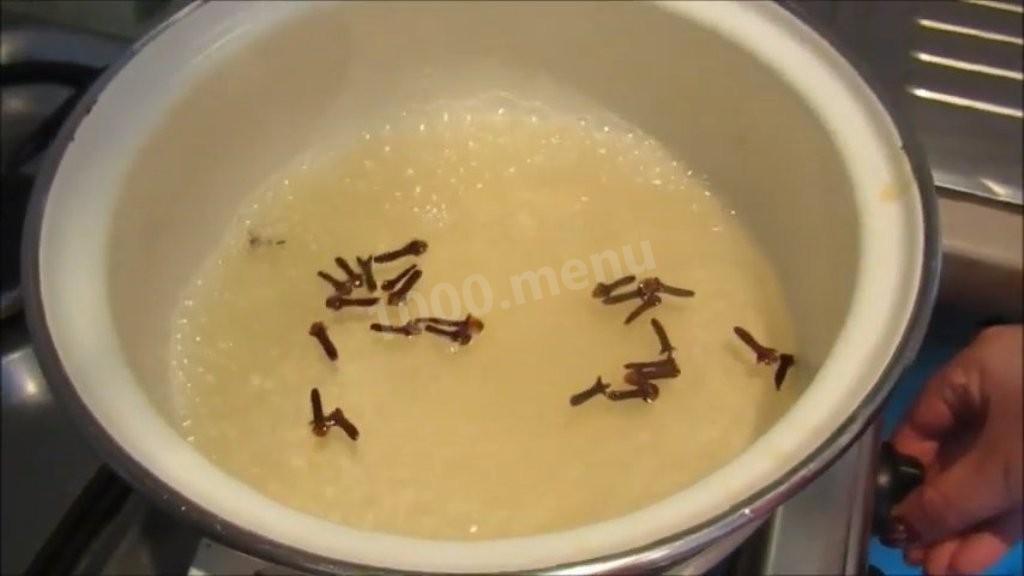
Gather all the ingredients. In a small saucepan, combine the sugar, water, and cloves, set it over the heat, and bring to a boil.
-
Step 2:
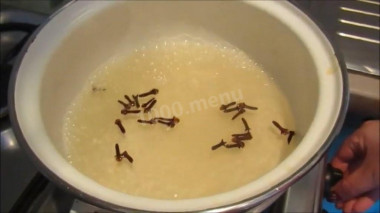
Once it boils, cook the sugar-clove syrup for 15 minutes, then take it off the heat and let it cool a little. Put the oranges in a colander, scald them with boiling water, and wipe them dry.
-
Step 3:
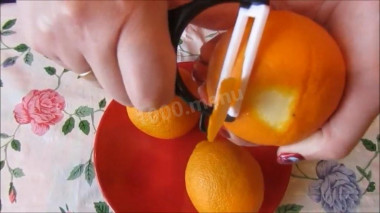
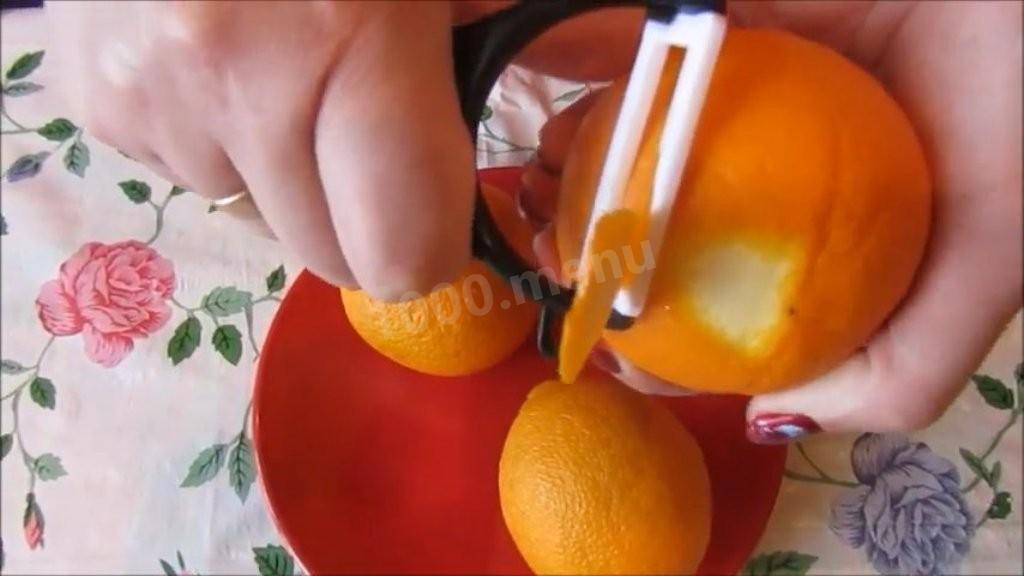
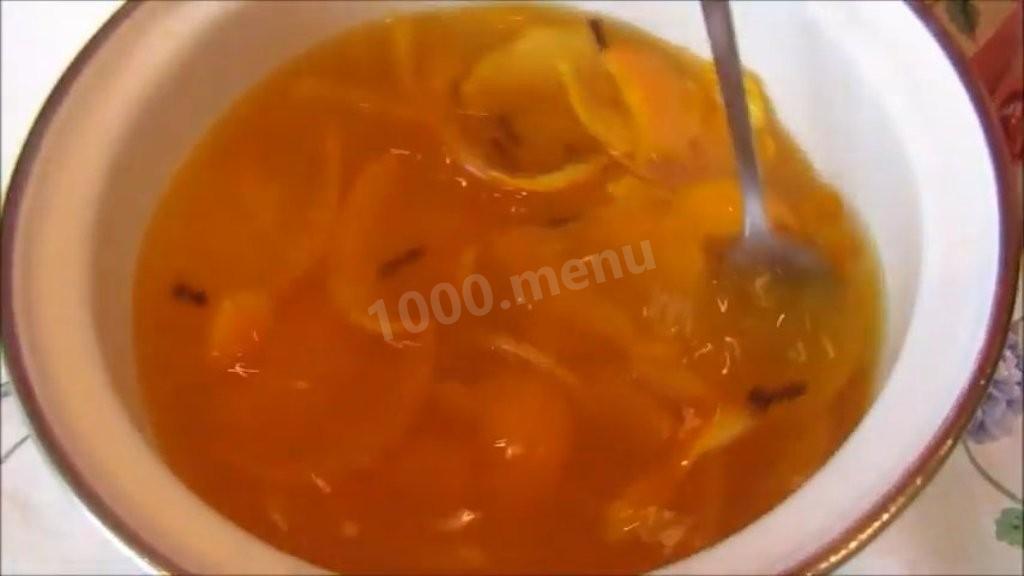
Using a knife or a vegetable peeler, remove the zest from the oranges. Add the zest to the sugar-clove syrup. Cut the oranges in half and squeeze the juice into the syrup. Stir everything well and pour in the vodka. Let the liqueur infuse for 1 day, stirring every 2-3 hours if you can.
-
Step 4:
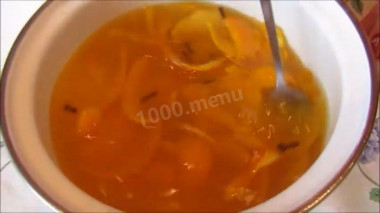
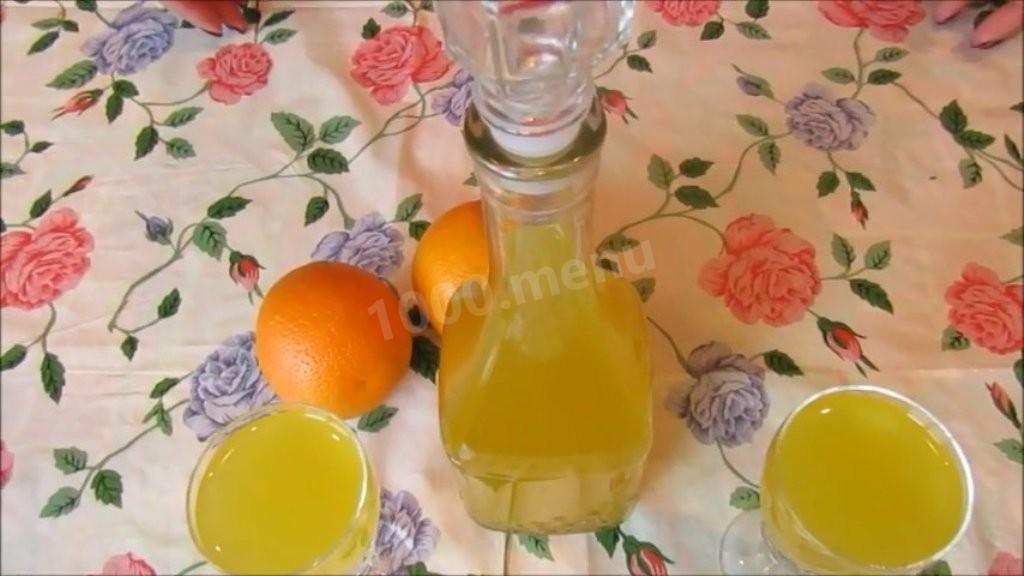
After a day, strain the liqueur through a sieve and pour it into a decanter for serving. This amount of ingredients makes about 700 ml of fragrant liqueur.
-
Step 5:
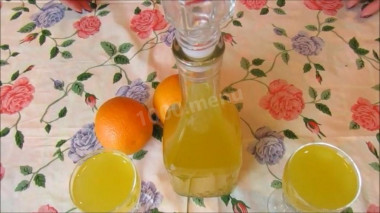
Your orange-clove liqueur is ready! Cheers!
- Liqueurs are perhaps the largest family of spirits: there are at least five hundred kinds today, each with its own distinctive flavor and aroma. The reason for this variety is simple—almost any berry, fruit (or its peel), herb, seed, nut, root, or even flower can be the base for a liqueur. No wonder the shelves of "sweet" bottles gain new arrivals every year. Their rich character comes from a special production method, in which those ingredients are steeped or soaked in alcohol for anywhere from a few weeks to six months, then sweetened with sugar, glucose, or honey. The flavor, quality, and price of a liqueur depend first and foremost on the type of alcohol used. The first liqueurs appeared in the late 17th century, made by Italian and French monks—people far removed from drinking. Back then these drinks served as medicines, a role they filled quite well, since the clergy made them not from fruits and berries but from medicinal herbs.
Caloric content of the products possible in the composition of the dish
- Carnation - 323 kcal/100g
- Granulated sugar - 398 kcal/100g
- Sugar - 398 kcal/100g
- Vodka - 235 kcal/100g
- Oranges - 36 kcal/100g
- Water - 0 kcal/100g