Classic Charlotte Buttercream with Cognac and Vanilla
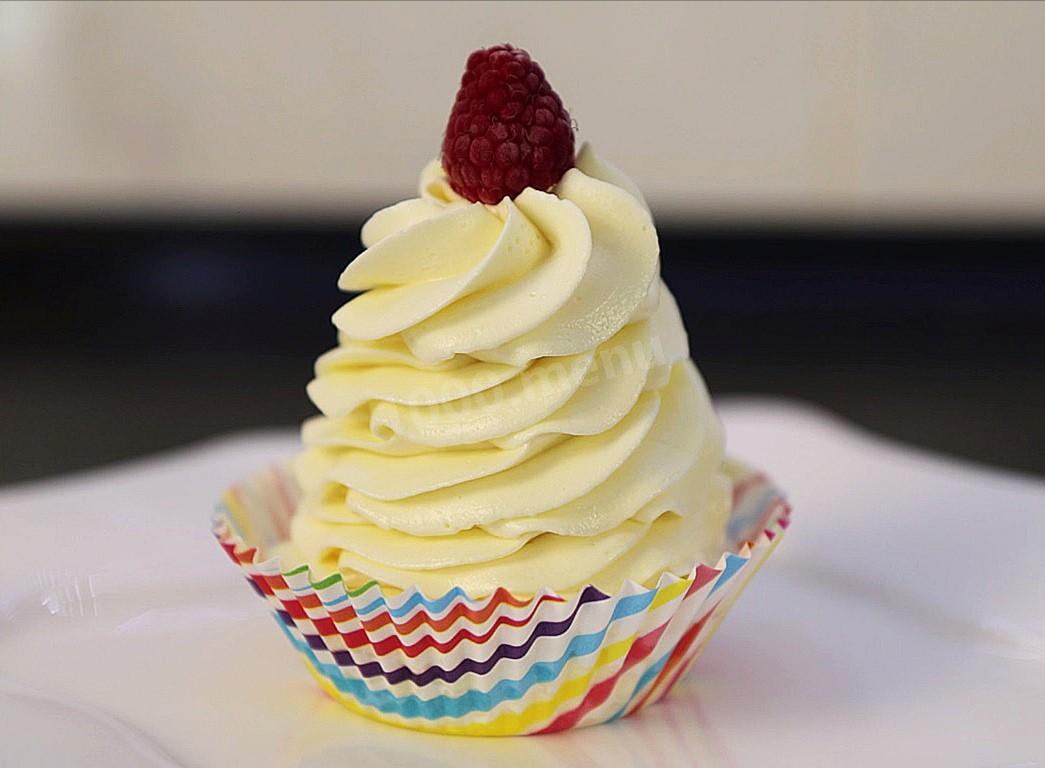
Easy to make from everyday ingredients. Everything old is new again! Today we're making classic Charlotte buttercream — stable, versatile, and a great hold-its-shape frosting for cupcakes, pastries, and cakes, or for filling éclairs and cream horns.
Cooking method
-
Step 1:
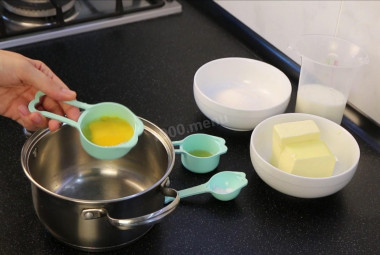
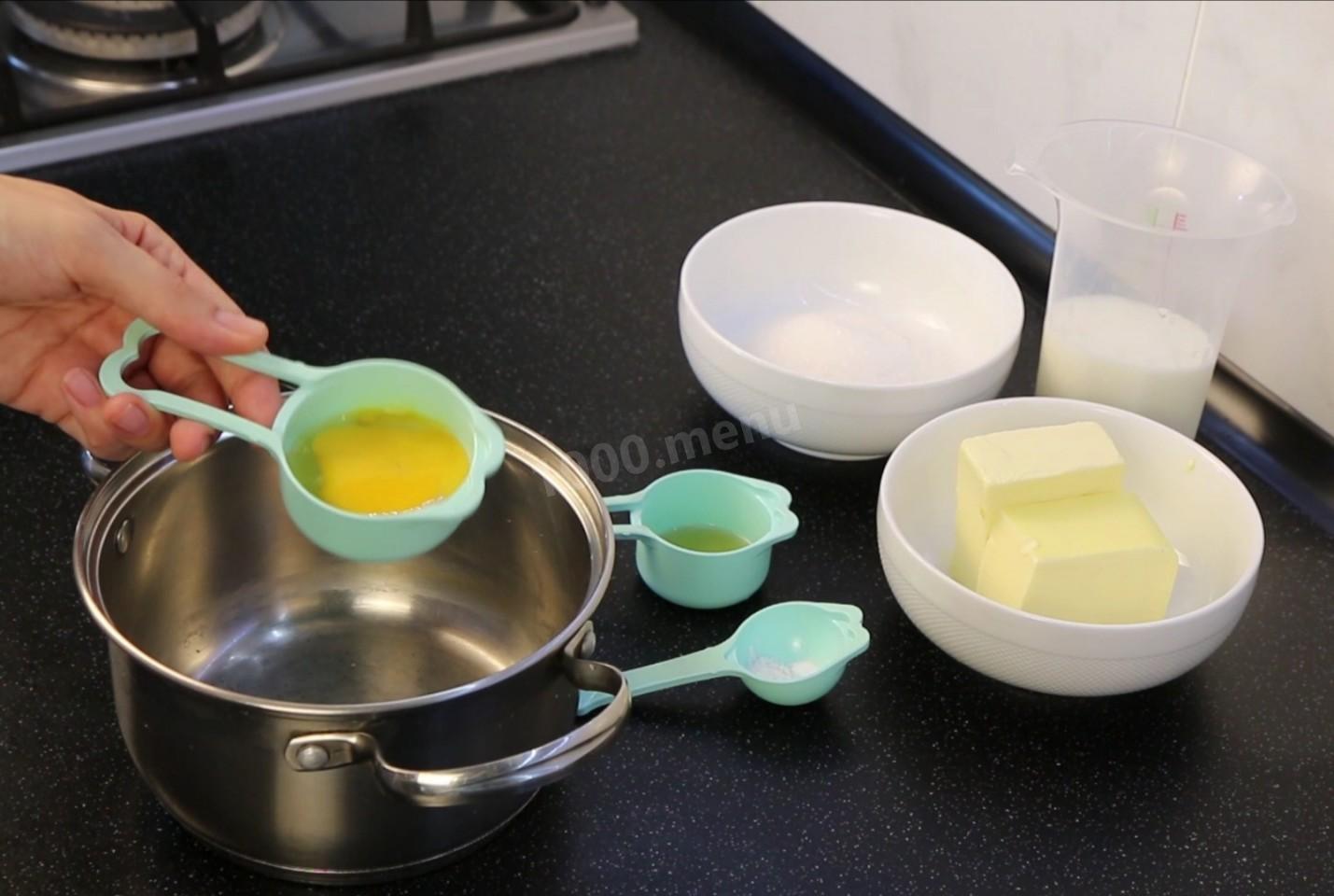
In a saucepan (a heavy-bottomed one is best), combine the egg, salt, vanilla sugar, and sugar, and mix well. Add the milk at room temperature, stir, and set the pan over the heat. Cook the custard over lower-than-medium heat, whisking vigorously the whole time, until it thickens. I always make custards like this over low heat — it takes a bit longer, but it won't scorch or go lumpy.
-
Step 2:
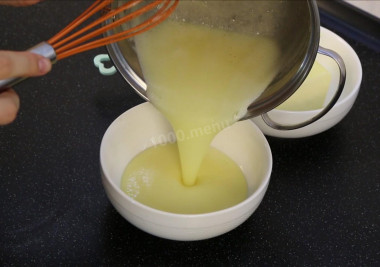
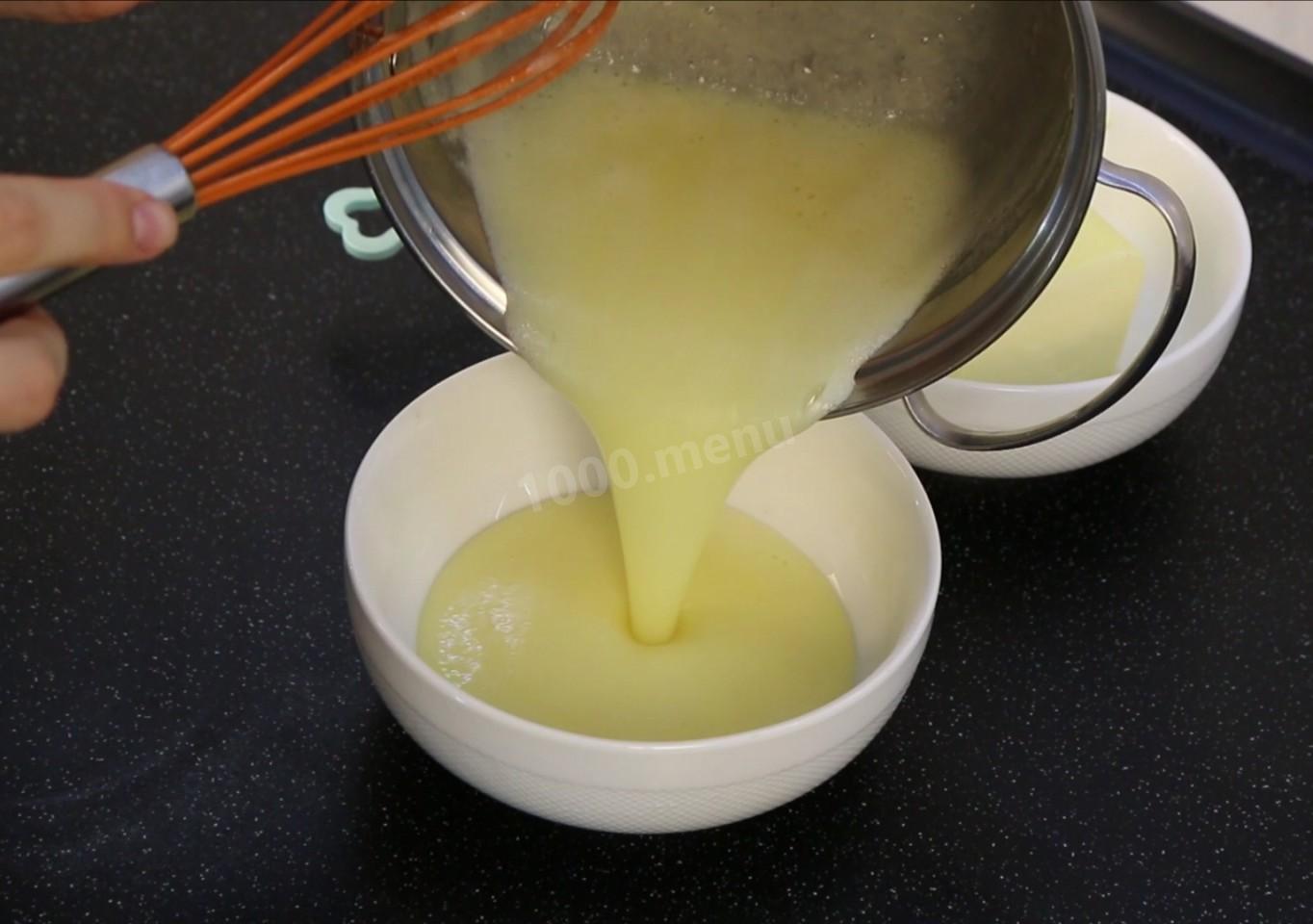
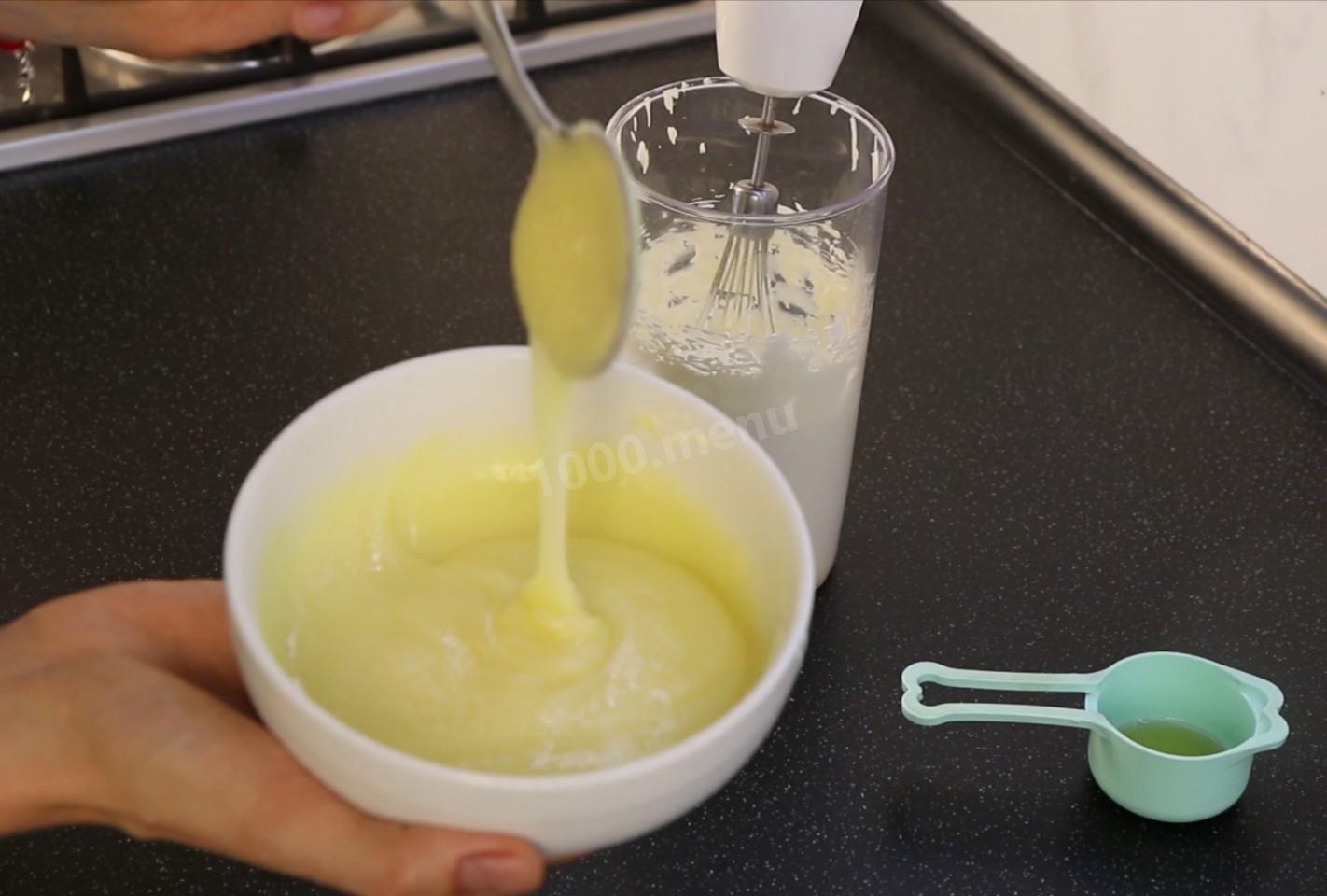
I cooked the custard for 10 minutes. It comes out fairly thin — that's normal. It will thicken a bit more as it cools.
-
Step 3:
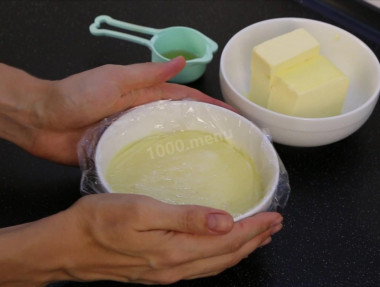
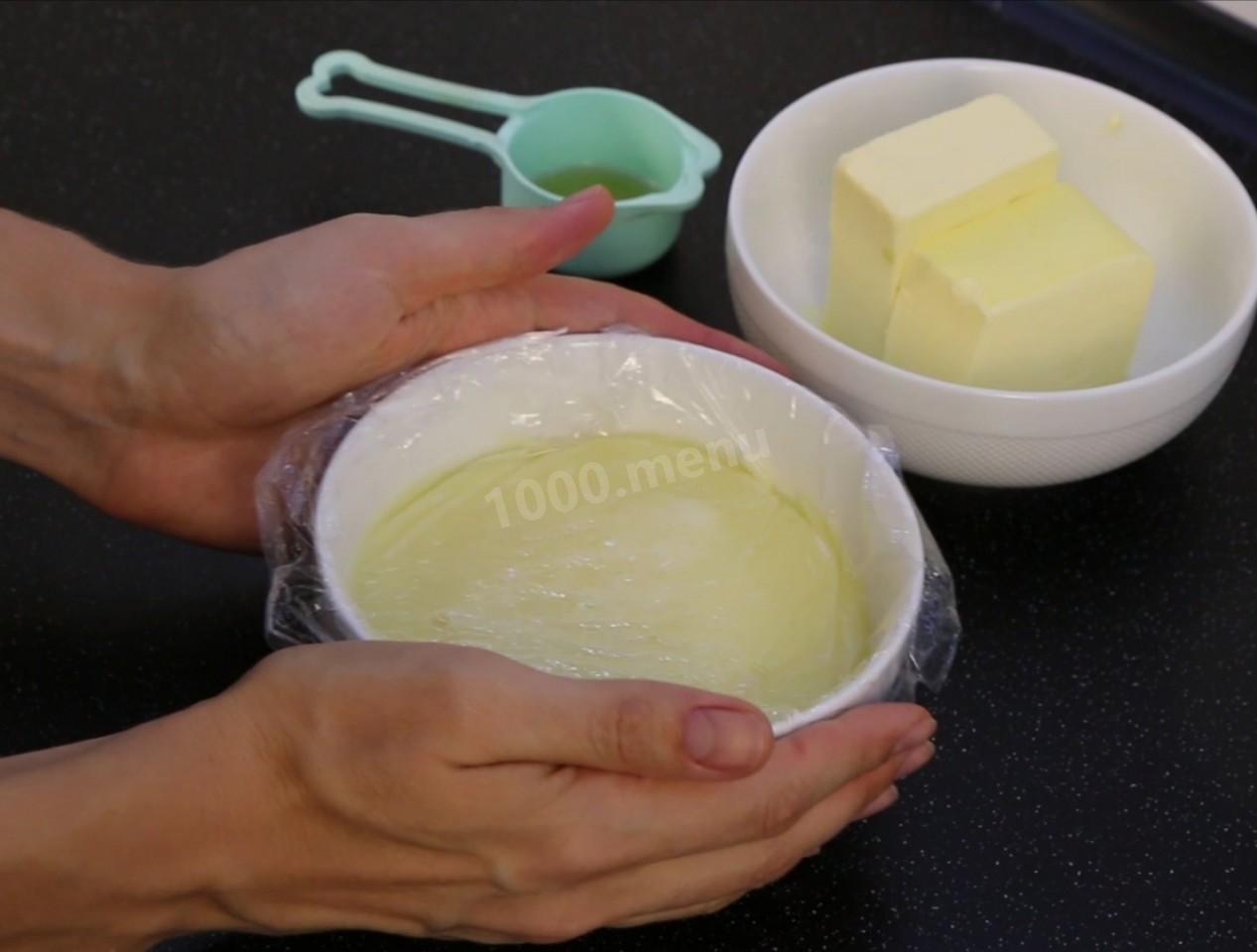
Pour the custard into a container, press plastic wrap directly onto the surface, and chill it in the fridge until completely cool.
-
Step 4:
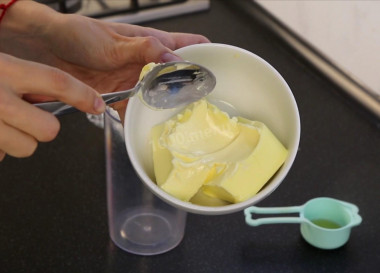
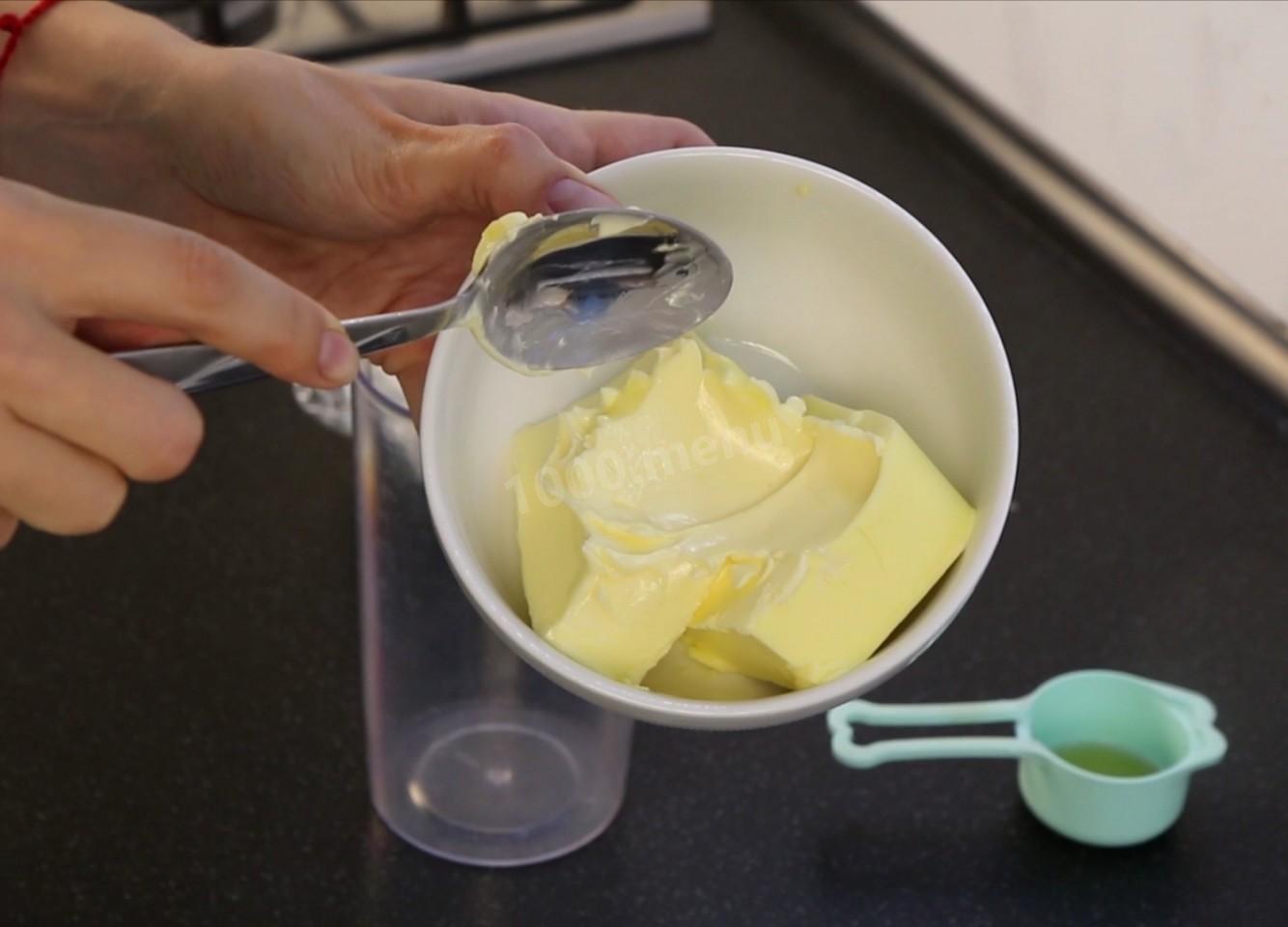
Once the milk-and-egg custard has cooled, move on to the butter. It should be well softened but not melted.
-
Step 5:
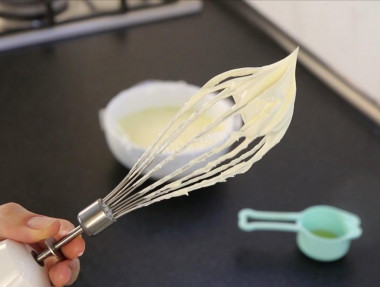
Beat the butter until fluffy and pale. It will increase slightly in volume — but don't overbeat it! It took me 10 minutes to beat the butter.
-
Step 6:
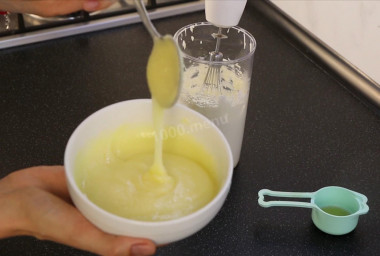
Stir the cooled custard — it won't be as thick as a pastry cream, and that's fine. Add it to the whipped butter just 2 tablespoons at a time. Adding it gradually keeps the buttercream from splitting if the two are at different temperatures, or from melting the butter if the custard isn't fully cooled. Beat well, and add the cognac at the end. Don't overbeat here either — just combine everything until smooth and stop.
-
Step 7:
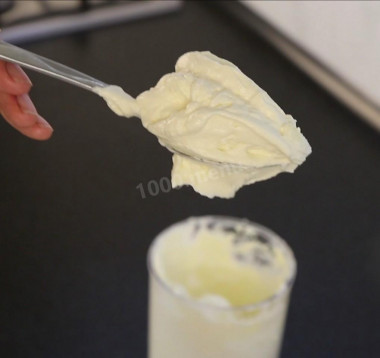
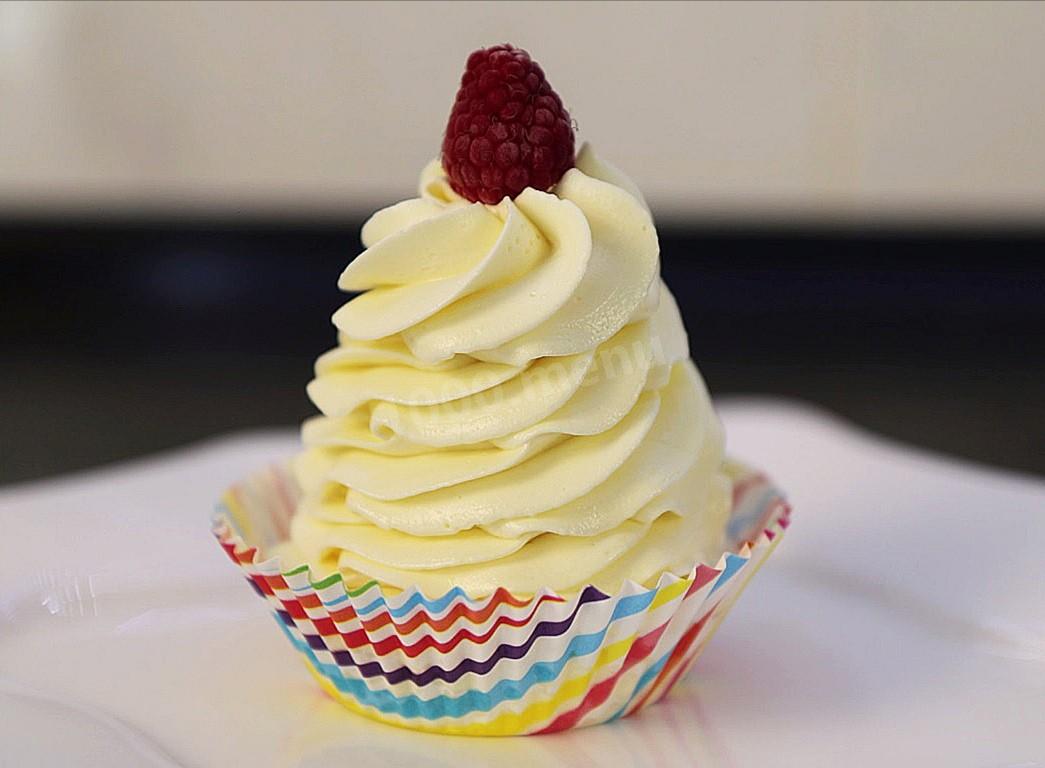
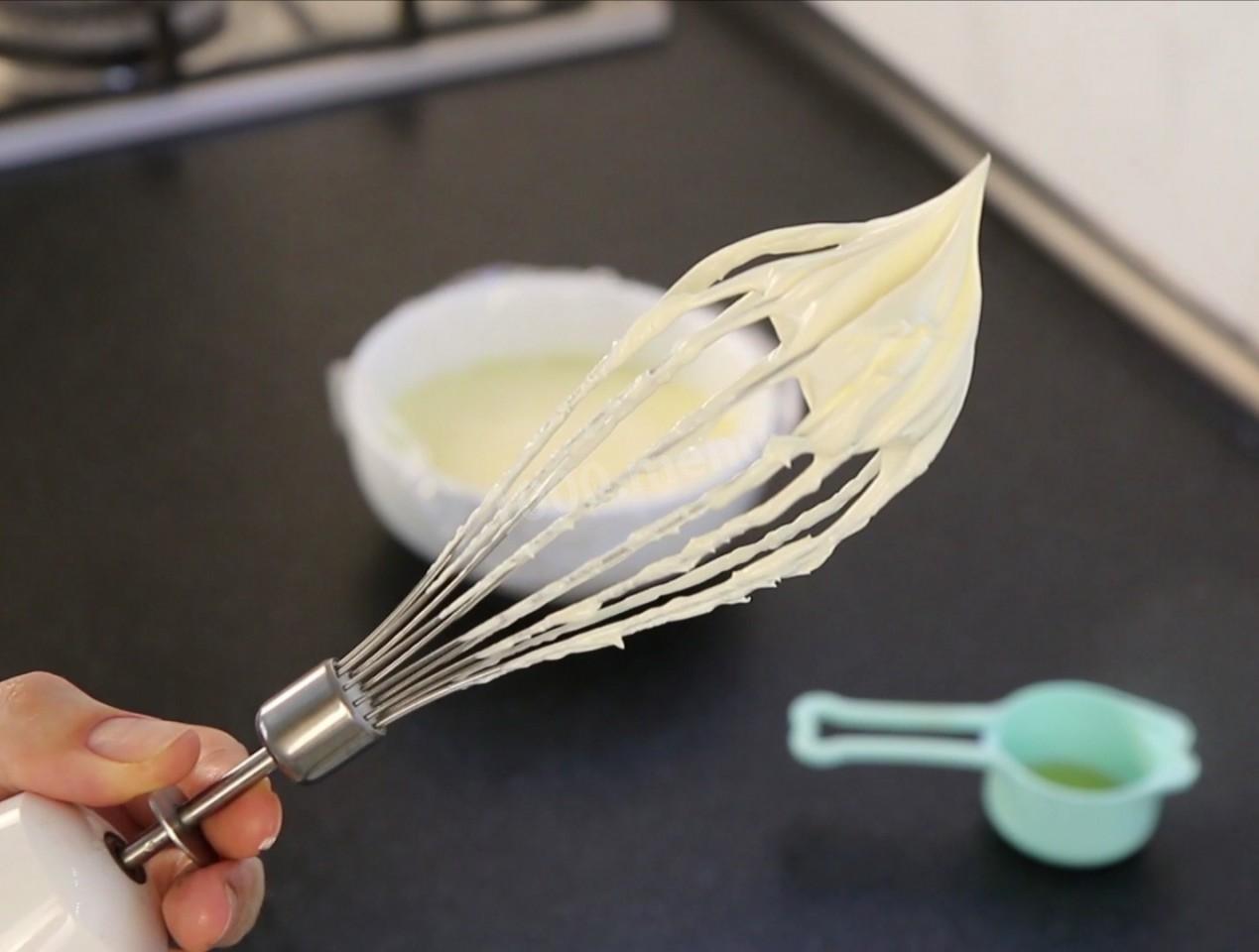
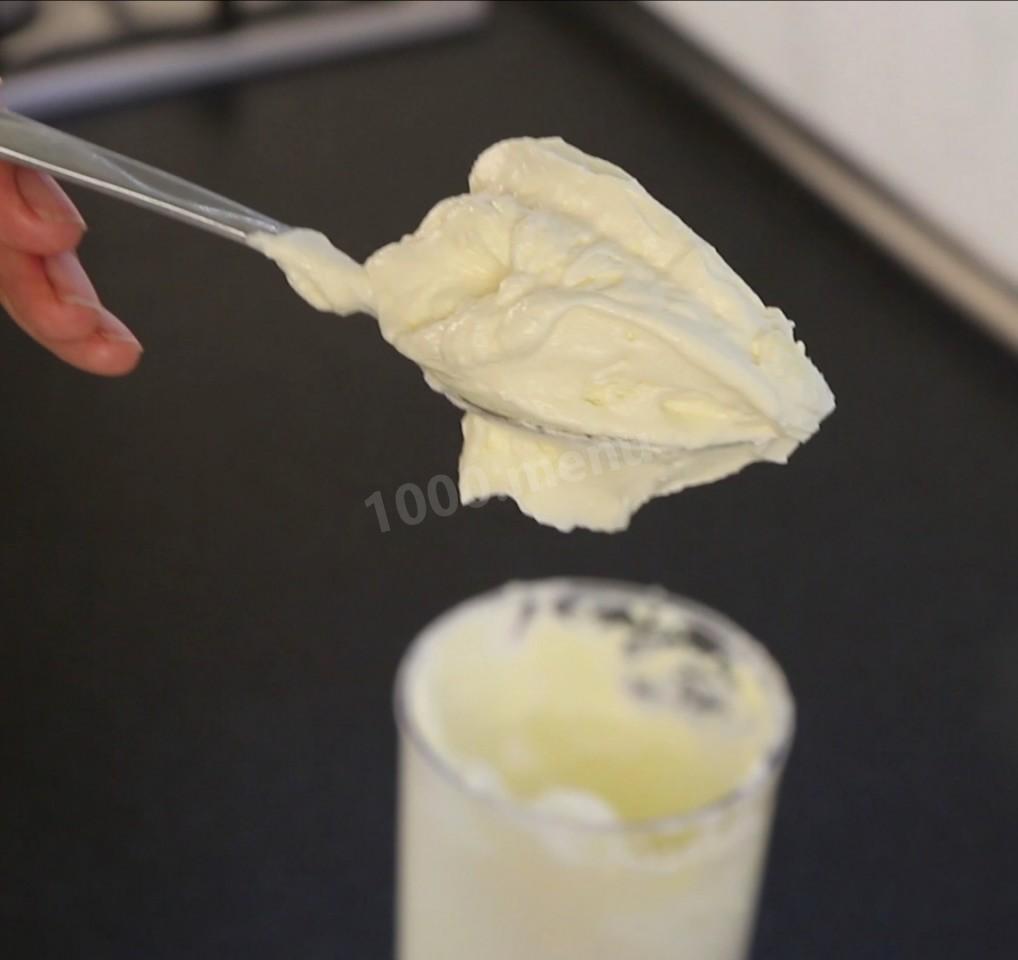
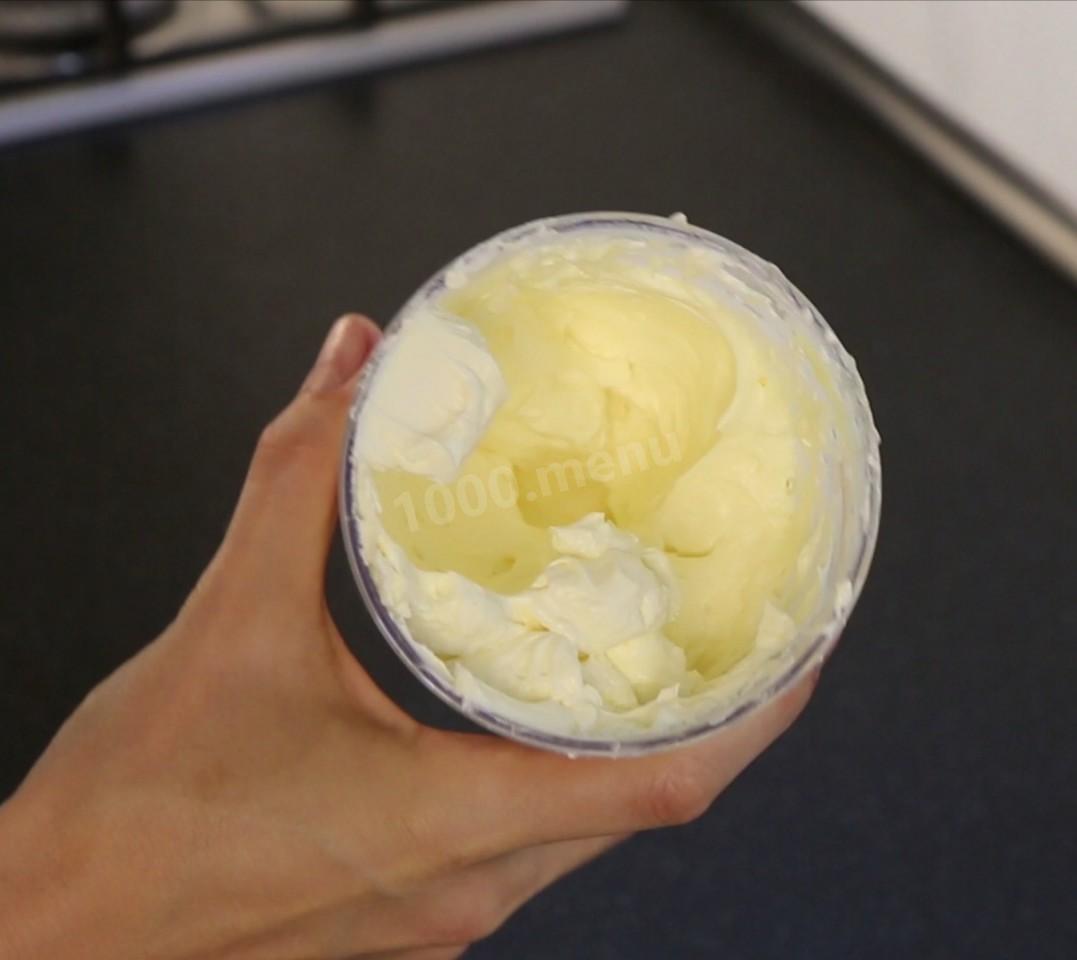
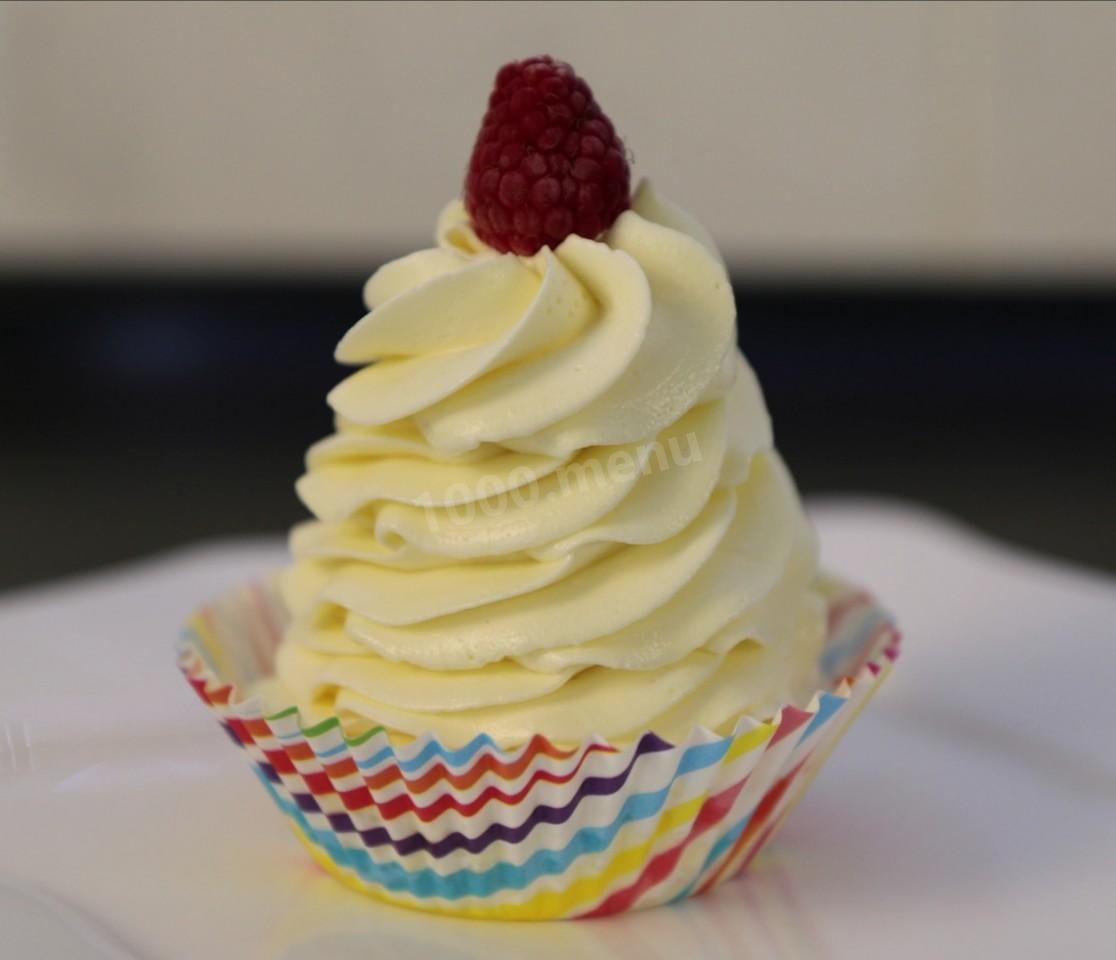
This is what you're after: smooth, fluffy, glossy buttercream — pleasantly sweet and very fragrant. A splash of cognac is just right here. ;)
-
Step 8:
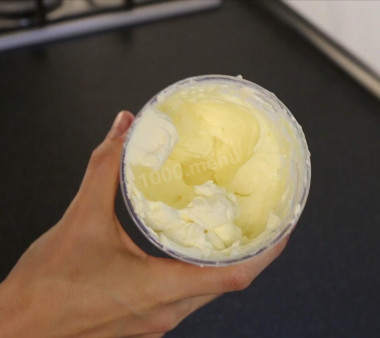
The buttercream is stable, holds its shape well, and is ready to use. You can spoon it into a piping bag and pipe right away, or stash it in the fridge until you need it — just remember it will firm up and get denser as it chills.
-
Step 9:
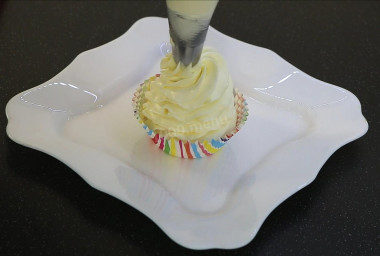
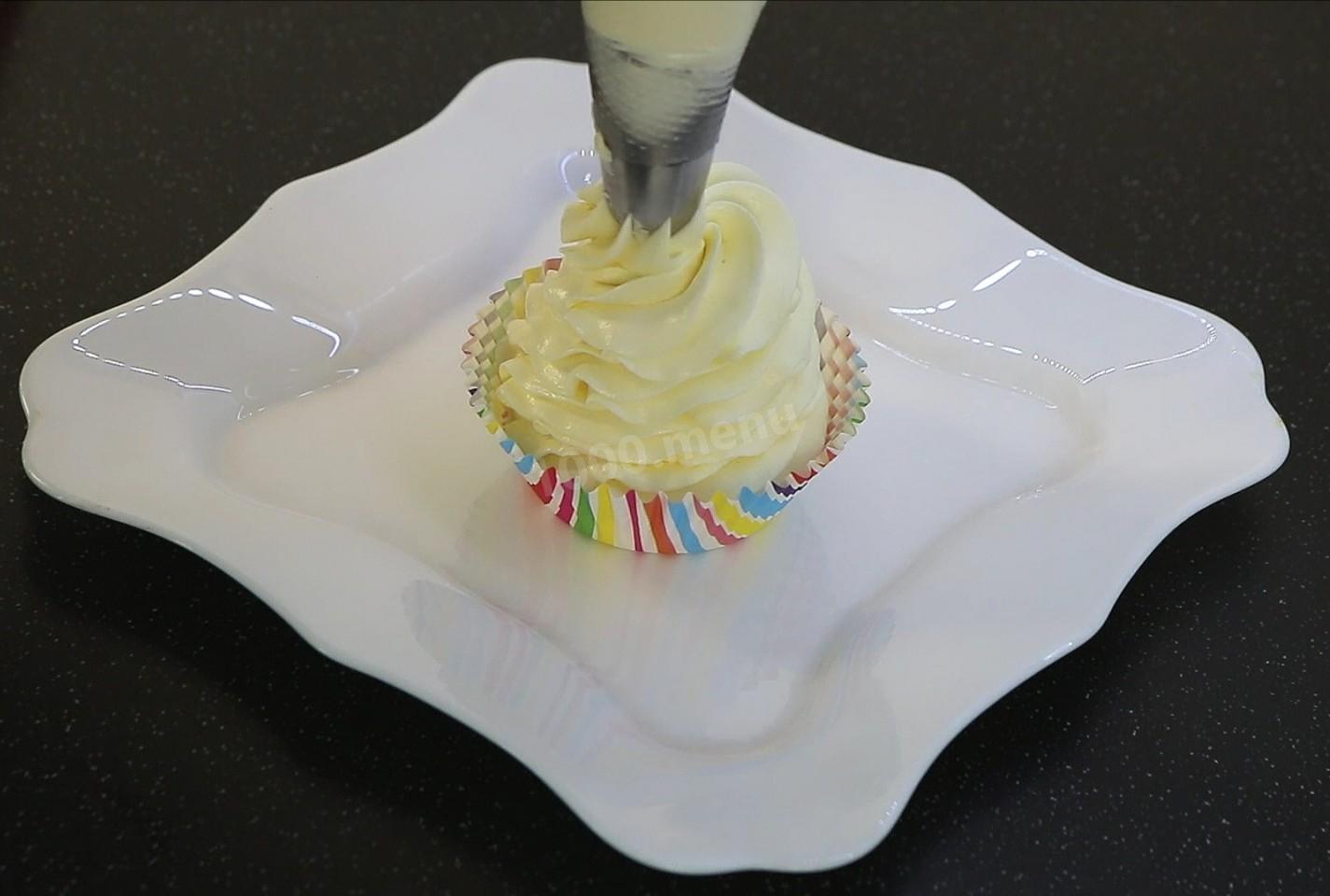
It pipes beautifully. Despite all the butter, it doesn't taste overly rich — but the butter is in there, so keep that in mind! Use it to crumb-coat and frost a cake, layer it between sponges, pipe swirls onto cupcakes, or fill pastries and cream horns.
-
Step 10:
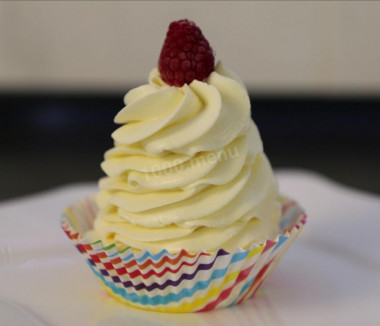
And there you have it — a really simple but beautiful buttercream. I hope you'll love it too. Enjoy, and have a great day!
Caloric content of the products possible in the composition of the dish
- Whole cow's milk - 68 kcal/100g
- Milk 3.5% fat content - 64 kcal/100g
- Milk 3.2% fat content - 60 kcal/100g
- Milk 1.5% fat content - 47 kcal/100g
- Concentrated milk 7.5% fat content - 140 kcal/100g
- Milk 2.5% fat content - 54 kcal/100g
- Chicken egg - 157 kcal/100g
- Egg white - 45 kcal/100g
- Egg powder - 542 kcal/100g
- Egg yolk - 352 kcal/100g
- Ostrich egg - 118 kcal/100g
- Granulated sugar - 398 kcal/100g
- Sugar - 398 kcal/100g
- Butter 82% - 734 kcal/100g
- Amateur unsalted butter - 709 kcal/100g
- Unsalted peasant butter - 661 kcal/100g
- Peasant salted butter - 652 kcal/100g
- Melted butter - 869 kcal/100g
- Ordinary cognac 'three stars' - 239 kcal/100g
- Cognac - 239 kcal/100g
- Salt - 0 kcal/100g
- Vanilla sugar - 379 kcal/100g