Skillet Lavash Hand Pies with Cheese
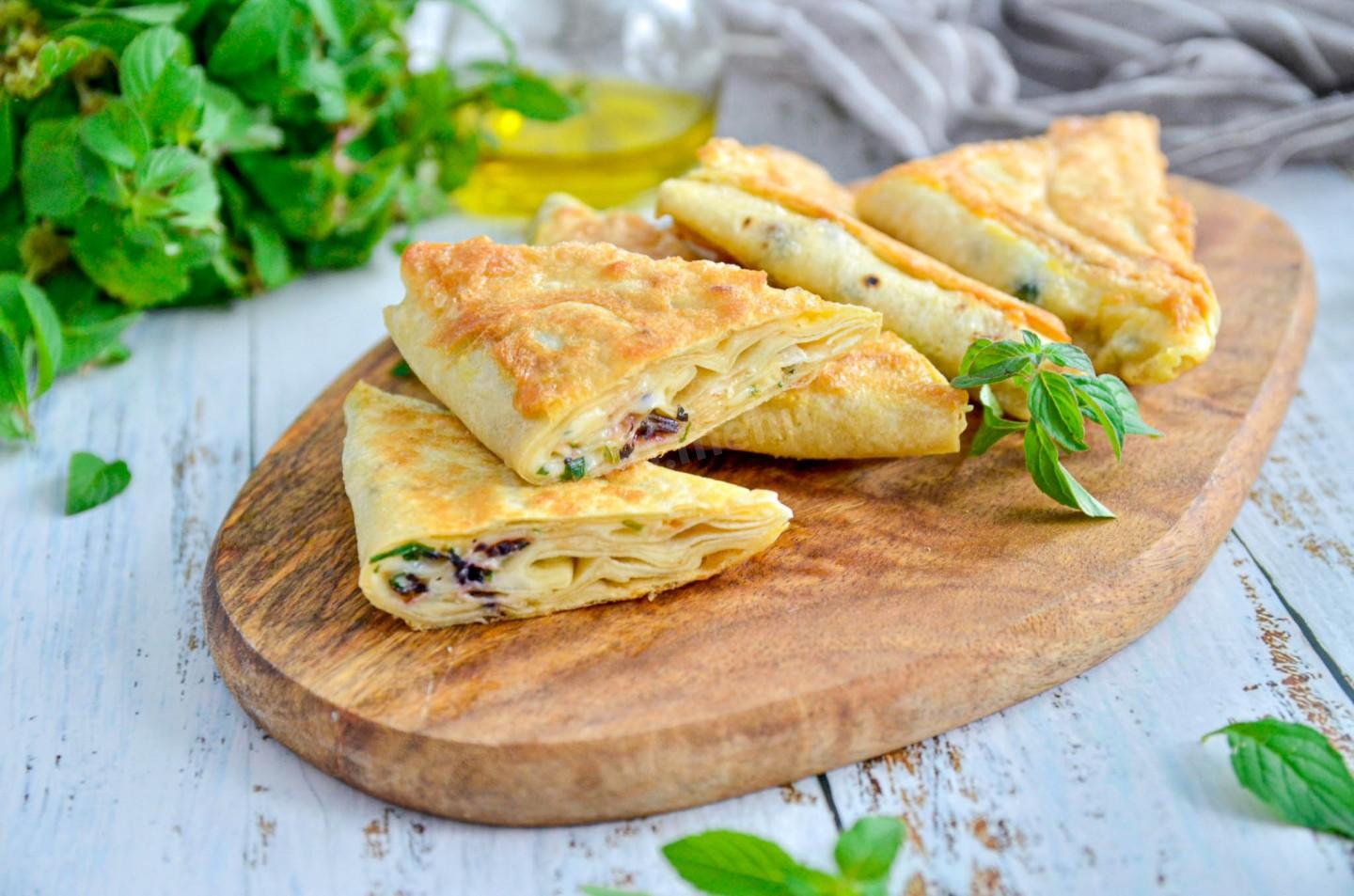
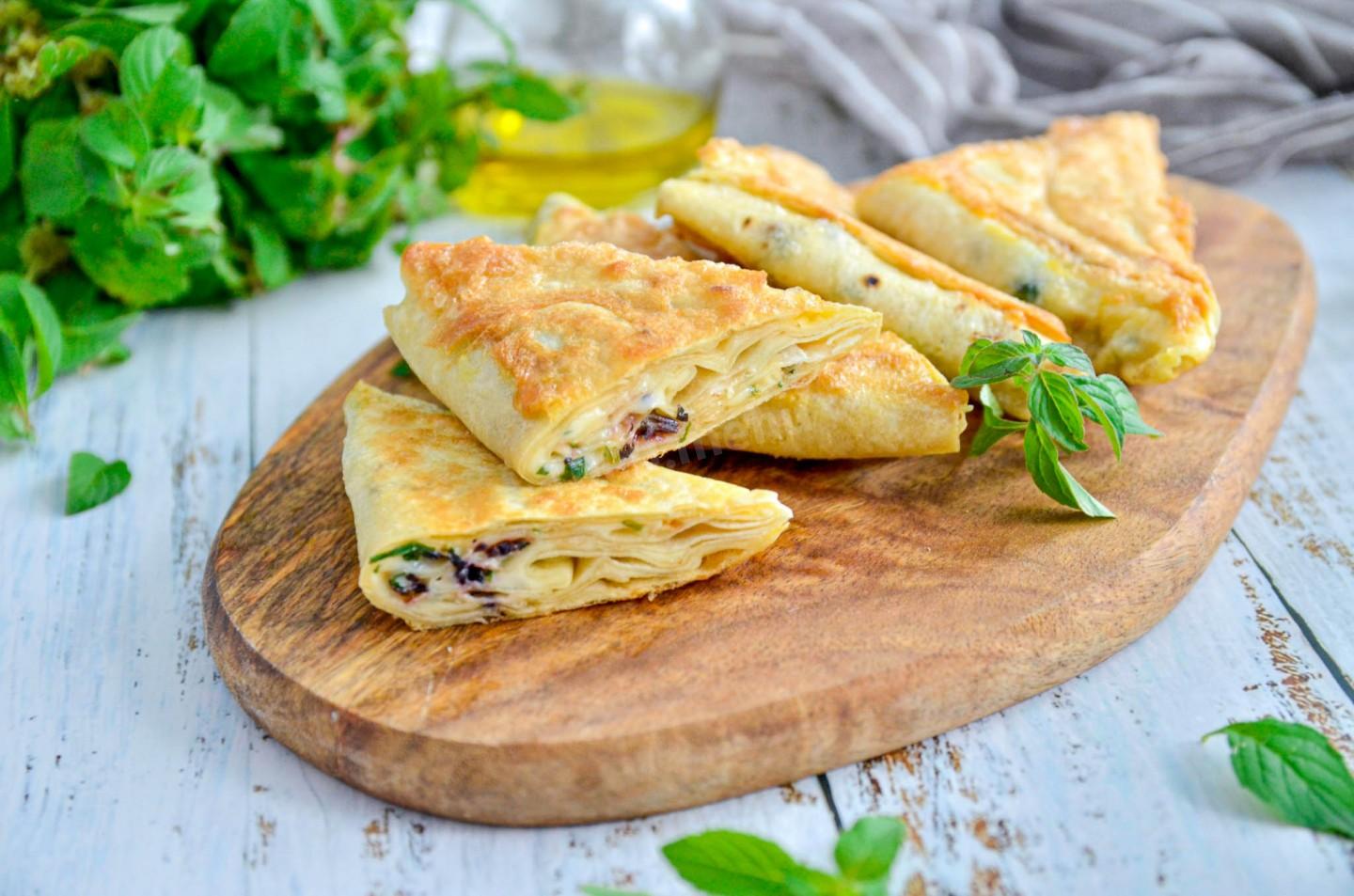
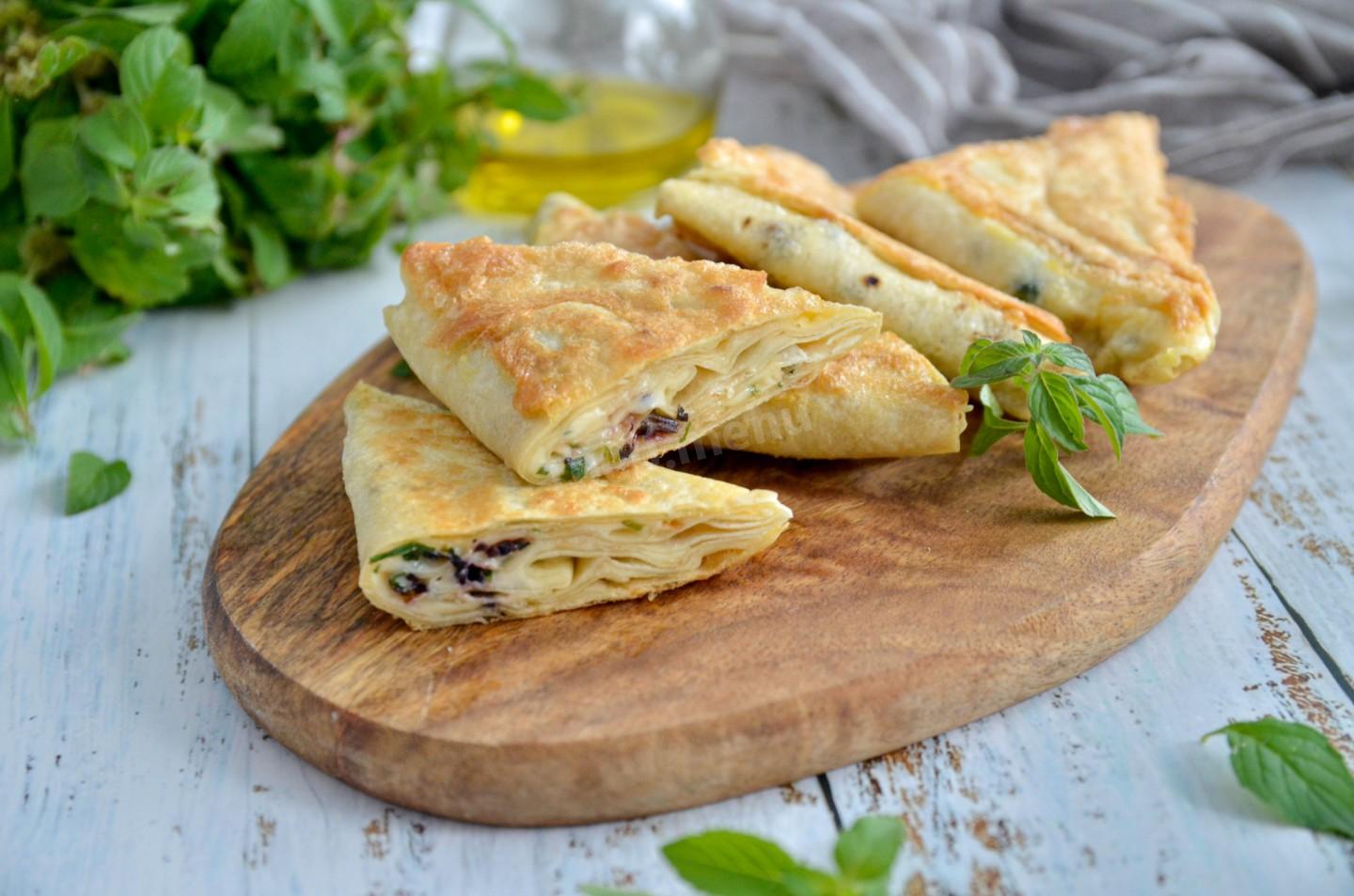
Golden, crisp, and so tasty! These skillet lavash hand pies with cheese are a lifesaver when you don't feel like fussing with dough. Wrapped in several layers, the lavash turns flaky like puff pastry once it's fried. And you can fill them with just about anything.

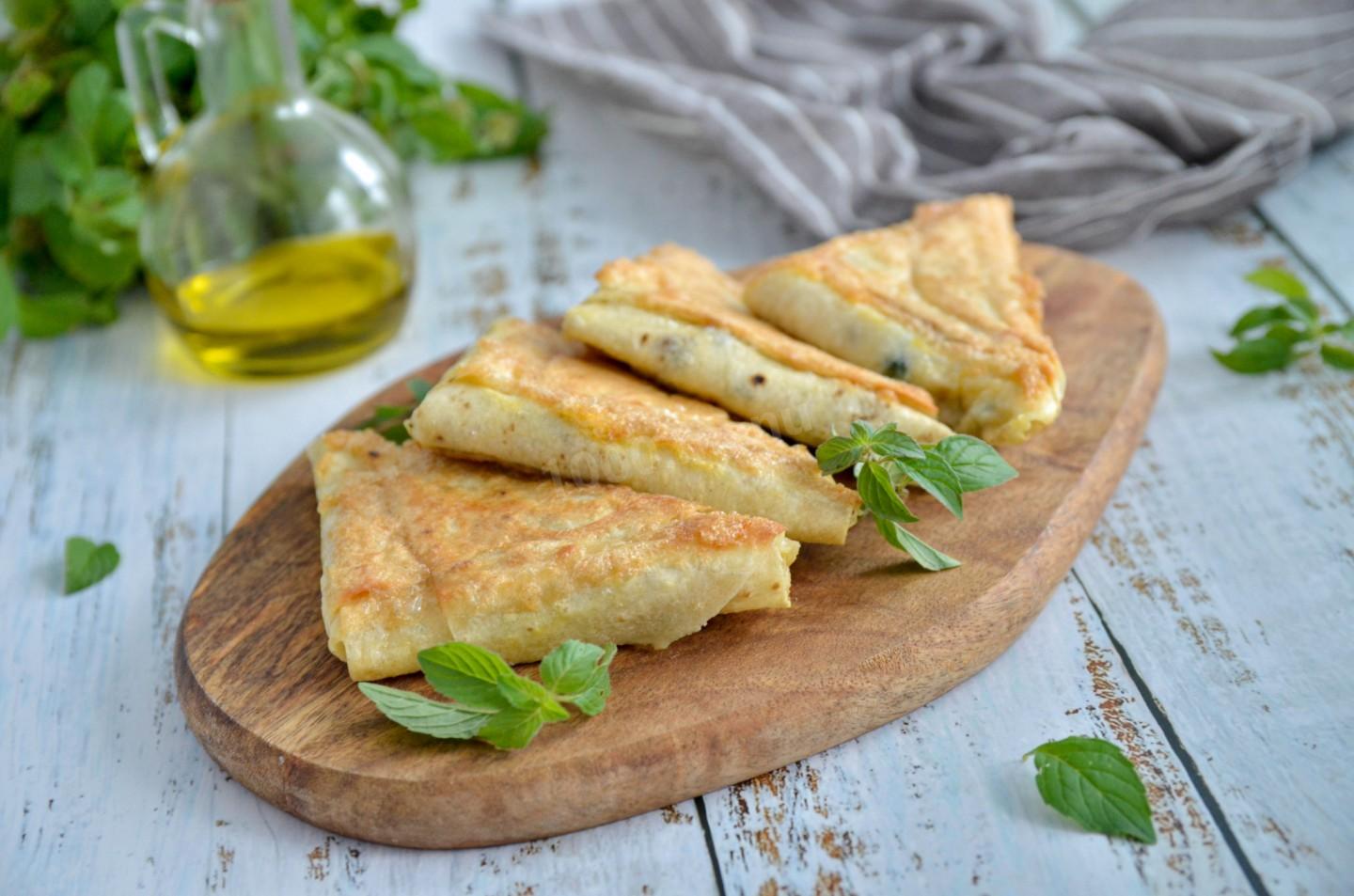
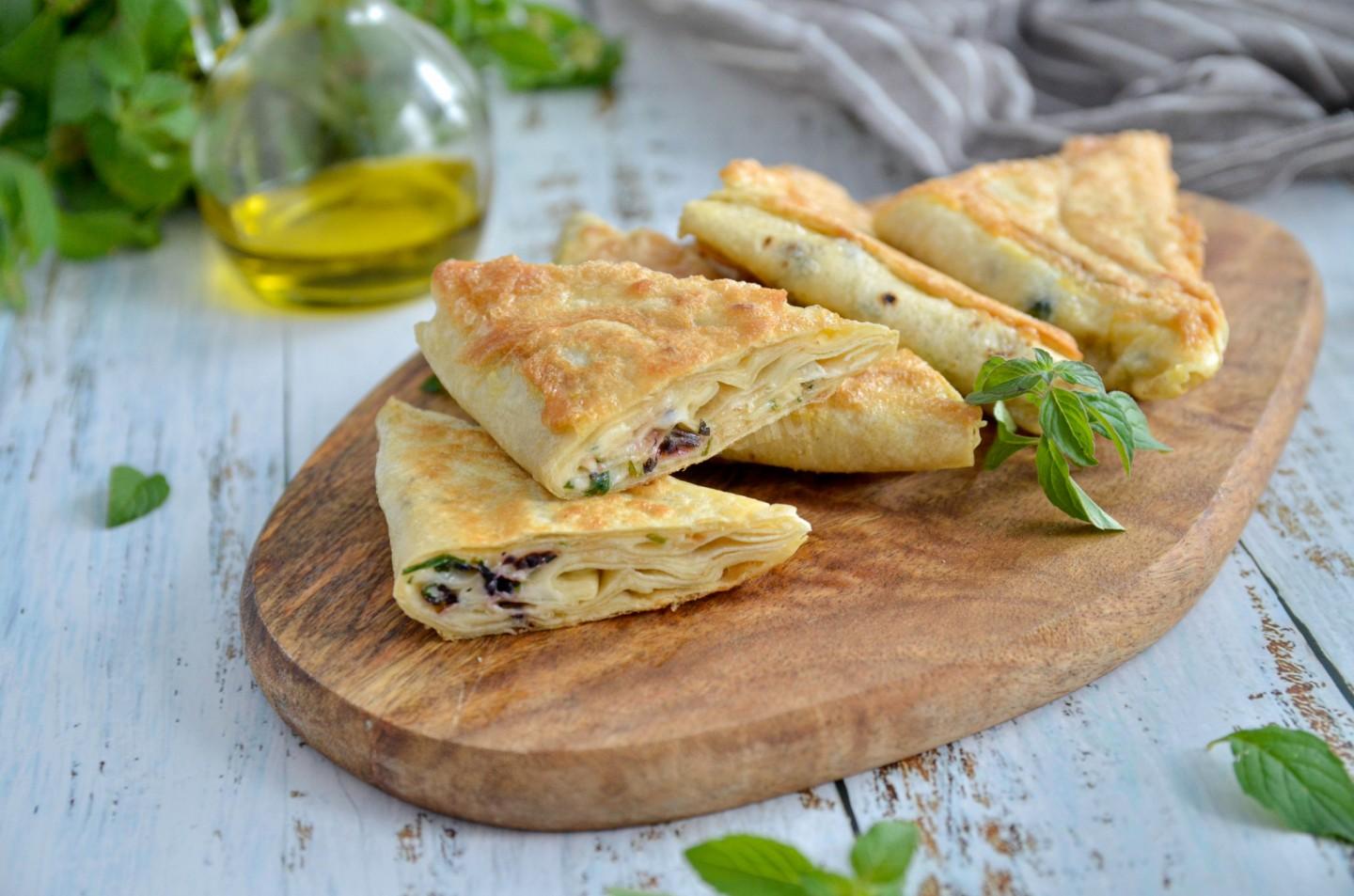
Cooking method
-
Step 1:
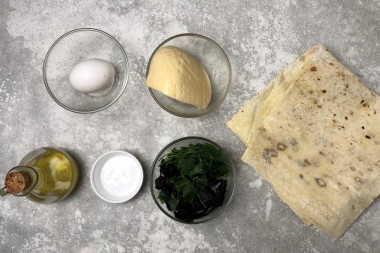
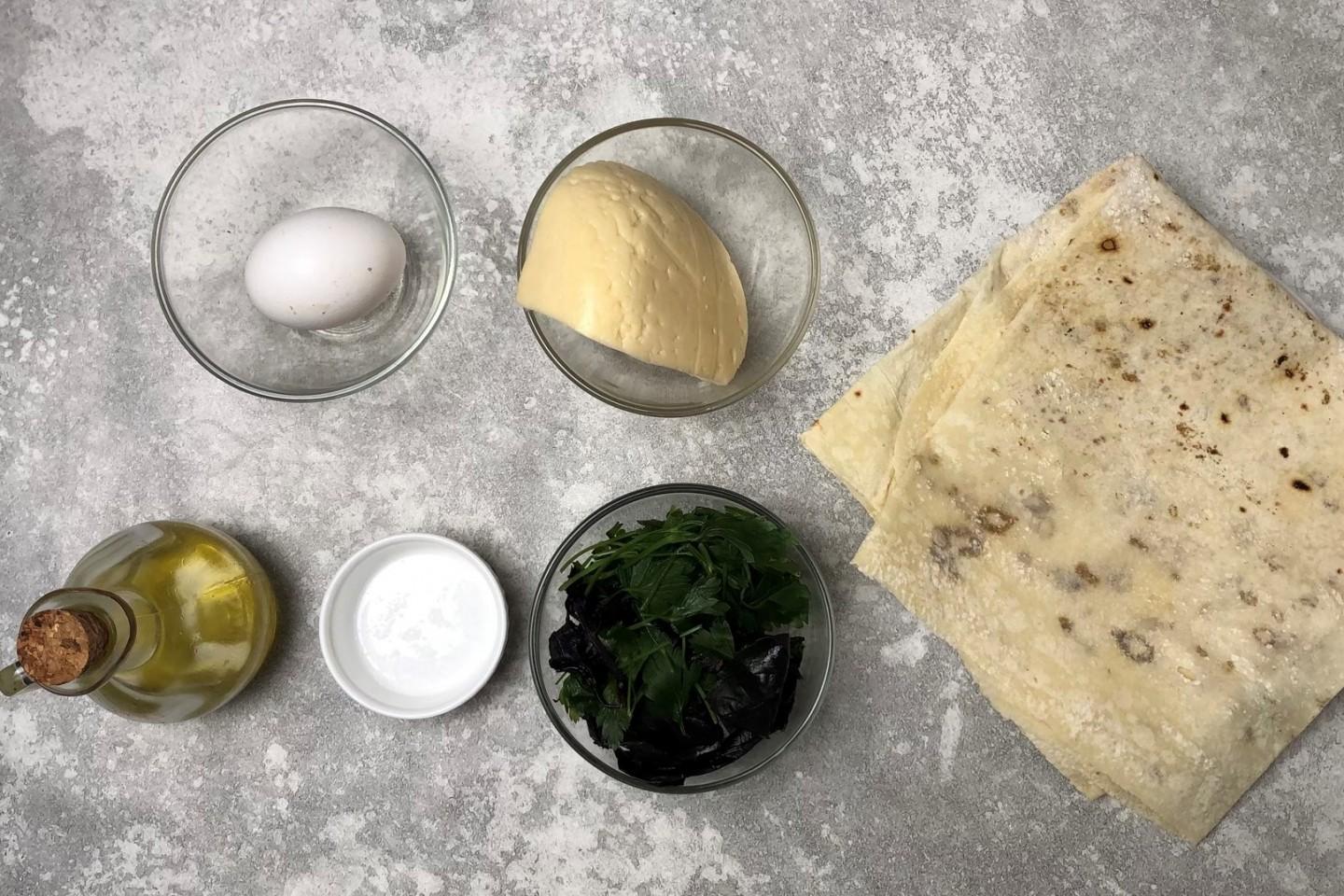
How do you make lavash hand pies? Gather your ingredients. One sheet of thin lavash makes 4 small pies. Use a cheese that melts well. Pick whatever fresh herbs you like, too — I didn't have any fresh on hand, so I used frozen parsley and purple basil.
-
Step 2:
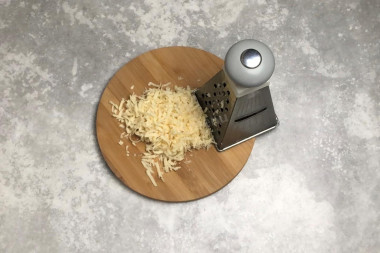
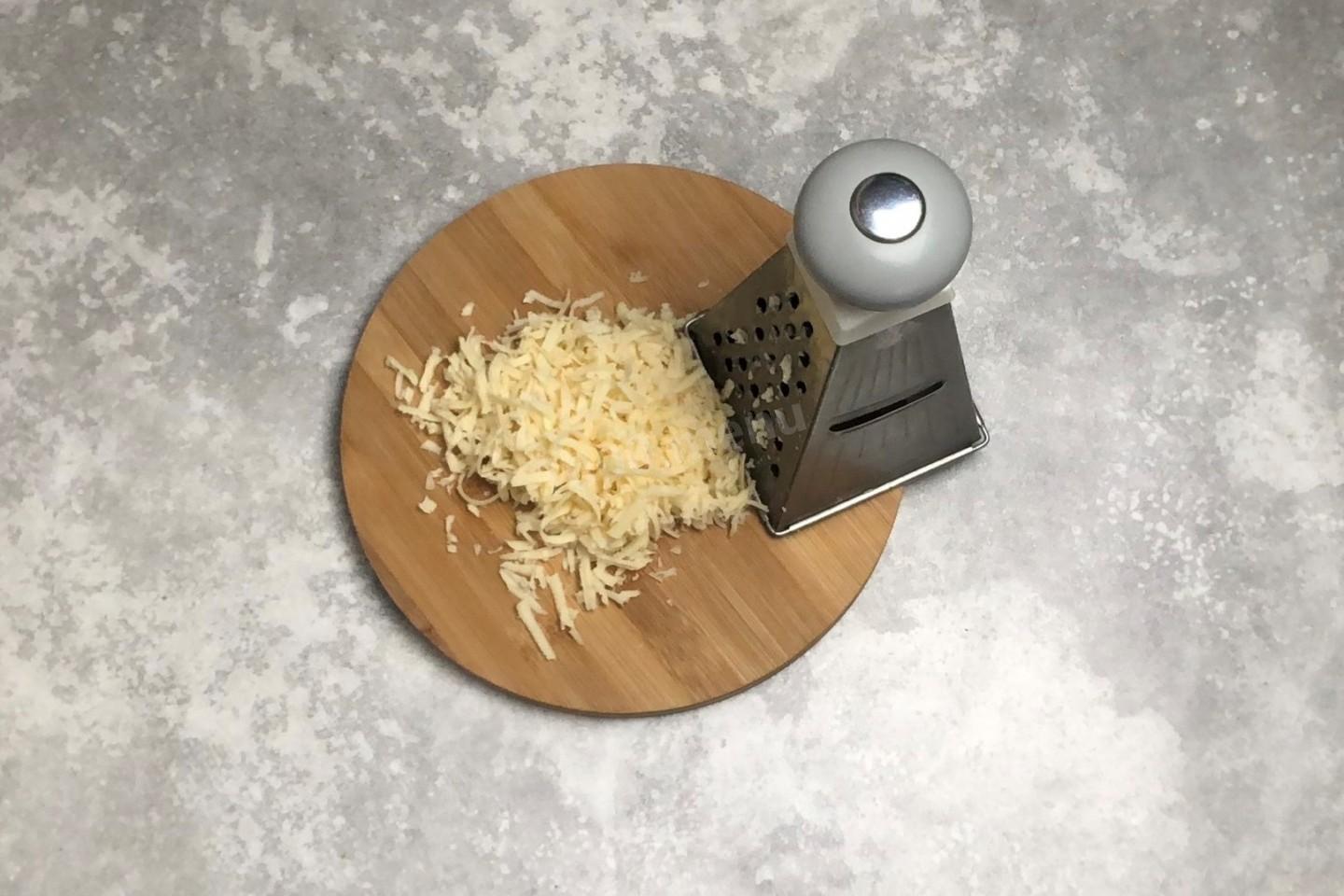
Grate the cheese on the coarse side of a box grater.
-
Step 3:
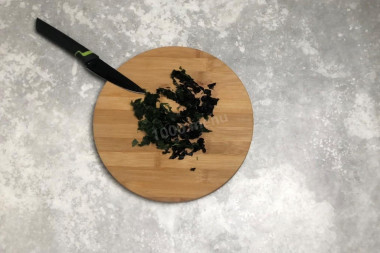
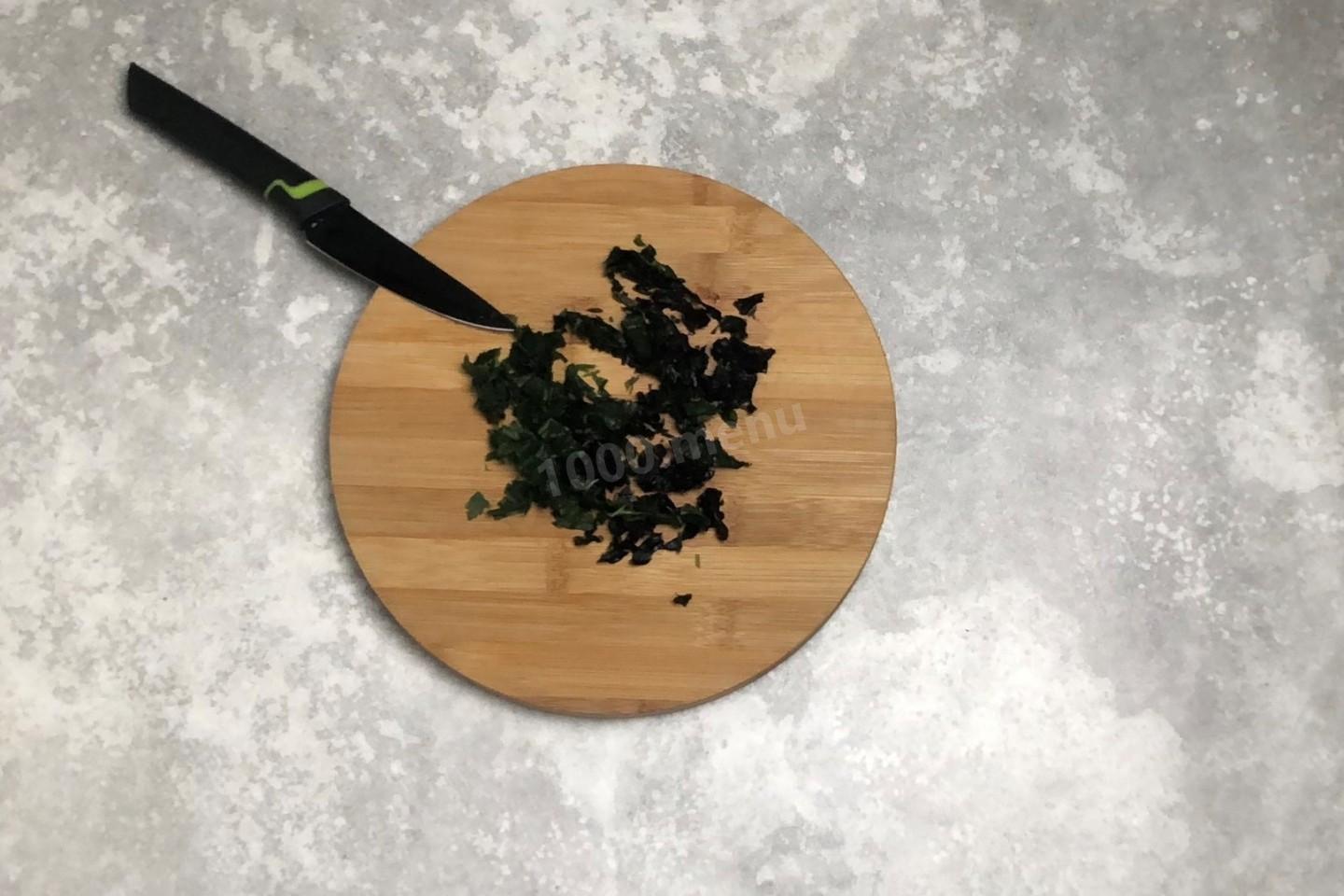
If your herbs are fresh, rinse them under running water and then pat them dry — excess moisture will make the filling soggy. Then chop them finely.
-
Step 4:
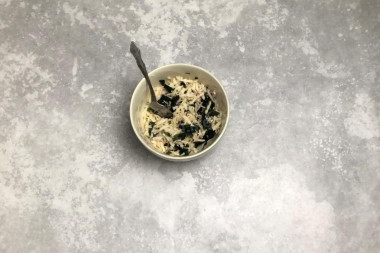
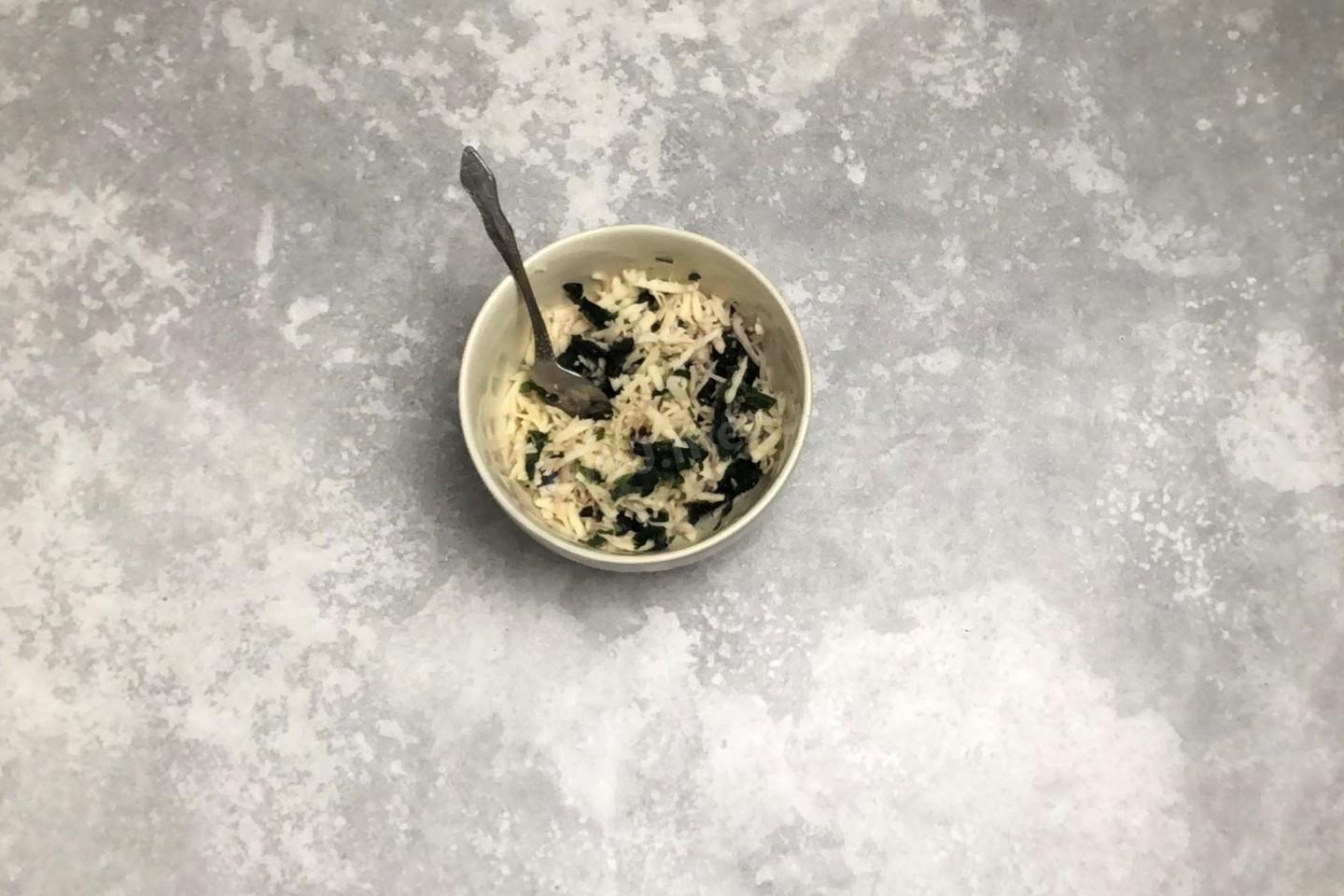
Combine the cheese and herbs and mix. The filling is ready.
-
Step 5:
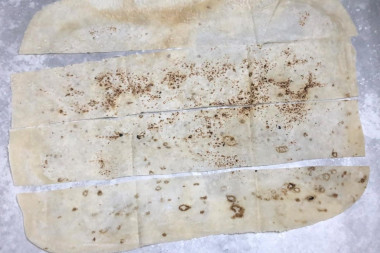
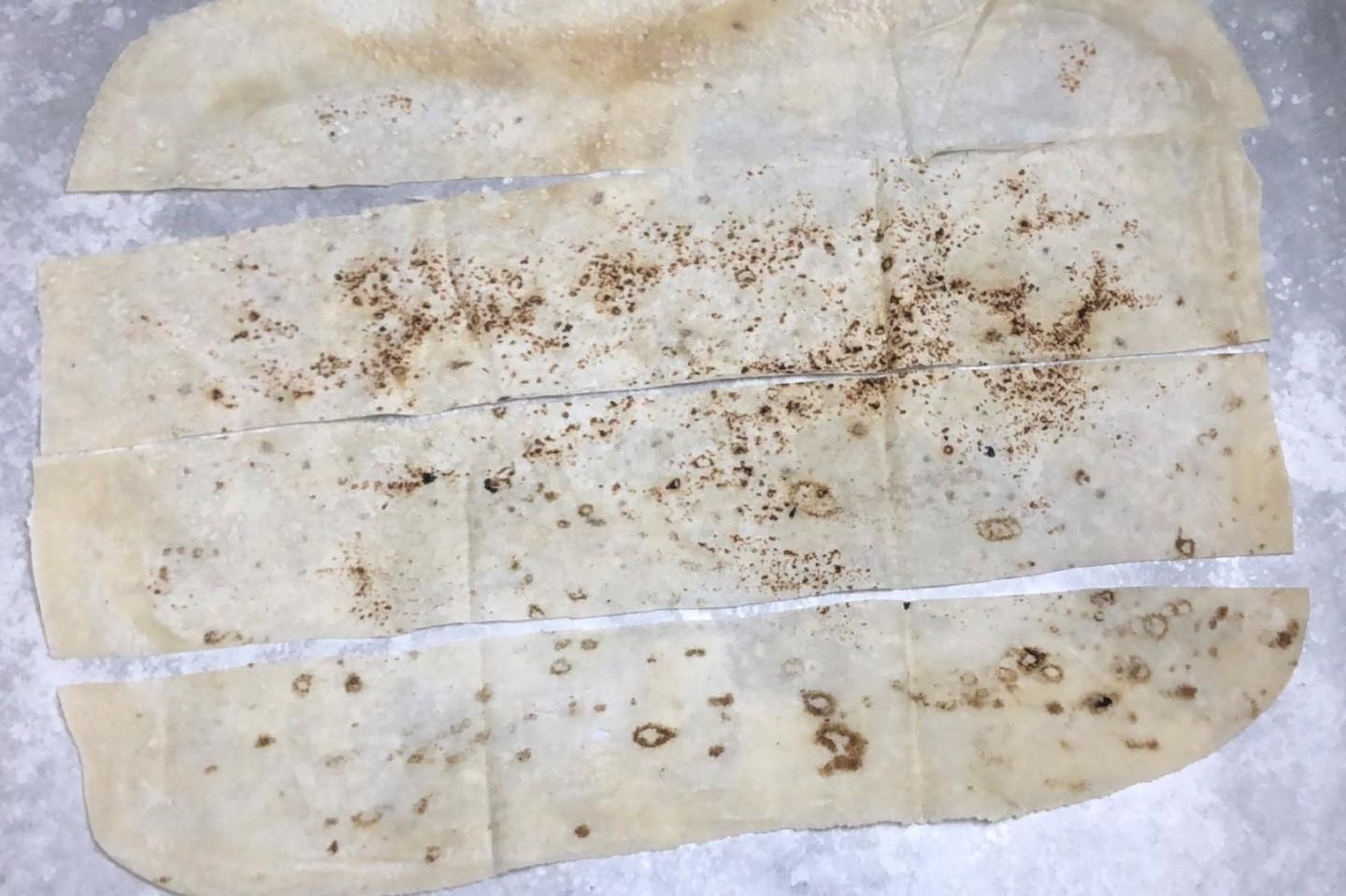
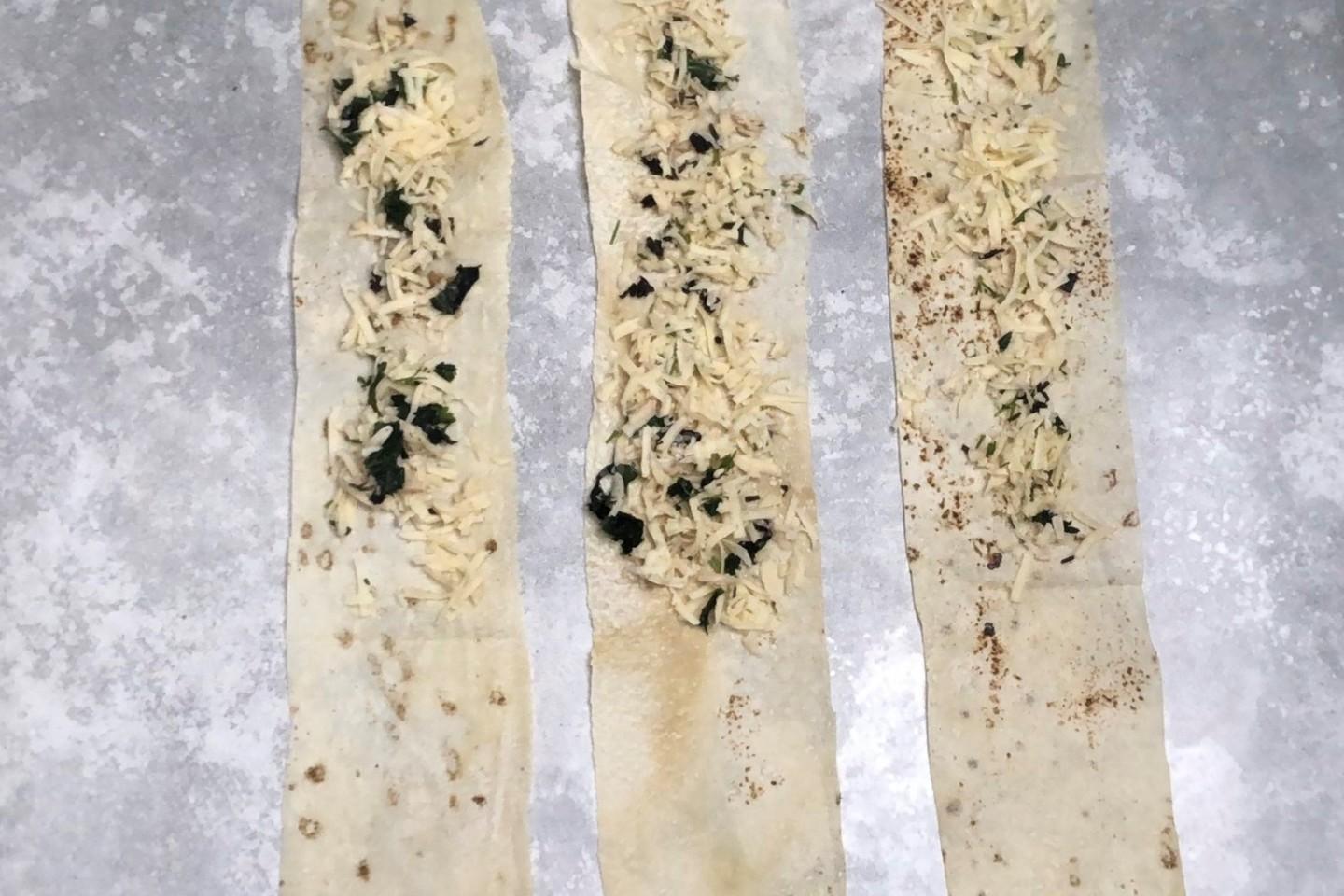
Take the lavash and cut it into long strips. For small pies, aim for about 4 inches (9–10 cm) wide and 16–20 inches (40–50 cm) long — that way the filling stays wrapped securely and won't leak out while frying. Scissors make cutting the lavash easy.
-
Step 6:
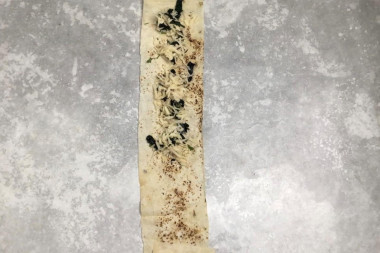
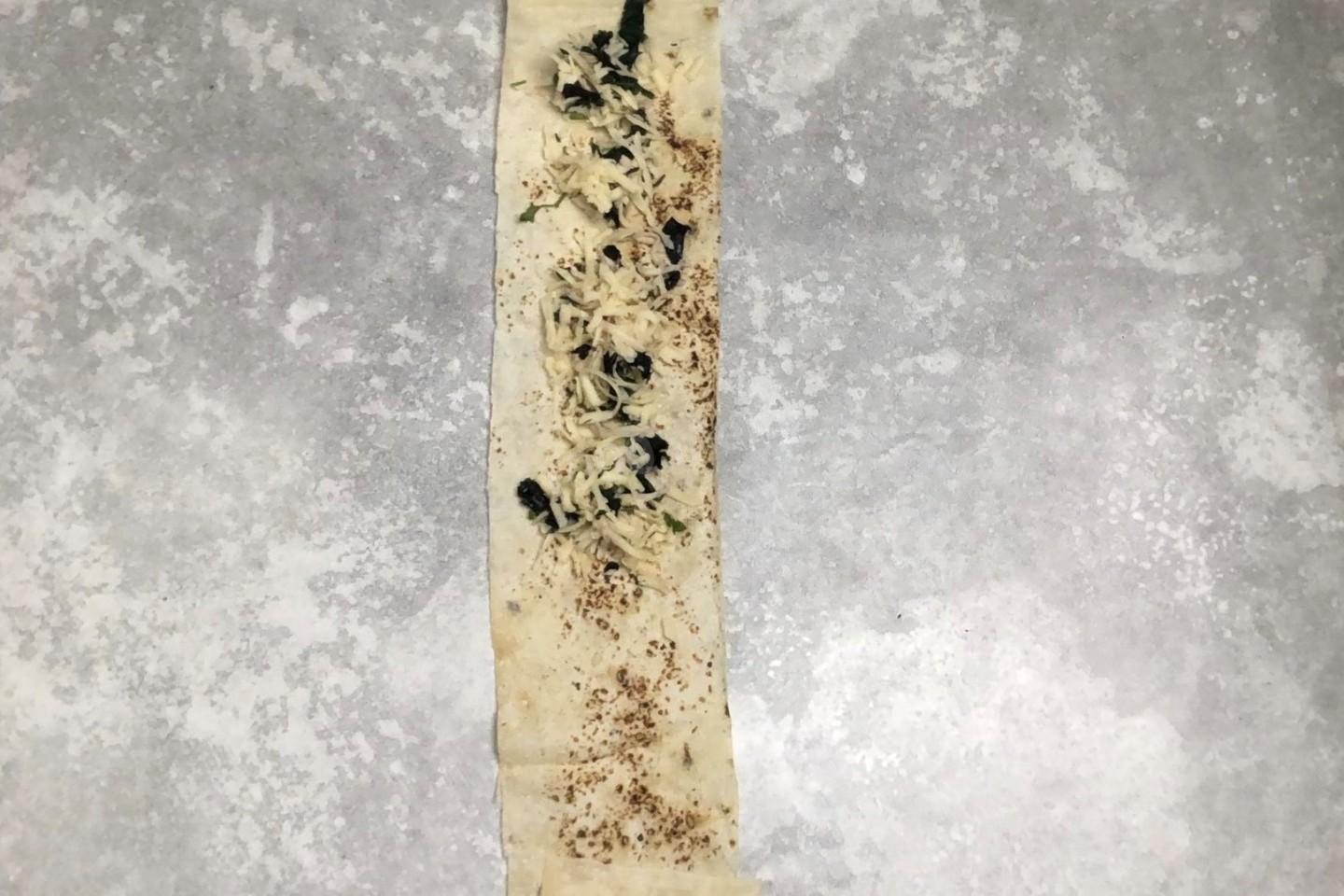
Assemble the pies: take a strip of lavash and add the filling. How much is up to you. You can spread the cheese over about two-thirds of the length so it melts and tastes even better. If you're using a juicy filling, put it only at the start of the strip, or it'll soak the lavash all the way down.
-
Step 7:
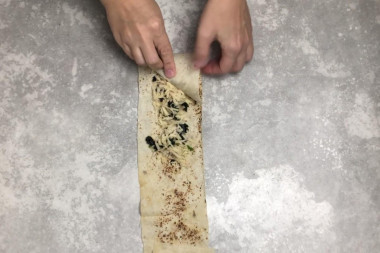
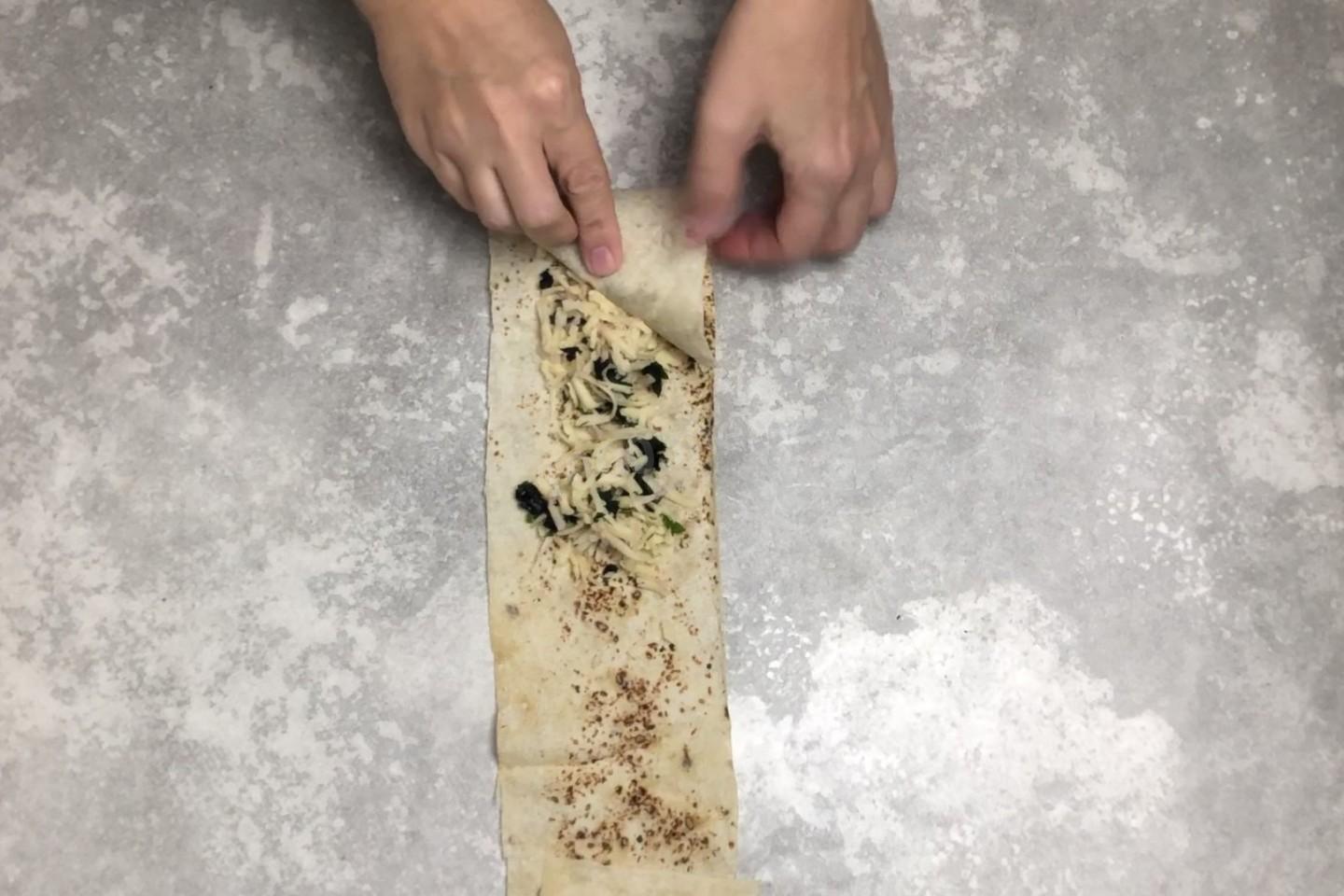
Start folding the lavash, forming a triangle with each turn.
-
Step 8:
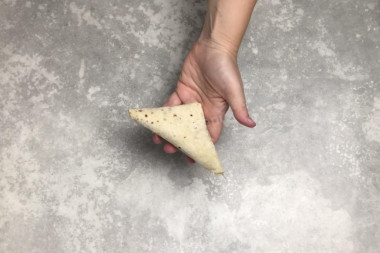
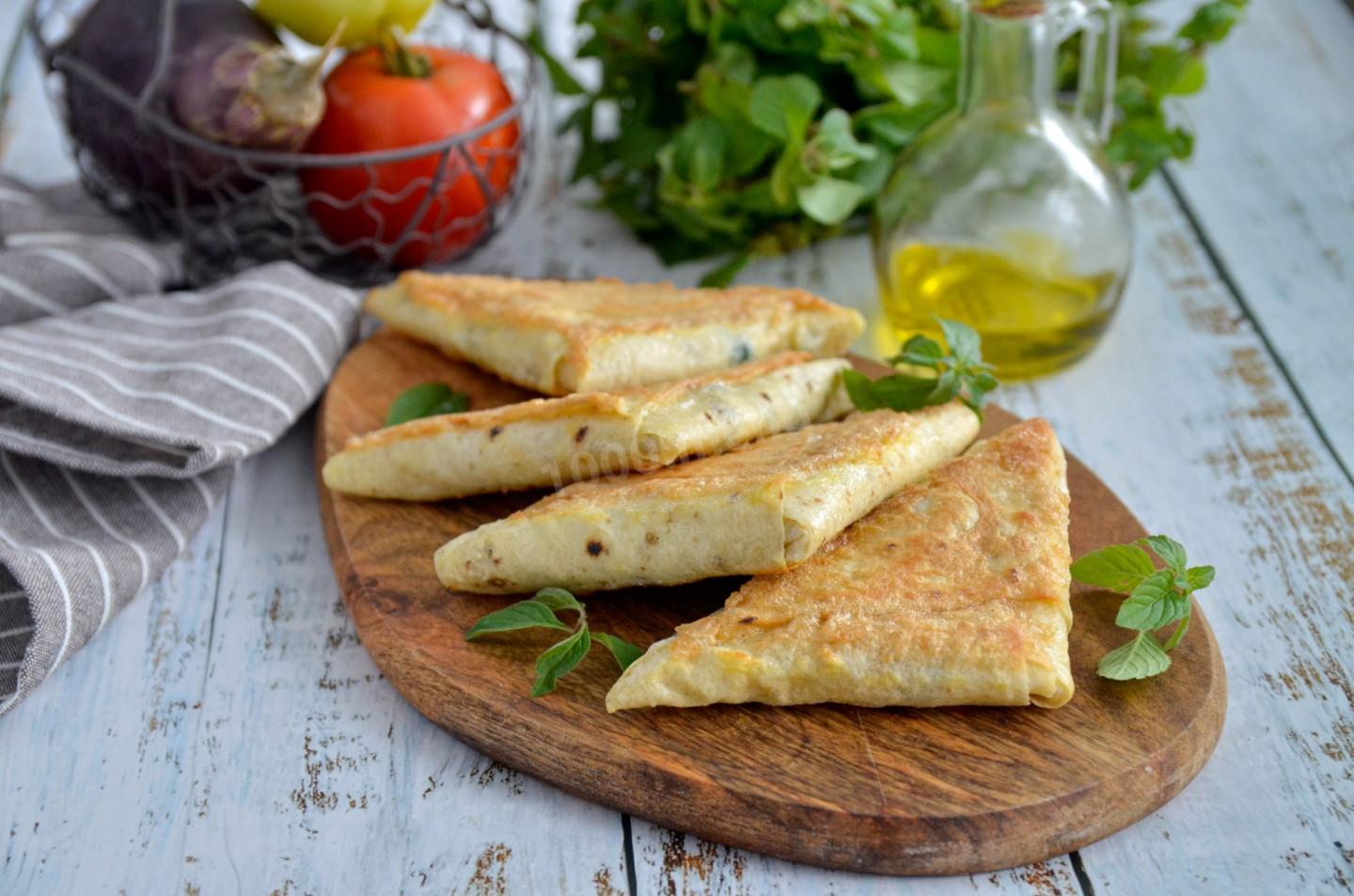
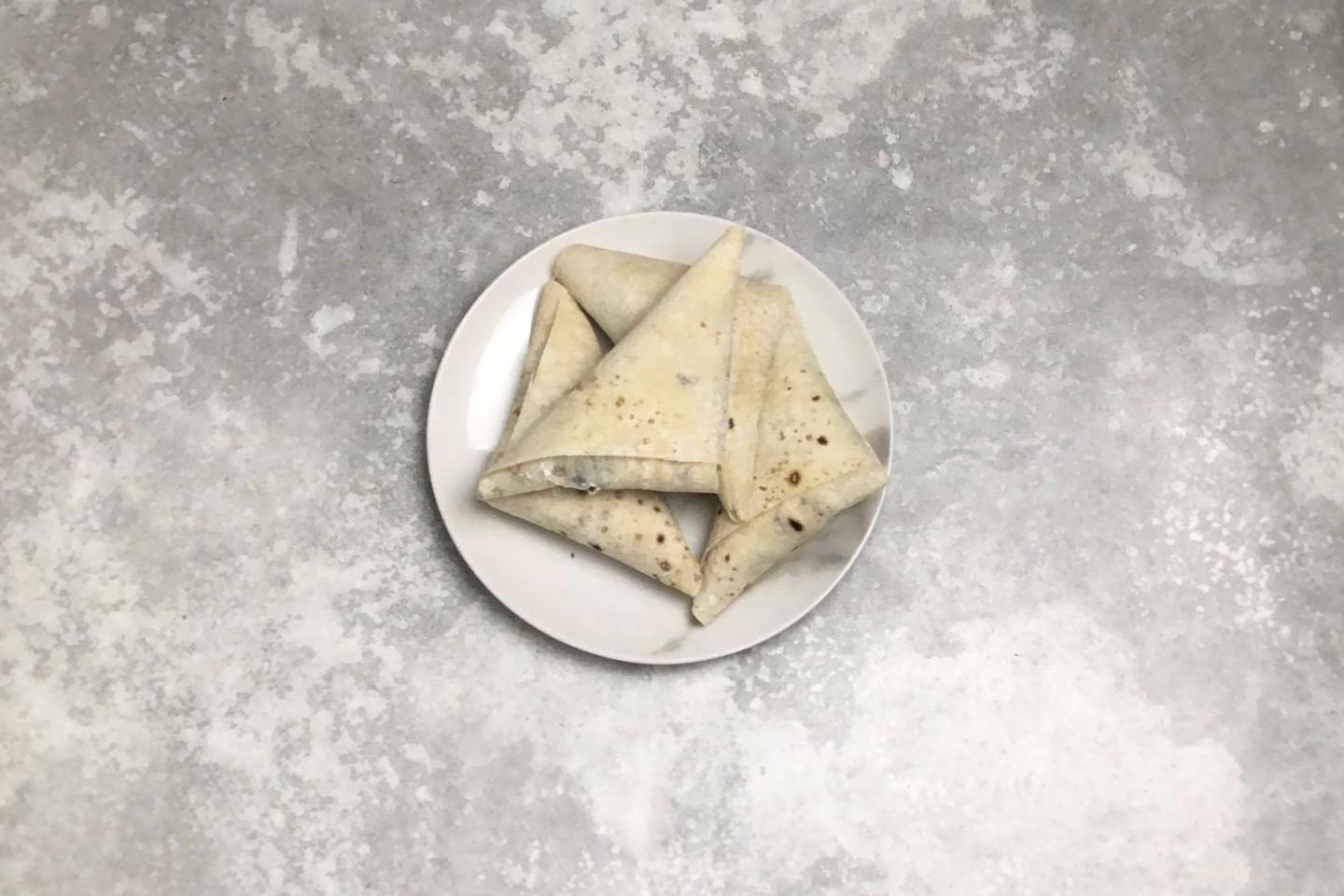
Keep folding all the way to the end of the strip. You'll end up with a neat triangular pie like this.
-
Step 9:
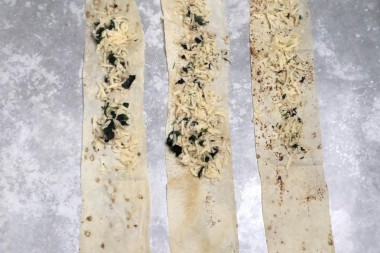
Do the same with the remaining strips.
-
Step 10:
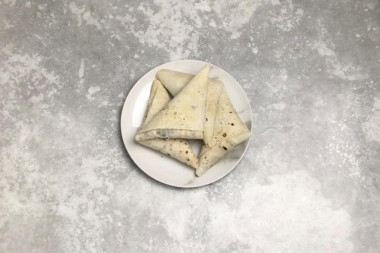
Once the pies are folded, you're ready to fry them.
-
Step 11:
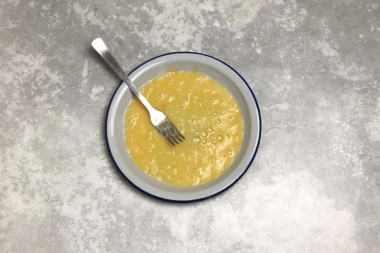
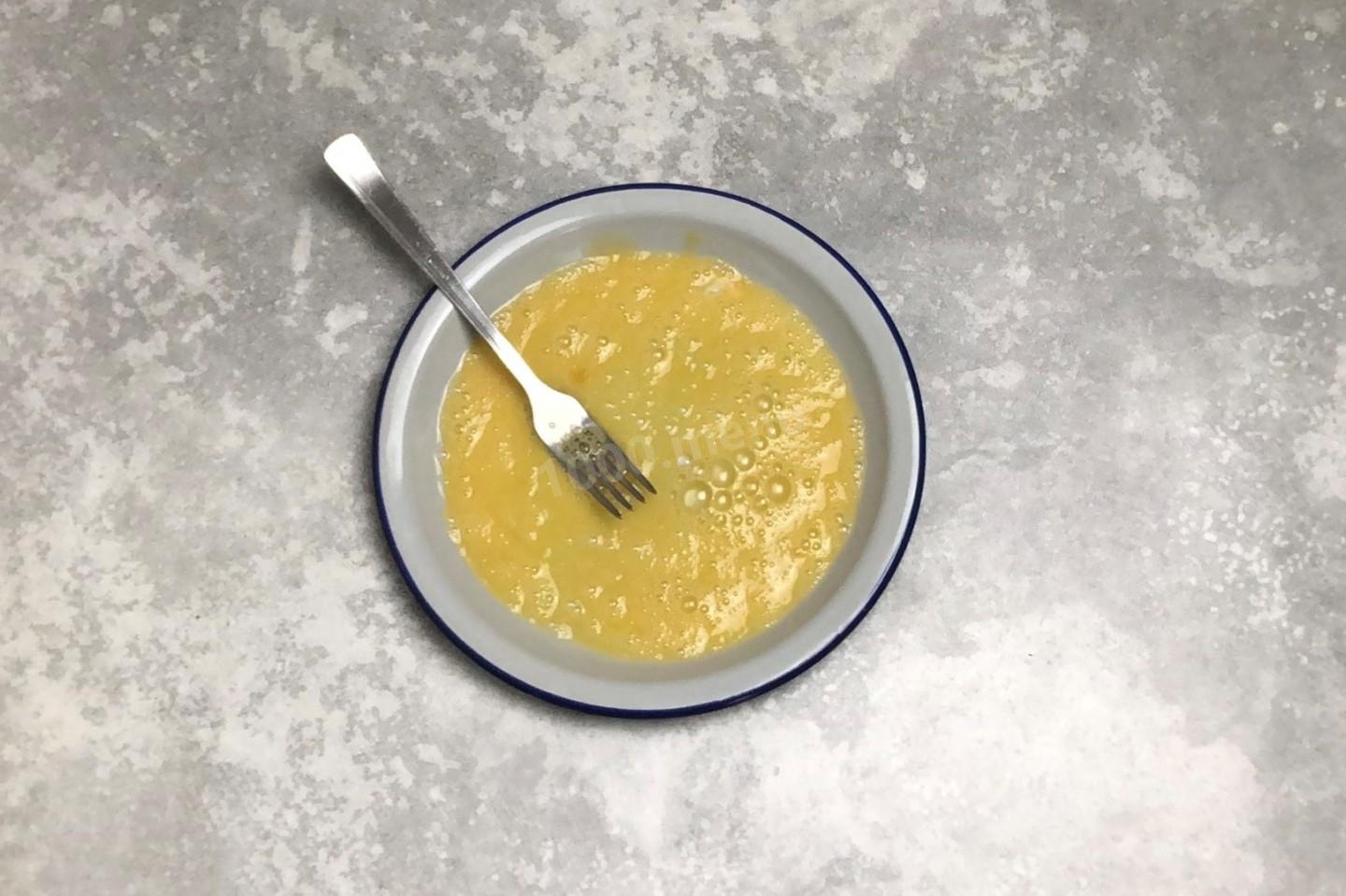
For the egg wash, crack an egg into a bowl and beat it lightly with a fork. Add a pinch of salt.
-
Step 12:
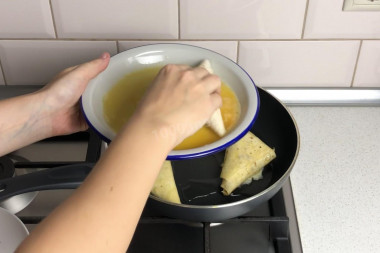
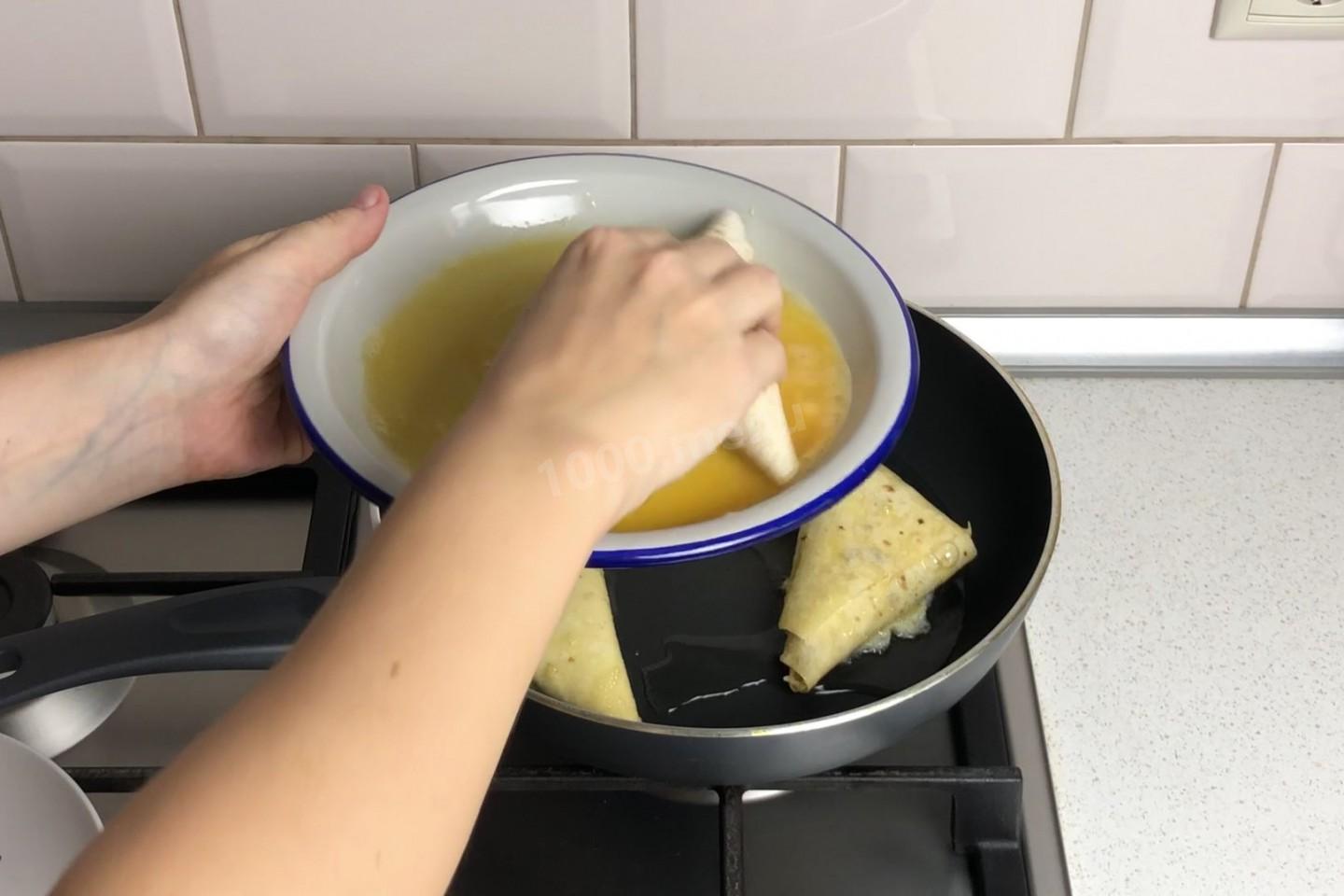
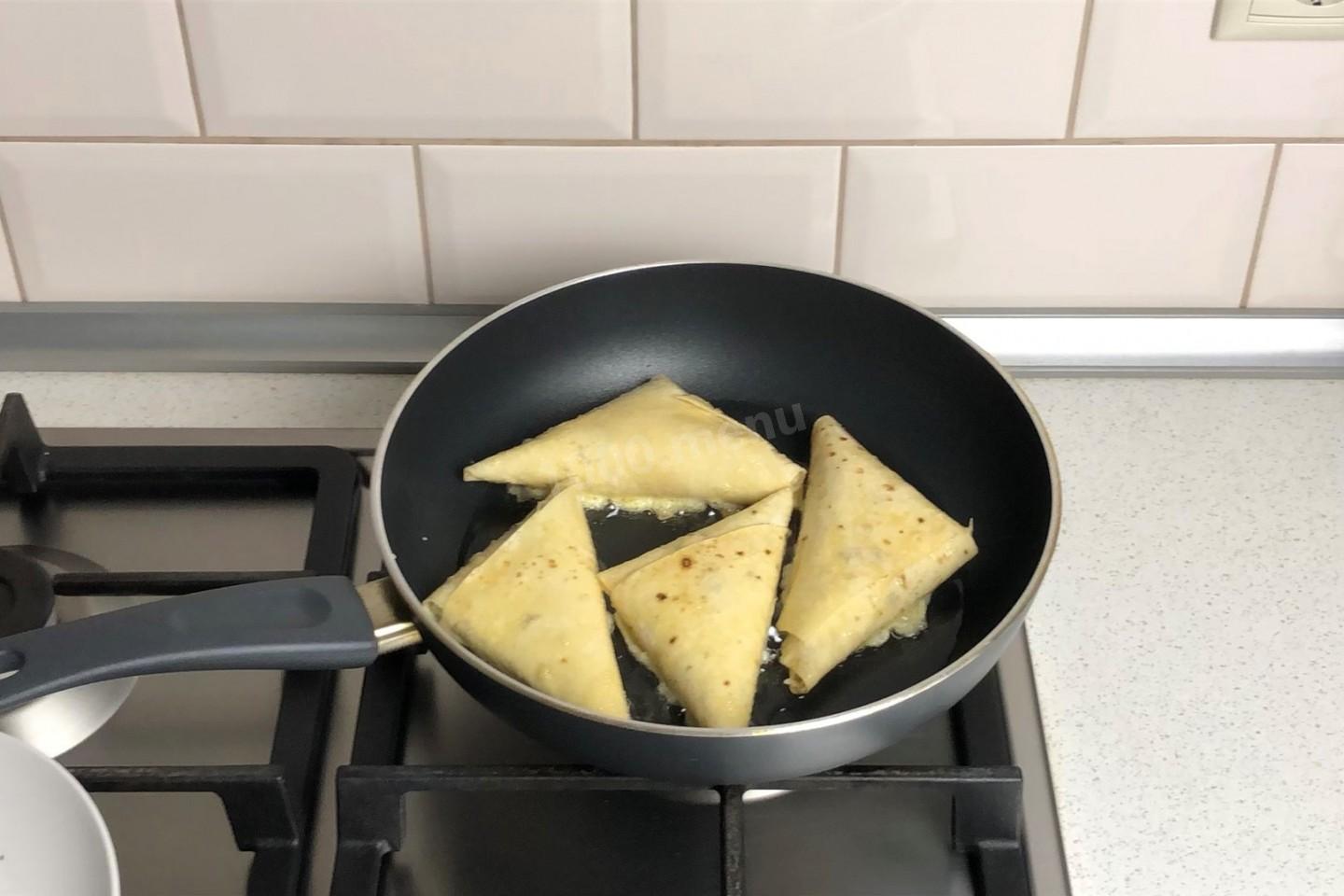
Heat a skillet on the stove and add the vegetable oil. Dip each pie in the egg on all sides, then set it in the hot oil.
-
Step 13:
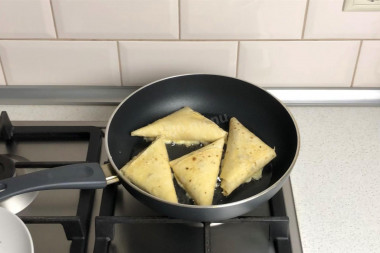
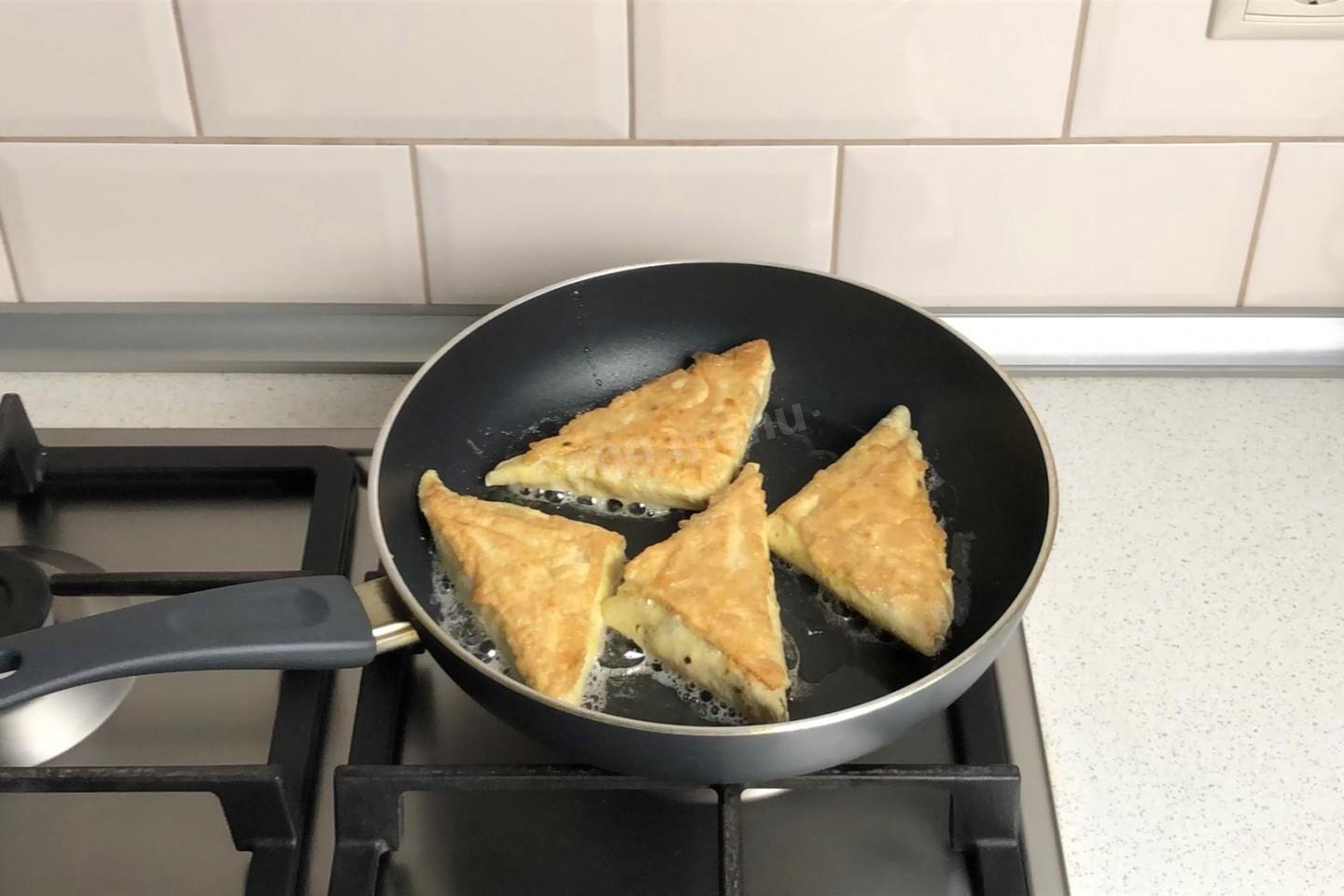
Fry the pies over low heat until golden, about 2 minutes.
-
Step 14:
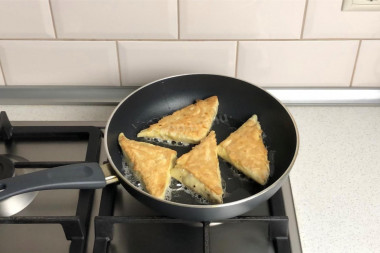
Flip the pies and fry the other side the same way.
-
Step 15:
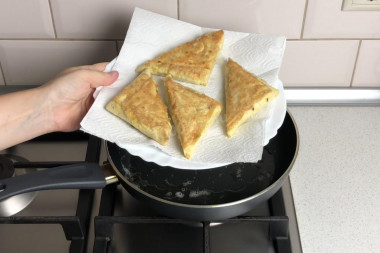
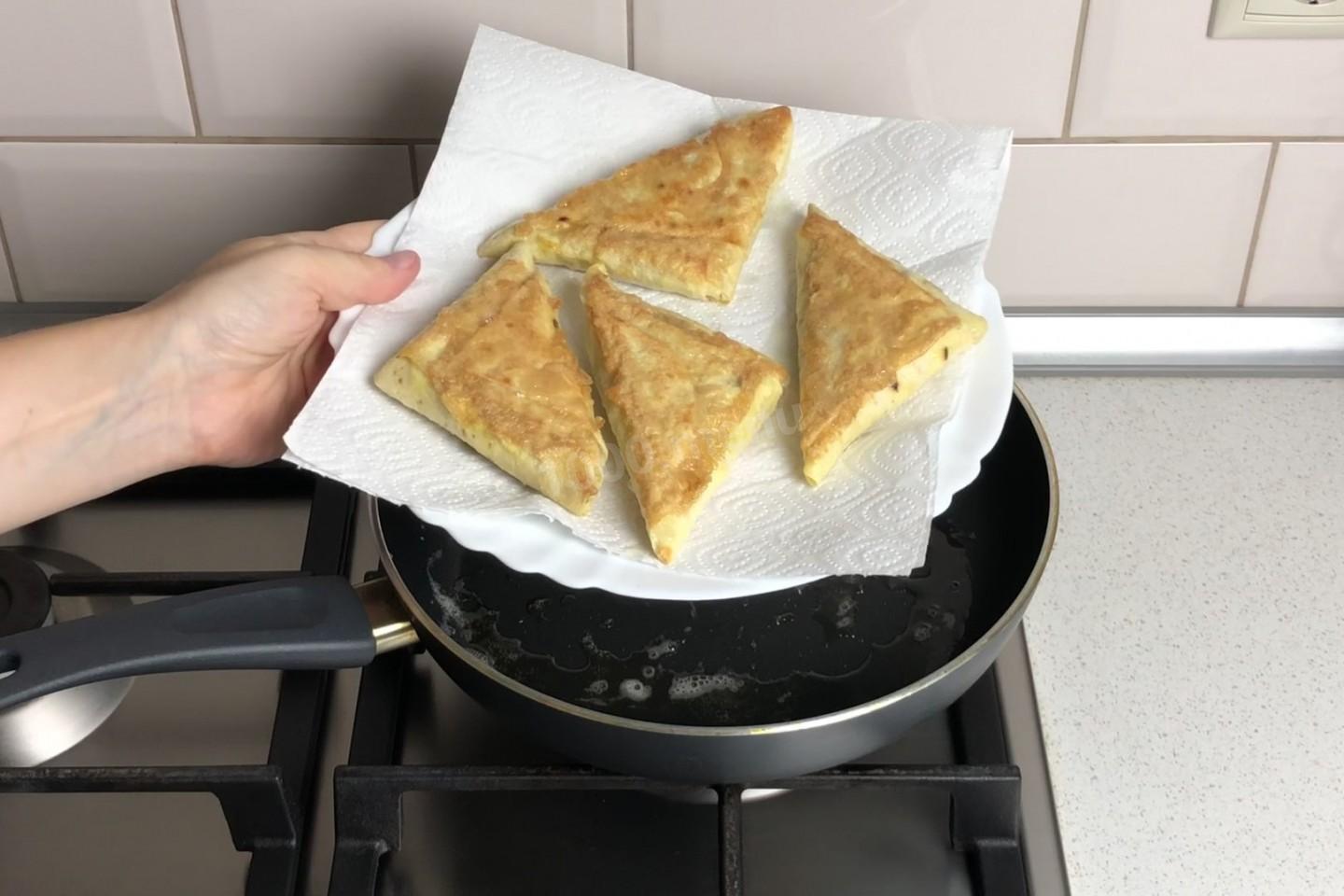
Transfer the finished pies to a paper towel to soak up the excess oil. Serve them right away, hot — that's when they're at their crispiest.

- I've made pies like these before with all sorts of fillings. Back then I fried them plain, without the egg wash. With the egg they're tastier (though richer), and you get a really appetizing crust.
- Fry with an oil that has a high smoke point. Every oil is good only up to a certain temperature — its smoke point — beyond which it starts to burn and form harmful compounds, including carcinogens. Unrefined oils, with few exceptions, have a low smoke point; they're full of unfiltered particles that quickly start to burn. Refined oils stand up to heat better and have a higher smoke point. Whether you're cooking in the oven, in a skillet, or on the grill, use an oil with a high smoke point. The most common high-smoke-point choices are refined sunflower, olive, and grapeseed oil.
- How do you choose good lavash? First, check the production date on the package and skip anything past its prime. Fresh lavash should smell pleasant. Look it over carefully for spots or any signs of mold.
Caloric content of the products possible in the composition of the dish
- Chicken egg - 157 kcal/100g
- Egg white - 45 kcal/100g
- Egg powder - 542 kcal/100g
- Egg yolk - 352 kcal/100g
- Ostrich egg - 118 kcal/100g
- Dutch cheese - 352 kcal/100g
- Swiss cheese - 335 kcal/100g
- Russian cheese - 366 kcal/100g
- Kostroma cheese - 345 kcal/100g
- Yaroslavsky cheese - 361 kcal/100g
- Altai cheese 50% fat content - 356 kcal/100g
- Soviet cheese - 400 kcal/100g
- Cheese 'steppe' - 362 kcal/100g
- Uglichsky cheese - 347 kcal/100g
- Poshekhonsky cheese - 350 kcal/100g
- Lambert cheese - 377 kcal/100g
- Appnzeller cheese with 50% fat content - 400 kcal/100g
- Chester cheese with 50% fat content - 363 kcal/100g
- Edamer cheese with 40% fat content - 340 kcal/100g
- Cheese with mushrooms of 50% fat content - 395 kcal/100g
- Emmental cheese with 45% fat content - 420 kcal/100g
- Gouda cheese with 45% fat content - 356 kcal/100g
- Aiadeus cheese - 364 kcal/100g
- Dom blanc cheese (semi-hard) - 360 kcal/100g
- Lo spalmino cheese - 61 kcal/100g
- Cheese 'etorki' (sheep, hard) - 401 kcal/100g
- White cheese - 100 kcal/100g
- Fat yellow cheese - 260 kcal/100g
- Altai cheese - 355 kcal/100g
- Kaunas cheese - 355 kcal/100g
- Latvian cheese - 316 kcal/100g
- Limburger cheese - 327 kcal/100g
- Lithuanian cheese - 250 kcal/100g
- Lake cheese - 350 kcal/100g
- Gruyere cheese - 396 kcal/100g
- Vegetable oil - 873 kcal/100g
- Armenian lavash - 236 kcal/100g
- Lavash - 277 kcal/100g
- Salt - 0 kcal/100g
- Fresh frozen soup greens in a package - 41 kcal/100g
- Greenery - 41 kcal/100g
Similar recipes
- Fast and tasty
- For breakfast
- Children's recipes
- Baking
- Eggs
- Cheese
- Bakery products
- Spices seasonings spices
- Fats and oils
- Wheat bread
- Зелень
- Salt
- Vegetable oil
- Frying
- In a frying pan
- Hasty pastries
- Dishes in 30 minutes
- Patties
- Quick baking
- Yeast-free baking
- Egg breakfast
- Made of solid cheese
- Recipes for lean dishes without butter