Creamy Tomato Sauce for Meat
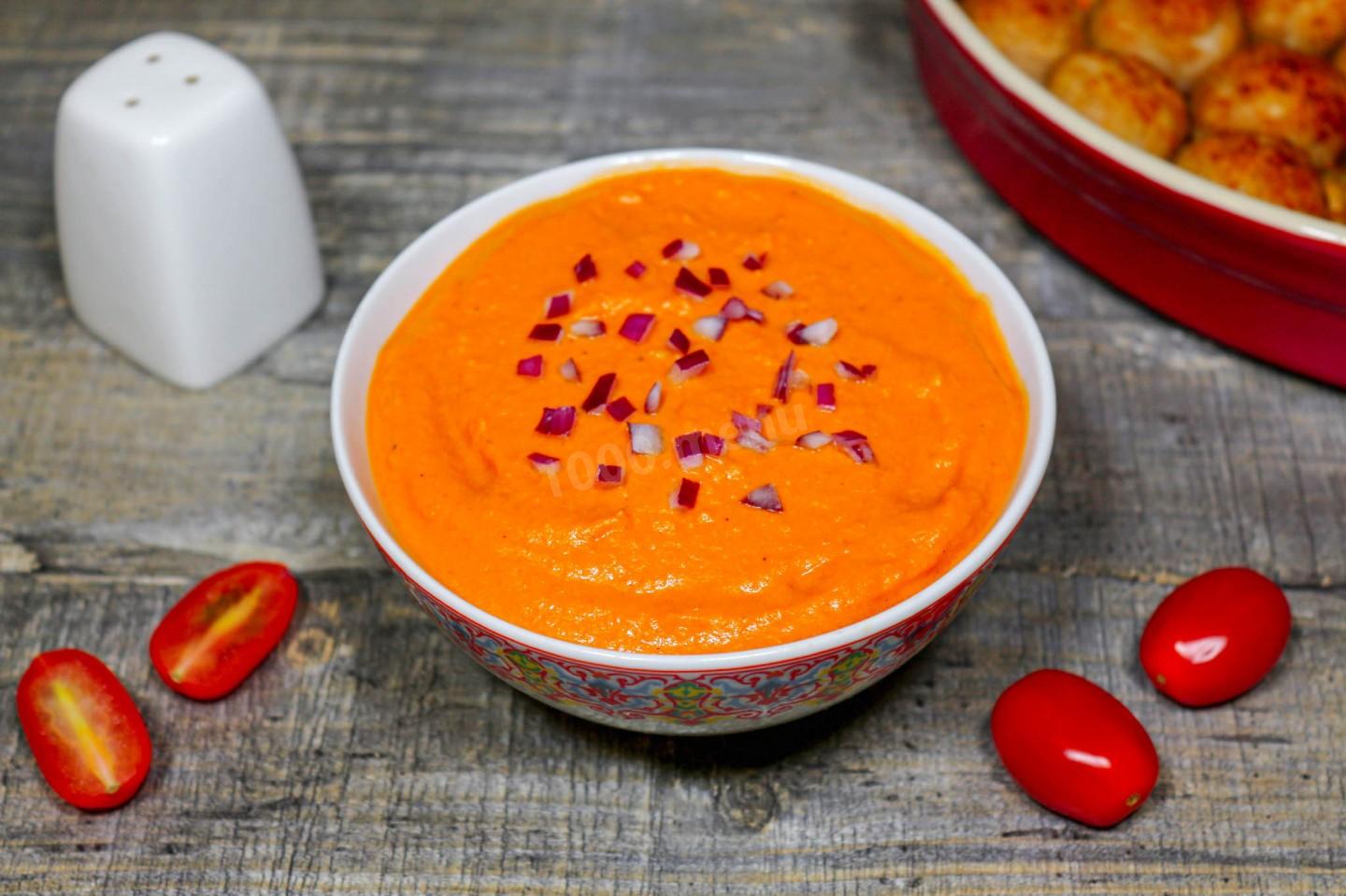
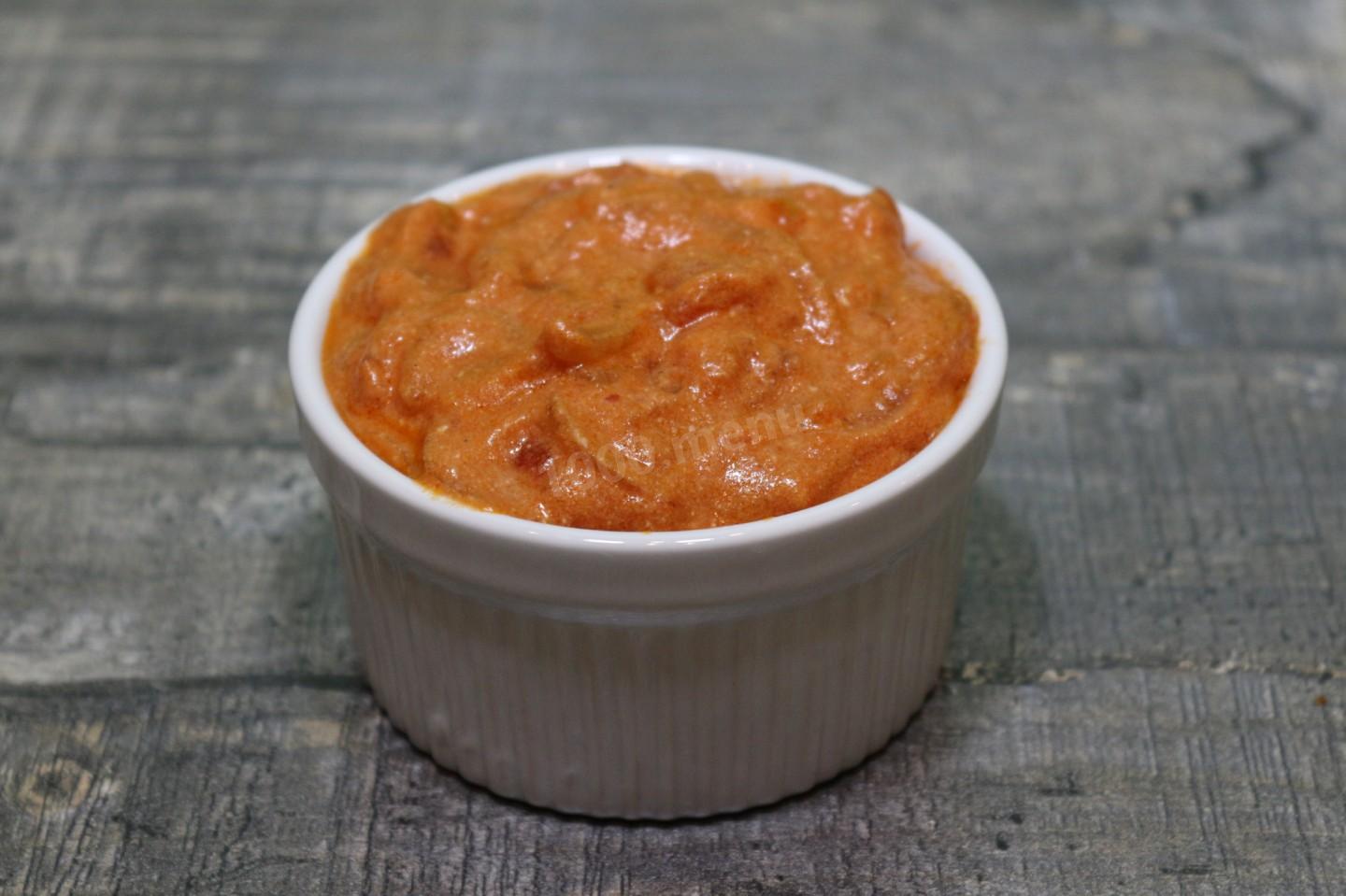
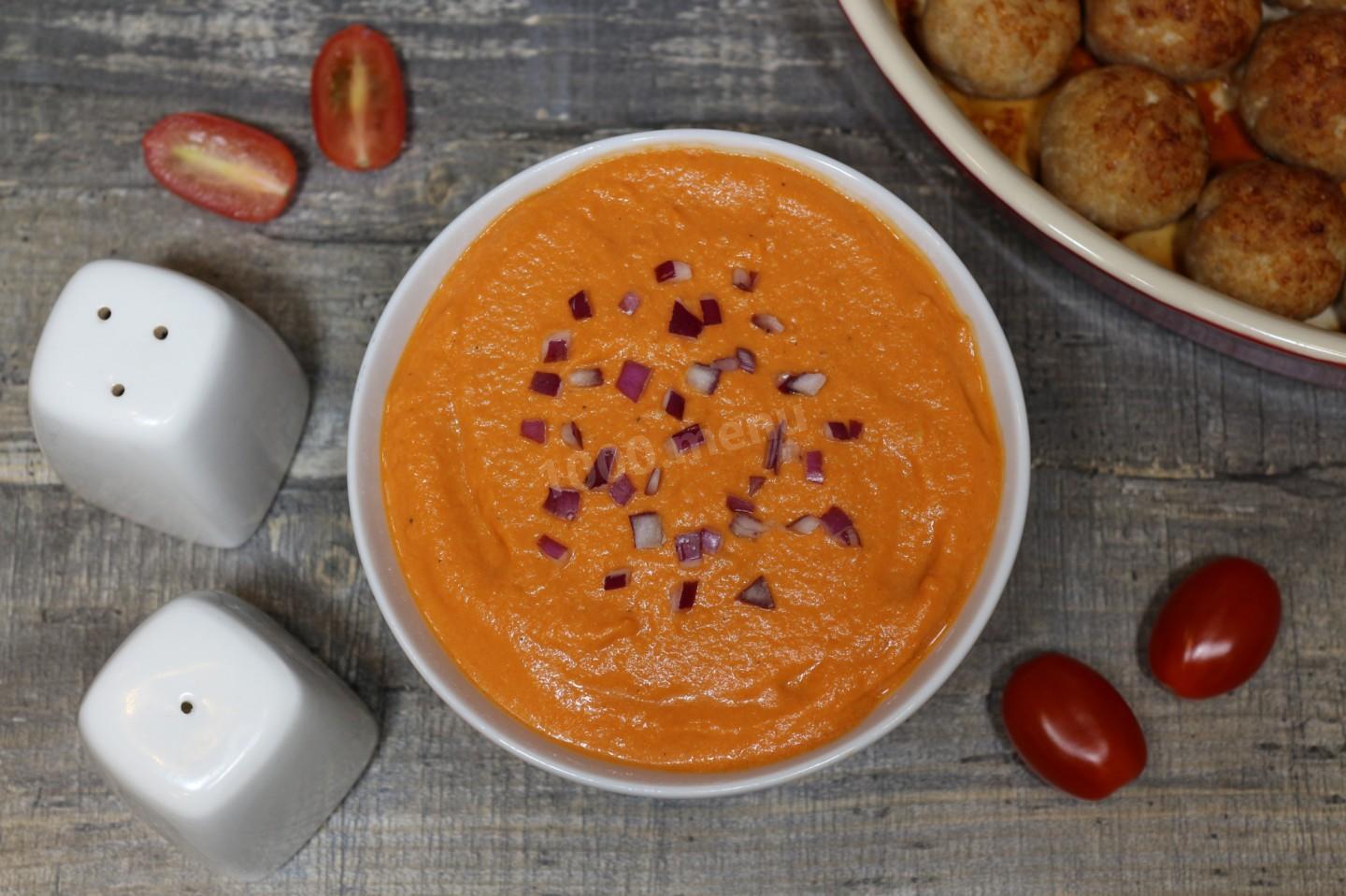
Appetizing, made from everyday ingredients, and simply the best! This creamy tomato sauce makes any dish juicier, more fragrant, and more flavorful. It comes out thick, with a rich tomato taste, and a splash of cream softens it and makes it silky. It's perfect not just with meat, but also with pasta, rice, and potatoes.

Cooking method
-
Step 1:
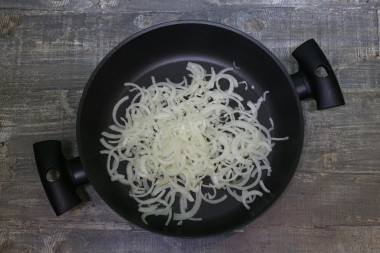
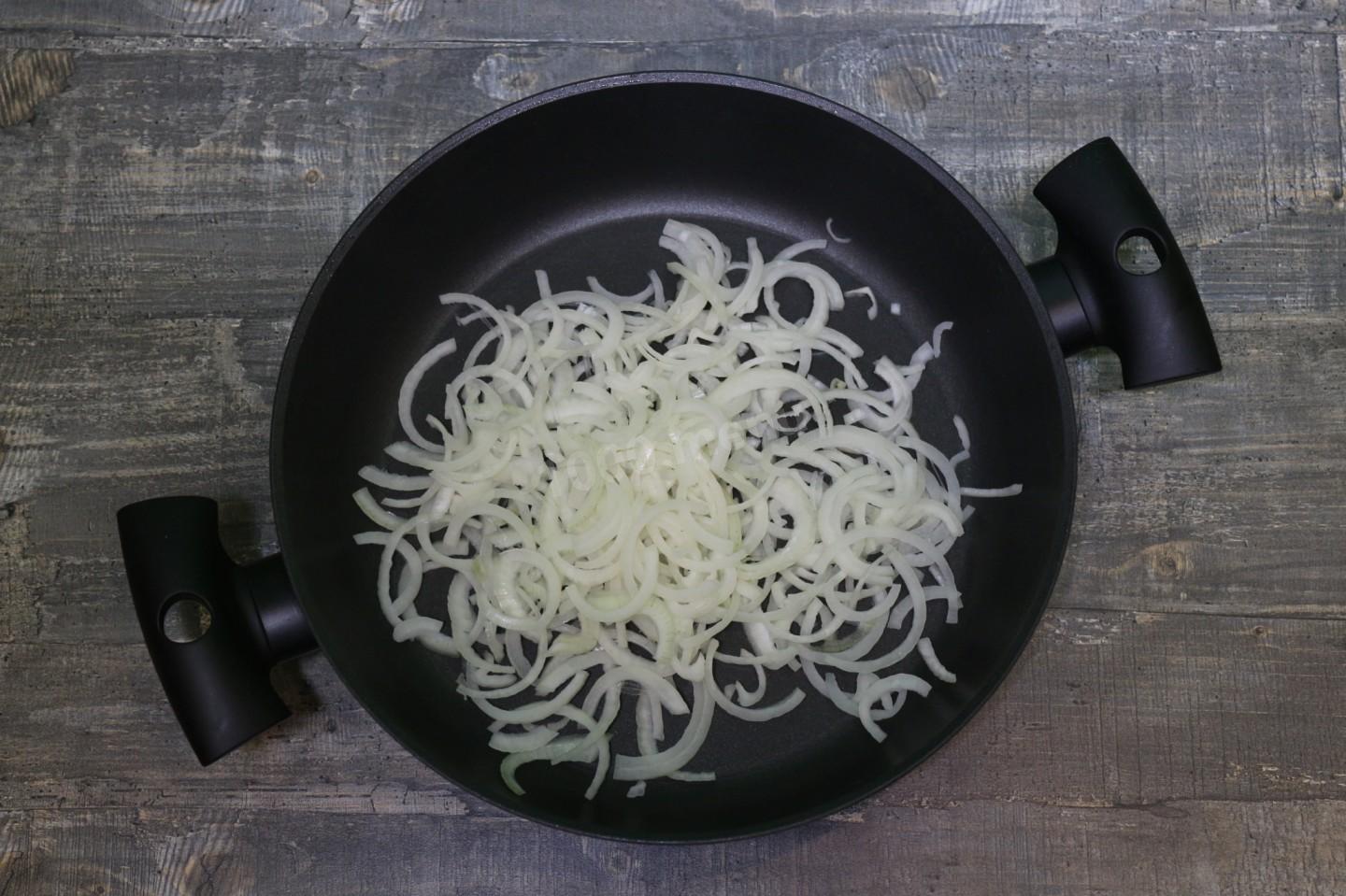
How do you make creamy tomato sauce for meat? Gather your ingredients. Light cream with about 10–20% fat is all you need. Peel the onions and cut them into thin half-rings. Pour the vegetable oil into a skillet, heat it up, and add the onion. Sauté over medium heat until translucent, stirring constantly — this takes 5–7 minutes.
-
Step 2:
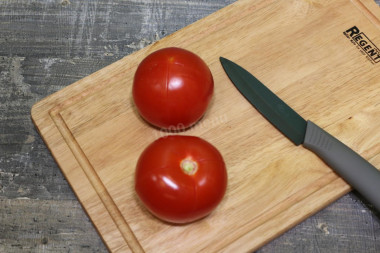
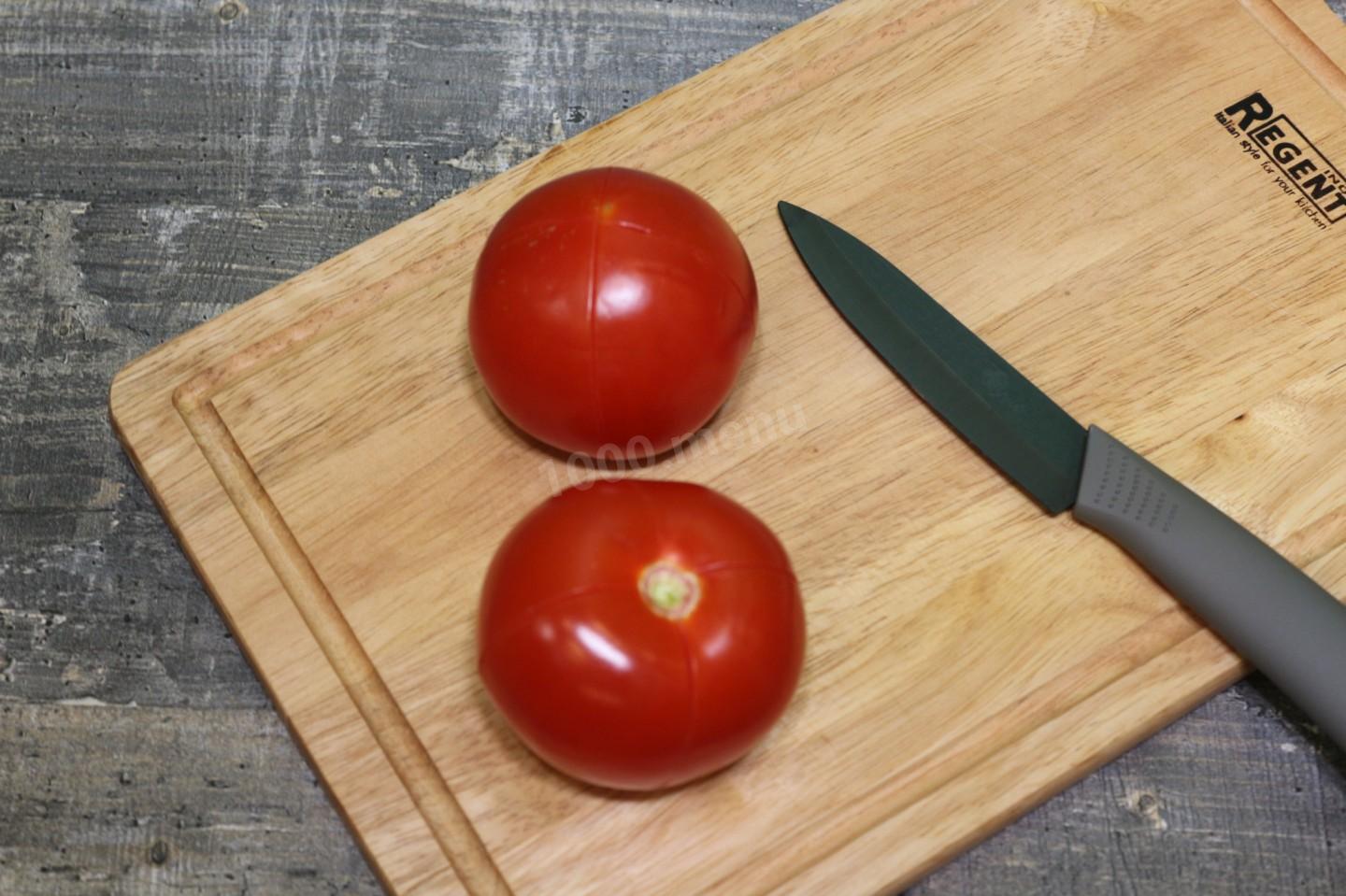
Wash the tomatoes and peel off the skins. The easy way: score a shallow X in the top of each with a sharp knife, drop them into boiling water for 1–2 minutes, then lift them out, let them cool slightly, and slip off the skins.
-
Step 3:
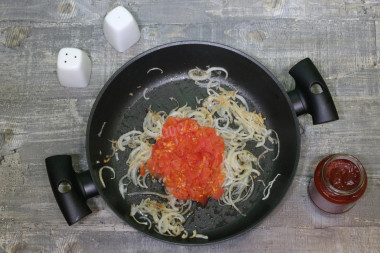
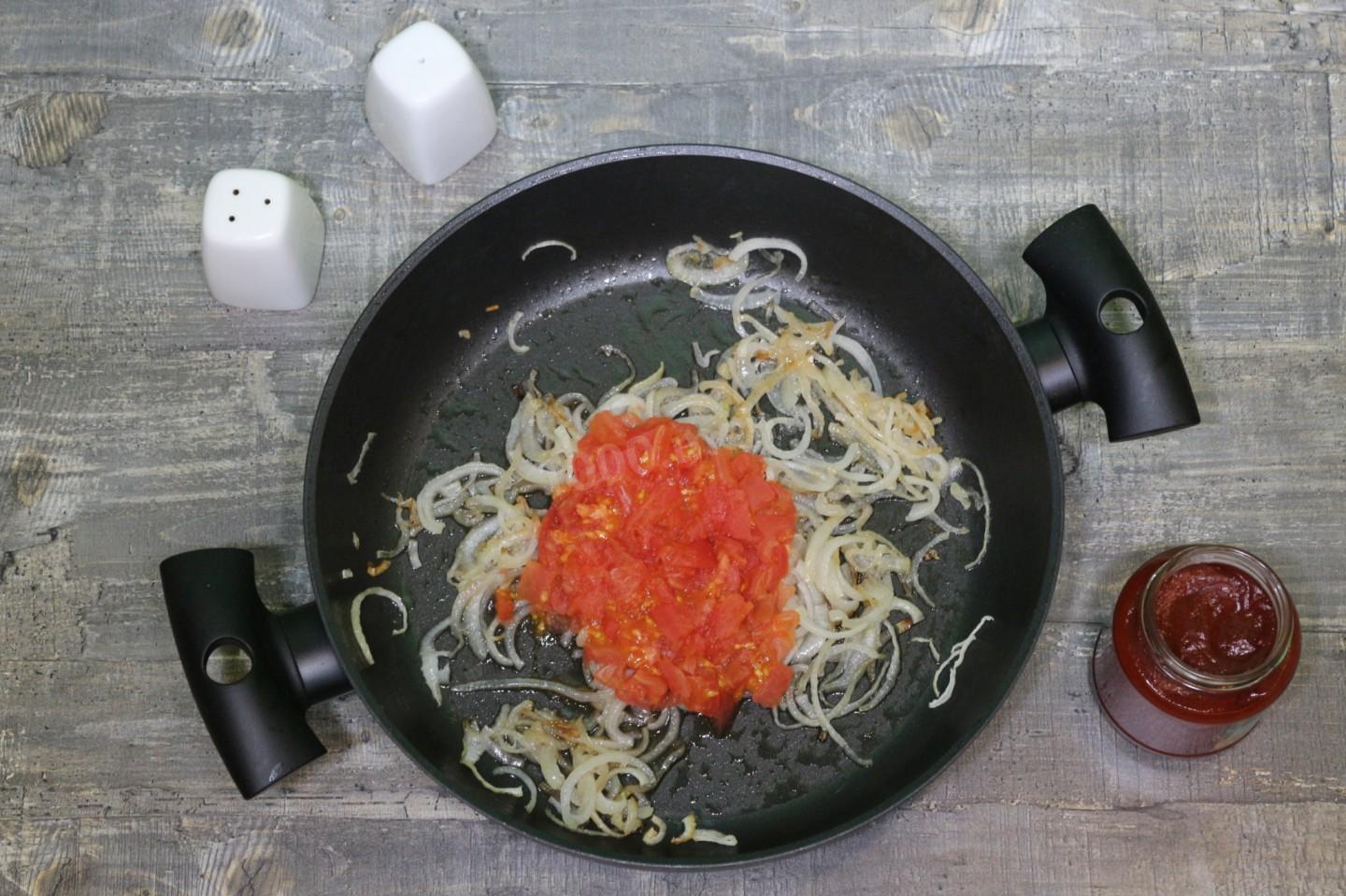
Now dice the tomatoes and add them to the onion in the skillet, stirring to combine. Add the tomato paste and season with ground black pepper and salt to taste. Simmer the sauce for about 5–7 minutes, stirring now and then.
-
Step 4:
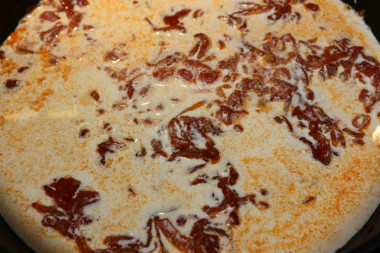
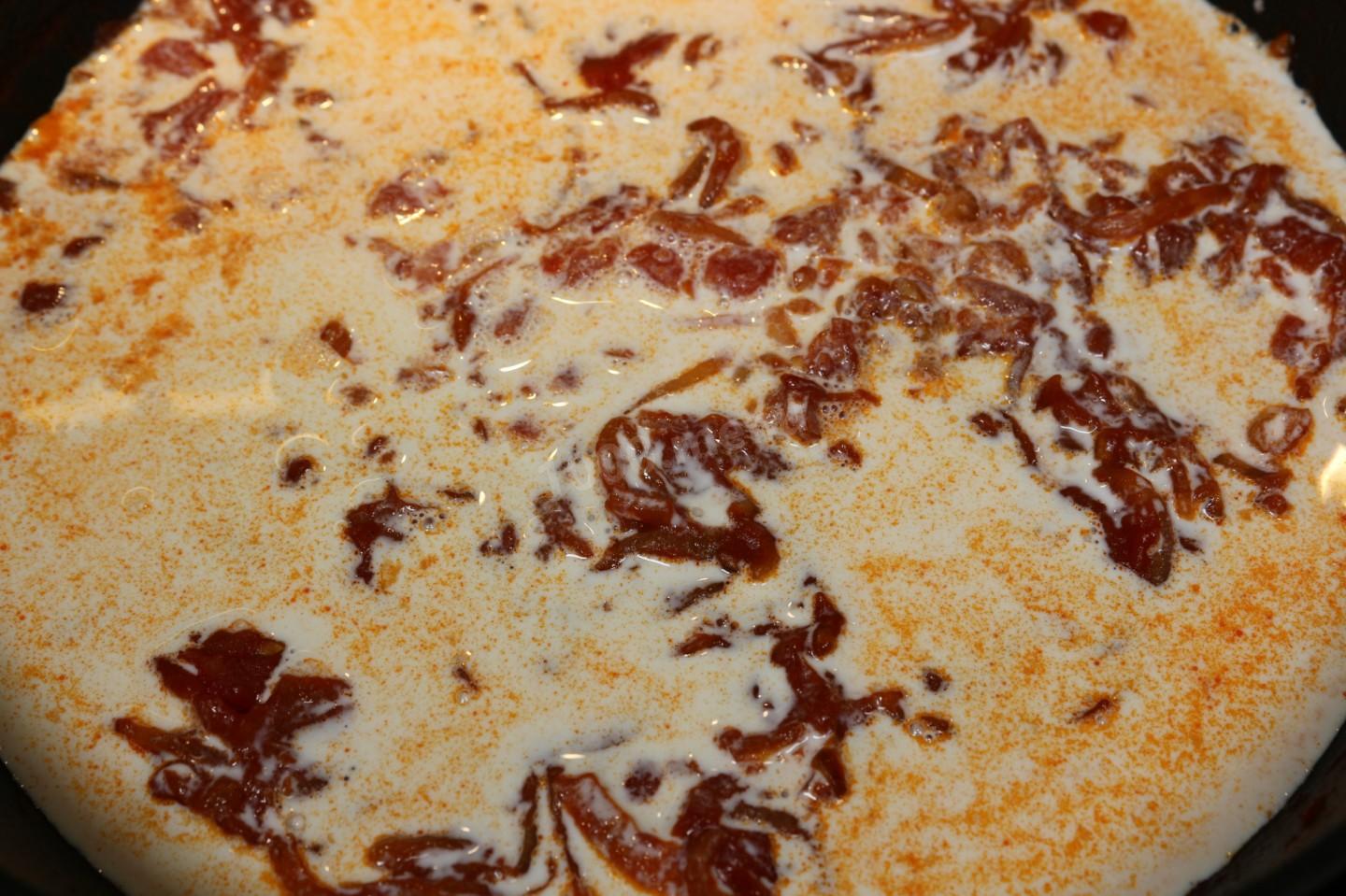
Now add the cream, bring the skillet to a boil, then turn the heat down to low. Simmer the creamy tomato sauce until it thickens — just 1–2 minutes. Keep stirring the whole time.
-
Step 5:
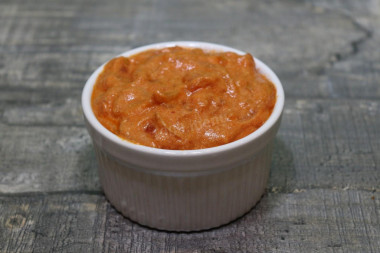
Once it thickens, take the skillet off the heat. The sauce is ready to use as is.
-
Step 6:
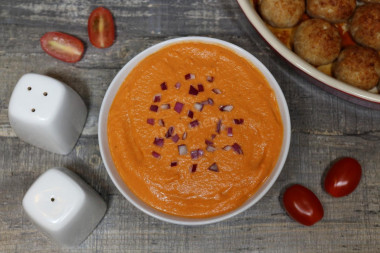
But for a true smooth sauce, I recommend transferring everything to a blender and puréeing until smooth. Serve it warm or cold. Enjoy!
- For all the secrets, tips, and tricks, read the article: "Cream and sour cream in a cream sauce: how to keep them from curdling."
- You can swap the tomato paste in this recipe for canned tomatoes, fresh tomatoes, or ketchup.
- Fry with an oil that has a high smoke point. Every oil is good only up to a certain temperature — its smoke point — beyond which it starts to burn and form harmful compounds, including carcinogens. Unrefined oils, with few exceptions, have a low smoke point; they're full of unfiltered particles that quickly start to burn. Refined oils stand up to heat better and have a higher smoke point. Whether you're cooking in the oven, in a skillet, or on the grill, use an oil with a high smoke point. The most common high-smoke-point choices are refined sunflower, olive, and grapeseed oil.
Caloric content of the products possible in the composition of the dish
- Onion - 41 kcal/100g
- Tomatoes - 23 kcal/100g
- Buttermilk - 36 kcal/100g
- Cream of 20% fat content - 300 kcal/100g
- Cream of 10% fat content - 120 kcal/100g
- Cream - 300 kcal/100g
- Ground black pepper - 255 kcal/100g
- Vegetable oil - 873 kcal/100g
- Tomato paste - 28 kcal/100g
- Salt - 0 kcal/100g