
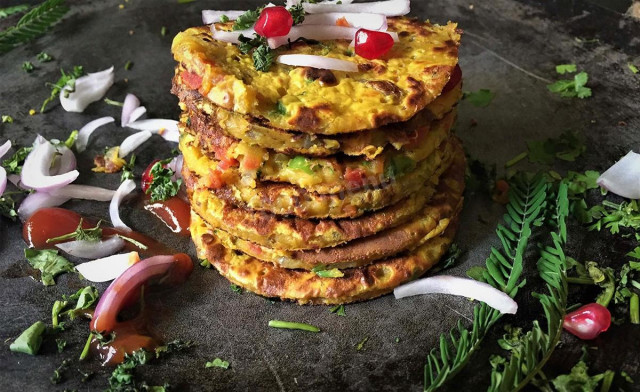
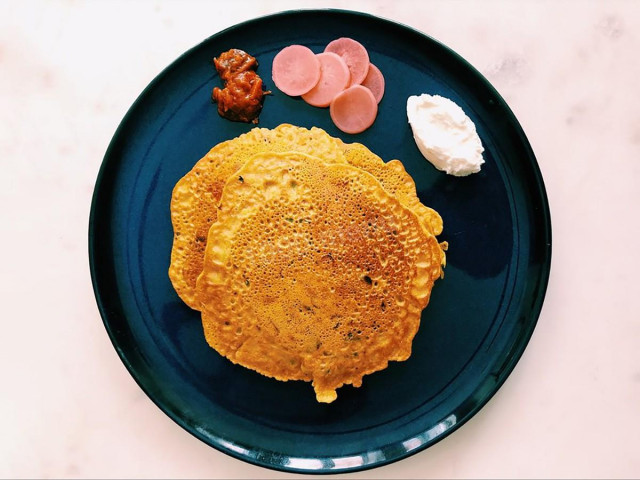
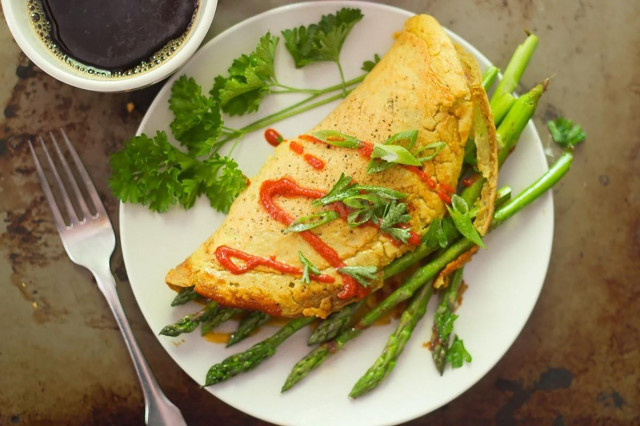
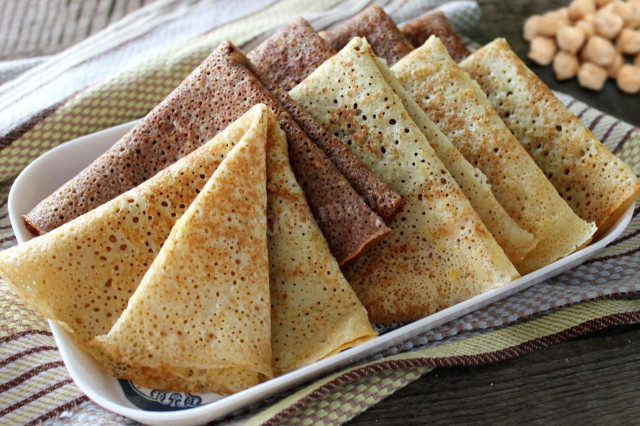
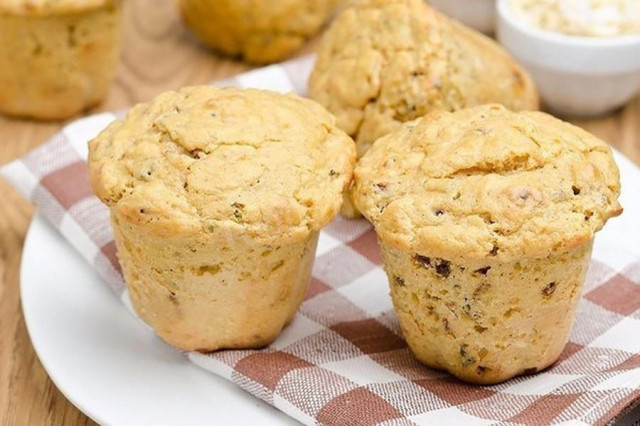
Chickpea flour has become a real lifesaver for many fans of all kinds of baking. It is gluten-free and not as expensive as other types of flour, which makes it ideal for a gluten-free diet. Everything made with wheat flour can be cooked on its base. Of course, the taste of the dish will be different, but in some cases such sacrifices are worth making))
Chickpea flour is most often found in recipes with these five products:
This flour is ground from Turkish peas, known as chickpeas. It arrived in our region not so long ago. These legumes are used mainly in Indian and Arabic cuisine. What's more, chickpea flour is truly beloved in India, as it goes into a huge number of recipes. It's used to bake bread and flatbreads, to fry pancakes and fritters, and to cook soups and porridges. And, of course, to make amazing Indian sweets.
The product's profile is as follows: 337 kcal; protein/fat/carbs — 10.9, 2.9 and 66 respectively; GI — 35; B vitamins (in large amounts), A, E, K, C and PP; selenium, calcium, potassium, zinc, magnesium, copper, iron, manganese, chlorine, iodine, sulfur, molybdenum, tin, vanadium, boron, silicon, titanium, phosphorus, cobalt and sodium; saturated and unsaturated fatty acids. It normalizes the work of the gastrointestinal tract. You can also use it as a rescue from acne.
Chickpea flour is one of the cornerstone products of vegan cuisine. Its nutritional value is high, and it fills the body well.
A tip for the modern home cook: try adding chickpea flour to your batter and see what happens)) The thing is, one of the handy properties of this ingredient is that it repels fats. That is, fats aren't absorbed by it. You can make the most of this magical feature, experimenting in the kitchen to your heart's content!