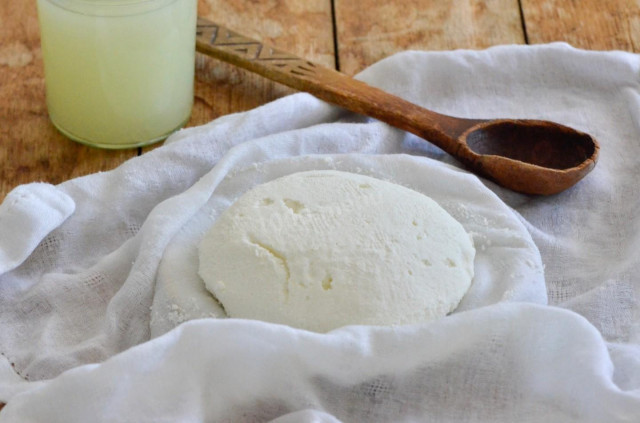
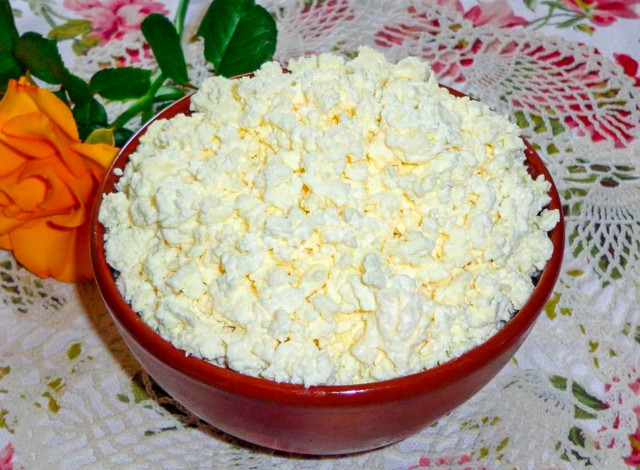
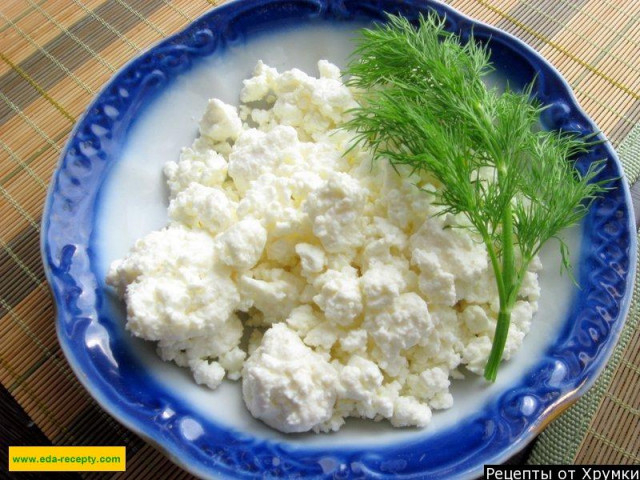
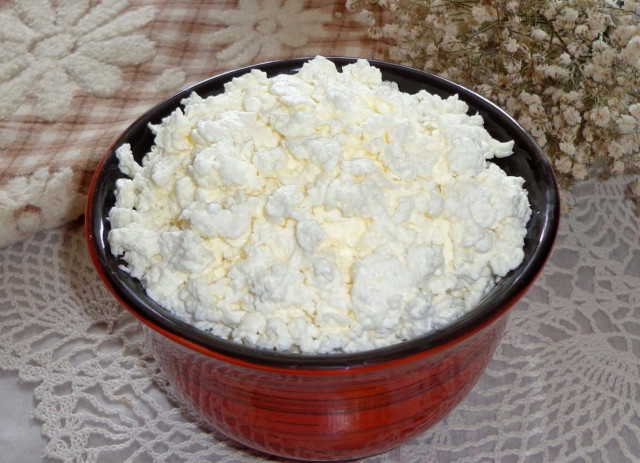

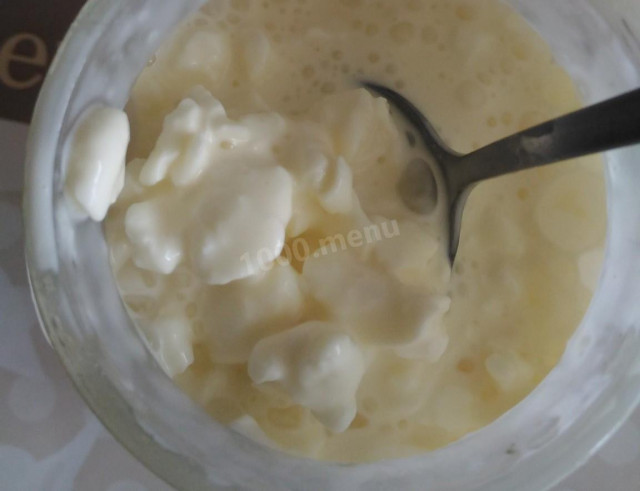
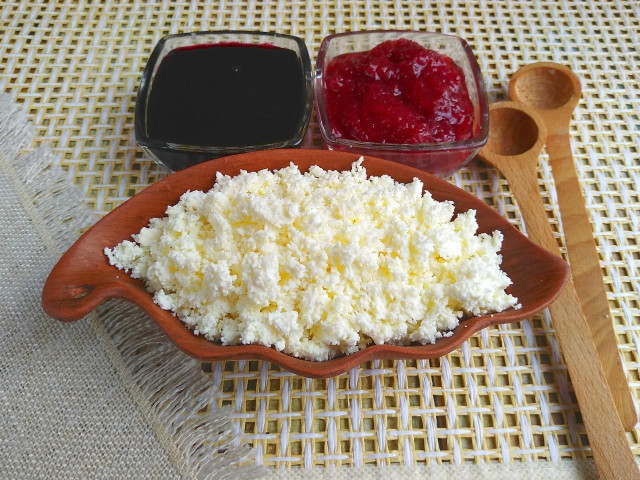
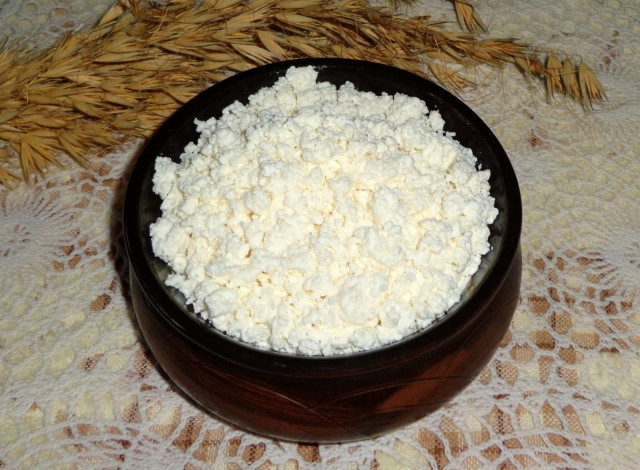
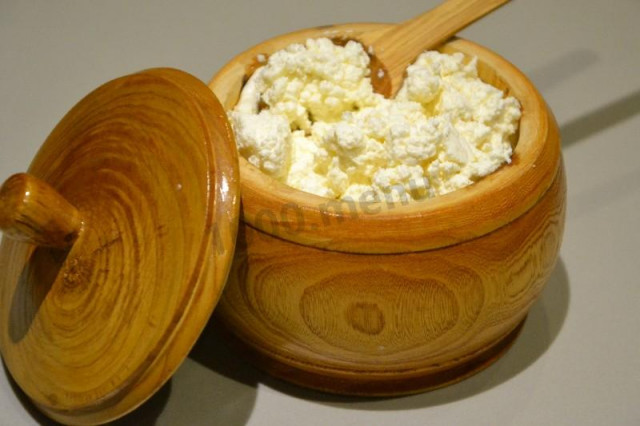

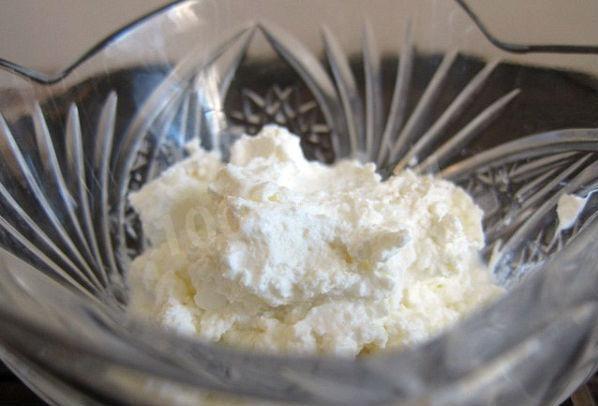
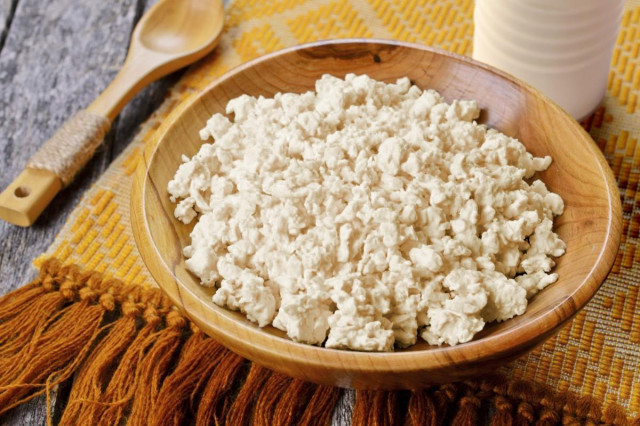
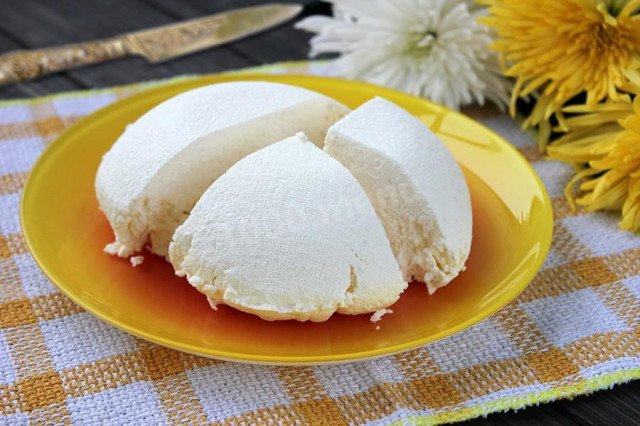
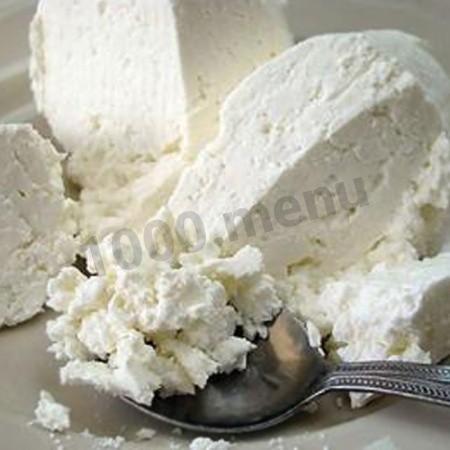

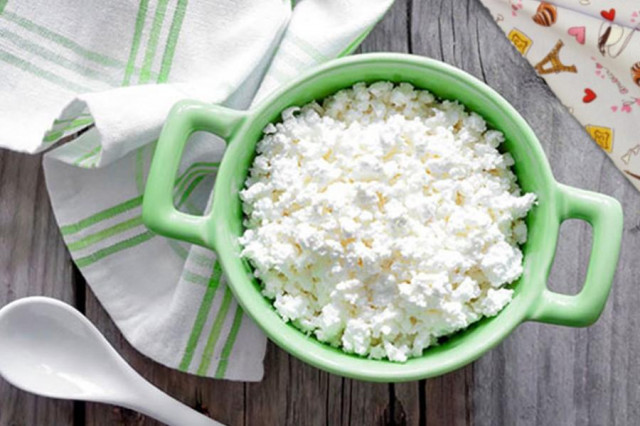
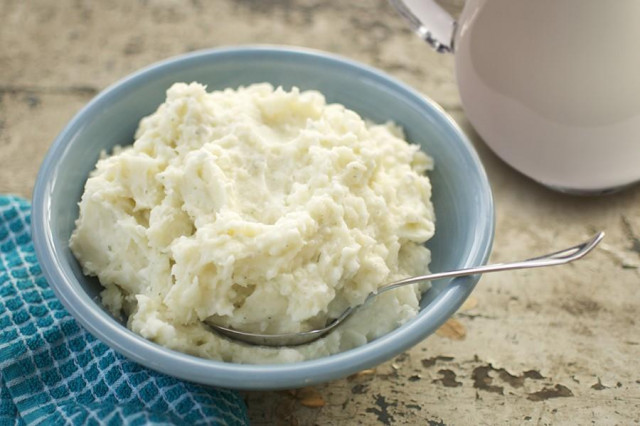
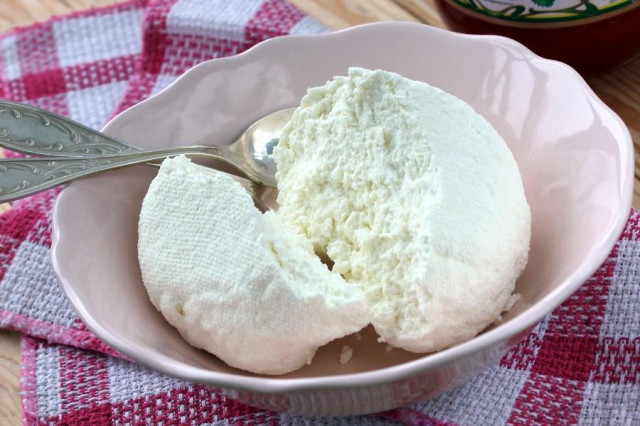
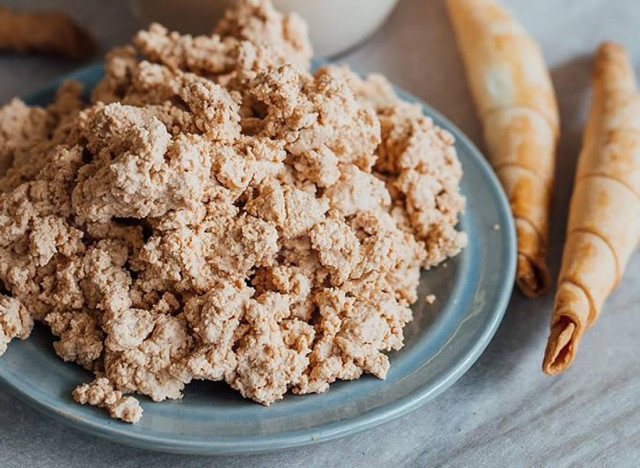
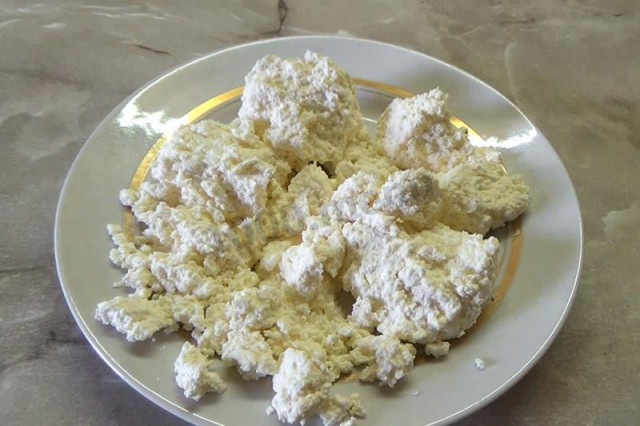
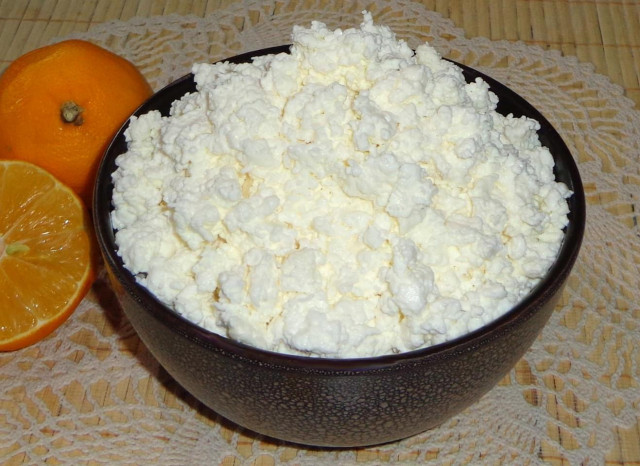
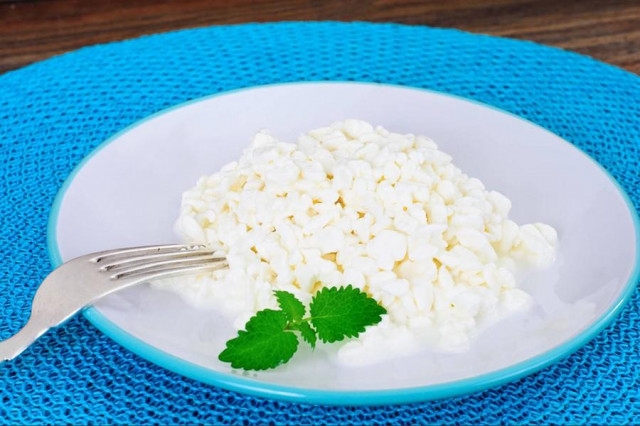
But that is often achieved through the use of preservatives, thickeners, vegetable fats and flavorings. Time-honored recipes for homemade cottage cheese are in demand among fans of healthy eating. And no wonder! This fermented milk product contains B, PP, E and A vitamins, along with minerals and trace elements. You can make it yourself using several different methods.
The five most commonly used ingredients in these recipes:
| Product | Calories per 100g | Protein g per 100g | Fats g per 100g | Carbohydrates g per 100g |
|---|---|---|---|---|
| Milk | 68 | 3.2 | 3.6 | 4.8 |
| Kefir | 38 | 2.8 | 1 | 4 |
| Sourdough | 29 | 3 | 0.1 | 4 |
| Sour cream | 210 | 2.8 | 20 | 3.2 |
| Sour milk | 60 | 2.2 | 2.5 | 3.5 |
It's important to remember the rules: milk must not be boiled, don't use enameled dishes for fermenting, don't keep the fermented product in cheesecloth too long or it will turn dry, heat the liquid for the starter only over low heat, and use natural milk. Fresh cottage cheese pairs beautifully with berries. Strawberries, blueberries, currants or cranberries with a delicate curd cream and yogurt sauce make a great breakfast for the whole family. For gourmets, professional chefs prepare savory dishes too. A casserole with vegetables, for instance, will be appreciated not only by girls on a diet but also by men hard at work building muscle.