




Today it can be found in many types of products: milk, yogurts, pasta, frozen desserts. The product is obtained from roasted soybeans by grinding them. It contains vegetable protein, iron, vitamins and trace elements needed for the body's normal functioning. In small amounts, this flour is very healthy. It activates fat metabolism, speeds up the metabolism, improves the condition of blood vessels and stabilizes cholesterol levels.
Soy flour is most often found in recipes with these five products:
| Product | Number of recipes with a combination | Calories per 100g | Protein g per 100g | Fats g per 100g | Carbohydrates g per 100g |
|---|---|---|---|---|---|
| Sugar | 7 | 398 | 0 | 0 | 99.7 |
| Chicken eggs | 3 | 80 | 12.7 | 10.9 | 0.3 |
| Potato starch | 2 | 300 | 1 | 0 | 79.6 |
| Rice vinegar | 2 | 20 | 0 | 0 | 0.5 |
| Flour | 2 | 325 | 12 | 1 | 67 |
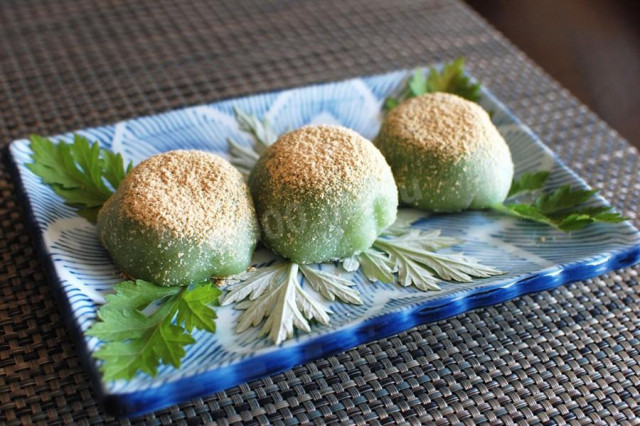
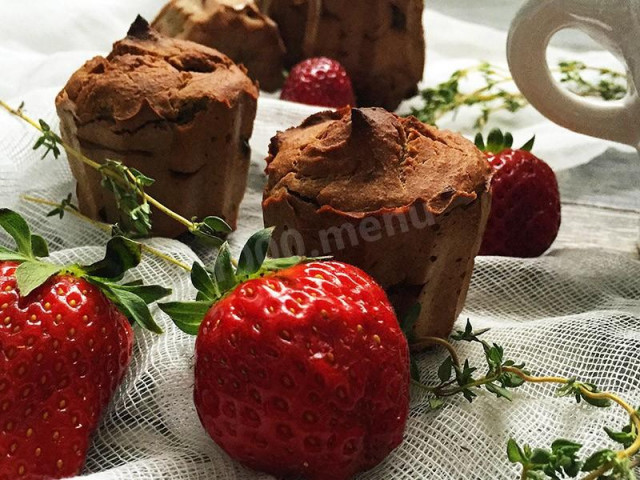
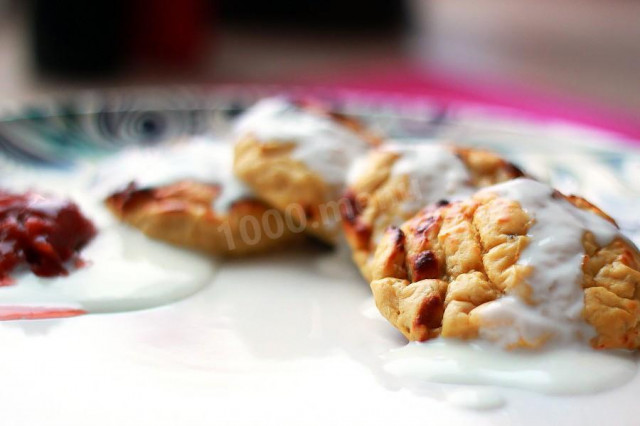
However, it shouldn't be overused: it can cause allergies and has a negative effect on the endocrine system. Experienced home cooks know that recipes for dishes with soy flour are diverse. You can use it to make pies, cupcakes, doughnuts and pancakes. This ingredient is often used to replace chicken eggs, or as a thickener for sauce or gravy. Using this product lets you lower the temperature and shorten the cooking time of confectionery, make baked goods soft and airy, and also keep the dough from absorbing fat.