Danish Smørrebrød Sandwich
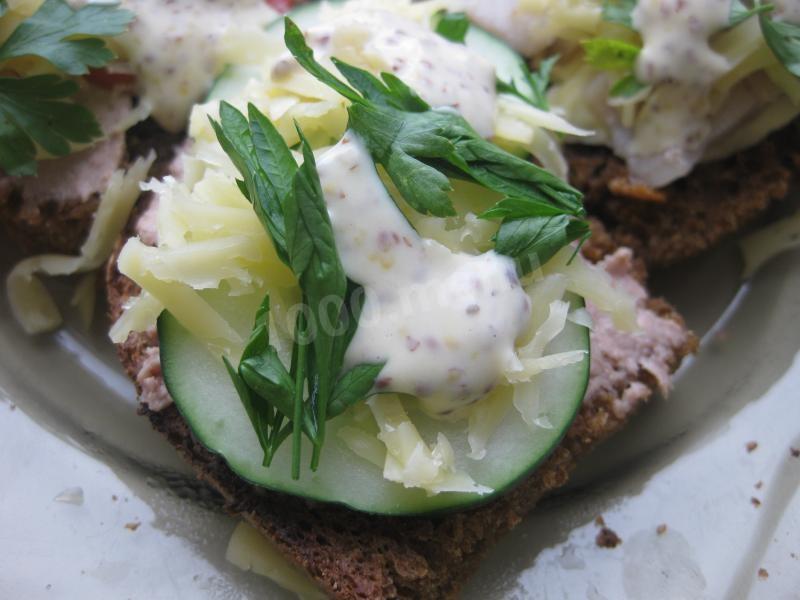
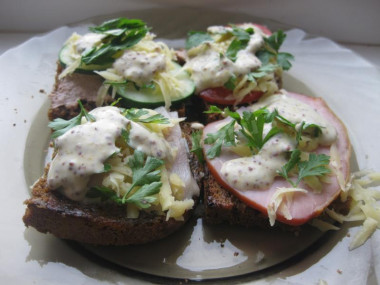
Open-faced sandwiches with fish fillet and vegetables — tasty, light, and good for you! It's no secret that the cooking of the hardy peoples along the shores of the Baltic, warmed by the Gulf Stream, is as rugged as the locals and the landscape itself. Its foundation is fish. Fish goes into everything — soups, mains, and of course sandwiches: smørrebrød, with its endless variations. Danish smørrebrød is famous for being built up into such tall constructions that you sometimes have to eat them in pieces, with a knife and fork.
PekiN
Recipe author
Danish Smørrebrød Sandwich
Nutrients and energy value of the composition of the recipe
By weight of the composition:
Proteins 19 %
7 g
Fats 33 %
12 g
Carbohydrates 47 %
17 g
215 kcal
GI:
6
/
0
/
94
Cooking method
-
Step 1:
Step 1:
-
Step 2:

Step 2:
-
Step 3:
Step 3:
-
Step 4:
Step 4:
-
Step 5:
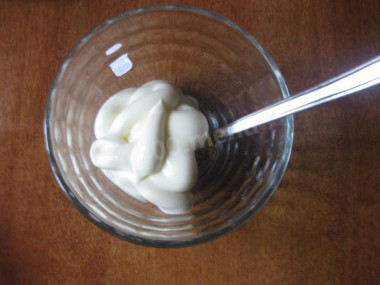
Step 5:
-
Step 6:
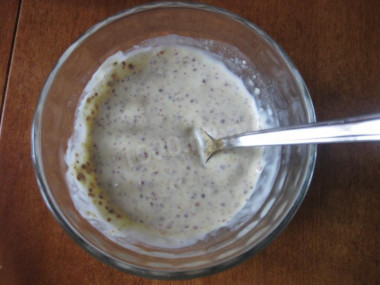
Step 6:
-
Step 7:
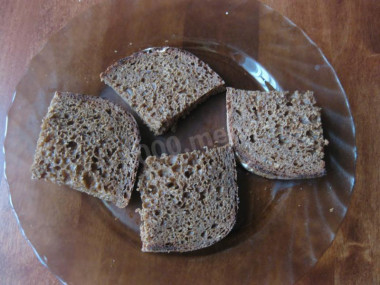
Step 7:
-
Step 8:
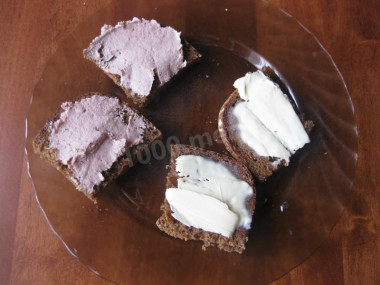
Step 8:
-
Step 9:
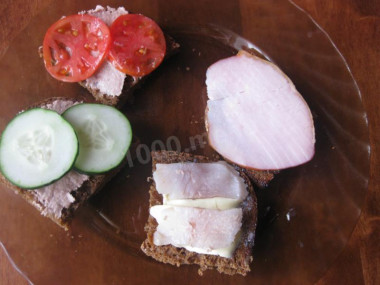
Step 9:
-
Step 10:
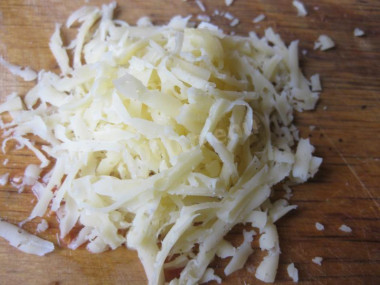
Step 10:
-
Step 11:
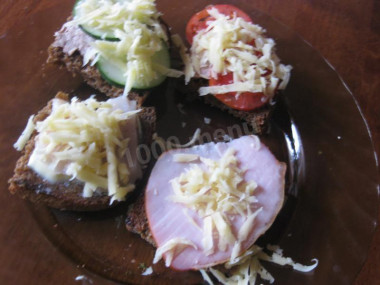
Step 11:
-
Step 12:
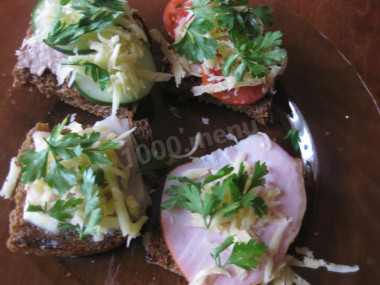
Step 12:
-
Step 13:
Step 13:
-
Step 14:
Step 14:
-
Step 15:
Step 15:
-
Step 16:
Step 16:
-
Step 17:

Step 17:
-
Step 18:
Step 18:
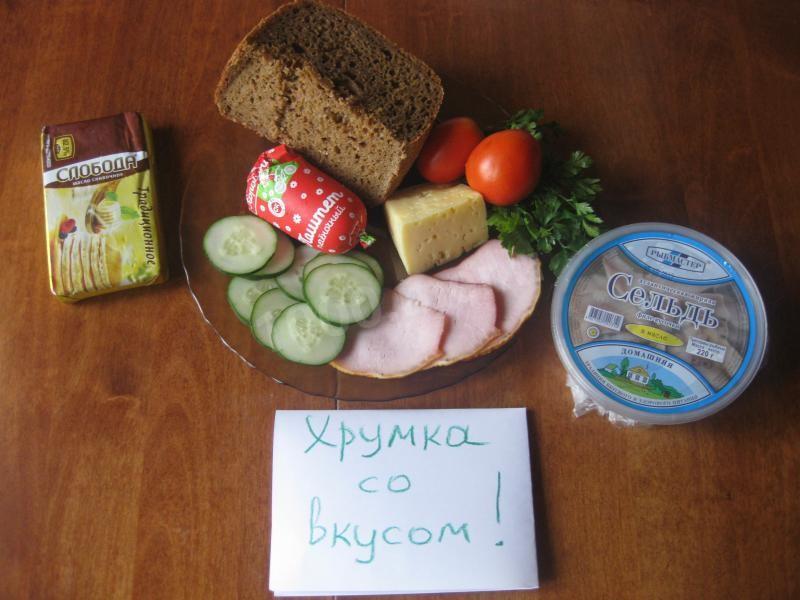

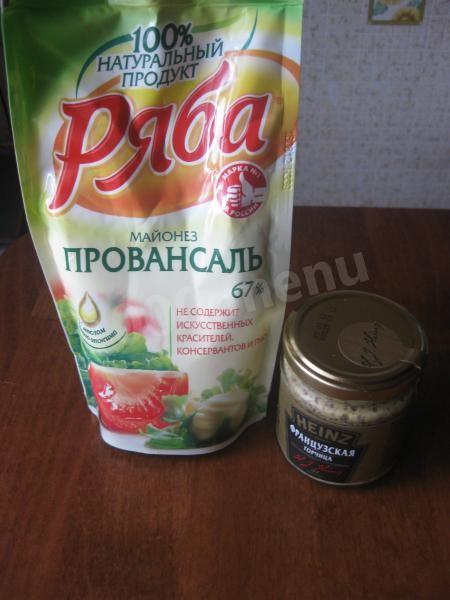
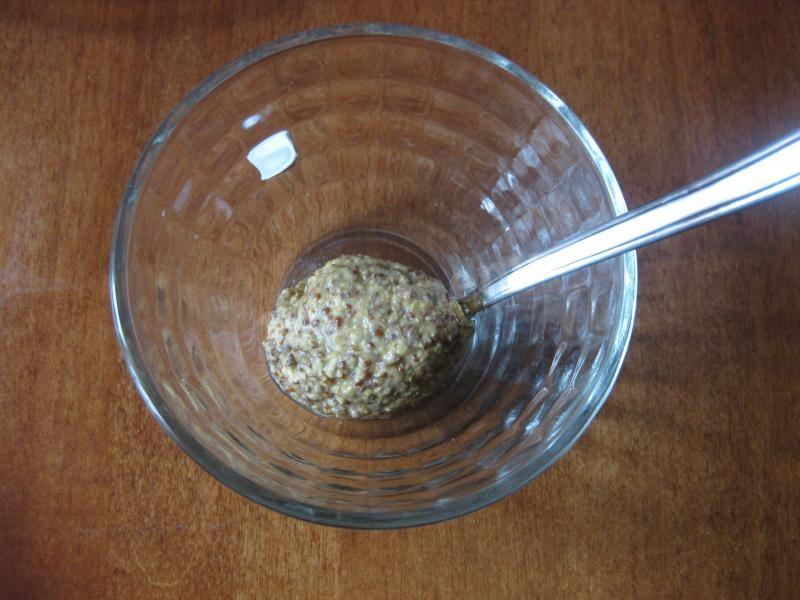
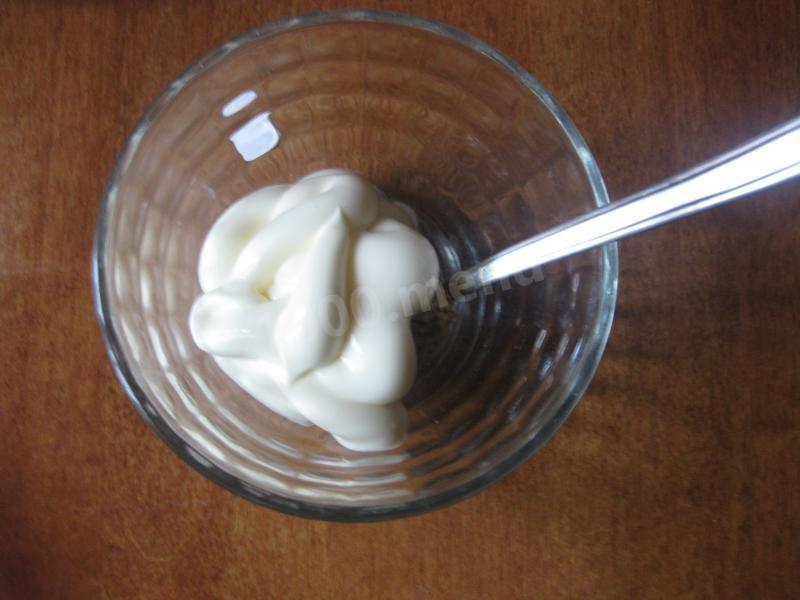
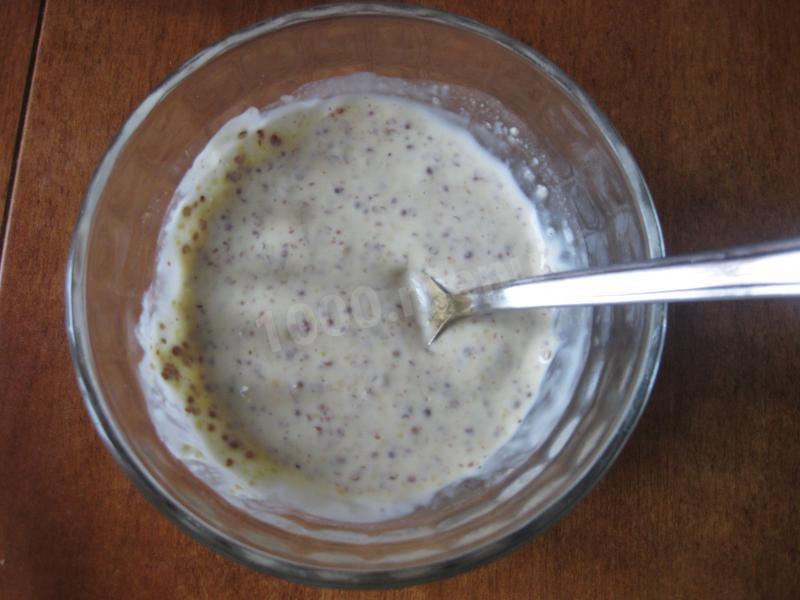
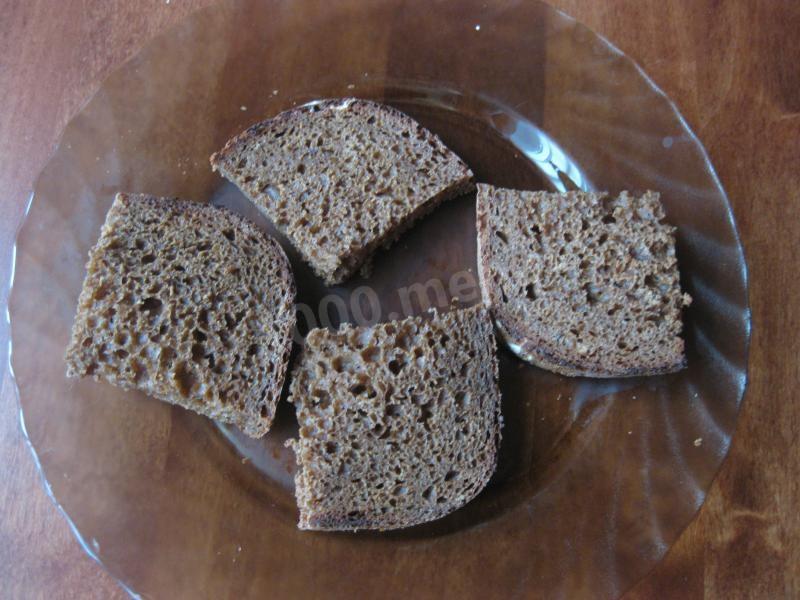
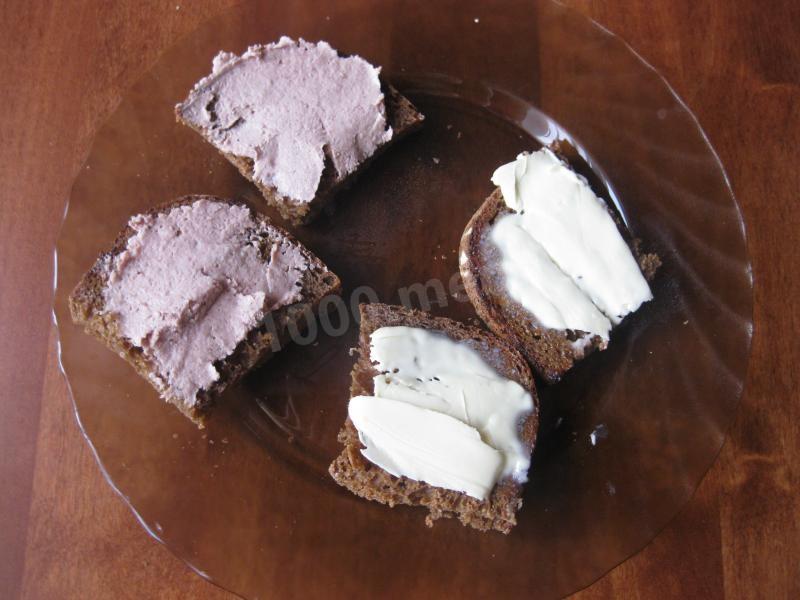
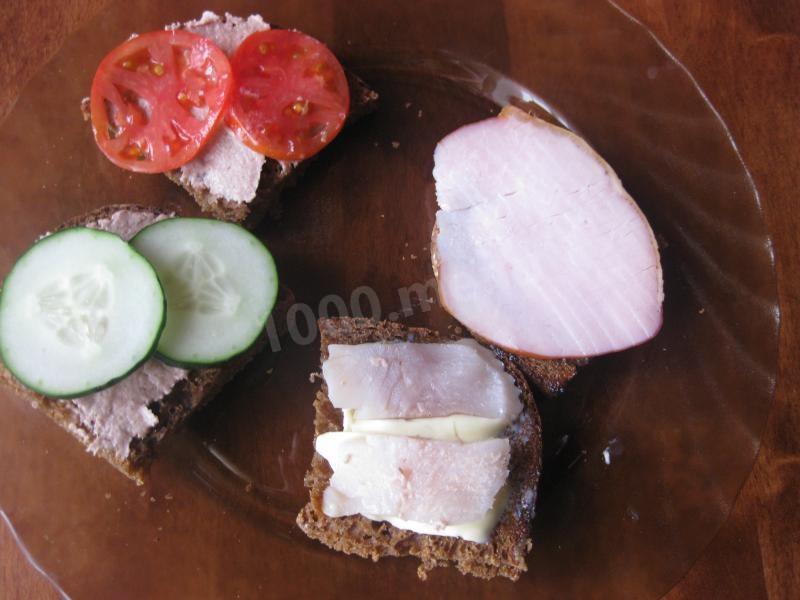
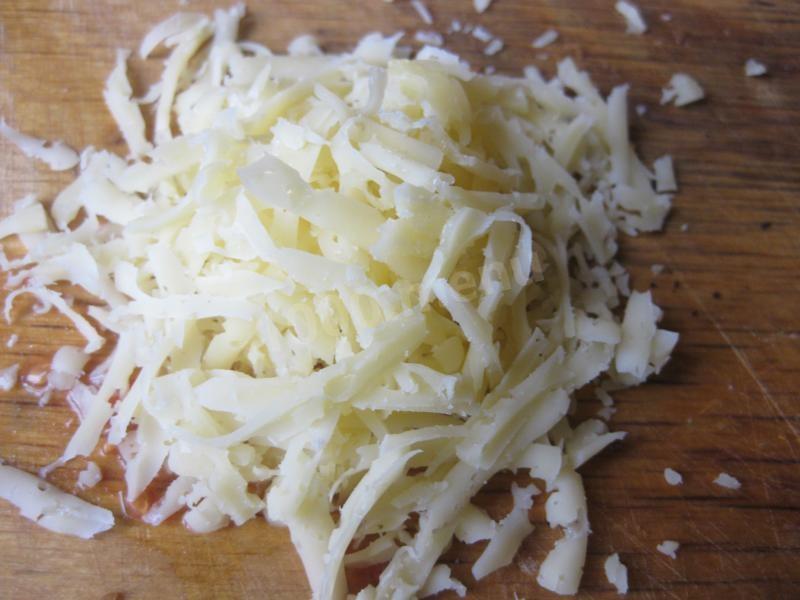
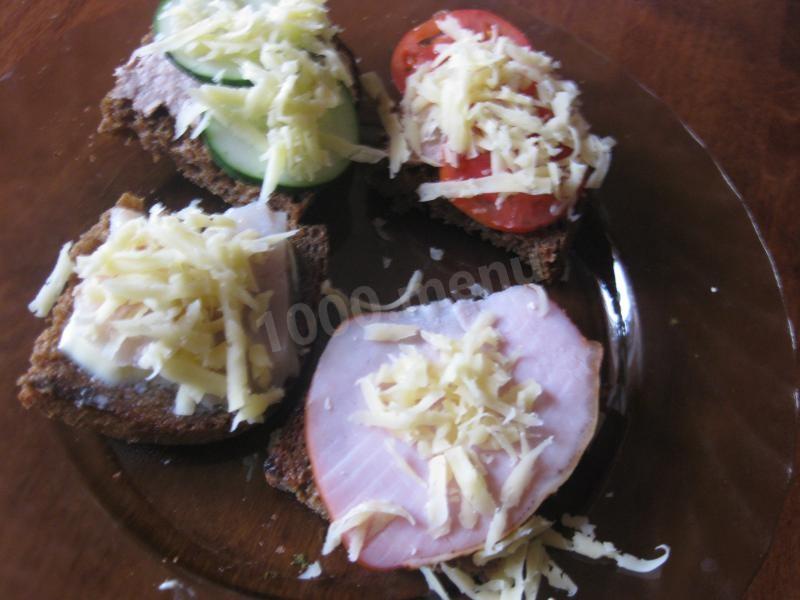
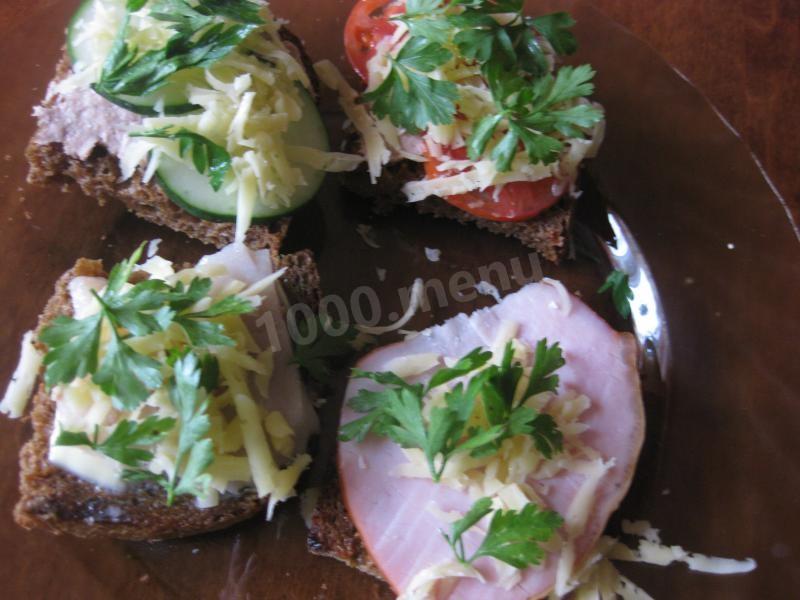
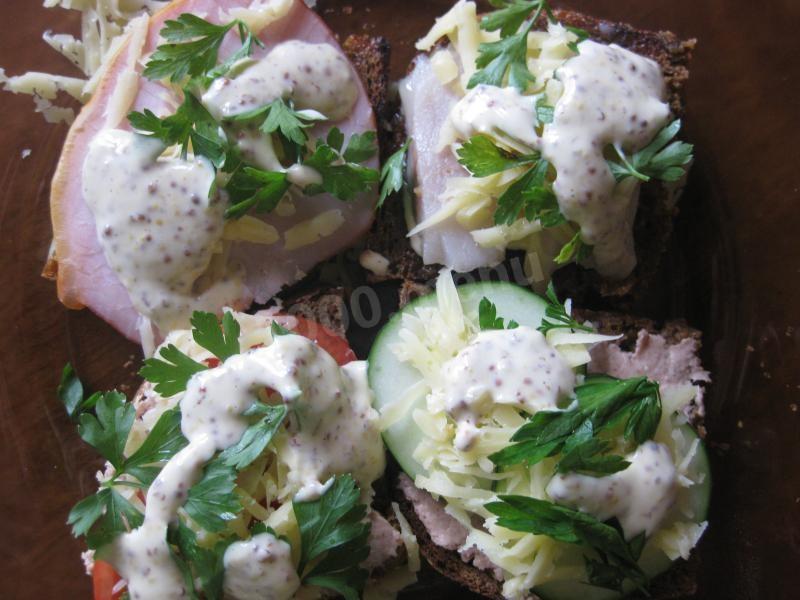
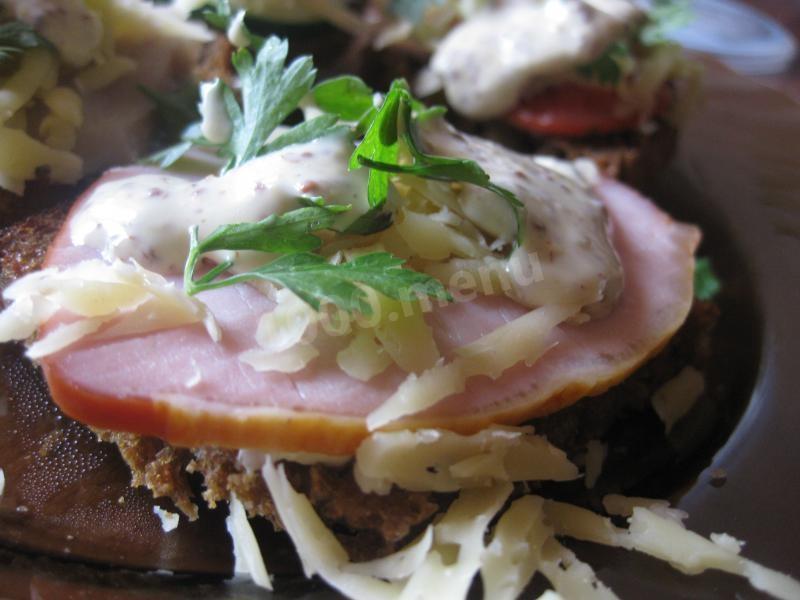
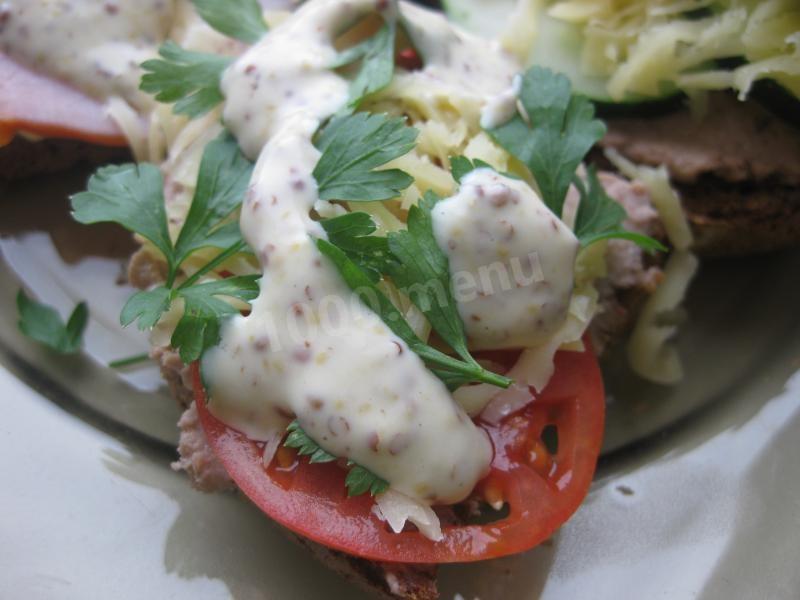
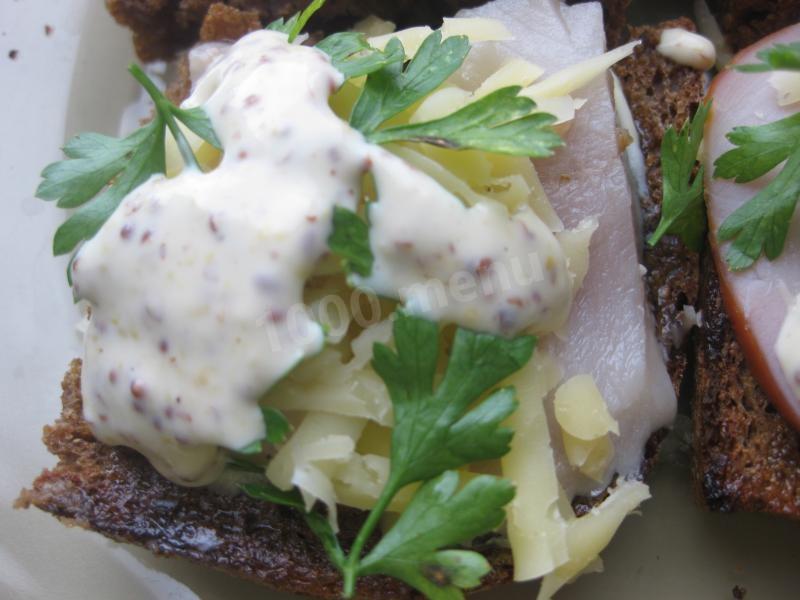

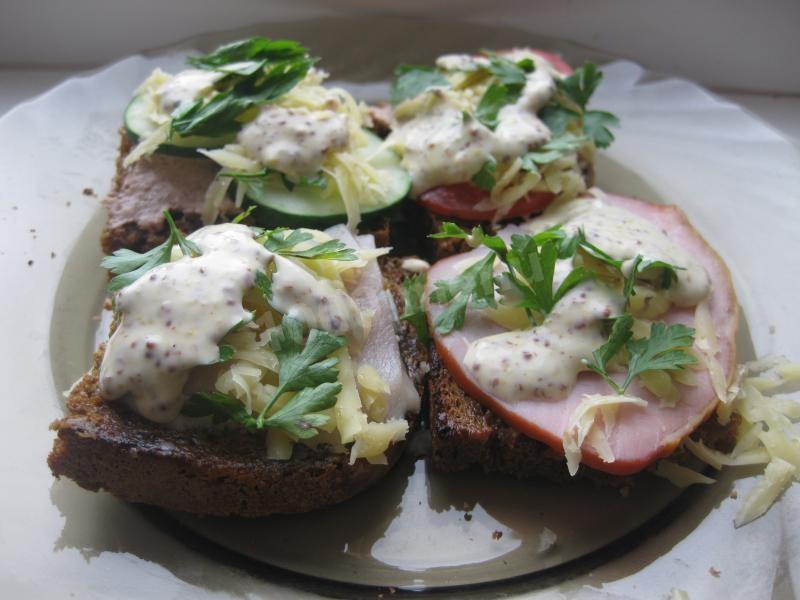
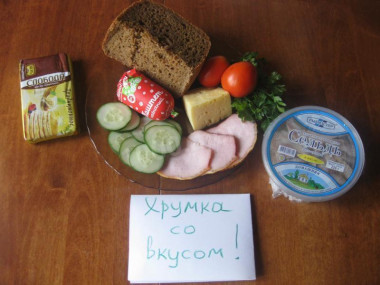
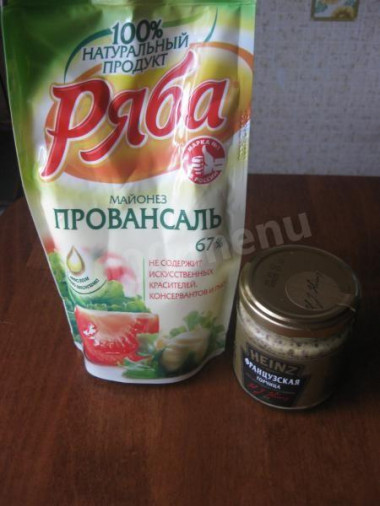
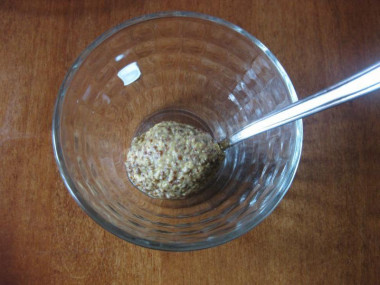
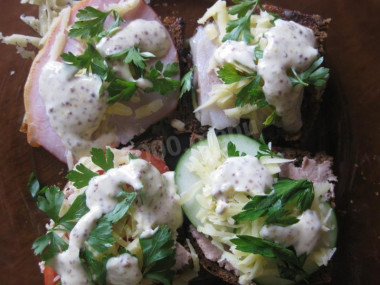
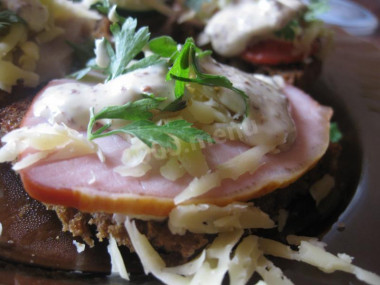
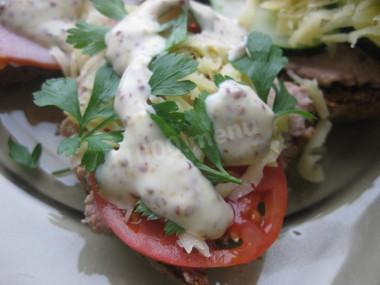
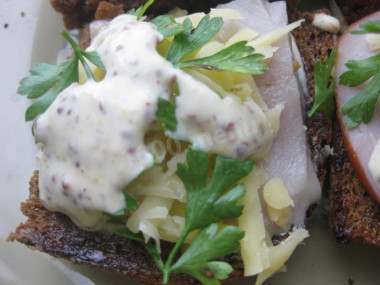
- Spread a slice of rye bread with a thin layer of butter. You can use white bread too (toasted, of course), but rye adds real flavor to this appetizing tower. Next, layer on a slice of any red fish (or herring, dry-cured ham, cooked ham, or tongue). In our house, by the way, everyone gets to make their own sandwich rather than all the same — and with smørrebrød no one ends up short-changed, because they all turn out delicious. Our favorites lean toward the hearty meat sandwiches. Any meat should be sliced thin so the sandwich melts in your mouth; it'll never come out dry, since every one gets a crown of sauce or mayonnaise. So, on top of the meat or fish you can add grated or thinly sliced cheese bound with mayonnaise, lettuce leaves, a slice of peeled tomato, pitted olives, sliced leeks, fresh or pickled cucumbers, even peeled shrimp. If the slice of bread is large enough, spread pâté on one half and pile vegetables on the other to round out the flavor. Finish with a sauce — and here you can let your imagination run: anything mustard-, sour-cream-, or mayonnaise-based works, with mushrooms, celery, pepper, and so on.
Caloric content of the products possible in the composition of the dish
- Tomatoes - 23 kcal/100g
- Fresh cucumbers - 15 kcal/100g
- Dutch cheese - 352 kcal/100g
- Swiss cheese - 335 kcal/100g
- Russian cheese - 366 kcal/100g
- Kostroma cheese - 345 kcal/100g
- Yaroslavsky cheese - 361 kcal/100g
- Altai cheese 50% fat content - 356 kcal/100g
- Soviet cheese - 400 kcal/100g
- Cheese 'steppe' - 362 kcal/100g
- Uglichsky cheese - 347 kcal/100g
- Poshekhonsky cheese - 350 kcal/100g
- Lambert cheese - 377 kcal/100g
- Appnzeller cheese with 50% fat content - 400 kcal/100g
- Chester cheese with 50% fat content - 363 kcal/100g
- Edamer cheese with 40% fat content - 340 kcal/100g
- Cheese with mushrooms of 50% fat content - 395 kcal/100g
- Emmental cheese with 45% fat content - 420 kcal/100g
- Gouda cheese with 45% fat content - 356 kcal/100g
- Aiadeus cheese - 364 kcal/100g
- Dom blanc cheese (semi-hard) - 360 kcal/100g
- Lo spalmino cheese - 61 kcal/100g
- Cheese 'etorki' (sheep, hard) - 401 kcal/100g
- White cheese - 100 kcal/100g
- Fat yellow cheese - 260 kcal/100g
- Altai cheese - 355 kcal/100g
- Kaunas cheese - 355 kcal/100g
- Latvian cheese - 316 kcal/100g
- Limburger cheese - 327 kcal/100g
- Lithuanian cheese - 250 kcal/100g
- Lake cheese - 350 kcal/100g
- Gruyere cheese - 396 kcal/100g
- Parsley greens - 45 kcal/100g
- Dill greens - 38 kcal/100g
- Mustard canteen - 417 kcal/100g
- Mustard - 417 kcal/100g
- Butter 82% - 734 kcal/100g
- Amateur unsalted butter - 709 kcal/100g
- Unsalted peasant butter - 661 kcal/100g
- Peasant salted butter - 652 kcal/100g
- Melted butter - 869 kcal/100g
- Salad mayonnaise of 50% fat content - 502 kcal/100g
- Light mayonnaise - 260 kcal/100g
- Provencal Mayonnaise - 624 kcal/100g
- Provencal mayonnaise - 627 kcal/100g
- Table mayonnaise - 627 kcal/100g
- Bread 'darnitsky' - 206 kcal/100g
- Premium wheat flour bread - 254 kcal/100g
- Wheat flour bread of the 1st grade - 226 kcal/100g
- Wheat flour bread of 2 grades - 220 kcal/100g
- Wheat bread made from coarse flour - 250 kcal/100g
- Rye bread from floured flour - 189 kcal/100g
- Rye bread from wallpaper flour - 181 kcal/100g
- Protein bran bread - 182 kcal/100g
- Wheat protein bread - 242 kcal/100g
- Grain bread - 231 kcal/100g
- Bread 'doctor' - 232 kcal/100g
- Bread 'Orlovsky' - 211 kcal/100g
- Ukrainian bread - 213 kcal/100g
- Simple loaf - 248 kcal/100g
- Loaf of premium flour - 265 kcal/100g
- City rolls made of grade I flour - 254 kcal/100g
- City bun - 261 kcal/100g
- Sweet bun - 252 kcal/100g
- Simple steering wheels - 336 kcal/100g
- Bread - 254 kcal/100g
- Leafy salad - 14 kcal/100g
- Fresh frozen soup greens in a package - 41 kcal/100g
- Greenery - 41 kcal/100g
- Fish fillet - 204 kcal/100g
Similar recipes



Related and additional categories:
- Fast and tasty
- National cuisine
- Snacks
- Sandwiches
- Fish and seafood
- Cheese
- Vegetables
- Bakery products
- Spices seasonings spices
- Fats and oils
- Wheat bread
- Mustard
- Зелень
- Parsley
- Dill
- Mayonnaise
- Butter
- Danish cuisine
- Cold snacks
- Quick snacks
- Frying
- Hasty snacks
- Tomatoes fast and delicious
- Dishes in 10 minutes
- Dishes in 30 minutes
- Cheese sandwiches
- Fish sandwiches
- Tomato sandwiches
- Fish with vegetables
- Fish with cheese
- Fish fillet
- Made of solid cheese
- From cucumbers
- From tomato
- Leaves lettuce
- No eggs