Dough for Buryat Buuz
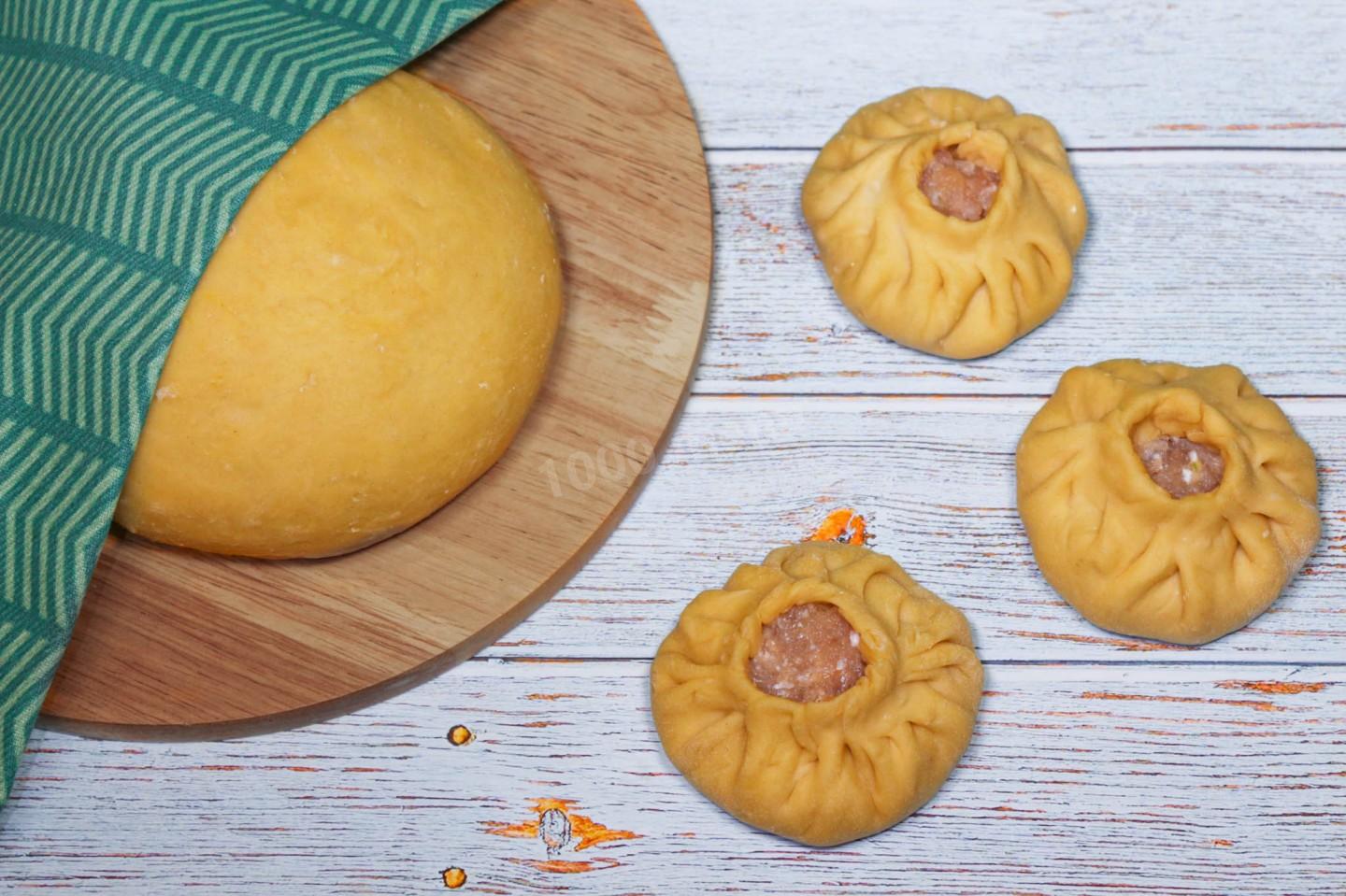
Very fast, simple, tasty, and budget-friendly! The dough for Buryat buuz is a lot like dumpling dough, because buuz themselves are a kind of steamed dumpling, similar to manti or khinkali. Making this dough, and buuz from it, is no trouble at all.

Cooking method
-
Step 1:
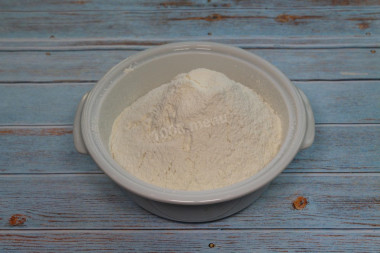
How do you make dough for Buryat buuz? Prepare all the ingredients. I recommend always starting with the dough, since after kneading it needs to rest for half an hour. That's exactly when you can work on the filling. Take a deep container and sift the flour into it through a sieve.
-
Step 2:
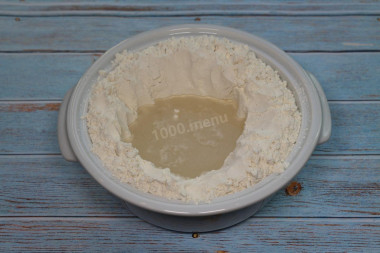
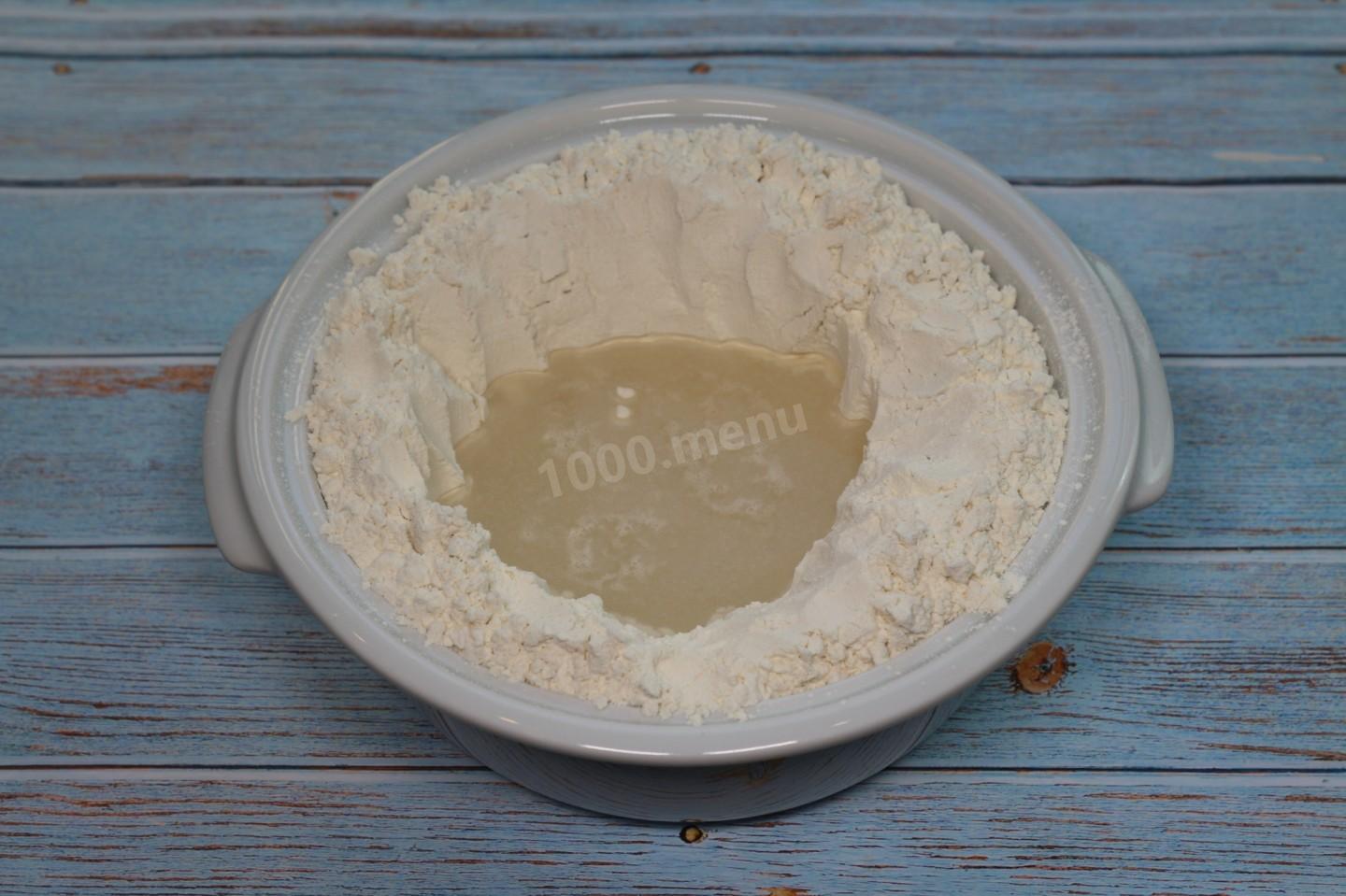
Now make a well in the center of the flour. Pour the water into it.
-
Step 3:
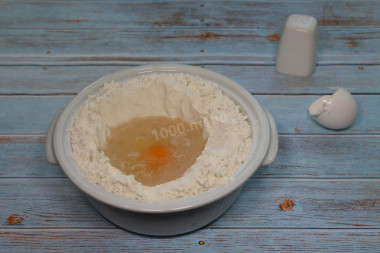
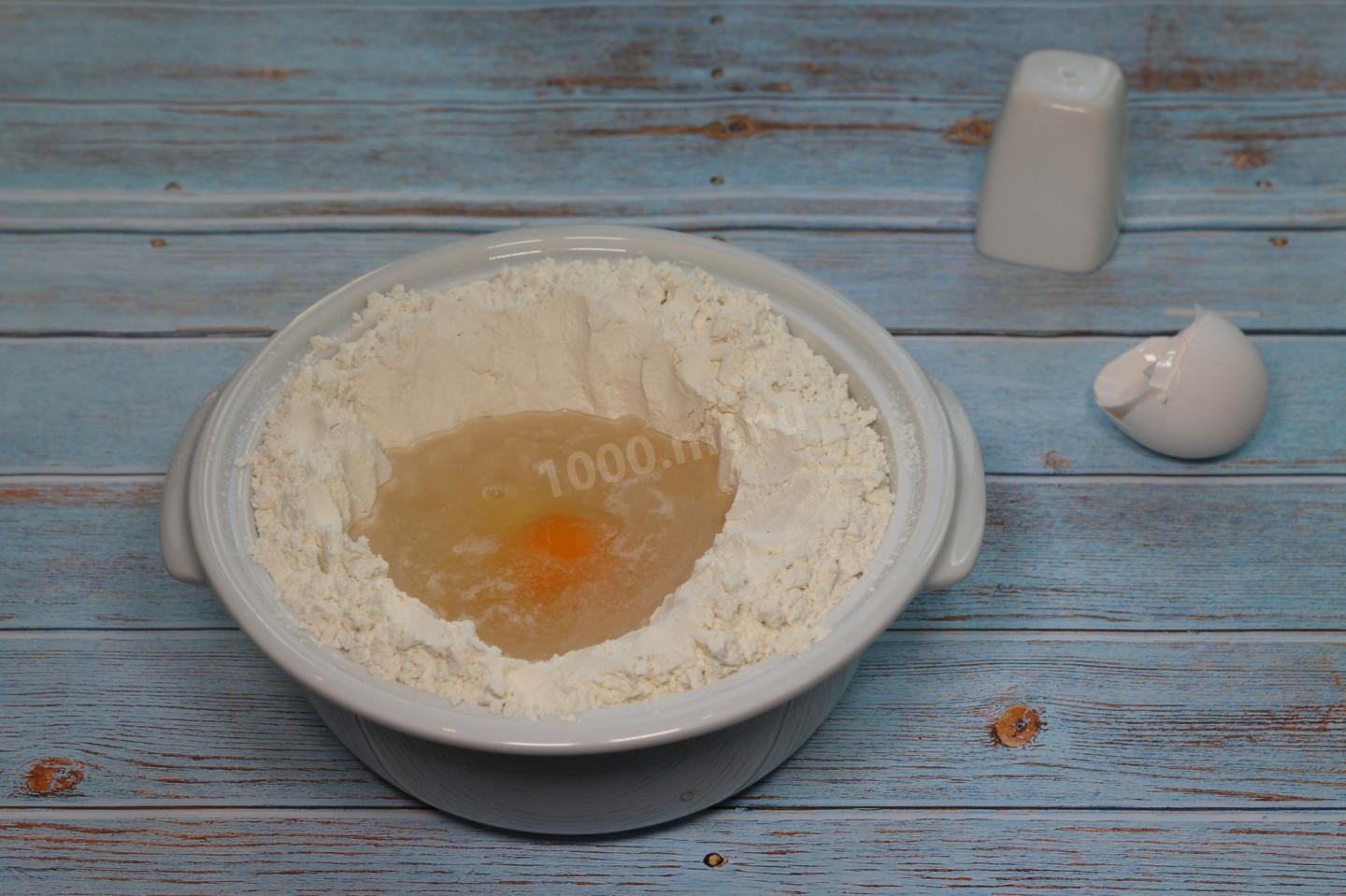
Beat the egg into it too and add salt to taste. Knead the dough, first stirring with a spoon and then with your hands. Keep in mind that you may use a different amount of flour than the recipe states - go by the state of the dough. If it's very sticky, add more flour; if it's too stiff and won't come together, add water. The dough should become smooth and uniform and stop sticking to your hands.
-
Step 4:
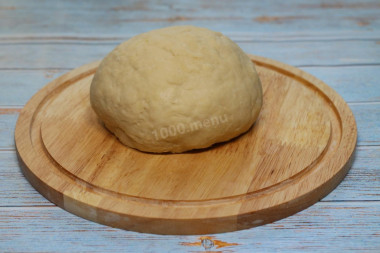
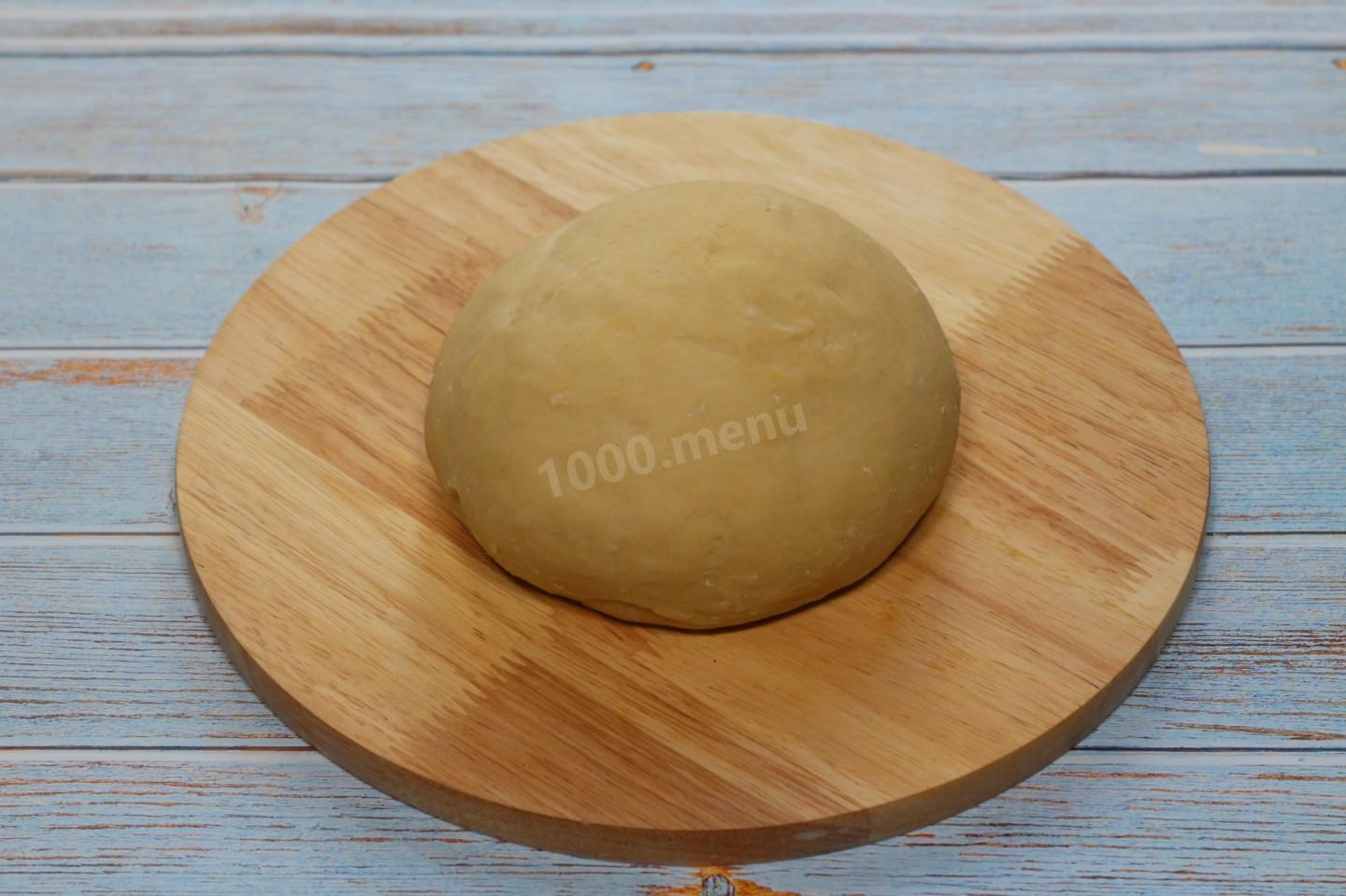
Knead the dough for a good while, at least 5 minutes, then form it into a ball.
-
Step 5:
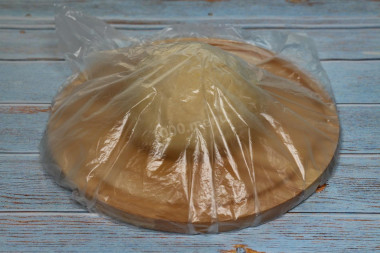
Wrap the freshly kneaded dough in plastic wrap or put it in a plastic bag. Let it rest for 30 minutes. In that time the flour absorbs all the water and develops gluten, which gives the dough its elasticity and pliability. Right now you can make the meat filling, chopping the meat and adding onion, water or broth, herbs (cilantro or parsley, for example), garlic, and other seasonings.
-
Step 6:
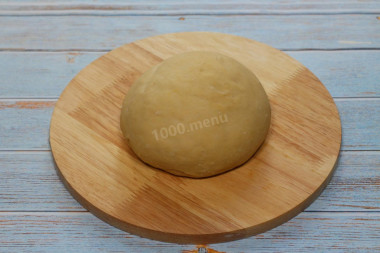
After the half hour, take the dough out of the bag and knead it a little. The dough is ready to work with.
-
Step 7:
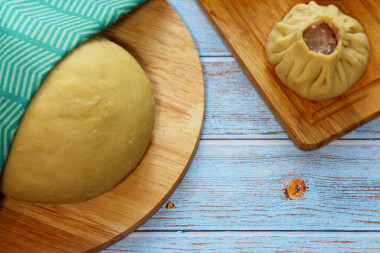
Now you can start forming the Buryat buuz. This amount of dough makes roughly 12 buuz; the exact number depends mainly on their size and how thinly the dough is rolled.




- You can work with the dough two ways. Way 1: Divide the dough into many pieces and roll each into a ball. Use flour as needed. Set the balls on a lightly floured work surface. Roll each ball into a round that's thicker in the middle and thinner at the edges. Way 2: Divide the dough into 2-3 parts. Roll each into a large sheet and cut out rounds with a saucer. Then put the prepared filling in the center of each round. Pleat the dough in overlapping folds all the way around to end up with a buuz that resembles a khinkali in its pleats, size, and shape, but with a hole in the center and no "foot." You can freeze the formed buuz or steam them right away.
- Always wash eggs before using them, since even a seemingly clean shell may harbor harmful bacteria. It's best to use food-safe wash and a brush.
- Be prepared that you may need more or less flour than the recipe states. Go by the desired consistency of the dough, not the amount of flour. To avoid mistakes, read up on flour and its properties!
- For cooking, it's better to use neutral-tasting filtered or bottled water. If you use tap water, keep in mind it can give the dish an unpleasant off-taste.
Caloric content of the products possible in the composition of the dish
- Chicken egg - 157 kcal/100g
- Egg white - 45 kcal/100g
- Egg powder - 542 kcal/100g
- Egg yolk - 352 kcal/100g
- Ostrich egg - 118 kcal/100g
- Whole durum wheat flour, fortified - 333 kcal/100g
- Whole durum wheat flour, all-purpose - 364 kcal/100g
- Semolina flour - 348 kcal/100g
- Flour - 325 kcal/100g
- Salt - 0 kcal/100g
- Water - 0 kcal/100g