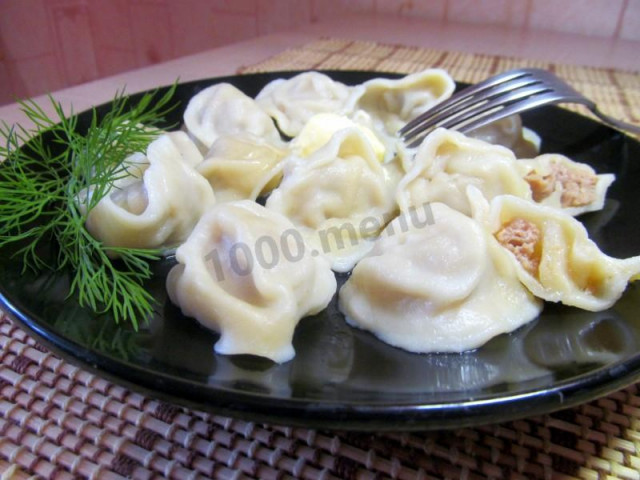
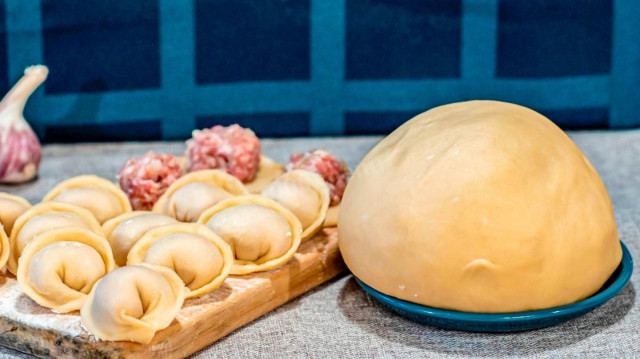
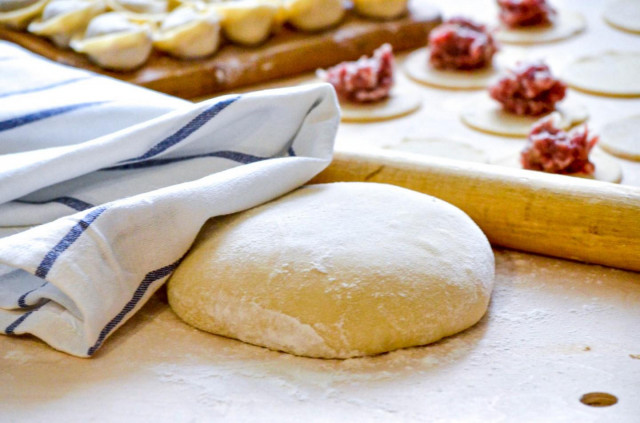
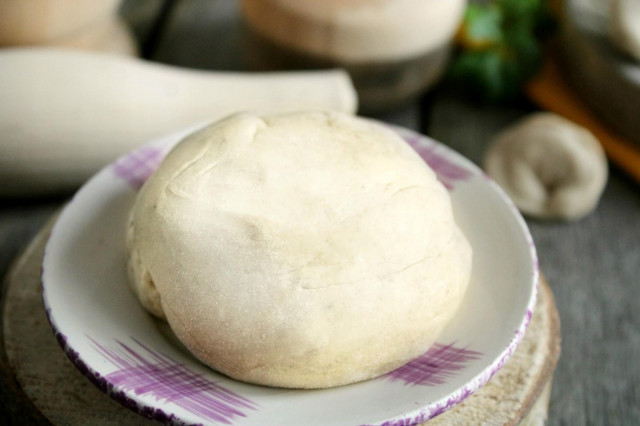
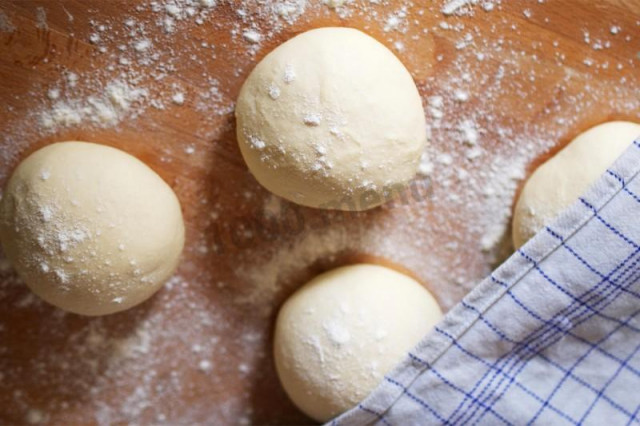
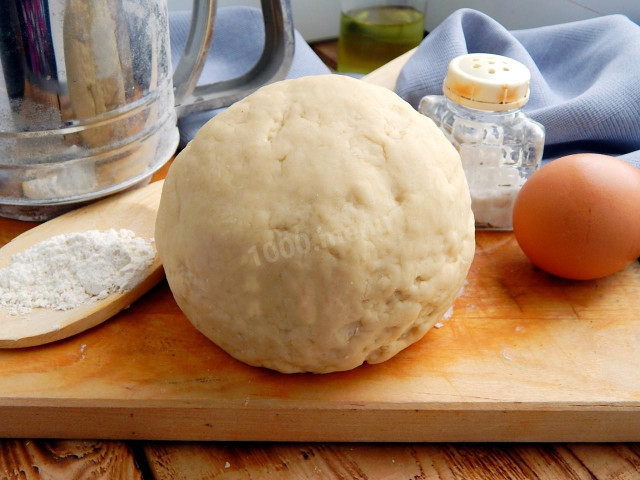
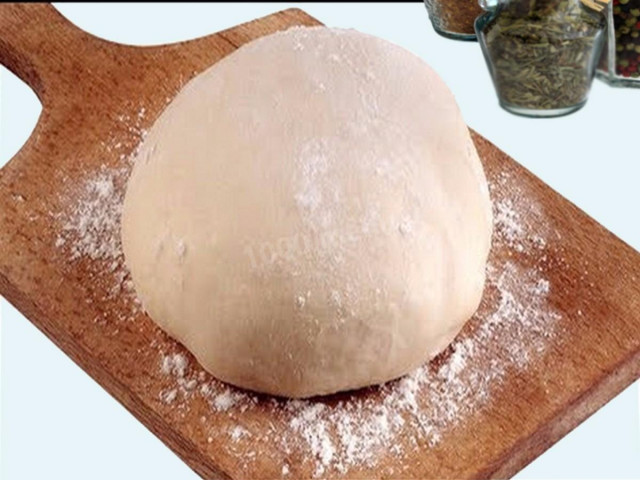
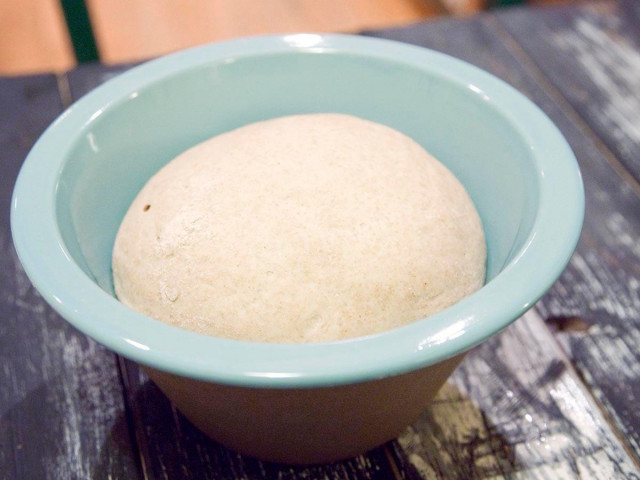
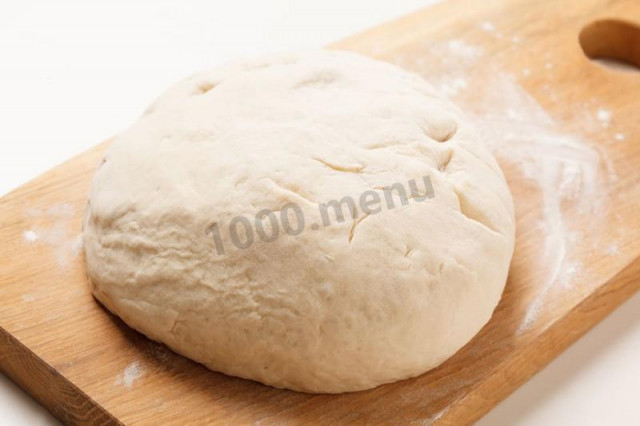
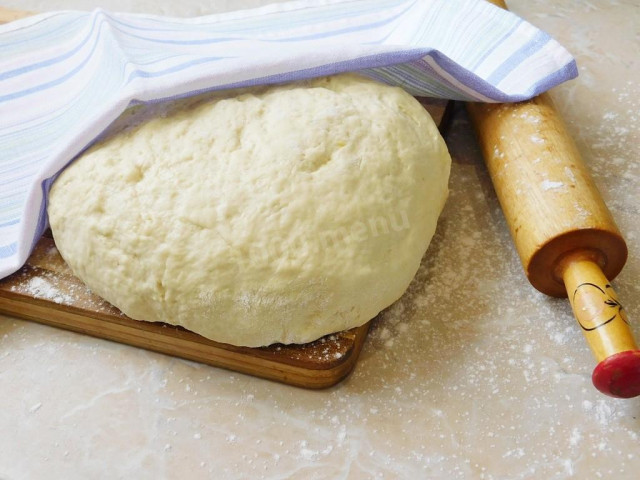
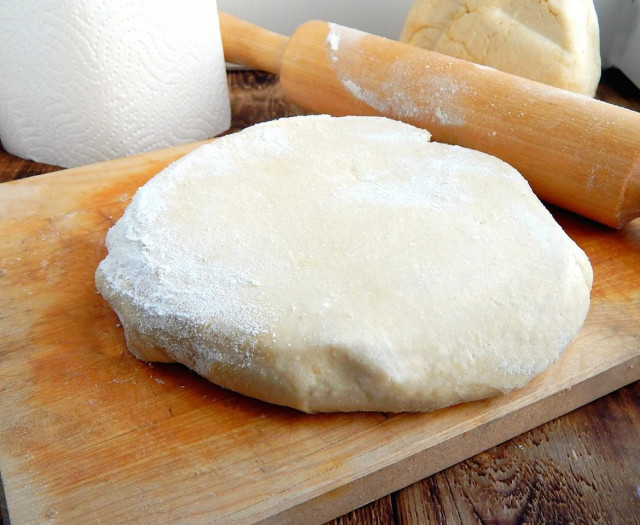
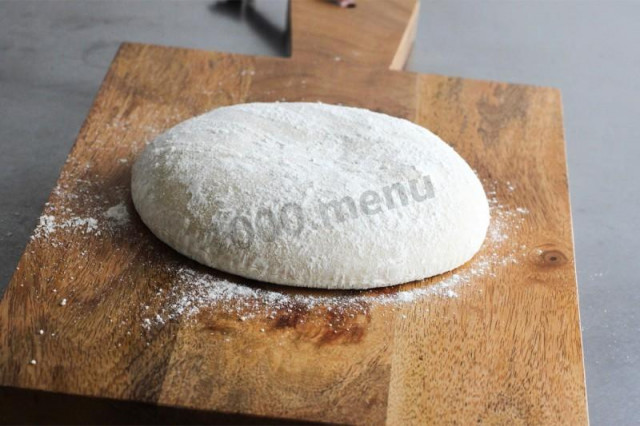
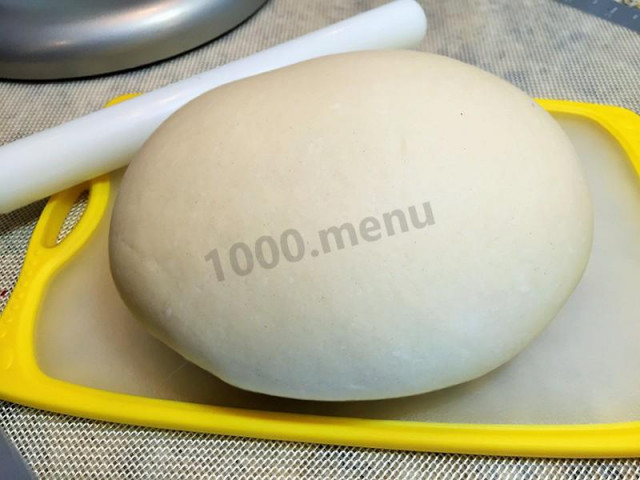
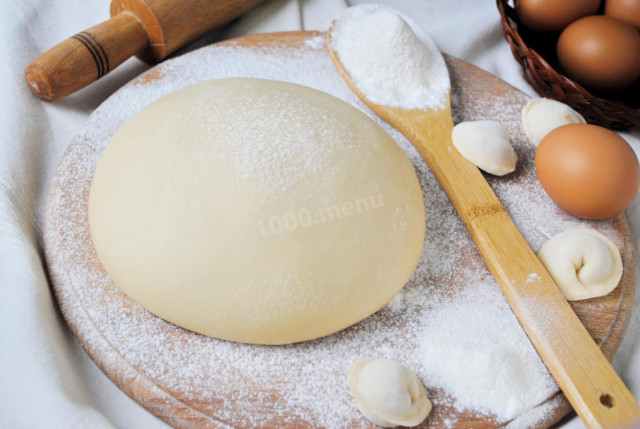
The Urals is considered the homeland of dumplings — it was from there that this dish entered Russian cuisine. Similar dishes, however, exist in the cuisines of many peoples and go by a variety of names: in China it's baozi, in the Caucasus manti and khinkali, in Italy ravioli. Dumplings are most often boiled, but they can also be fried, baked or steamed. So, let's sort it out...
What is the ideal dumpling dough?
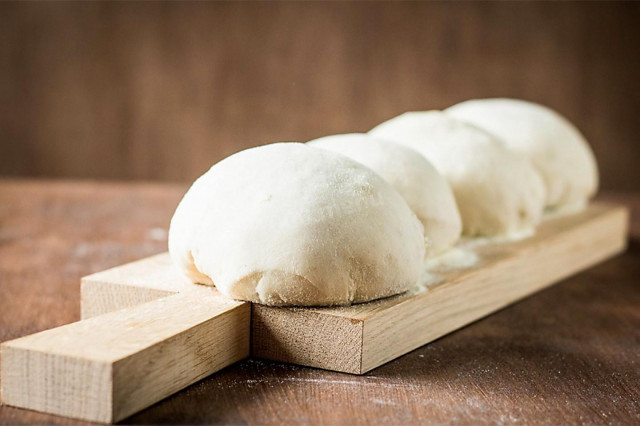
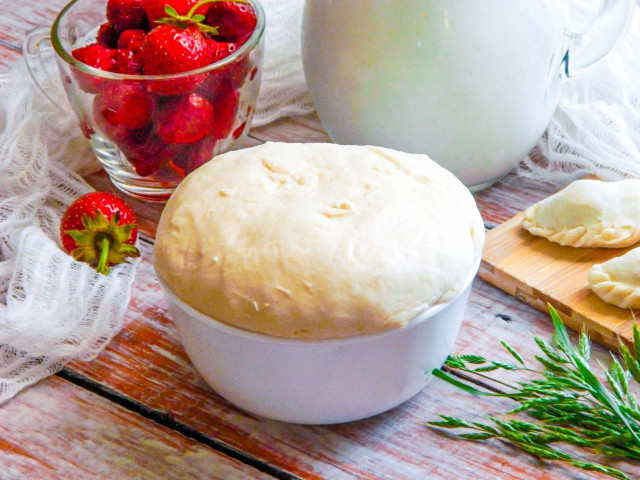
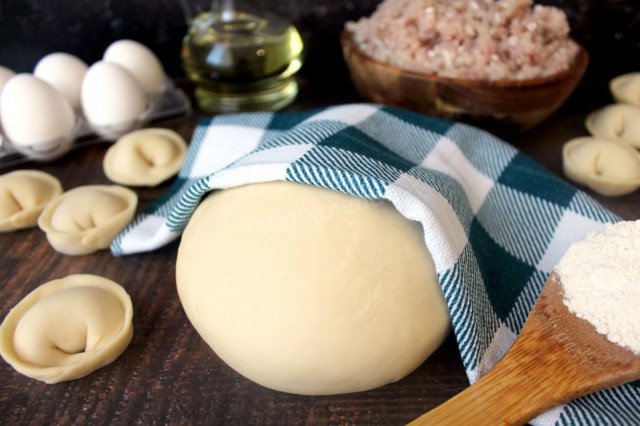
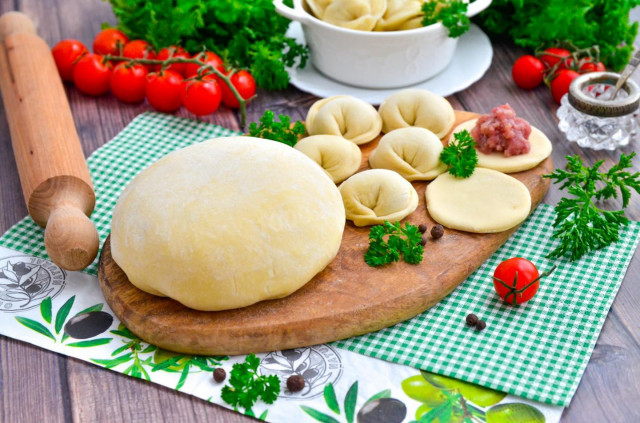
It's hard to answer this question definitively, since there are a huge number of recipes. The proportions and ingredients can differ, and even the consistency of the finished dough. One thing stays the same — the dough should be elastic and cooperative, it should roll out thin and not tear during shaping or later cooking.
The five most commonly used ingredients in dumpling dough recipes:
| Product | Calories per 100g | Protein g per 100g | Fats g per 100g | Carbohydrates g per 100g |
|---|---|---|---|---|
| Flour | 325 | 12 | 1 | 67 |
| Wheat flour | 325 | 12 | 1 | 67 |
| Chicken eggs | 80 | 12.7 | 10.9 | 0.3 |
| Eggs | 157 | 12.7 | 10.9 | 0.7 |
| Sugar | 398 | 0 | 0 | 99.7 |
To make the dough more tender, it is kneaded with milk and butter. The butter is often replaced with vegetable oil — sunflower or olive. Instead of water and milk, you can use:
- kefir or yogurt
- ryazhenka
- whey
- mineral water
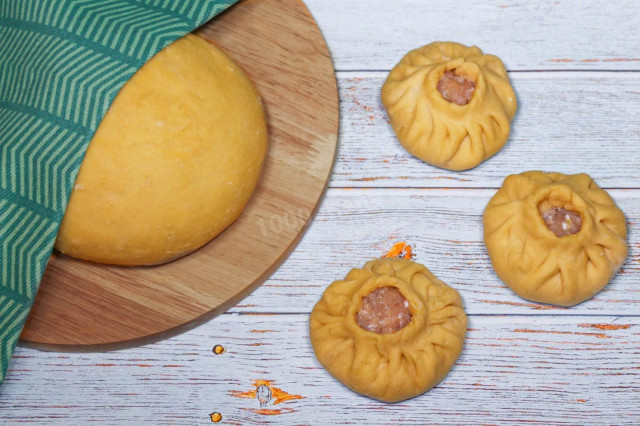
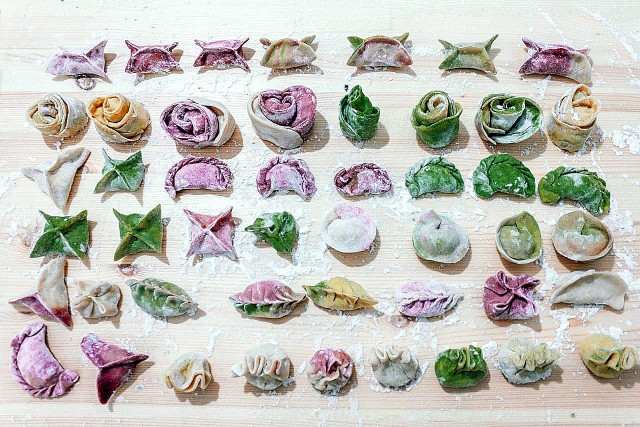
If you add turmeric to the dough, it will take on a beautiful yellow color. You can also add finely chopped dried or fresh herbs. In that case the dumplings will look original and take on an interesting flavor.
Seemingly ordinary dough, yet what room for creativity and culinary experiments!
Which flour to choose for the dough?
In the classic recipe, dumpling dough is made from wheat flour, water, eggs and salt. The flour should be of the highest grade, with a high gluten content. Thanks to this, the dough will be pliable and snow-white. But there are recipes that add other kinds of flour, for example:
- rye
- buckwheat
- rice
- corn
There are options for making dough exclusively from one of the listed kinds of flour. Dumplings made from such dough are especially suitable for people who follow a gluten-free diet. These kinds of flour contain less gluten (or none at all), so the dough is harder to work with and the finished products hold their shape less well. Dumplings from this dough are best steamed, though sometimes they are boiled.
The five fastest dumpling dough recipes:
| Dish Name | Cooking time | Calories per 100g | User Rating |
|---|---|---|---|
| Dumpling dough, simple and fast | 10 min | 230 | +91 |
| Dough for dumplings on kefir | 20 min | 230 | +53 |
| Custard dough for dumplings in boiling water with egg | 25 min | 230 | +34 |
| Dough for dumplings in a bread maker | 30 min | 193 | +151 |
| Dough for dumplings on mineral water | 30 min | 236 | +56 |
What to remember during the cooking process
In the old days, recipes for a good dumpling dough and cooking secrets were passed down from generation to generation. Knowing the little tricks, it's not hard to make a good dough:
- flour must be sifted so that it's saturated with oxygen and the dough comes out fluffier and more tender,
the water, milk or other specified liquid must be used warm, except in custard dumpling dough recipes, - dumpling dough must be kneaded well until smooth: it's recommended to knead it for at least 10 minutes,
- the dough must rest for half an hour so that the ingredients combine well and the gluten swells. As a result the dough will be softer and easier to work with.