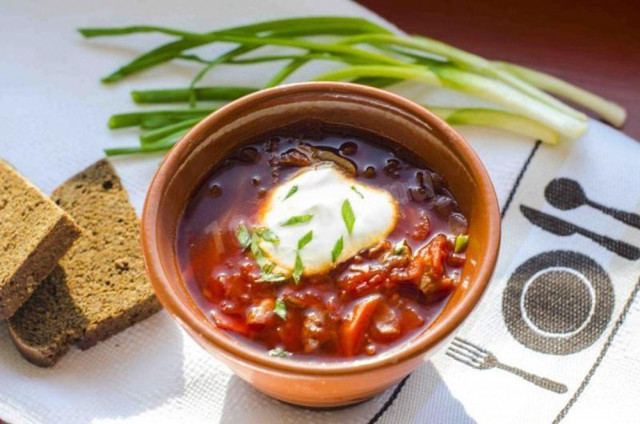
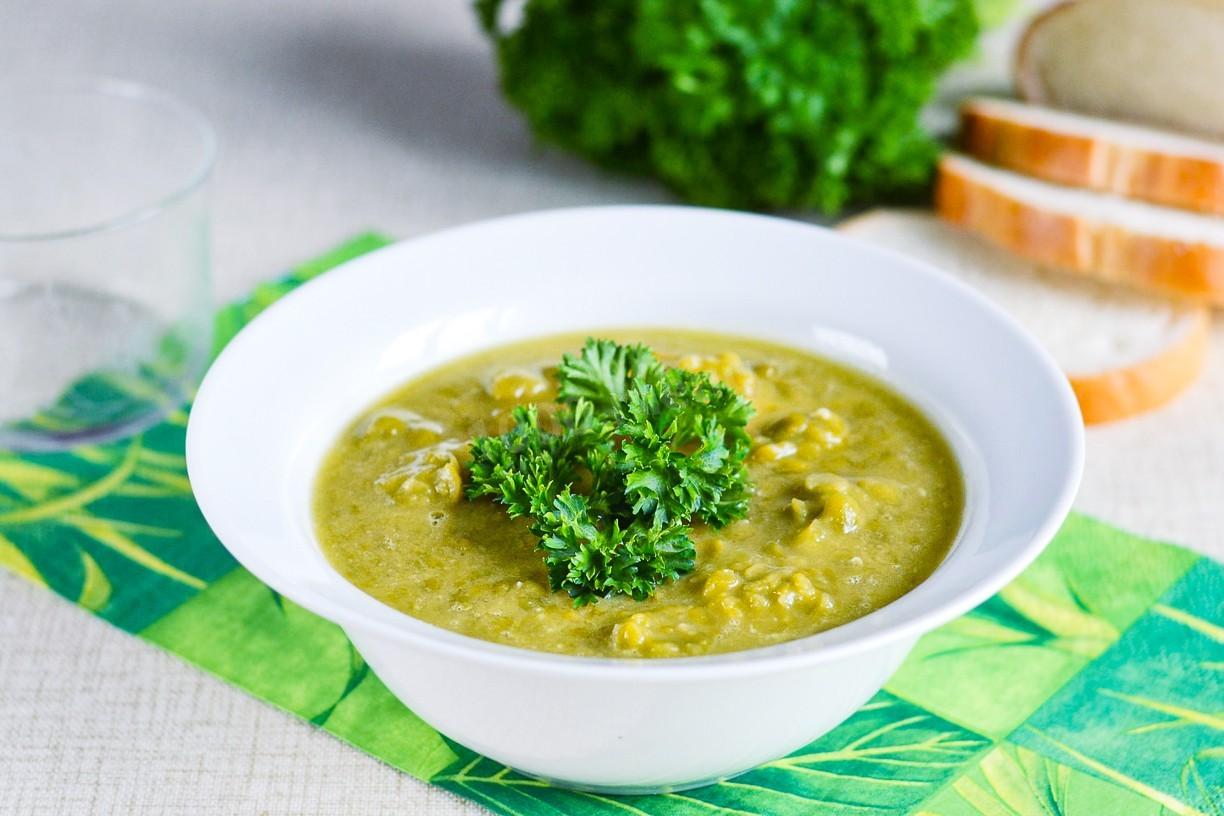
Pea Porridge (Cooked in Water)
Budget-friendly, made from everyday ingredients, hearty and good for you! Pea porridge cooked in water is an old, time-honored dish. Peas are rich in protein, easy to digest, and packed with trace minerals. This porridge is great for meatless days and all kinds of diets.
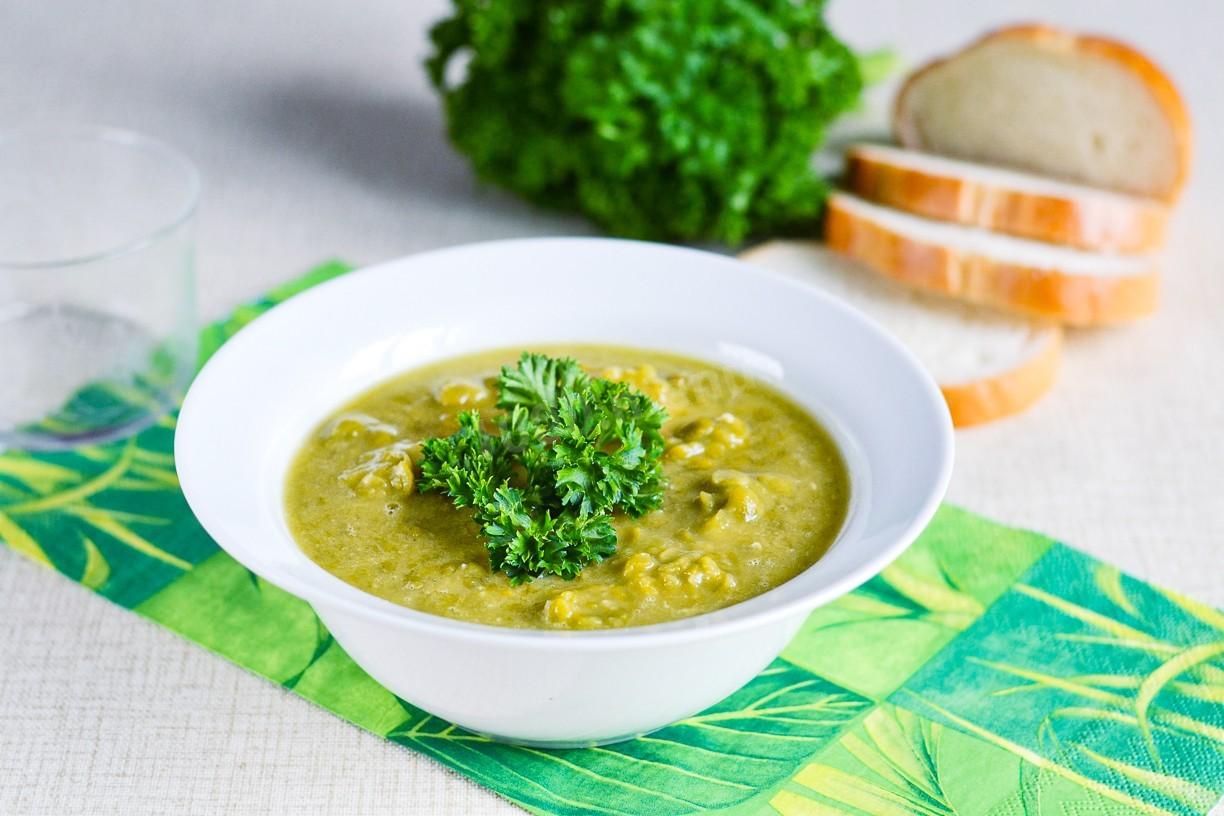
Cooking method
-
Step 1:
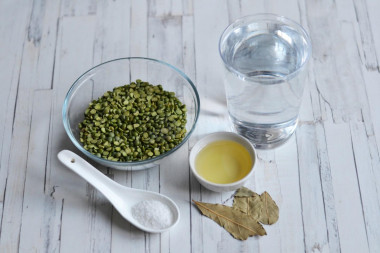
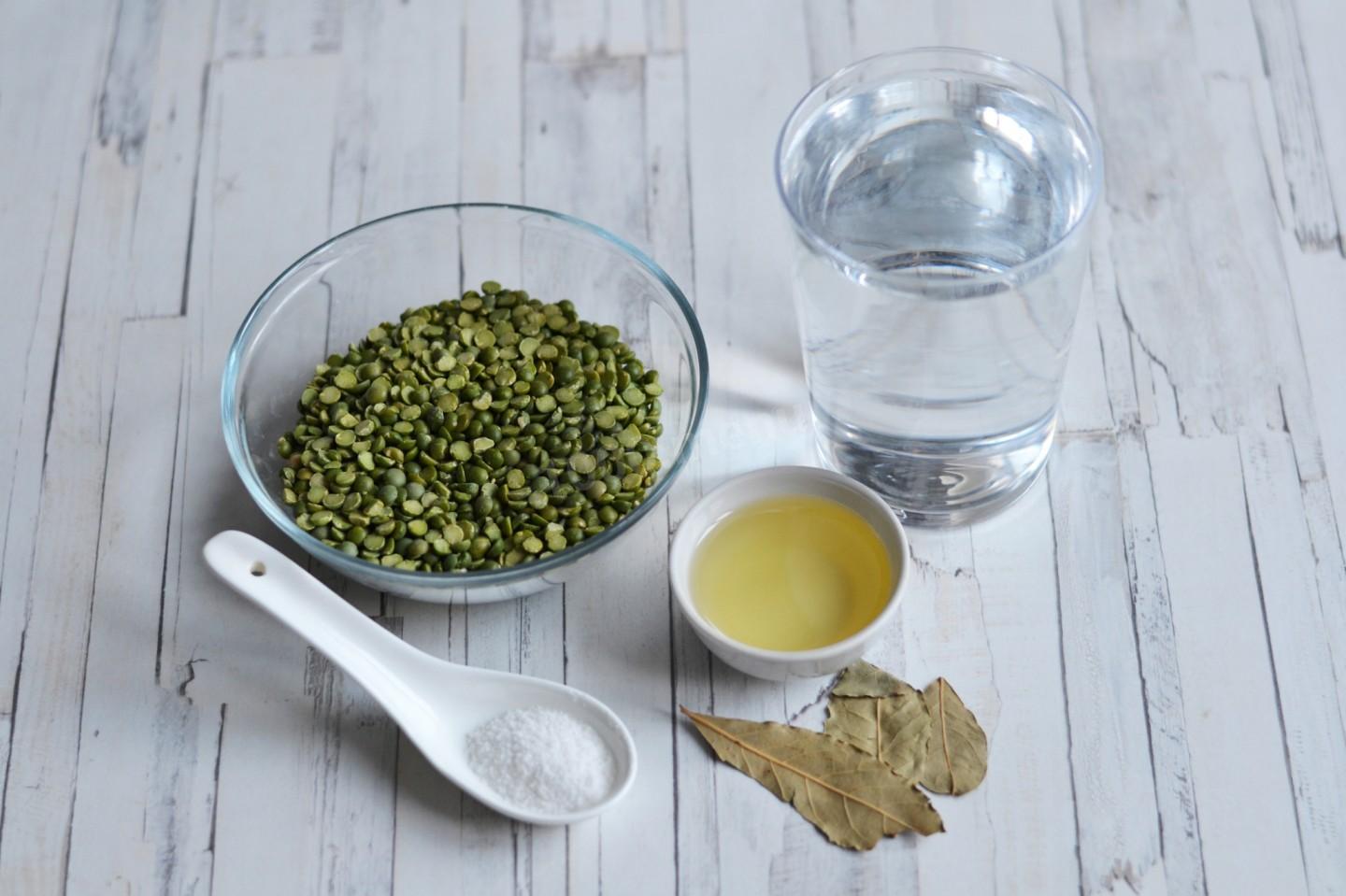
How do you cook pea porridge in water? Gather your ingredients. Use any dried peas — green, like mine, or yellow, depending on the color you want. Split peas are best, since they cook faster.
-
Step 2:
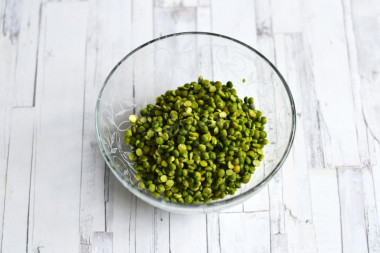
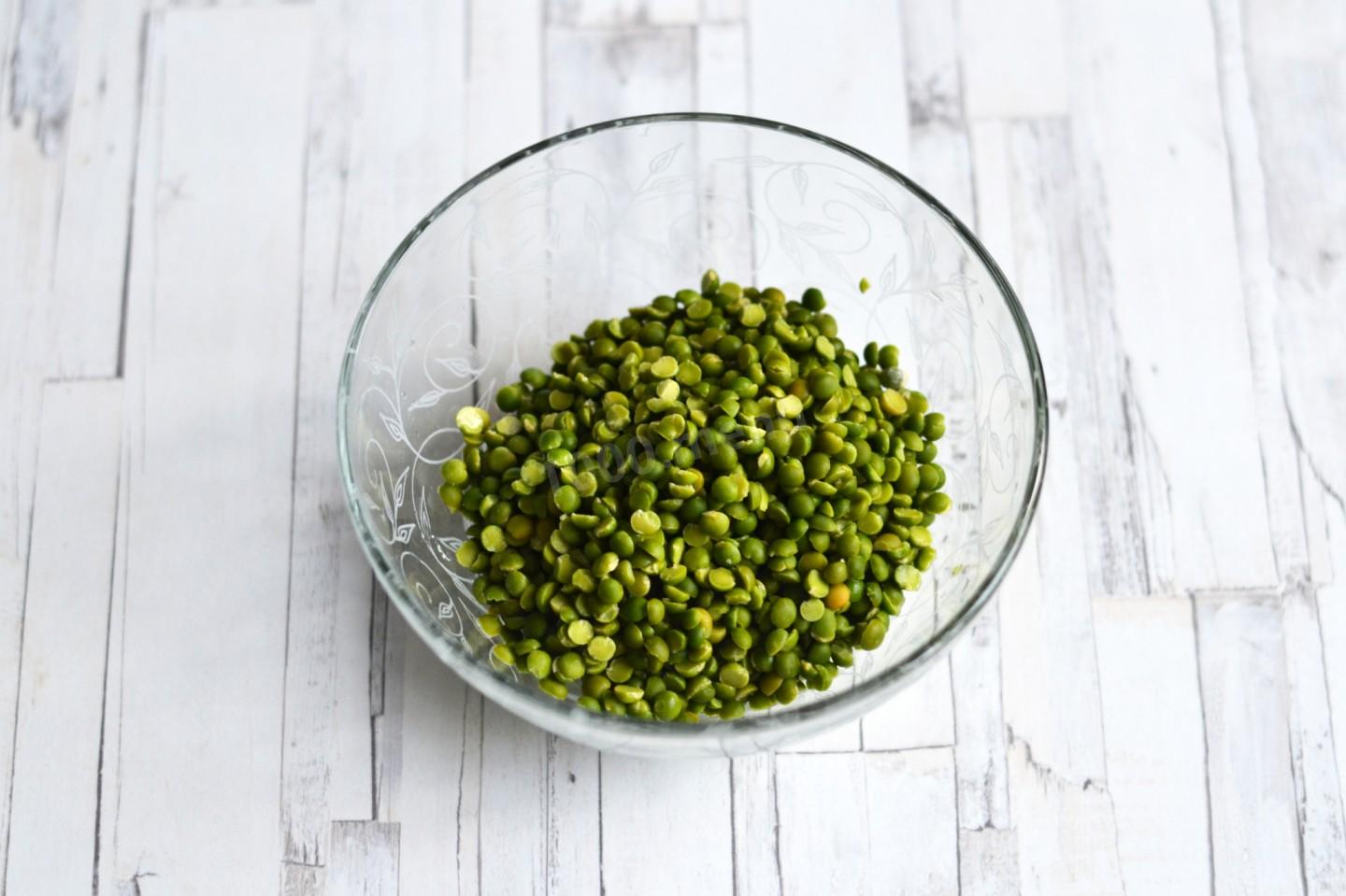
Pick over the peas, removing any debris or bad ones. Then rinse them thoroughly several times, until the cloudy water runs clear.
-
Step 3:
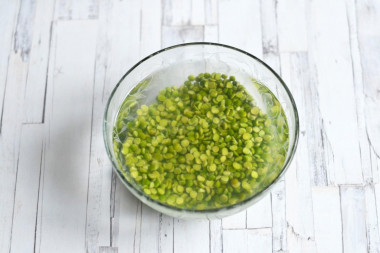
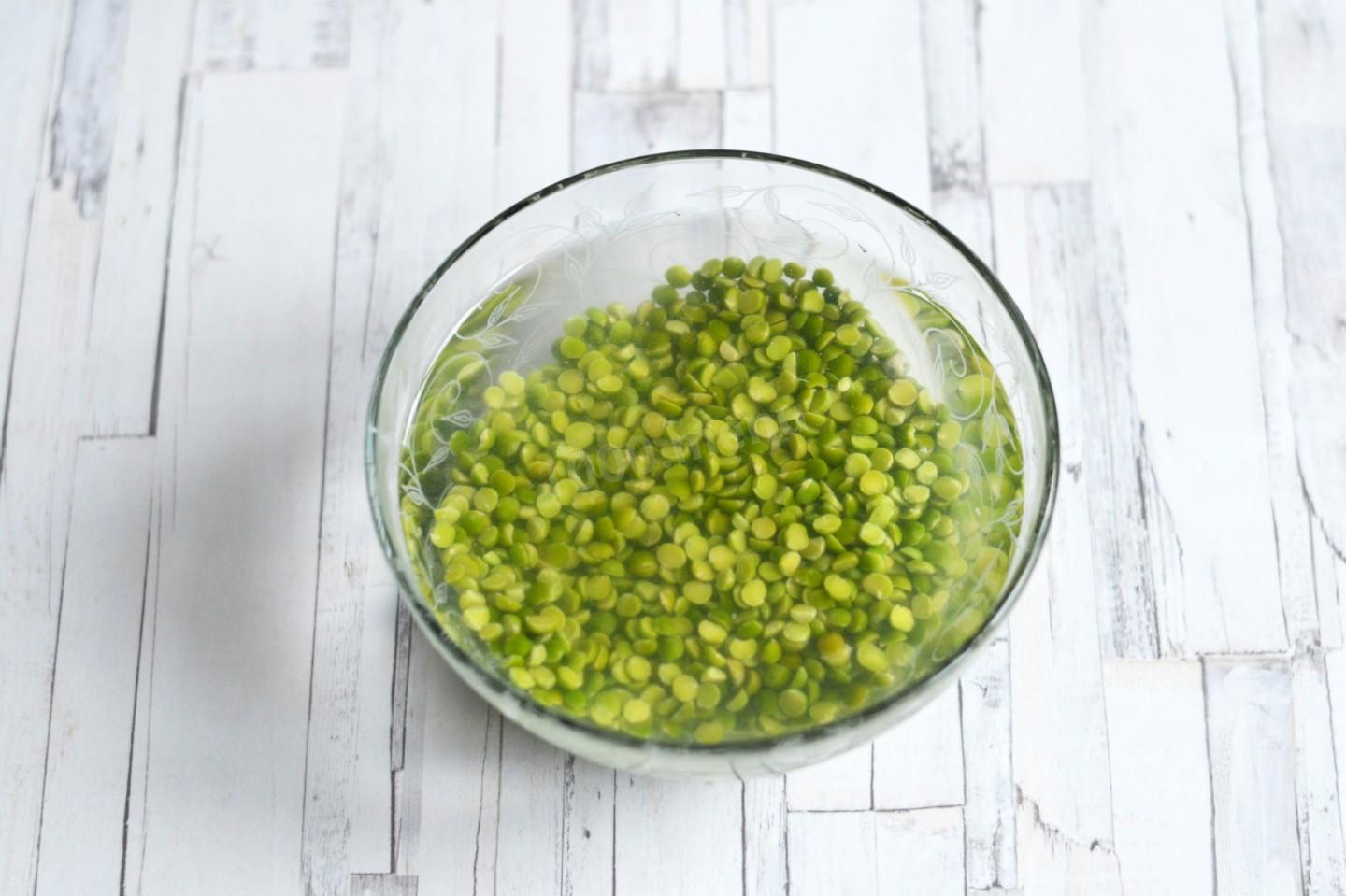
There are two ways to make pea porridge: the slow way and the quick way. Here I'll walk through the slow method, and I'll describe the quick one below the recipe. Cover the peas with warm water and let them soak for 7–8 hours. When the time's up, drain the water and rinse the peas again.
-
Step 4:
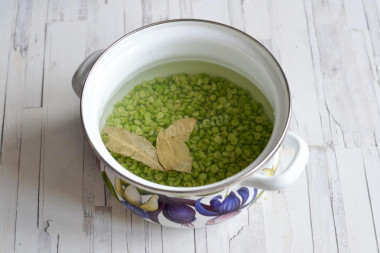
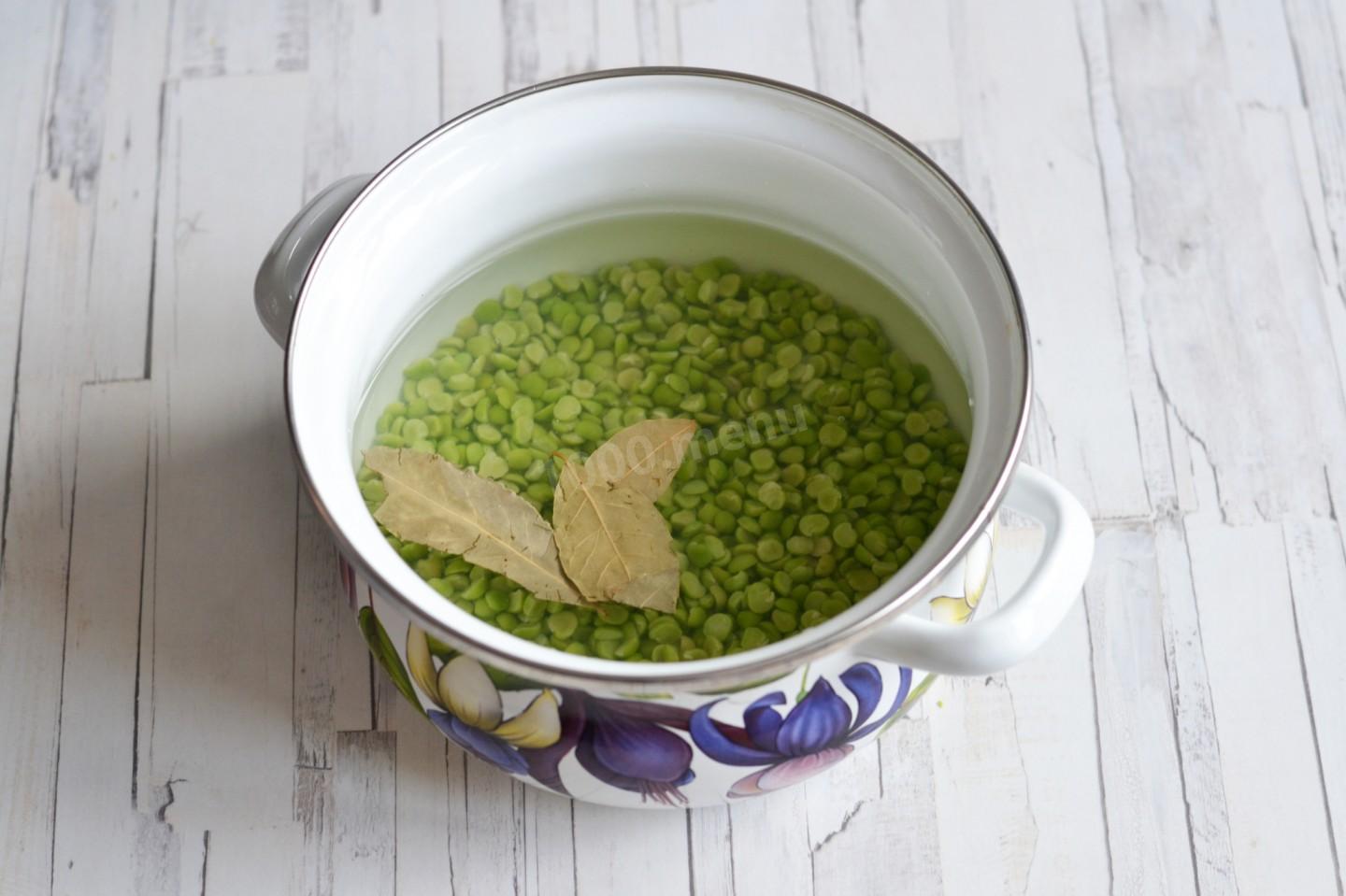
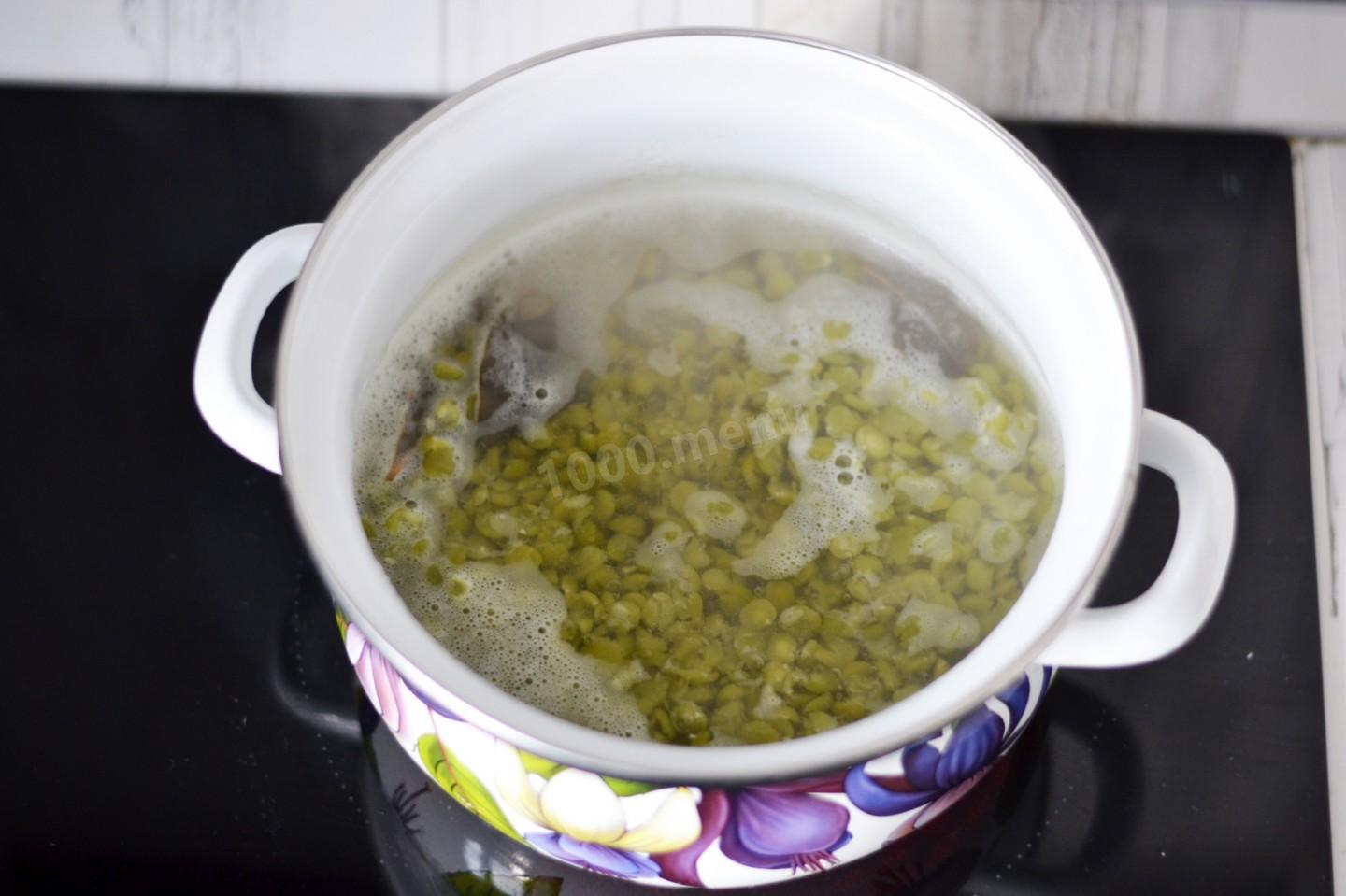
Put the peas into the pot you'll cook them in. Cover them with hot water and add the bay leaves.
-
Step 5:
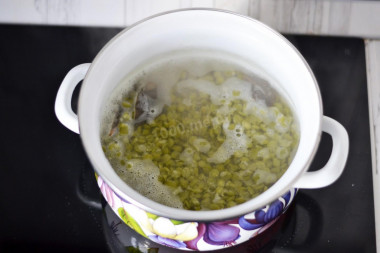
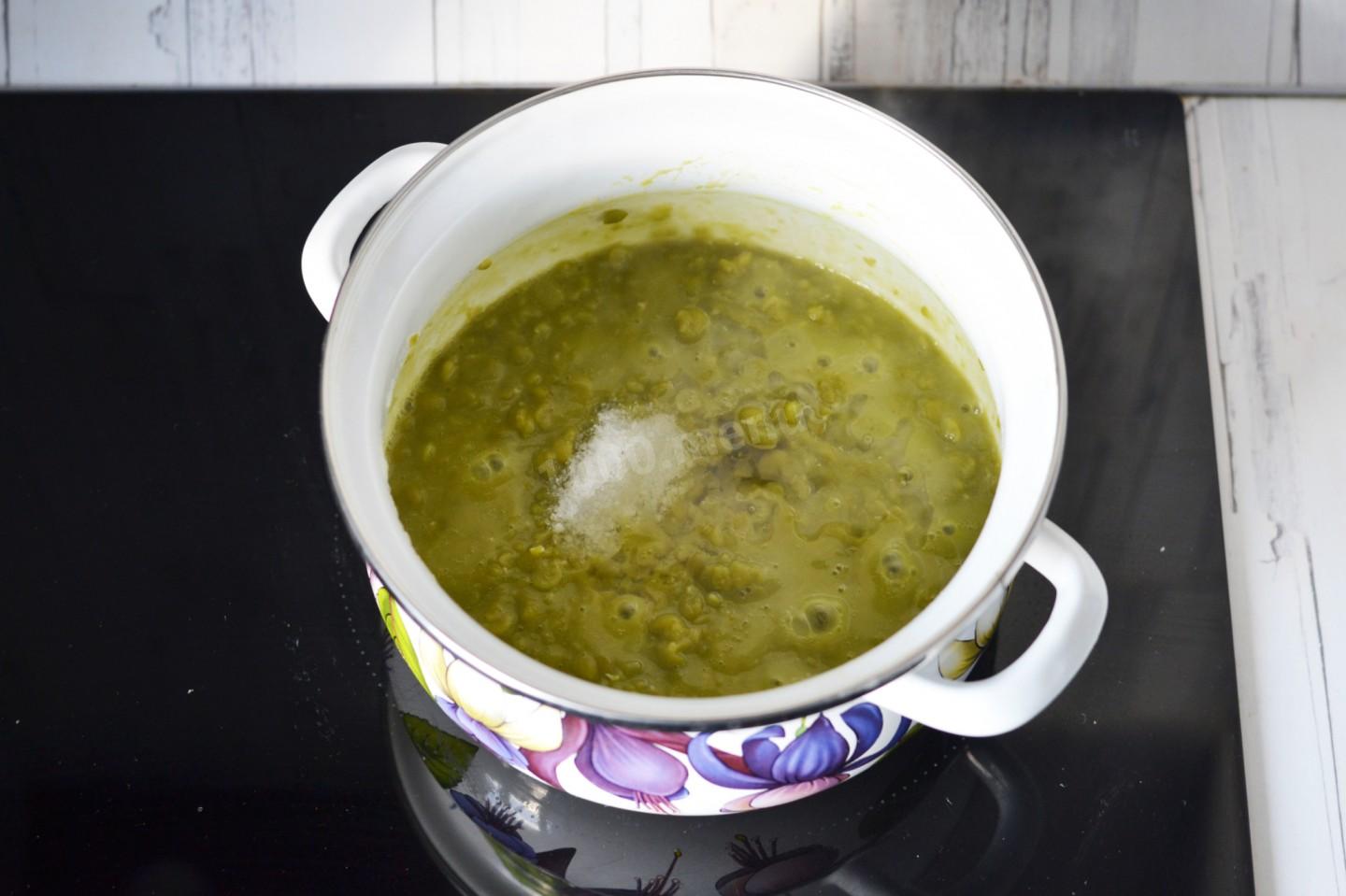
Set the pot over low heat and bring the water to a boil. Cook the peas for about 1 to 1½ hours, skimming off any foam that rises. If the water boils off before the peas are done, add another 100 ml (about ½ cup) of boiling water. Cook the porridge to the consistency you like. The peas can be cooked down completely; I prefer them only partly broken down, so the porridge isn't perfectly smooth.
-
Step 6:
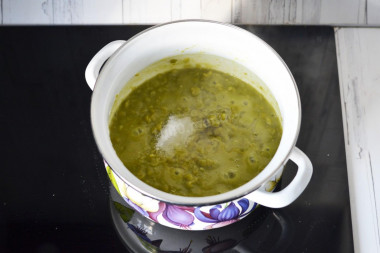
Right at the end, fish out the bay leaves. Salt the porridge, stir in the vegetable oil, and mix. If you're not keeping a meatless diet, use butter instead.
-
Step 7:
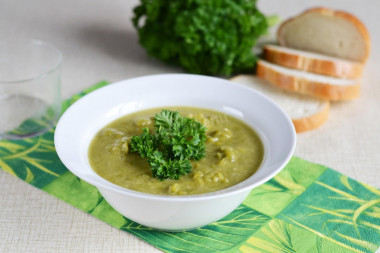
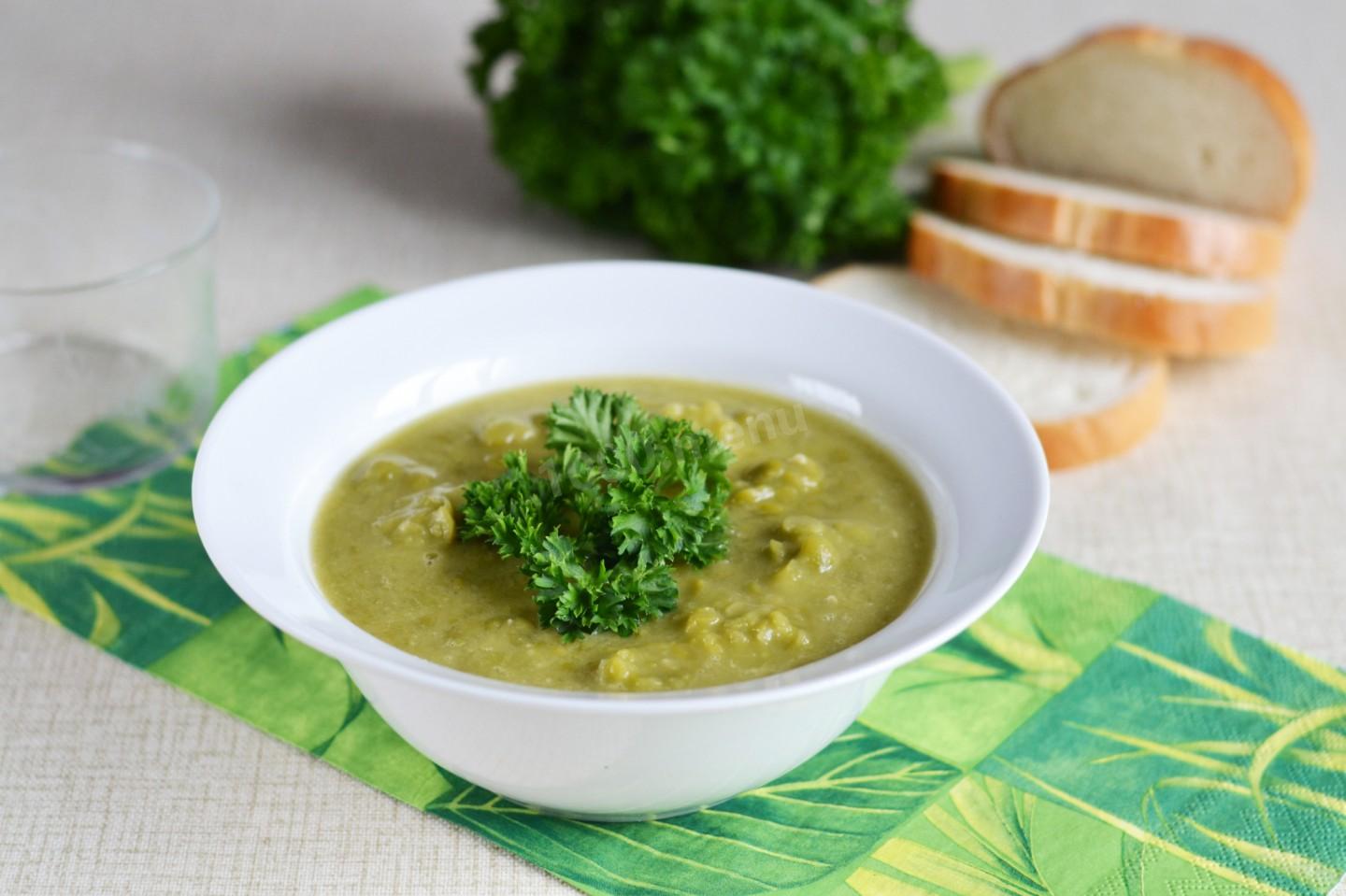
Spoon the porridge onto plates and serve. Enjoy!
- If you don't have time to soak the peas and need the porridge sooner, you can get the whole thing done in about 3 hours. Rinse the peas and let them soak for 2–3 hours. Then cover them with water and cook over medium heat for about 40 minutes, skimming the foam. Most of the liquid should boil off. Drain off whatever water is left in the pot and replace it with 200 ml (about ¾ cup) of clean warm water. Bring the porridge back to a boil and add a pinch of baking soda. A lot of foam will appear right away, and the peas themselves will soften and break down fast. Keep cooking, stirring constantly, until the porridge reaches the consistency you want — about 10 minutes. I've tried this and can tell you it works. Personally, I didn't taste any baking soda in the finished porridge. So if you'd rather not cook it for hours, this quick method is the way to go.
- For the best results, use filtered or bottled water with a neutral taste. Tap water can give the dish an off, distinctive flavor.
- For tips on choosing the perfect pot for soups, porridges, or pickling cucumbers, see our article on cookware.
Caloric content of the products possible in the composition of the dish
- Dried green peas, unboiled whole - 340 kcal/100g
- Crushed raw peas without seed coating - 348 kcal/100g
- Crushed boiled peas - 115 kcal/100g
- Turkish peas, dried, uncooked - 360 kcal/100g
- Dried, uncooked cow peas - 343 kcal/100g
- Dried boiled cow peas - 76 kcal/100g
- Dried peas - 322 kcal/100g
- Peas - 298 kcal/100g
- Bay leaf - 313 kcal/100g
- Vegetable oil - 873 kcal/100g
- Salt - 0 kcal/100g
- Water - 0 kcal/100g