Classic Tom Yum Soup at Home
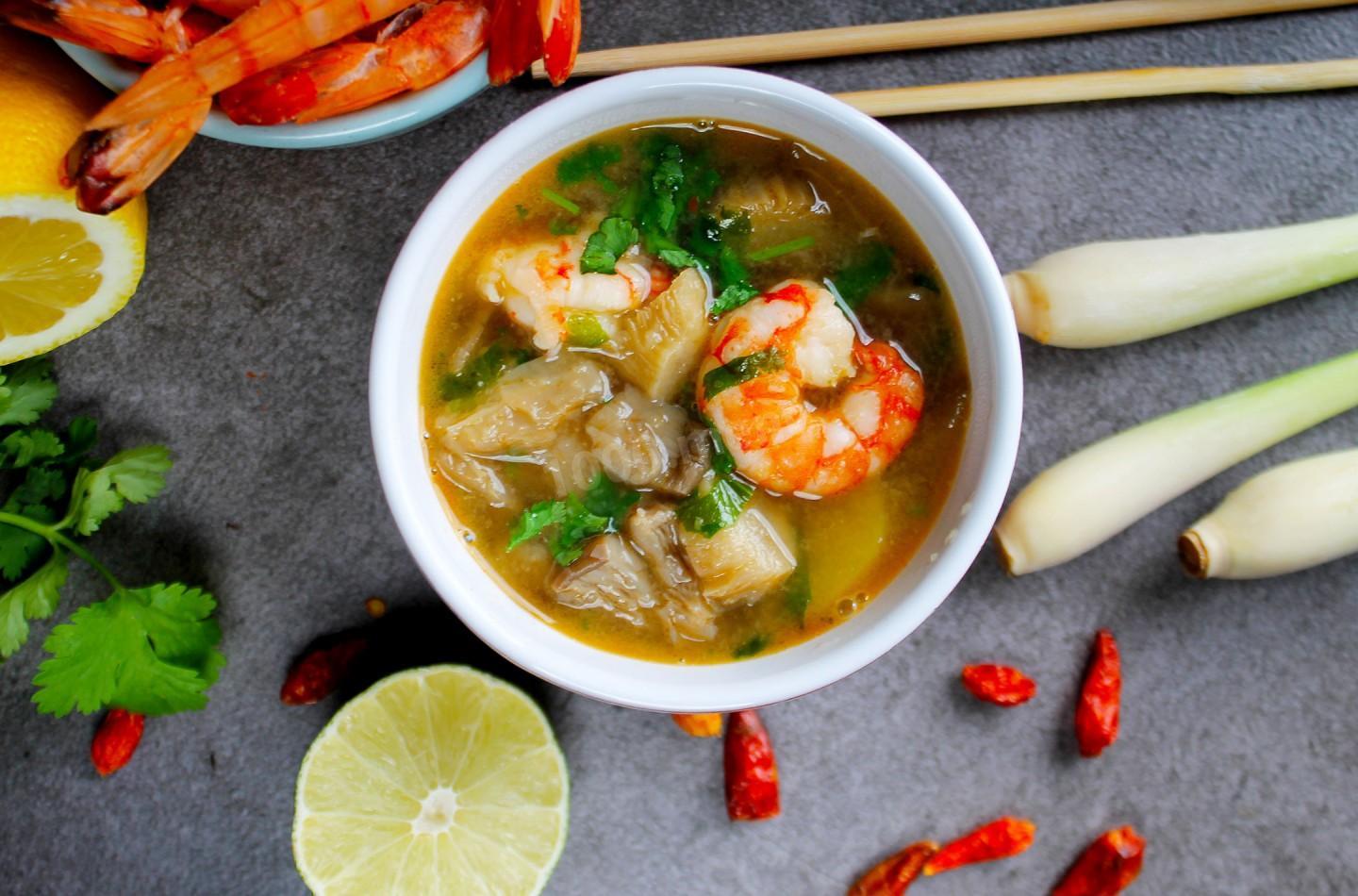
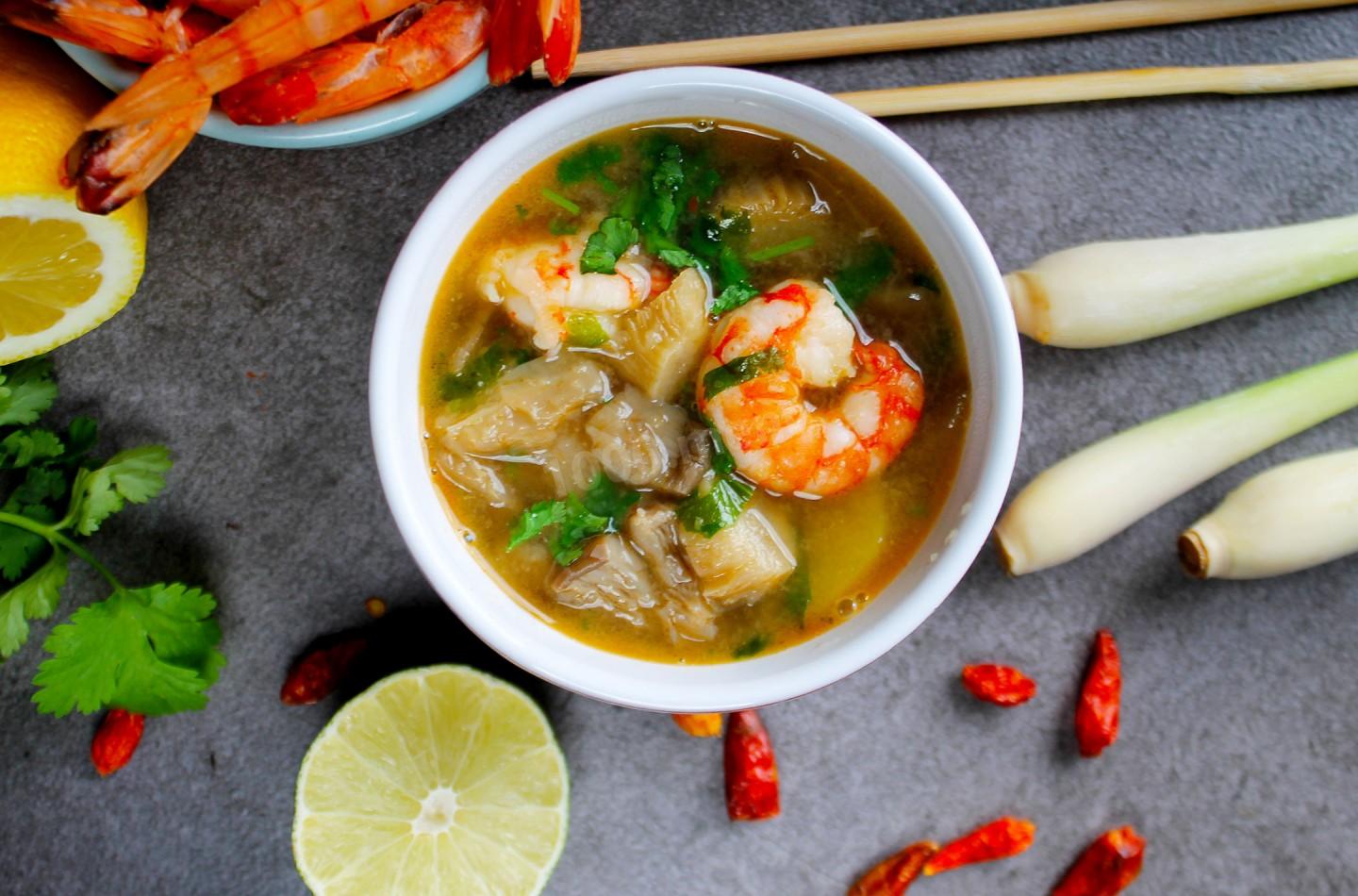
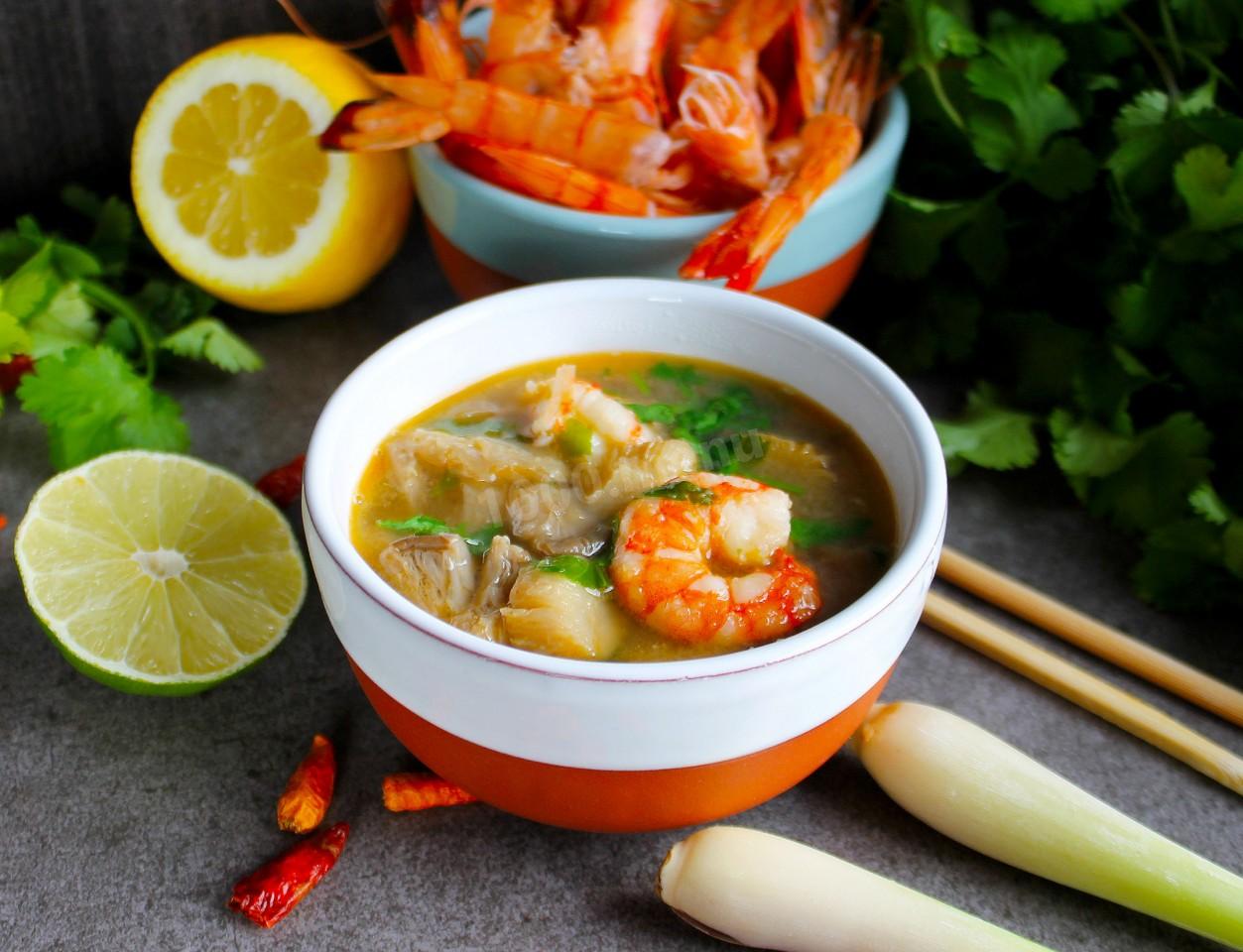
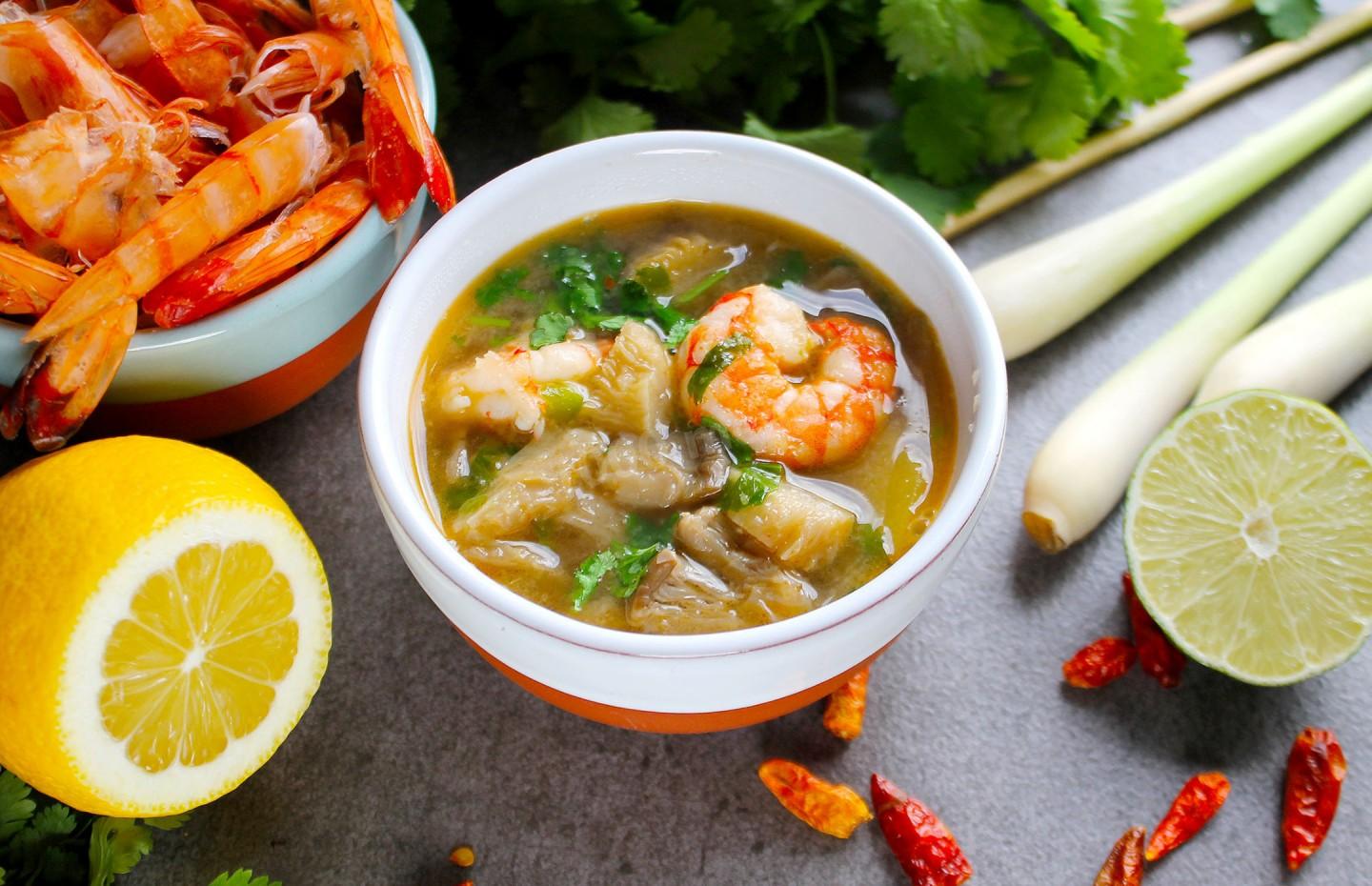
A bold, spicy, deeply flavorful Thai soup! You'll find Tom Yum in just about any café or restaurant in Thailand, and it's served all across Southeast Asia. This soup is, without exaggeration, one of the spiciest — and one of the most healthful — around!

Cooking method
-
Step 1:
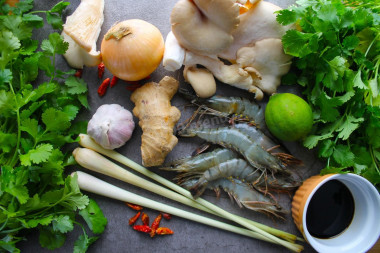
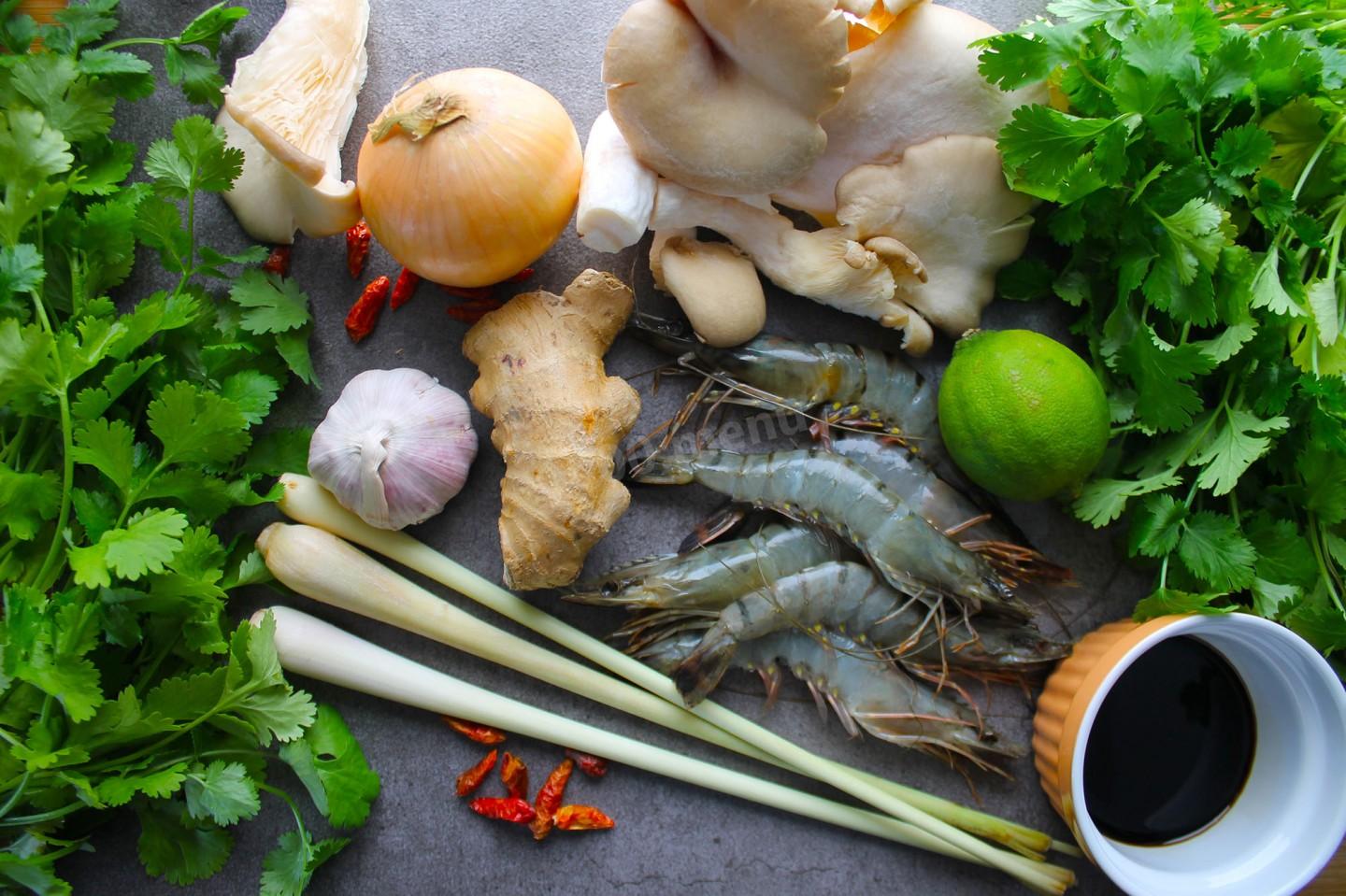
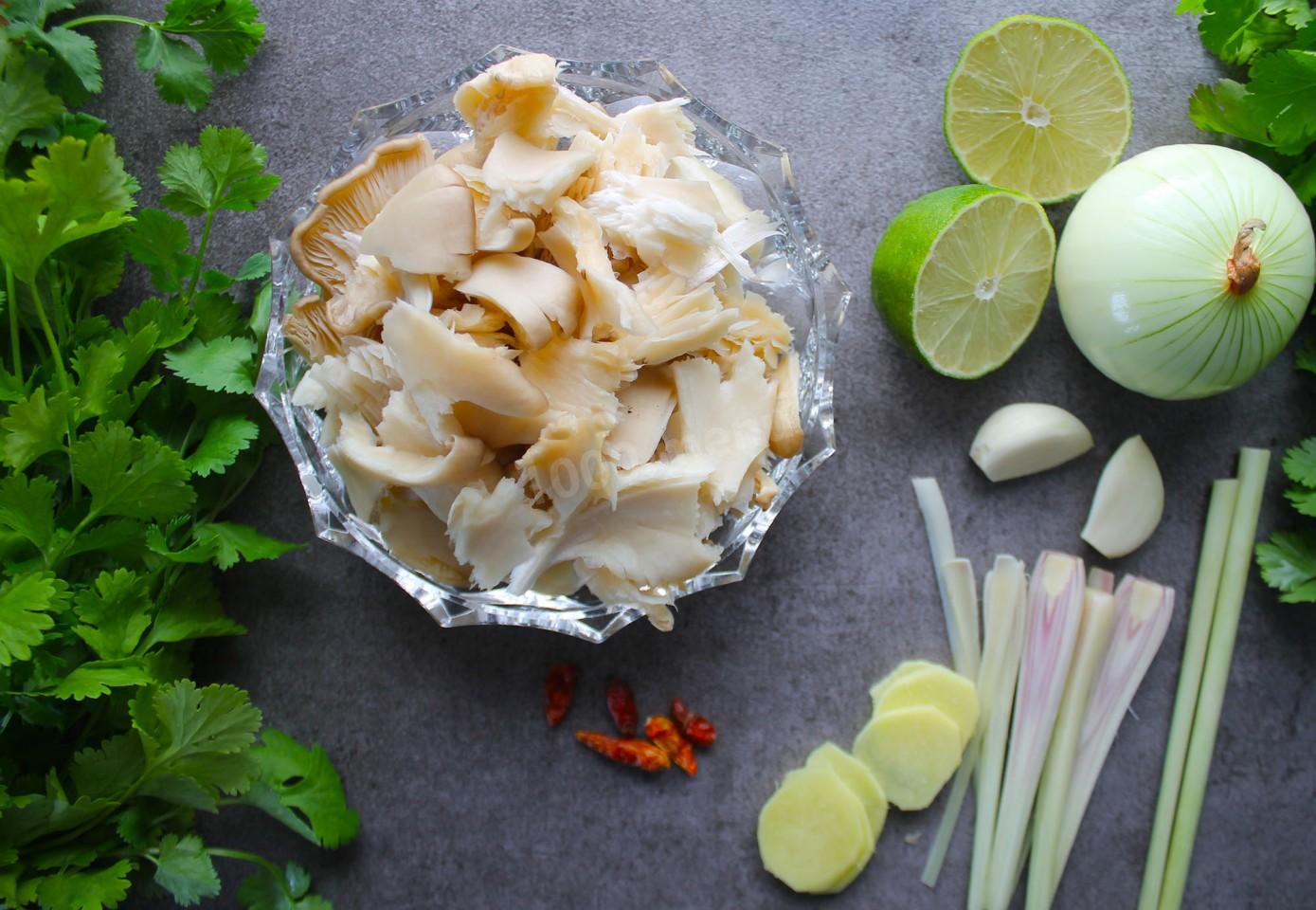
How do you make Tom Yum soup at home? First, gather all your ingredients. The authentic version uses lemongrass, kaffir lime leaves, and galangal. You can stand in lime zest for the kaffir lime and regular ginger for the galangal, but it's best not to substitute the lemongrass — it gives the soup its unmistakable aroma. For the mushrooms, use shiitake, oyster mushrooms, or white button mushrooms.
-
Step 2:
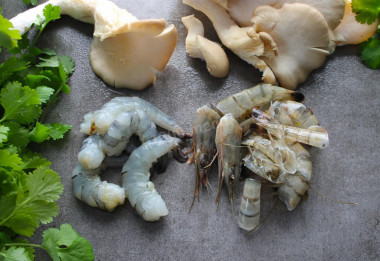
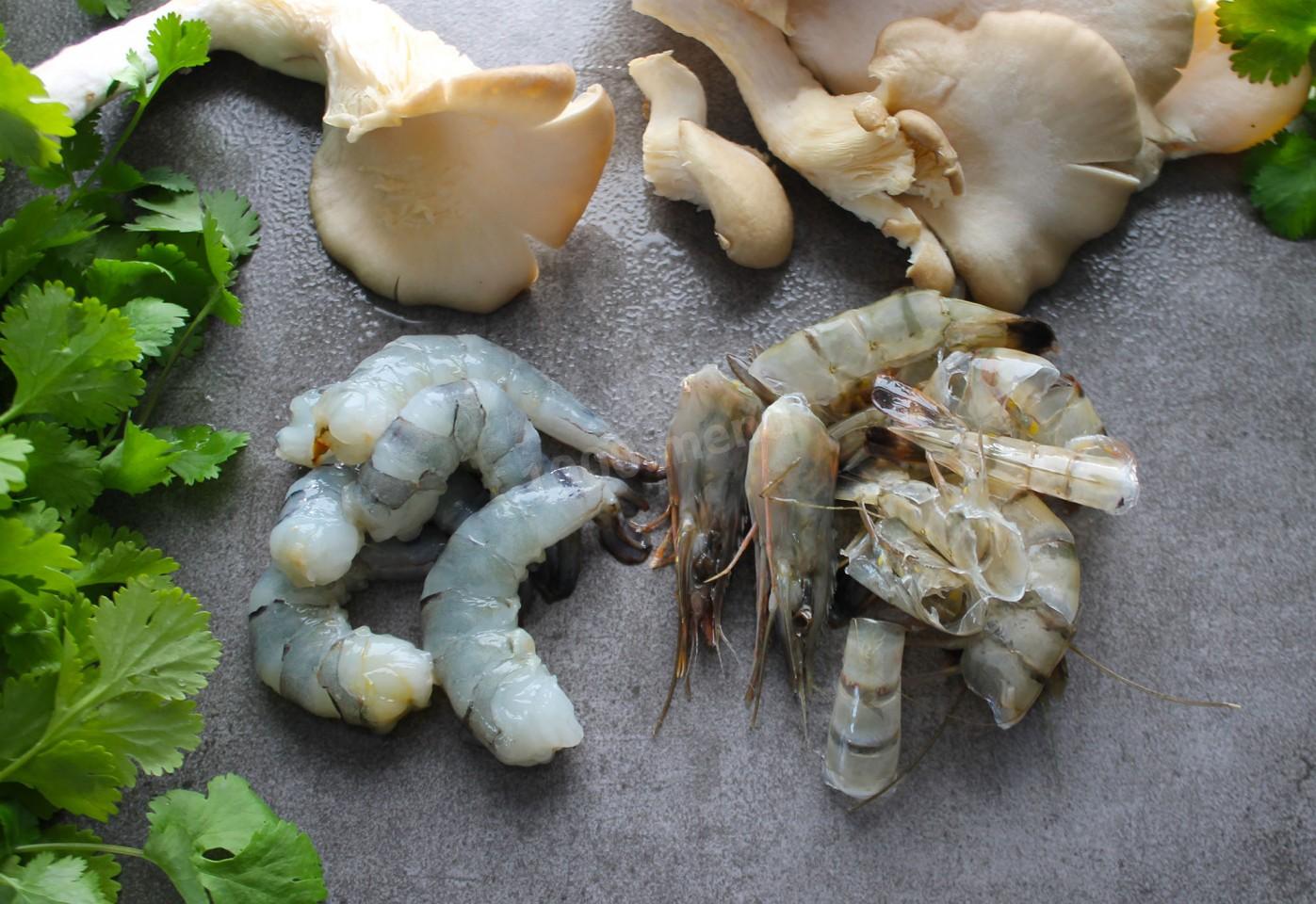
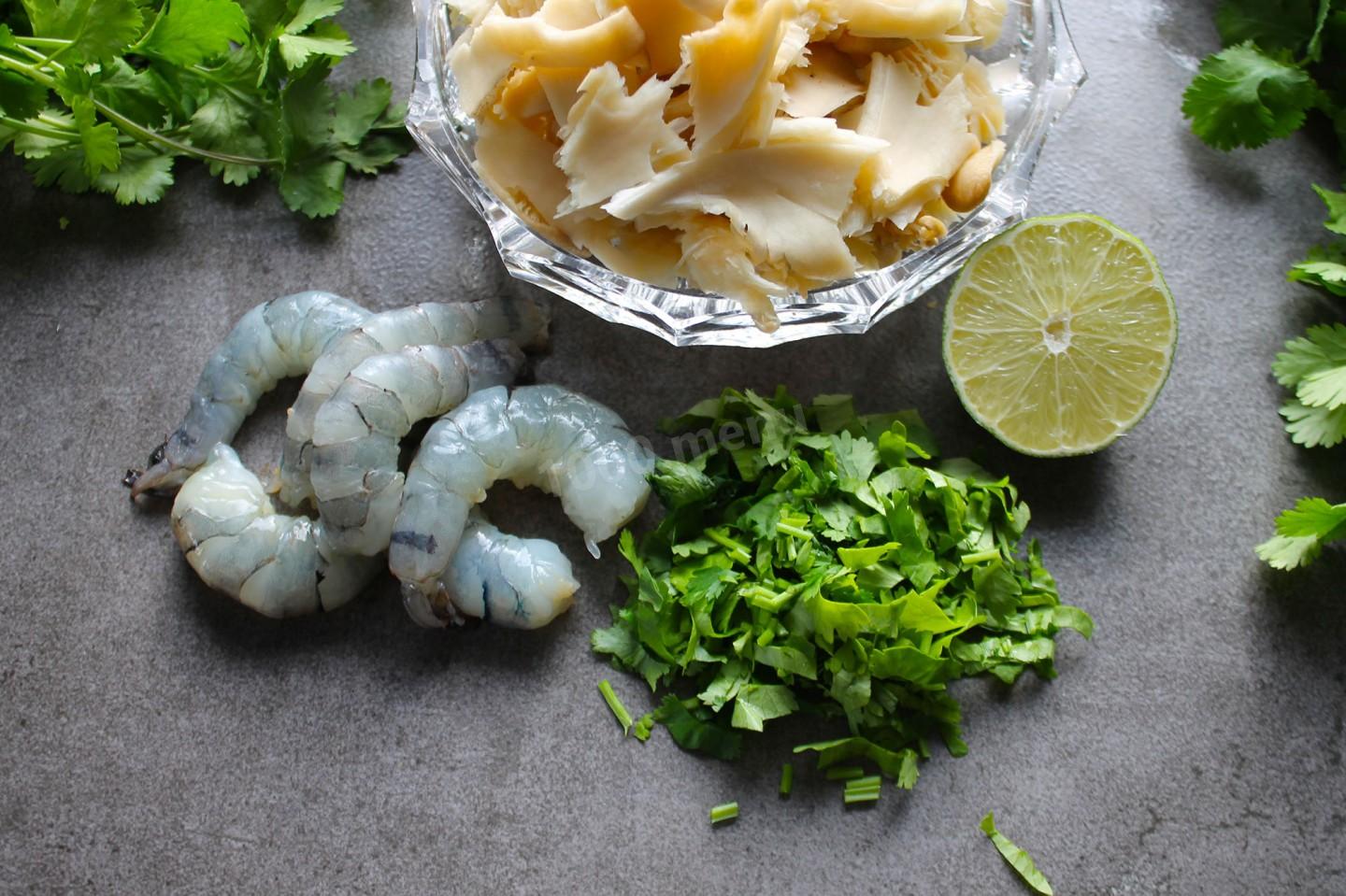
Take the shrimp out of the freezer and let them thaw completely at room temperature. Peel off the shells, remove the heads and tails, and devein the back of each shrimp. Don't toss the shells and heads — we'll use them.
-
Step 3:
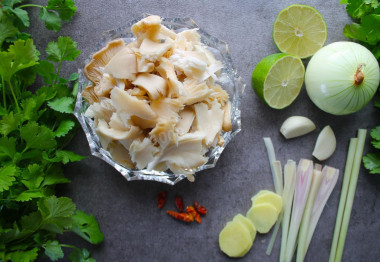
Tear the oyster mushroom caps into rough pieces by hand; it's best to leave out the tough stems. Cut the lemongrass in half lengthwise, and slice the ginger (galangal) into thin coins. Peel the garlic and onion and rinse them in clean water.
-
Step 4:
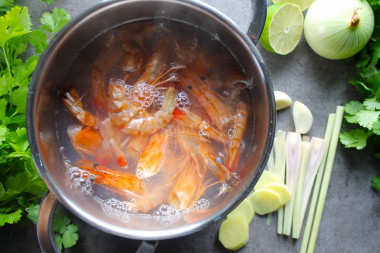
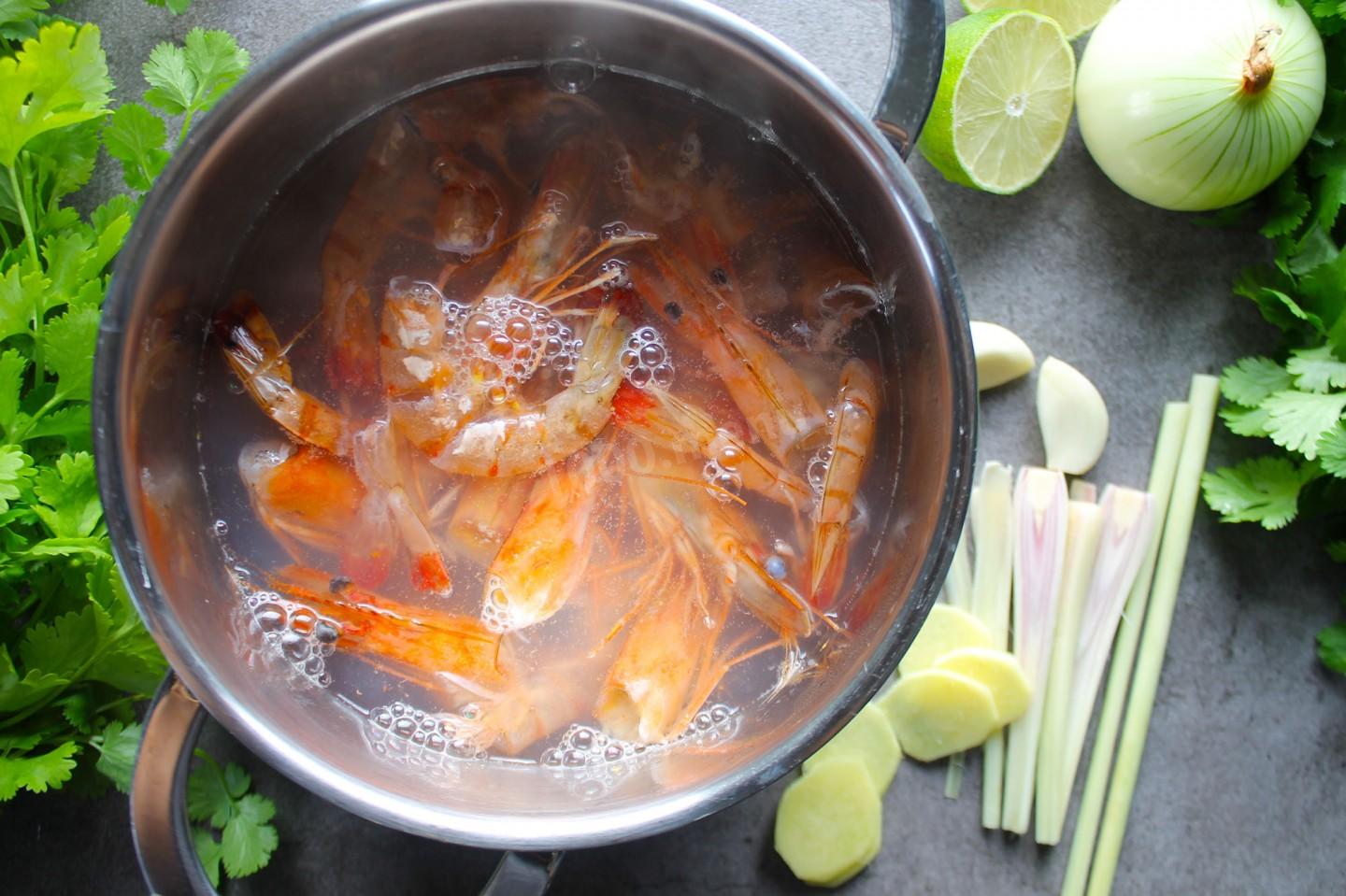
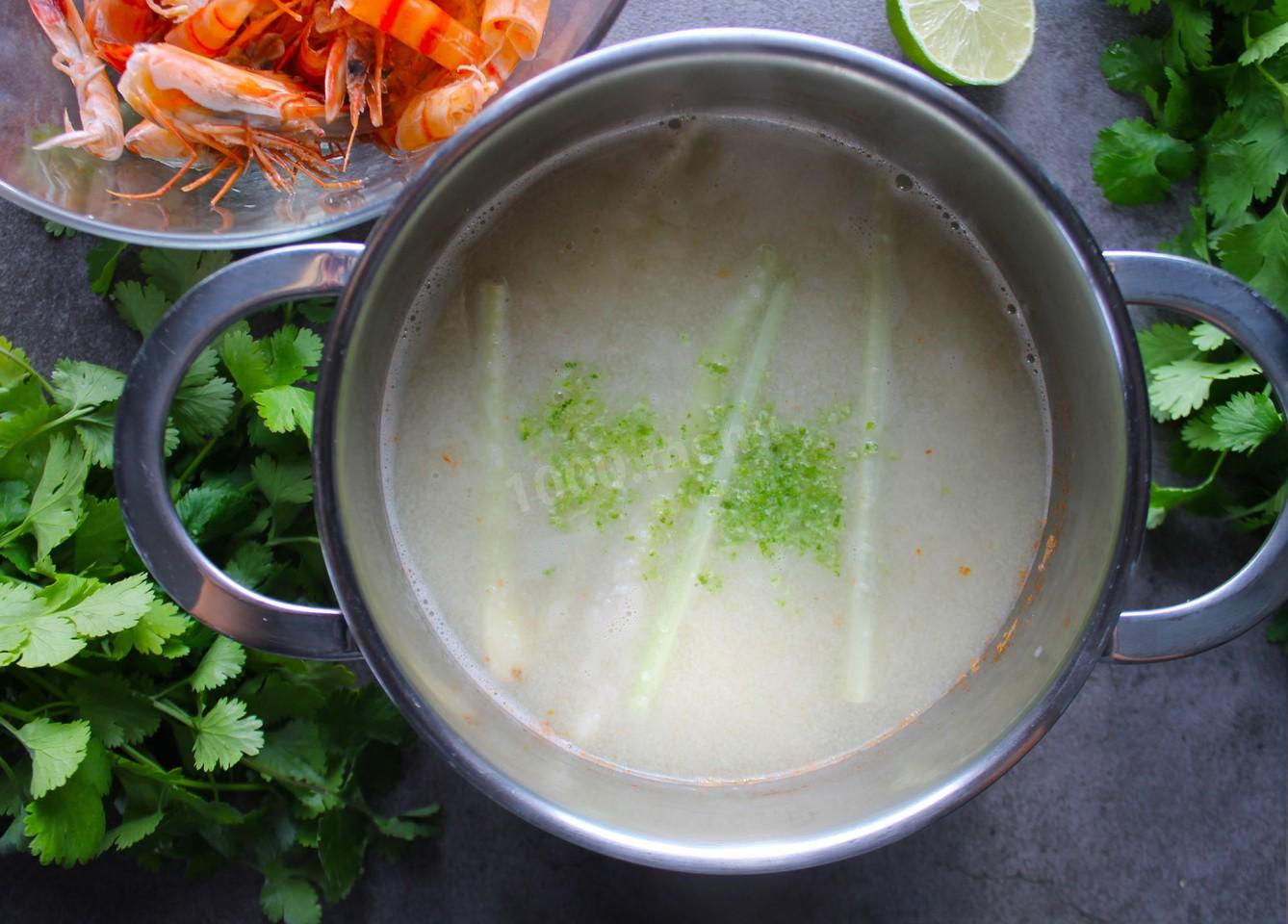
Pour cold water into a pot (I used a little under 1.5 liters / about 6 cups, since I like a thicker soup) and set it over high heat. Once it boils, drop in the shrimp shells, tails, and heads. Lower the heat to medium and simmer the stock for about 15 minutes.
-
Step 5:
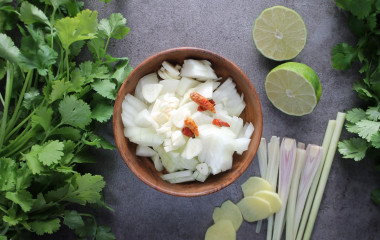
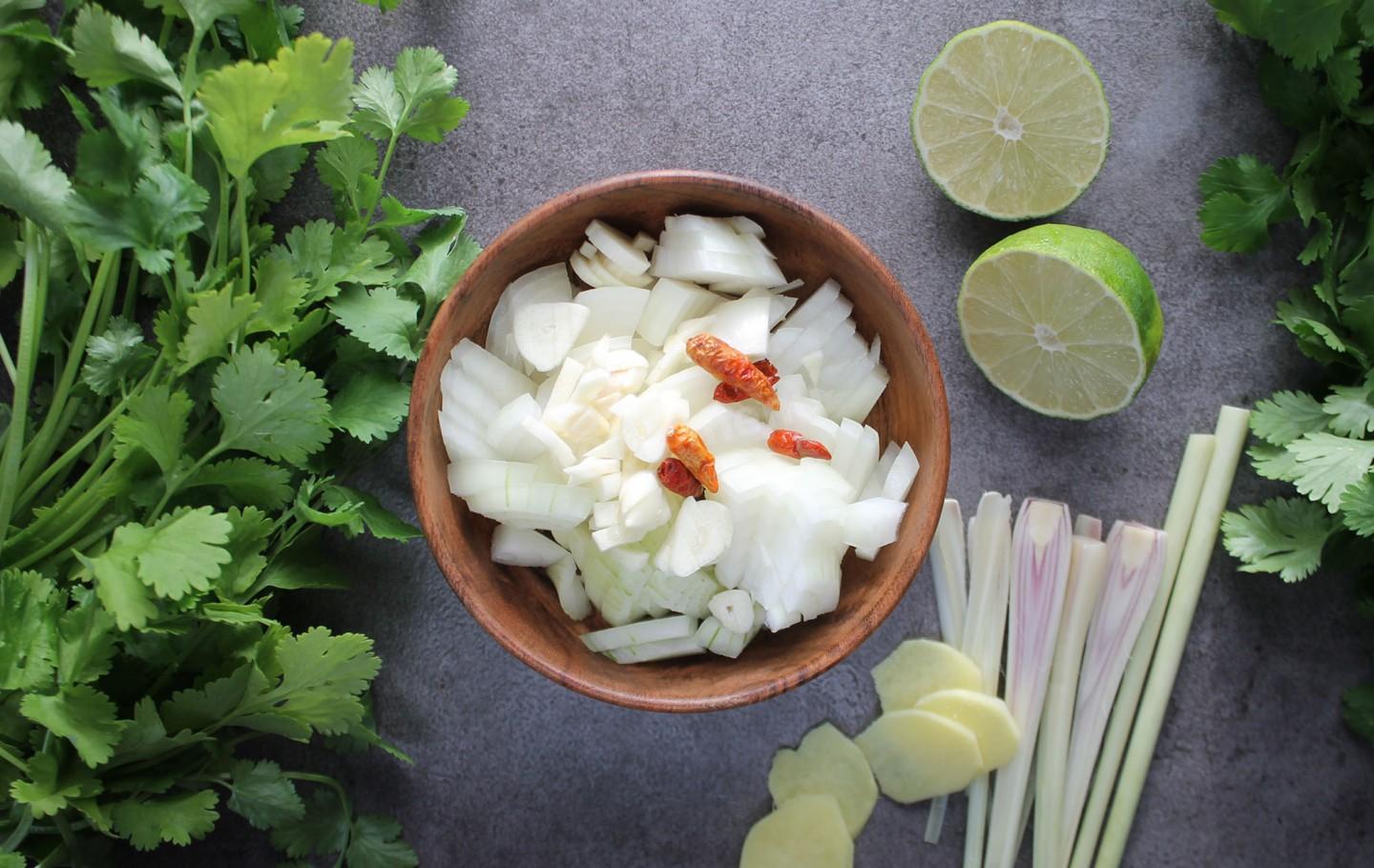
Meanwhile, cut the onion into small dice, chop the garlic finely, and seed the chili peppers and chop them roughly. I used dried hot chili pods here.
-
Step 6:
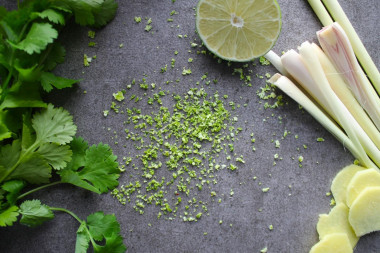
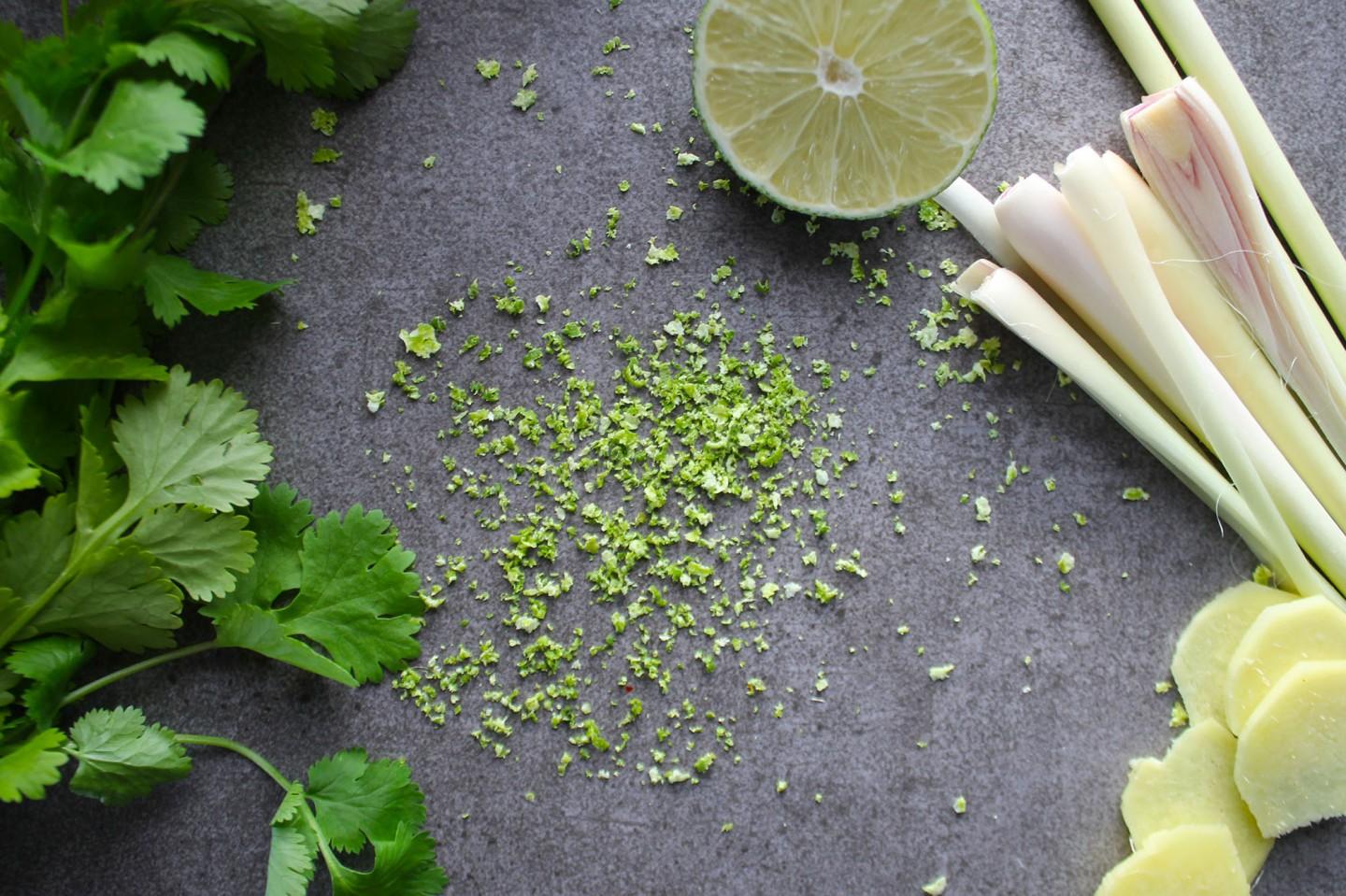
If you're using lime zest in place of kaffir lime leaves, grate it on a fine grater. I used the zest of half a lime for the soup.
-
Step 7:
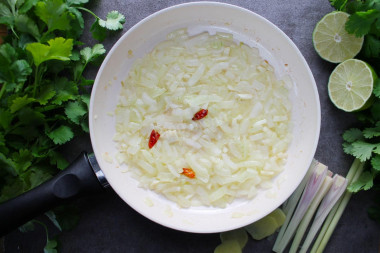
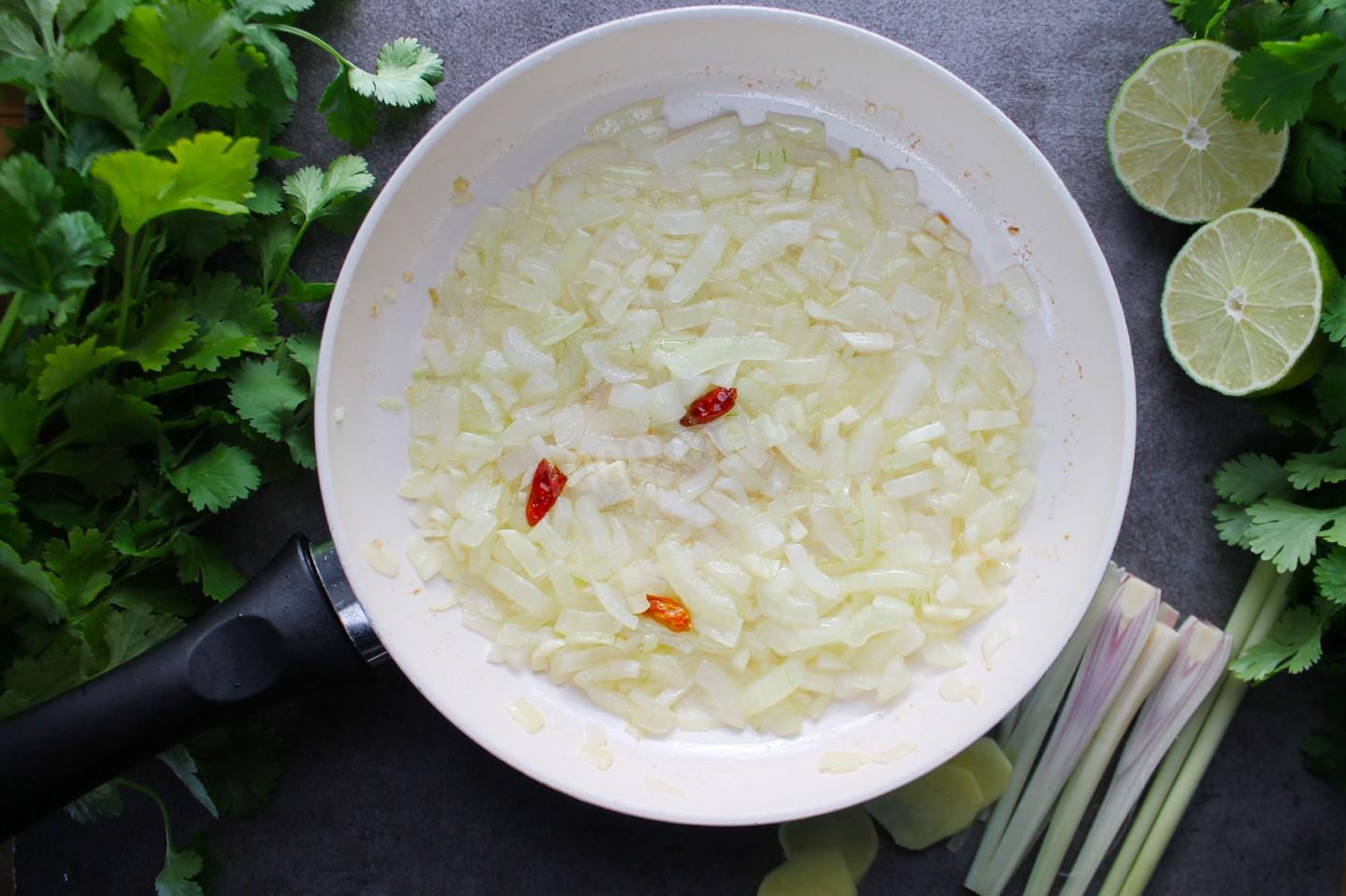
Heat the vegetable oil in a skillet and add the onion, garlic, and chili. Cook over high heat, stirring constantly, for about three to four minutes.
-
Step 8:
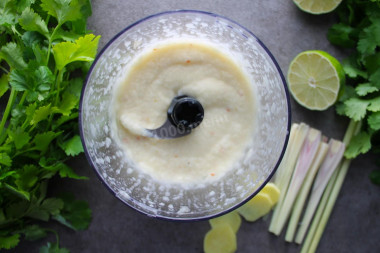
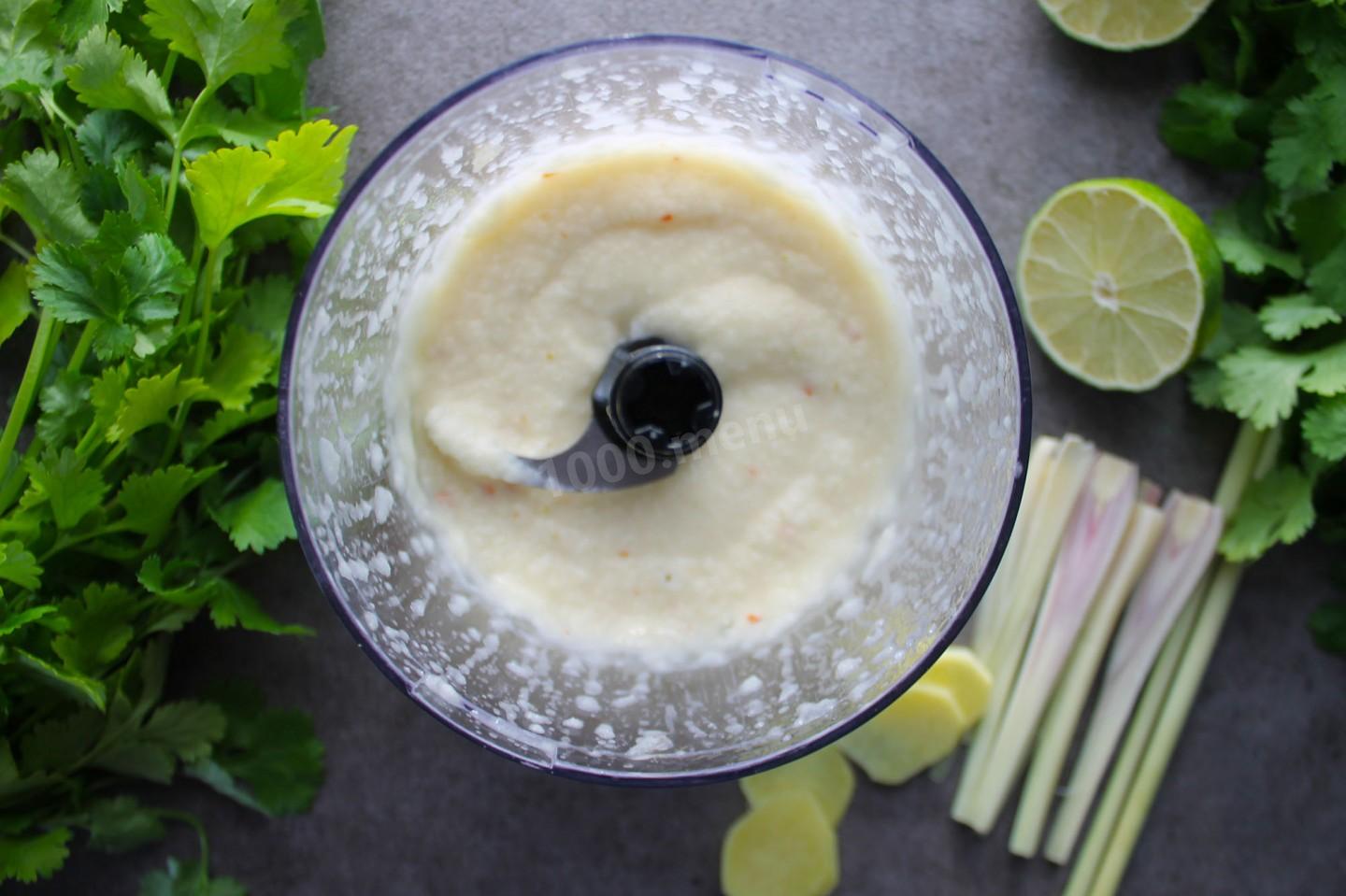
Transfer the sautéed onion and garlic to a blender, add a little water, and blend everything into a smooth paste.
-
Step 9:
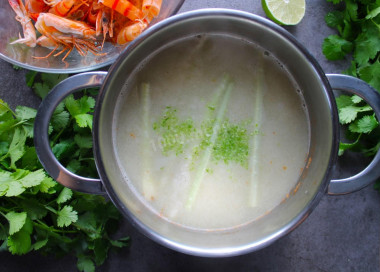
Strain the stock, or lift out the shells with a slotted spoon. Add the onion paste, lemongrass, lime zest, and ginger to the pot. Once it comes back to a boil, lower the heat to medium and simmer for about 7–10 minutes.
-
Step 10:
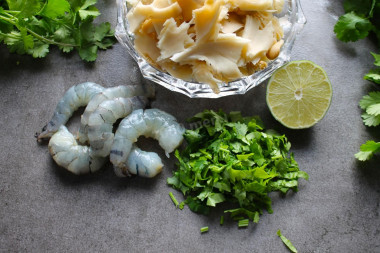
Rinse the cilantro and chop it coarsely.
-
Step 11:
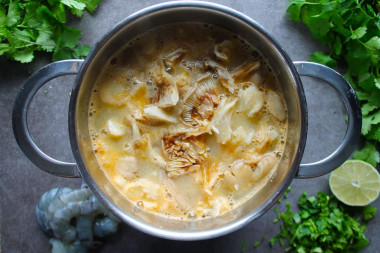
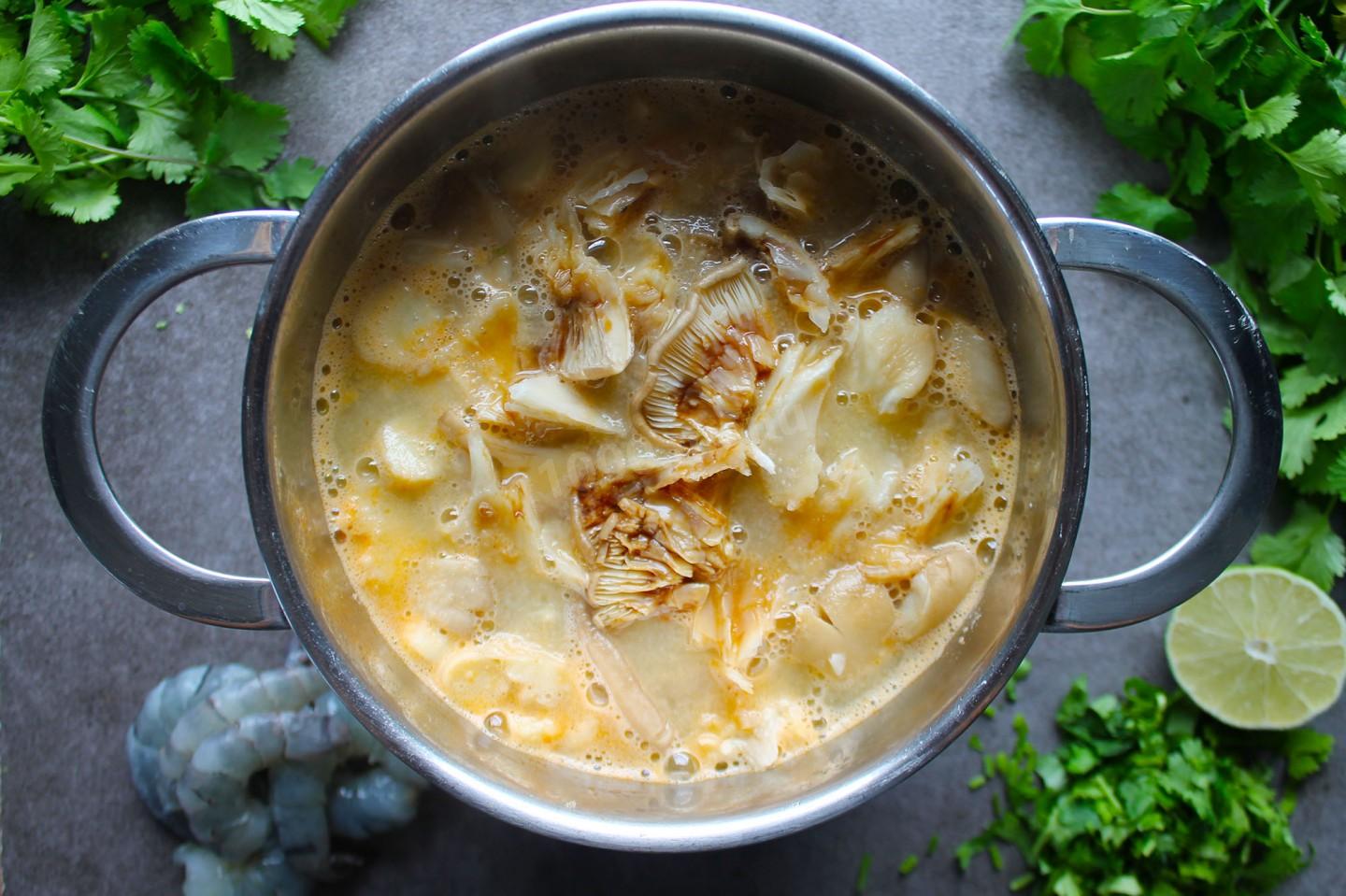
After the simmering time, add the oyster mushrooms and fish sauce to the pot. Add the fish sauce gradually, tasting for salt as you go — you may need a little less than the recipe calls for.
-
Step 12:
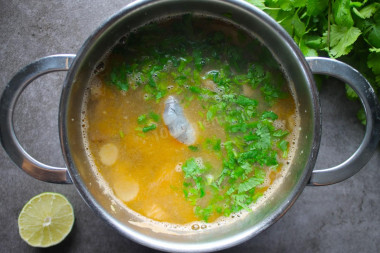
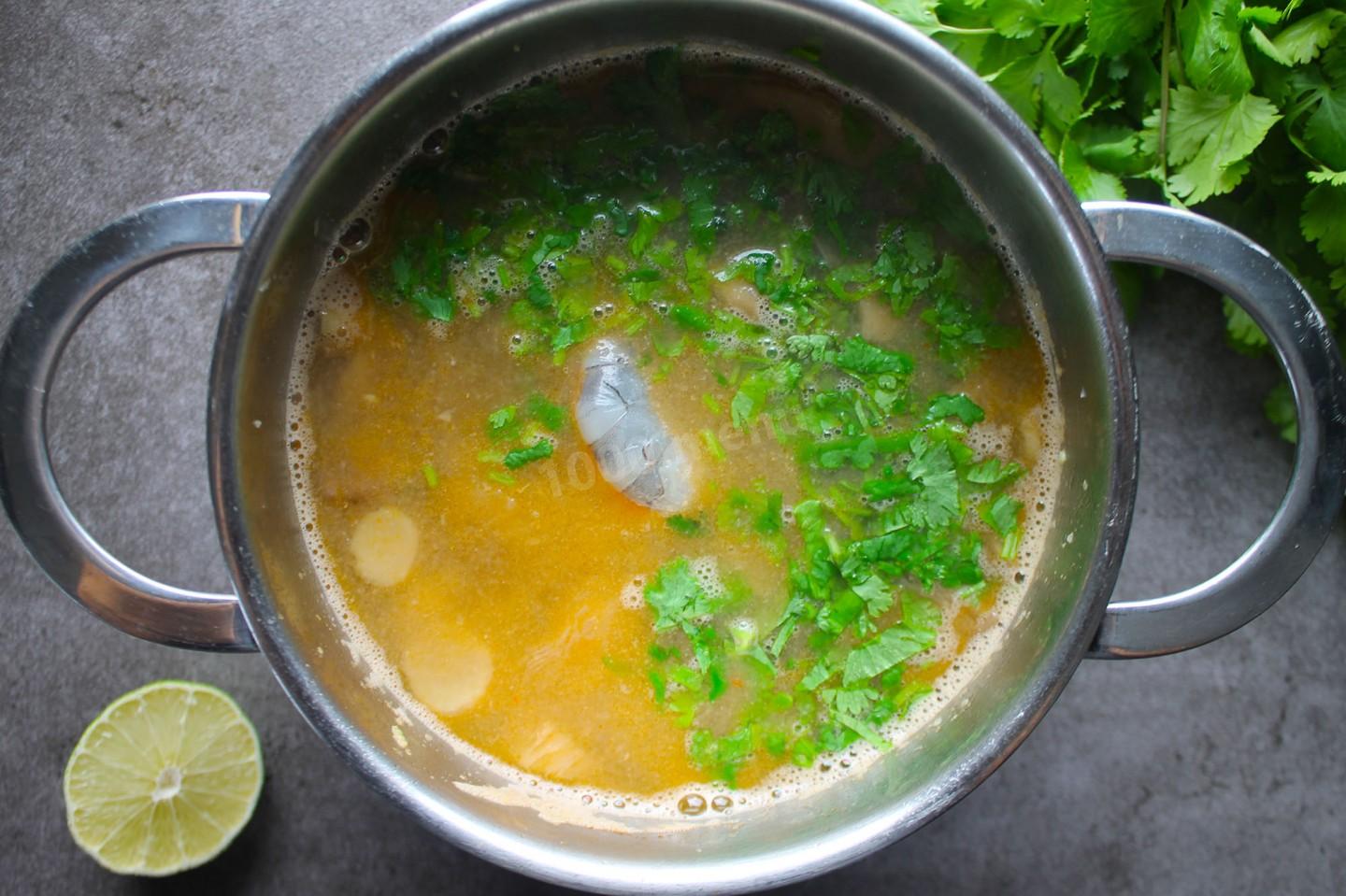
Cook the soup over medium heat for about three to five minutes, then add the shrimp and the juice of the lime. Simmer for about two more minutes, then stir in the cilantro.
-
Step 13:
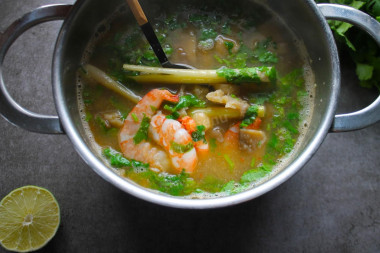
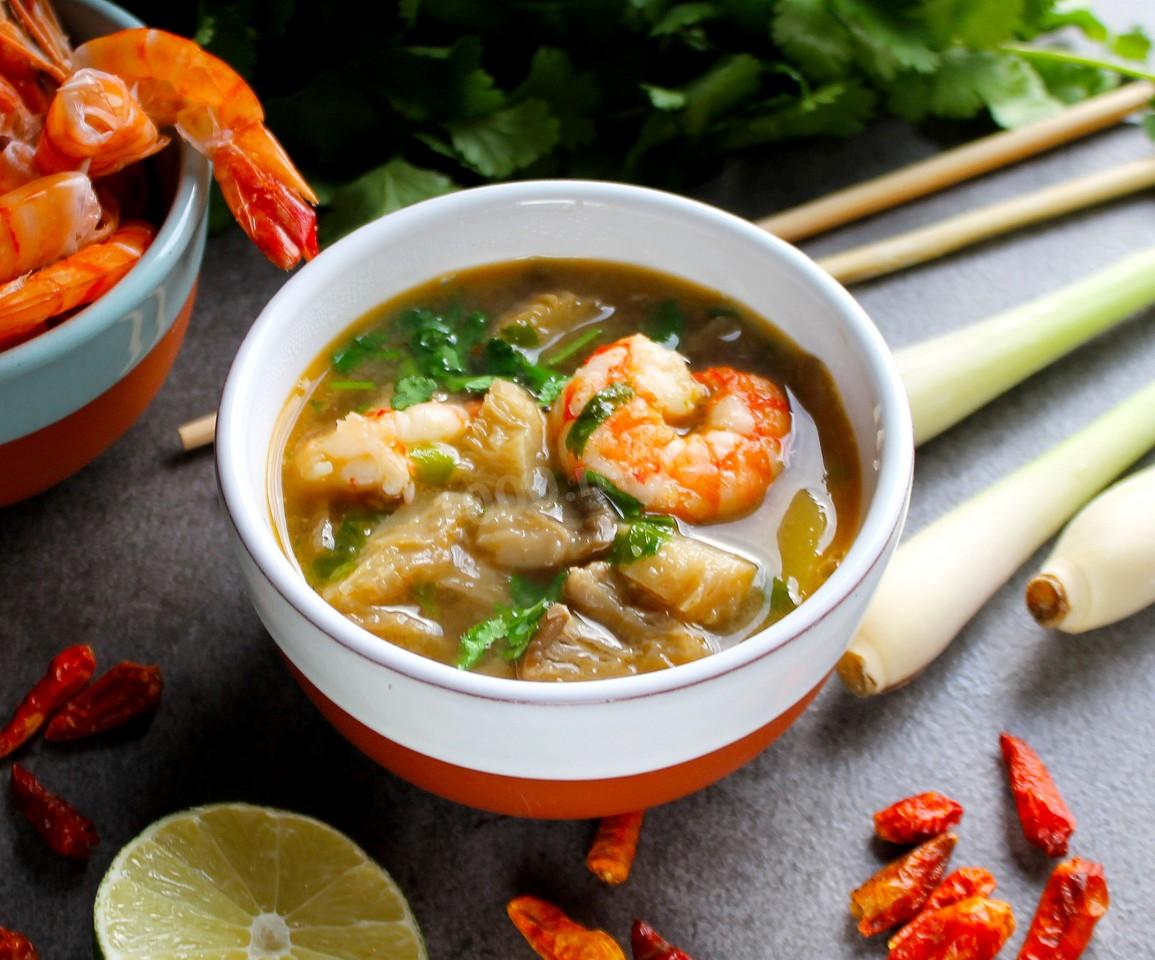
Taste the finished Tom Yum for salt, sweetness, sourness, and heat, and adjust with whatever it needs. Done!
-
Step 14:
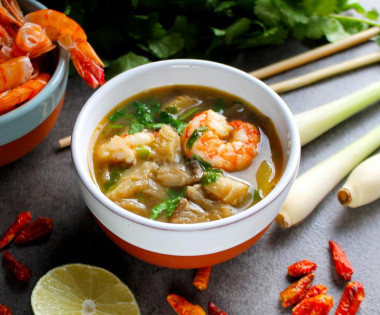
Serve hot. Leave the lemongrass, kaffir lime leaves, and ginger in the pot — they're aromatics, not meant to be eaten with the soup.
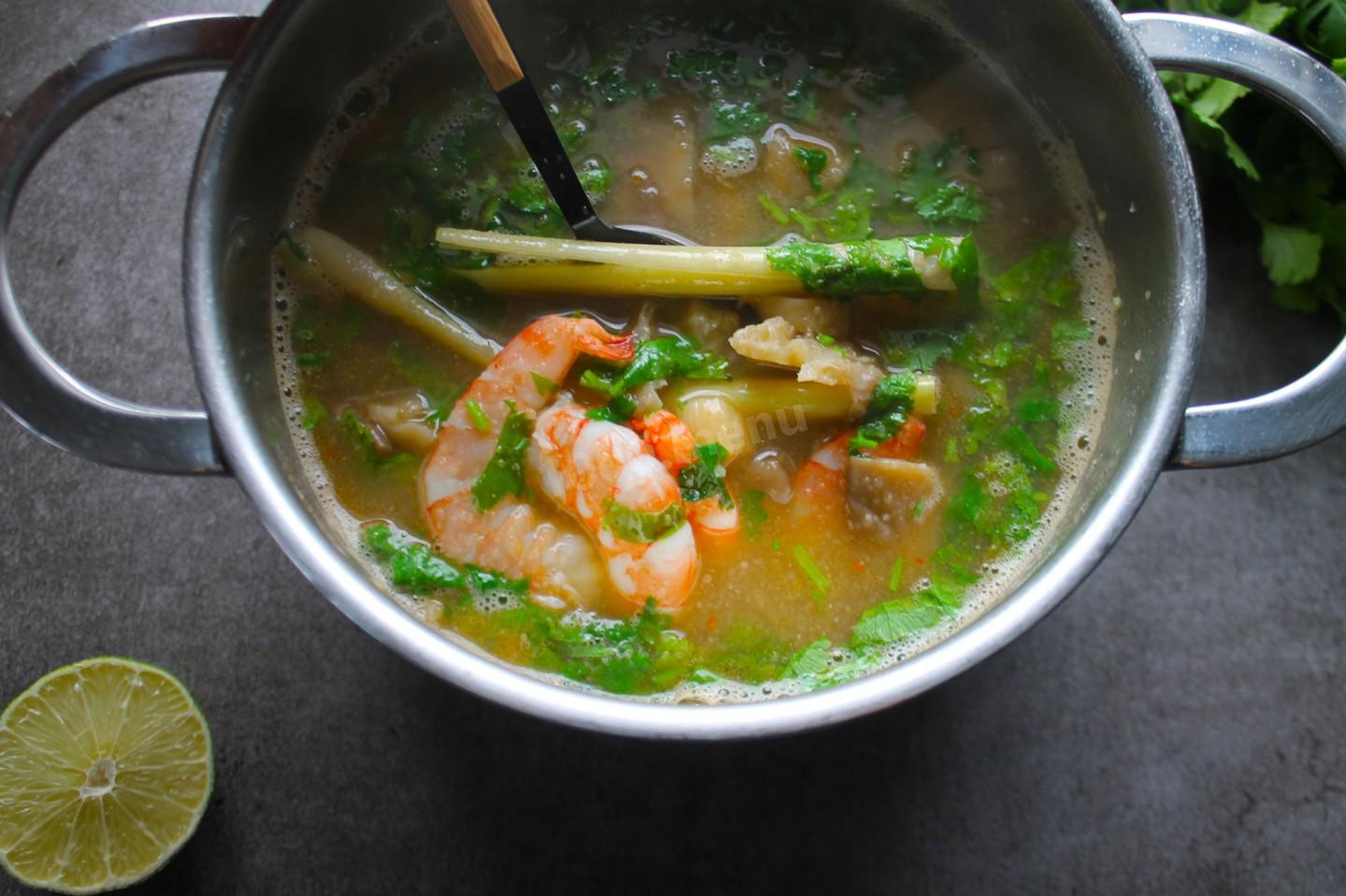
- There are two ways to make Tom Yum: 1) at step 11, before adding the mushrooms, you can fish the galangal, kaffir lime leaves, and lemongrass out of the broth; or 2) make it as written, leaving the aromatics in the broth. I prefer to leave the fragrant roots and leaves in until the very end — as the soup sits on the stove, it soaks up their aromas, which makes the Tom Yum brighter and tastier. Enjoy!
- For tips on choosing the perfect pot for soups, porridges, or pickling cucumbers, see our article on cookware.
- Important! Whether or not the recipe gives an exact amount of water, it's best to go by your own preference (how thick or thin you like your soup), as well as the size of your pot and the ingredients you're using. Keep in mind that the author has their own idea of how much meat, potato, grain, and so on belong in the soup — and it may not match yours. In practice, that means if you're making it for the first time, don't cook a whole pot at once. Make a small test batch — enough for one or two people. Scale all the ingredients down to 1–2 servings, and figure the water at about one cup per serving for a very thick soup, up to 1½–2 cups for a thinner one. Remember that some liquid will boil off as it cooks. After tasting a small portion, you can fine-tune both the amount of liquid and the proportions to your liking. Before long, like most seasoned cooks, you'll be adding water and ingredients by eye.
Caloric content of the products possible in the composition of the dish
- Canned shrimp - 81 kcal/100g
- Boiled shrimp - 95 kcal/100g
- Shrimps peeled frozen - 60 kcal/100g
- Fresh shrimp - 97 kcal/100g
- Onion - 41 kcal/100g
- Pickled oyster mushrooms - 23 kcal/100g
- Fresh oyster mushrooms - 38 kcal/100g
- Garlic - 143 kcal/100g
- Ginger - 80 kcal/100g
- Dry ginger - 347 kcal/100g
- Pickled ginger - 51 kcal/100g
- Soy sauce - 51 kcal/100g
- Lime - 16 kcal/100g
- Vegetable oil - 873 kcal/100g
- Water - 0 kcal/100g
- Coriander greens - 25 kcal/100g
- Zest - 97 kcal/100g
- Chili pepper - 40 kcal/100g
- Lemongrass - 104 kcal/100g
Similar recipes

- National cuisine
- Classic recipes
- Soups
- Semi-finished products
- Seafood
- Mushrooms
- Vegetables
- Fruit berries
- Spices seasonings spices
- Root flower leaves
- Fats and oils
- Other
- Garlic
- Ginger
- Кинза
- Pepper
- Zest
- Lemongrass
- Vegetable oil
- Water
- Asian cuisine
- Classic soups
- Cooking
- Mushroom soup
- Fish soups
- Tom yam
- Slimming soup
- Soup without potatoes
- Pho soup vietnamese soups
- Sauce
- Shrimp
- Mushrooms with onions
- From oyster mushrooms
- From onion
- Lime
- No eggs
- Recipes for lean dishes without butter