Creamy Pureed Vegetable Soup for Baby
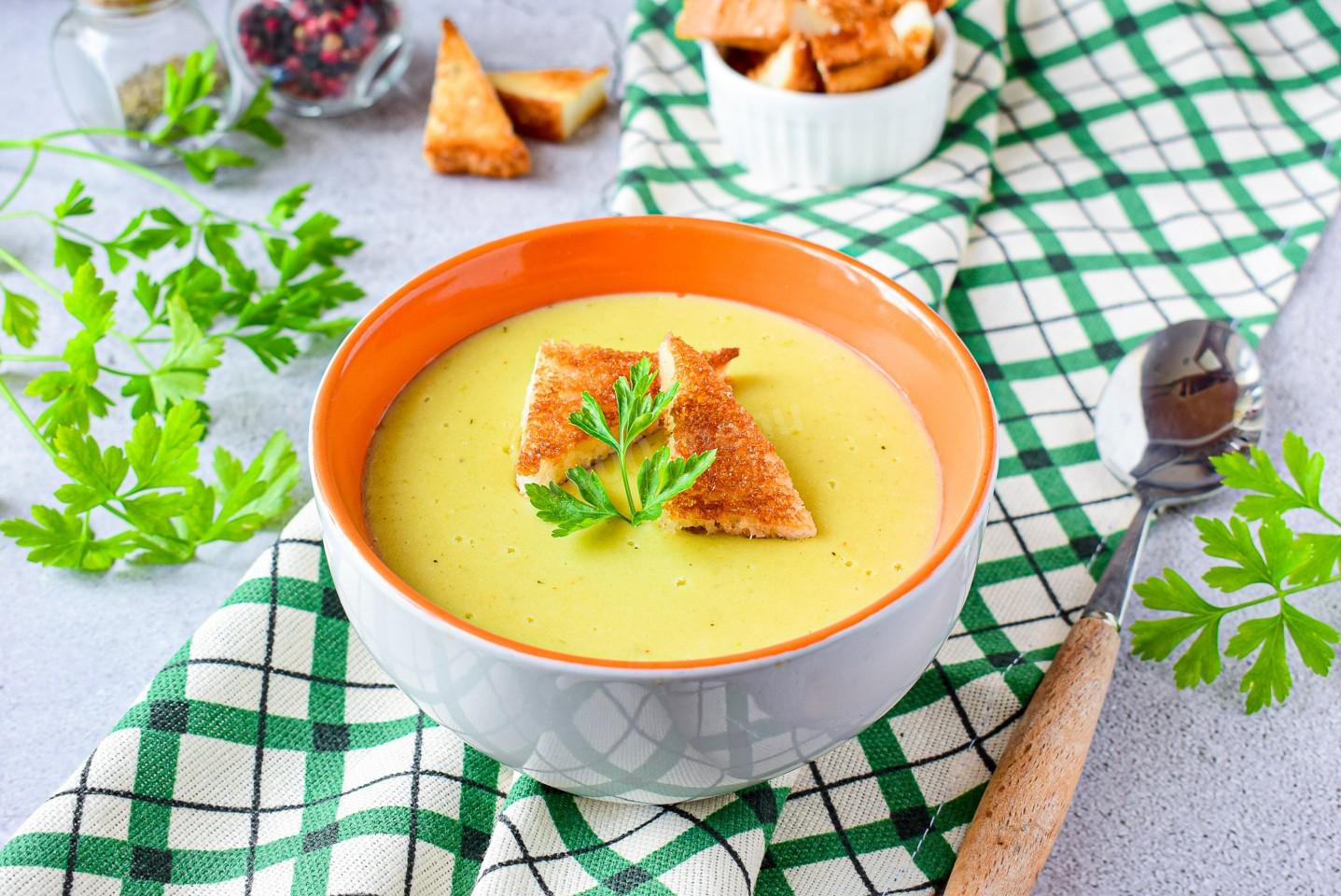
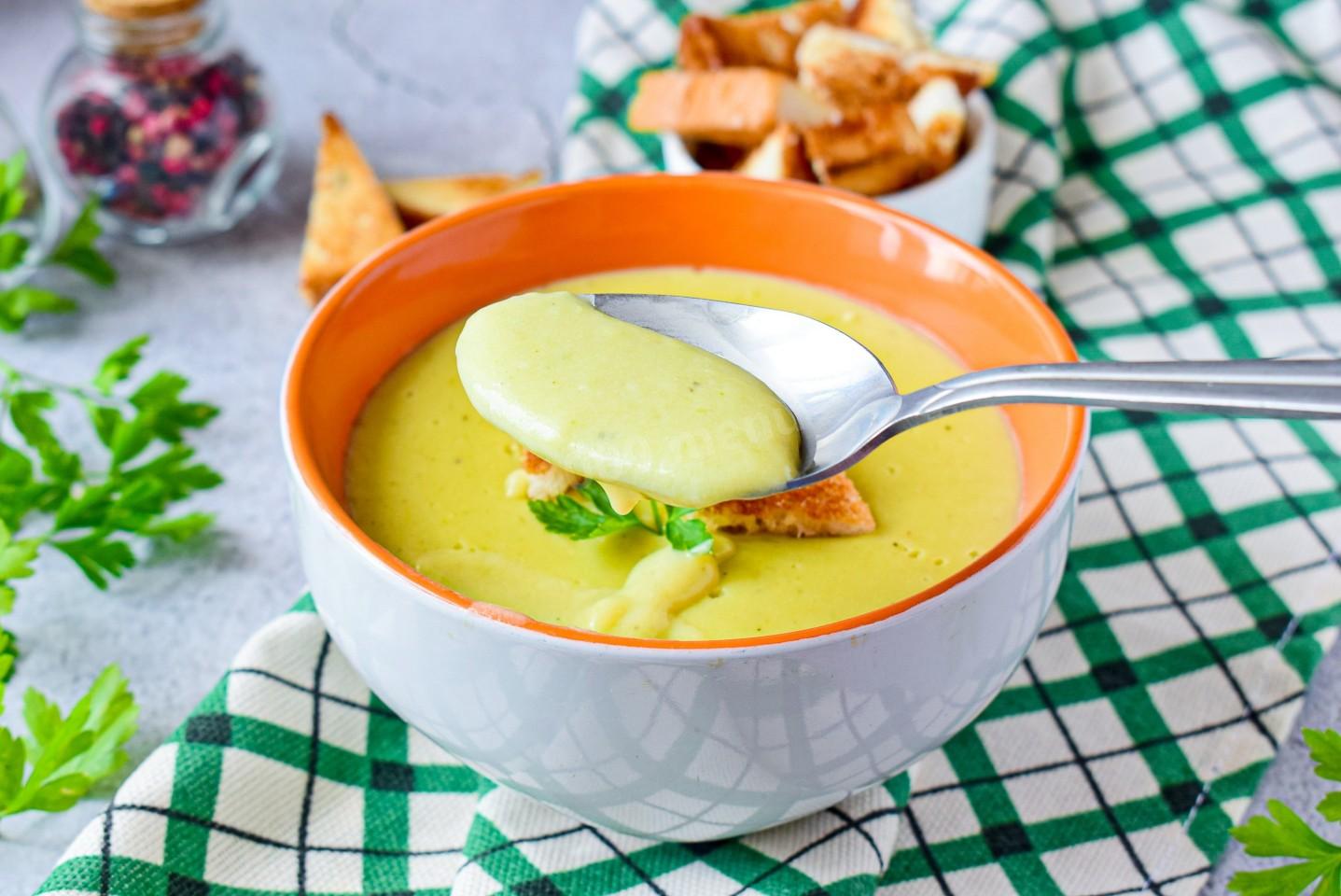
Tasty, super nutritious, thick, silky, and easy to make! This creamy pureed vegetable soup for little ones is made without any sautéed vegetable base, which makes it that much better for them. Try it with different vegetables and adjust the proportions to land on the flavor and texture you like best!

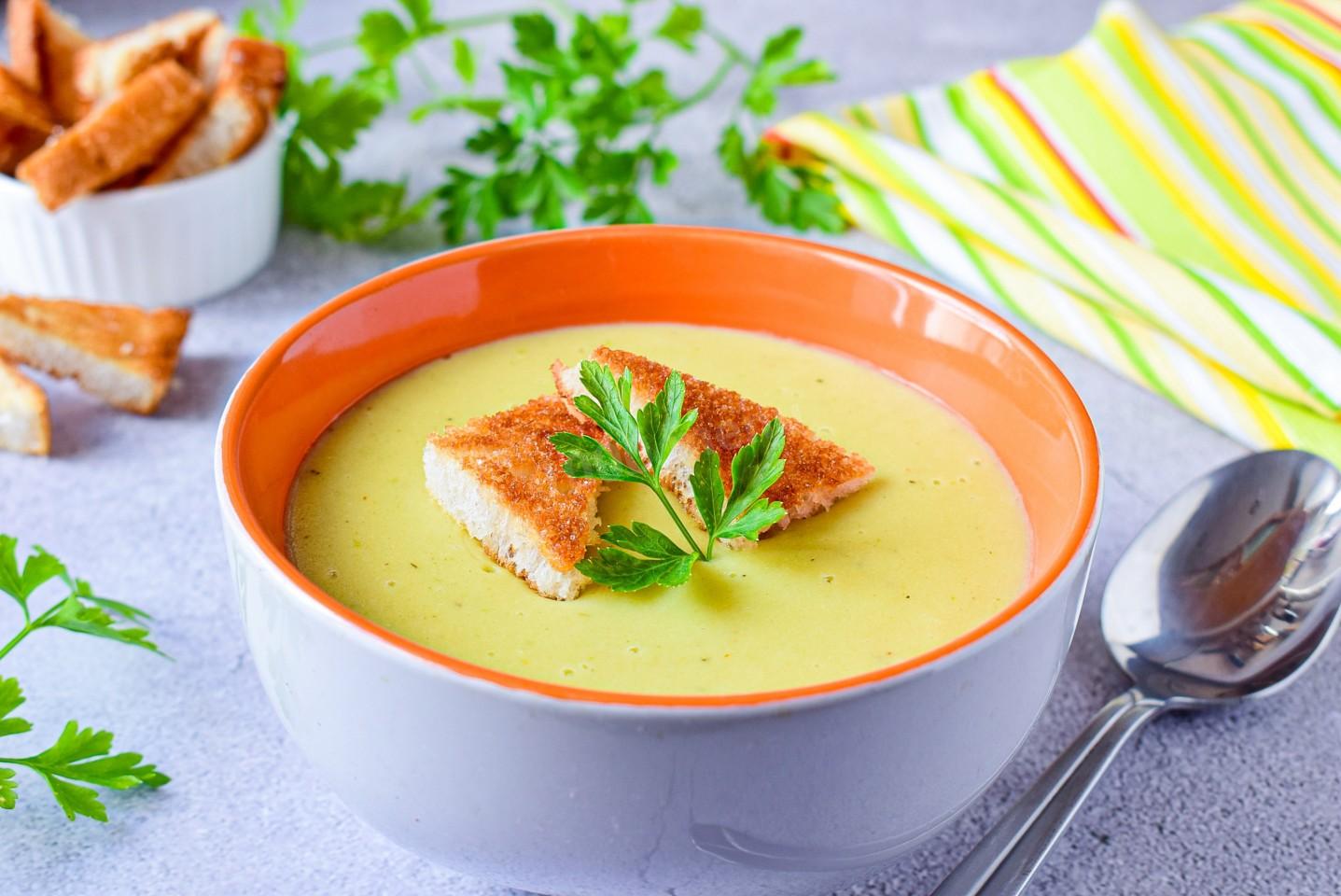
Cooking method
-
Step 1:
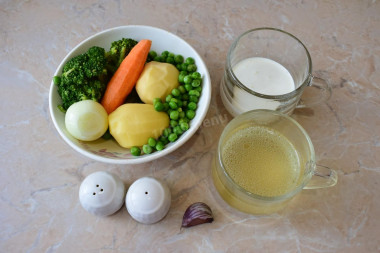
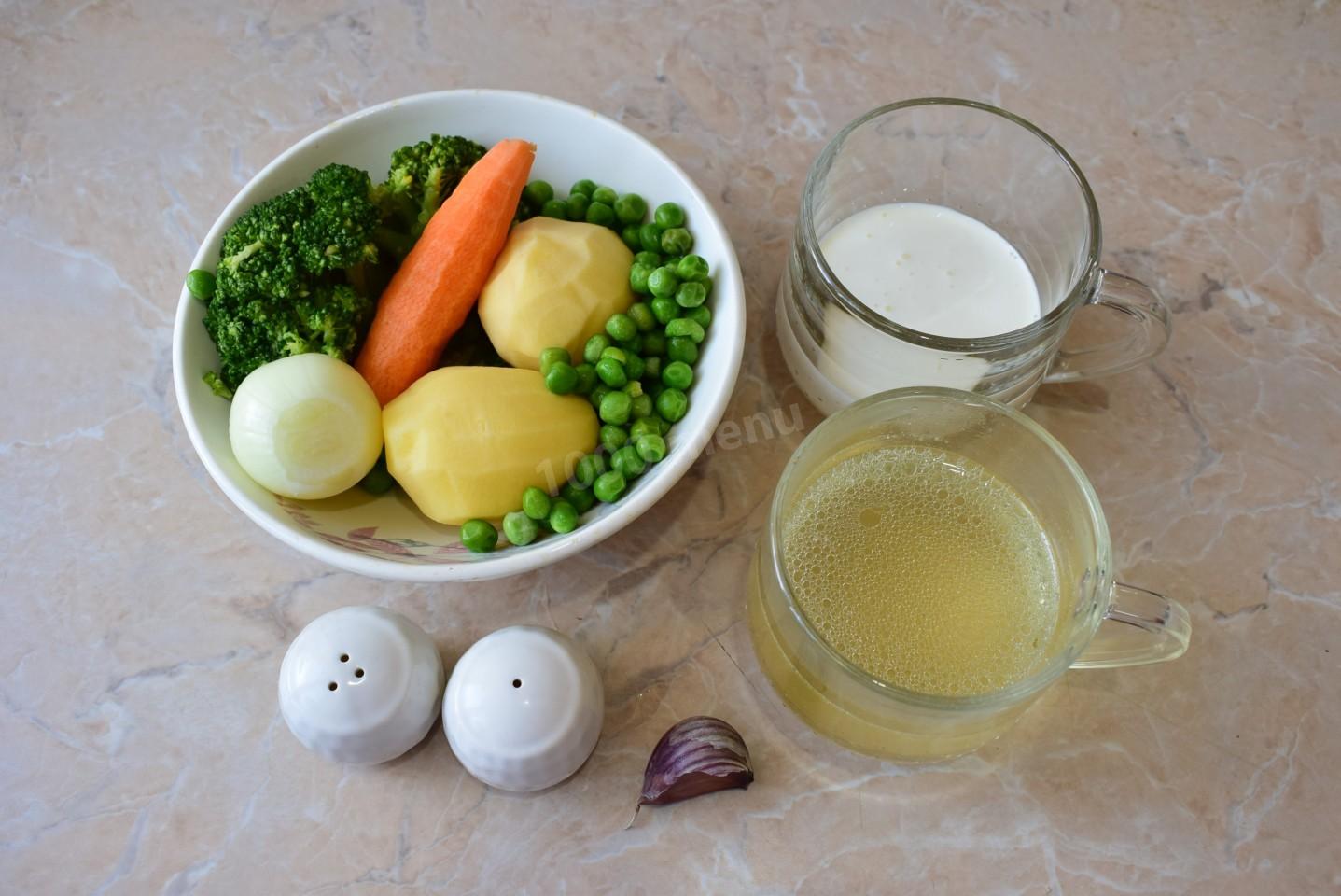
How do you make creamy pureed vegetable soup for a baby? Gather the ingredients. The mix of vegetables and how much you use is entirely up to you — go by your own taste and your child's age. You can make the soup with water or broth; a light chicken broth is the best choice. Peel the potatoes, onion, and carrot ahead of time and rinse off any dirt.
-
Step 2:
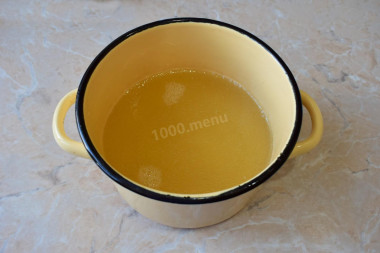
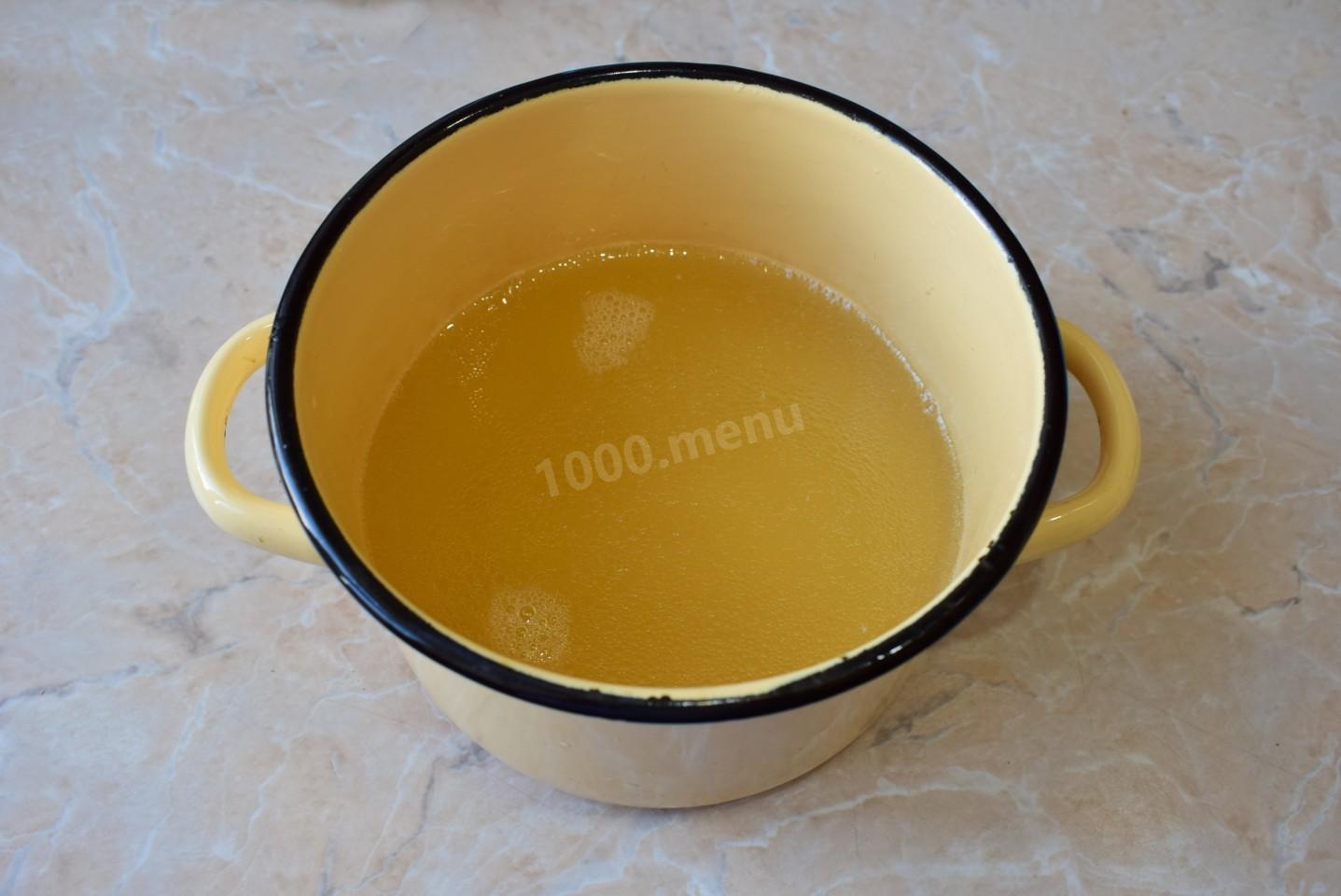
Pour the broth into a pot, set it over the heat, and bring it to a boil.
-
Step 3:
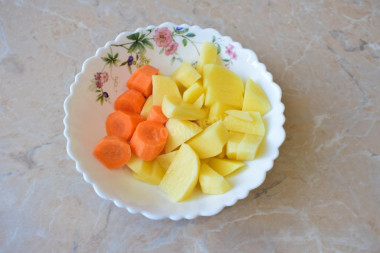
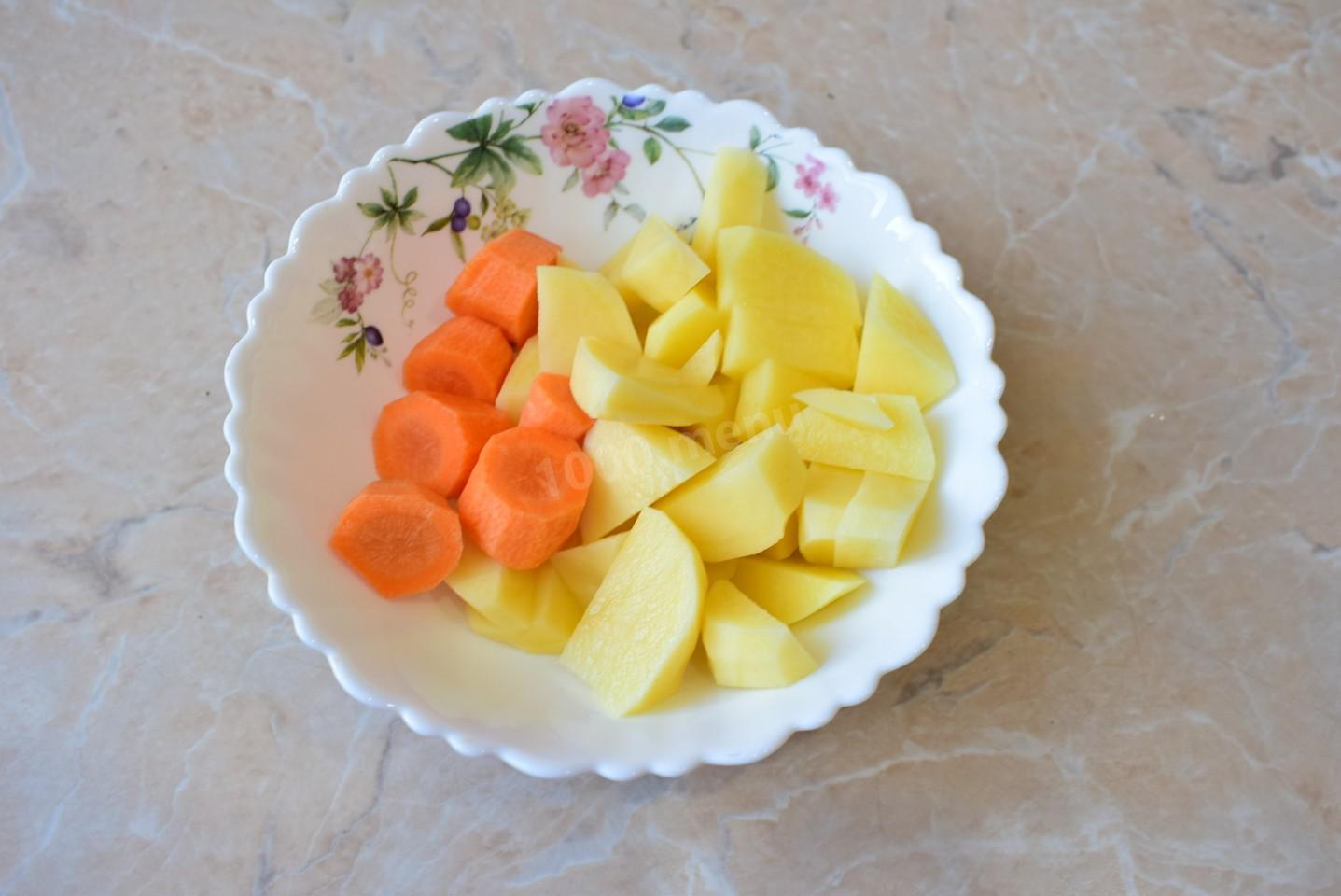
Cut the potatoes and carrot into pieces and drop them into the boiling broth. Let them cook for about 15 minutes.
-
Step 4:
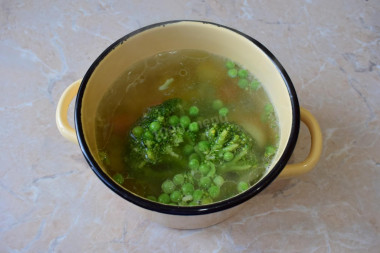
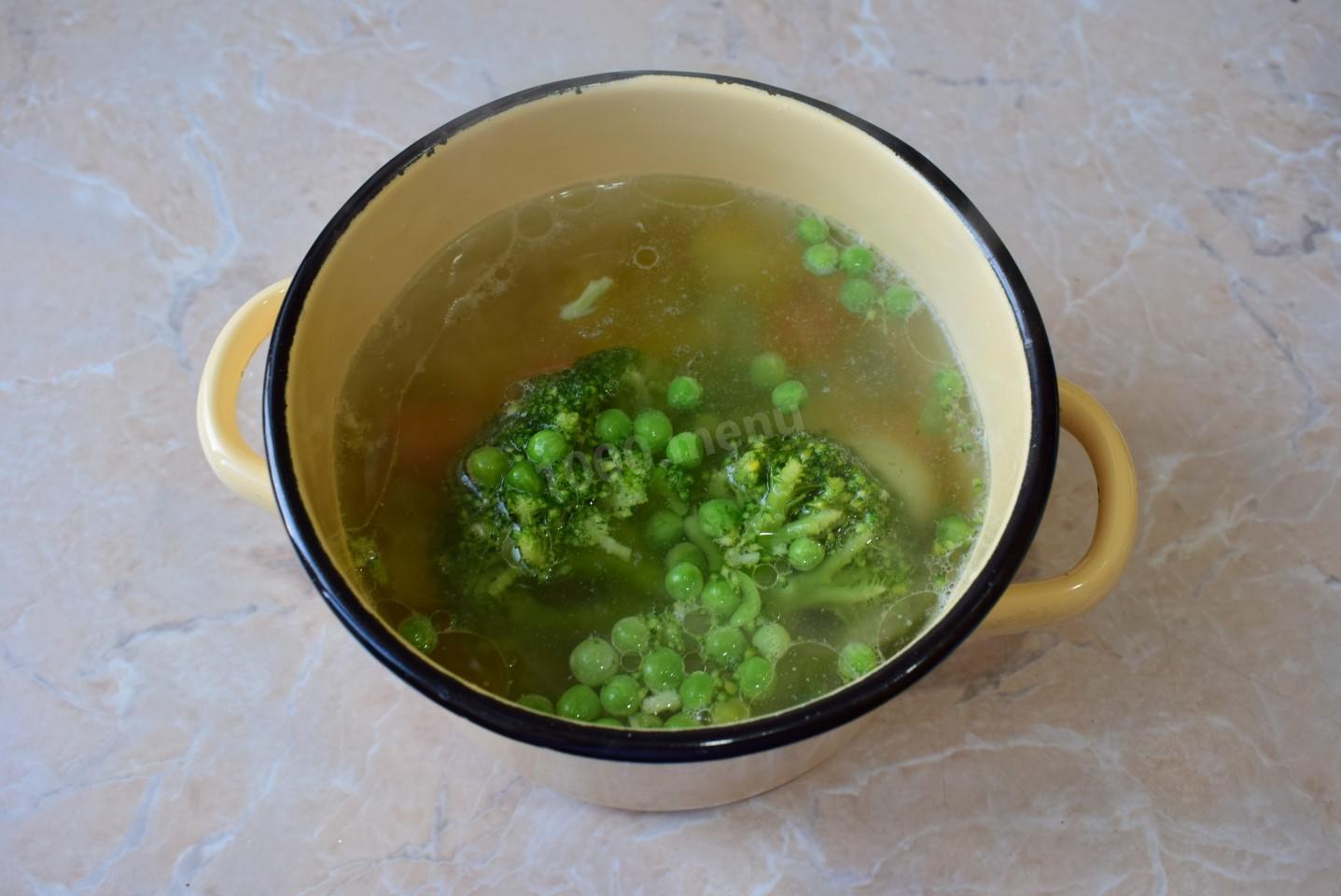
Next, add the broccoli, onion, and green peas to the pot. If the vegetables were frozen, there's no need to thaw them — you can add them straight to the soup. Simmer everything together for another 10 minutes. Add a little salt to taste, and dried herbs if you like.
-
Step 5:
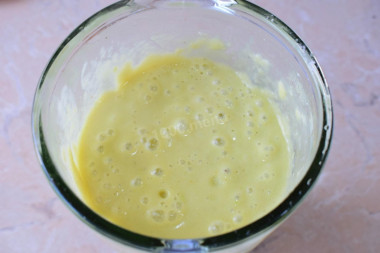
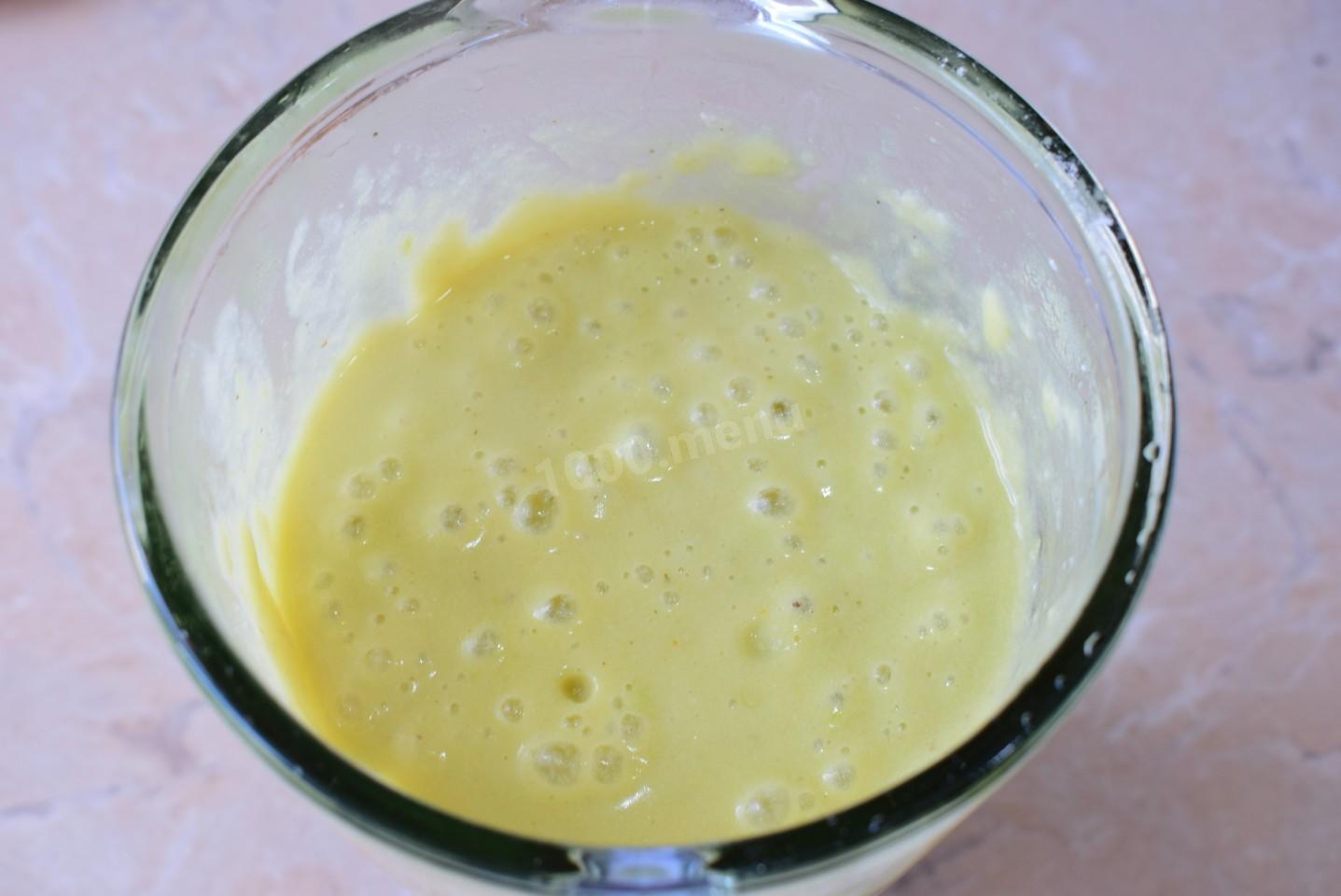
Transfer all the vegetables to a countertop blender, add a clove of garlic, and pour in some broth. Hold back a little broth so you can adjust the texture. Blend until completely smooth, adding broth until it reaches the thickness you want.
-
Step 6:
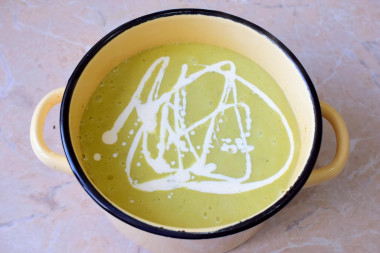
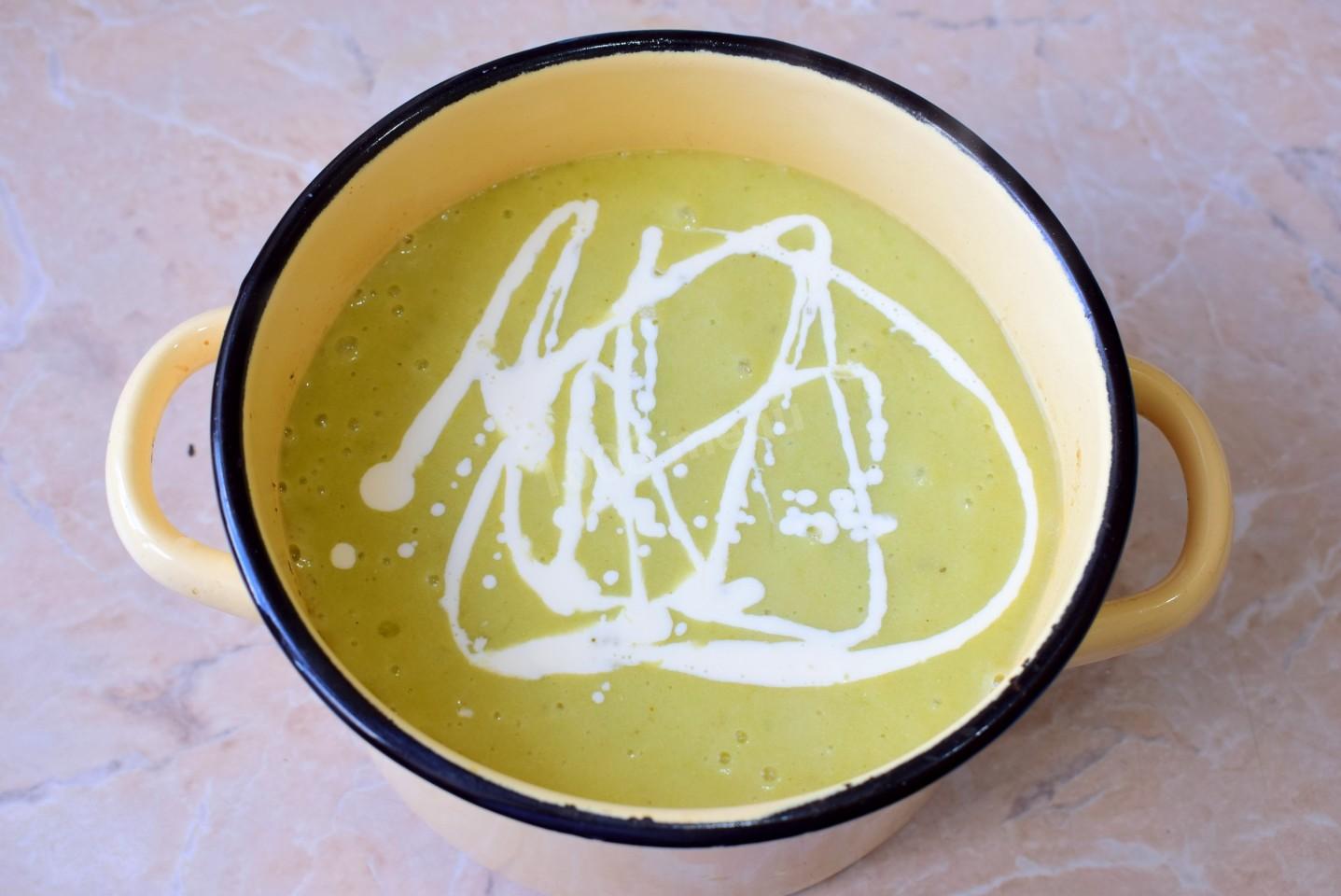
Pour everything back into the pot and set it over the heat. Stir in the cream and warm the soup through for a couple more minutes.
-
Step 7:
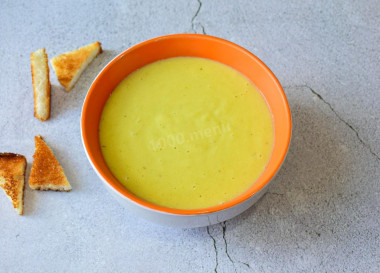
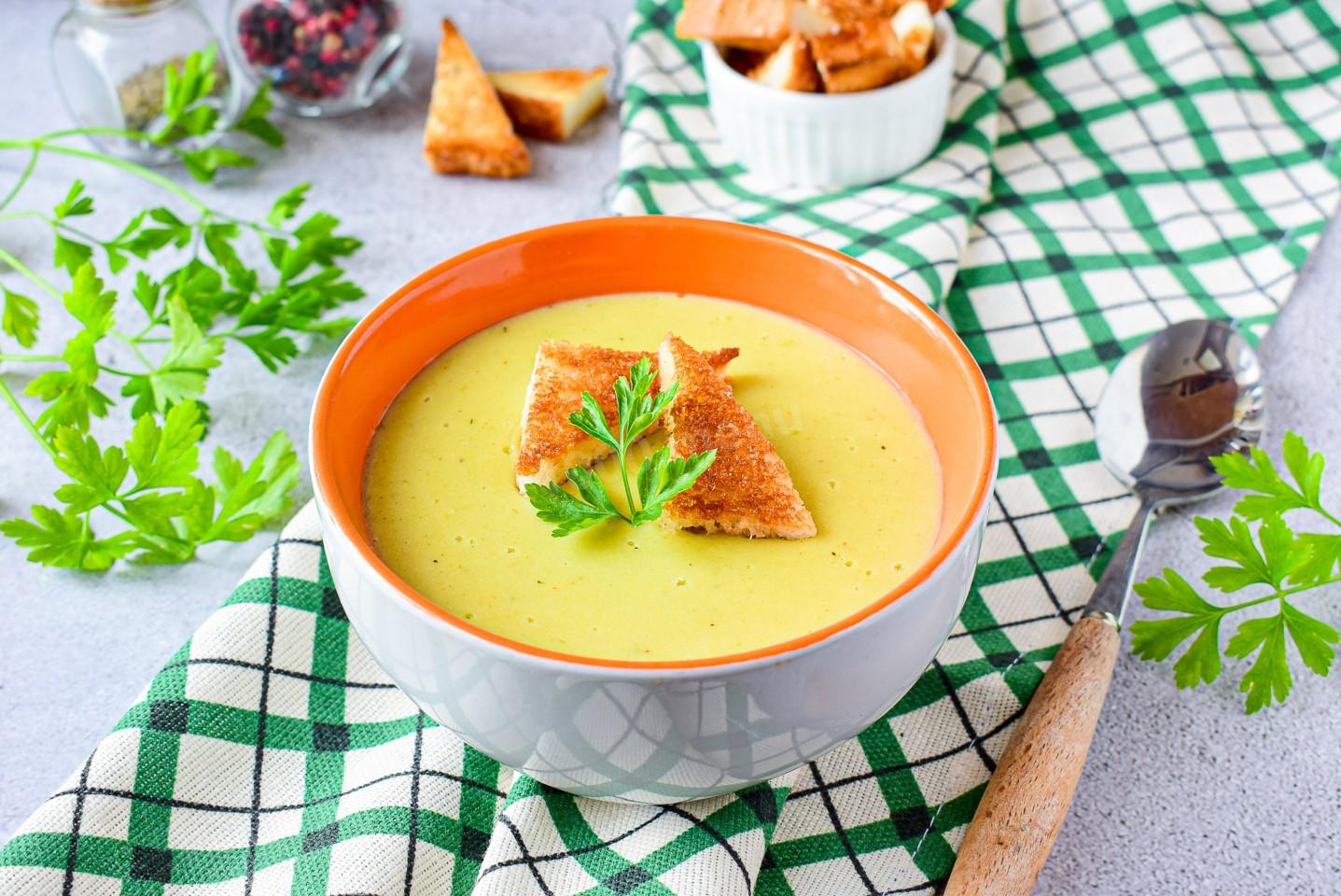
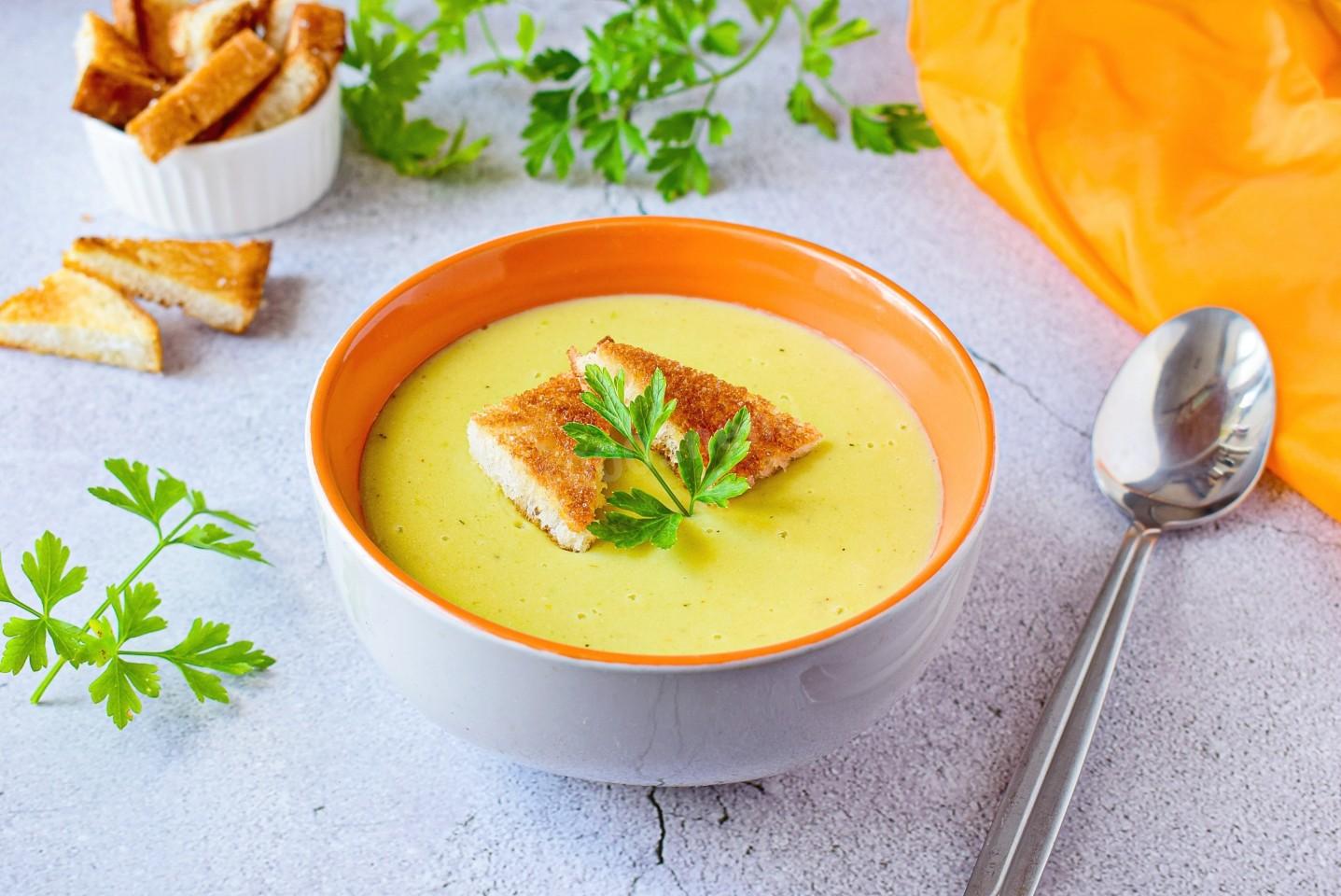
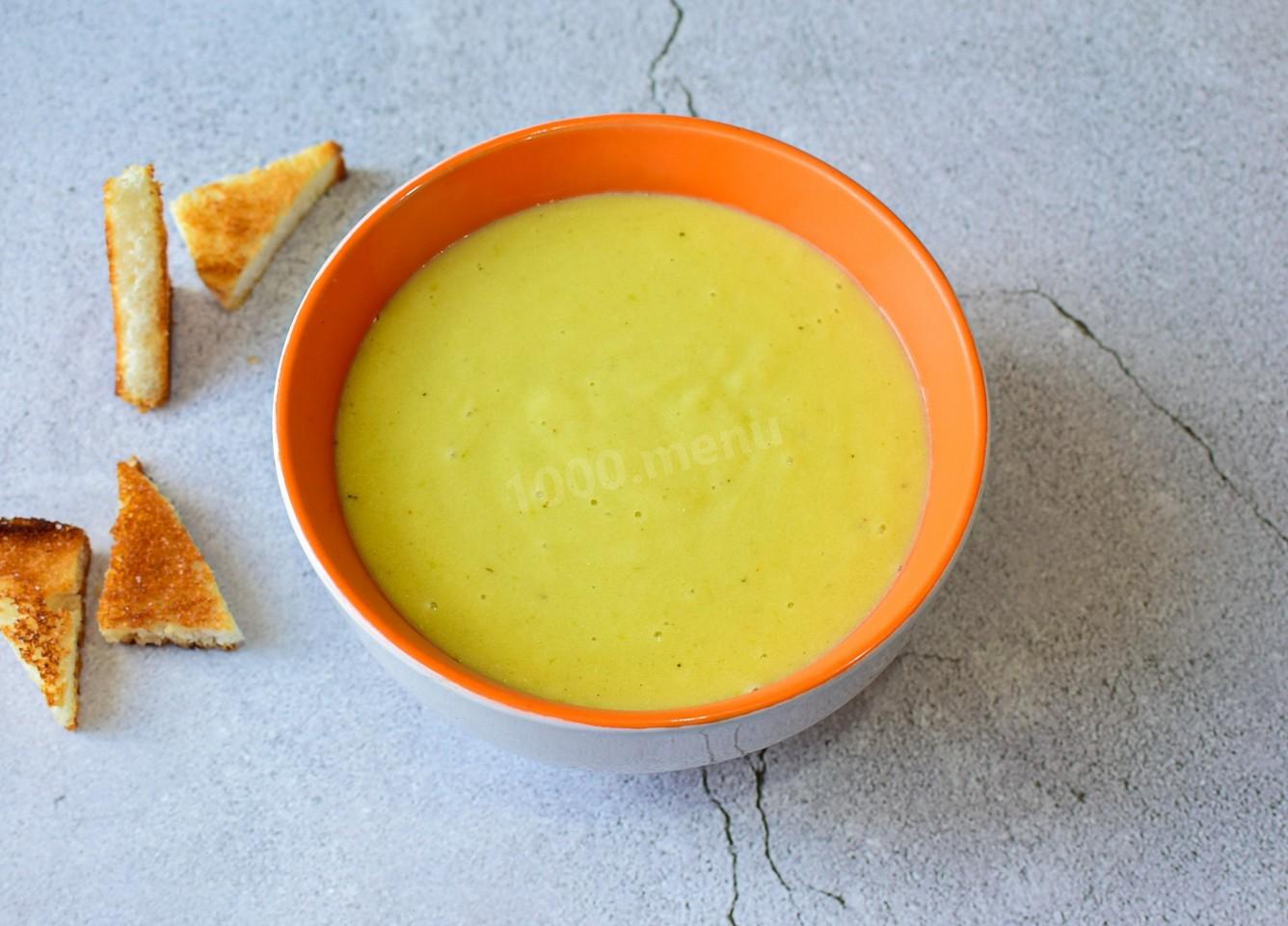
Ladle the finished soup into bowls and serve. Croutons make a perfect topping — just toast a little bread in a dry skillet, or with a touch of oil. Enjoy!
- Important! Whether or not the recipe gives an exact amount of water, it's best to go by your own preference (how thick or thin you like your soup), as well as the size of your pot and the ingredients you're using. Keep in mind that the author has their own idea of how much meat, potato, grain, and so on belong in the soup — and it may not match yours. In practice, that means if you're making it for the first time, don't cook a whole pot at once. Make a small test batch — enough for one or two people. Scale all the ingredients down to 1–2 servings, and figure the water at about one cup per serving for a very thick soup, up to 1½–2 cups for a thinner one. Remember that some liquid will boil off as it cooks. After tasting a small portion, you can fine-tune both the amount of liquid and the proportions to your liking. Before long, like most seasoned cooks, you'll be adding water and ingredients by eye.
Caloric content of the products possible in the composition of the dish
- Onion - 41 kcal/100g
- Ripe potatoes - 80 kcal/100g
- Baked potatoes - 70 kcal/100g
- Mashed potatoes - 380 kcal/100g
- Boiled potatoes - 82 kcal/100g
- Potatoes in uniform - 74 kcal/100g
- Fried potatoes - 192 kcal/100g
- Buttermilk - 36 kcal/100g
- Cream of 20 % fat content - 300 kcal/100g
- Cream of 10% fat content - 120 kcal/100g
- Cream - 300 kcal/100g
- Carrots - 33 kcal/100g
- Dried carrots - 275 kcal/100g
- Boiled carrots - 25 kcal/100g
- Garlic - 143 kcal/100g
- Broccoli - 33 kcal/100g
- Fresh green peas - 280 kcal/100g
- Canned green peas - 55 kcal/100g
- Salt - 0 kcal/100g
- Spices dry - 240 kcal/100g
- Broth - 15 kcal/100g
Similar recipes

- Children's recipes
- Kitchen utensils
- Soups
- Dairy products
- Vegetables
- Legumes
- Spices seasonings spices
- Other
- From peas
- Garlic
- Salt
- Dry spices
- Blender
- Broth
- Cooking
- Puree soups
- Cabbage soup
- Vegetable soup vegetarian
- Meat-free soup
- Potato soup
- Cream soup
- Soups for children
- Vegetarian soups
- Thick soup
- Bean soup
- Сливки
- From carrots
- From potatoes
- From cabbage
- From onion
- Soups for children baby
- No eggs
- Vegetarianism
- Recipes for lean dishes without butter