Classic Georgian White Bean Lobio
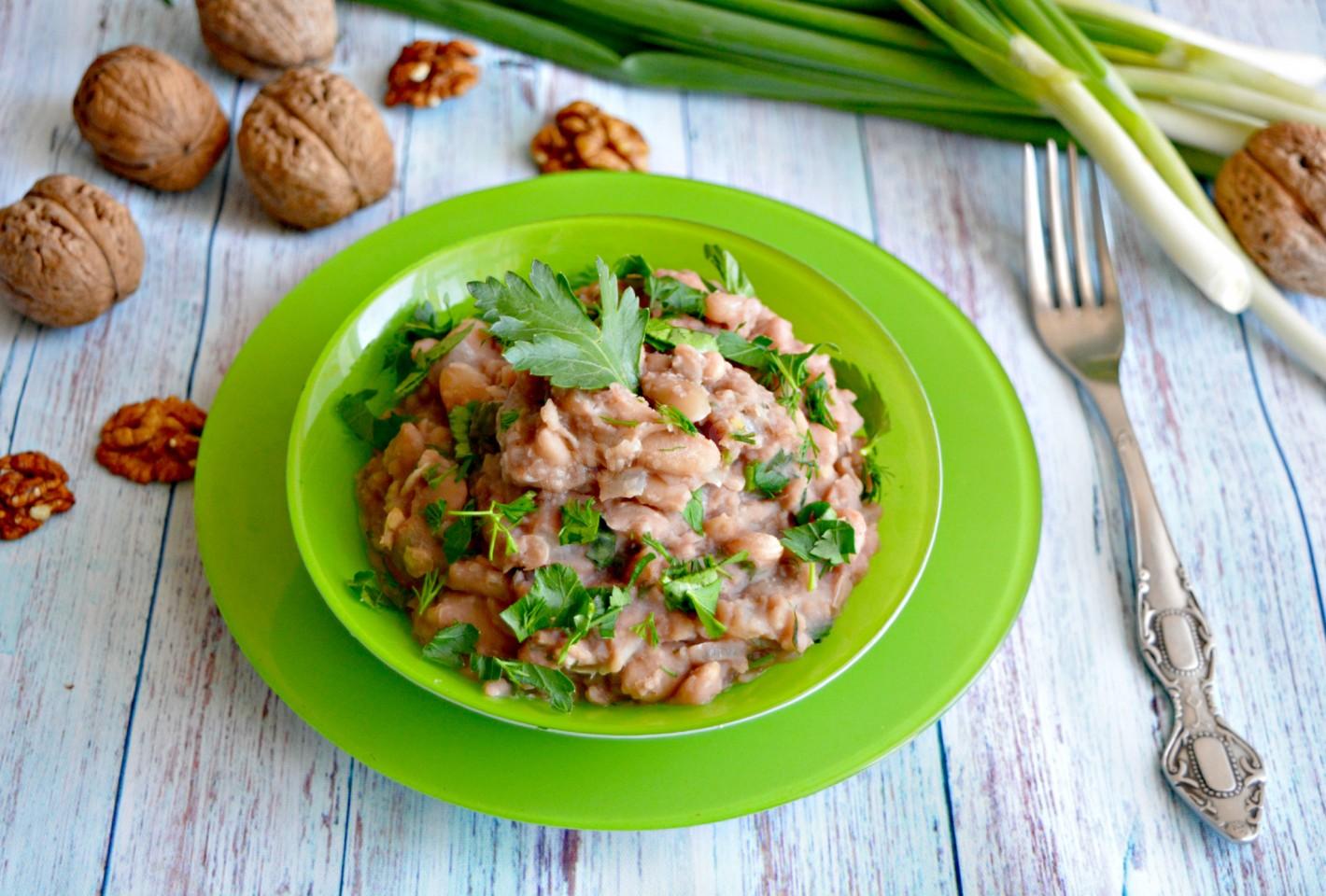
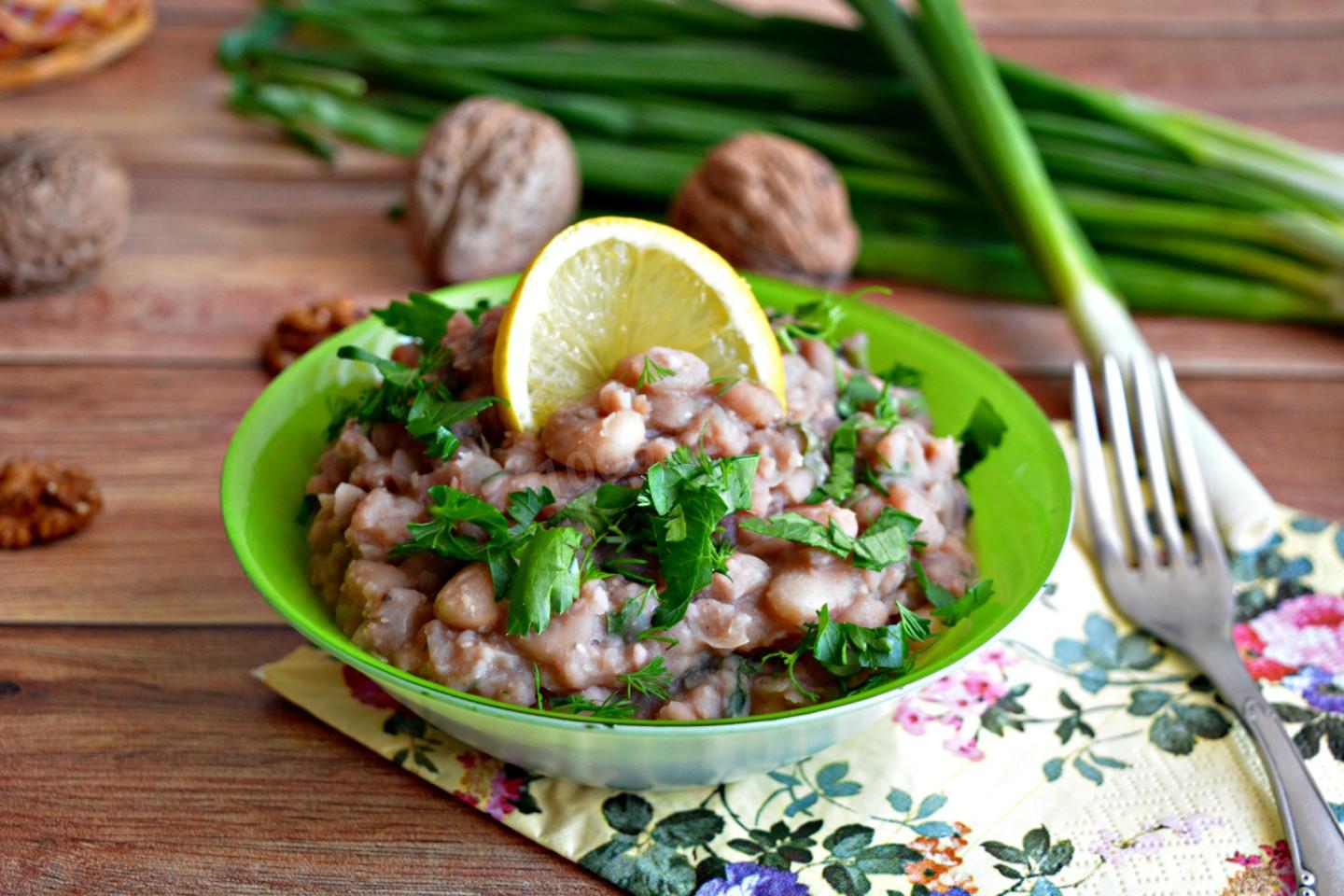
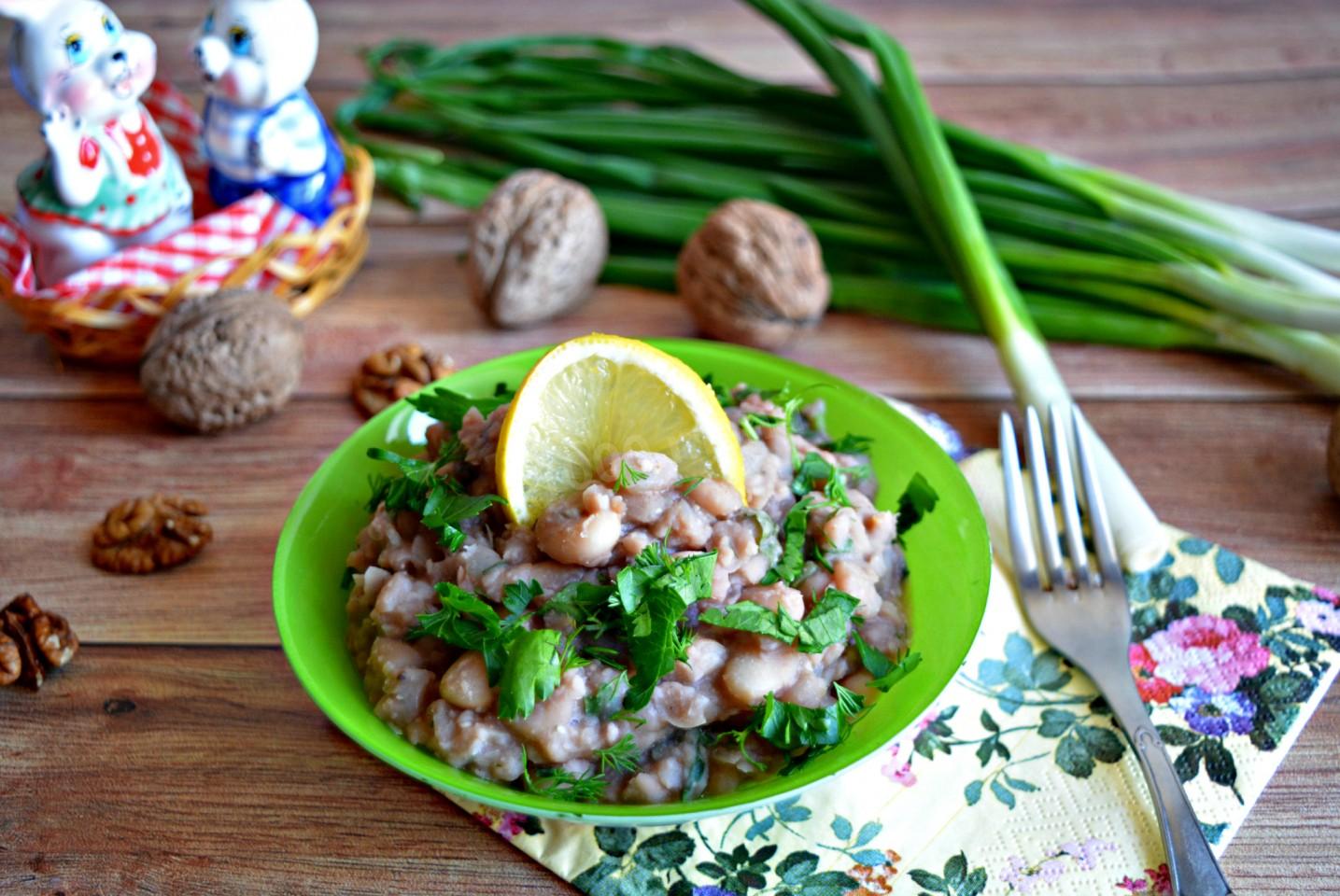
This recipe works with beans of any variety and color. One of the famous dishes of Georgian cuisine is lobio. The name translates as "beans," though in Georgia it can refer to any dish featuring them. In Russia, beans are considered the main ingredient of lobio.

Cooking method
-
Step 1:
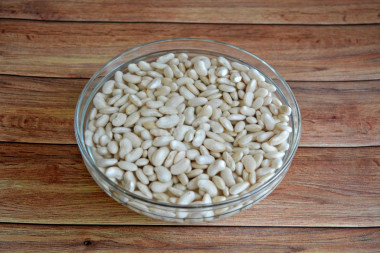
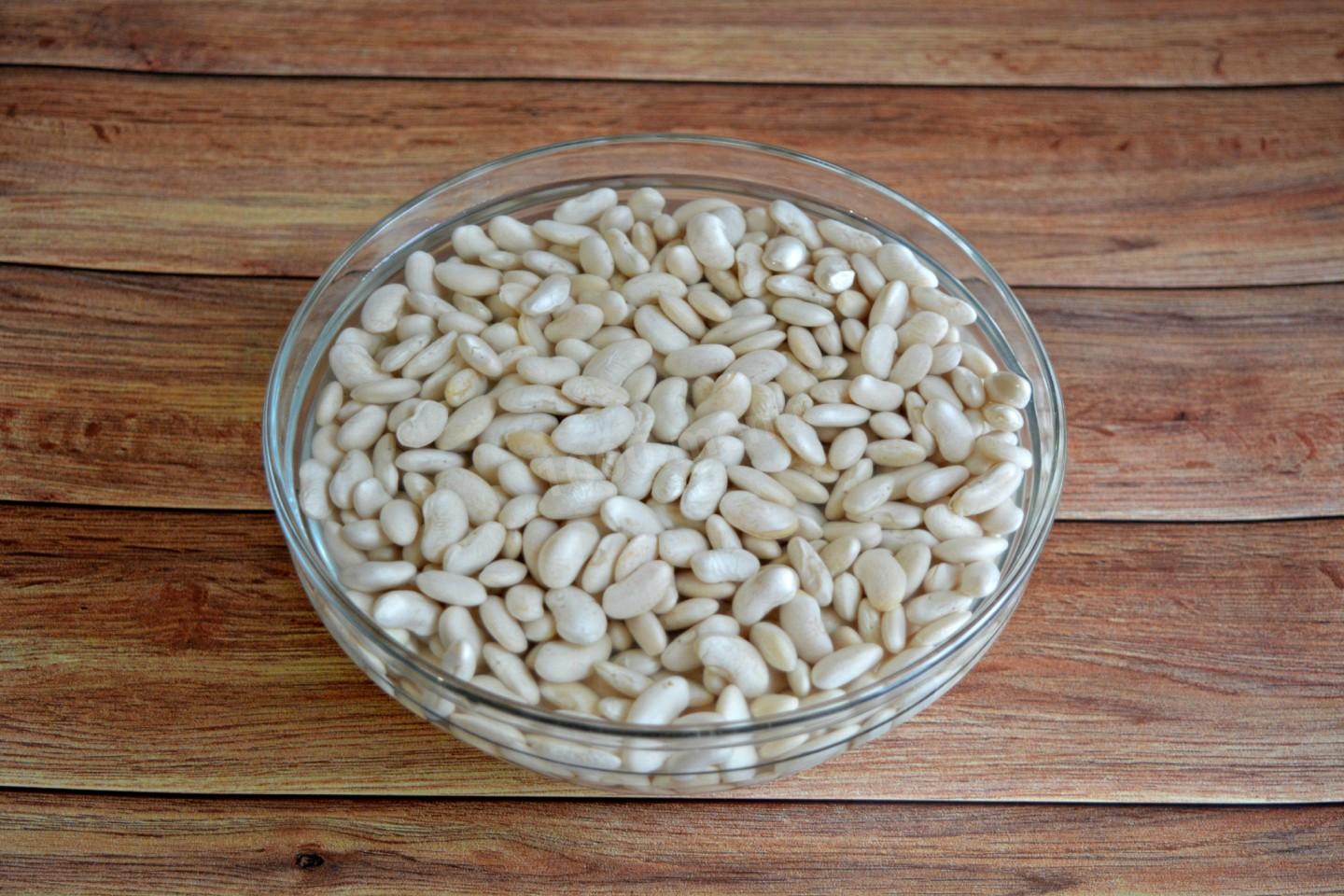
How do you make classic Georgian white bean lobio? Experienced cooks set the beans to soak the night before cooking. This makes them softer, helps them cook faster, and also reduces the chance of digestive gas.
-
Step 2:
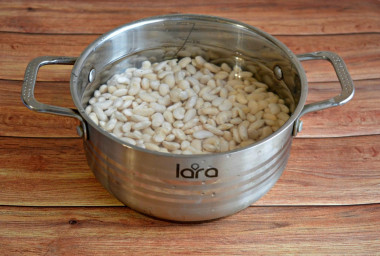
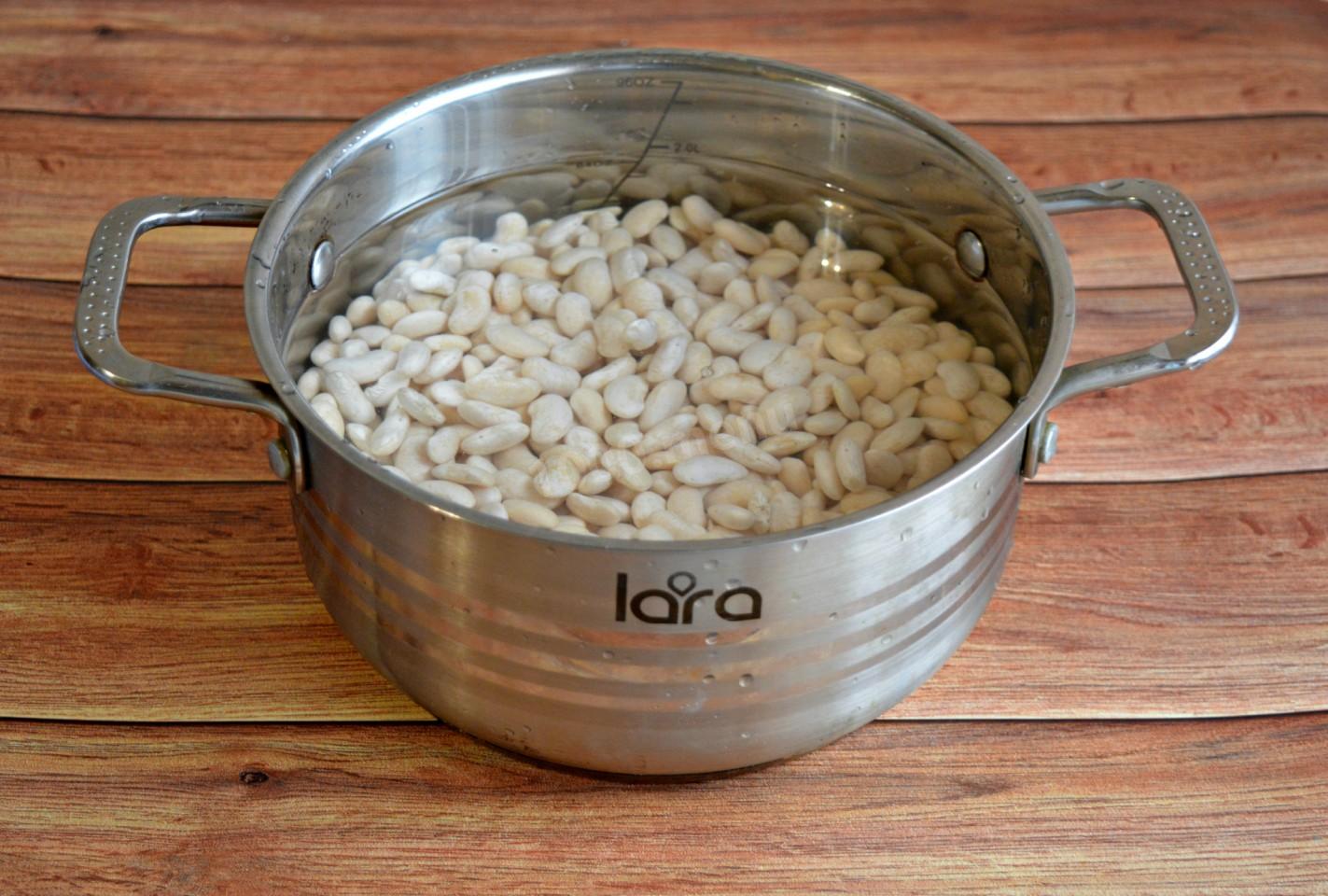
To start, submerge the beans completely in cold water overnight. In the morning, rinse them, transfer them to a pot, and add water to about two finger-widths above the level of the beans. Cook on the stove over low heat for about an hour and a half, watching the heat carefully. In Georgia, a bay leaf is added while the beans cook.
-
Step 3:
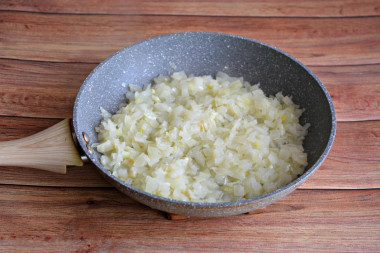
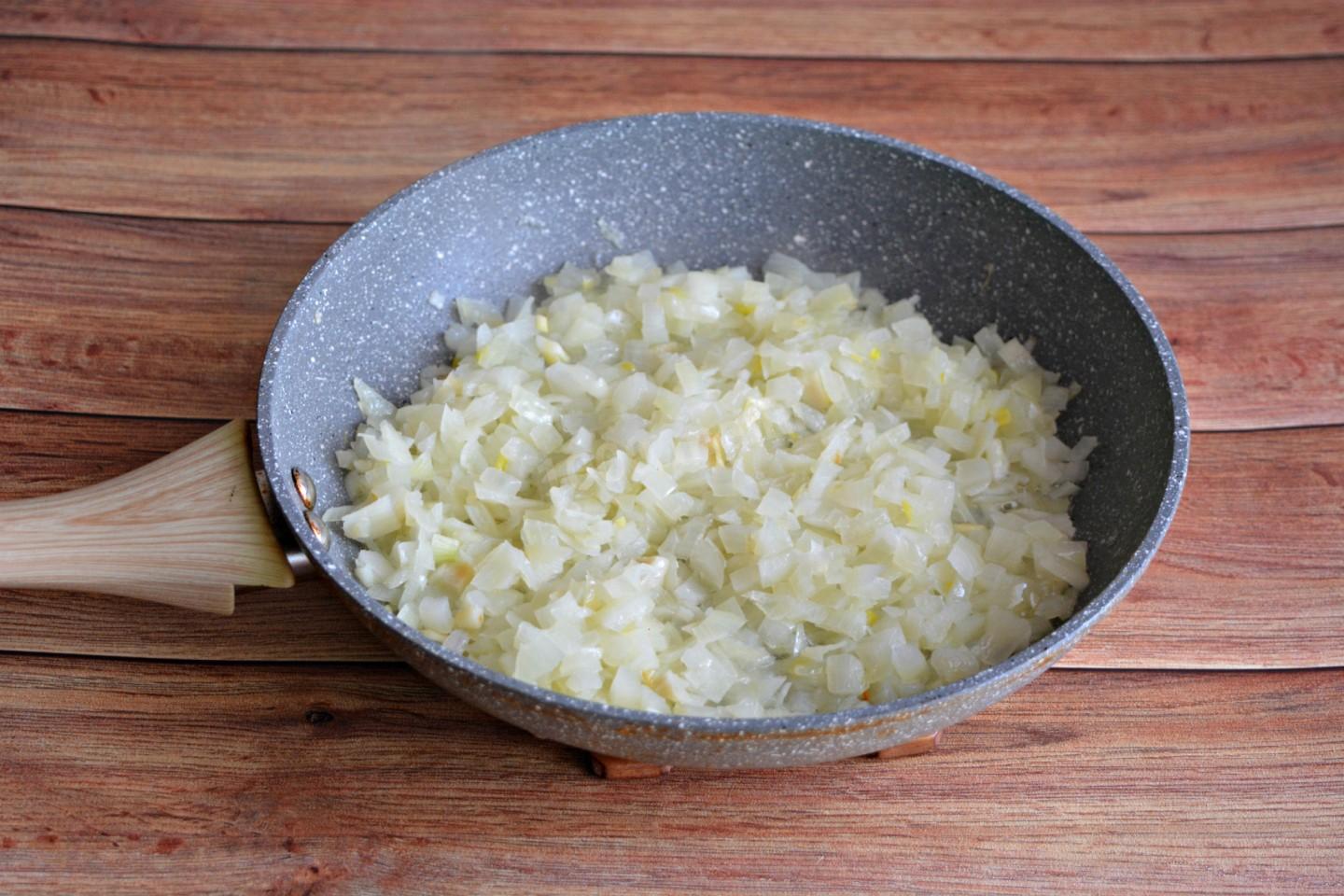
The second key ingredient after the beans is onion — and there should be plenty of it. Peel the onion, chop it finely, and sauté it in vegetable oil. It's best to cook the onion slowly for a long time without letting it brown.
-
Step 4:
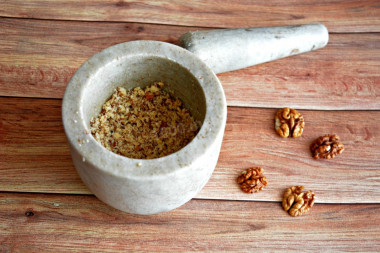
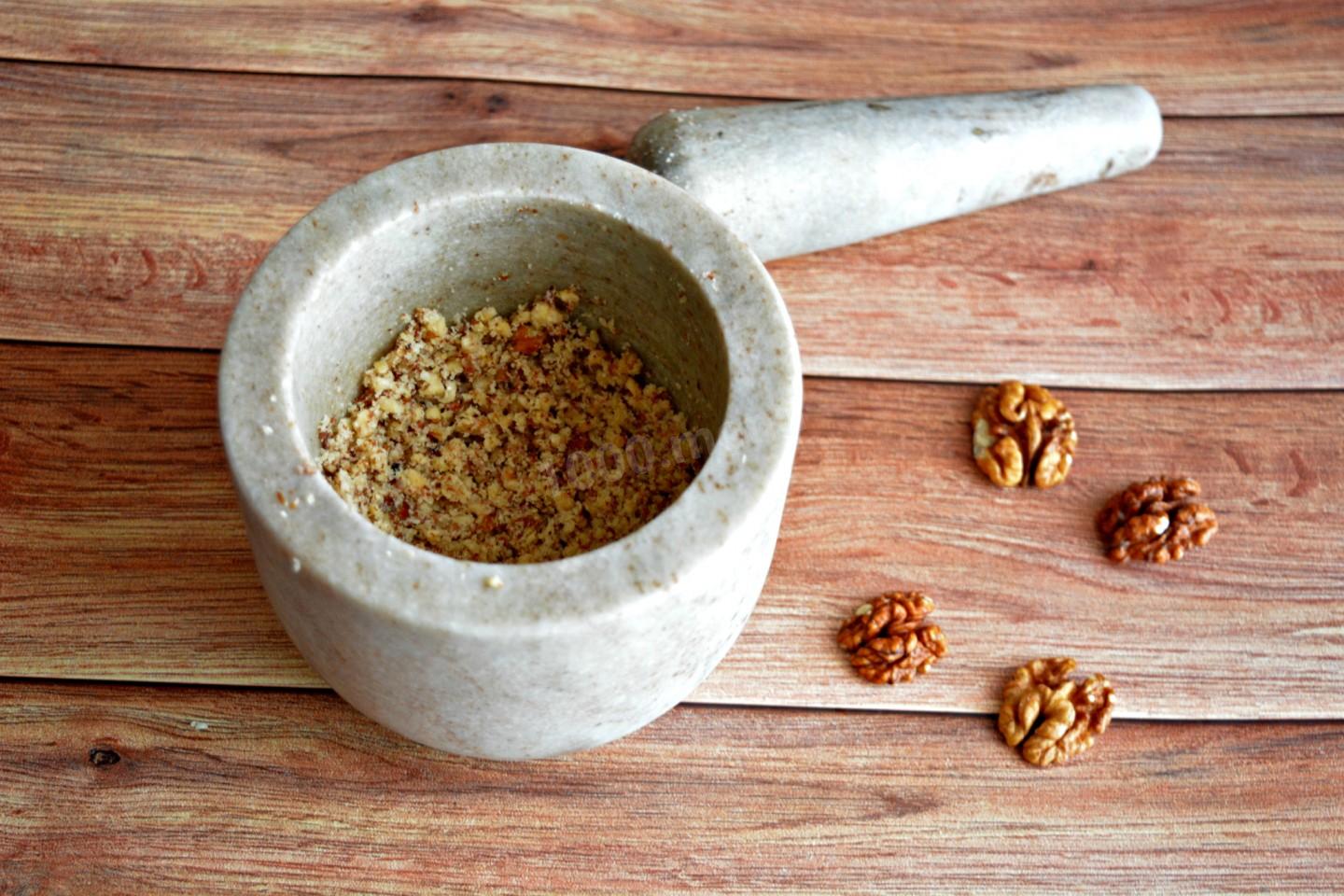
Now for the walnuts. Chop them with a knife or pound them in a mortar.
-
Step 5:
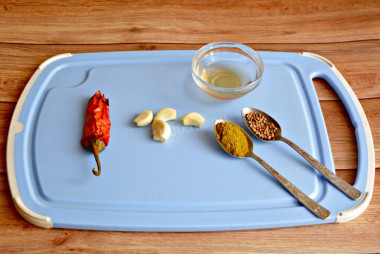
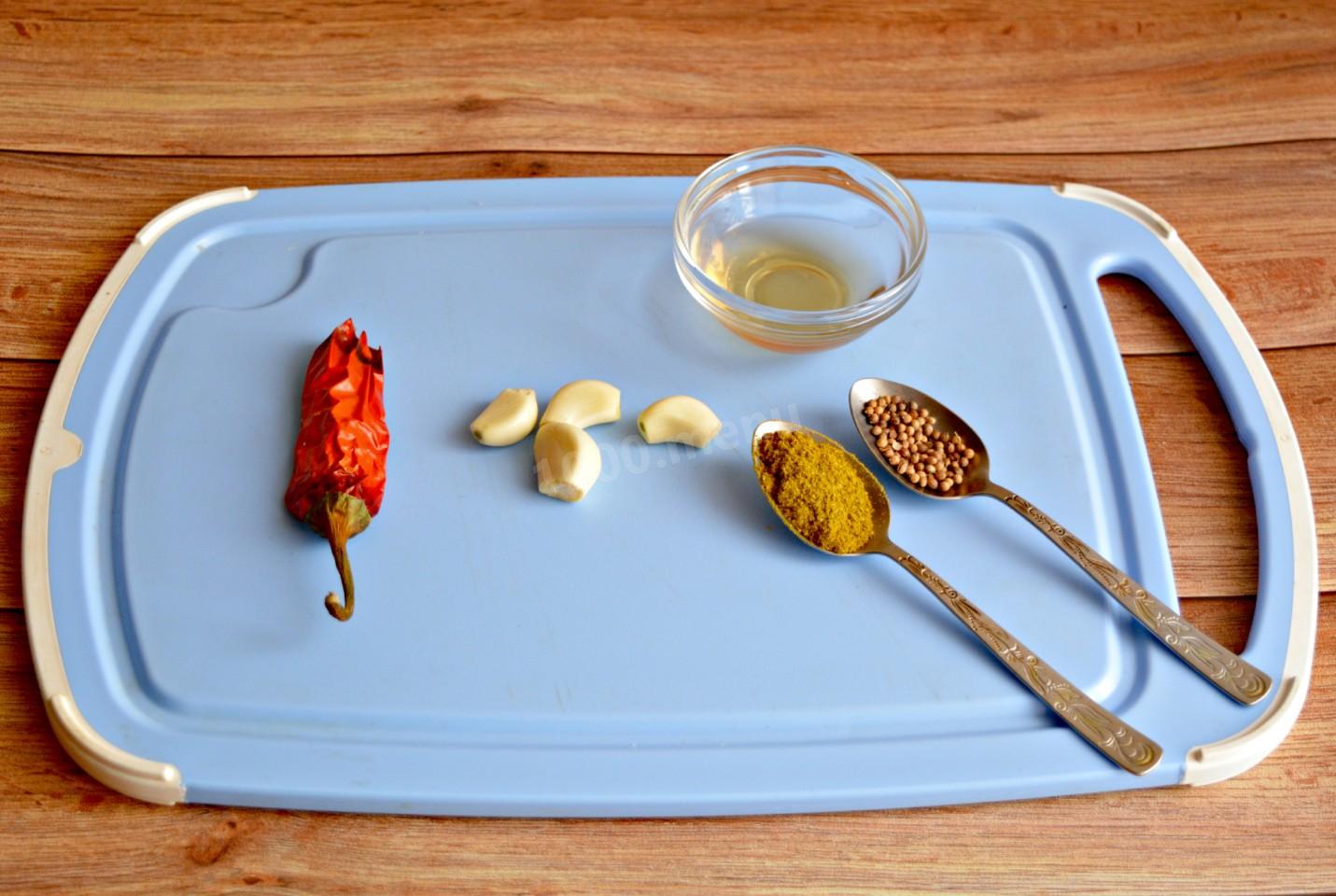
Prepare the seasonings for dressing the lobio. Peel 3–4 cloves of garlic, finely chop half a chili pepper (you can use dried hot pepper), and measure out a teaspoon each of khmeli-suneli and ground coriander seed; for a tangy note, you can add wine vinegar.
-
Step 6:
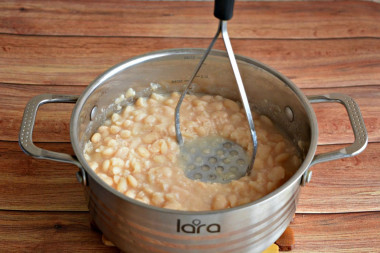
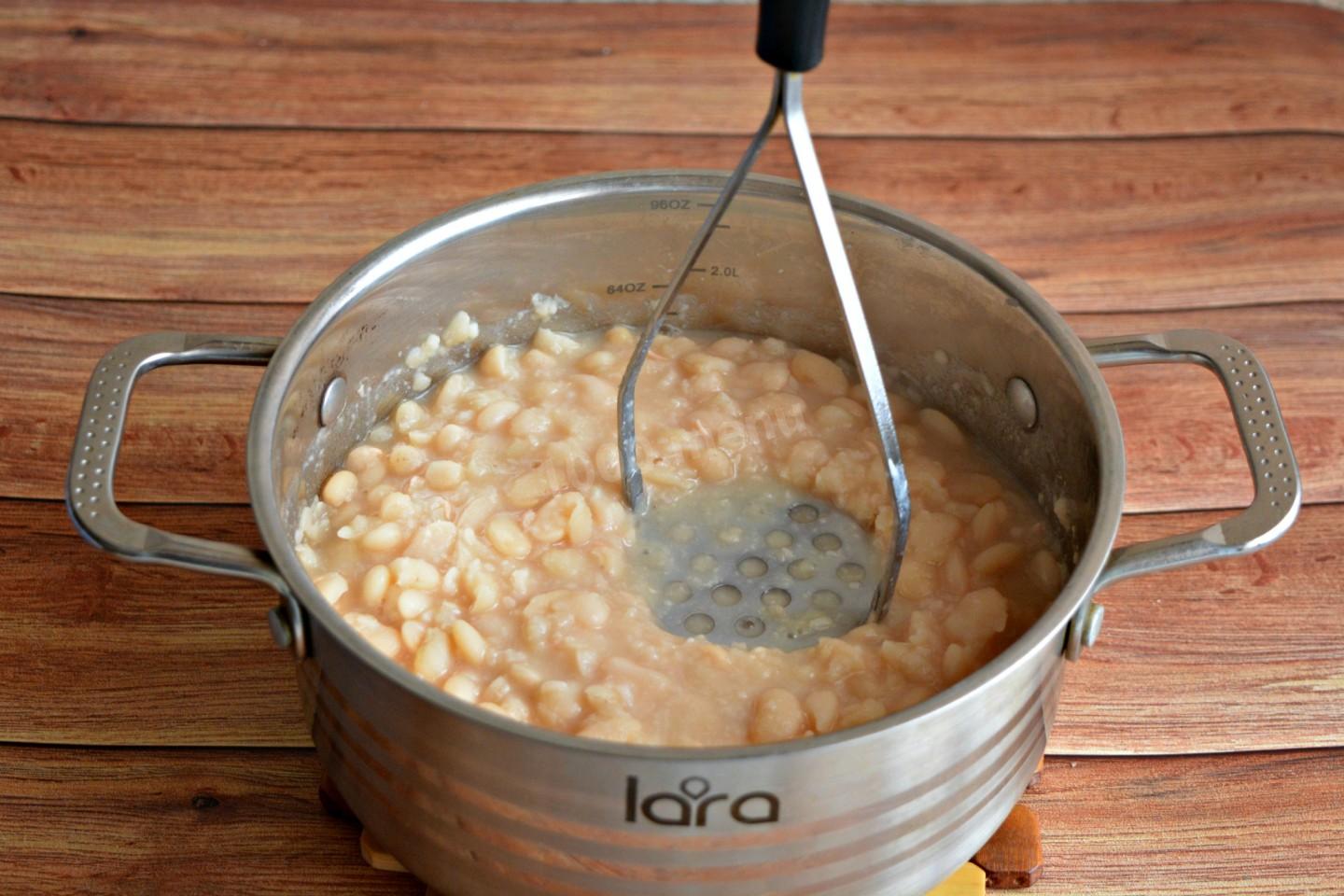
Drain off some of the cooking liquid and set it aside — it may come in handy. Mash the beans. Some of the beans should stay whole and some should be crushed, but you don't want a smooth purée. In Georgia they use a special wooden tool for this; I use an ordinary potato masher.
-
Step 7:
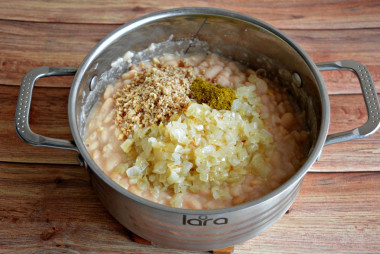
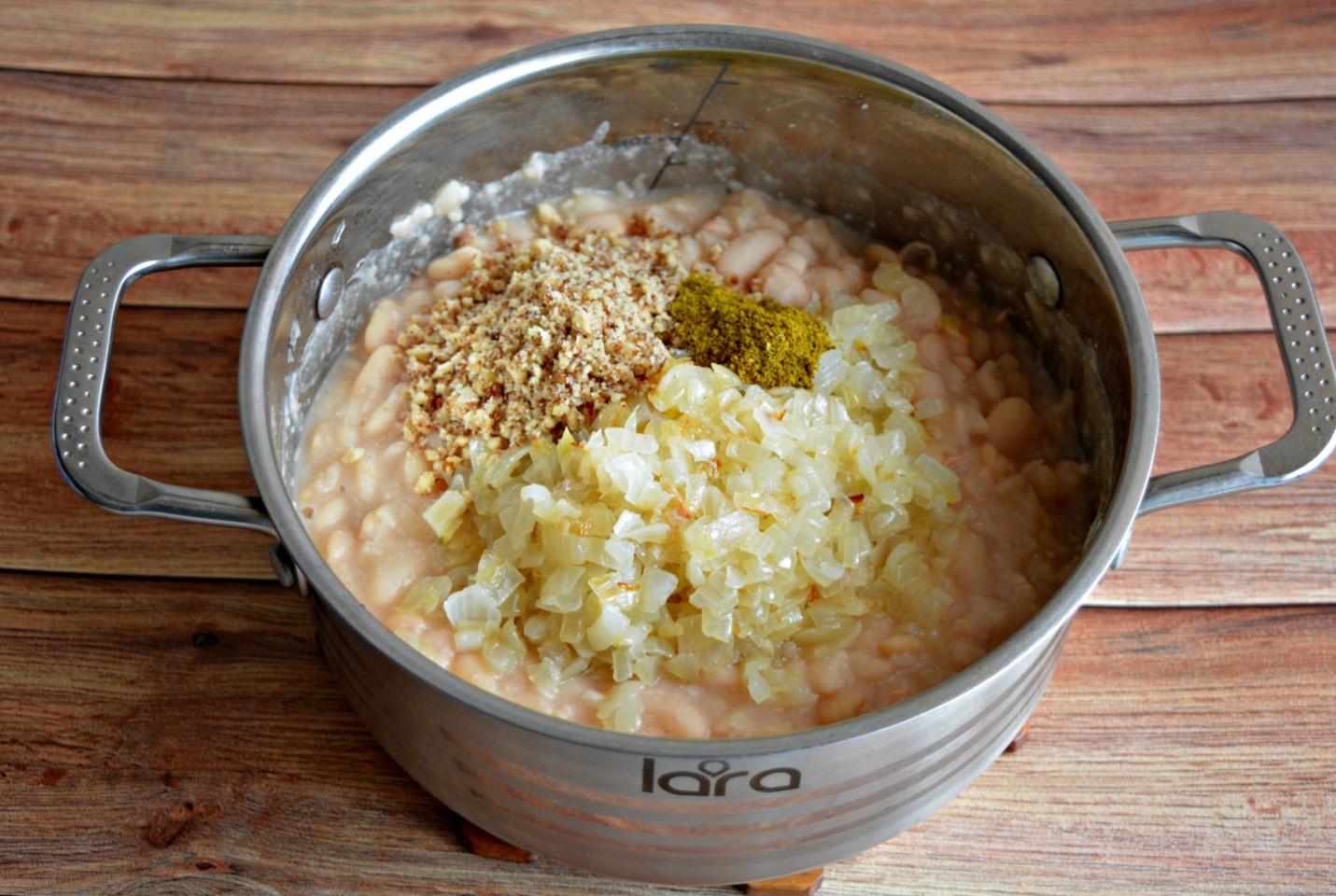
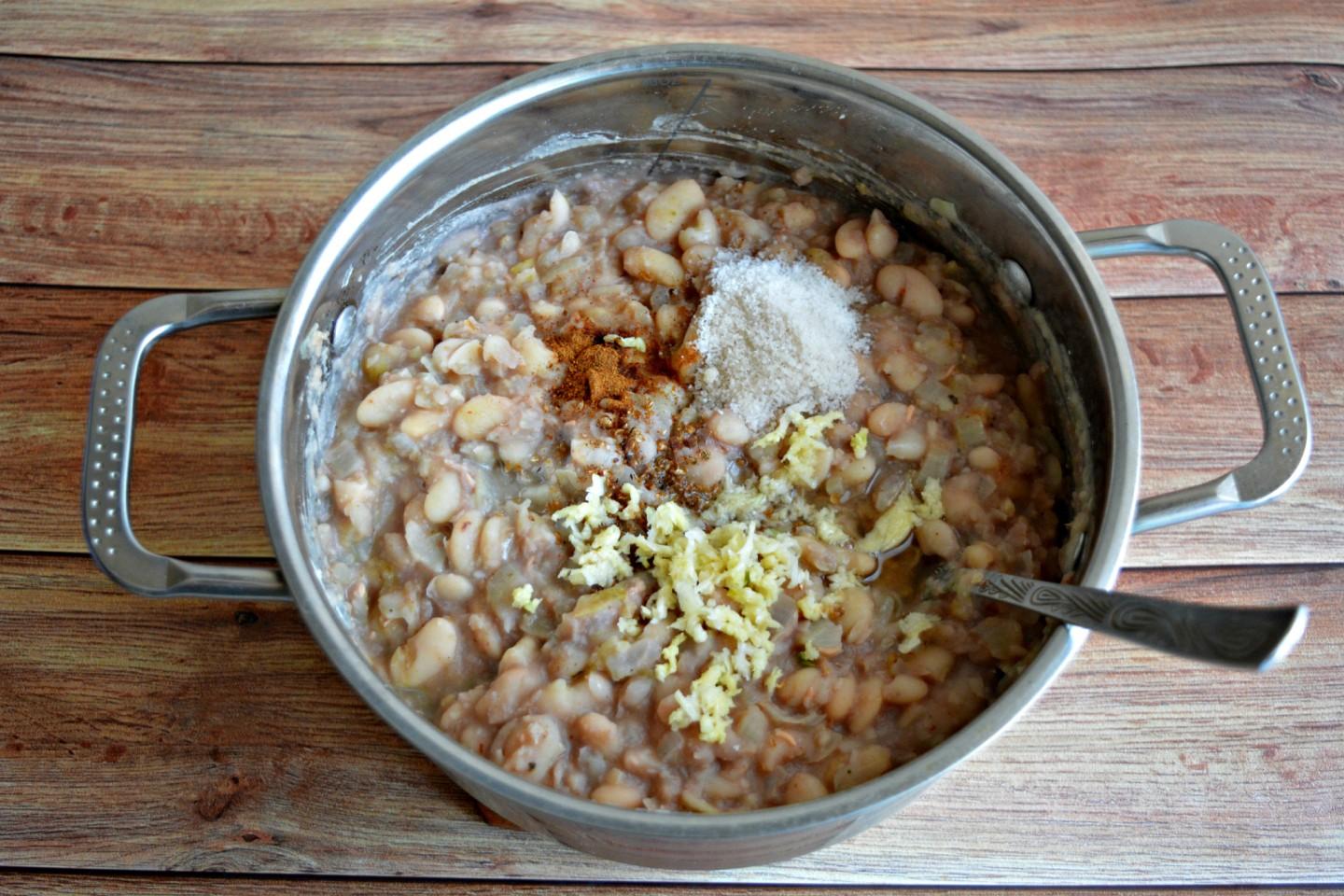
Now add the sautéed onion, chopped walnuts, and spices to the lobio, and stir.
-
Step 8:
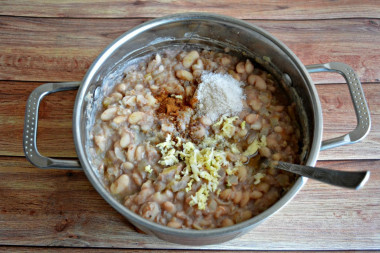
Add the crushed garlic, chili pepper, and wine vinegar too. If you don't have wine vinegar, you can use apple cider vinegar instead. Stir, and if needed, add some of the reserved bean cooking liquid. The lobio shouldn't be too thick. Simmer everything together for another 15 minutes.
-
Step 9:
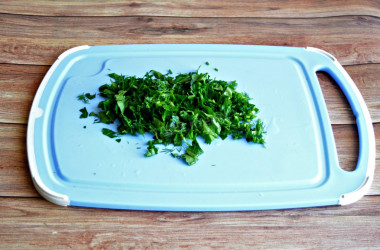
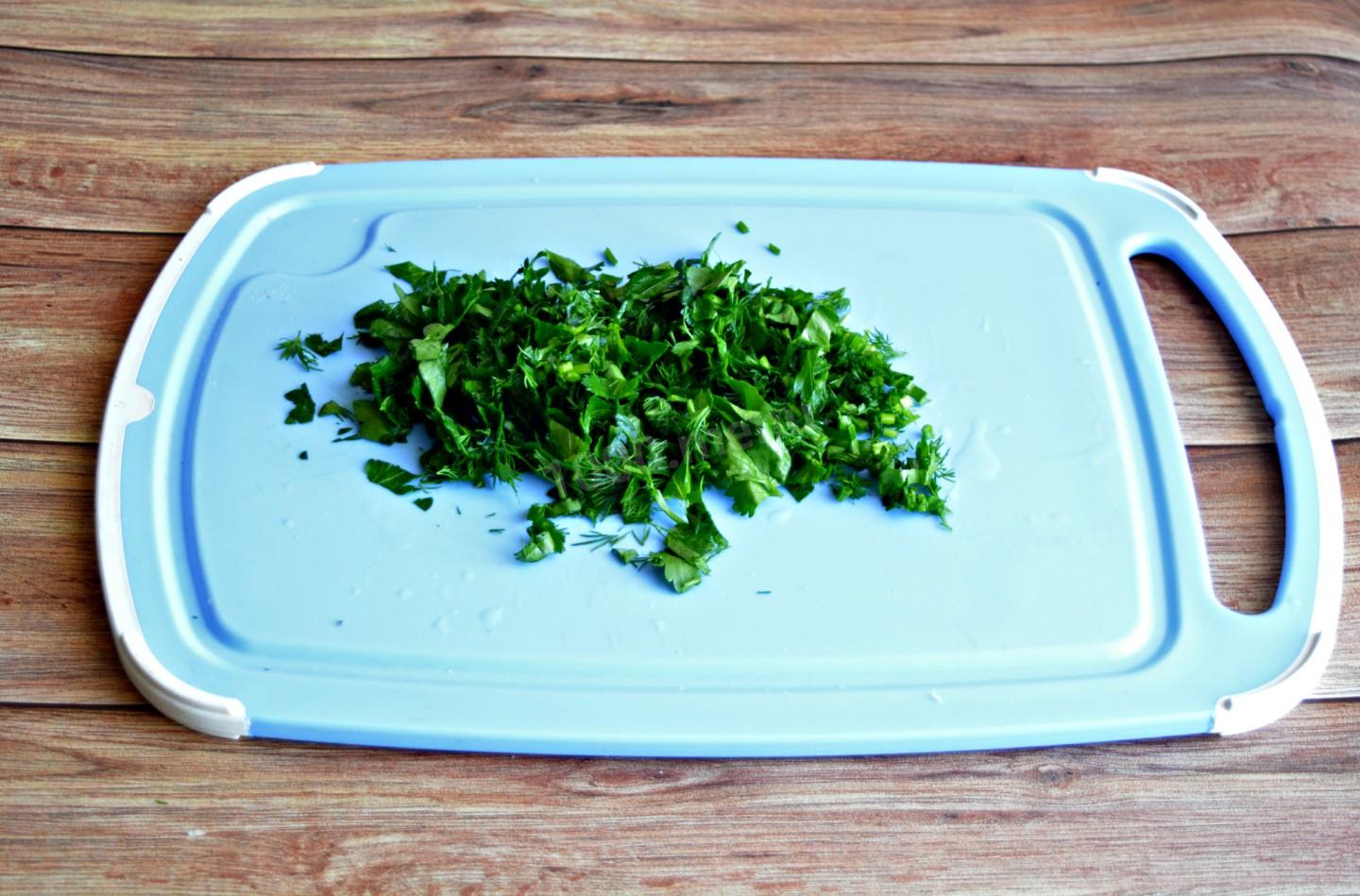
At the end, stir chopped fresh herbs into the nearly finished lobio. In Georgia, cilantro and celery are usually added. I used parsley and a little dill.
-
Step 10:
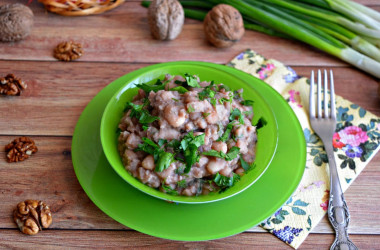
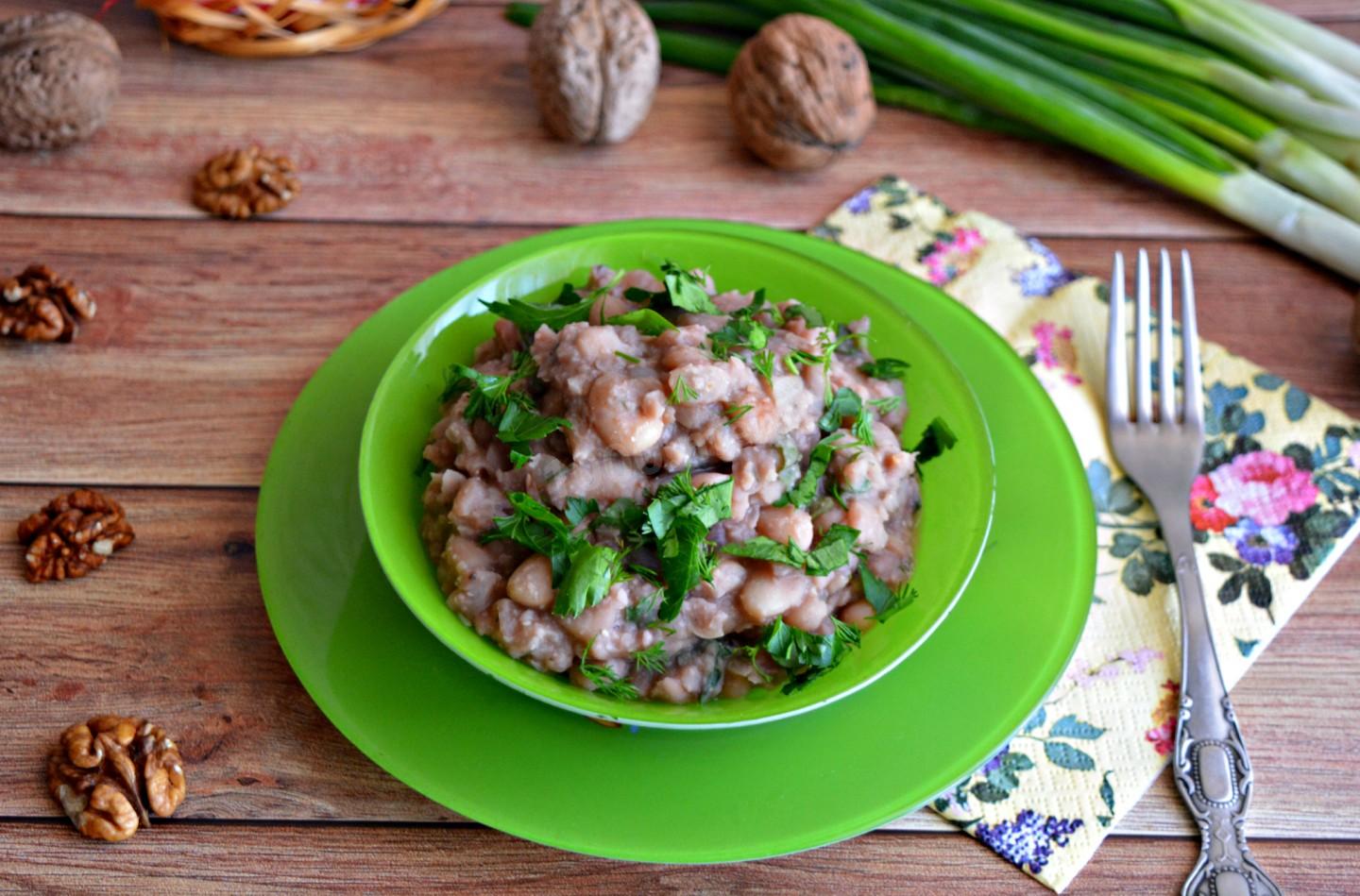
Lobio can be eaten hot as a main dish, but it's also served cold as an appetizer.
- Enjoy!
- Since everyone's preferred level of salt, sweetness, bitterness, heat, acidity, and pungency is different, always add spices and seasonings to your own taste! If you're using a seasoning for the first time, keep in mind that some are especially easy to overdo (chili pepper, for instance).
- Any oil is only good up to a certain temperature — its smoke point, at which the oil starts to burn and forms toxic compounds, including carcinogens. For how to gauge the right frying temperature and choose the best oil for frying — and which oils are better avoided entirely — read more here.
Caloric content of the products possible in the composition of the dish
- Walnuts - 650 kcal/100g
- Black English walnut - 628 kcal/100g
- Black Persian walnut - 651 kcal/100g
- Walnut oil - 925 kcal/100g
- Garlic - 143 kcal/100g
- Vegetable oil - 873 kcal/100g
- Khmeli-suneli - 417 kcal/100g
- Salt - 0 kcal/100g
- Onion - 41 kcal/100g
- Fresh frozen packaged soup greens - 41 kcal/100g
- Fresh herbs - 41 kcal/100g
- Chili pepper - 40 kcal/100g
- Ground coriander - 25 kcal/100g
- White beans - 102 kcal/100g
- Grape vinegar - 14 kcal/100g
Similar recipes

- National cuisine
- Snacks
- Second course
- Vegetables
- Nuts
- Legumes
- Spices seasonings spices
- Fats and oils
- From beans
- Garlic
- Зелень
- Кинза
- Pepper
- Salt
- Vinegar
- Hops suneli
- Vegetable oil
- Caucasian cuisine
- Cooking
- Frying
- Bean lobio
- From onion
- No eggs
- Vegetarianism
- Lean table
- Recipes for lean dishes without butter