Stovetop Bulgur with Vegetables
A nourishing, wholesome dish of vegetables and bulgur. Serve it as a side or as a meal in its own right. Vegetarians and anyone watching their waistline will love it, since it's low in fat and calories. Although bulgur isn't all that common in some kitchens and the name sounds exotic, it's really just ordinary wheat that's been hulled, parboiled, and cracked, so it tastes much like wheat. What sets it apart is its high content of slow-digesting carbohydrates and a low glycemic index, which makes it a great choice for a healthy diet. Bulgur is the base for a huge range of tasty dishes, including this one with vegetables.

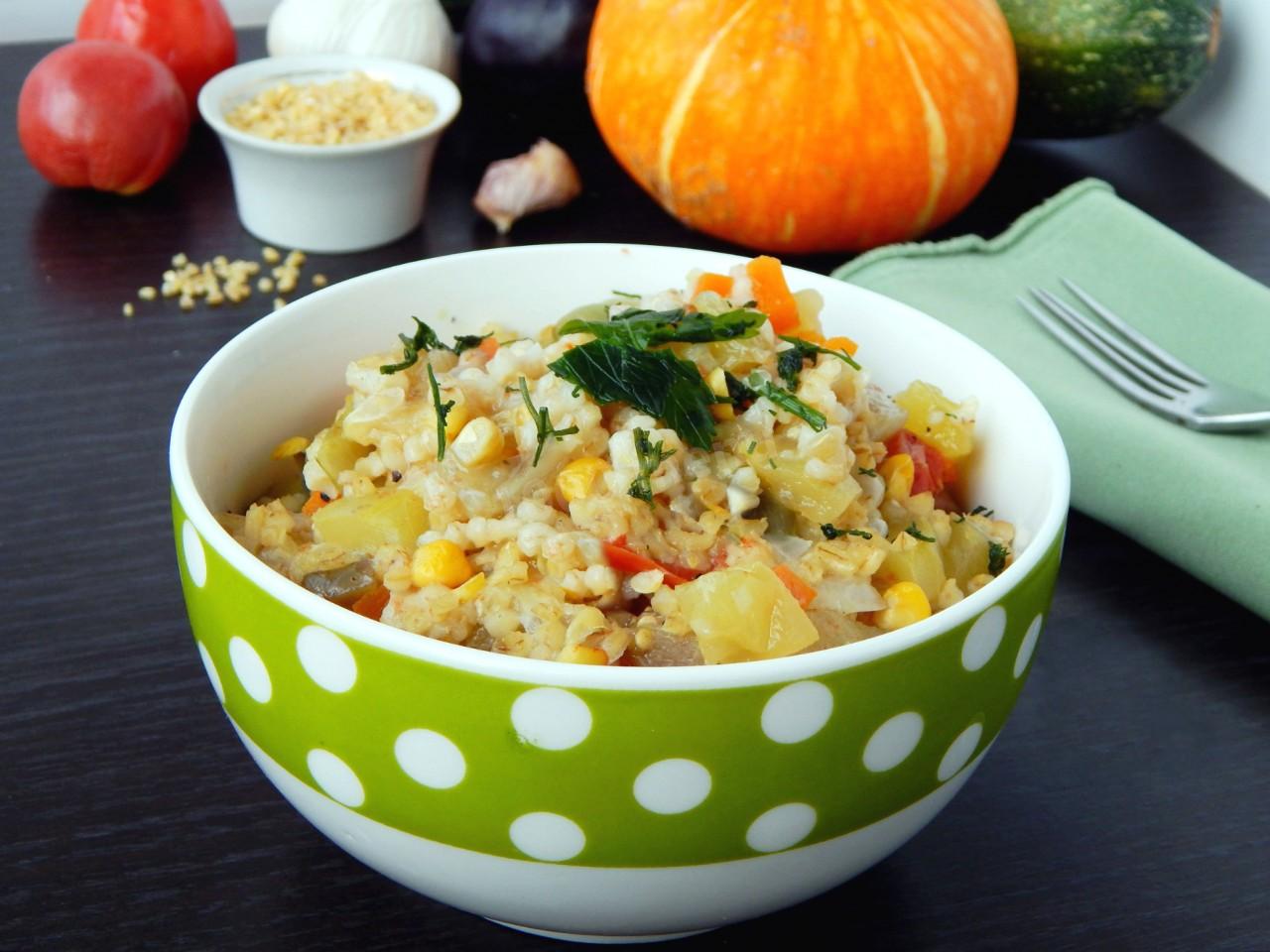
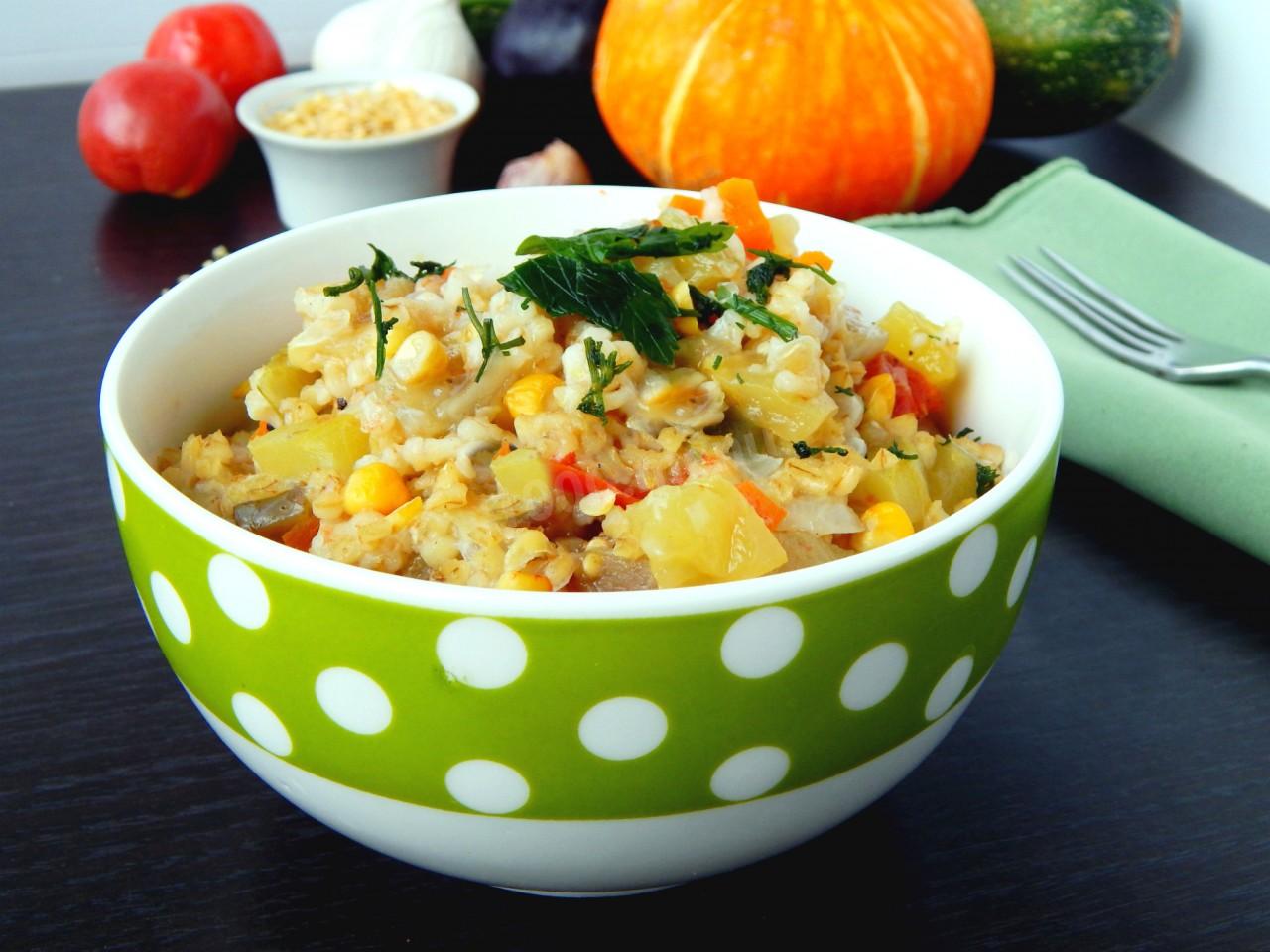
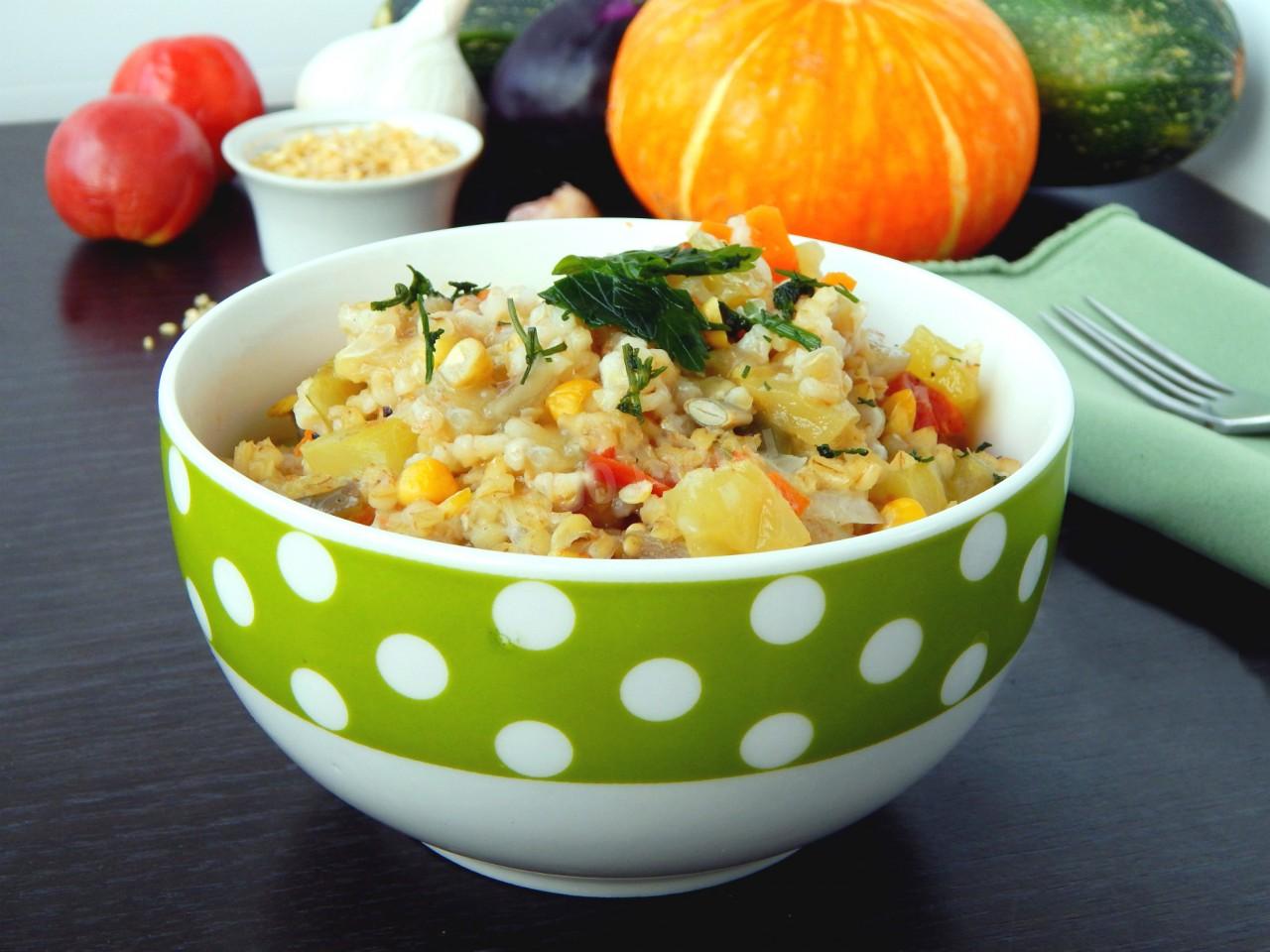
Cooking method
-
Step 1:
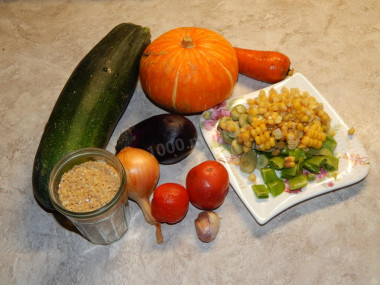
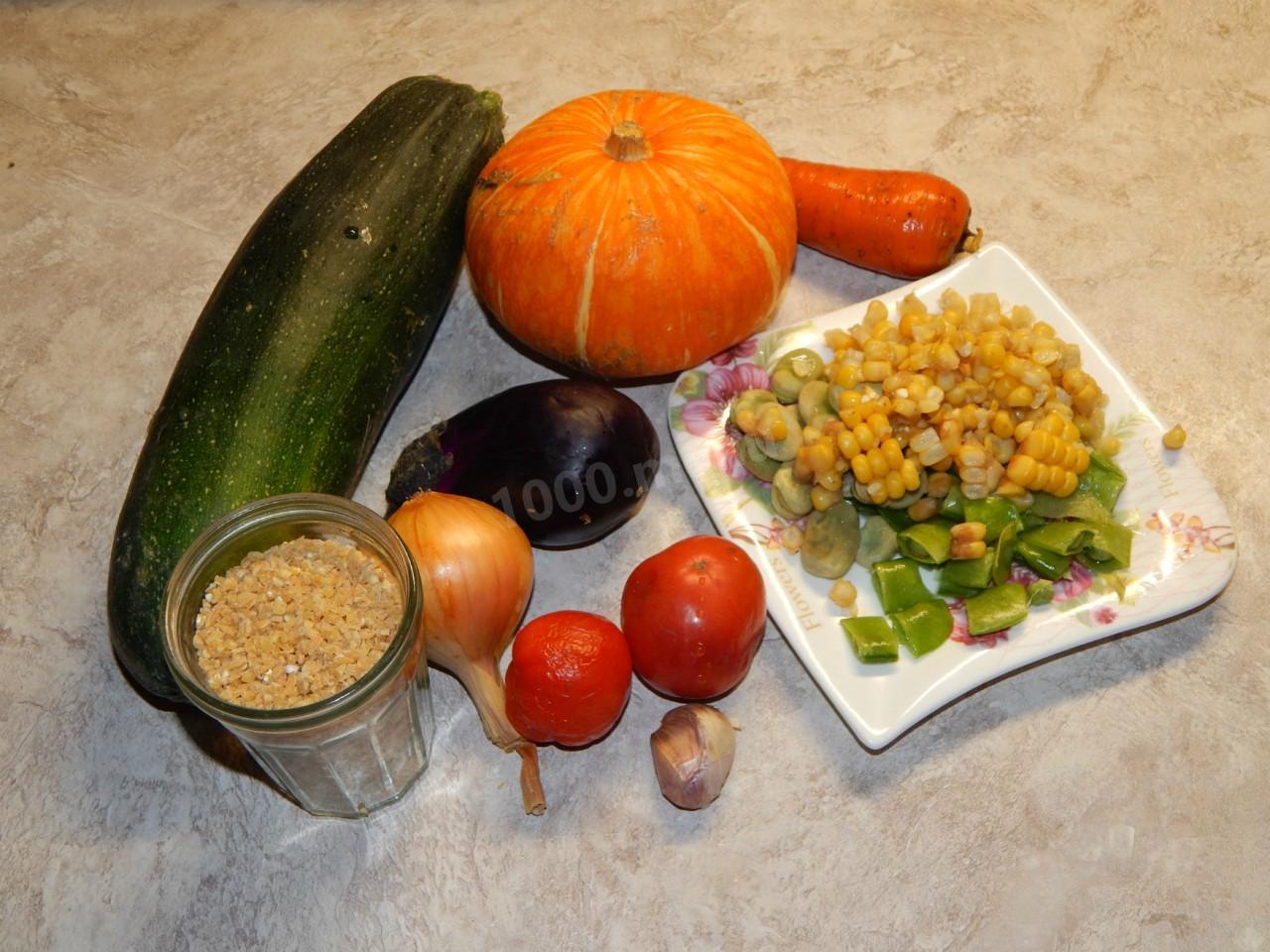
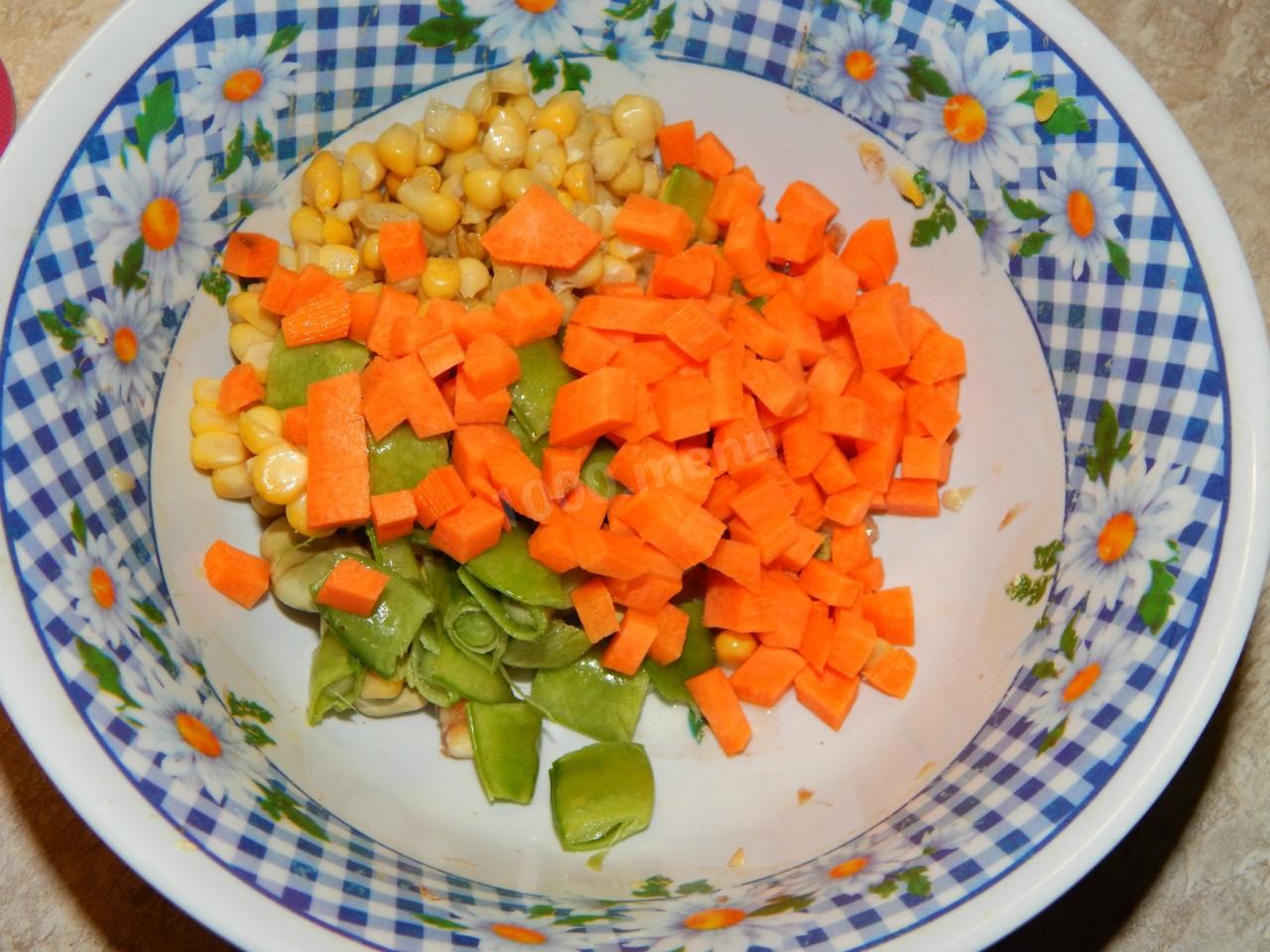
Gather your ingredients. You can use absolutely any combination of vegetables here, depending on what you like and what you have on hand. Just choose vegetables that need roughly the same cooking time to become tender. Fresh or frozen both work.
-
Step 2:
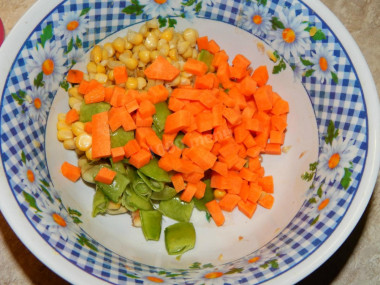
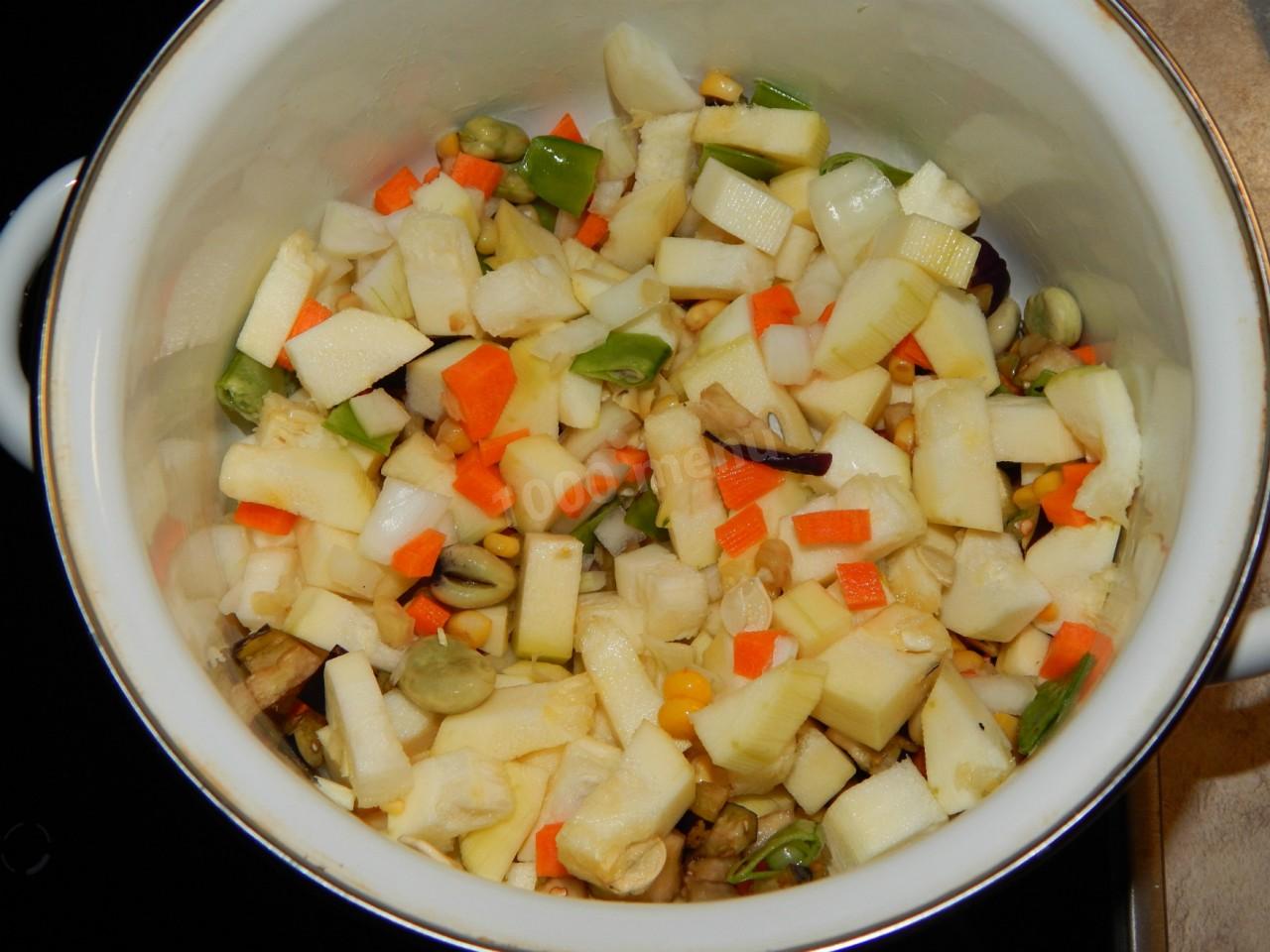
Let's prep the vegetables. To keep the dish wholesome and light, we won't sauté anything in oil; all the vegetables will simply be stewed. You can round out the mix with frozen peas, beans, and corn kernels, which not only boost the flavor but also make the dish brighter and more colorful, which matters when it's time to serve.
-
Step 3:
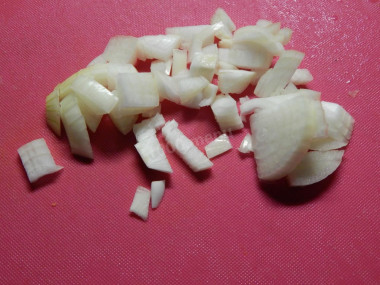
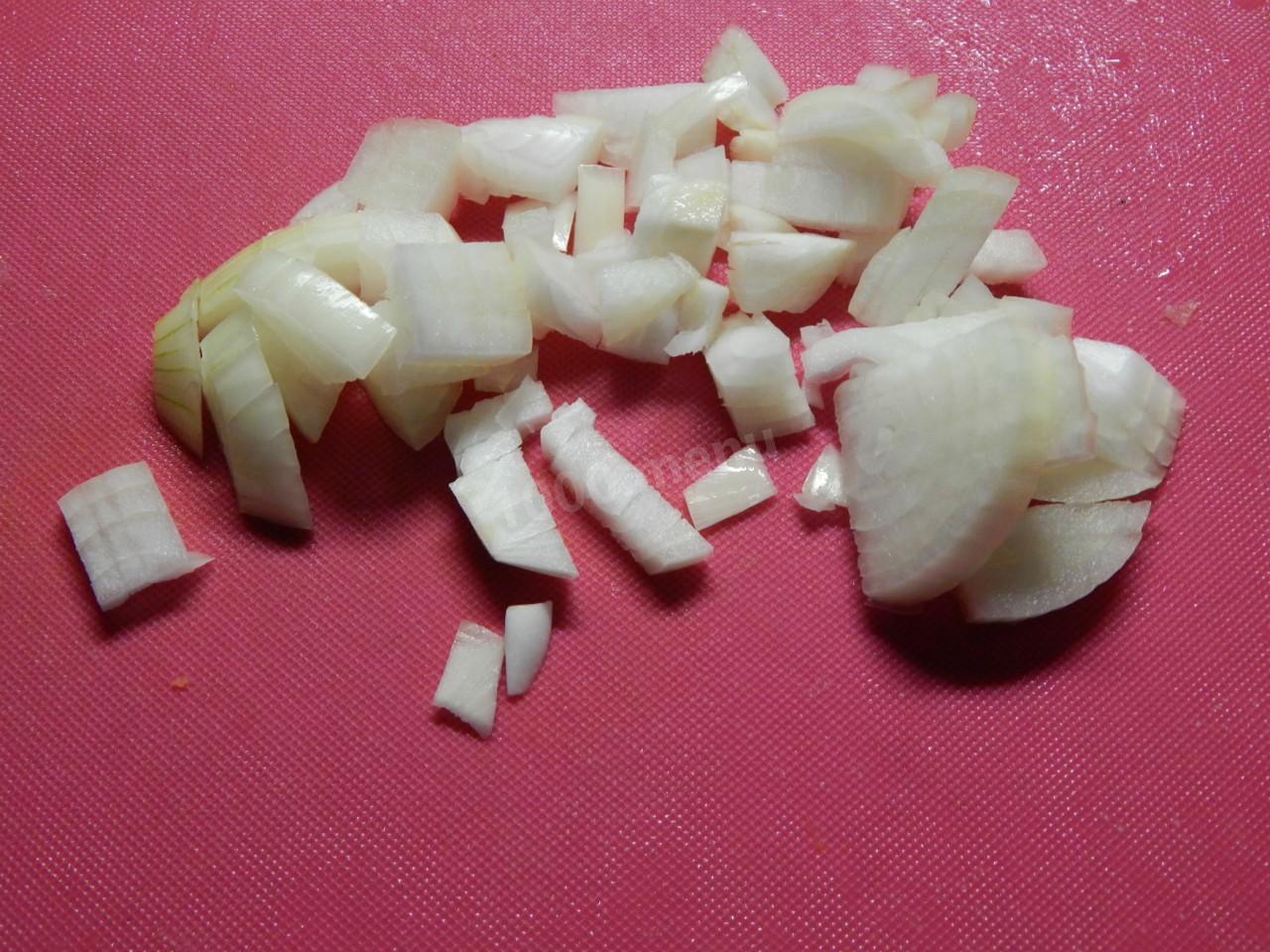
Peel the onion and cut it into dice. Wash, peel, and dice the carrot, or grate it on the medium side of a box grater. Press the garlic through a garlic press.
-
Step 4:
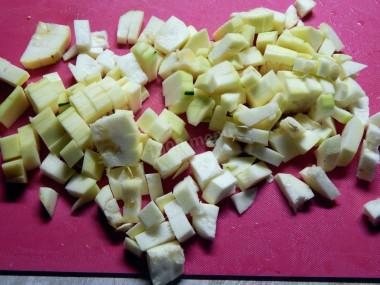
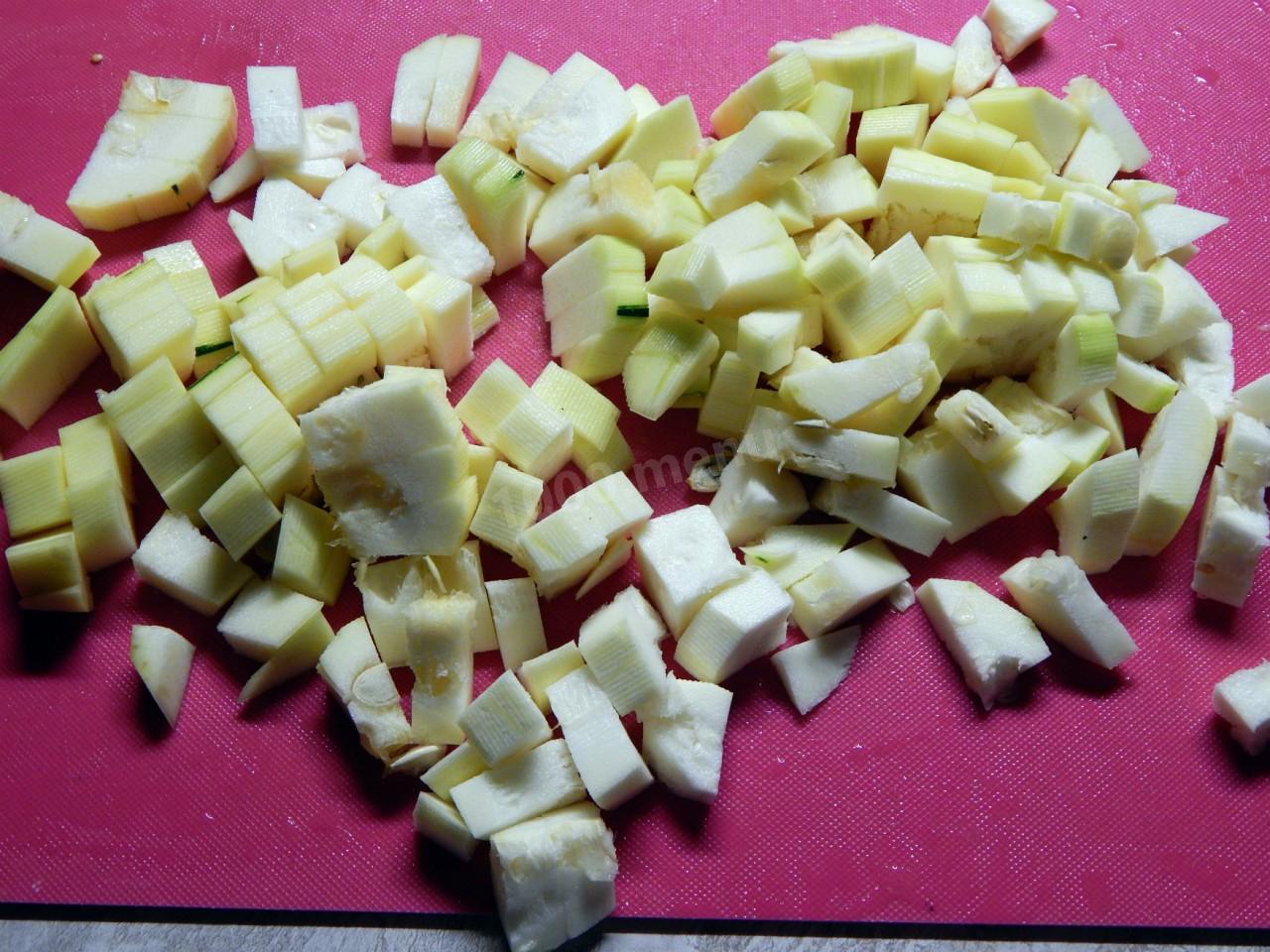
A young zucchini is best here. Wash it well and peel it; if it's young, you can leave the seedy core in. Cut the zucchini into small dice. Wash, peel, and seed the pumpkin, then cut the flesh into small dice as well.
-
Step 5:
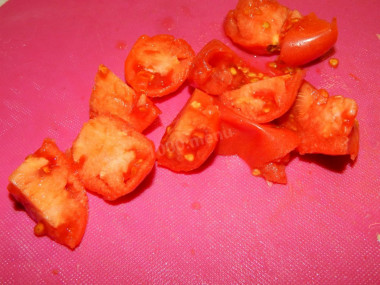
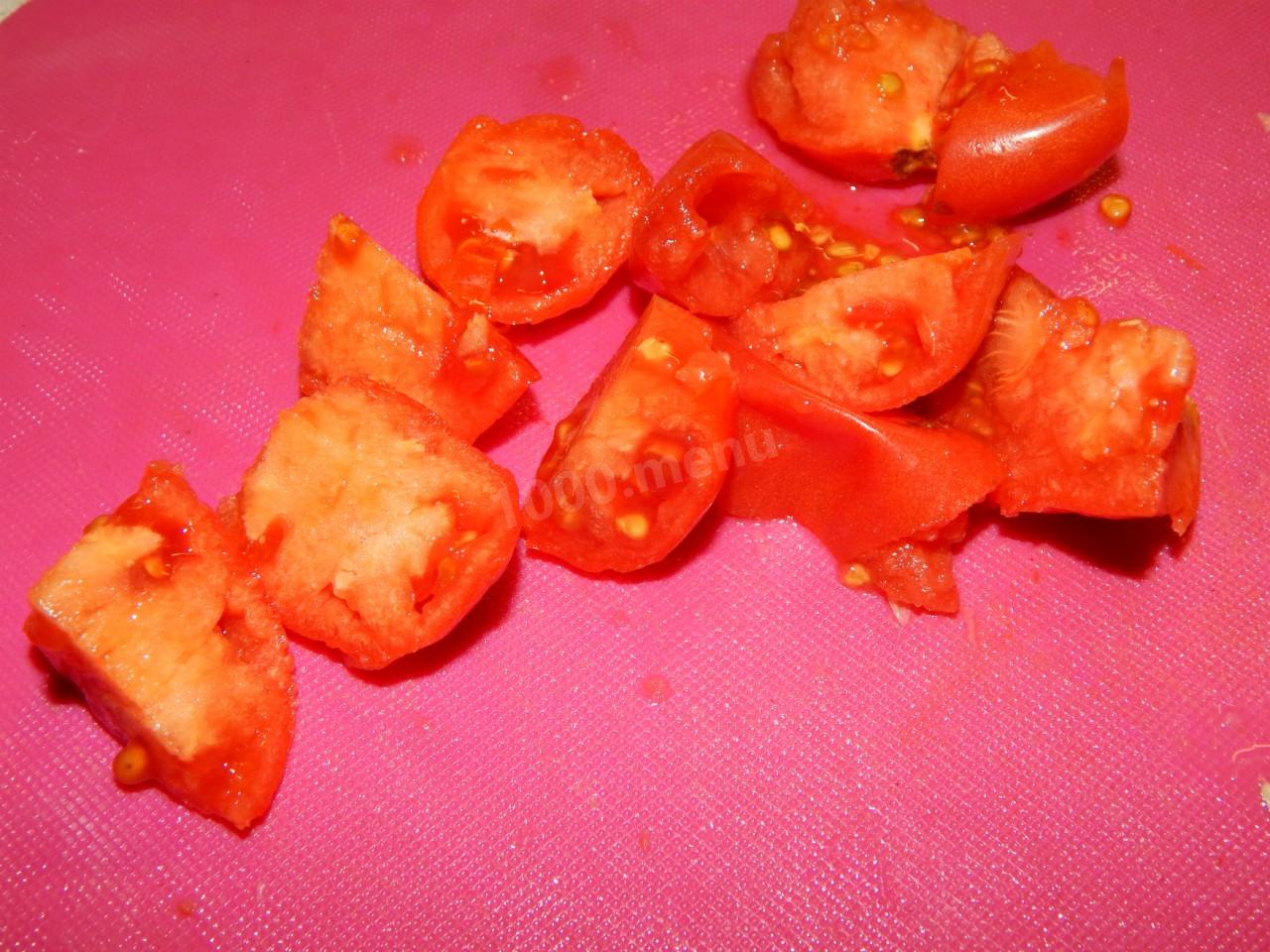
Use firm tomatoes so they don't turn to mush as they cook, and add them to the dish last, after the other vegetables have stewed for a while. If their skins are tough, it's best to remove them by blanching the tomatoes in boiling water first.
-
Step 6:
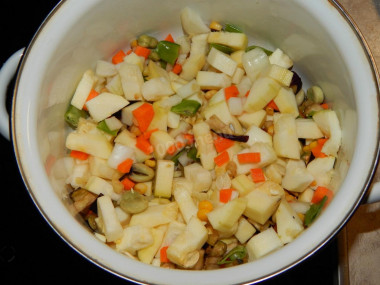
Put the vegetables in a pot, set it over the heat, add a little water, and stew for about 15 minutes from the moment the liquid comes to a boil.
-
Step 7:
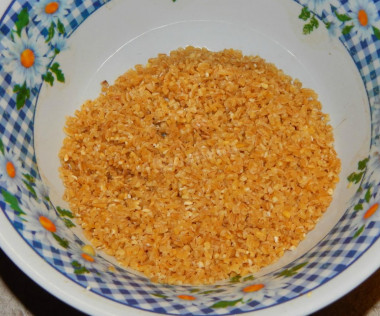
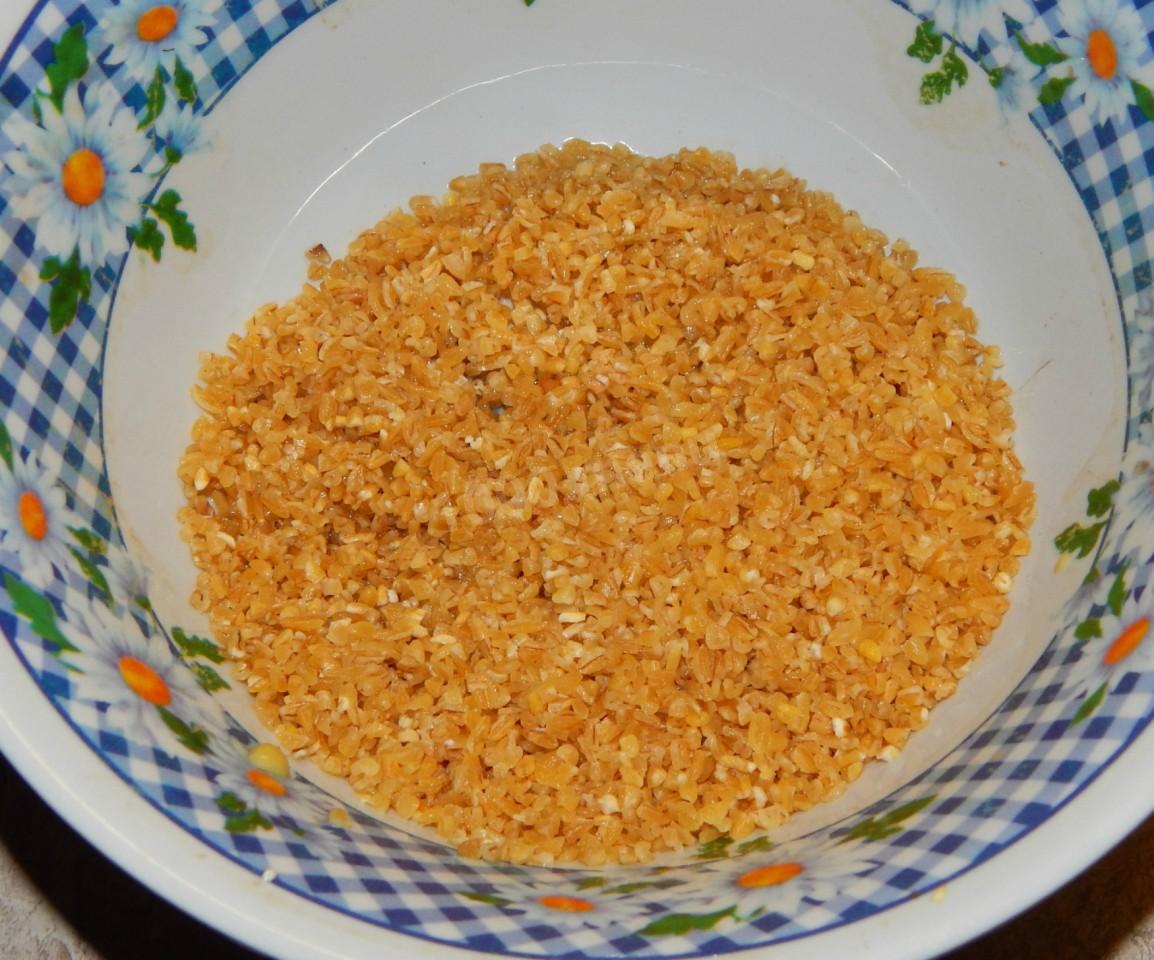
Bulgur supposedly doesn't need rinsing, but it's still better to rinse it to wash off any dust and excess starch.
-
Step 8:
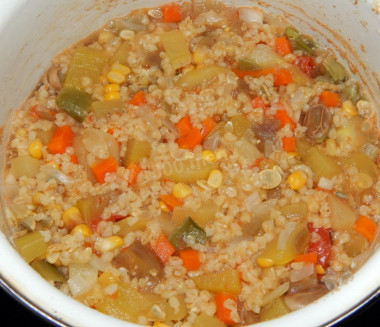
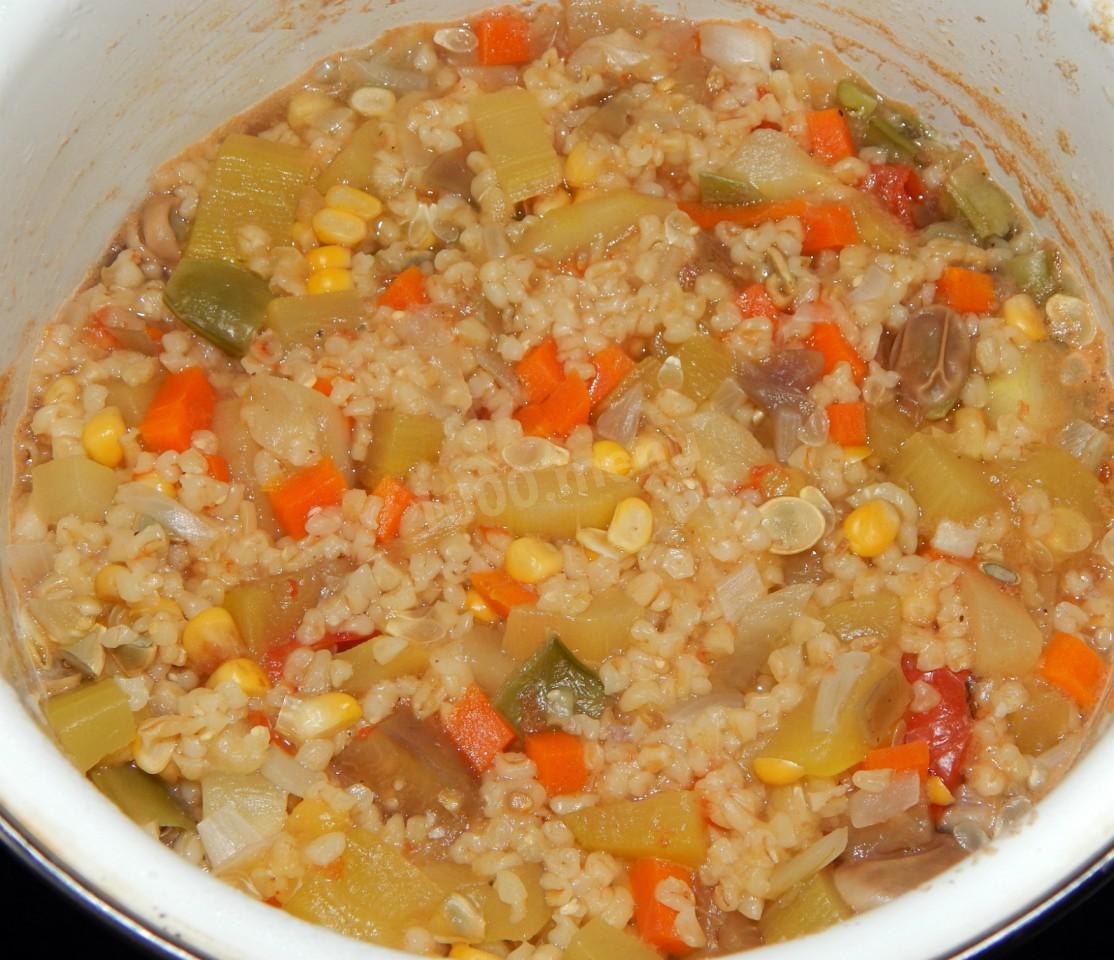
Add the bulgur to the pot, season with salt and pepper to taste, and pour in enough water to just cover everything. Stew the vegetables and grain together for about 20 minutes, by which time the liquid should have cooked away. Turn off the heat. Stir the bulgur and vegetables together and cover the pot. Let the dish rest, covered, for about 15 minutes, then serve. Enjoy!
Caloric content of the products possible in the composition of the dish
- Tomatoes - 23 kcal/100g
- Zucchini - 23 kcal/100g
- Pumpkin - 29 kcal/100g
- Field corn, raw, dried - 348 kcal/100g
- Sweet yellow raw field corn - 96 kcal/100g
- Field corn stewed, boiled, dehydrated (sliced - 83 kcal/100g
- Field corn boiled on the cob - 91 kcal/100g
- Germ-free raw fortified corn grits - 362 kcal/100g
- Corn grits without germ, raw, not fortified - 362 kcal/100g
- Corn - 119 kcal/100g
- Carrots - 33 kcal/100g
- Dried carrots - 275 kcal/100g
- Boiled carrots - 25 kcal/100g
- Dried whole green peas - 340 kcal/100g
- Crushed raw peas without seed coating - 348 kcal/100g
- Crushed boiled peas - 115 kcal/100g
- Turkish peas, dried, uncooked - 360 kcal/100g
- Dried, uncooked cow peas - 343 kcal/100g
- Dried boiled cow peas - 76 kcal/100g
- Dried peas - 322 kcal/100g
- Peas - 298 kcal/100g
- Eggplant - 24 kcal/100g
- Garlic - 143 kcal/100g
- Ground black pepper - 255 kcal/100g
- Bulgur - 342 kcal/100g
- Salt - 0 kcal/100g
- Water - 0 kcal/100g
- Green beans - 33 kcal/100g
- Beans - 33 kcal/100g
Similar recipes

- Second course
- Side dishes
- Vegetables
- Cereals and cereal products
- Legumes
- Spices seasonings spices
- Other
- Beans
- From peas
- Garlic
- Pepper
- Salt
- Water
- Cooking
- Zucchini second course
- Eggplant second course
- From zucchini
- From carrots
- From tomato
- From eggplant
- From pumpkin
- No eggs
- Vegetarianism
- Recipes for lean dishes without butter
- Bulgur
- Corn