Wok Noodles with Beef and Vegetables
A simple recipe that turns out a wonderfully tasty, fragrant dish. You can use any vegetables you like, including green beans. Thanks to the variety of vegetables, it's packed with vitamins and very good for you. Although it comes from Chinese cooking, it has become hugely popular all over the world these days. It's great for a festive table or for entertaining guests. Serve it with light salads, fresh vegetables, and fresh herbs.


Cooking method
-
Step 1:
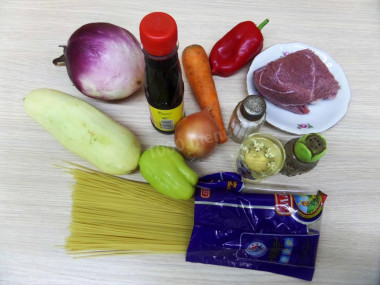
How do you make wok noodles with beef and vegetables? Start by gathering all your ingredients. Any vegetables you like will work, along with any lean meat, and noodles made from any kind of flour—rice, wheat, buckwheat...
-
Step 2:
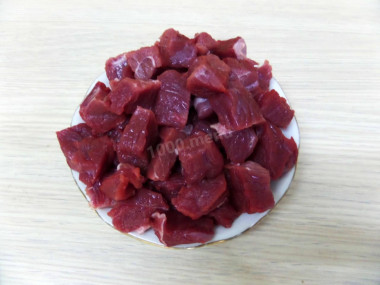
Rinse the beef and cut it into small pieces.
-
Step 3:
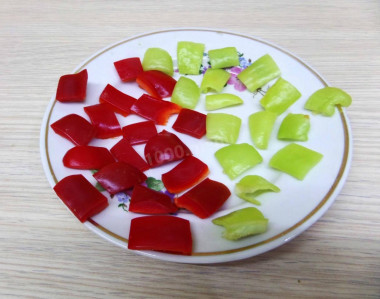
You can use a few different colors of bell pepper—red, green, or yellow. Seed the peppers, rinse them, and cut into large strips or roughly 2 x 2 cm (about 1-inch) squares.
-
Step 4:
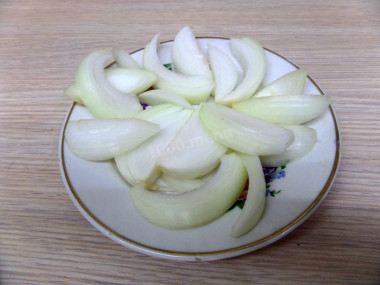
Cut the onion lengthwise into wide slices.
-
Step 5:
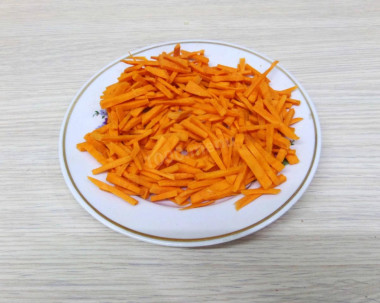
Peel the carrots and cut them into thin matchsticks.
-
Step 6:
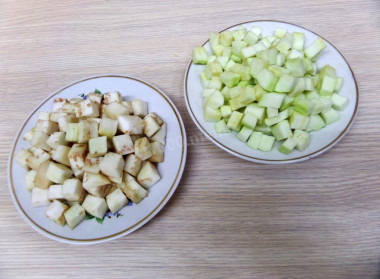
Peel the eggplant and zucchini and cut them into cubes of roughly the same size.
-
Step 7:
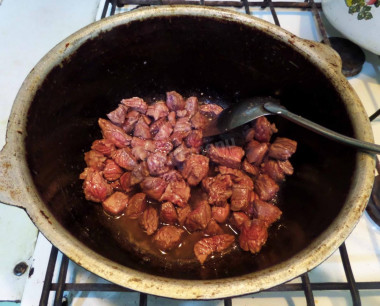
Pour just enough vegetable oil into the wok to brown the meat and carrots. Heat the oil and add the beef. Stir, cover, and let it cook in its own juices over low heat until all the liquid has evaporated.
-
Step 8:
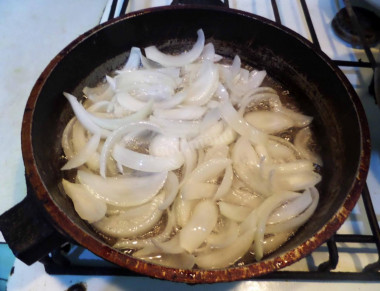
While the meat cooks, you can fry the vegetables alongside it. In a small amount of vegetable oil, sauté the onion.
-
Step 9:
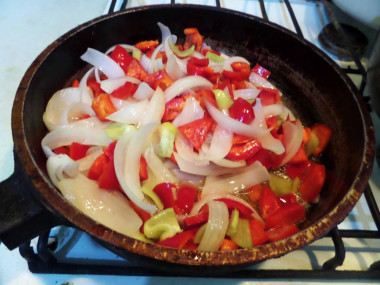
Add the chopped bell pepper to the onion and cook over low heat until the vegetables soften. Don't overcook them—it's important that they stay intact and don't turn to mush.
-
Step 10:
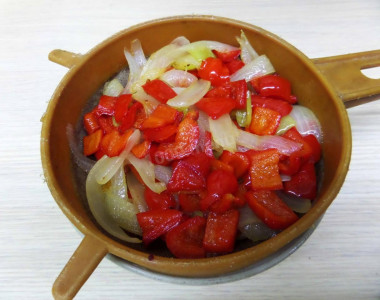
Tip the cooked onion and pepper into a sieve to drain off the excess oil.
-
Step 11:

Once the liquid has cooked off the meat, fry it until lightly browned. Add the carrots and, stirring regularly, cook for another 3–4 minutes. Don't forget to season with salt to taste.
-
Step 12:
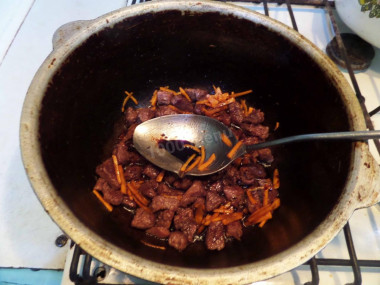
Half a minute before the meat mixture is done, pour in a little soy sauce. Stir well and turn off the heat.
-
Step 13:
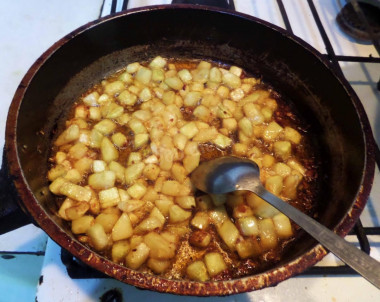
Fry the sliced zucchini over medium heat until golden.
-
Step 14:
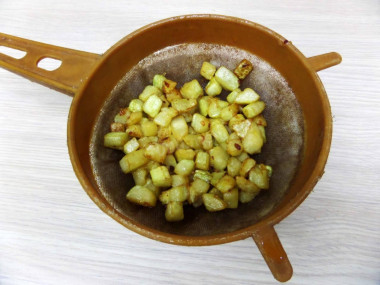
Drain off the excess oil through a sieve.
-
Step 15:
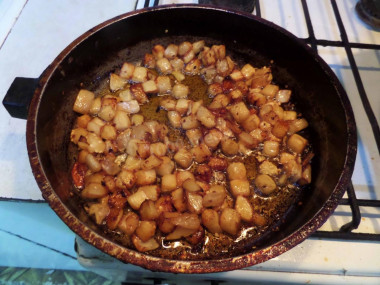
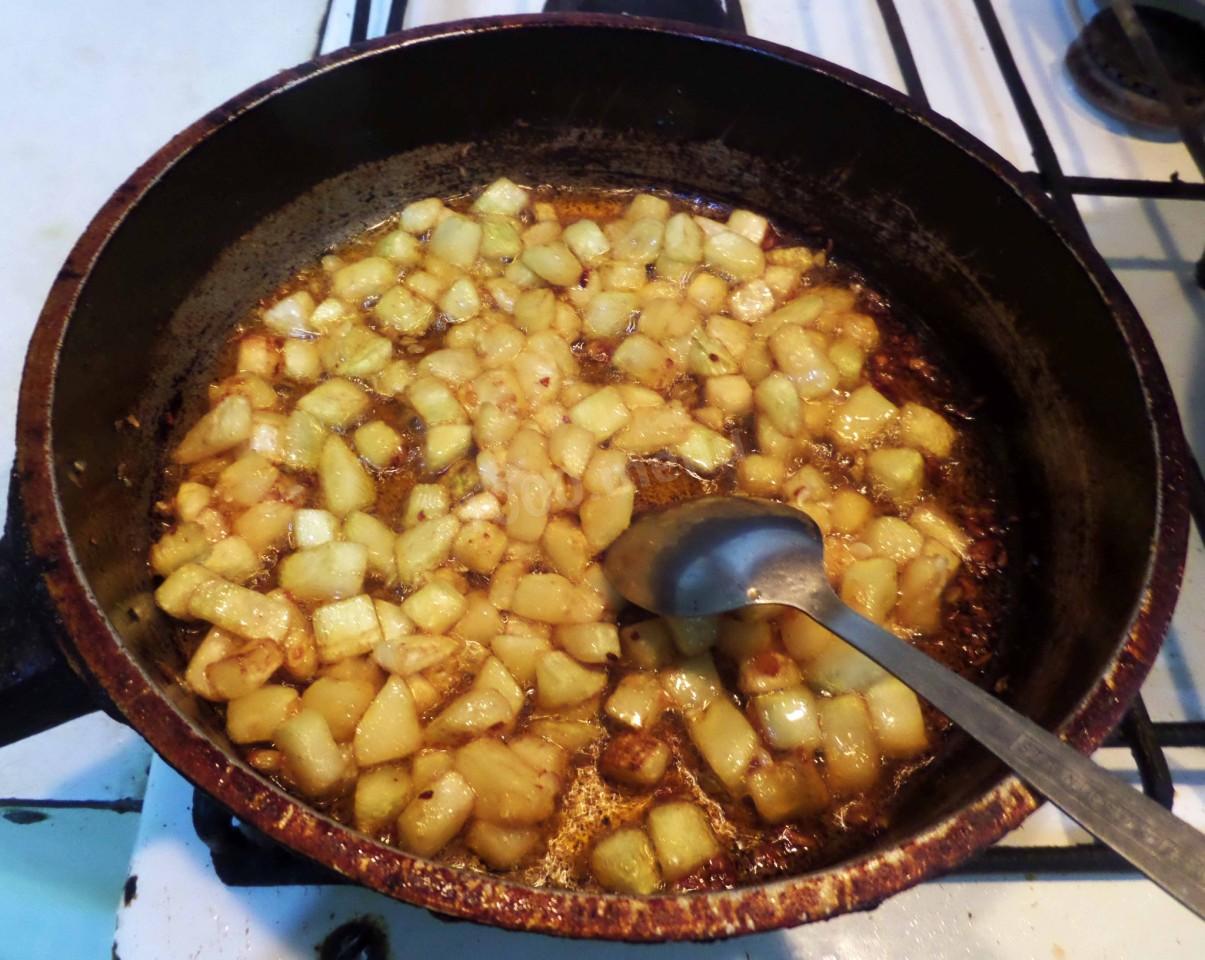
Lightly fry the eggplant over low heat as well, then drain it in a sieve too.
-
Step 16:
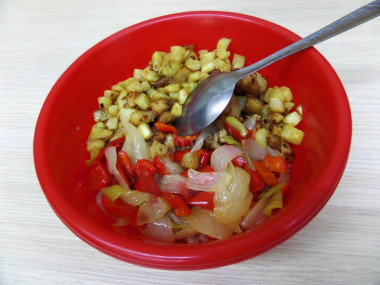
Put all the prepared vegetables in a deep bowl, season with salt to taste, and stir.
-
Step 17:
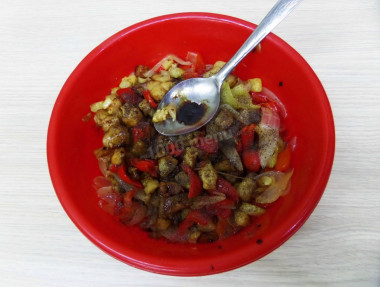
Add ground black pepper and soy sauce to taste to the vegetable mixture and stir gently but thoroughly until evenly combined.
-
Step 18:
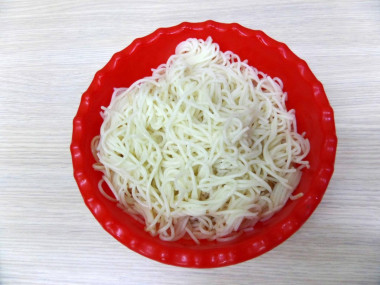
Boil the noodles and drain them in a colander.
-
Step 19:
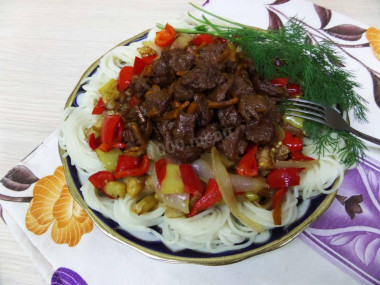
Spread the noodles out on a large platter. Scatter the fried vegetables and meat evenly over the top. For an extra kick, you can sprinkle on a little white or apple cider vinegar, and you can also add some hot ground or fresh chili pepper. The dish turns out absolutely finger-licking good—you'll be proud to serve it to guests. Enjoy, everyone!




- The word "wok" comes to us from Chinese cooking—it's the name of a special cone-shaped pan for stir-frying vegetables. The recipe isn't complicated at all, and the dish is both tasty and good for you. With its variety of vegetables, it's a great way to load up on vitamins. You can fry the vegetables together with the meat, but they may lose their shape and fall apart from all the stirring. It's better to fry them separately—that way you'll end up with a dish that's not only delicious but beautiful too!
- Important! The wrong pan can ruin even the best recipe. For all the details on how to choose the perfect pan for different dishes, read here.
- Any oil is only good up to a certain temperature—its smoke point, the point at which it starts to burn and form toxic compounds, including carcinogens. For how to gauge the right frying temperature and pick the best oil for frying—and which ones are better avoided altogether—read here.
- For how to cook pasta properly, how to cook it al dente, how to choose a quality product so you're never disappointed, and much more, read the article "Pasta - the ins and outs of choosing and cooking it."
Caloric content of the products possible in the composition of the dish
- Melted beef fat - 871 kcal/100g
- Fat beef - 171 kcal/100g
- Lean beef - 158 kcal/100g
- Beef brisket - 217 kcal/100g
- Beef - okovalok - 380 kcal/100g
- Beef - lean roast - 200 kcal/100g
- Beef shoulder - 137 kcal/100g
- Beef - ribs - 233 kcal/100g
- Beef - ham - 104 kcal/100g
- Beef - tail - 184 kcal/100g
- Boiled ham - 269 kcal/100g
- Beef corned beef - 216 kcal/100g
- Zucchini - 23 kcal/100g
- Sweet pepper - 27 kcal/100g
- Carrots - 33 kcal/100g
- Dried carrots - 275 kcal/100g
- Boiled carrots - 25 kcal/100g
- Eggplant - 24 kcal/100g
- Ground black pepper - 255 kcal/100g
- Soy sauce - 51 kcal/100g
- Vegetable oil - 873 kcal/100g
- Salt - 0 kcal/100g
- Noodles - 135 kcal/100g
- Onion - 41 kcal/100g
Similar recipes





- For breakfast
- Kitchen utensils
- National cuisine
- Second course
- Meat and meat products
- Semi-finished products
- Vegetables
- Pasta
- Spices seasonings spices
- Fats and oils
- Pepper
- Salt
- Wok
- Vegetable oil
- Asian cuisine
- Cooking
- Frying
- In a frying pan
- Спагетти
- Meat second course
- Zucchini second course
- Eggplant second course
- Beef
- Sauce
- From zucchini
- From carrots
- From eggplant
- From sweet pepper
- From onion
- No eggs
- Recipes for lean dishes without butter
- Noodles