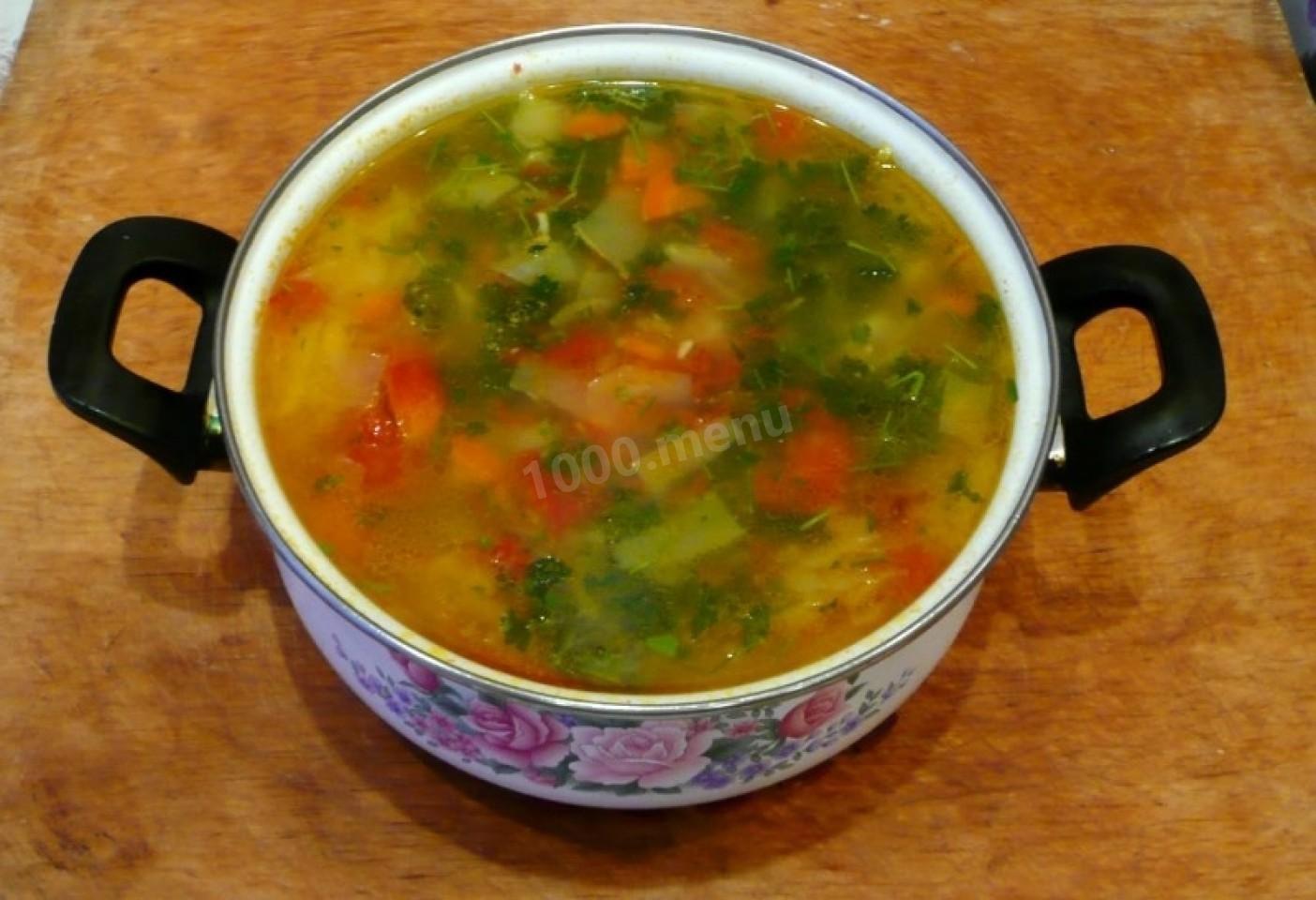
Peasant Soup with Tomatoes, Cabbage, and Potatoes
A light, simple first course for all ages! This peasant soup comes together fast from the simplest, most affordable vegetables you can find in any store. It cooks quickly — most of the time goes into the chopping. Use any broth you like: vegetable, meat, or mushroom.

Cooking method
-
Step 1:
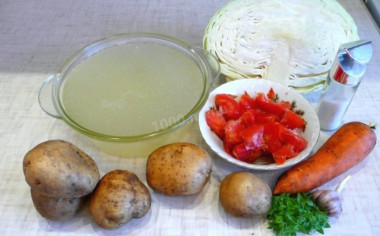
How do you make peasant soup? First, prep the ingredients. Wash the vegetables well and pat them dry — you can scrub the root vegetables with a brush. Peel the tomatoes by pouring boiling water over them, then cut them into pieces of whatever size you like.
-
Step 2:
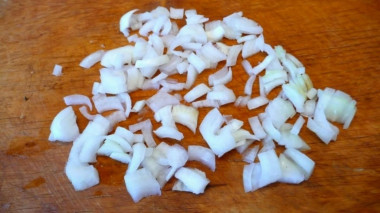
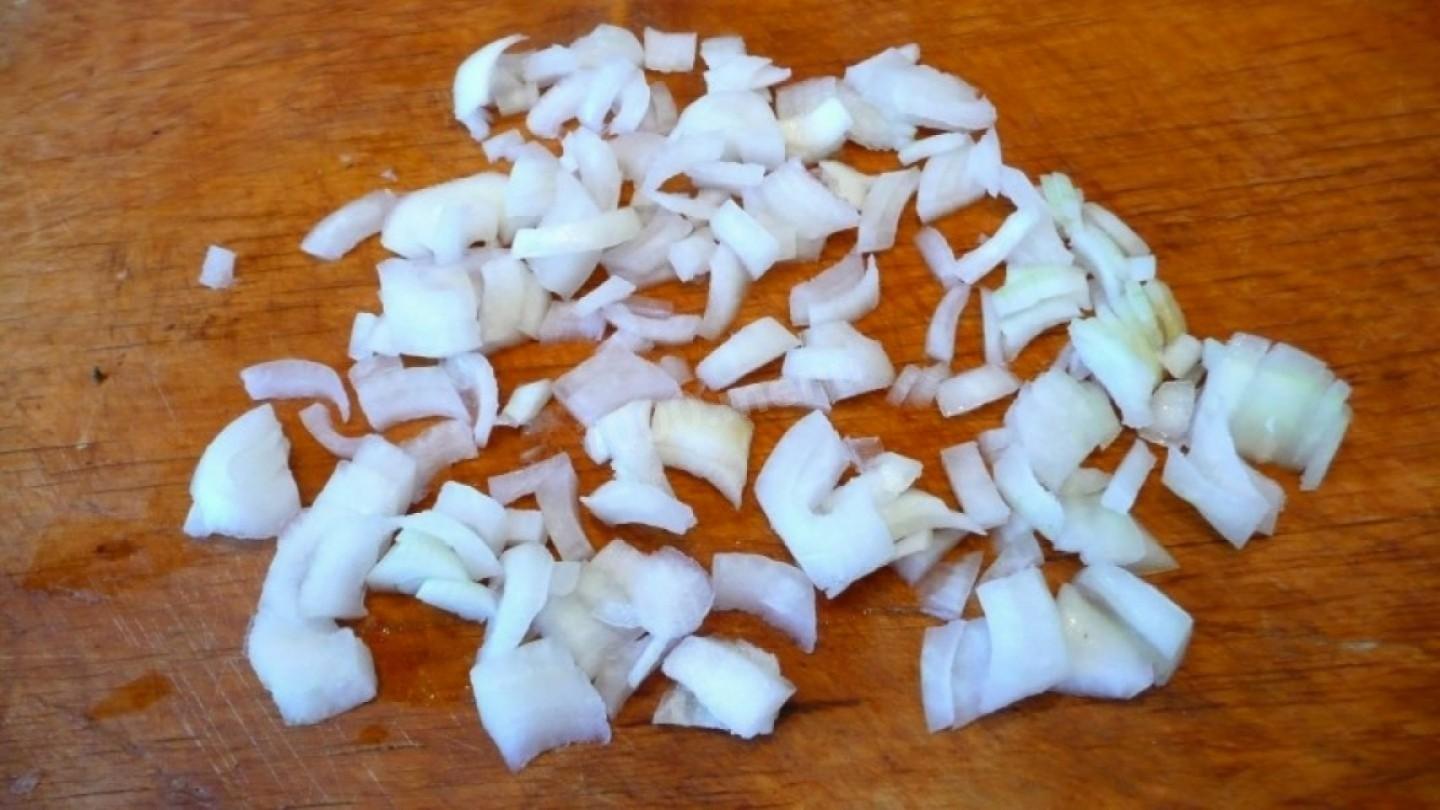
Peel the onion, dice it, and sauté in a skillet with vegetable oil until it just begins to color.
-
Step 3:

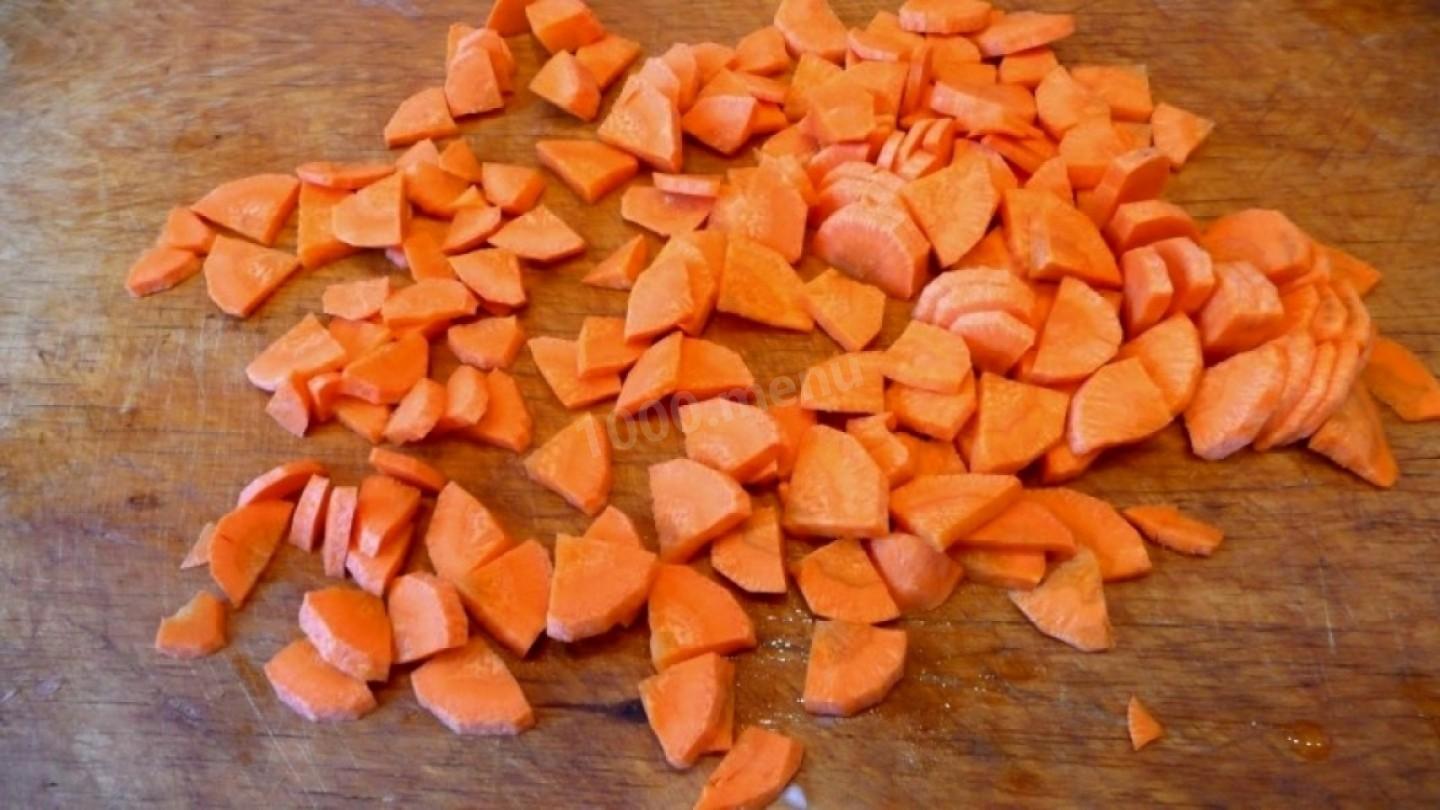
Cut the peeled carrot into half-moons and add it to the onion (or grate it on a coarse grater instead). Stir and sauté for about 2–3 minutes, stirring.
-
Step 4:
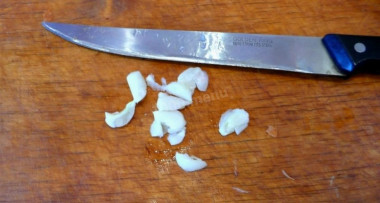
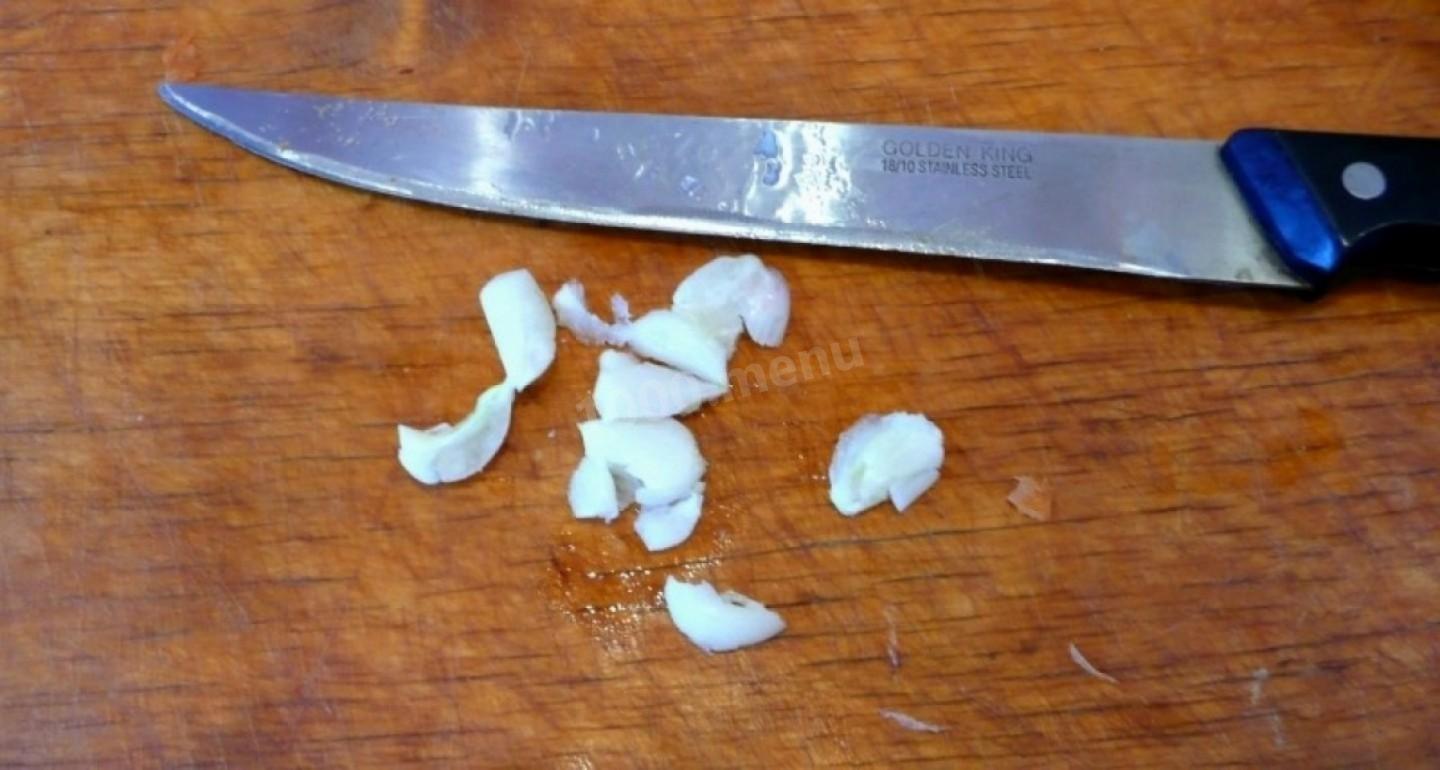
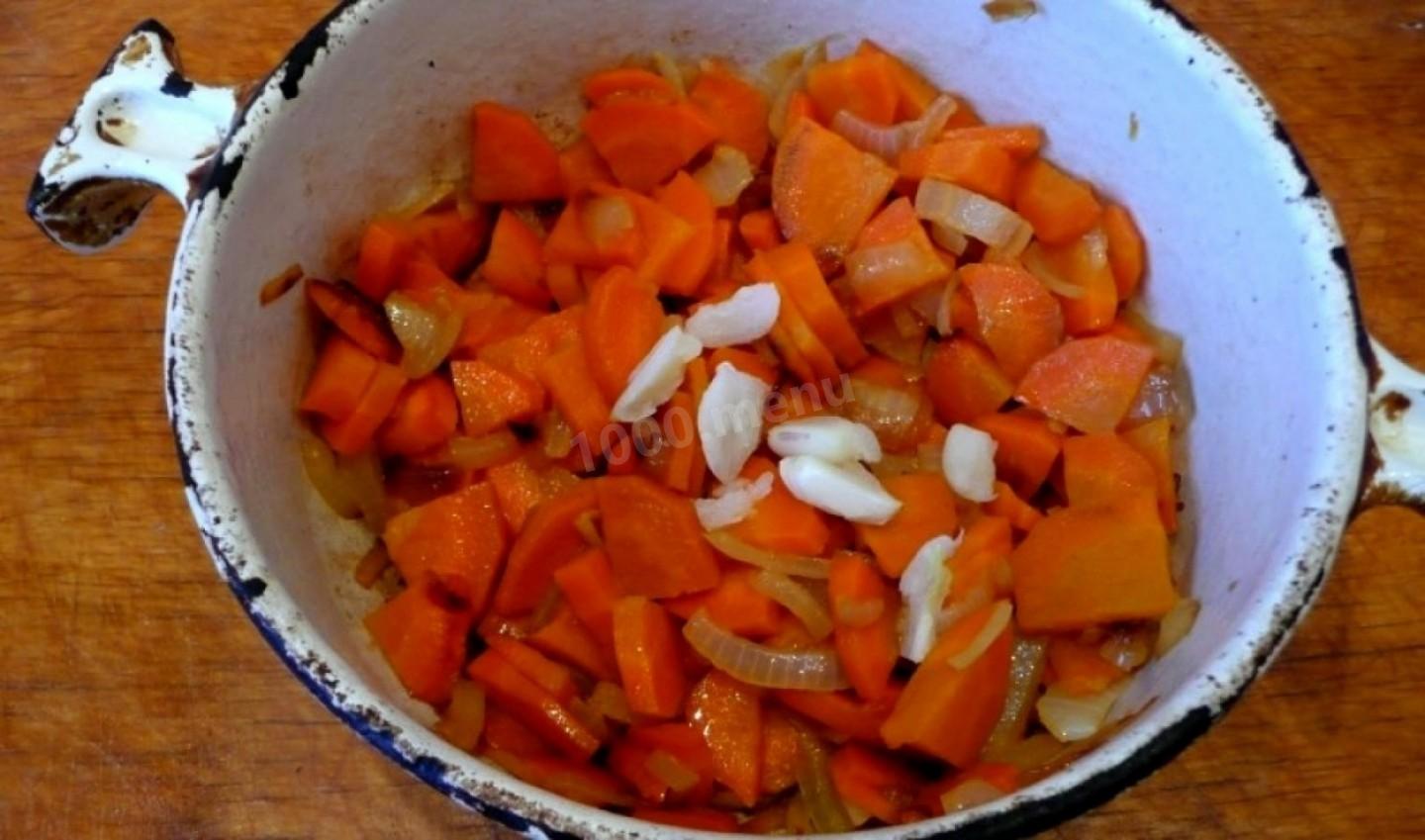
Crush the garlic cloves with the flat of a knife blade. Add them to the vegetables and turn off the heat after 3–5 minutes. Judge by how done your sauté looks — it depends on how you cut the carrot and how firm it is.
-
Step 5:
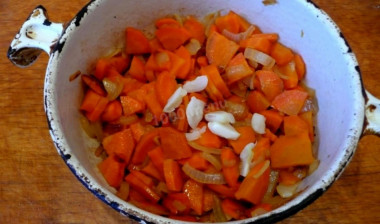
The carrot should be lightly stewed rather than truly fried — but that's a matter of taste; you can fry it if you prefer.
-
Step 6:
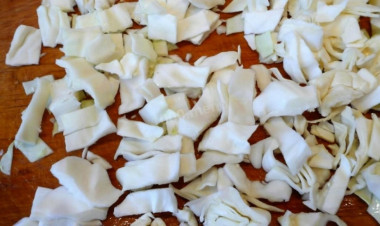
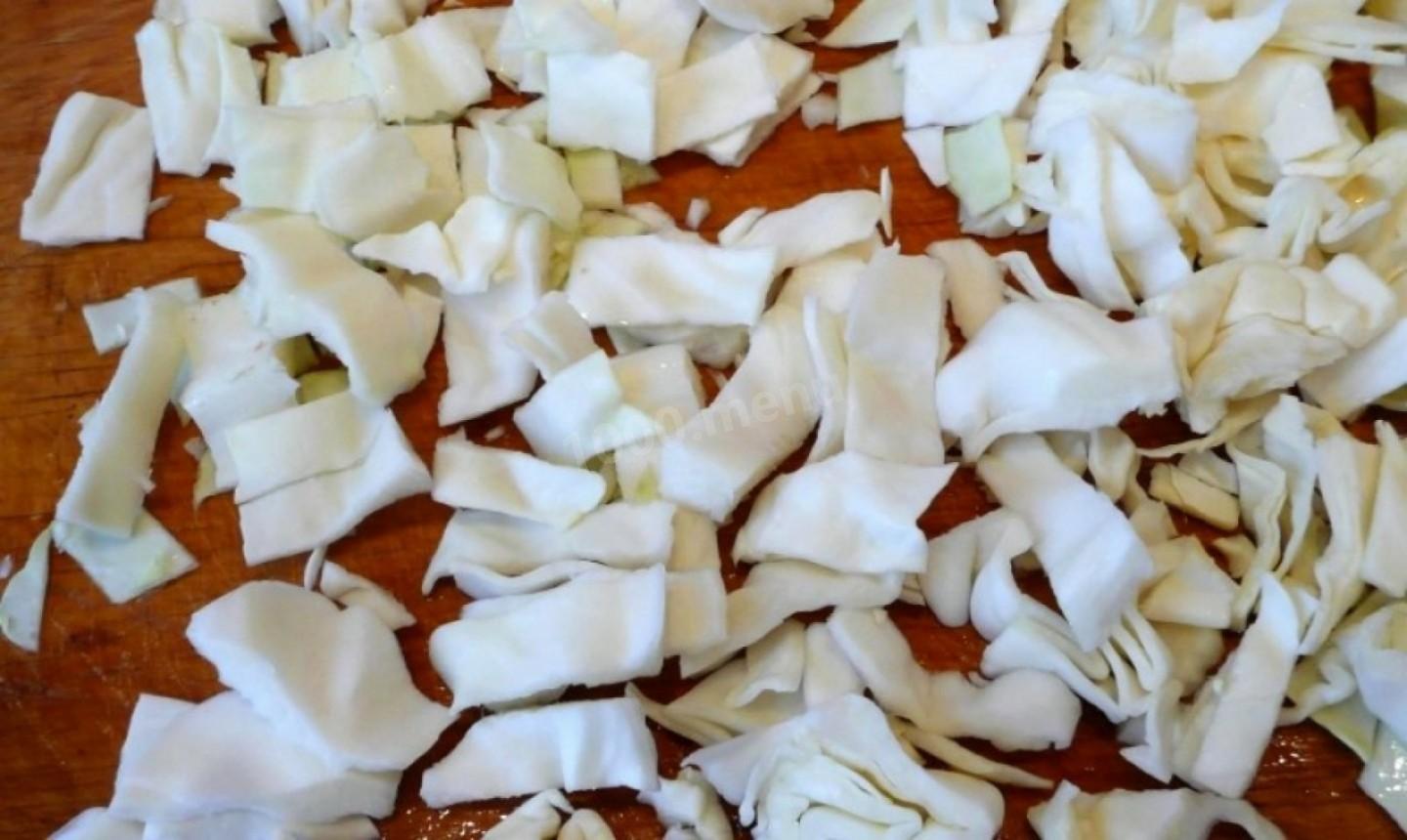
Cut the cabbage however you like — cubes, shreds, or any other way. I just cut it into squares.
-
Step 7:
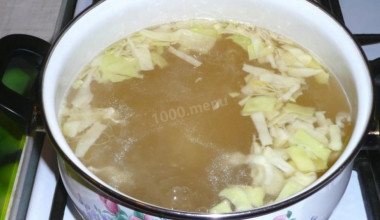
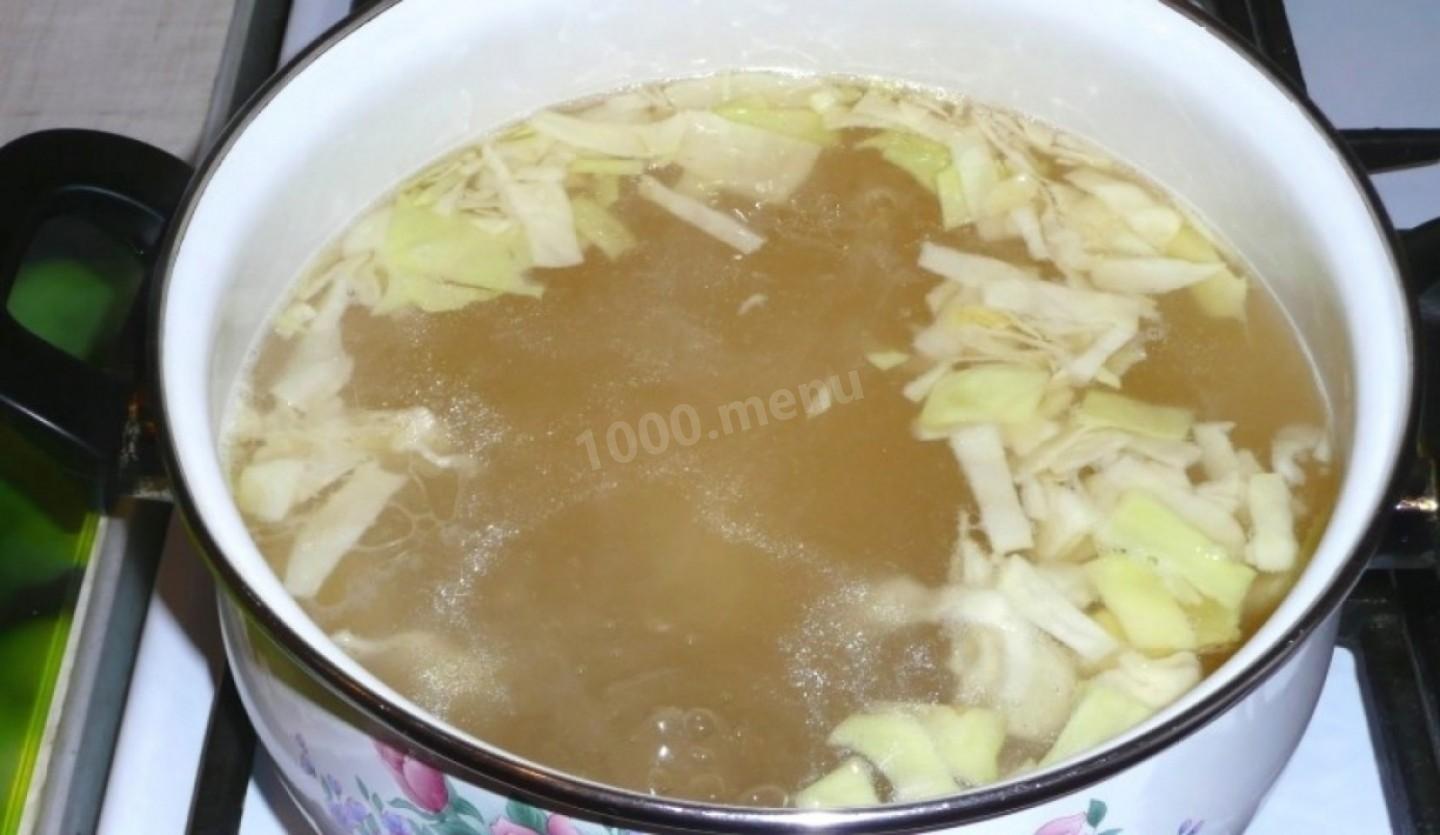
Put a pot of broth on the stove and bring it to a boil. Add the chopped cabbage to the broth.
-
Step 8:
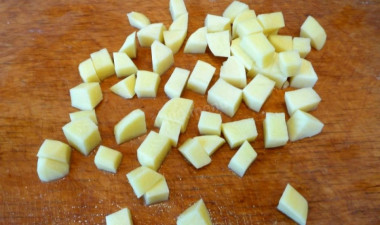
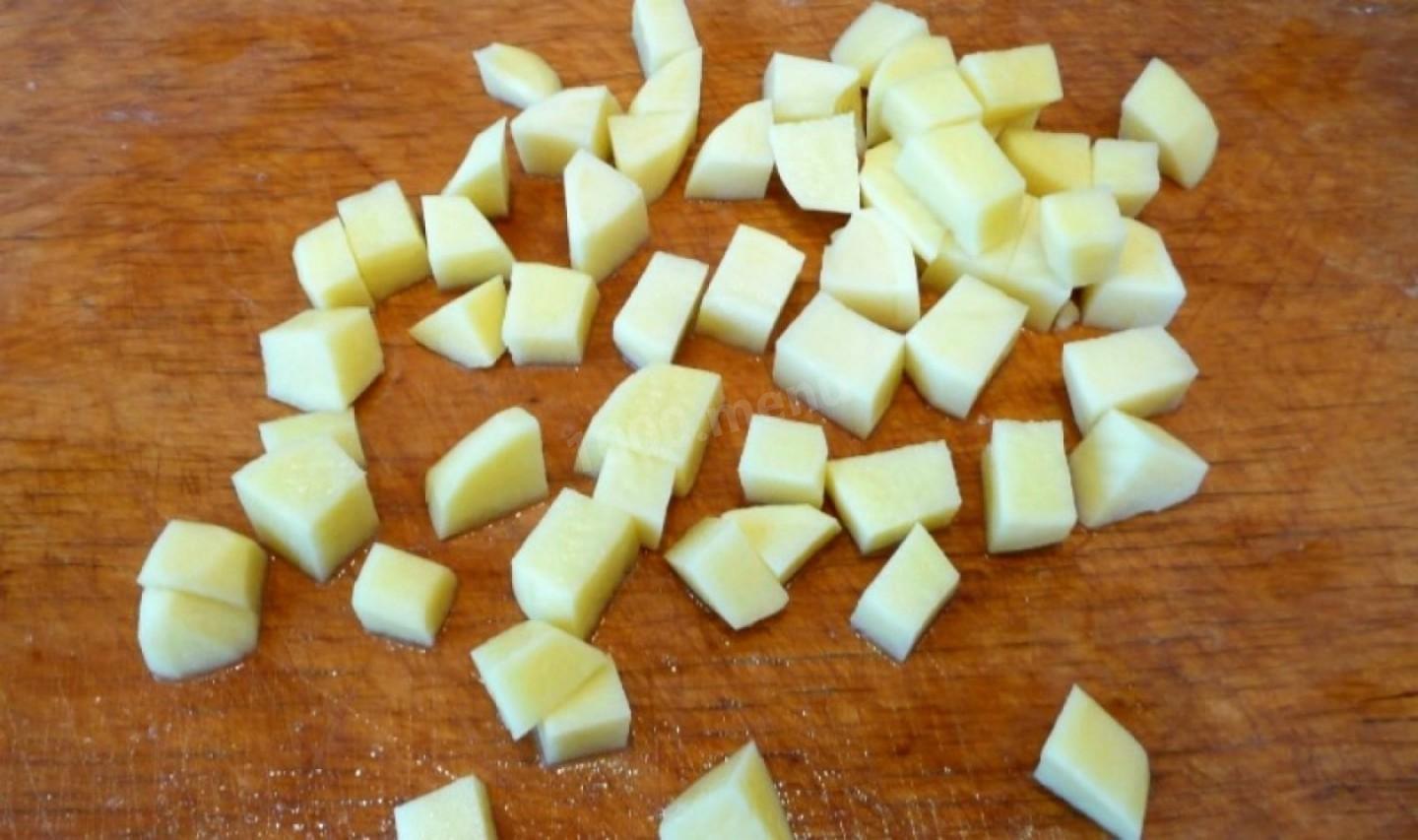
Dice the peeled potatoes.
-
Step 9:
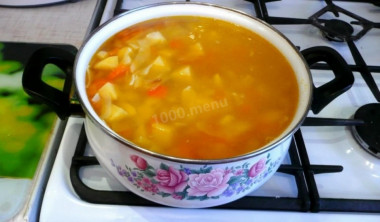
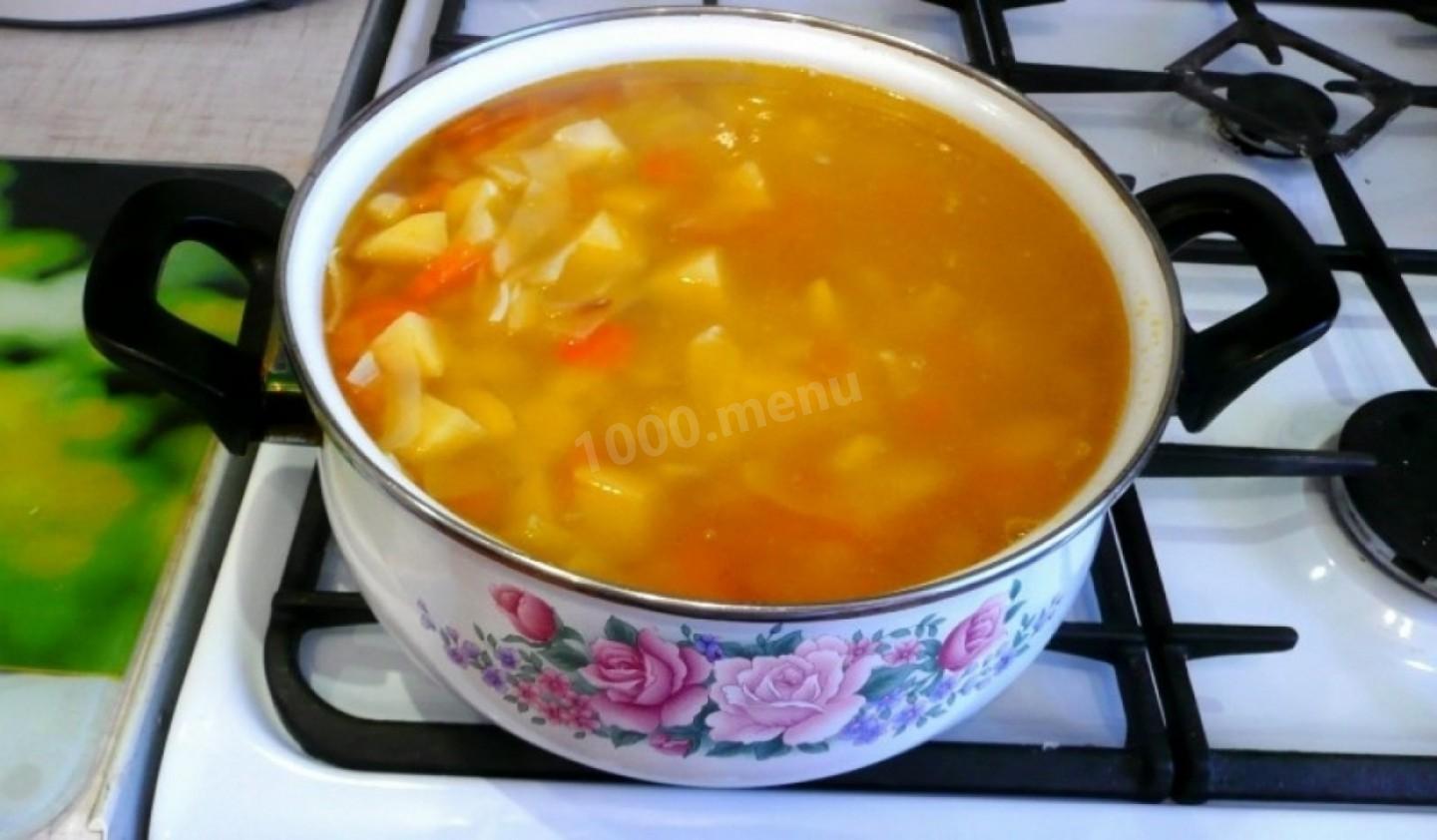
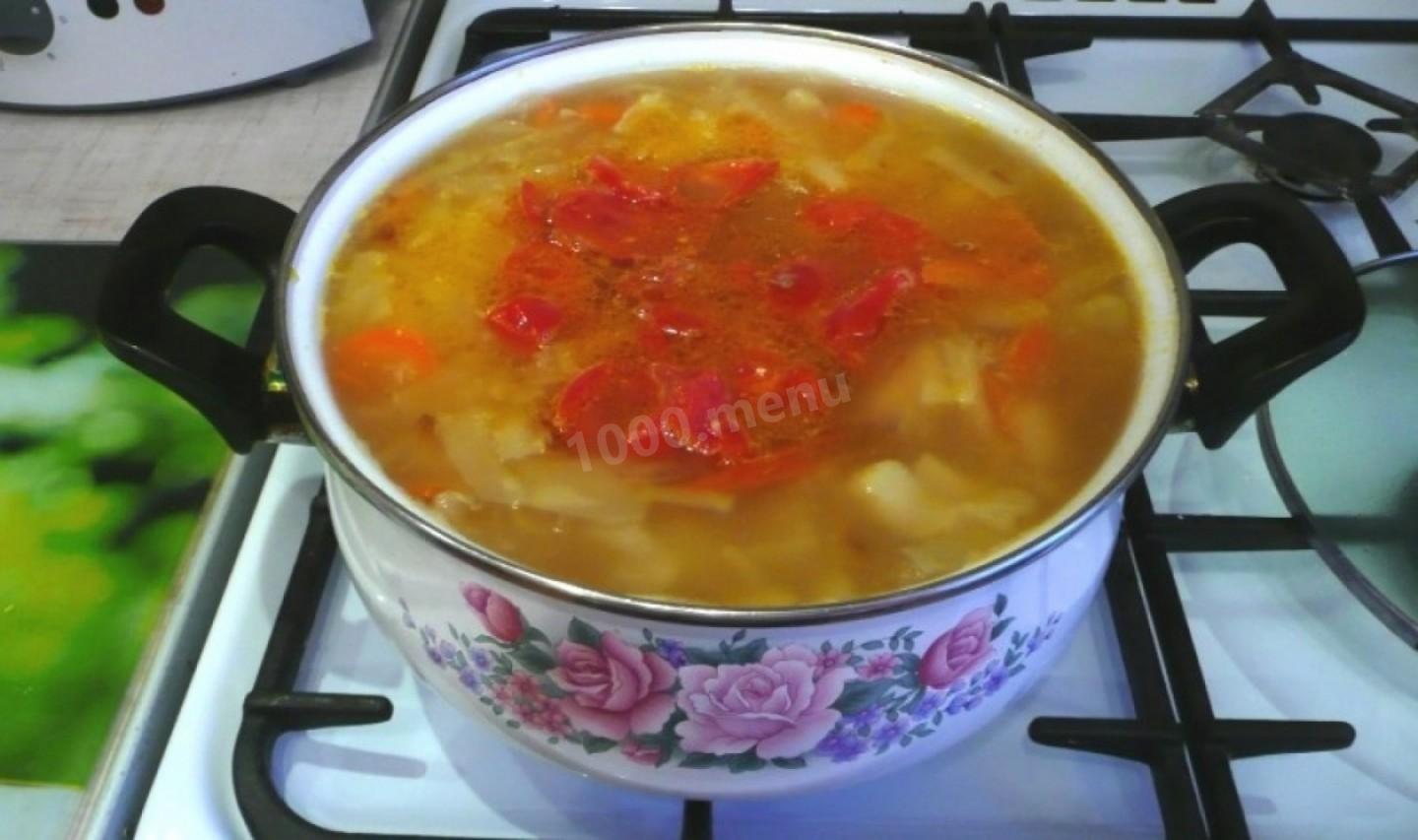
When the broth with the cabbage comes to a boil, add the potatoes and the sautéed vegetables. Keep cooking for another 25–30 minutes, or until the potatoes are tender.
-
Step 10:
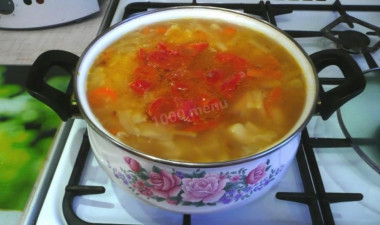
10 minutes before the end, add the tomatoes and salt to taste.
-
Step 11:
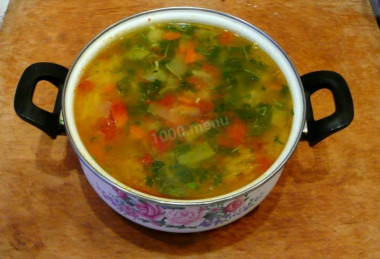
Stir finely chopped fresh herbs into the finished soup — you can also do this right before serving.
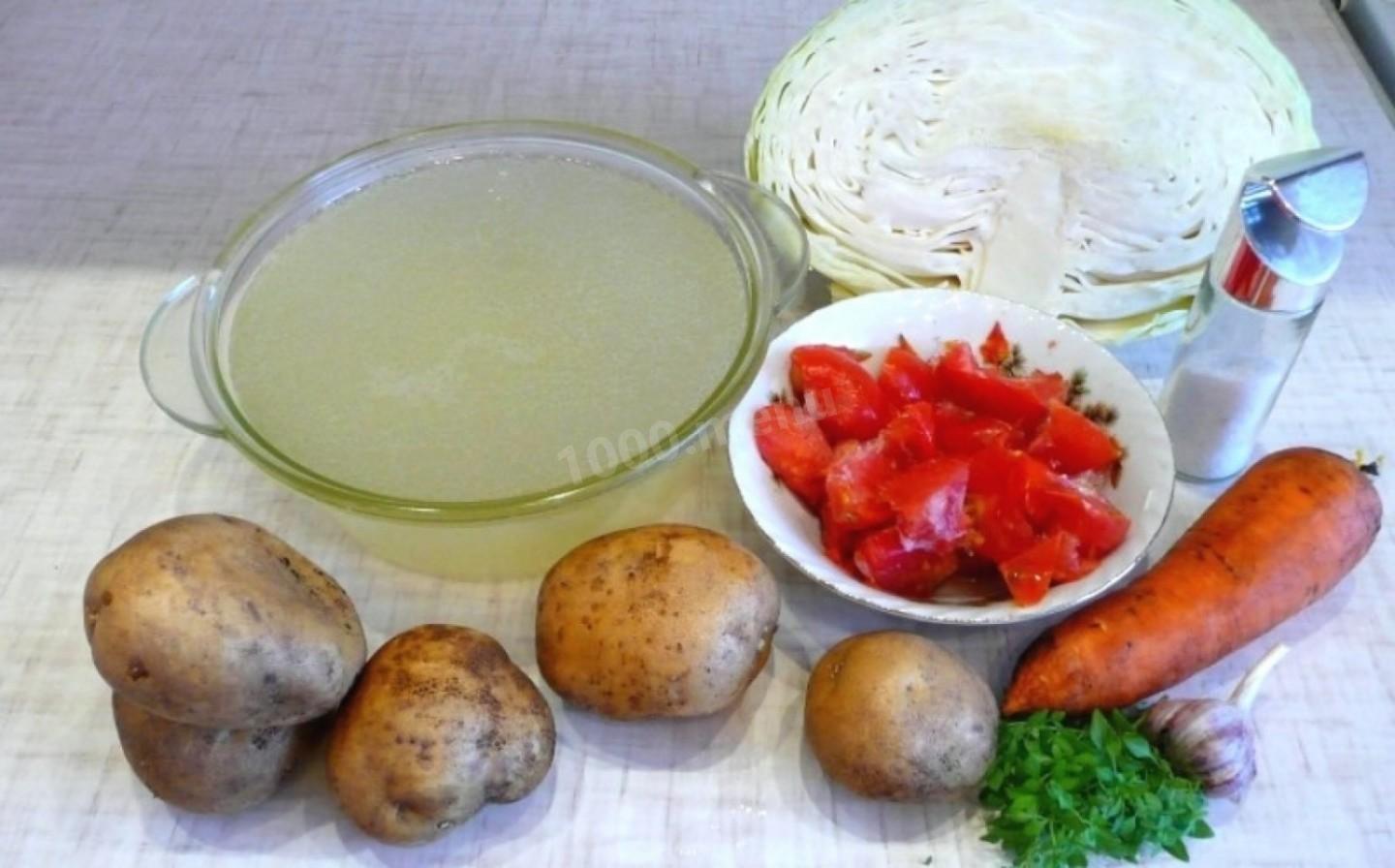
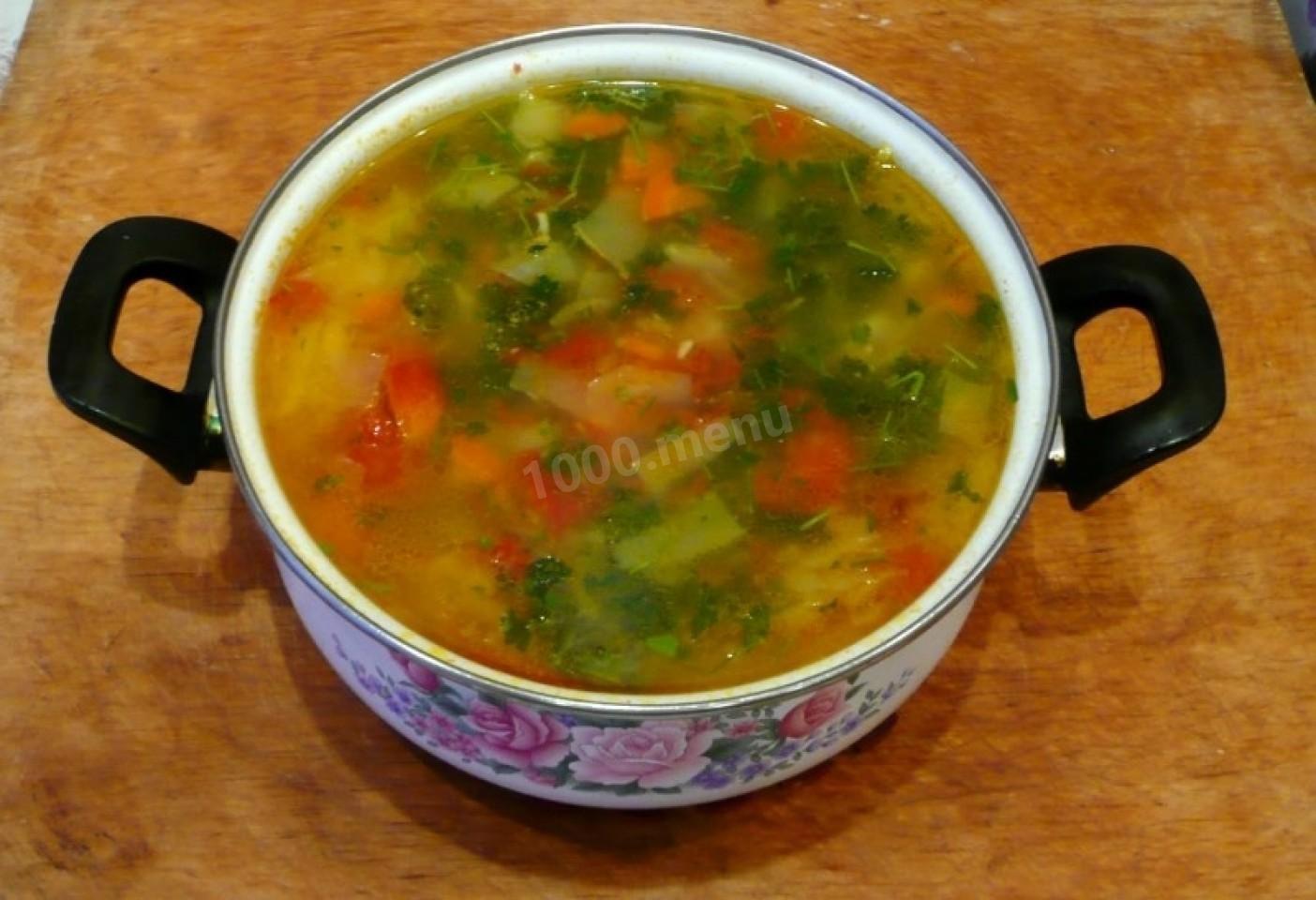
- This soup comes out fragrant, delicious, and best of all, packed with vitamins. It's especially good in summer, when the vegetables go into the pot straight from the garden. In winter, a good peasant soup warms you up, wards off colds, and reminds you of summer. In the cold months we buy our vegetables at the store or pull them from the cellar, so you can swap the fresh tomatoes for tomato purée — about 2 tablespoons for every 1.5 liters of liquid — or, as I do, take tomatoes (and herbs, too) from the freezer; frozen herbs are nearly as good as fresh.
Caloric content of the products possible in the composition of the dish
- Ripe potatoes - 80 kcal/100g
- Baked potatoes - 70 kcal/100g
- Mashed potatoes - 380 kcal/100g
- Boiled potatoes - 82 kcal/100g
- Potatoes in uniform - 74 kcal/100g
- Fried potatoes - 192 kcal/100g
- Tomatoes - 23 kcal/100g
- Carrots - 33 kcal/100g
- Dried carrots - 275 kcal/100g
- Boiled carrots - 25 kcal/100g
- Garlic - 143 kcal/100g
- Salt - 0 kcal/100g
- Onion - 41 kcal/100g
- White cabbage - 28 kcal/100g
- Boiled white cabbage - 21 kcal/100g
- Fresh frozen soup greens in a package - 41 kcal/100g
- Greenery - 41 kcal/100g
- Broth - 15 kcal/100g
Similar recipes


- Soups
- Vegetables
- Spices seasonings spices
- Other
- Garlic
- Зелень
- Salt
- Broth
- Cooking
- Lean entrees
- Cabbage soup
- Vegetable soup vegetarian
- Tomato soup
- Meat-free soup
- Potato soup
- Slimming soup
- Vegetarian soups
- From carrots
- From potatoes
- From cabbage
- From tomato
- From onion
- No eggs
- Vegetarianism
- Lean table
- Recipes for lean dishes without butter