Classic Italian Bolognese Sauce with Ground Meat
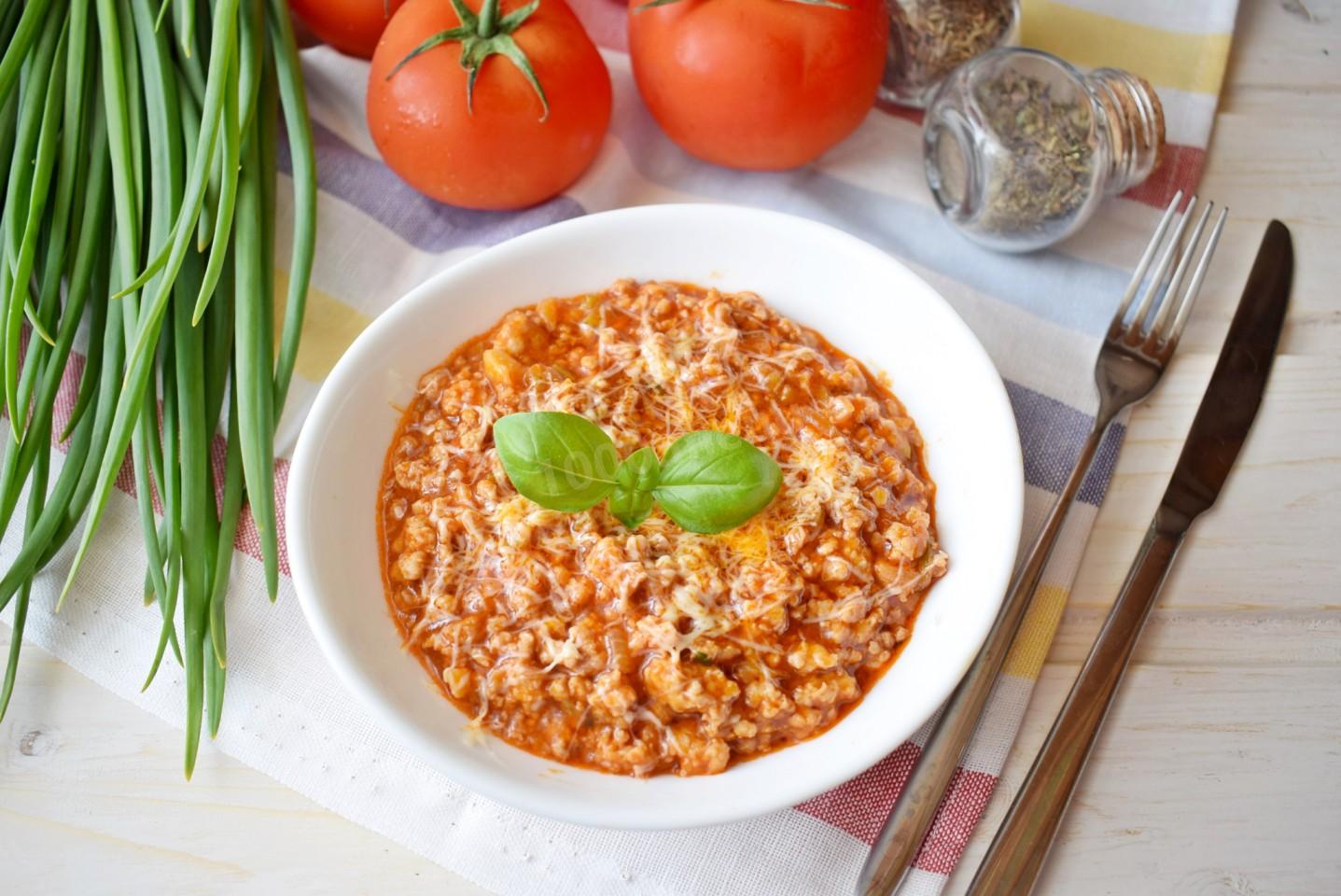
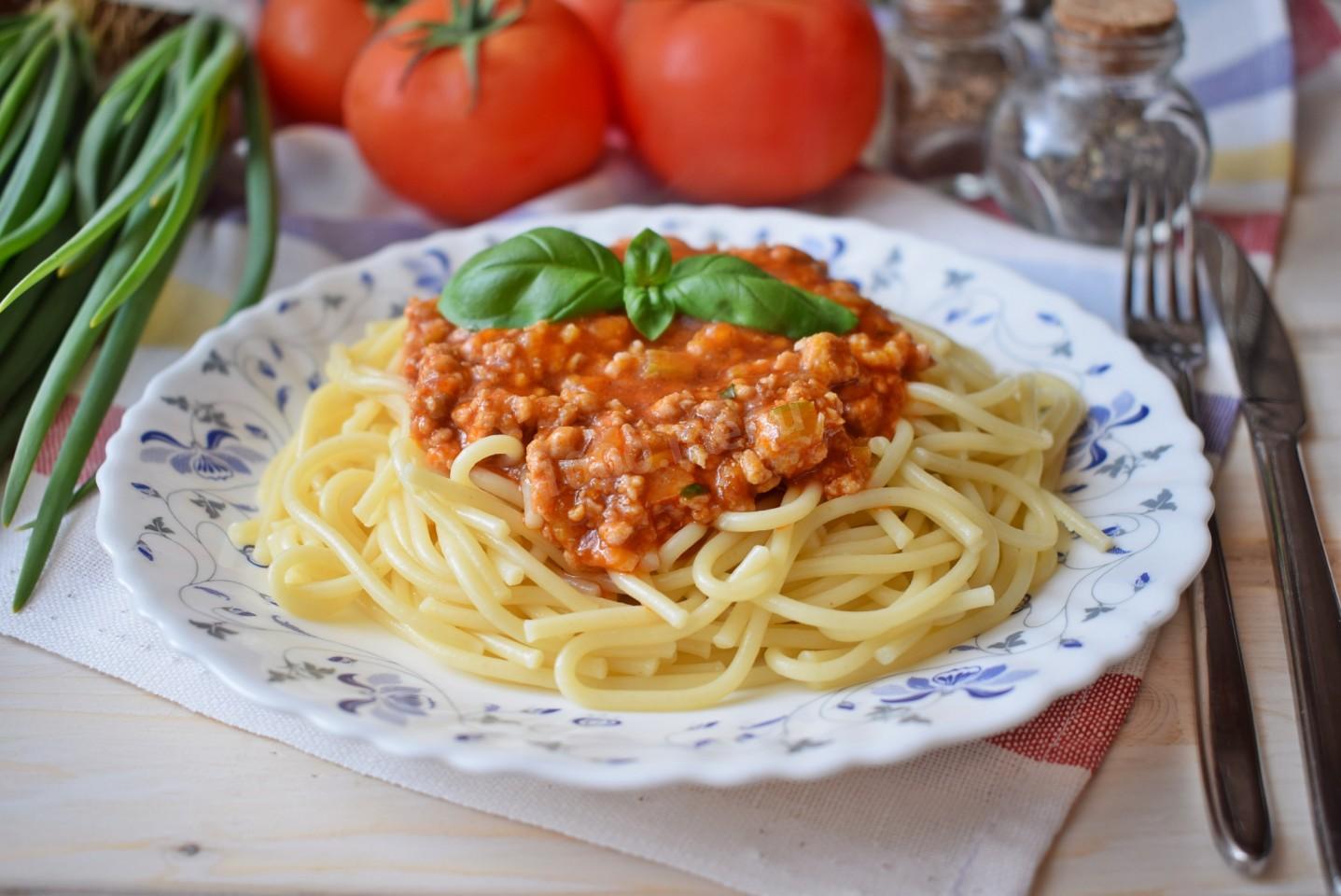
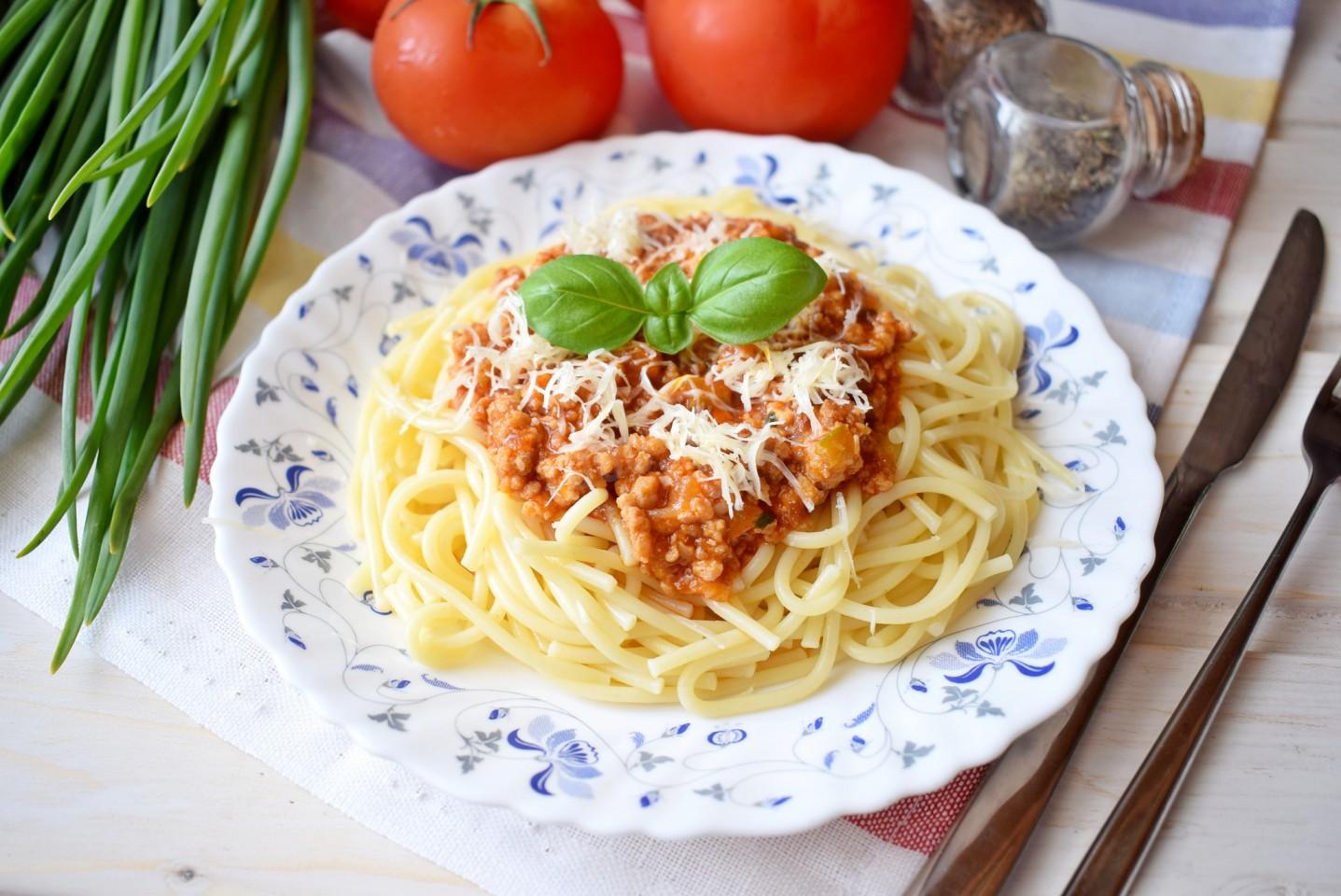
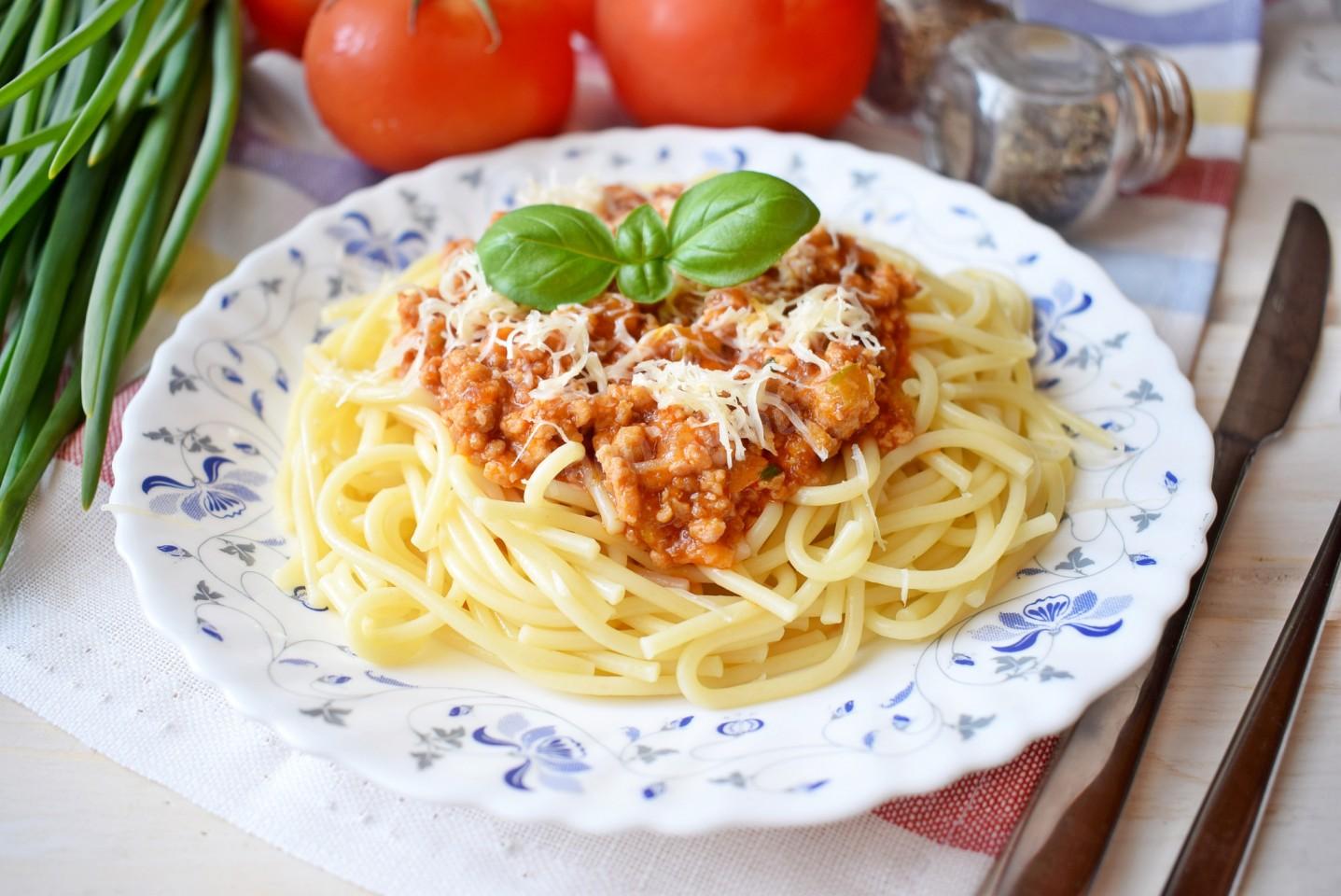
A wonderfully fragrant, savory topping for spaghetti. Bolognese is one of Italy's most famous dishes — a rich meat sauce built on aromatic herbs and vegetables. For the herbs, reach for basil, and make sure it's fresh. Give it a try!

Cooking method
-
Step 1:
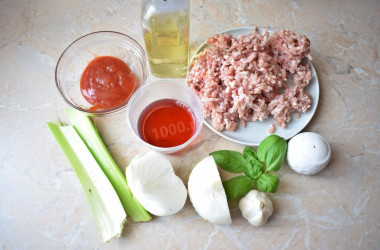
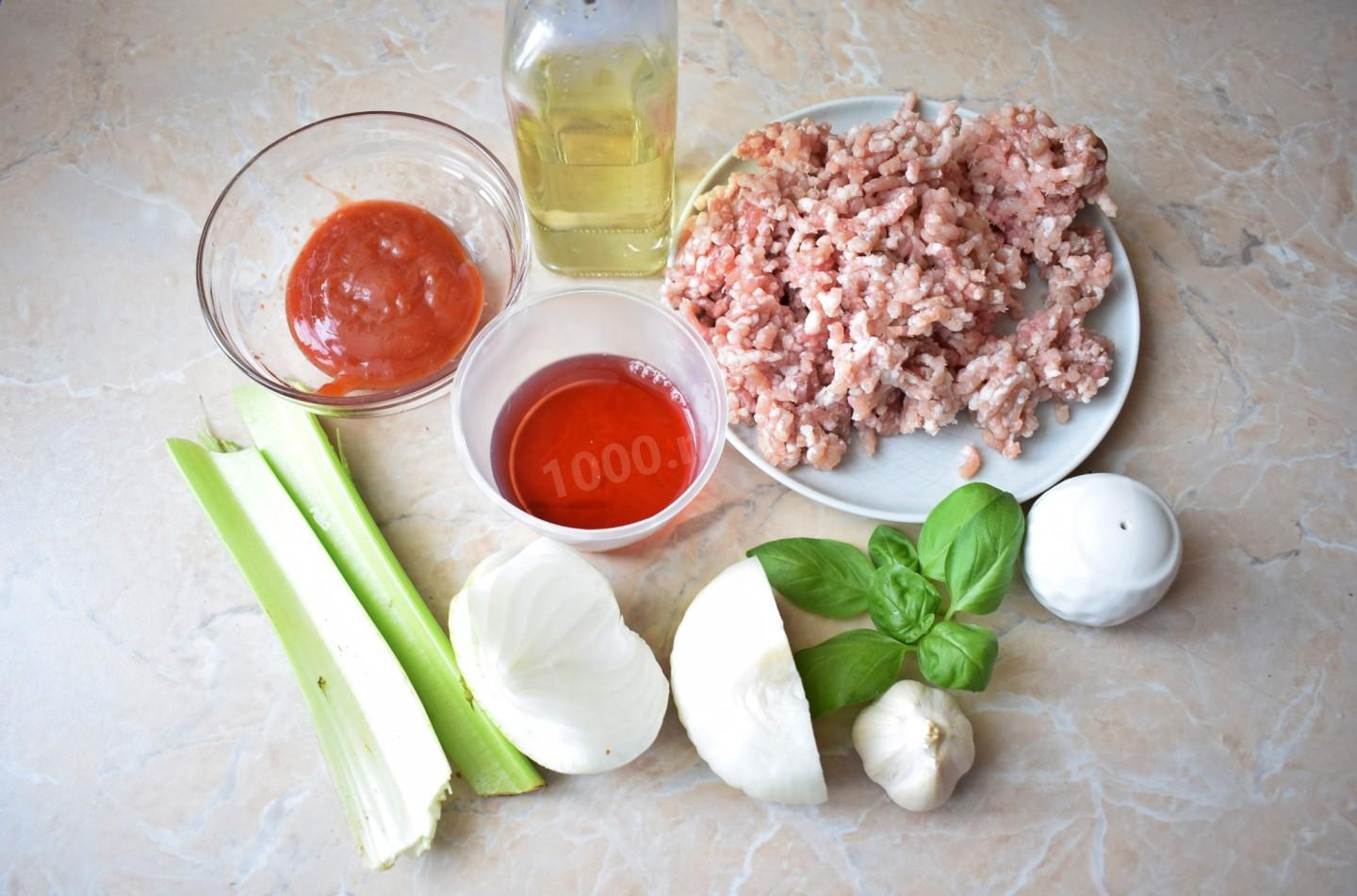
How do you make classic Italian bolognese sauce with ground meat? Start by gathering all your ingredients. You can use ground pork, beef, or a pork-beef blend — I'm going with ground pork. For the best flavor, use meat that hasn't been frozen. Peel the onion and rinse it under cold water. Wash the fresh basil leaves and the celery. If you don't have tomato paste, canned tomatoes in their own juice work too.
-
Step 2:
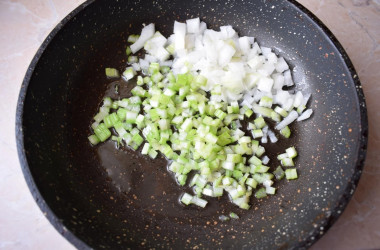
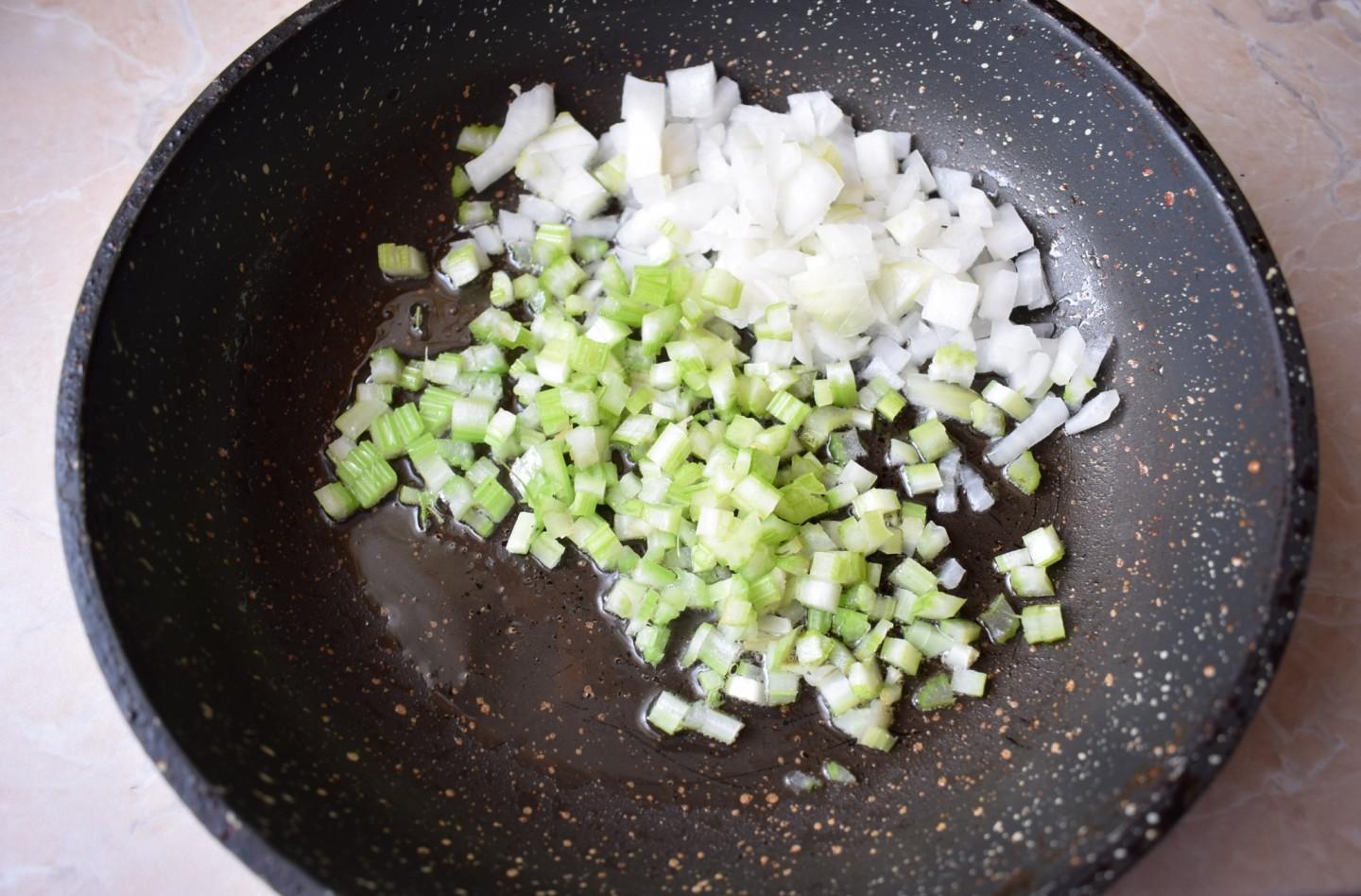
Set a suitably sized skillet over the heat. While it warms up, finely chop the peeled onion and the celery. Pour a little olive oil into the hot skillet and add the chopped vegetables. Sauté, stirring now and then, until golden.
-
Step 3:
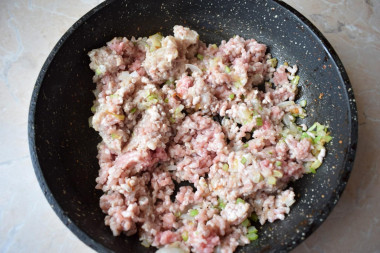
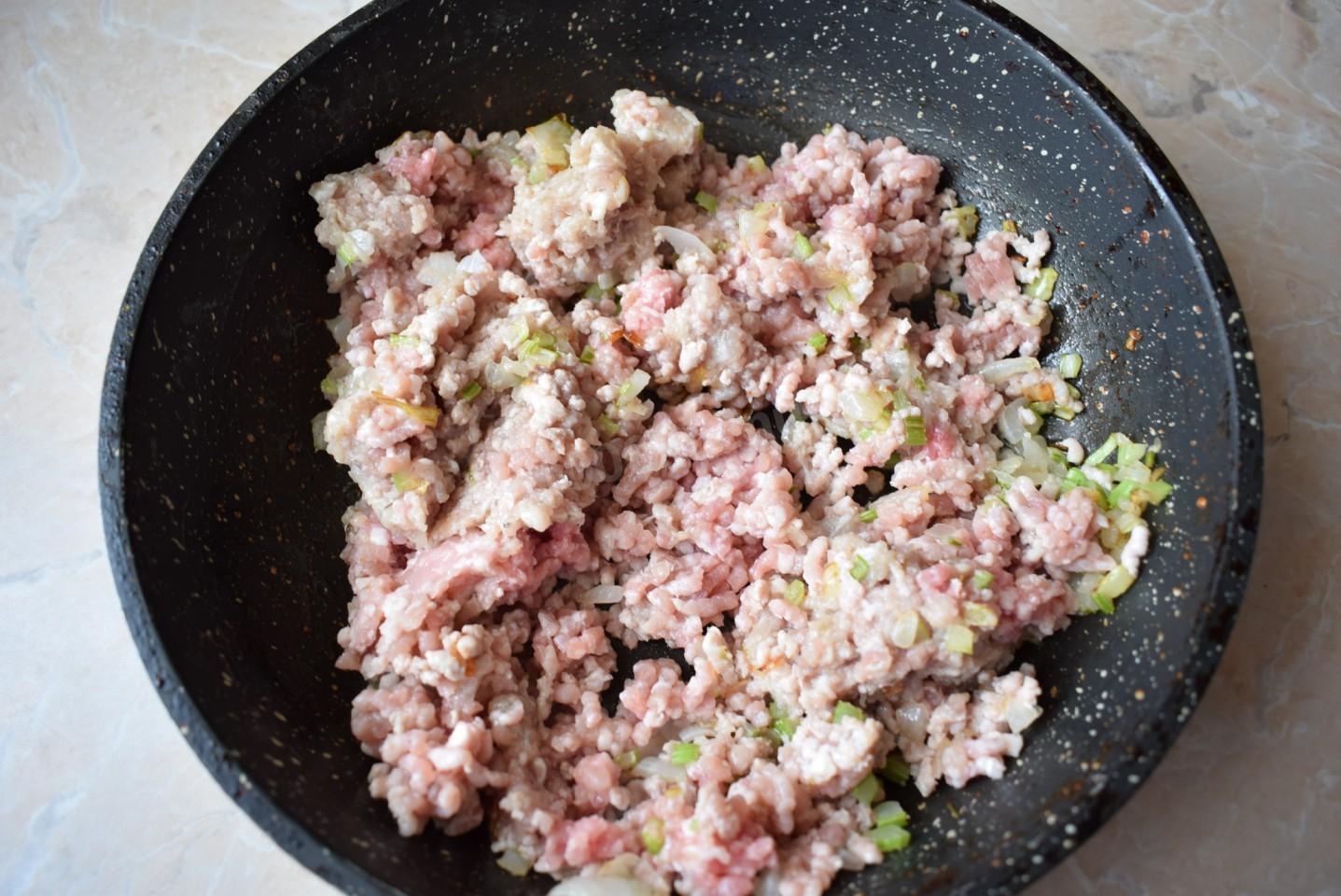
Add the ground meat to the skillet. Stir everything together and cook until the meat is done — about 7–8 minutes. Keep stirring so the meat doesn't scorch.
-
Step 4:
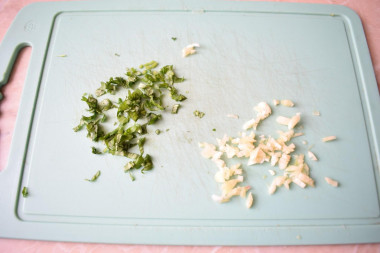
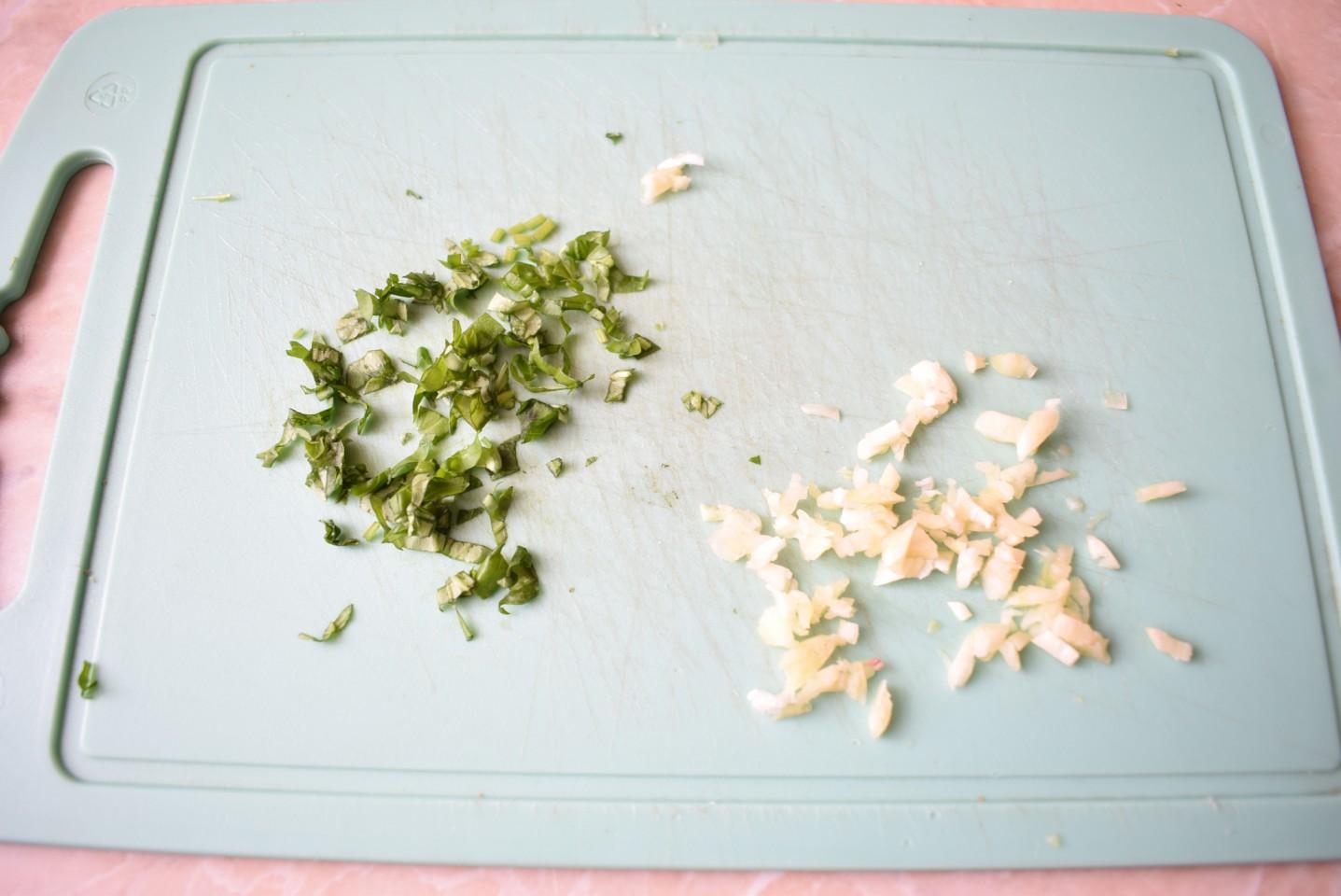
Meanwhile, mince the garlic and basil.
-
Step 5:
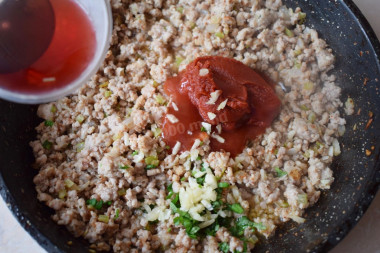
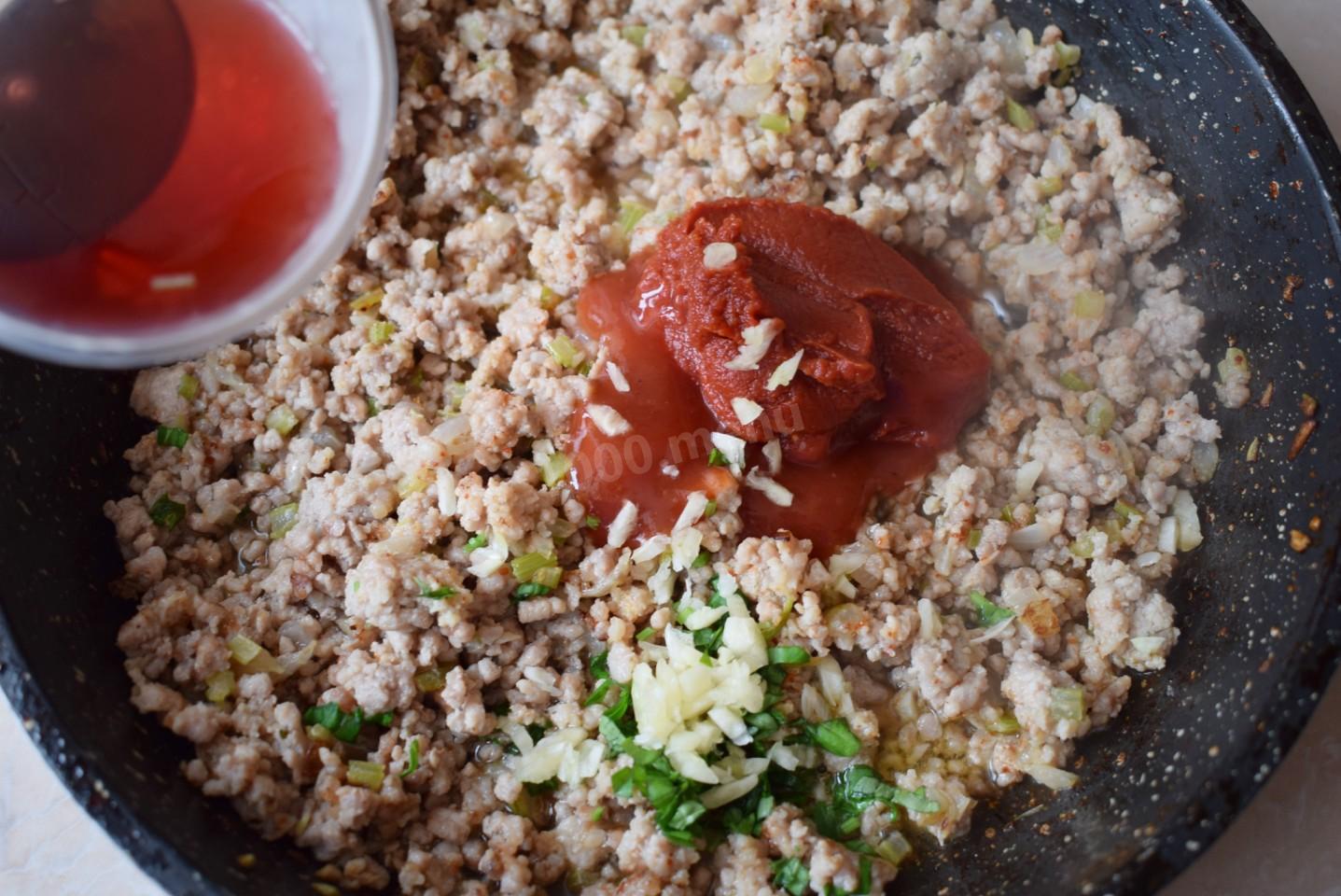
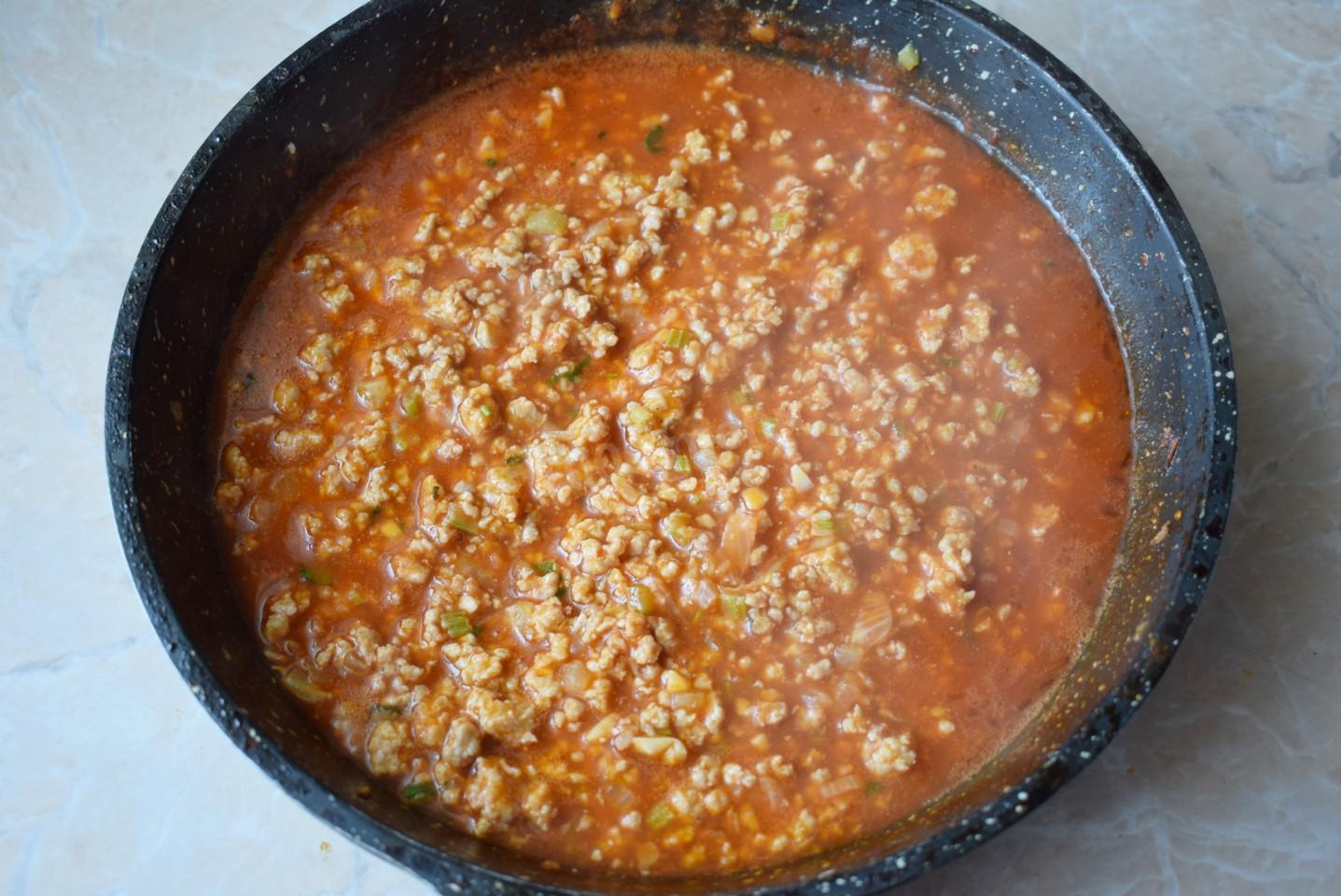
Add the tomato paste and the minced garlic and basil to the meat in the skillet. Season to taste with salt and a sprinkle of ground black pepper. Pour in the dry red wine and stir well. Cover the skillet and simmer over low heat for 5–7 minutes.
-
Step 6:
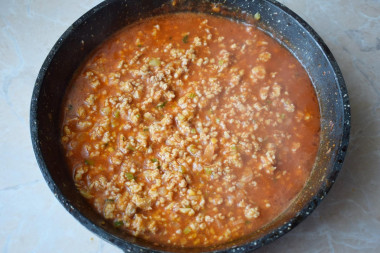
Our sauce is ready! It shouldn't be too thin — the consistency is closer to a ragù. Serve it with a pasta like tagliatelle, penne, or fettuccine, though regular spaghetti works just fine too. Cook the pasta until done, following the package directions.
-
Step 7:
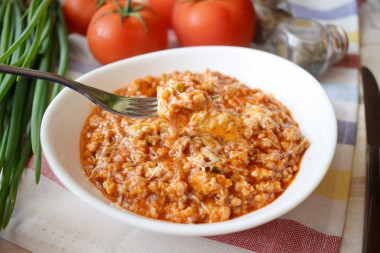
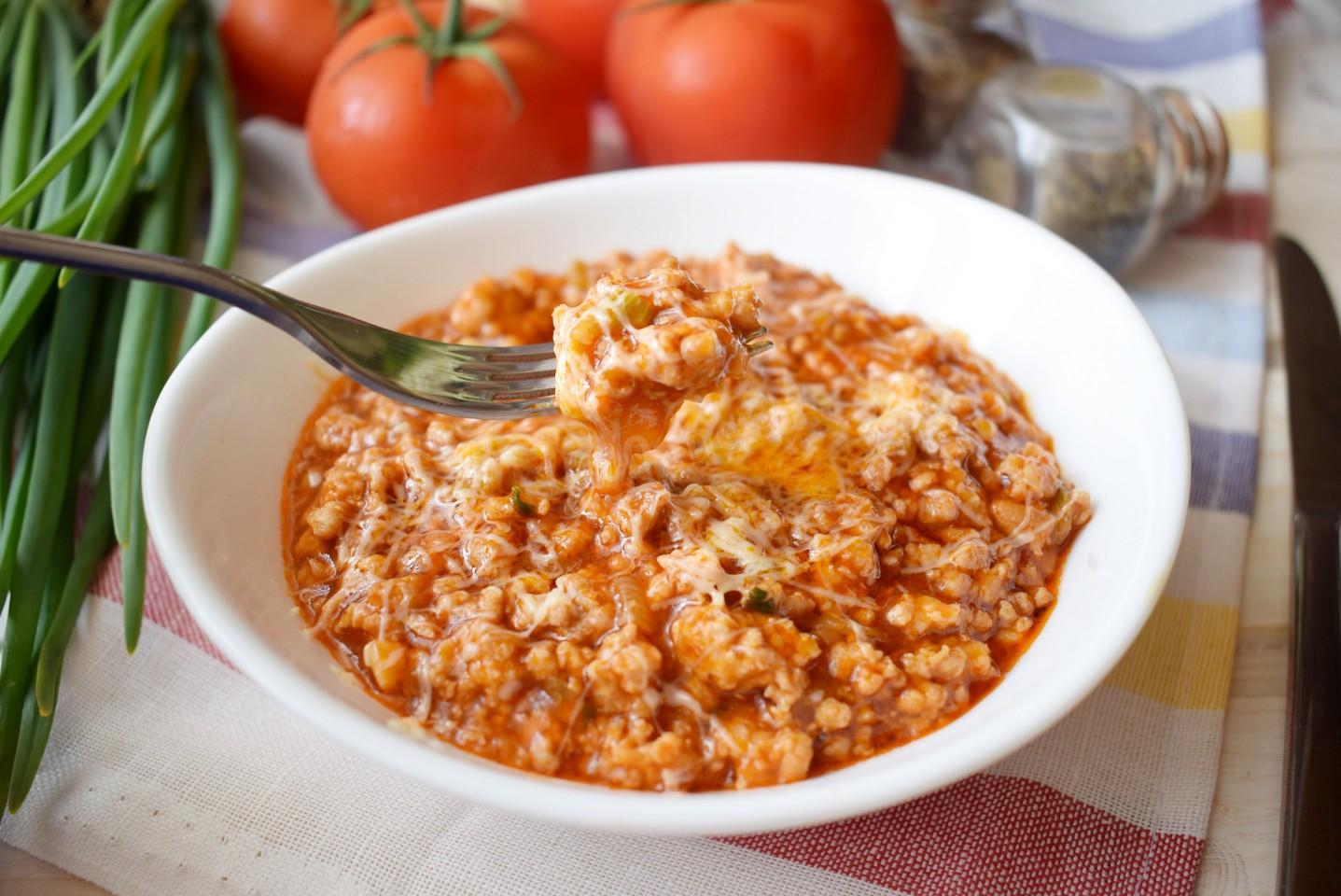
Spoon the finished sauce over the spaghetti and top with grated cheese. Grated Parmesan is the classic choice here — its distinctive flavor pairs beautifully with the whole dish. Enjoy!
- You can make this sauce ahead and keep it for a few days. It stores nicely in the fridge for 2–3 days; just reheat it in the microwave when you're ready to use it. Always grate the cheese fresh right before serving, though.
- Important! The wrong pan can ruin even the best recipe. For all the details on choosing the perfect skillet for different dishes, see here.
- Oils are only good up to a certain point — the smoke point, where the oil starts to burn and forms harmful compounds, including carcinogens. For how to gauge frying temperature and pick the best oil for the job (and which ones to skip entirely), see here.
- If you use a pre-made spice blend, always read the label. These mixes often already contain salt, so keep that in mind or you risk over-salting the dish.
Caloric content of the products possible in the composition of the dish
- Onion - 41 kcal/100g
- Garlic - 143 kcal/100g
- Fresh basil - 27 kcal/100g
- Dried basil - 251 kcal/100g
- Ground black pepper - 255 kcal/100g
- Celery - 12 kcal/100g
- Celery Roots - 32 kcal/100g
- Liqueur wines - 212 kcal/100g
- Semi-dry wines - 78 kcal/100g
- Dry wines - 64 kcal/100g
- Red wine - 88 kcal/100g
- Mixed minced meat - 351 kcal/100g
- Tomato paste - 28 kcal/100g
- Salt - 0 kcal/100g
- Olive oil - 913 kcal/100g
Similar recipes
- National cuisine
- Classic recipes
- Second course
- Sauces
- Meat and meat products
- Vegetables
- Spices seasonings spices
- Fats and oils
- Alcohol
- Other
- Garlic
- Basil
- Pepper
- Celery
- Salt
- Vegetable oil
- Purchased wine
- Mediterranean cuisine
- Sauces classic
- Frying
- Stewing
- In a frying pan
- Meat second course
- Pasta sauce
- Garlic sauce
- Homemade tomato sauce
- Minced meat
- From onion
- No eggs
- Recipes for lean dishes without butter