Fish and Tamarind Curry
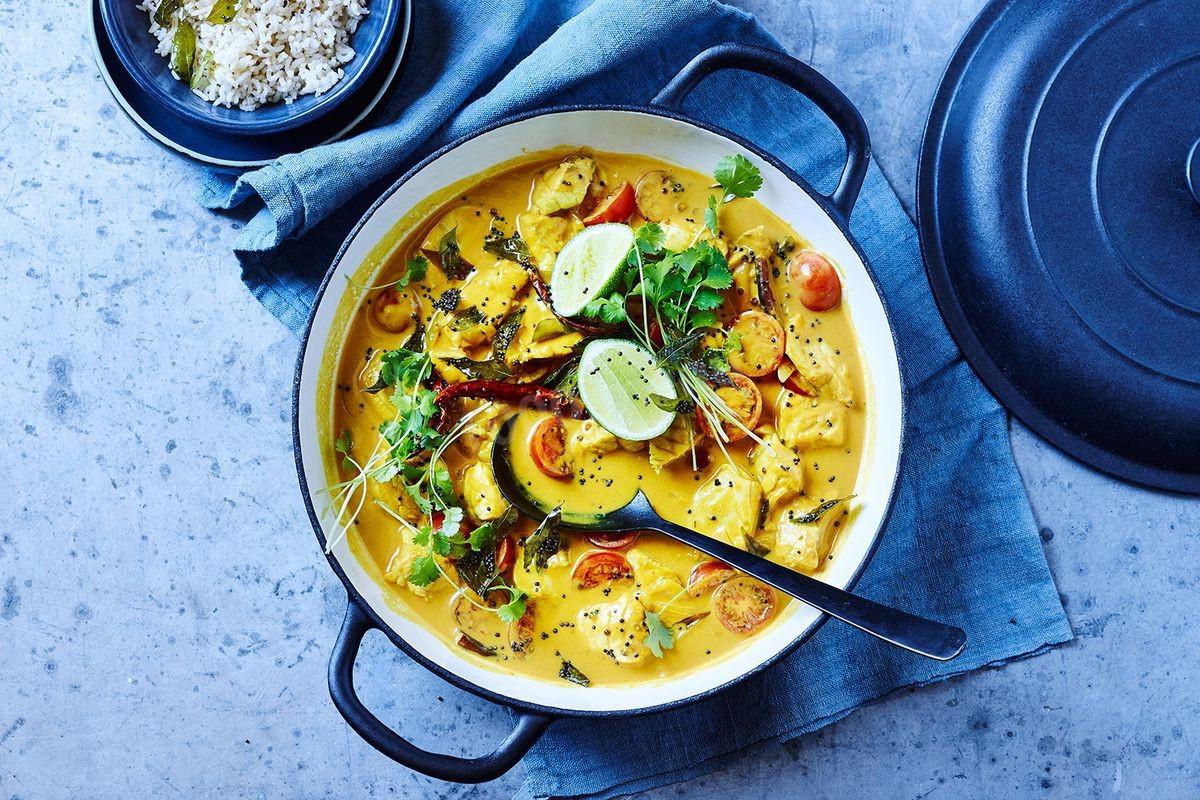
Dive into zesty Indian cooking! Seriously delicious! Fish and tamarind curry is a bold dish, one of the many Indian curry variations. Curry is usually made with vegetables, meat, or fish. But since the dish has won over food lovers all over the world, it keeps evolving — ingredients get swapped or added, and so do the steps. Yet no matter how it's reinvented, it stays fragrant, zesty, and spicy. With curry only growing in popularity, this is a dish you simply have to try!
tasiyL
Recipe author
Fish and Tamarind Curry
Nutrients and energy value of the composition of the recipe
By weight of the composition:
Proteins 32 %
7 g
Fats 50 %
11 g
Carbohydrates 18 %
4 g
165 kcal
GI:
100
/
0
/
0
- Curry isn't just a spice blend — it's also the name for a whole range of spicy dishes, thick or thin, usually built on braised vegetables, legumes, fish, or meat. This recipe shares how to make a zesty, fragrant fish curry. Use any fish you like; haddock or cod fillet is perfect. 1. How do you make fish and tamarind curry? Put the coconut oil in a large heavy-bottomed pot over the heat. Once it melts, add the dried chili pods along with the mustard and coriander. Keep it over low heat for 1–2 minutes to draw out the spice aroma. 2. Peel the onion and cut it into small cubes. Peel and mince the garlic. Add the curry powder, onion, and garlic to the pot. Raise the heat to medium and sauté, stirring now and then, for five minutes, until the onion softens. 3. Now add the turmeric and tomato paste and stir. After a couple of minutes, pour in the coconut milk and stock and bring to a boil; the sauce should thicken slightly. 4. Cut the fish fillet into small pieces. Add the fish to the pot, then stir in the tamarind paste. Simmer for 5 minutes. 5. Wash the cherry tomatoes and halve each one. Wash the cilantro leaves and add them to the curry along with the tomatoes. That's it — a minute later you can turn off the heat. 6. Serve garnished with cilantro sprigs and lime wedges. Rice is the traditional side; brown basmati is perfect. Cook with pleasure and eat well!
- Because everyone's tolerance for salty, sweet, bitter, spicy, sour, and hot is different, always add spices and seasonings to your own taste! If you're using a seasoning for the first time, keep in mind that some are especially easy to overdo (chili pepper, for one).
- Any oil is only healthy up to a certain point — its smoke point, at which the oil starts to burn and forms harmful compounds, including carcinogens. To learn how to gauge frying temperature and choose the best oil for frying — and which to avoid entirely — read more here.
Caloric content of the products possible in the composition of the dish
- Garlic - 143 kcal/100g
- Dried ground cilantro - 216 kcal/100g
- Coriander - 25 kcal/100g
- Cilantro, coriander - 25 kcal/100g
- Turmeric - 325 kcal/100g
- Lime - 16 kcal/100g
- Curry - 352 kcal/100g
- Tomato paste - 28 kcal/100g
- Coconut milk - 230 kcal/100g
- Onion - 41 kcal/100g
- Chili pepper - 40 kcal/100g
- Cherry tomatoes - 15 kcal/100g
- Fish fillet - 204 kcal/100g
- Ground coriander - 25 kcal/100g
- Tamarind - 239 kcal/100g
- Coconut oil - 925 kcal/100g
- Fish broth - 49 kcal/100g
- Granular mustard - 135 kcal/100g
Similar recipes



Related and additional categories:
- National cuisine
- Second course
- Fish and seafood
- Dairy products
- Vegetables
- Fruit berries
- Legumes
- Spices seasonings spices
- Fats and oils
- Other
- Tamarind
- Garlic
- Mustard
- Карри
- Кинза
- Pepper
- Vegetable oil
- Broth
- Tomato paste
- Indian cuisine
- Frying
- Stewing
- Stewed vegetables
- Fish second course
- Fish with vegetables
- Fish fillet
- Milk
- From tomato
- From onion
- Lime
- No eggs
- Recipes for lean dishes without butter