Classic Mimosa salad with potatoes and canned fish
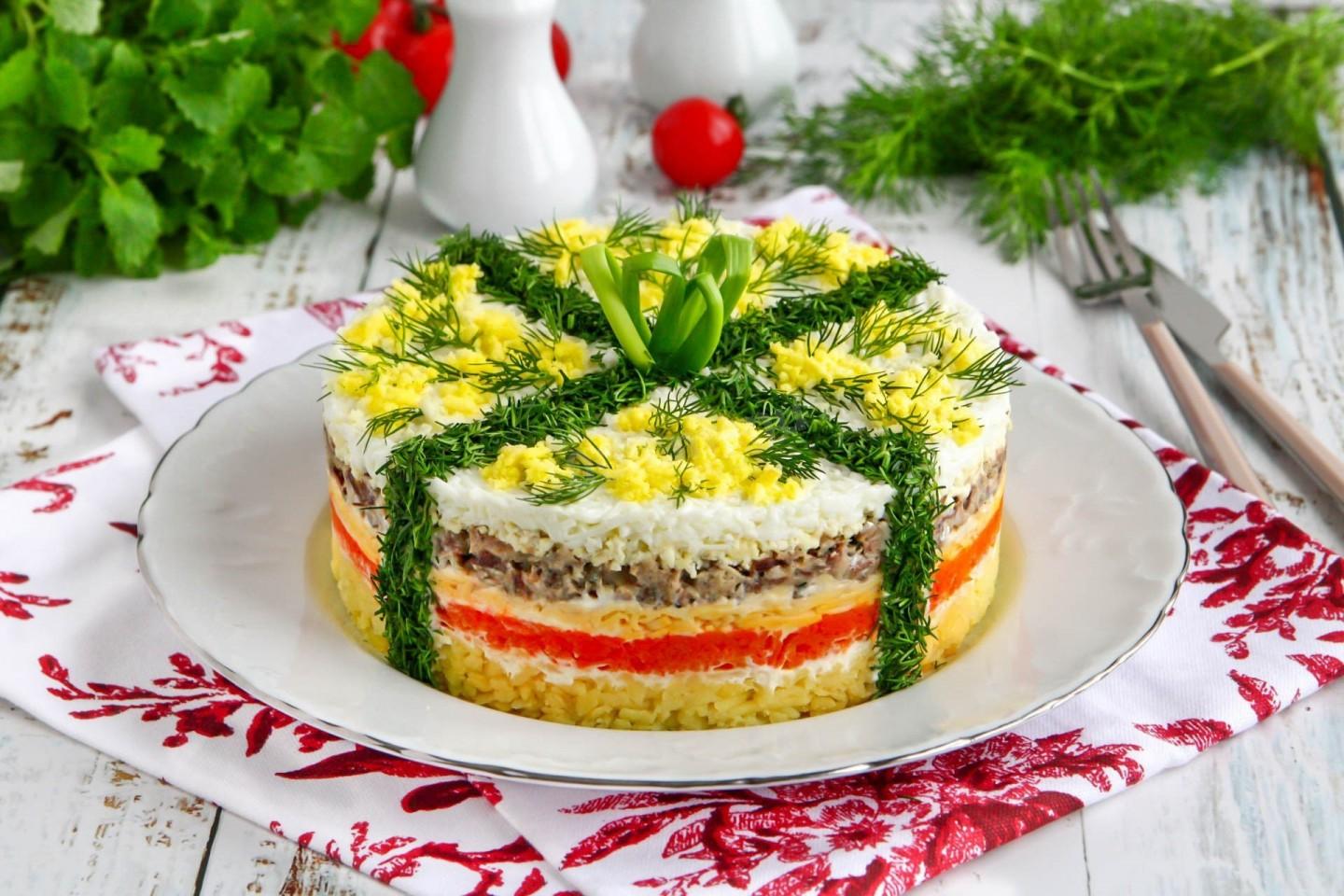
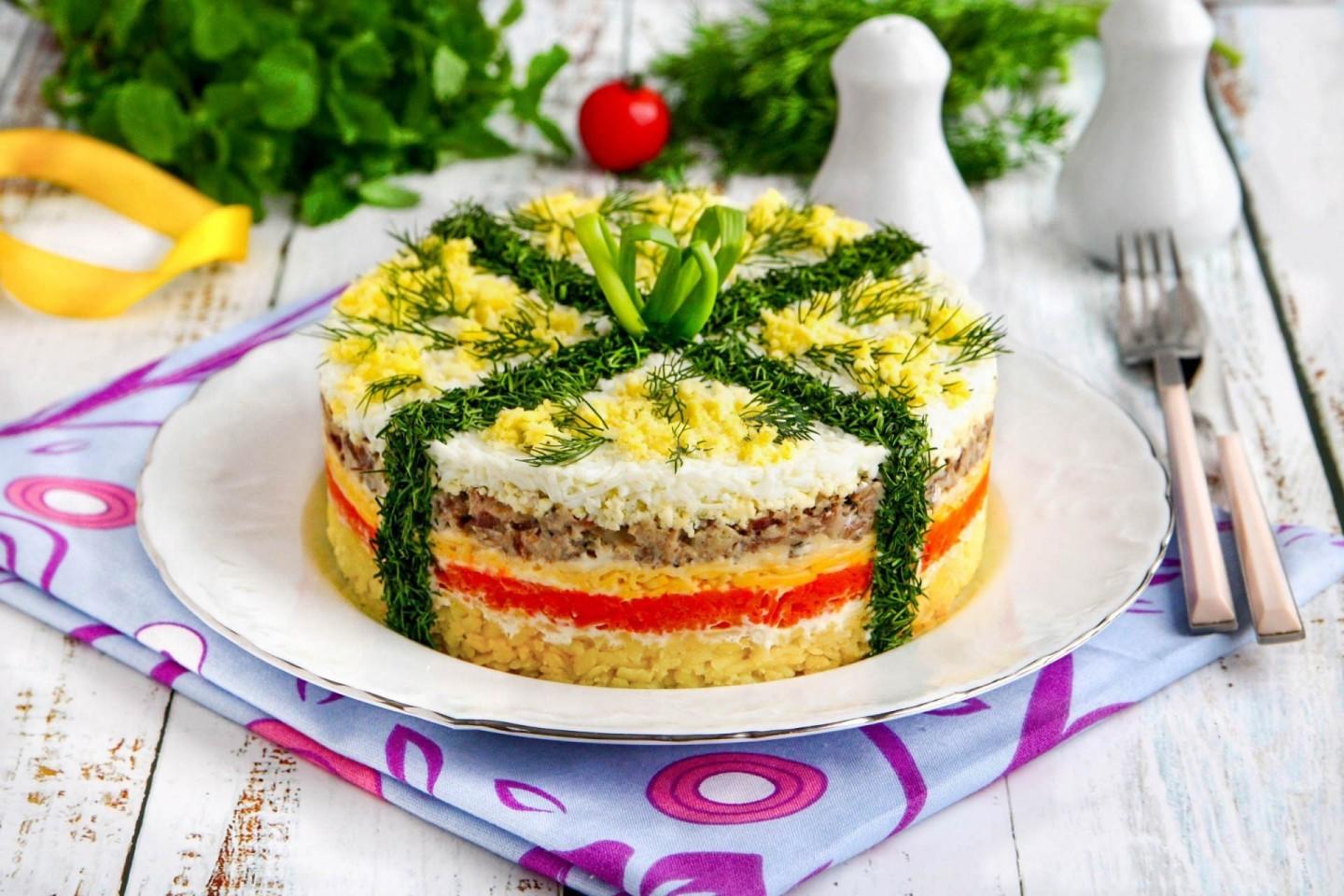
Well-known, popular, simple, and made from easy-to-find ingredients! Mimosa with potatoes and canned fish is a classic salad that's stayed popular for many years. Its mellow, balanced flavor and affordable ingredients are what make it so appealing to so many. Great for a family meal or a celebration!
Cooking method
-
Step 1:
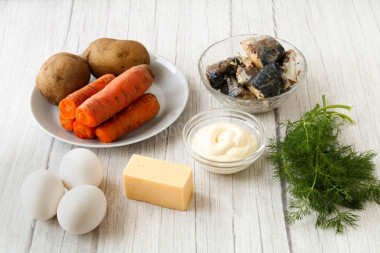
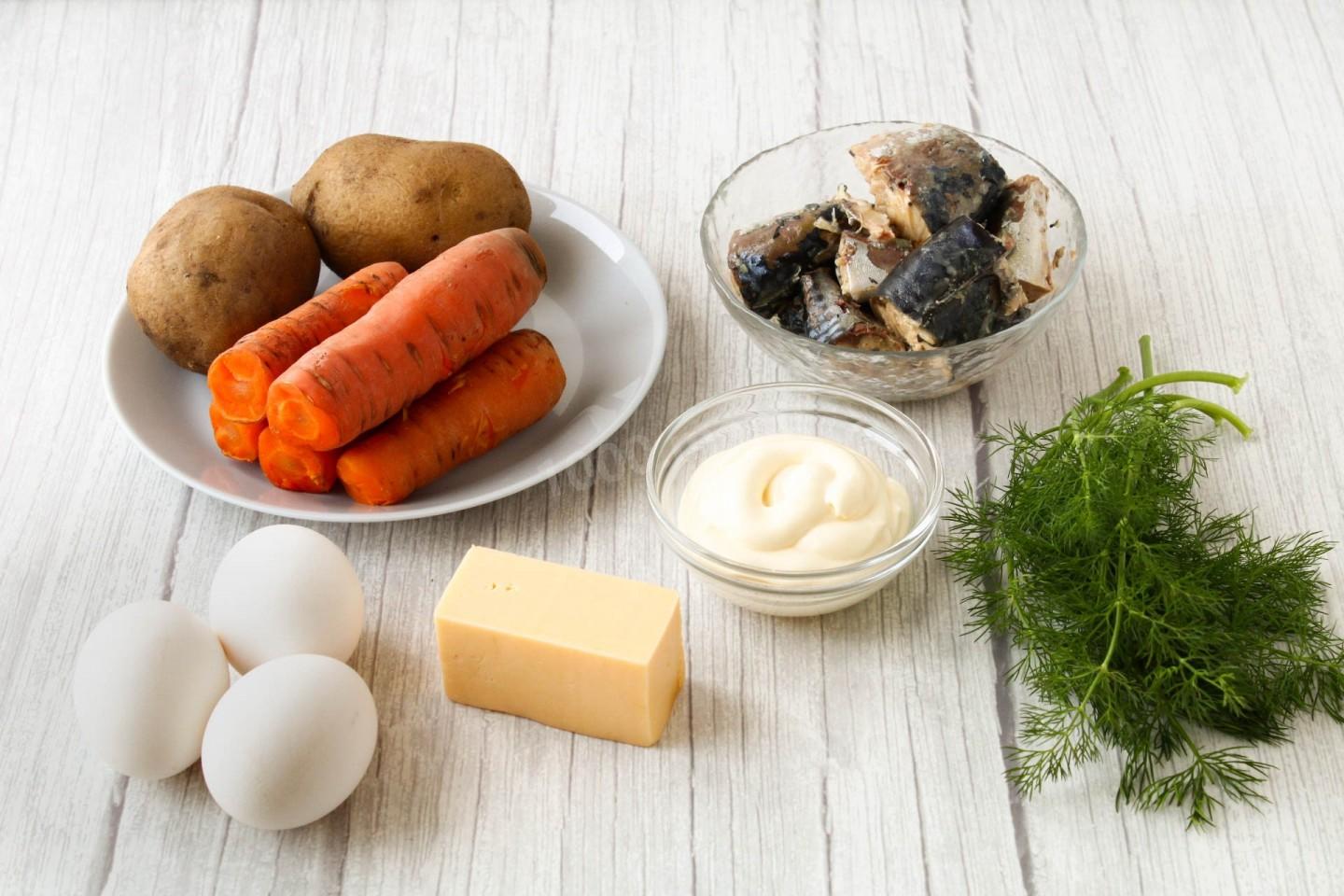
How do you make a classic Mimosa salad with potatoes and canned fish? Gather the ingredients. Any canned fish will do: sardines, saury, or mackerel, packed in either oil or its own juices.
-
Step 2:
Boil the potatoes and carrots ahead of time until tender. Check them with a knife—if it slides in easily, they're done. Take the cooked vegetables out of the water and cool them completely. Peel the potatoes and grate them on the coarse side of a grater.
-
Step 3:
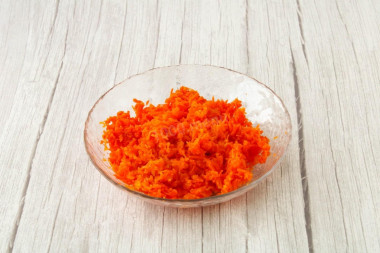
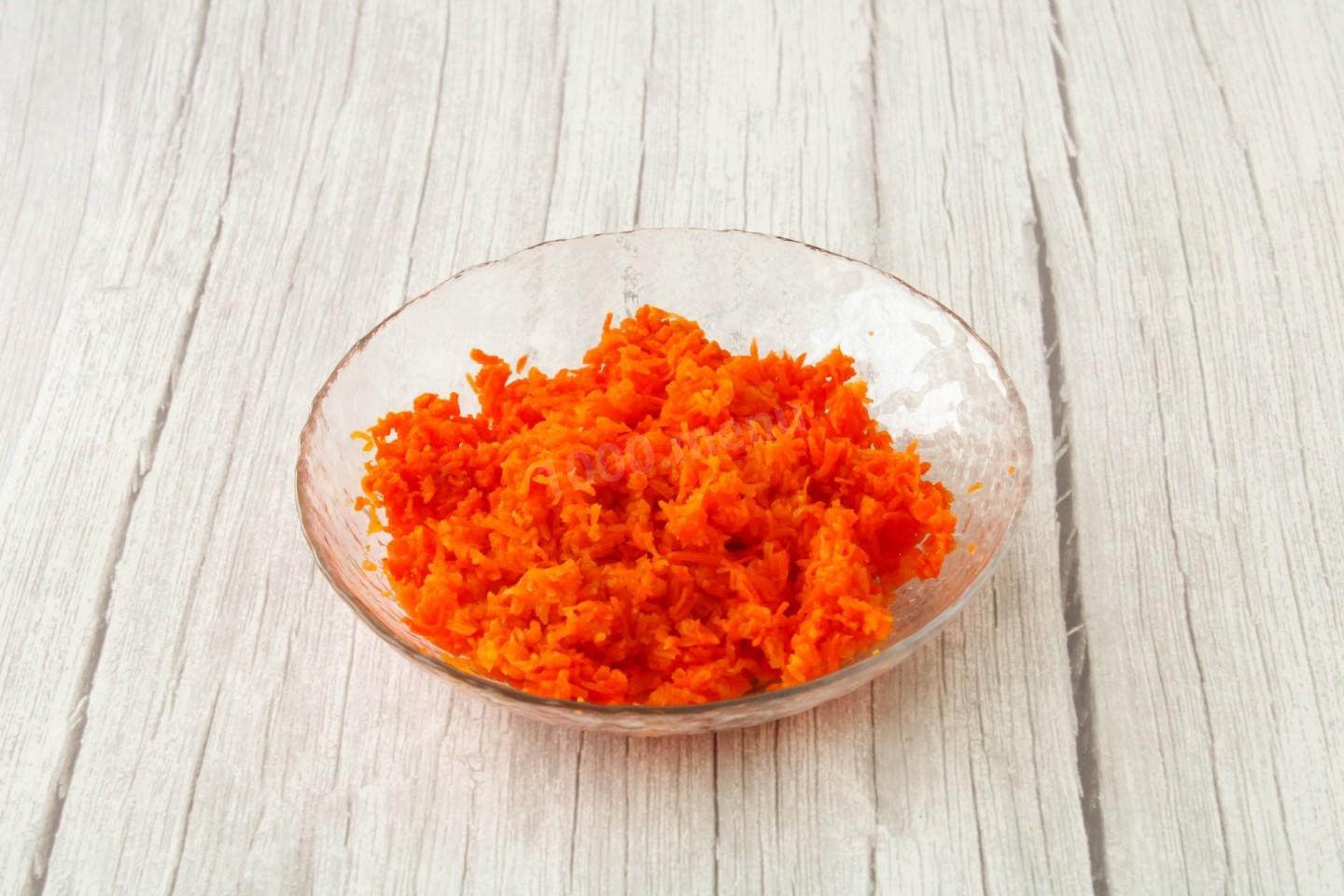
Peel the carrots too and grate them on the medium or fine side of a grater.
-
Step 4:
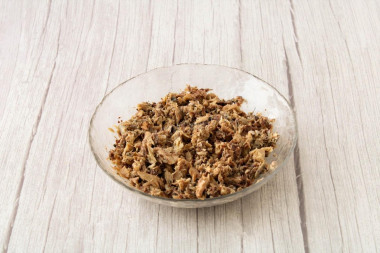
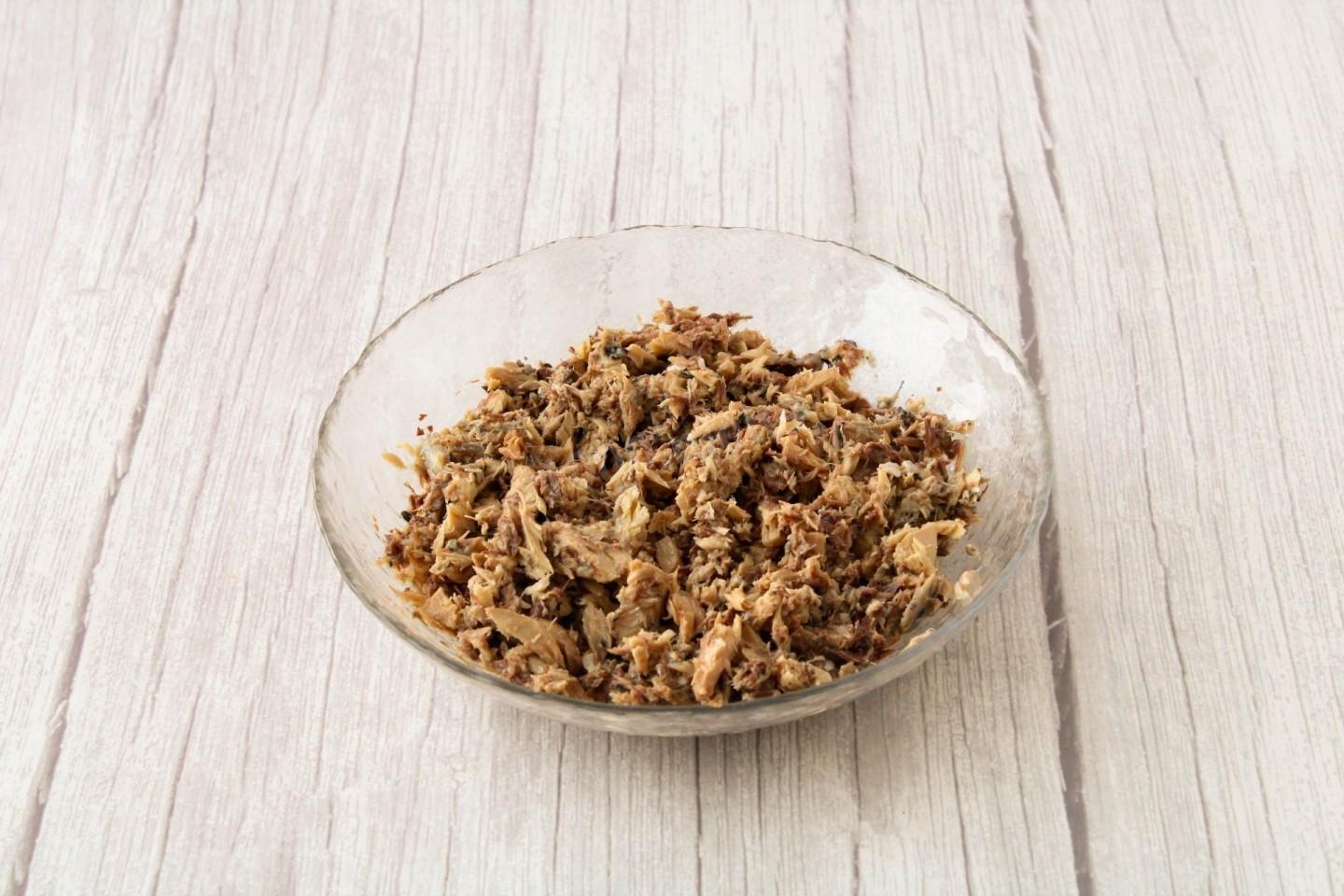
Put the canned fish in a suitably sized bowl. Mash it with a fork. Mine is packed in its own juices. I add that liquid to the fish, which makes the salad juicier. If you prefer, you can leave the liquid out.
-
Step 5:
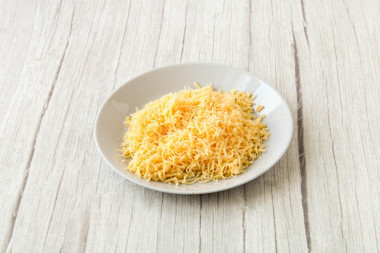
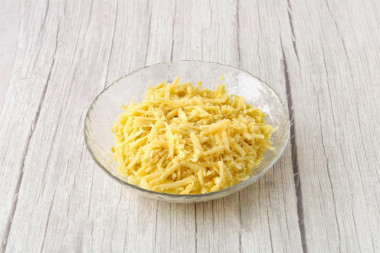
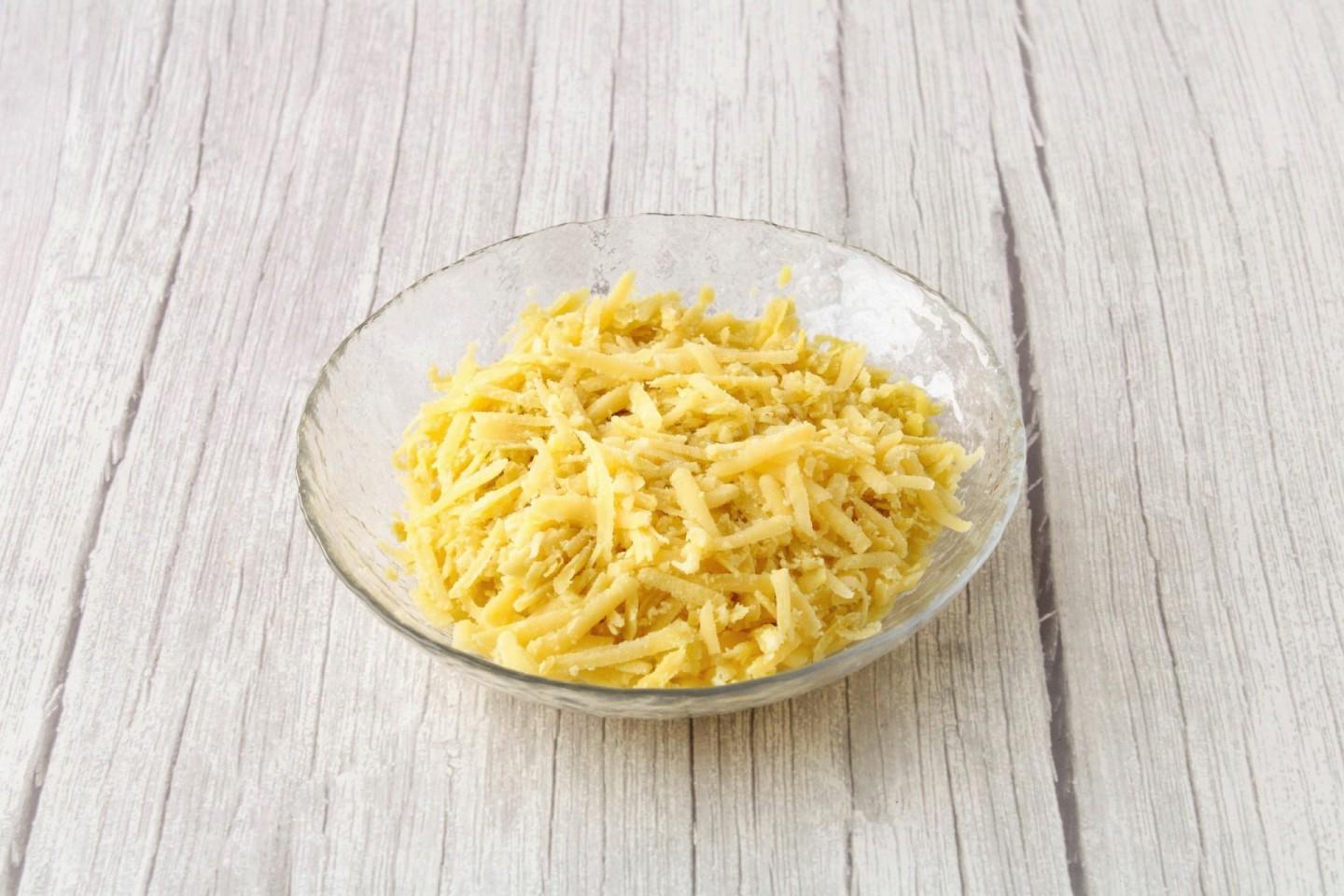
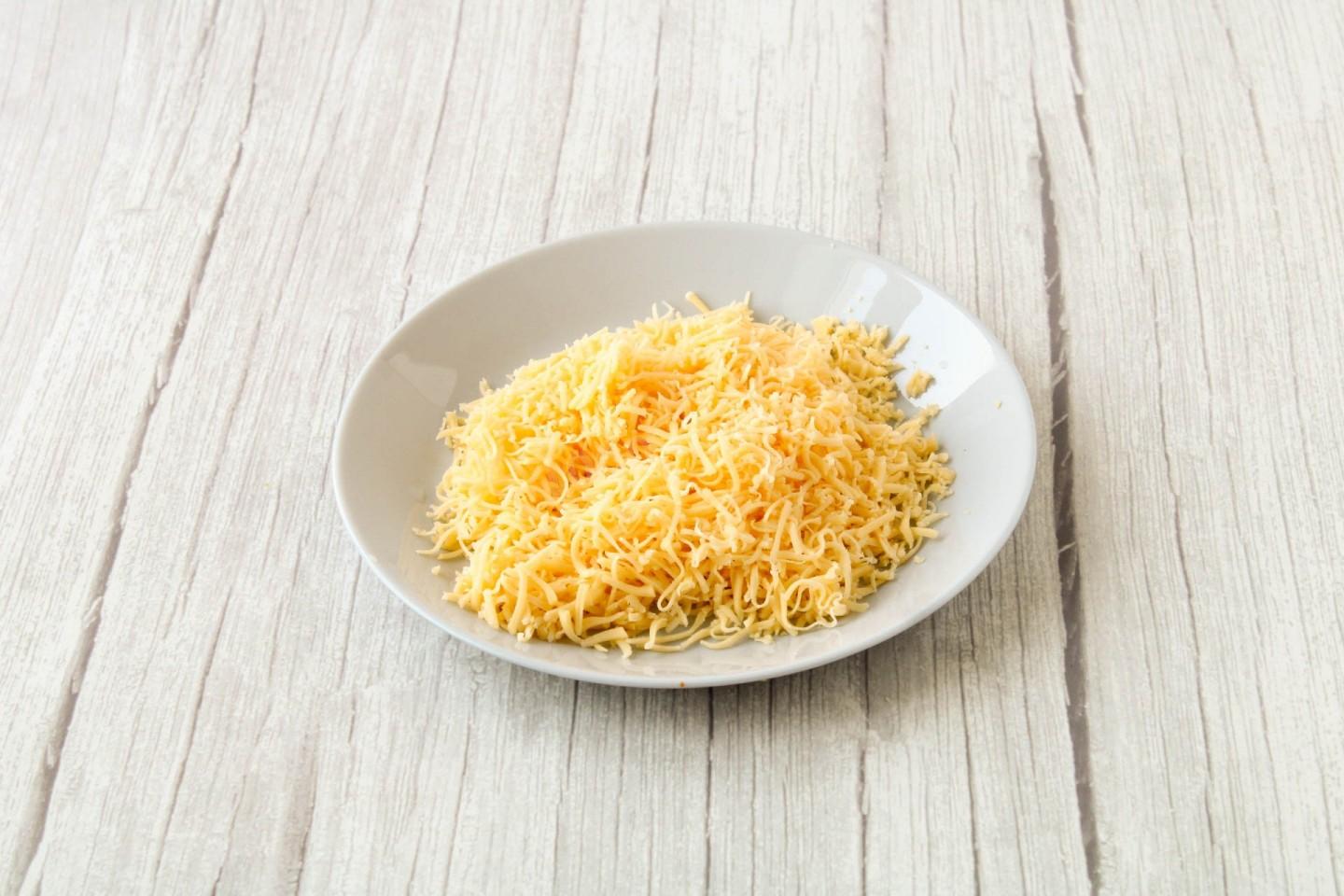
Use whatever cheese you like best: hard, semi-hard, or processed. Grate it on the fine side of a grater.
-
Step 6:
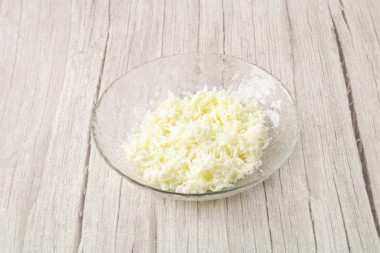
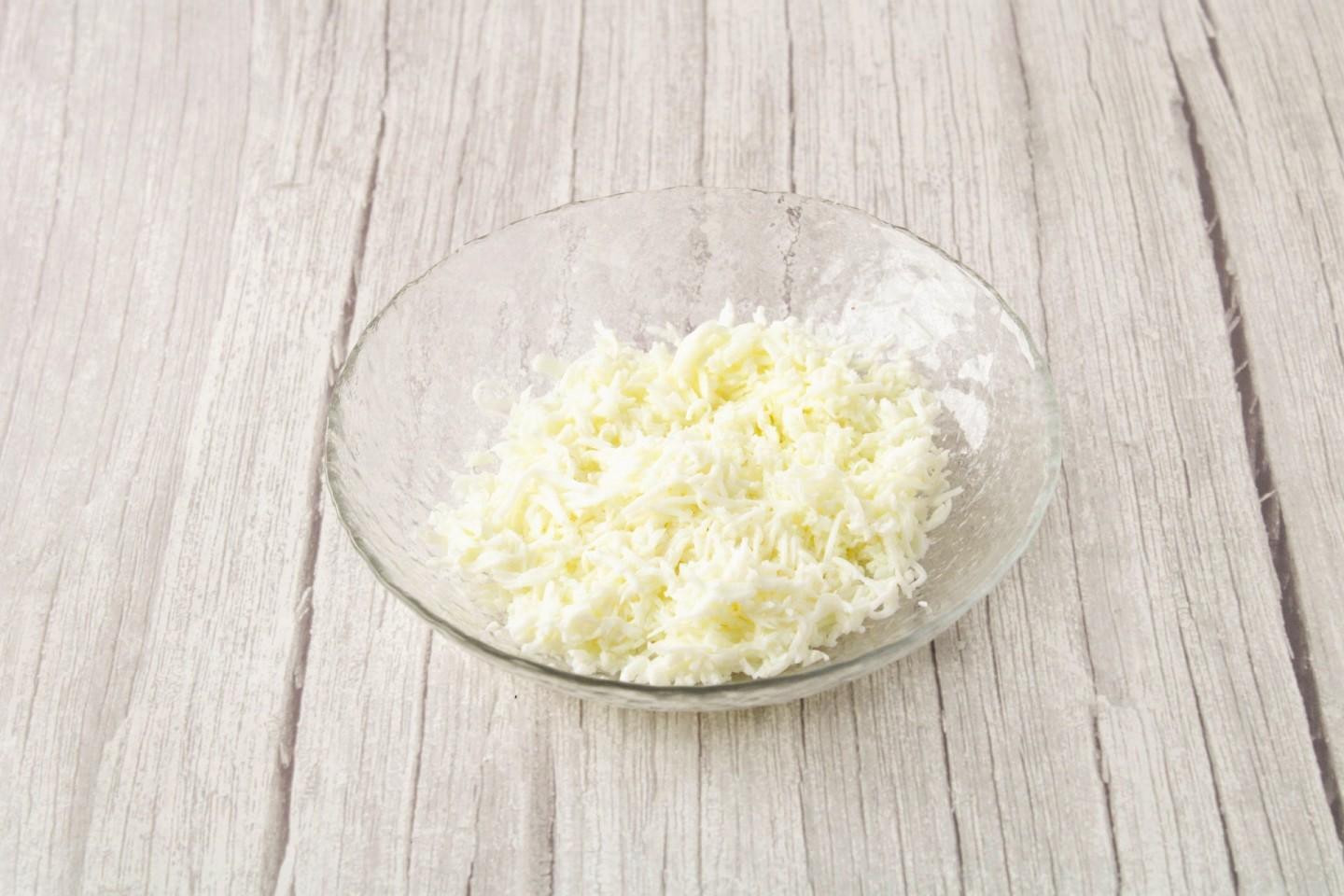
Hard-boil the eggs. How do you do that? Cover the eggs with water and bring them to a boil. Cook them over moderate heat for 7–8 minutes from the time the water boils. Put the boiled eggs in cold water to cool them; the temperature change makes the shells easier to peel. Peel the cooled eggs and separate the whites from the yolks. Grate the whites on the fine side of a grater.
-
Step 7:
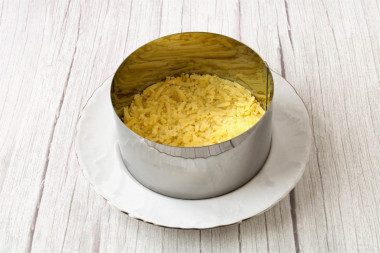
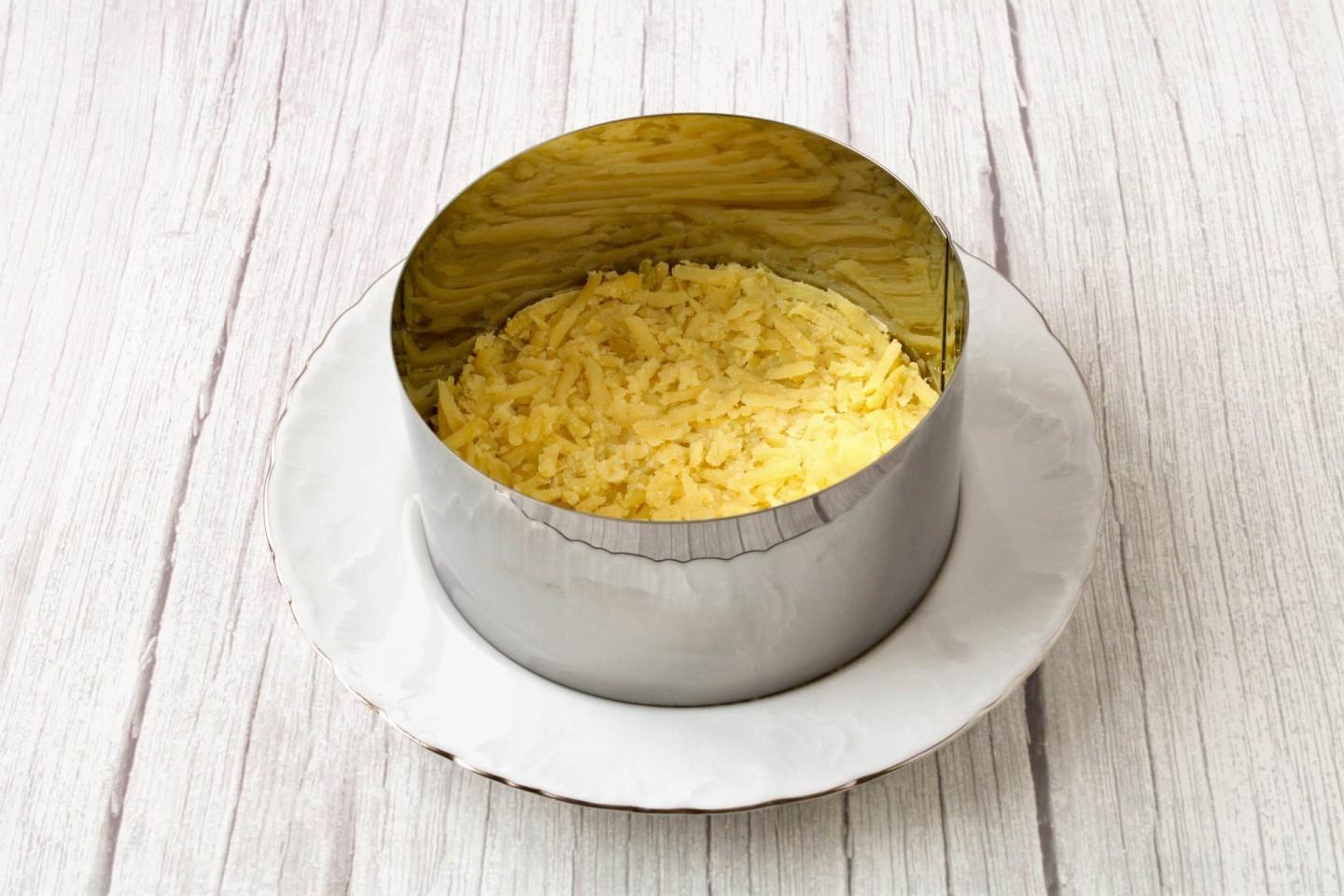
You can assemble the salad in a serving ring. Set it on a plate. Lay down the grated potato as the first layer and smooth it out. If needed, you can lightly salt this layer.
-
Step 8:
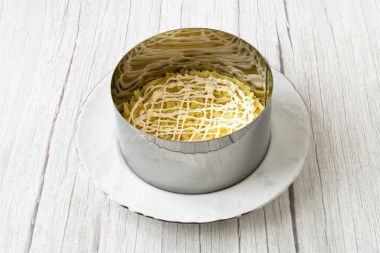
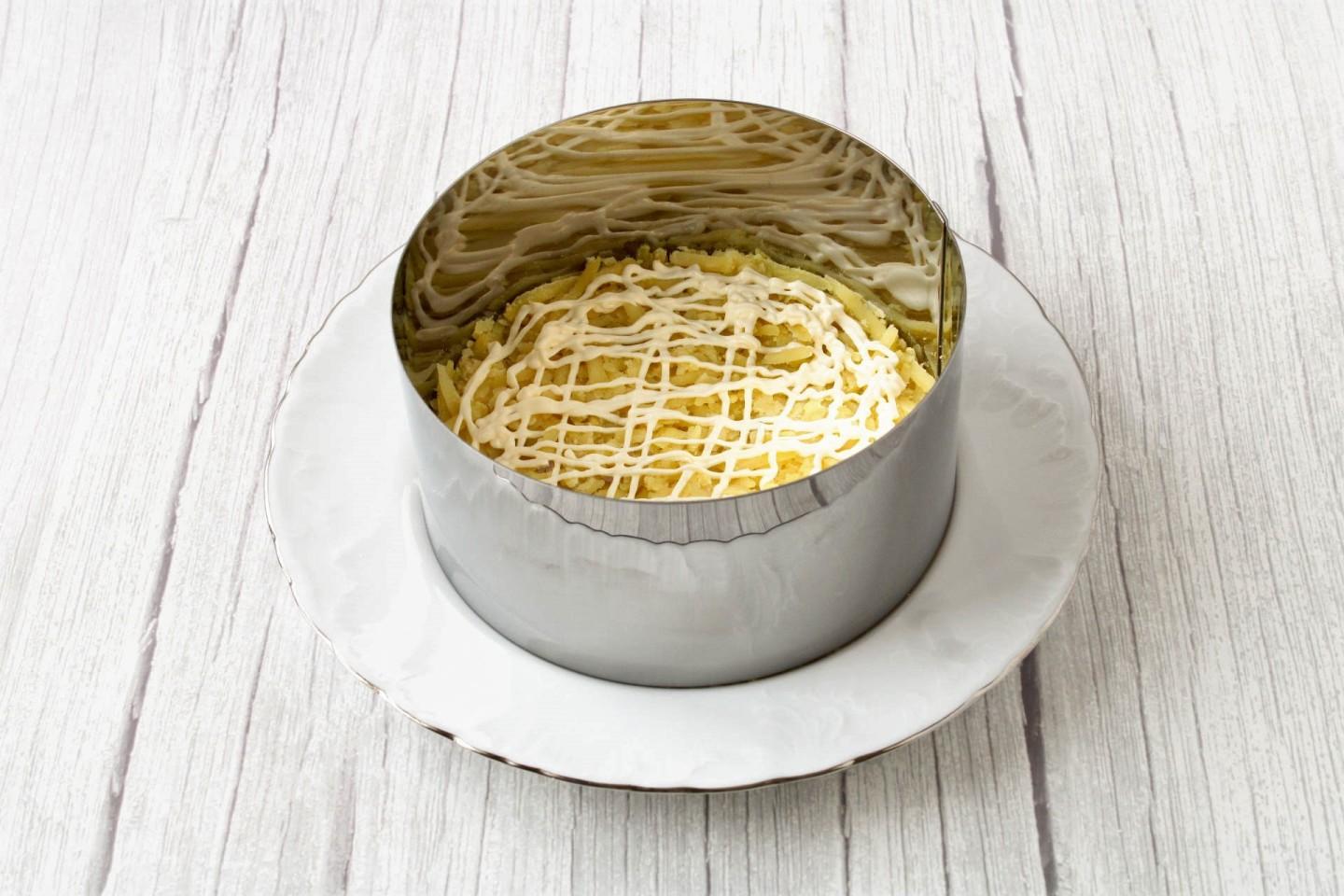
Spread mayonnaise over the potato layer.
-
Step 9:
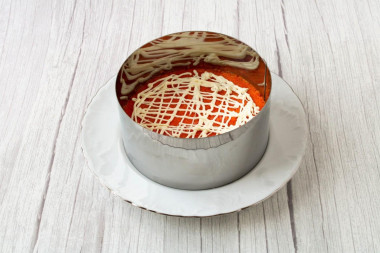
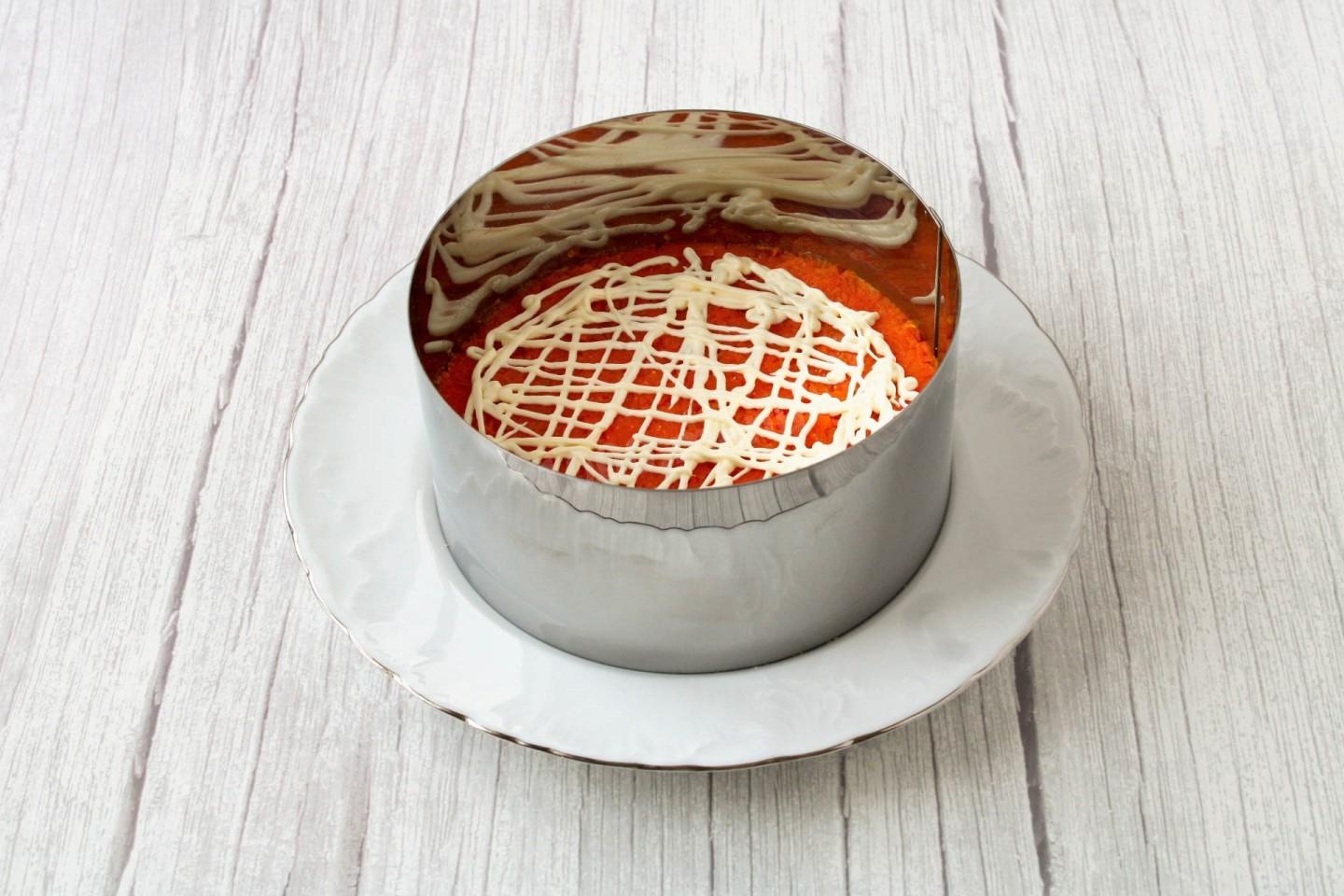
Next, add the grated carrot. Smooth the carrot layer with a spoon. Top it with mayonnaise.
-
Step 10:
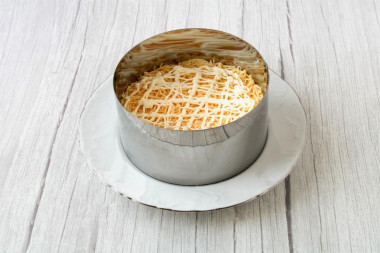
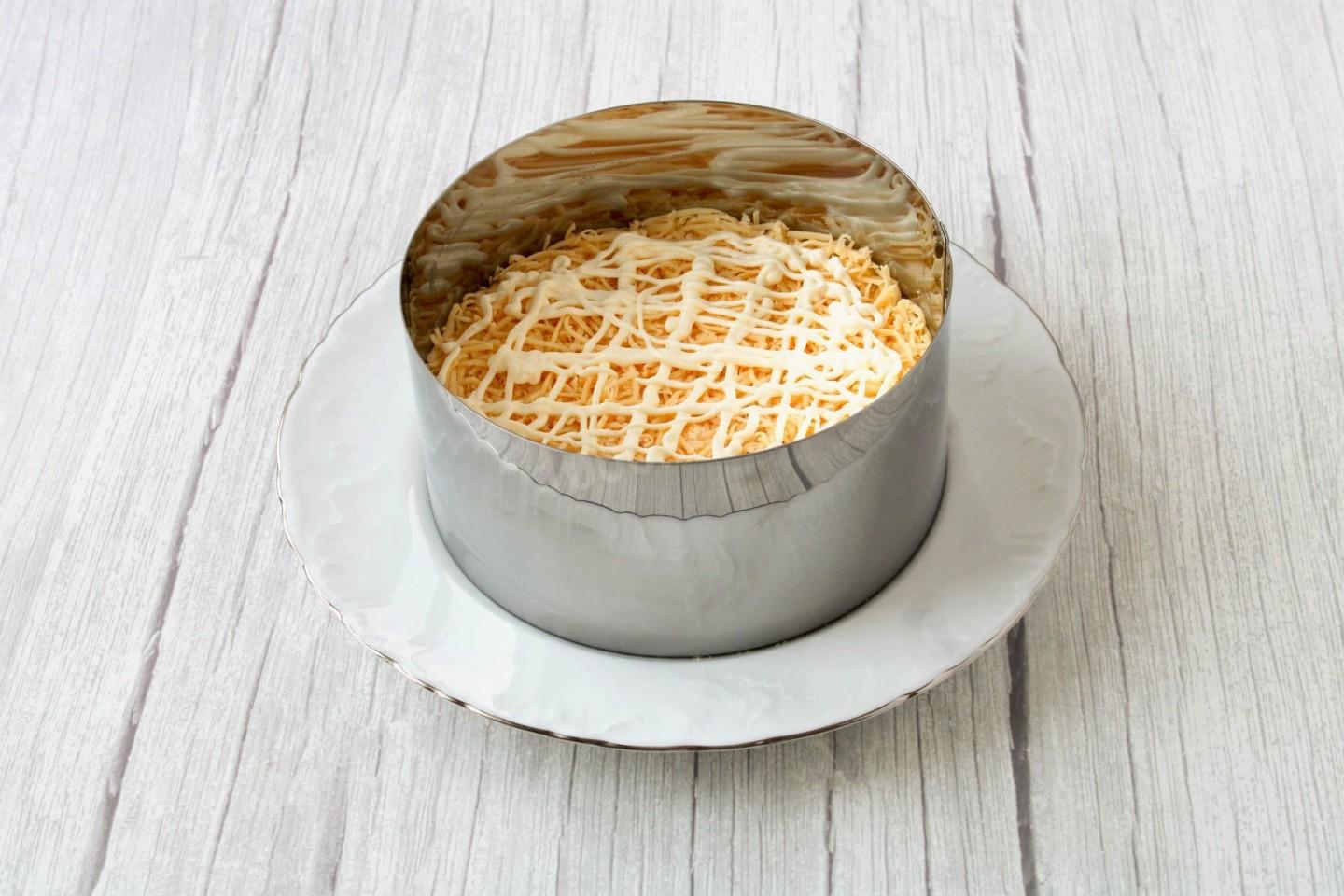
The next layer is grated cheese. And mayonnaise again.
-
Step 11:
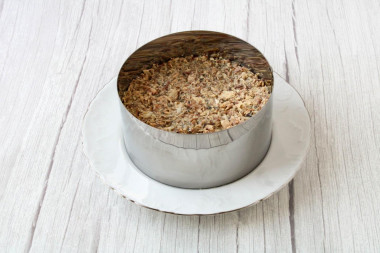
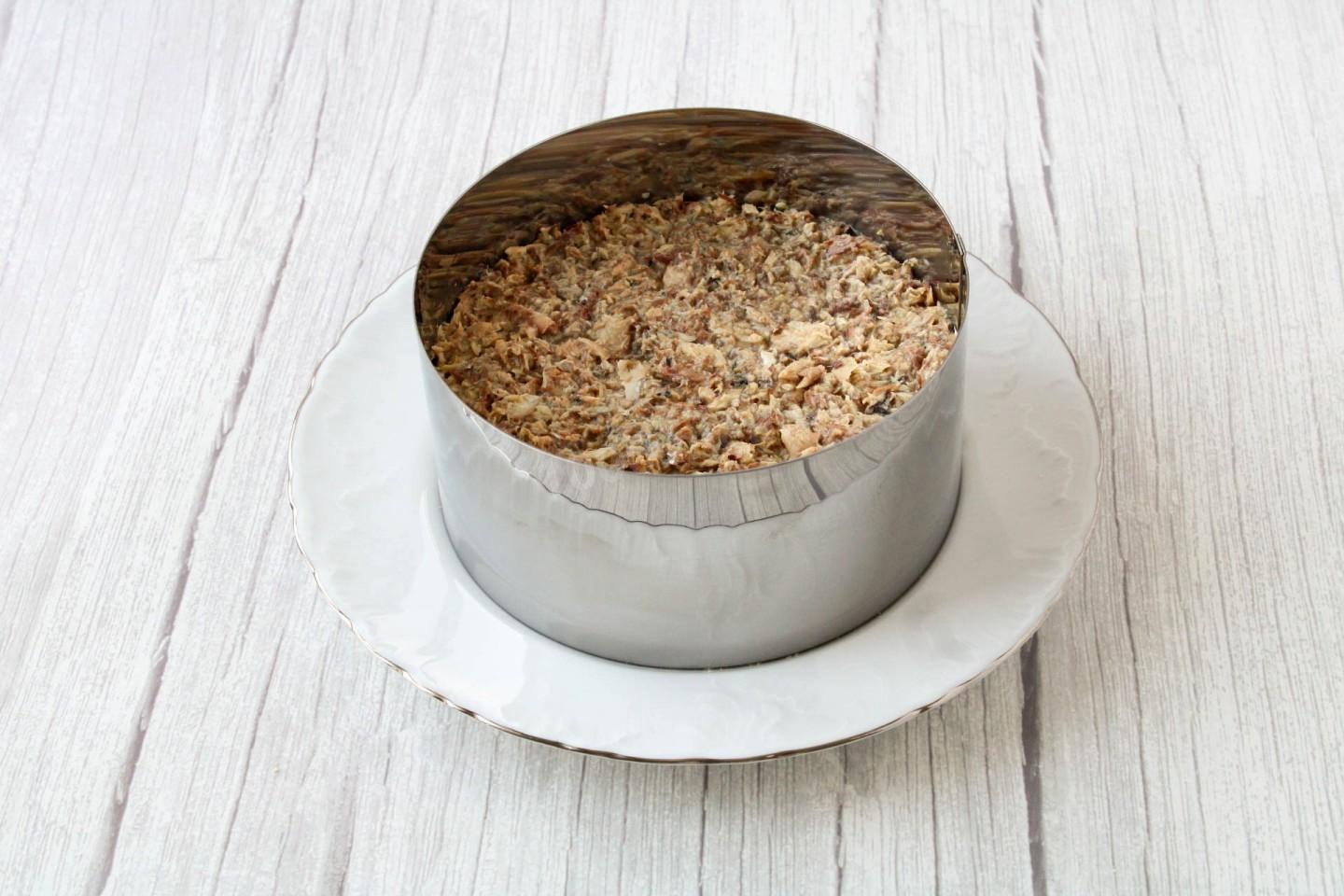
Add the canned fish and smooth it out.
-
Step 12:
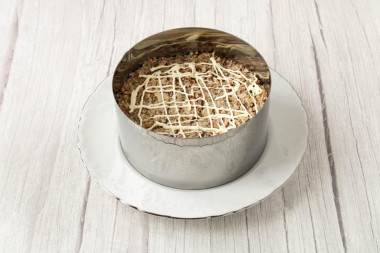
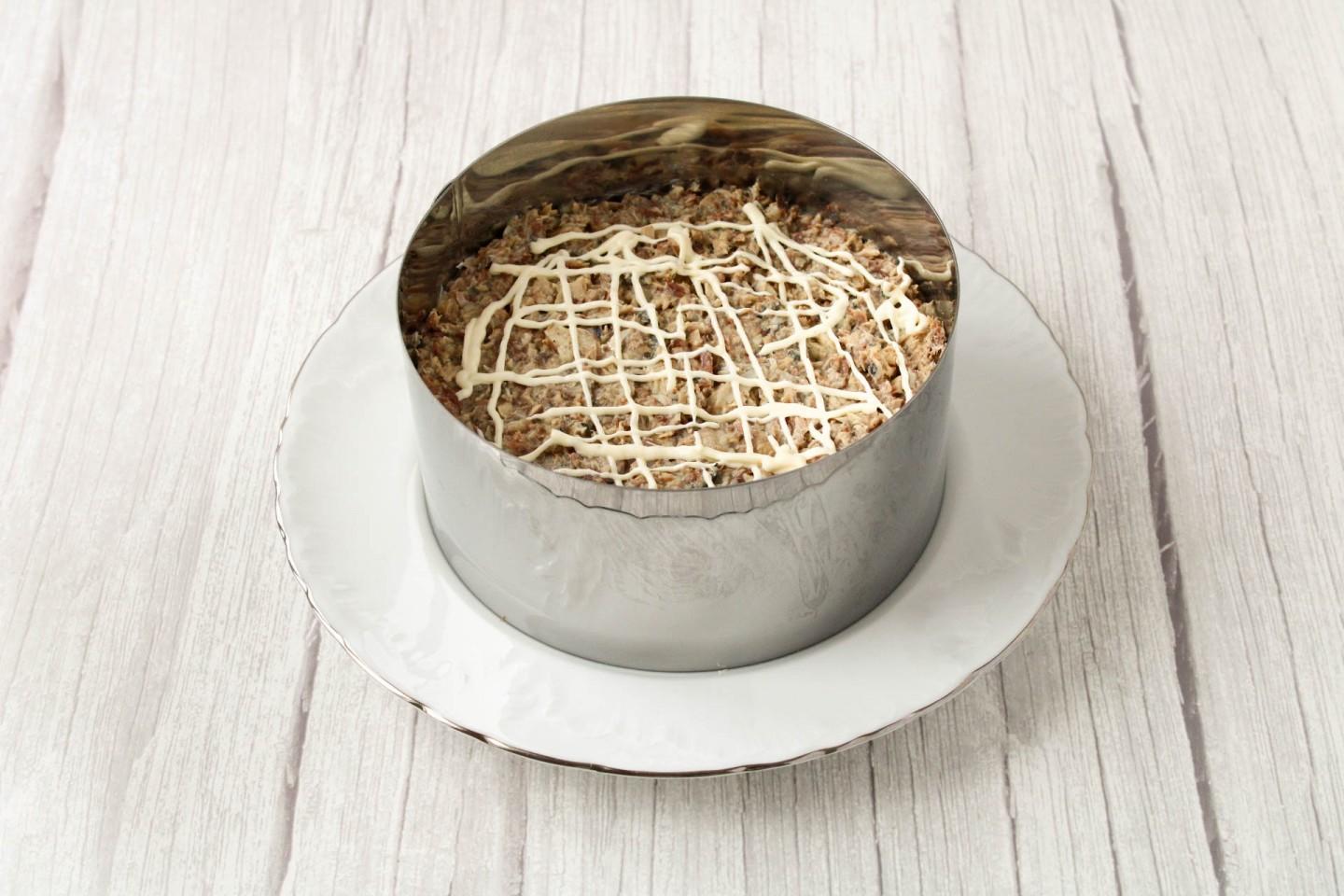
Spread a little mayonnaise over the fish layer.
-
Step 13:
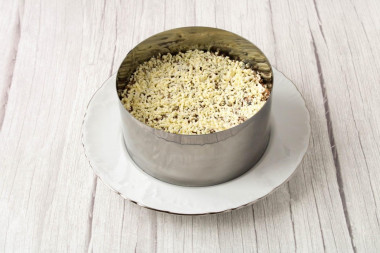
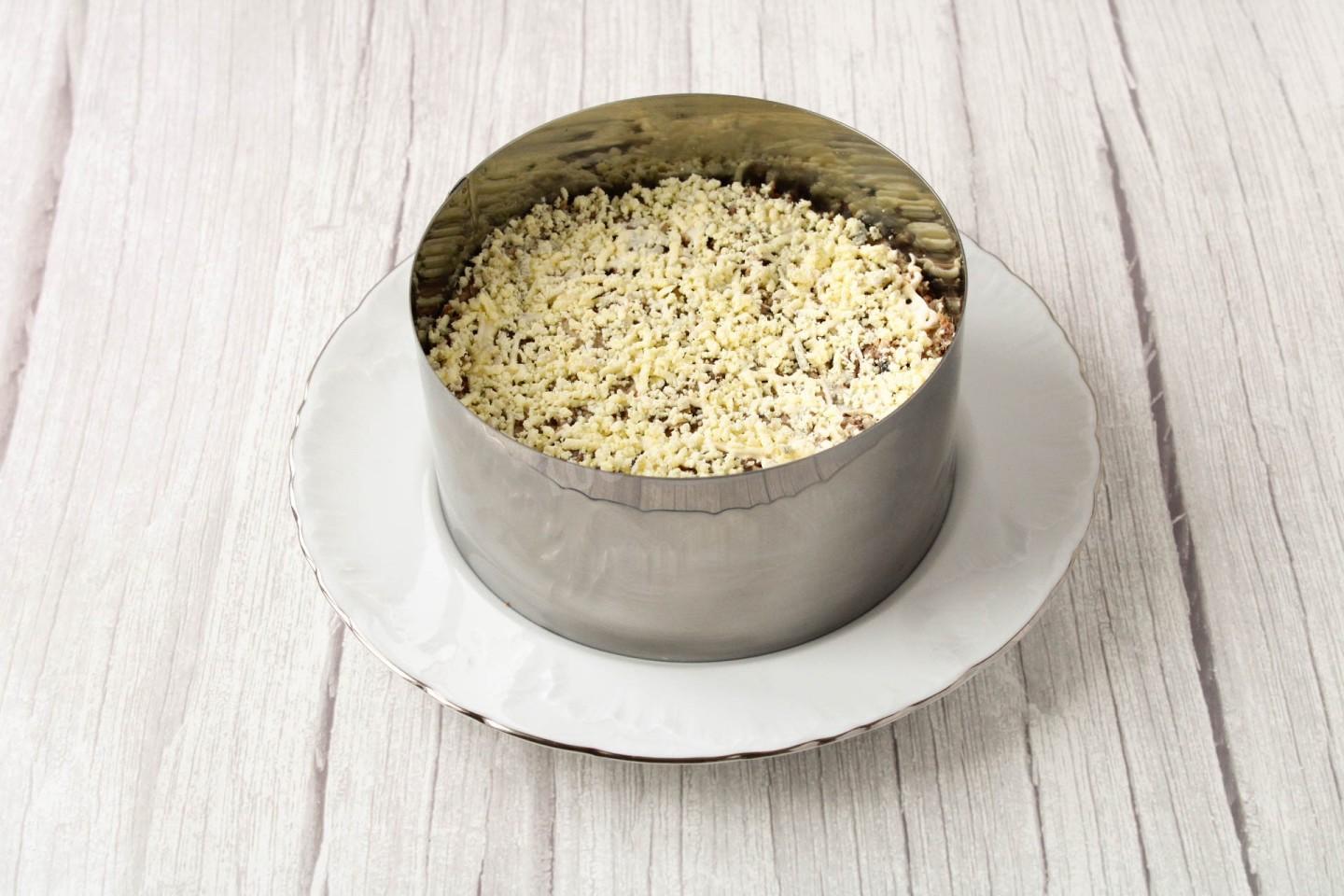
Grate the egg yolks on the fine side of a grater over the fish. Set a little of the yolk aside to decorate the top of the salad.
-
Step 14:
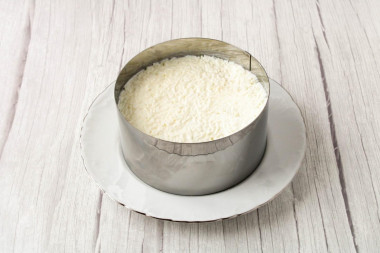
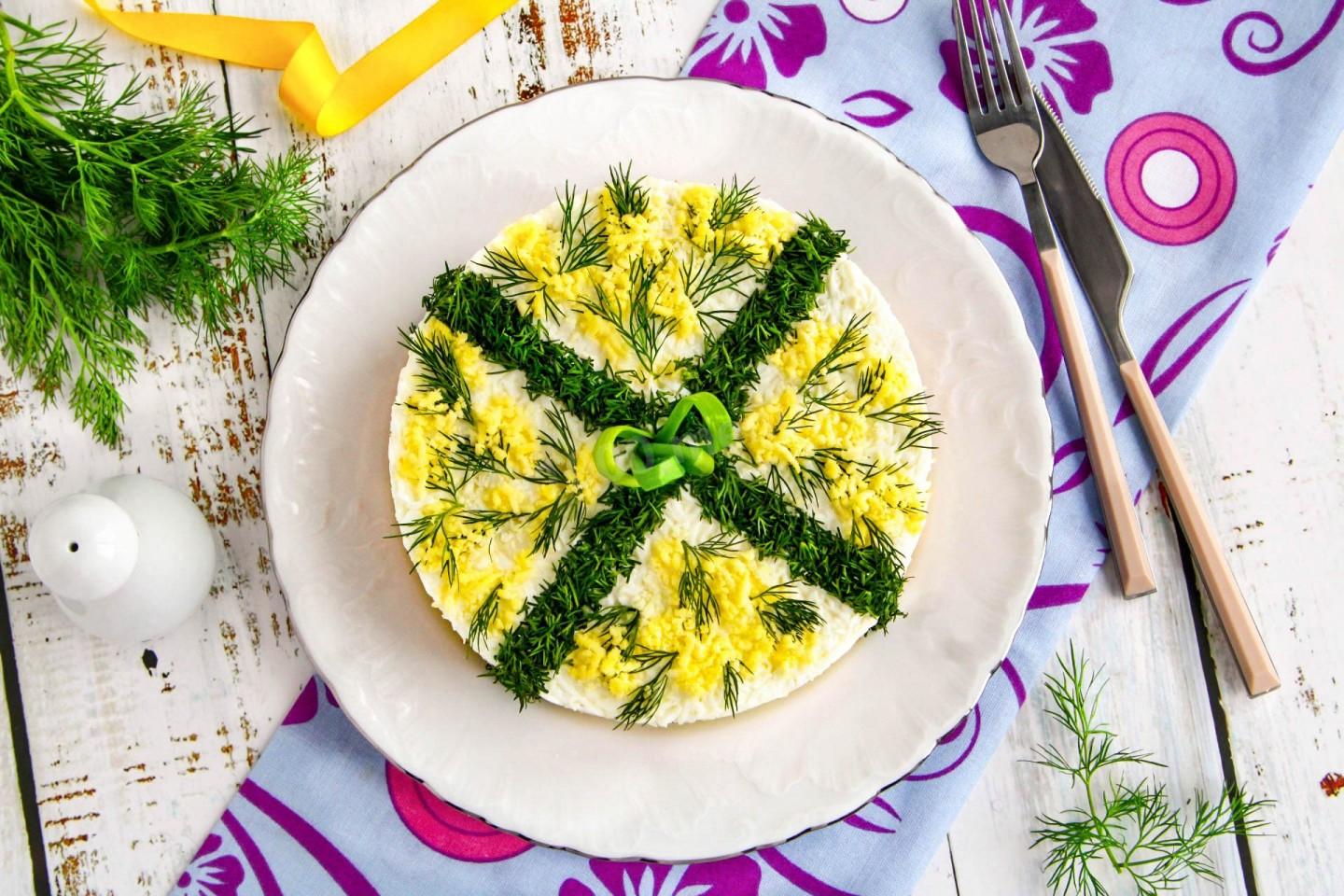
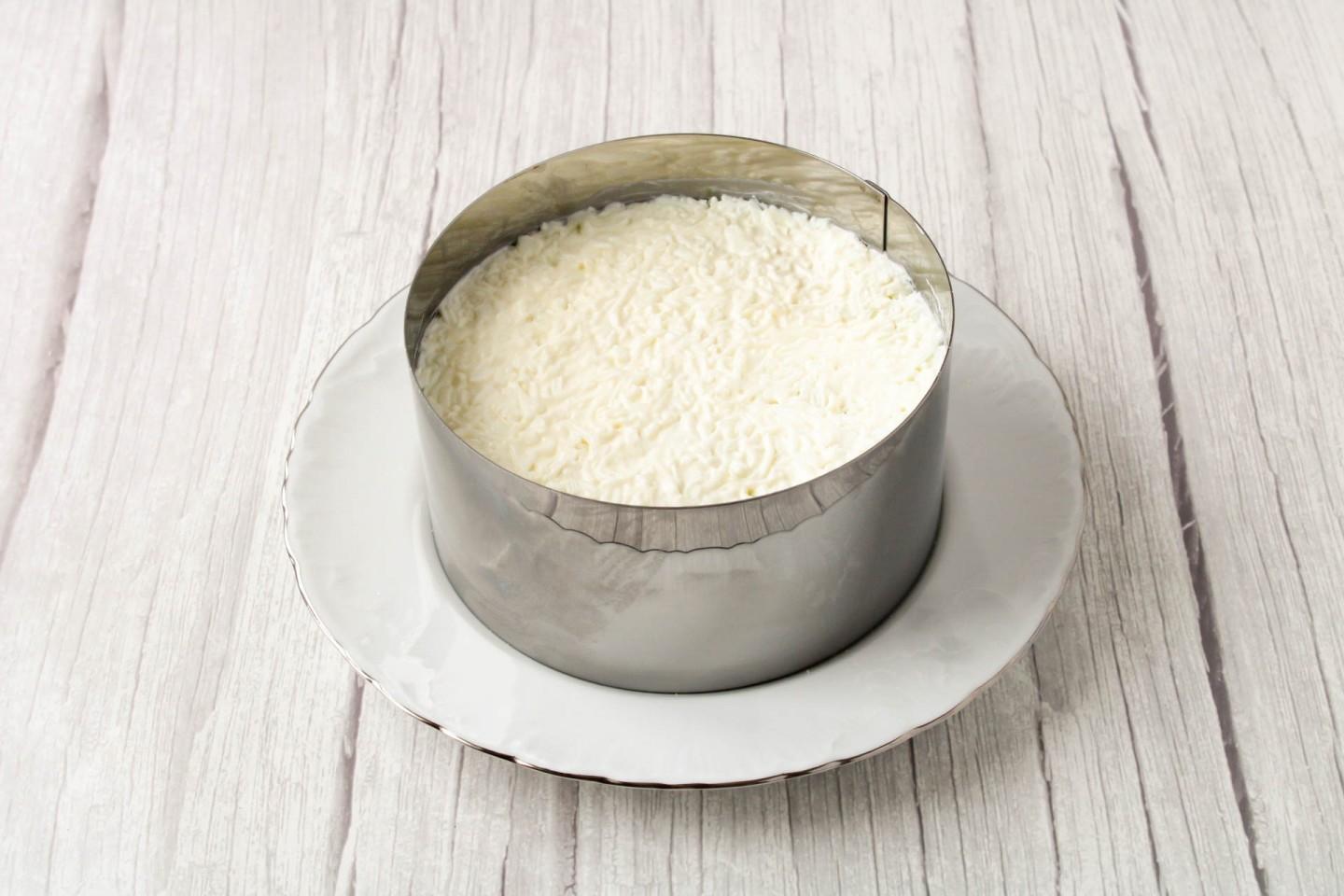
For the last layer, spread the grated egg whites evenly over the top. Spread mayonnaise over the salad. Refrigerate it for 2 hours so it can soak together.
-
Step 15:
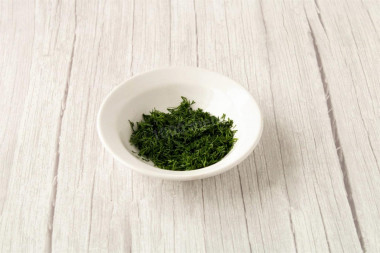
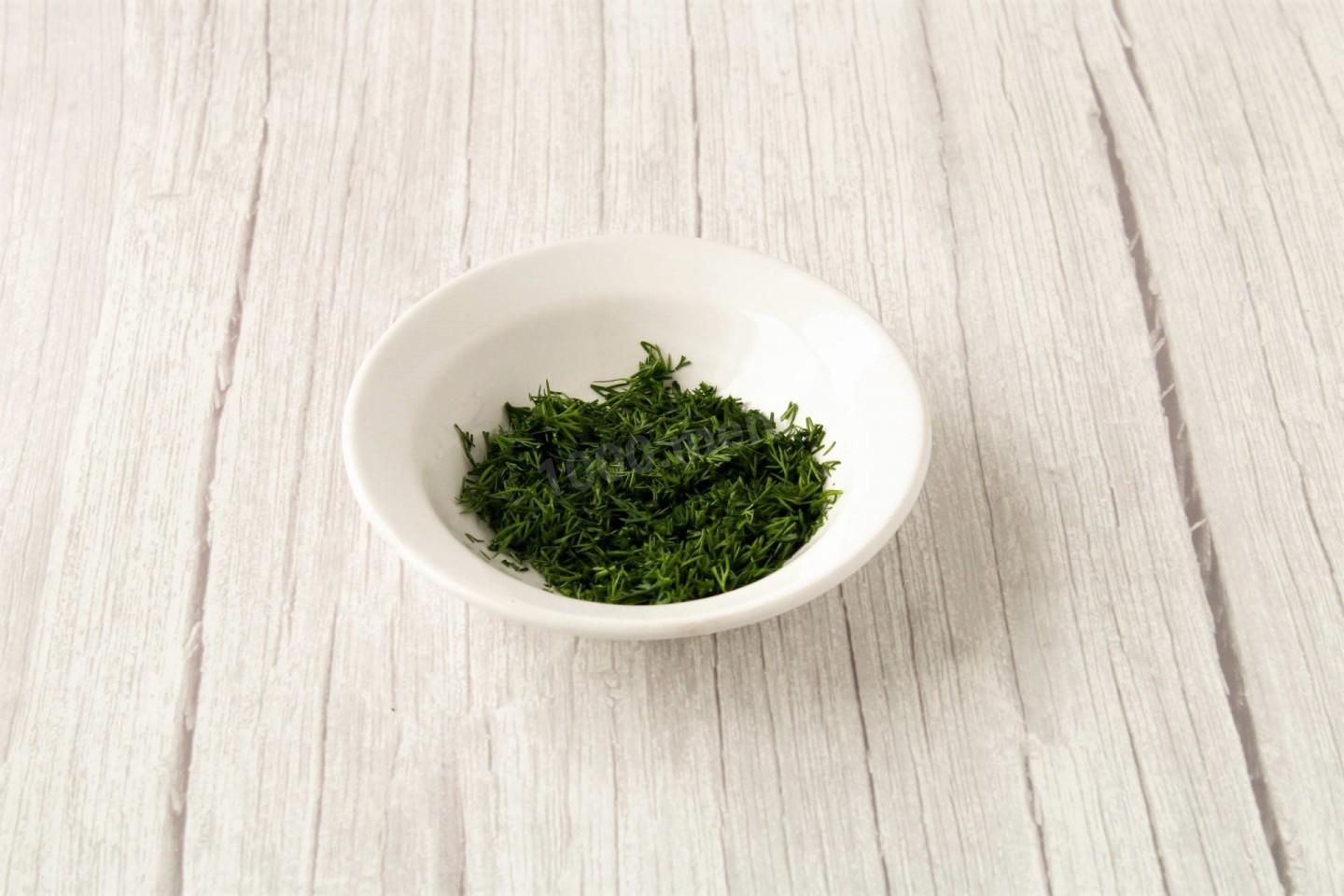
Wash the dill, dry it well, and chop it finely.
-
Step 16:
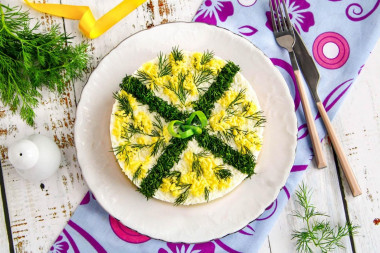
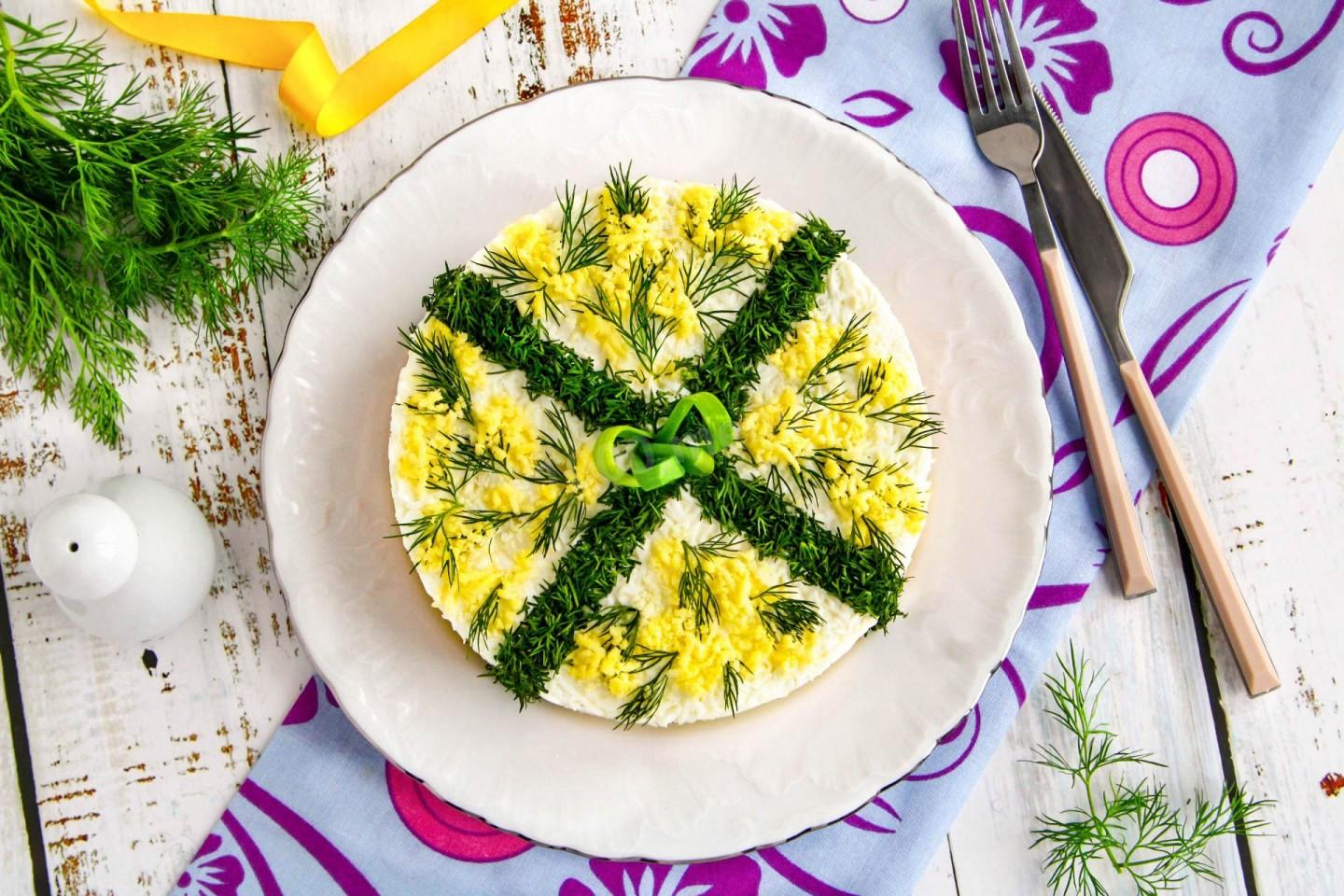
Before serving, decorate the top of the salad however you like, using the chopped herbs and the reserved grated egg yolk. Enjoy your meal!
- Make salads only from fully chilled ingredients. A salad made from warm ones can spoil quickly.
- It's better to make the mayonnaise yourself—it'll be tastier and healthier. See some great homemade mayonnaise recipes here. You can also use not just mayonnaise as a dressing but sour cream or plain yogurt. Use them on their own or mix them with mayonnaise in any ratio you like—it'll cut the calories.
- Shake the can before you buy it. The more liquid sloshing around inside, the less fish there is.
Caloric content of the products possible in the composition of the dish
- Ripe potatoes - 80 kcal/100g
- Baked potatoes - 70 kcal/100g
- Mashed potatoes - 380 kcal/100g
- Boiled potatoes - 82 kcal/100g
- Jacket potatoes - 74 kcal/100g
- Fried potatoes - 192 kcal/100g
- Chicken egg - 157 kcal/100g
- Egg white - 45 kcal/100g
- Egg powder - 542 kcal/100g
- Egg yolk - 352 kcal/100g
- Ostrich egg - 118 kcal/100g
- Carrots - 33 kcal/100g
- Dried carrots - 275 kcal/100g
- Boiled carrots - 25 kcal/100g
- Dutch cheese - 352 kcal/100g
- Swiss cheese - 335 kcal/100g
- Russian cheese - 366 kcal/100g
- Kostroma cheese - 345 kcal/100g
- Yaroslavl cheese - 361 kcal/100g
- Altai cheese 50% fat - 356 kcal/100g
- Sovetsky cheese - 400 kcal/100g
- Steppe cheese - 362 kcal/100g
- Uglich cheese - 347 kcal/100g
- Poshekhonsky cheese - 350 kcal/100g
- Lambert cheese - 377 kcal/100g
- Appenzeller cheese 50% fat - 400 kcal/100g
- Cheshire cheese 50% fat - 363 kcal/100g
- Edam cheese 40% fat - 340 kcal/100g
- Cheese with mushrooms 50% fat - 395 kcal/100g
- Emmental cheese 45% fat - 420 kcal/100g
- Gouda cheese 45% fat - 356 kcal/100g
- Amadeus cheese - 364 kcal/100g
- Dom Blanc cheese (semi-hard) - 360 kcal/100g
- Lo Spalmino cheese - 61 kcal/100g
- Etorki cheese (sheep, hard) - 401 kcal/100g
- White cheese - 100 kcal/100g
- Full-fat yellow cheese - 260 kcal/100g
- Altai cheese - 355 kcal/100g
- Kaunas cheese - 355 kcal/100g
- Latvian cheese - 316 kcal/100g
- Limburger cheese - 327 kcal/100g
- Lithuanian cheese - 250 kcal/100g
- Lake cheese - 350 kcal/100g
- Gruyere cheese - 396 kcal/100g
- Dill leaves - 38 kcal/100g
- Salad mayonnaise 50% fat - 502 kcal/100g
- Light mayonnaise - 260 kcal/100g
- Provencal mayonnaise - 624 kcal/100g
- Provencal mayonnaise - 627 kcal/100g
- Table mayonnaise - 627 kcal/100g
- Saury blanched in oil - 283 kcal/100g
- Atlantic sardines with added oil - 238 kcal/100g
- Sardines in oil - 221 kcal/100g
- Sardines in tomato sauce - 162 kcal/100g
- Mackerel in oil - 278 kcal/100g
- Sprats in tomato sauce - 154 kcal/100g
Similar recipes

- Fast and tasty
- Festive table
- Classic recipes
- Salads
- Eggs
- Fish and seafood
- Cheese
- Vegetables
- Spices seasonings spices
- Fats and oils
- Dill
- Mayonnaise
- Classic salads
- Mimosa salad classic
- Cooking
- Cooling
- Egg salad
- Simple salads
- Light classic salads
- Salad with cheese
- Simple festive salads
- Salads with mayonnaise
- Vegetable salads
- Potato salad
- Sea salad
- Simple quick salads
- Dishes in 30 minutes
- Festive salads
- Recipes for March 8
- Fish with vegetables
- Fish with cheese
- Canned fish
- Made of solid cheese
- From carrots
- From potatoes