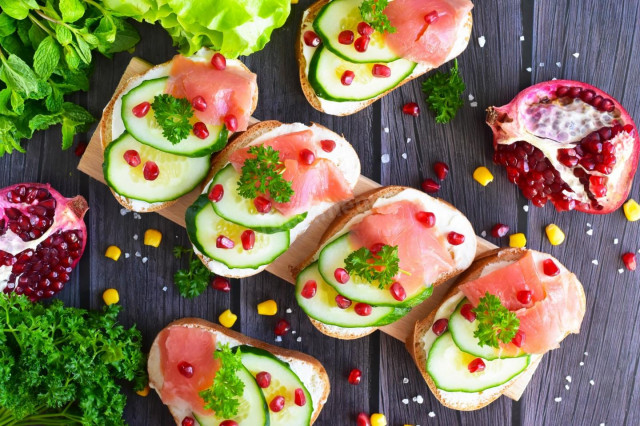
Home-Cured Gravlax (Lightly Salted Salmon)
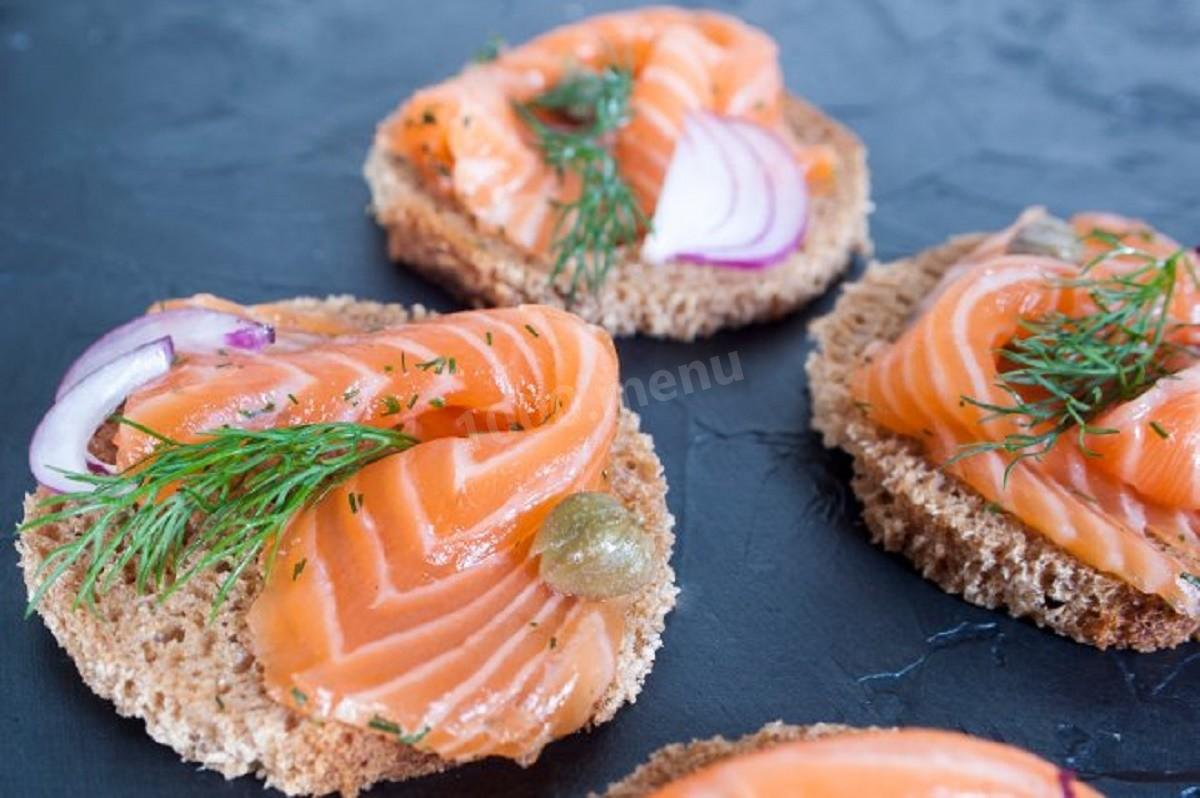
This fish just melts in your mouth! A wonderful holiday appetizer! How is lightly salted salmon usually eaten? It's often served on its own, sliced paper-thin, or made into small, elegant open sandwiches.

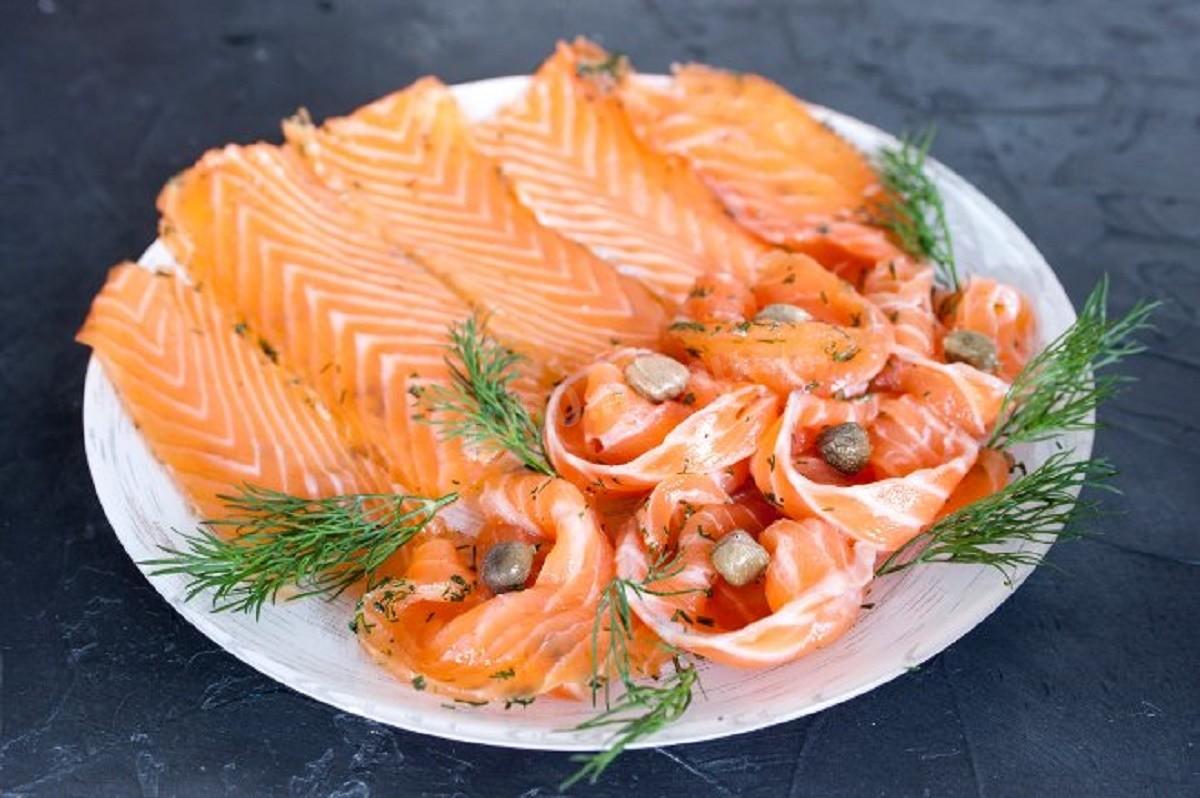
Cooking method
-
Step 1:
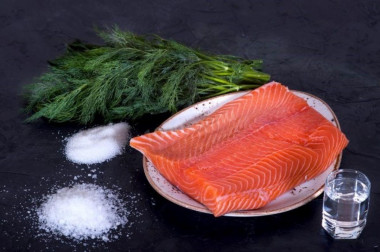
Choose the fish. Salmon is the traditional choice, but other members of the salmon family — trout, sockeye, coho, and chinook — work great too.
-
Step 2:
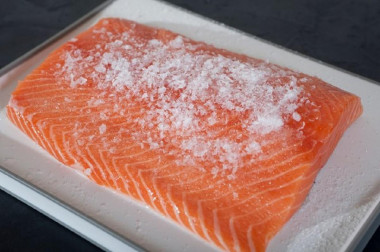
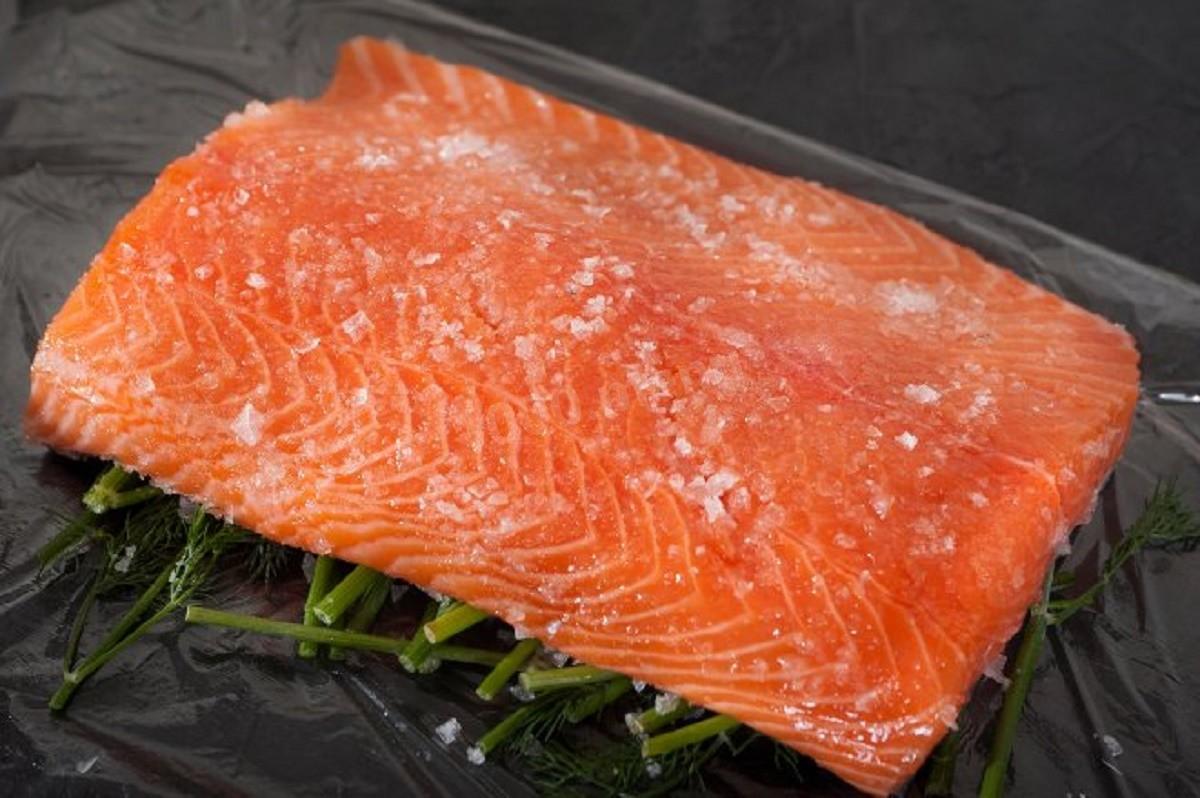
Rinse the salmon fillet under cold water and pat it dry with a paper towel. Rub it with the salt-and-sugar mixture.
-
Step 3:
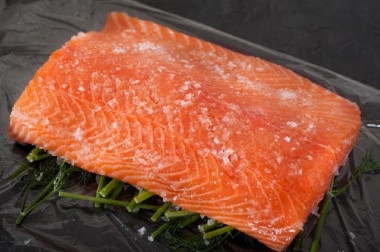
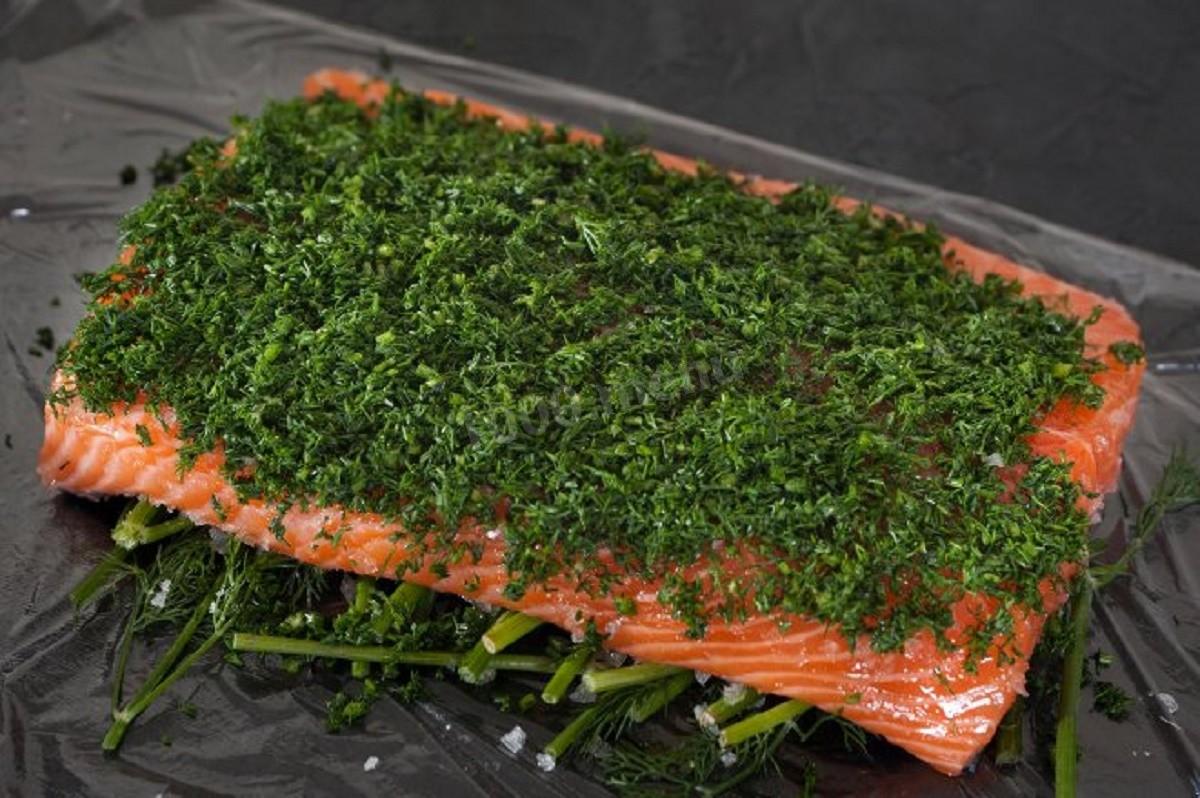
Spread plastic wrap over a table or large cutting board. Lay the dill stalks on it, then the salmon fillet skin-side down.
-
Step 4:
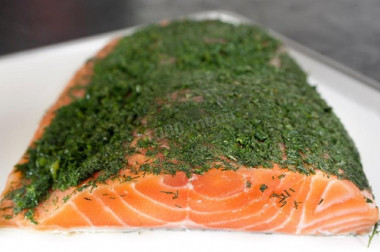
Sprinkle the fillet with finely chopped dill in a dense, even layer. Sprinkle it with vodka.
-
Step 5:
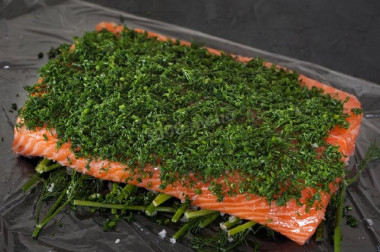
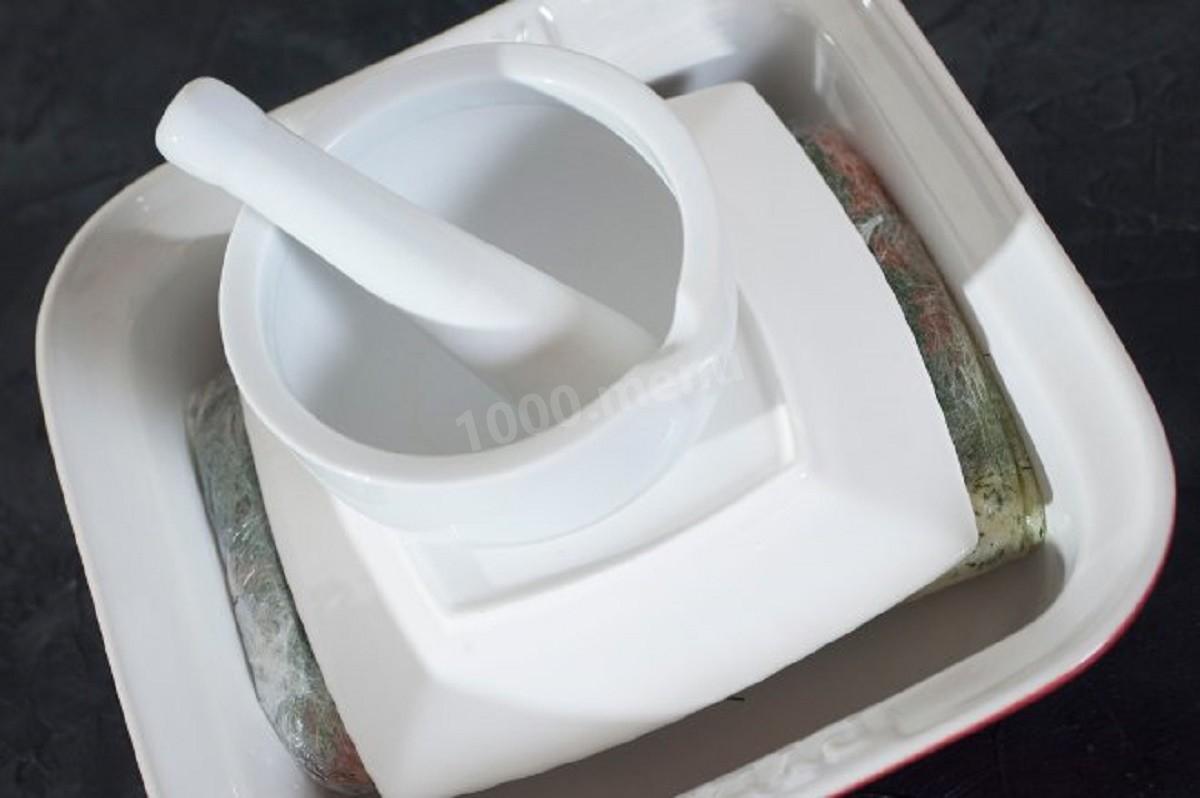
Wrap the fish tightly in the plastic wrap so no air is left between the salmon and the film.
-
Step 6:
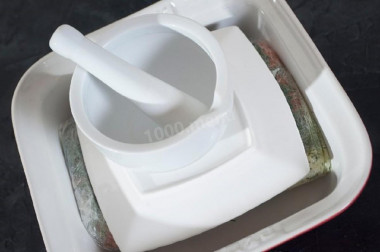
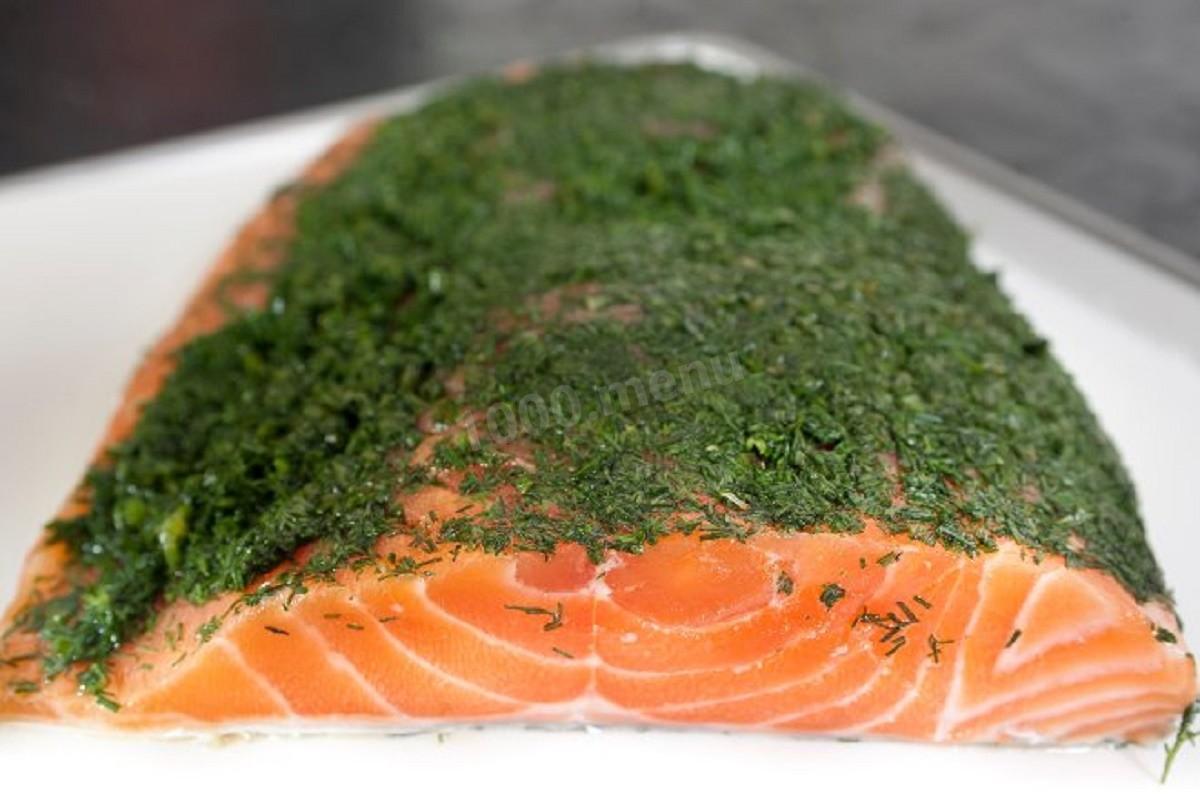
Put the bundle in a suitably sized container and set a weight on top. Then forget about the fish for three days. It's after three days that the flesh becomes firmer and more tender at the same time, and the flavor more complex. Now that's gravlax!
-
Step 7:
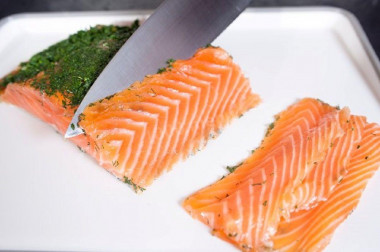
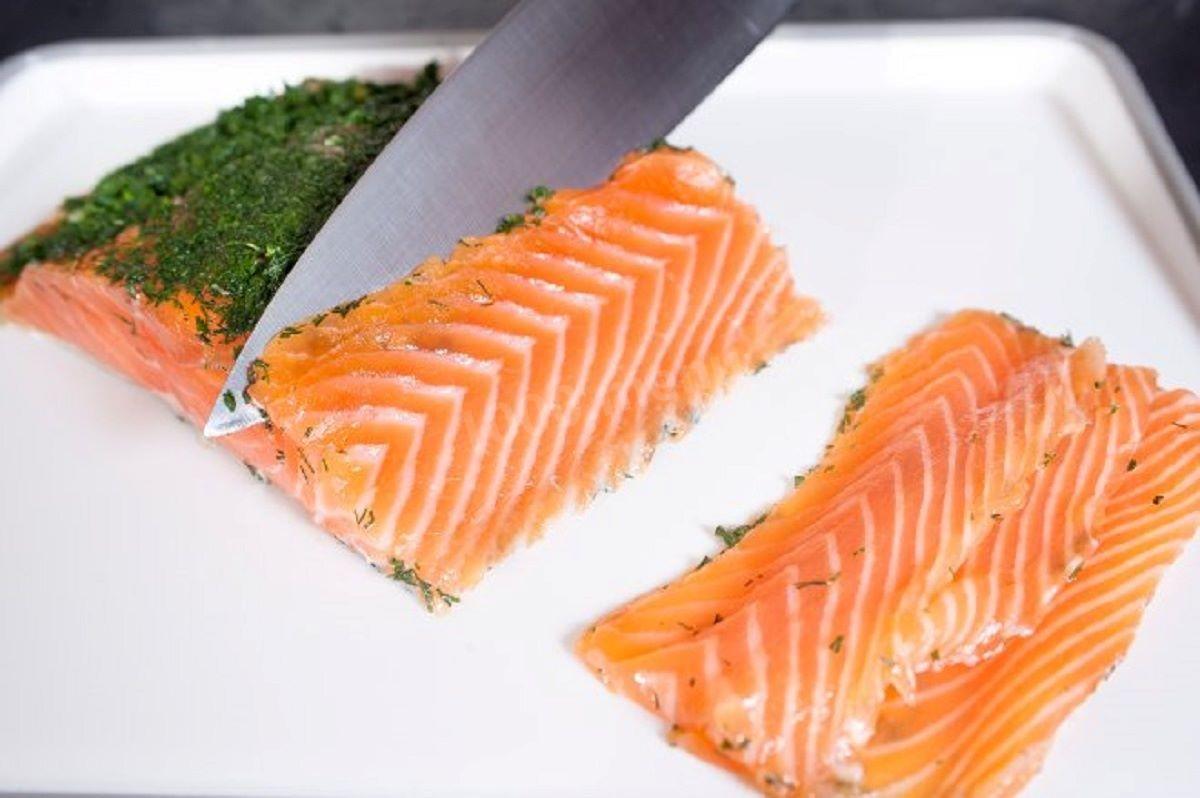
Cut the finished gravlax with a very sharp knife into thin, translucent slices. The traditional cut is on a slant, across the fillet.
-
Step 8:
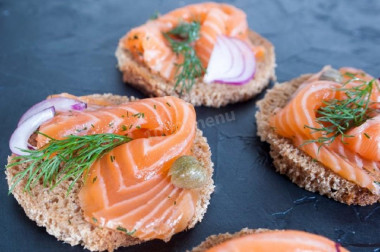
You can use rye or white bread — soft and fresh or crisply toasted — and crackers, flatbreads, or crispbreads all work. You can add butter or soft cream cheese, slices of hard-boiled egg, or rounds of fresh radish or cucumber. Mild mustard or horseradish, dill, sweet onion varieties, capers, lemon, or lime all make fitting flavor accents.
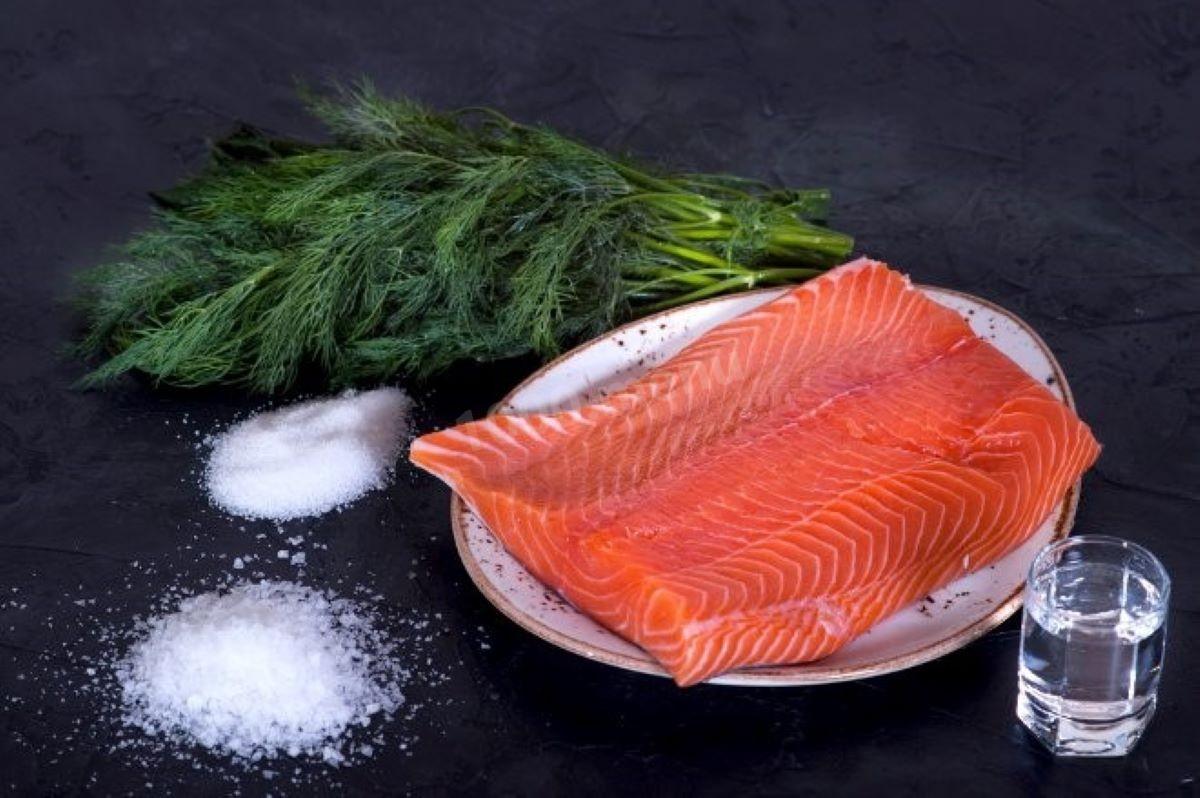
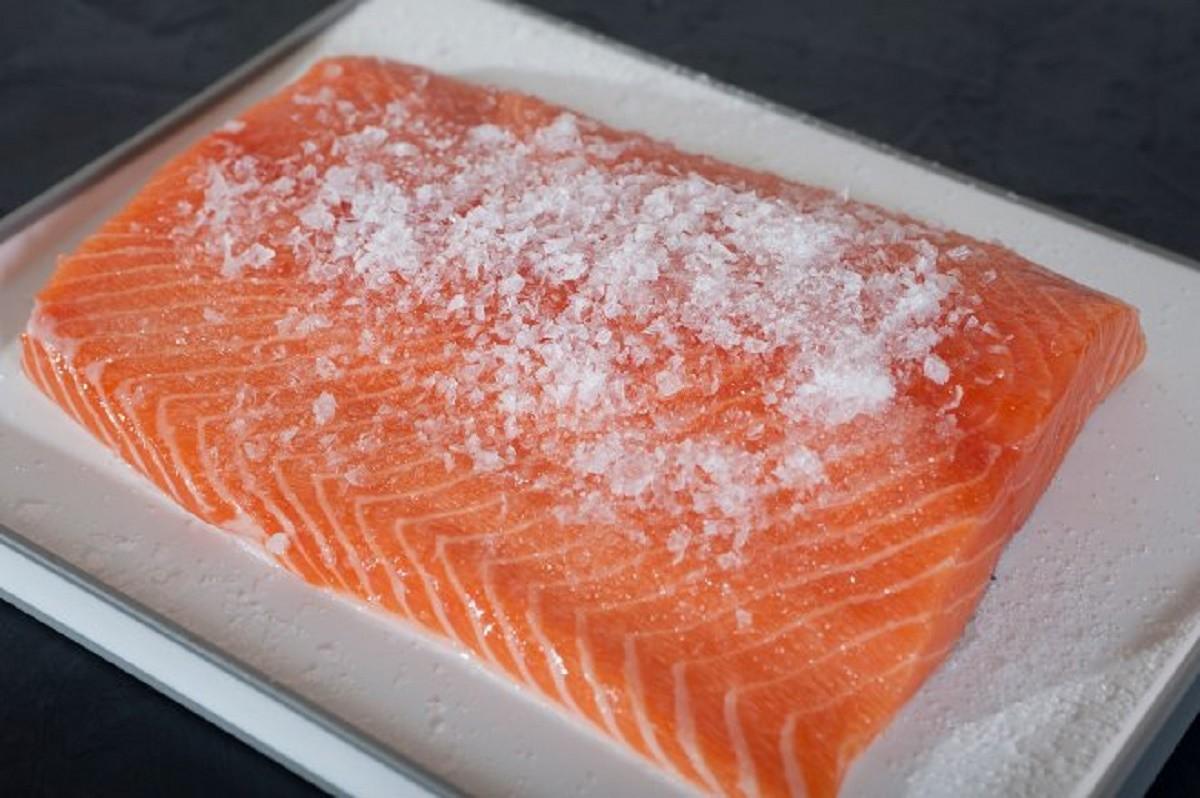
- "Gravlax" literally means "buried salmon." For ages, the peoples of Sweden, Finland, Norway, Denmark, and Iceland fished — for salmon, of course. To preserve it, they would bury it generously in coarse salt in the sand near the tide line. There, underground, fermentation took place, making the fish tender and giving it its characteristic aroma. Of course, no one buries fish nowadays. To recreate the process we use plastic wrap, and the spices help us imitate the taste of that lightly salted "buried" salmon — moderately salty, slightly sweet, subtly spicy, and literally melting in the mouth. This recipe is the basic one, with only the essential ingredients. I highly recommend starting with it. Then, once you understand the taste of gravlax, you can branch into culinary experiments: add white, black, or pink pepper, horseradish, ginger, or lemon zest.
Caloric content of the products possible in the composition of the dish
- Minced salmon - 130 kcal/100g
- Smoked salmon - 162 kcal/100g
- Grilled salmon - 283 kcal/100g
- Fresh salmon - 201 kcal/100g
- Salted salmon - 269 kcal/100g
- Salmon sauté - 379 kcal/100g
- Fresh dill - 38 kcal/100g
- Granulated sugar - 398 kcal/100g
- Sugar - 398 kcal/100g
- Vodka - 235 kcal/100g
- Sea salt - 0 kcal/100g