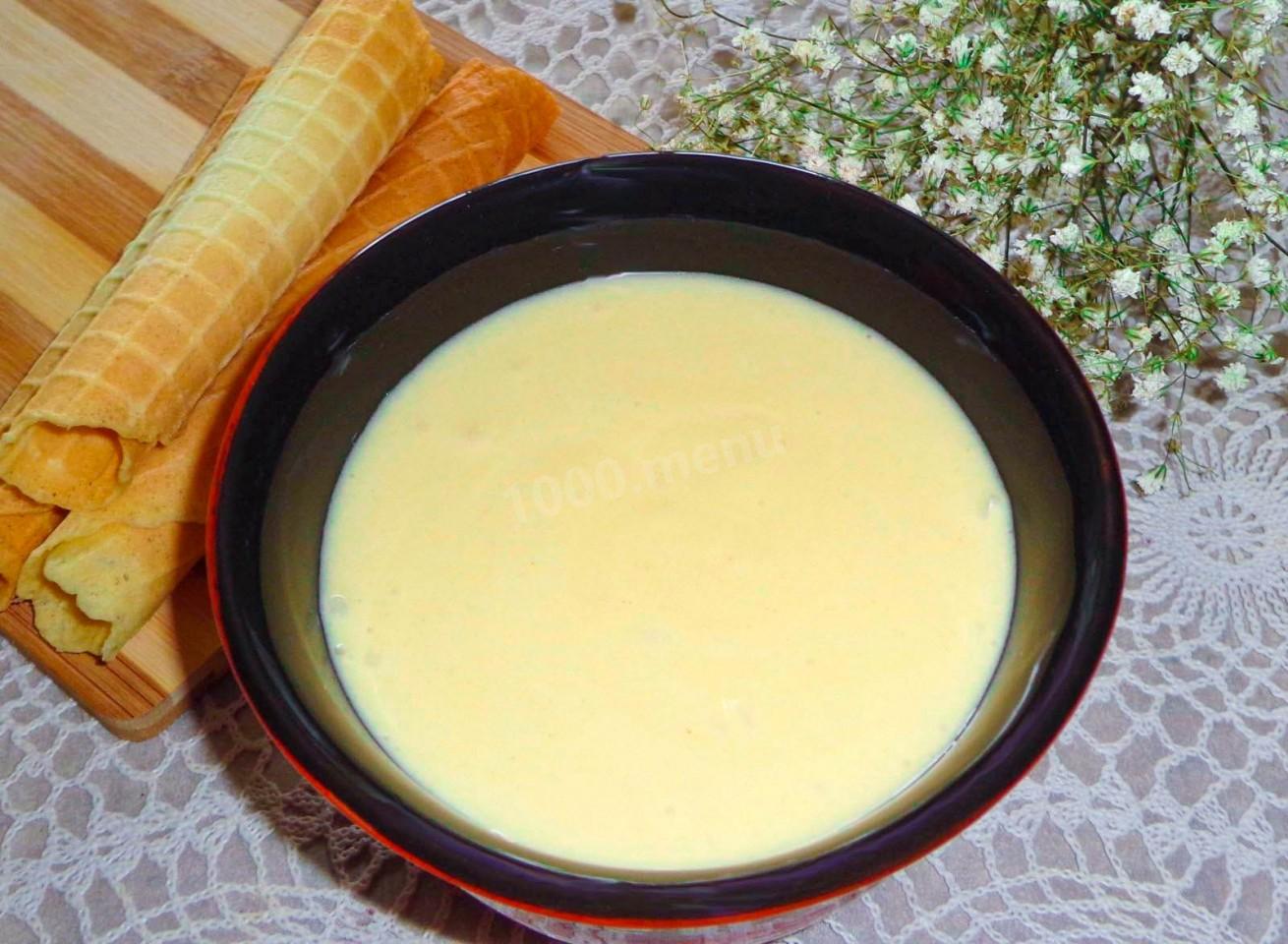
Batter for an Electric Waffle Iron
Simple, fast, made from everyday ingredients, and the best there is! This batter for an electric waffle iron is a recipe straight out of childhood. It makes crisp, delicate, wonderfully fragrant waffles. While they're hot they roll up easily into cones, then you can fill them with any cream.

Cooking method
-
Step 1:
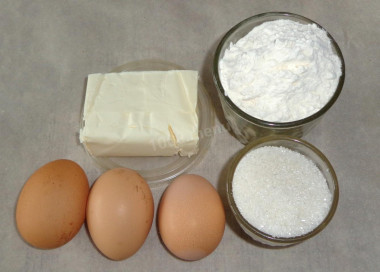
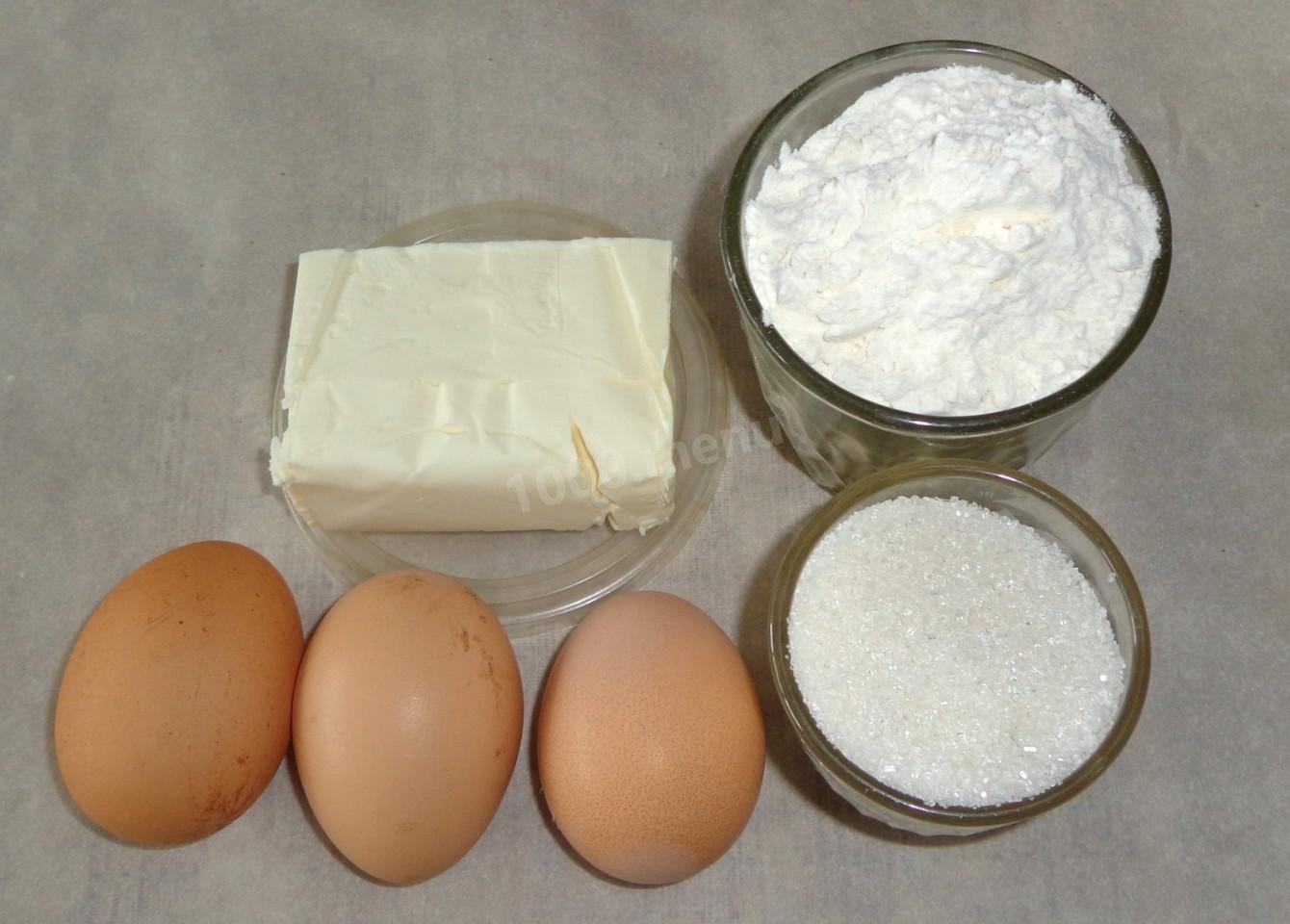
How do you make batter for an electric waffle iron? Get your ingredients ready. Use good-quality butter. If you like, you can use a spread or margarine instead.
-
Step 2:
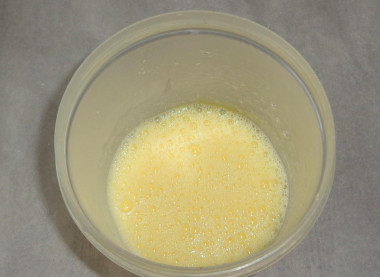
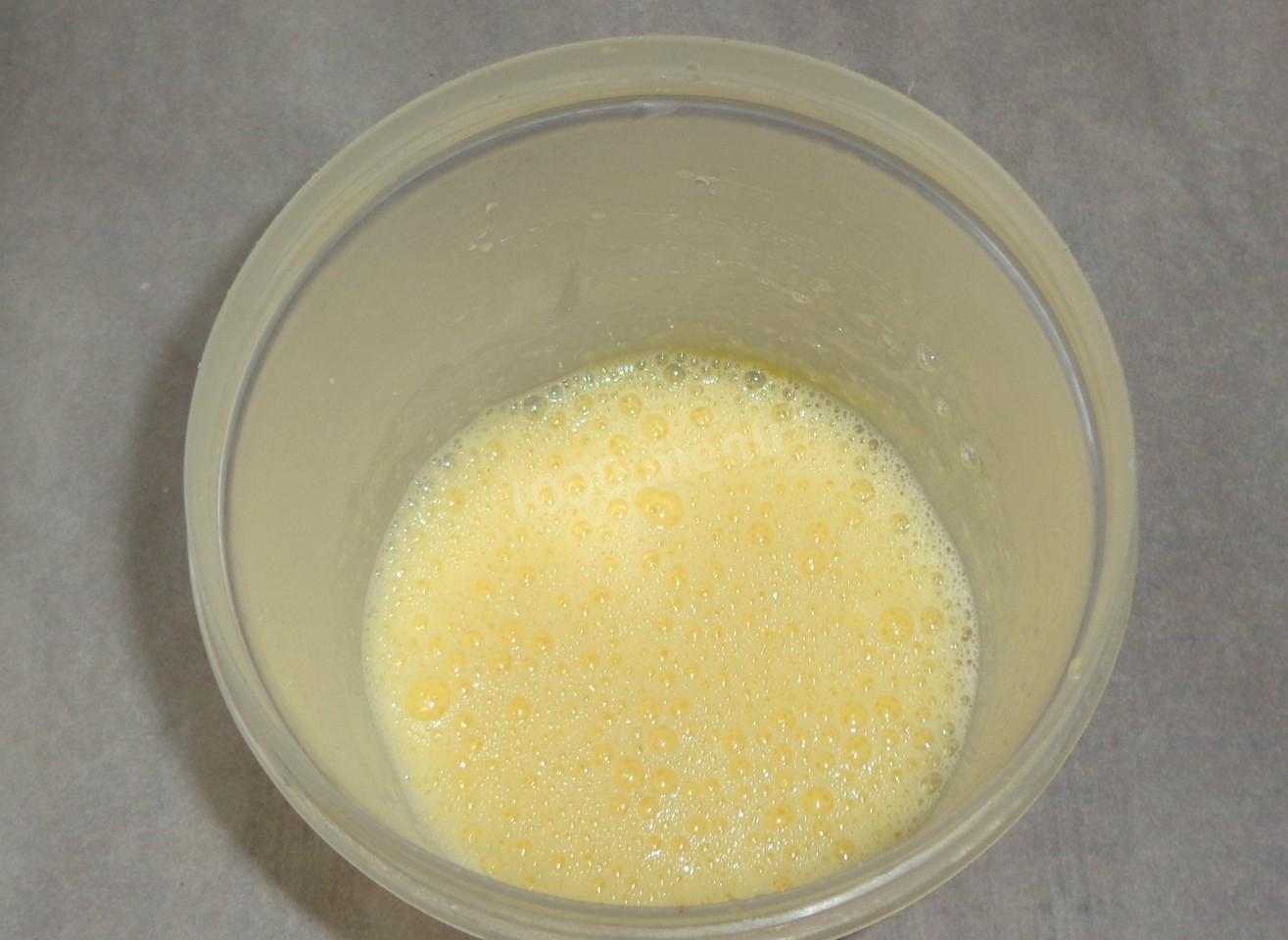
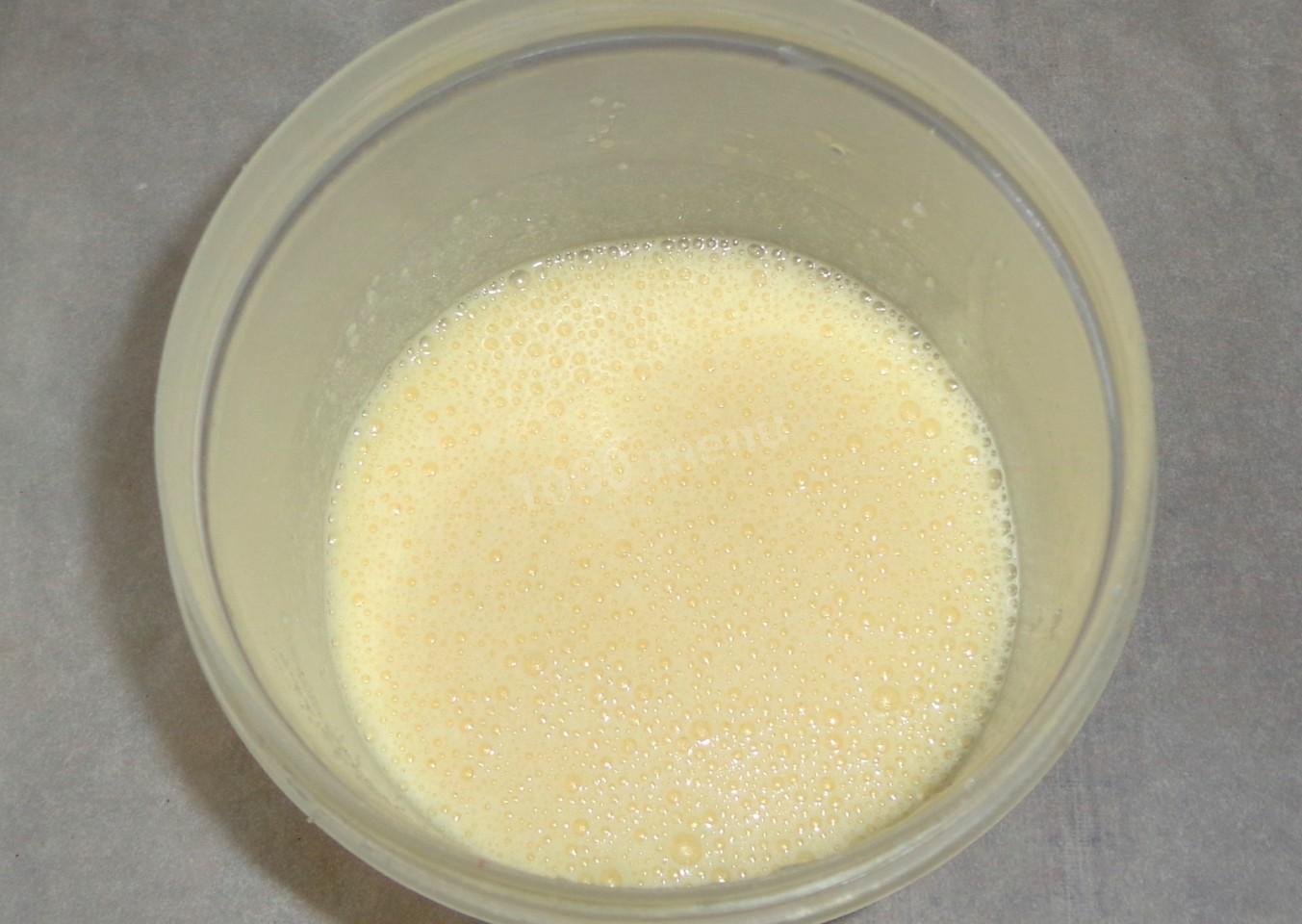
Crack the eggs into a deep bowl. Beat them with a mixer or blender until bubbly.
-
Step 3:
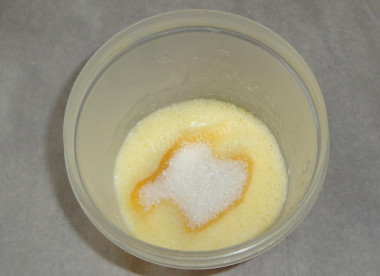
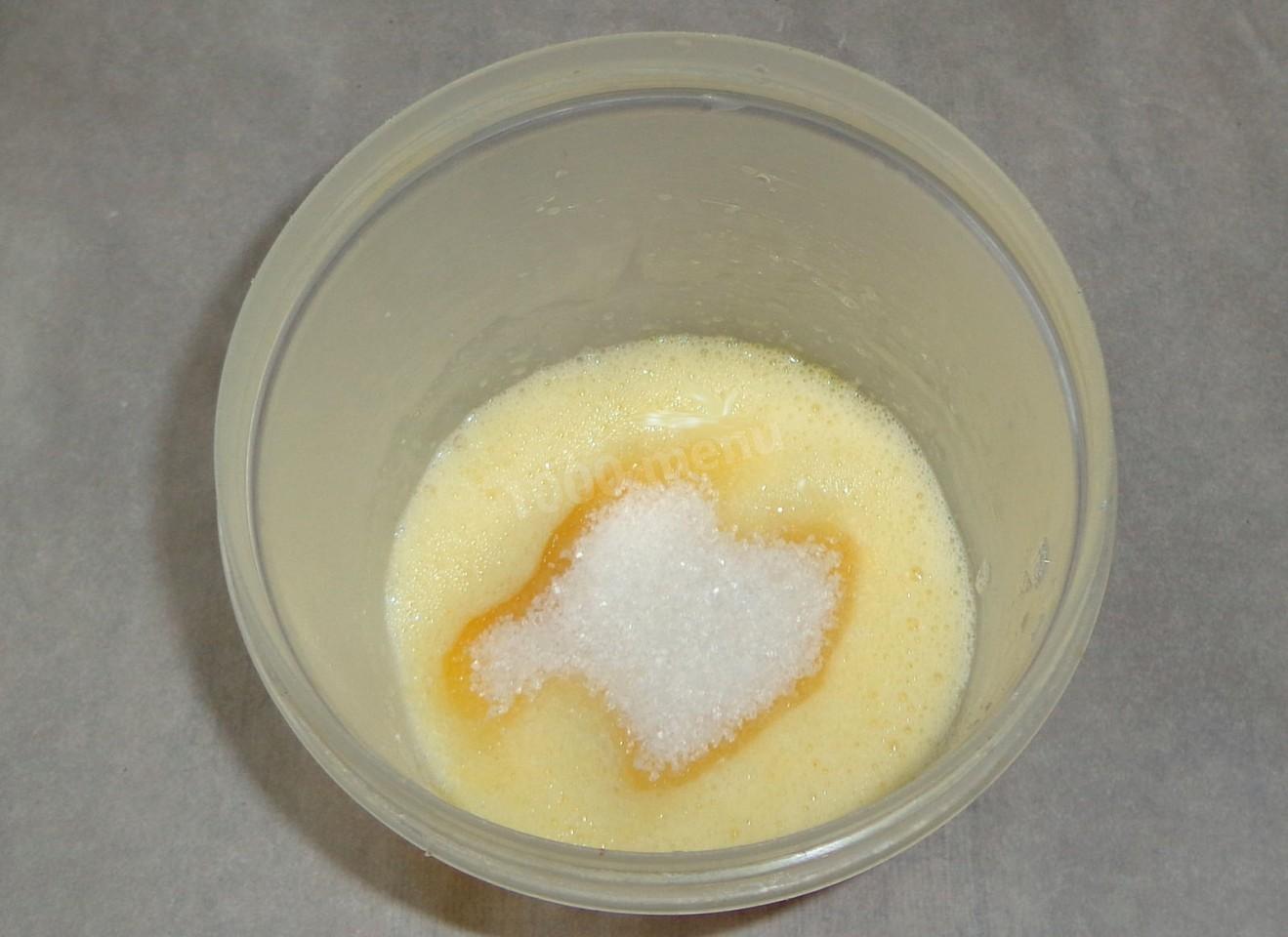
Add the sugar to the eggs and beat until pale and fluffy.
-
Step 4:
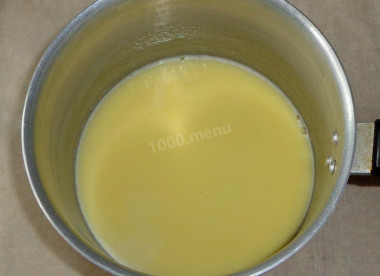
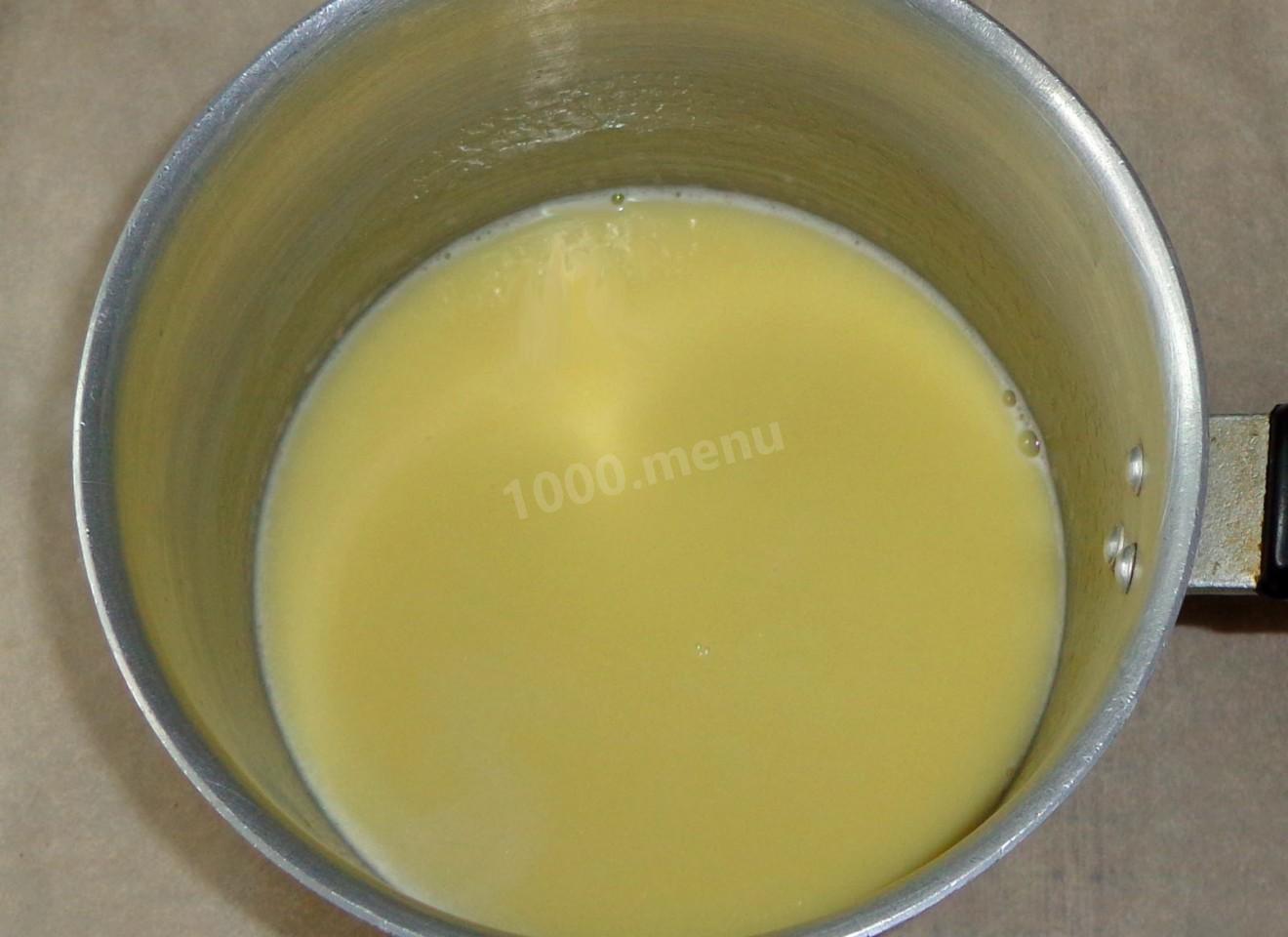
Melt the butter using any of the methods described at the end of the recipe. Then let it cool until just warm.
-
Step 5:
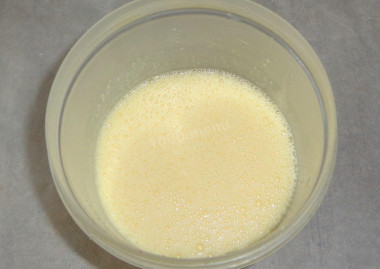
Pour the warm melted butter into the egg-and-sugar mixture. Beat again with the mixer until smooth, about 1 minute.
-
Step 6:
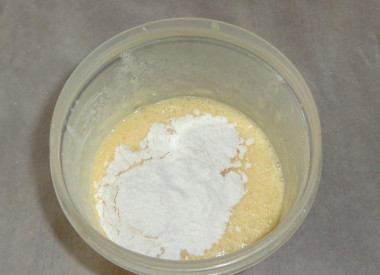
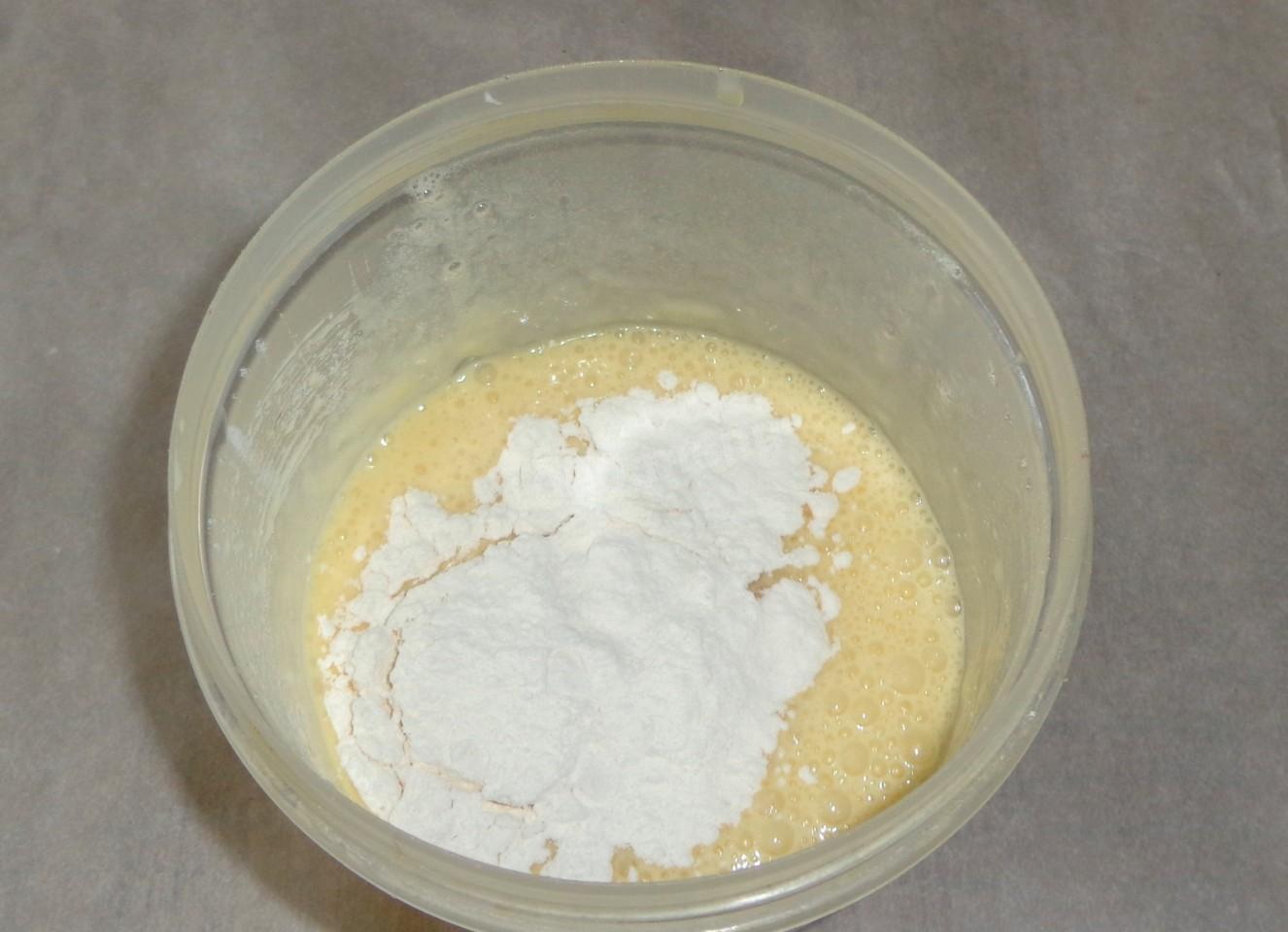
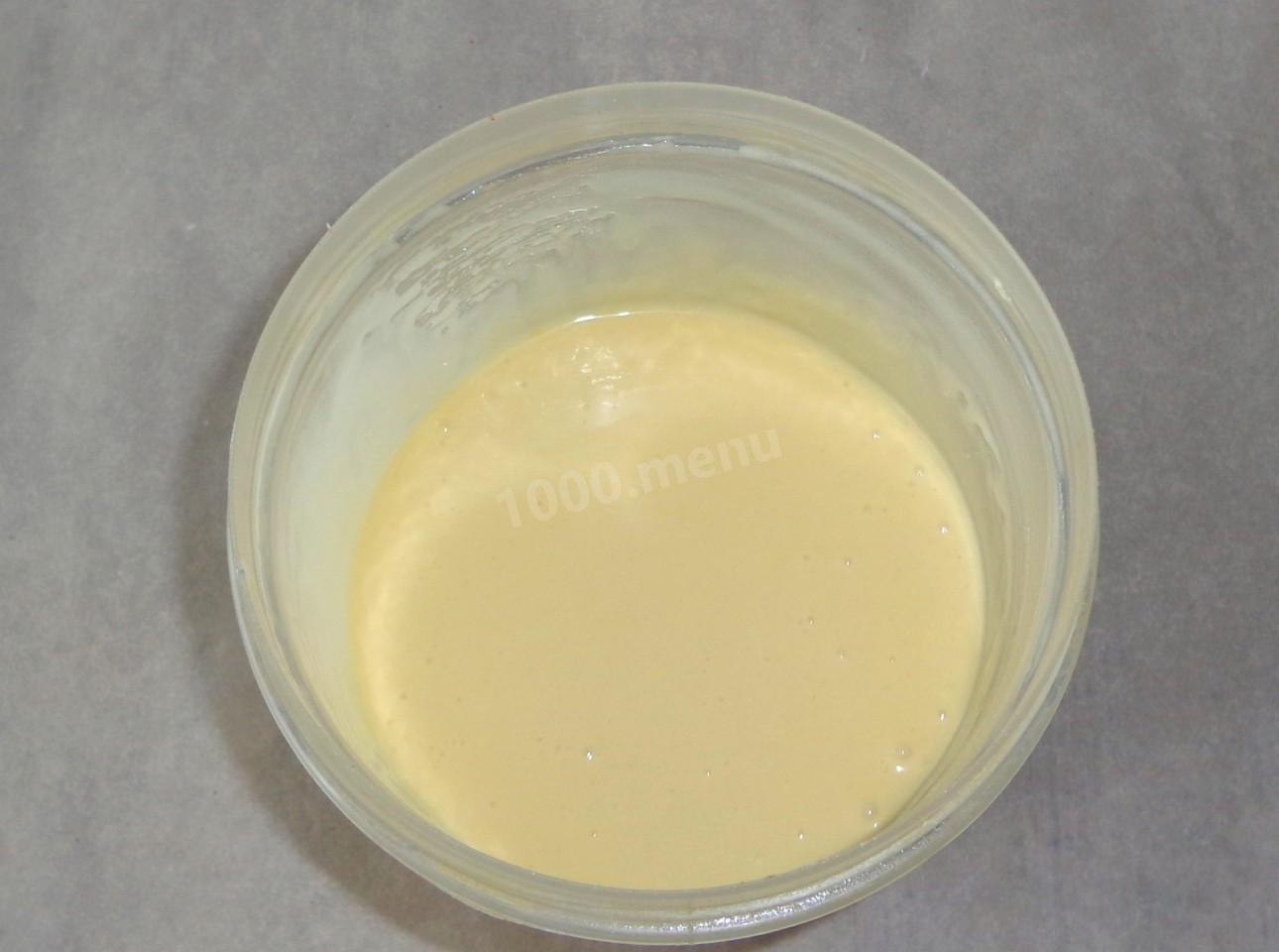
Sift the flour. Start adding it to the batter a bit at a time, not all at once, stirring thoroughly after each addition so no lumps remain. The batter should reach the consistency of pourable sour cream. You can stir it with a spatula or a whisk. You may need more or less flour than the recipe calls for—go by the consistency.
-
Step 7:
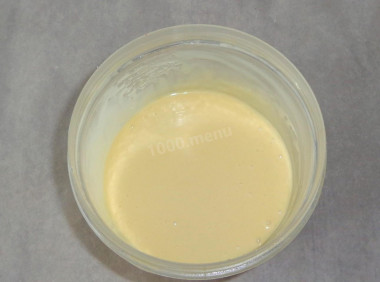
The batter is ready for making waffles—no need to chill it. It may not seem like much batter, but it yields plenty of thin waffles, about 15–20, depending on size.
- This batter is ideal for making waffle cones. Heat the electric waffle iron, pour about 1 tablespoon of batter onto the cooking surface, and close the lid right away. Roll the waffles up while they're hot—they harden as they cool. But wait until they're fully cooled before filling them. A thick sweet cream or fruit jam works best for the filling. If you add baking powder to the batter, you can bake thick waffles in a dedicated appliance.
- Always wash eggs before using them, since even a shell that looks clean can carry harmful bacteria. A food-safe wash and a brush work best.
- You can melt butter in the microwave or in a double boiler. In the microwave: cut the butter into small pieces and put it in a suitable container. To keep it from splattering, cover the container with a paper towel. Melt it on the lowest power or the defrost setting—about five seconds to start. If it hasn't melted, run it another 5 seconds, and repeat as needed until done. In a double boiler: you'll need two pots of different sizes. Fill the larger one with water and set it on the stove. Set the smaller one on top so it's submerged about halfway. Put the cut-up butter in it. The boiling water will melt the butter; stir it gently to speed things up. As soon as it's fully melted, take the container off the heat.
- It's important to sift the flour to aerate it. That way the bake comes out light and rises well.
Caloric content of the products possible in the composition of the dish
- Granulated sugar - 398 kcal/100g
- Sugar - 398 kcal/100g
- Butter 82% - 734 kcal/100g
- Amateur unsalted butter - 709 kcal/100g
- Unsalted peasant butter - 661 kcal/100g
- Peasant salted butter - 652 kcal/100g
- Melted butter - 869 kcal/100g
- Wheat flour - 325 kcal/100g
- Chicken egg - 80 kcal/100g