Lamb with Chickpeas
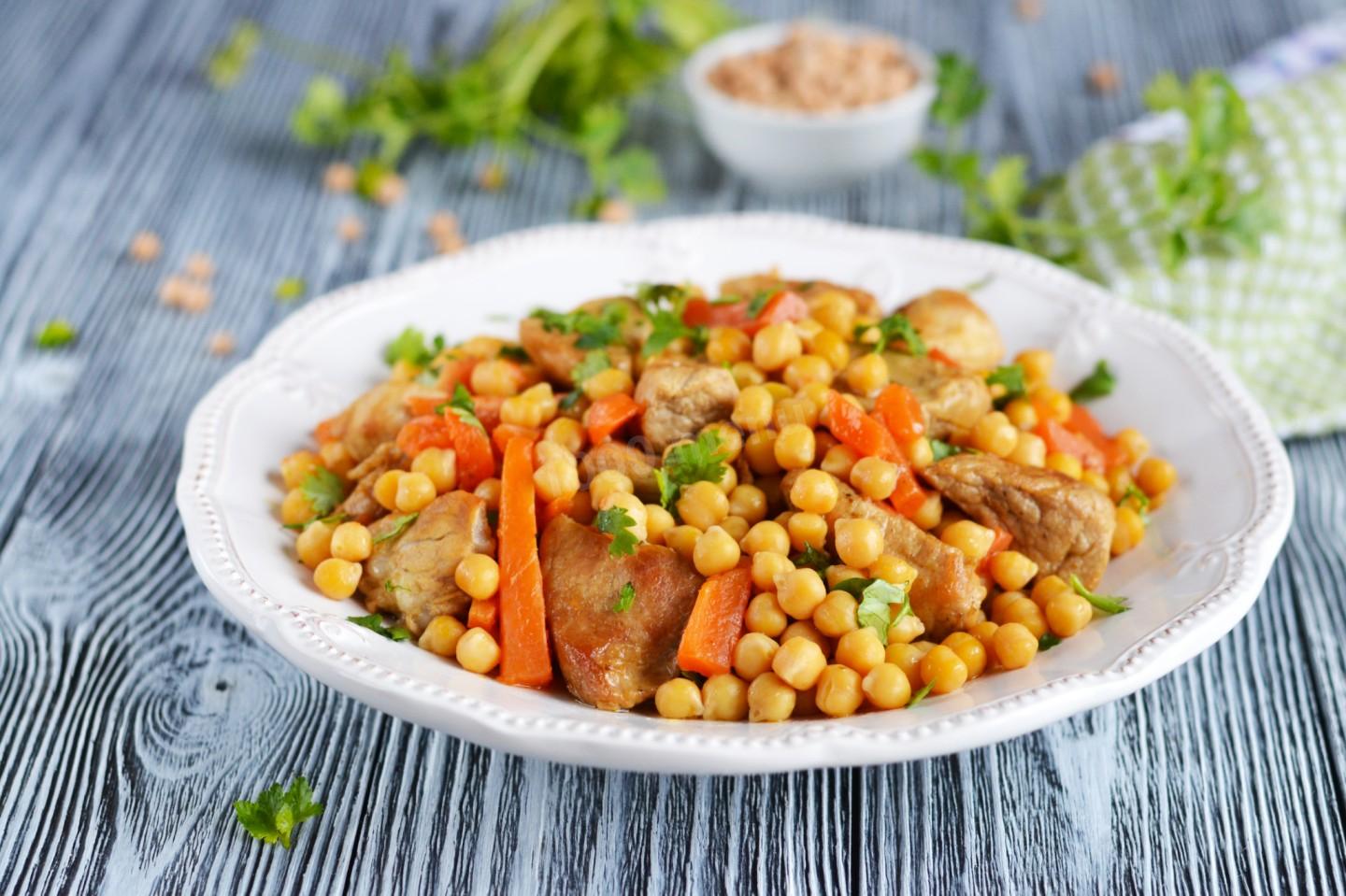
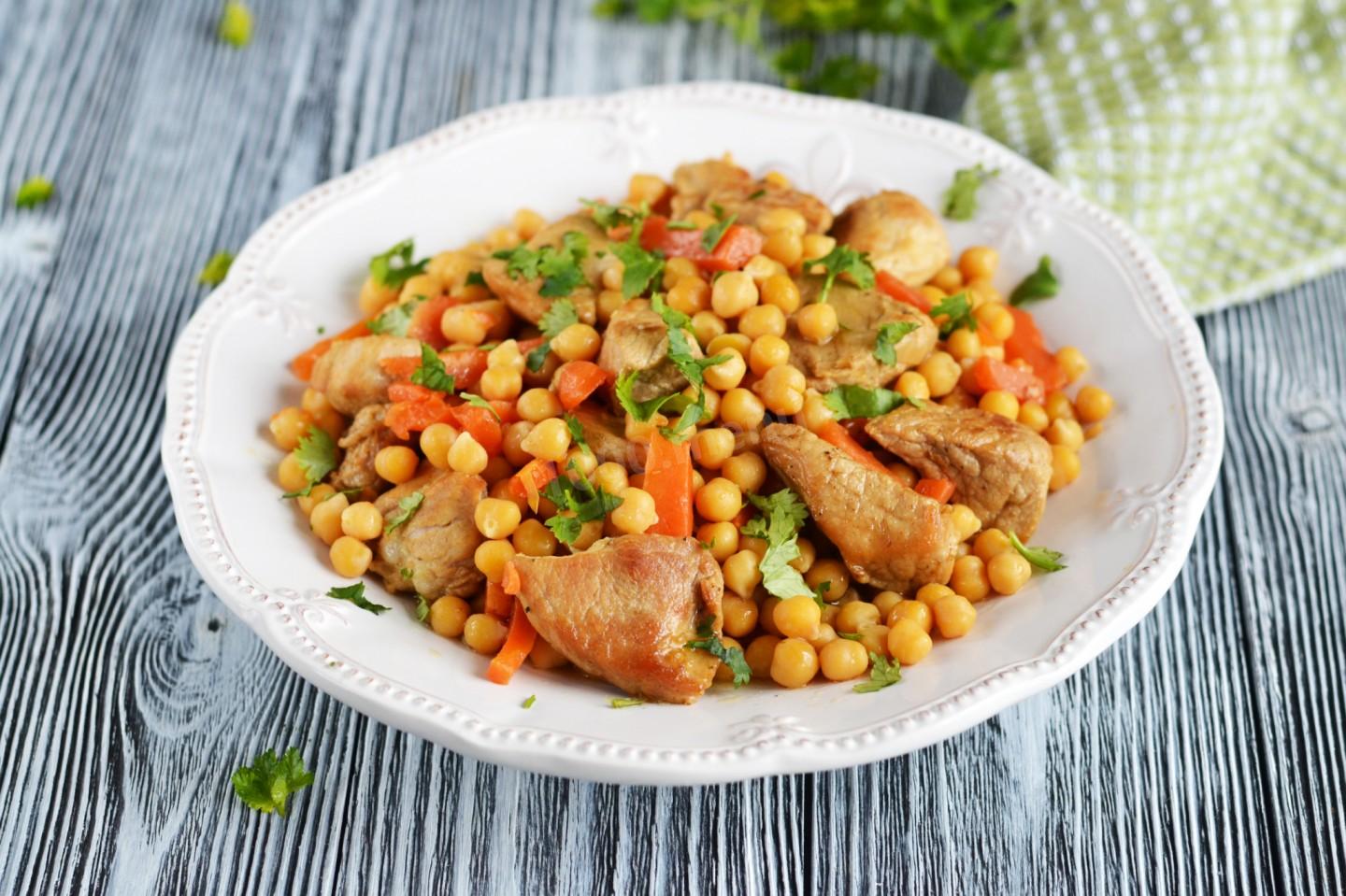
Another well-known dish from Samarkand cooking. Juicy meat and hearty chickpeas with vegetables in a fragrant, spice-laced broth — it doesn't get much tastier! Lamb with chickpeas is easy to make: just layer everything into a pot and let it simmer away on the stove.
Cooking method
-
Step 1:
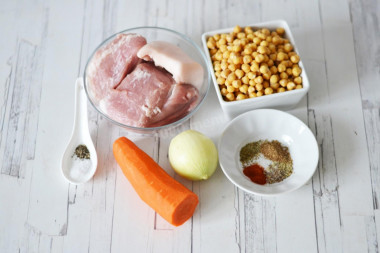
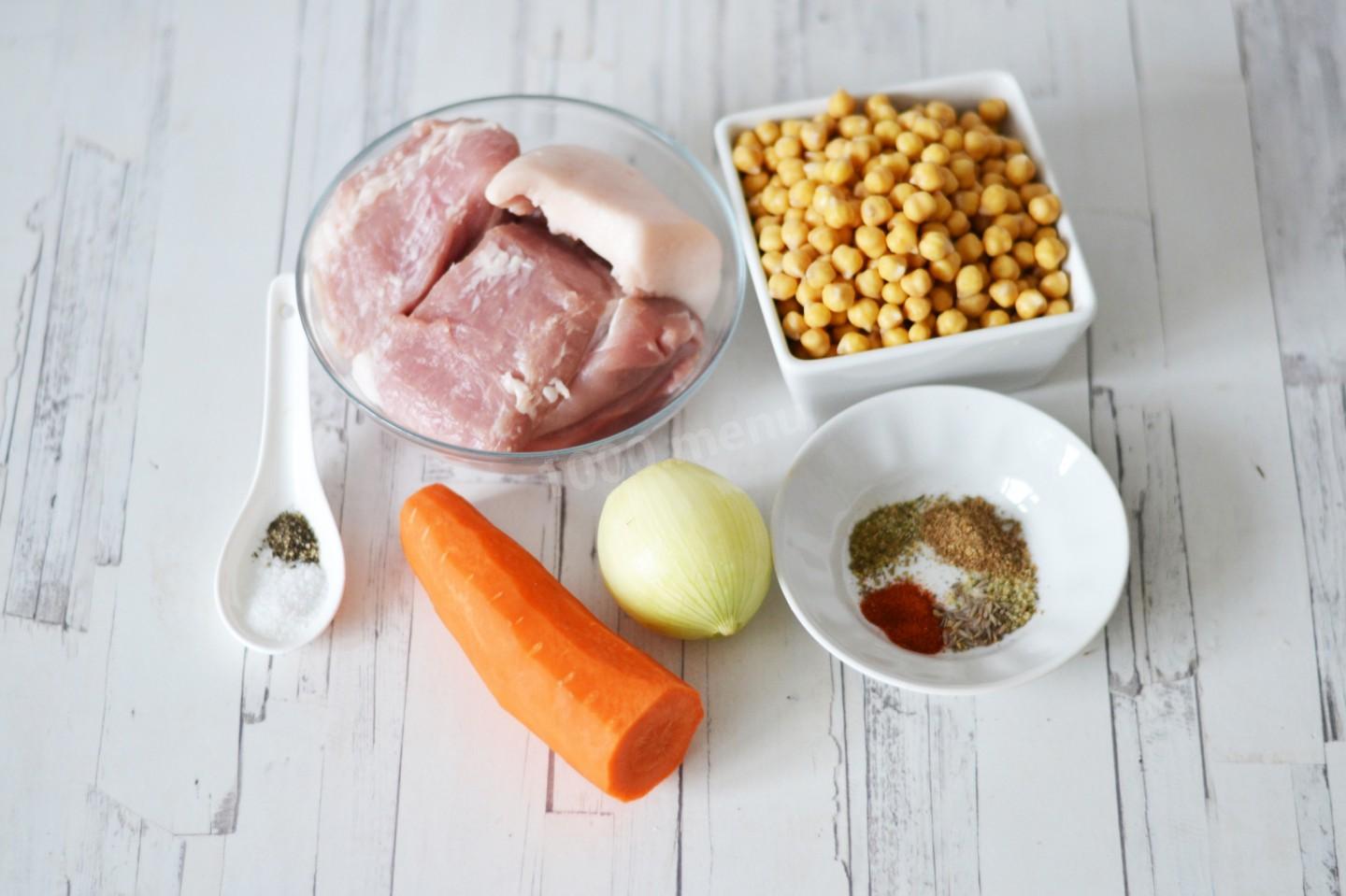
Measure out the ingredients. For lamb with chickpeas you'll need: 300 g (about 1½ cups) dried chickpeas; 250 g boneless lamb; 30 g lamb tail fat; 1 carrot; 1 onion; ½ tsp ground coriander; ¼ tsp khmeli-suneli (a Georgian spice blend); ¼ tsp paprika; ½ tsp salt; a pinch of ground black pepper.
-
Step 2:
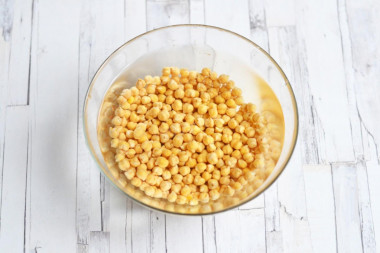
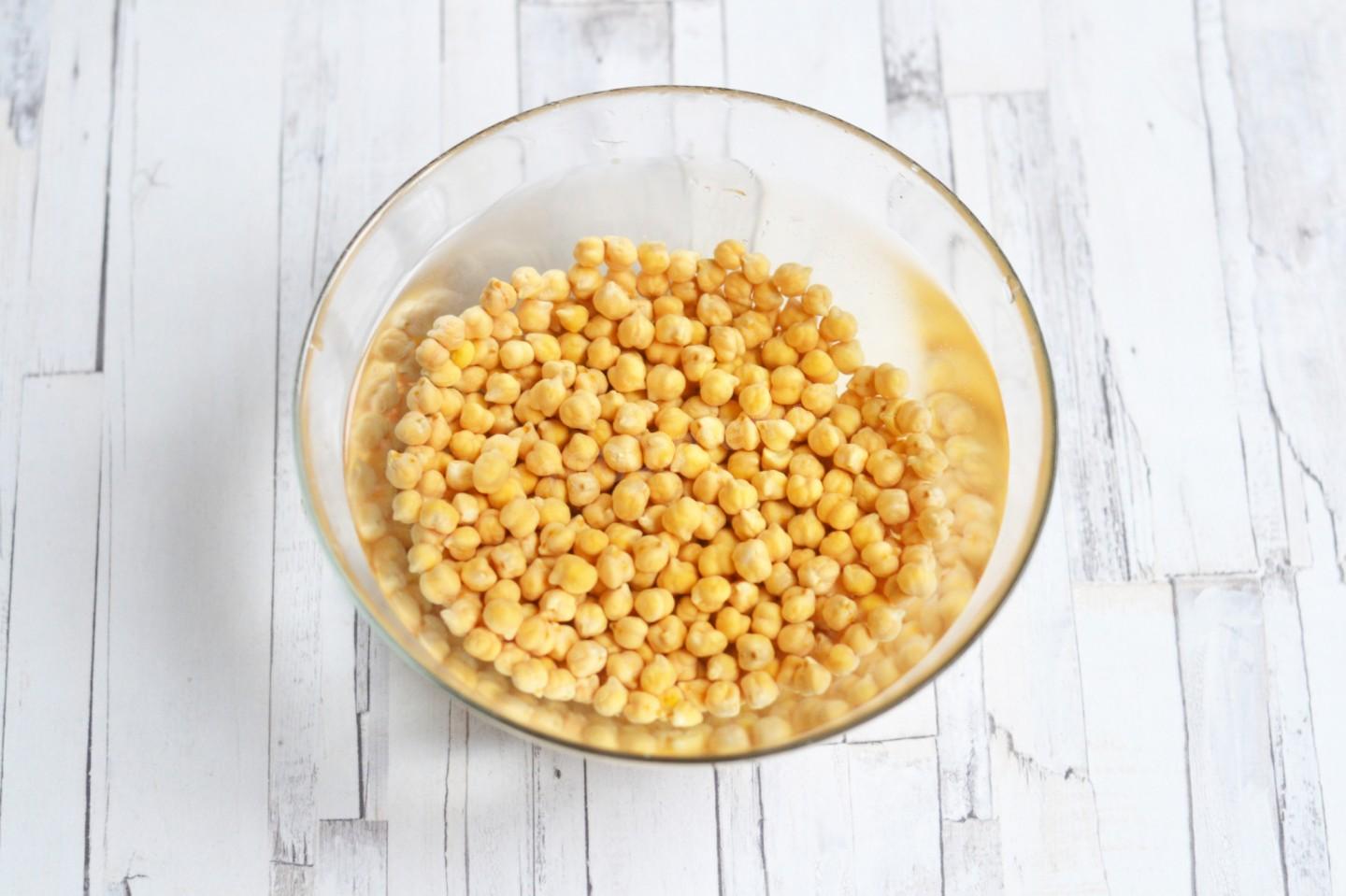
Rinse the chickpeas until the water runs clear, then soak them in warm water for 4-5 hours — better yet, overnight.
-
Step 3:
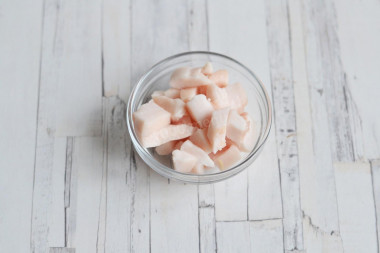
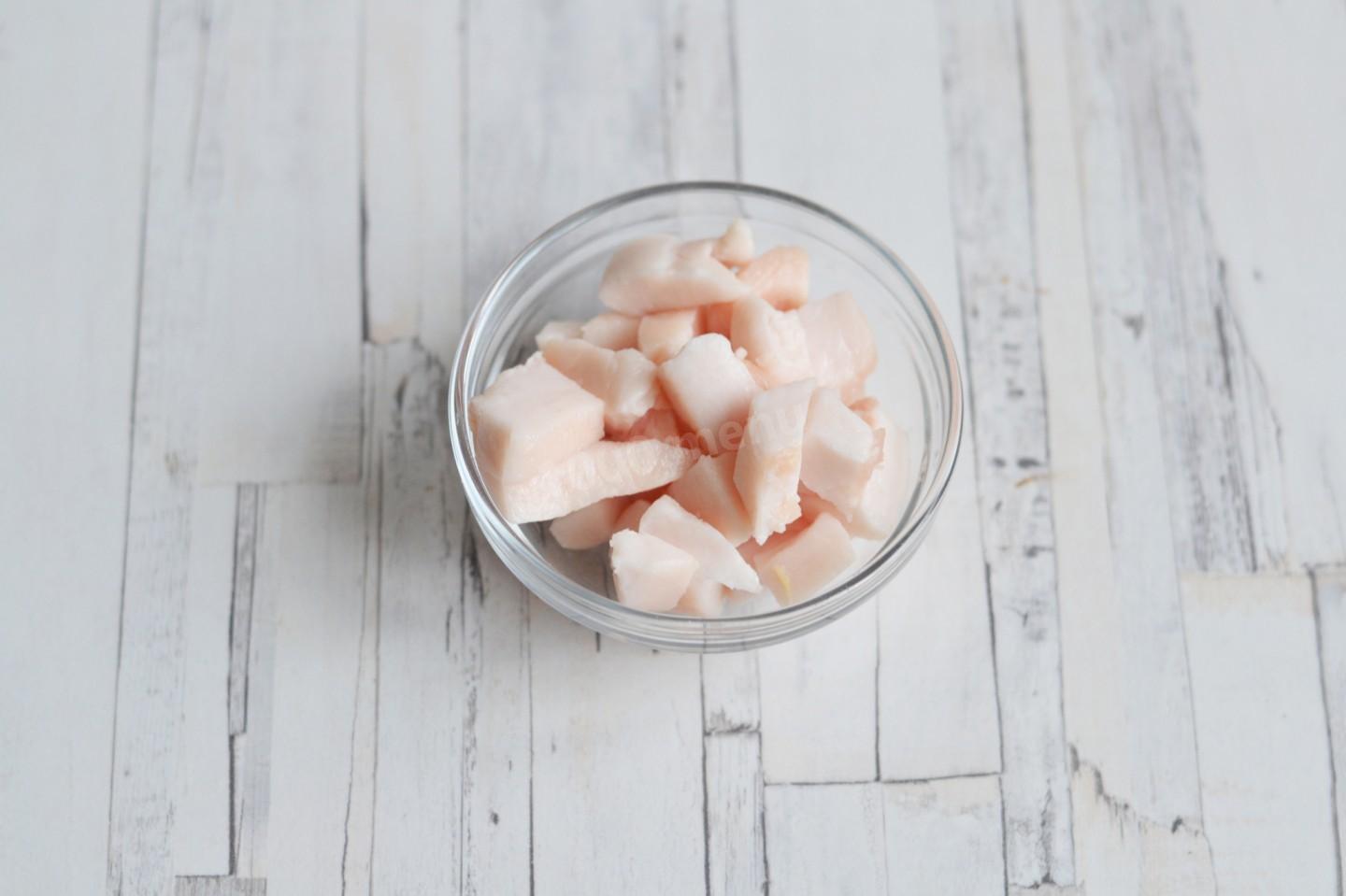
Rinse the lamb. Separate the fat from the meat and cut the fat into small cubes.
-
Step 4:
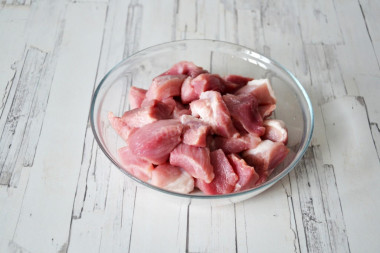
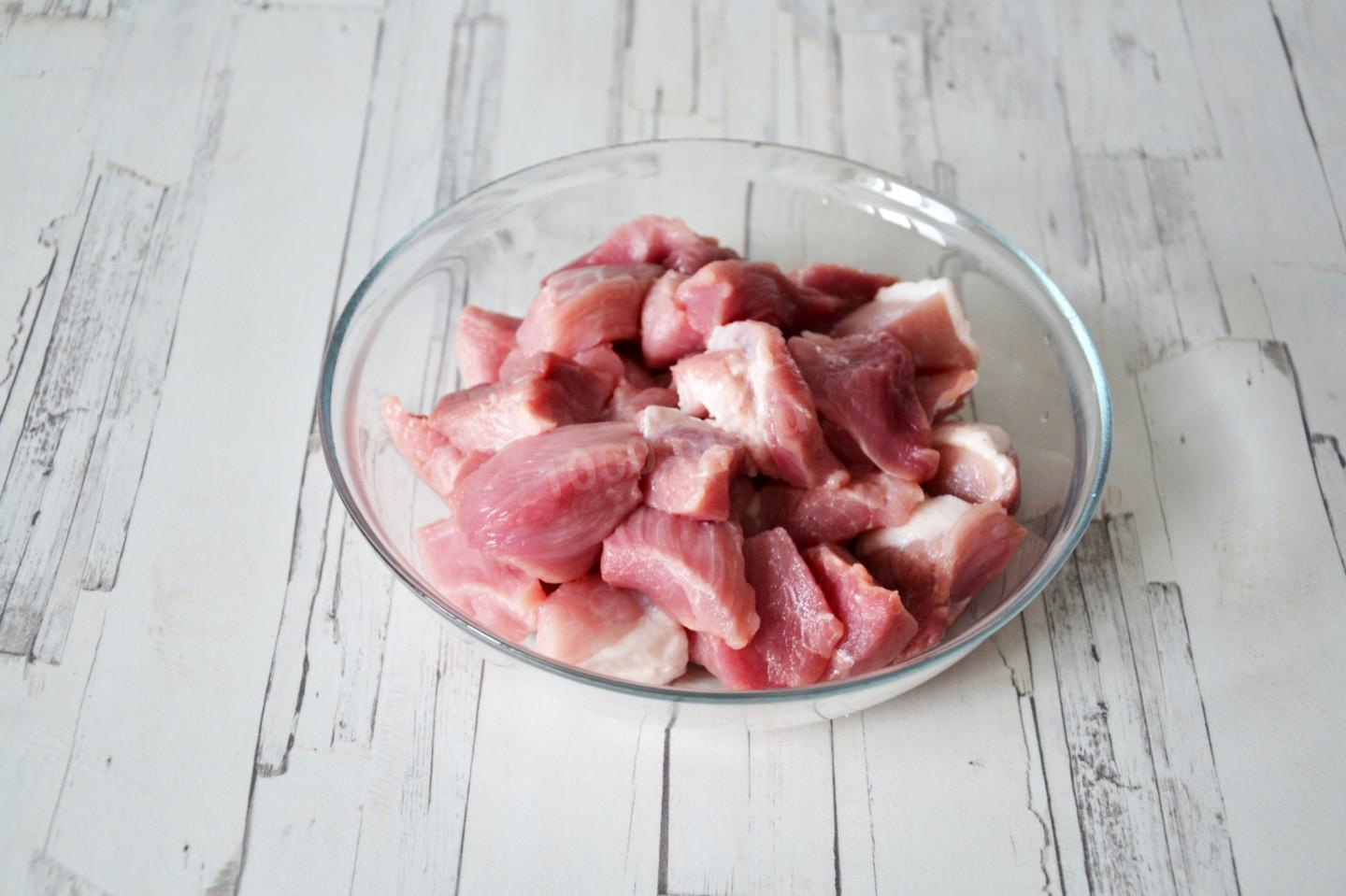
Cut the meat into small pieces.
-
Step 5:
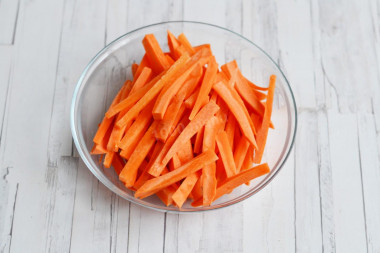
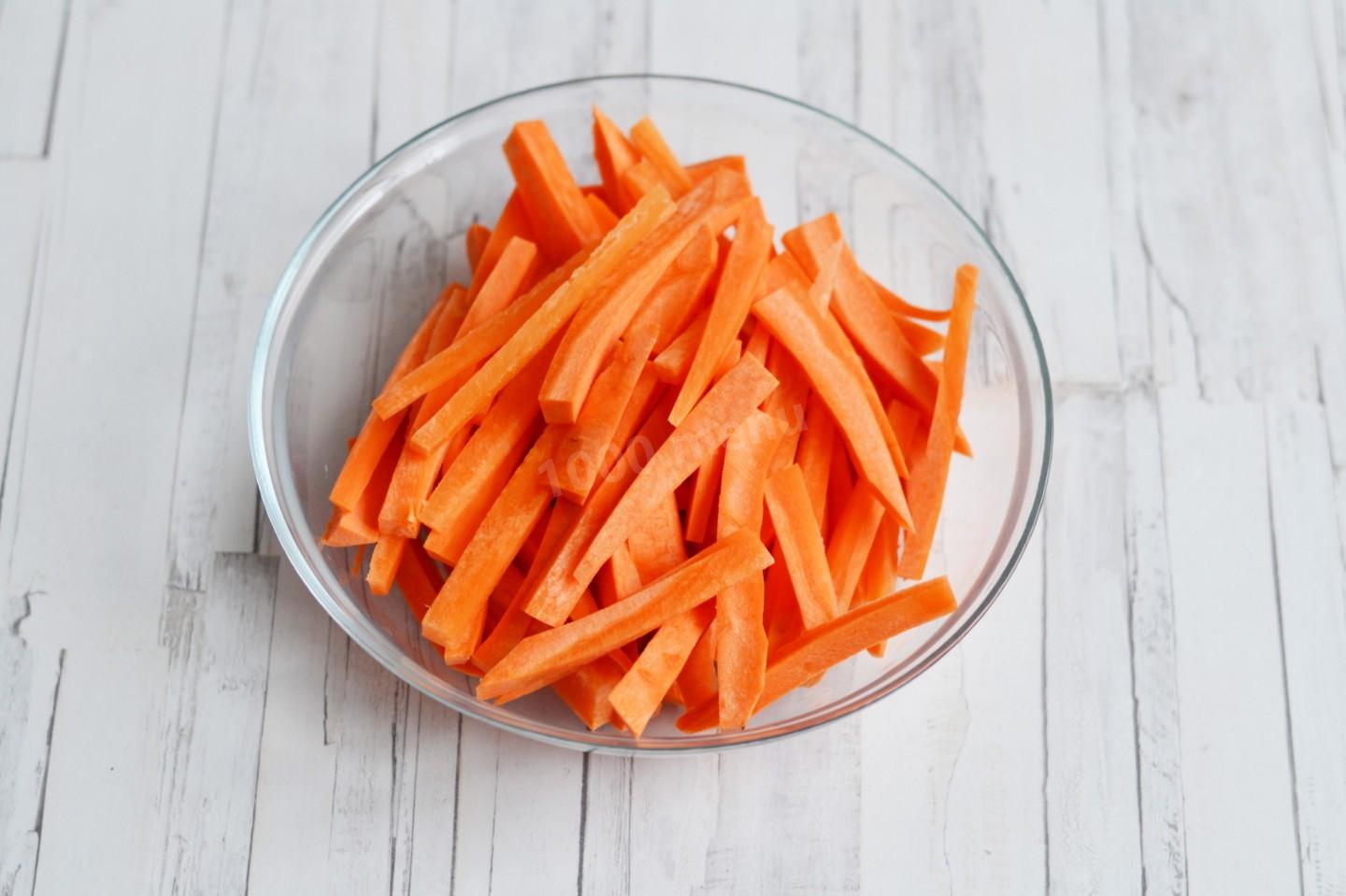
Peel the carrot and cut it into large sticks.
-
Step 6:
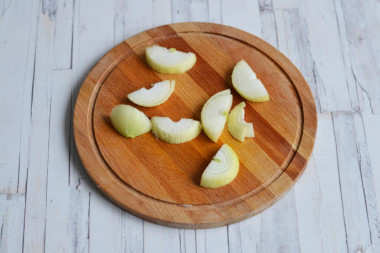
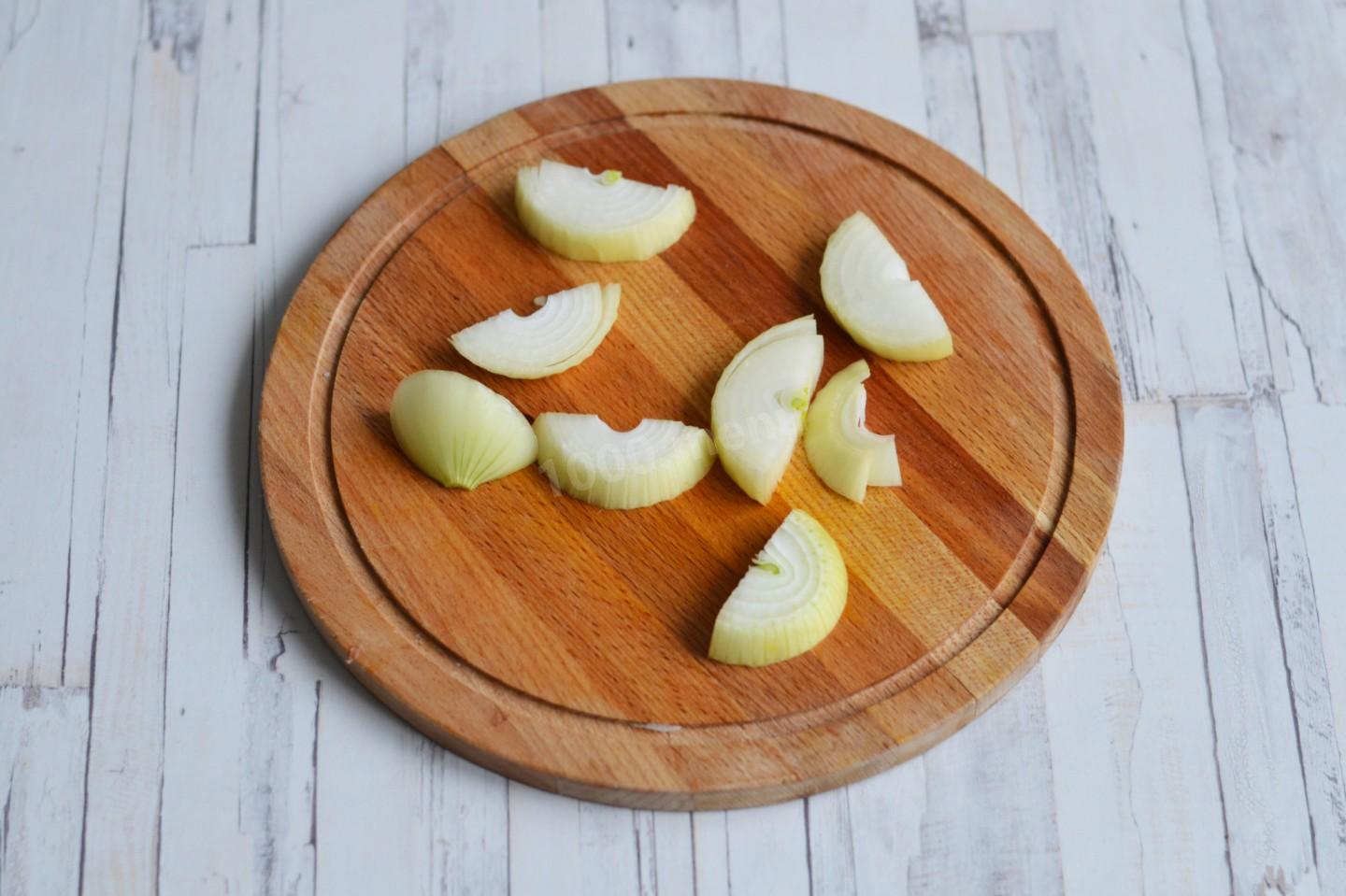
Peel the onion and slice it into half-moons.
-
Step 7:
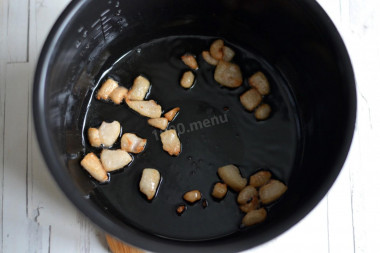
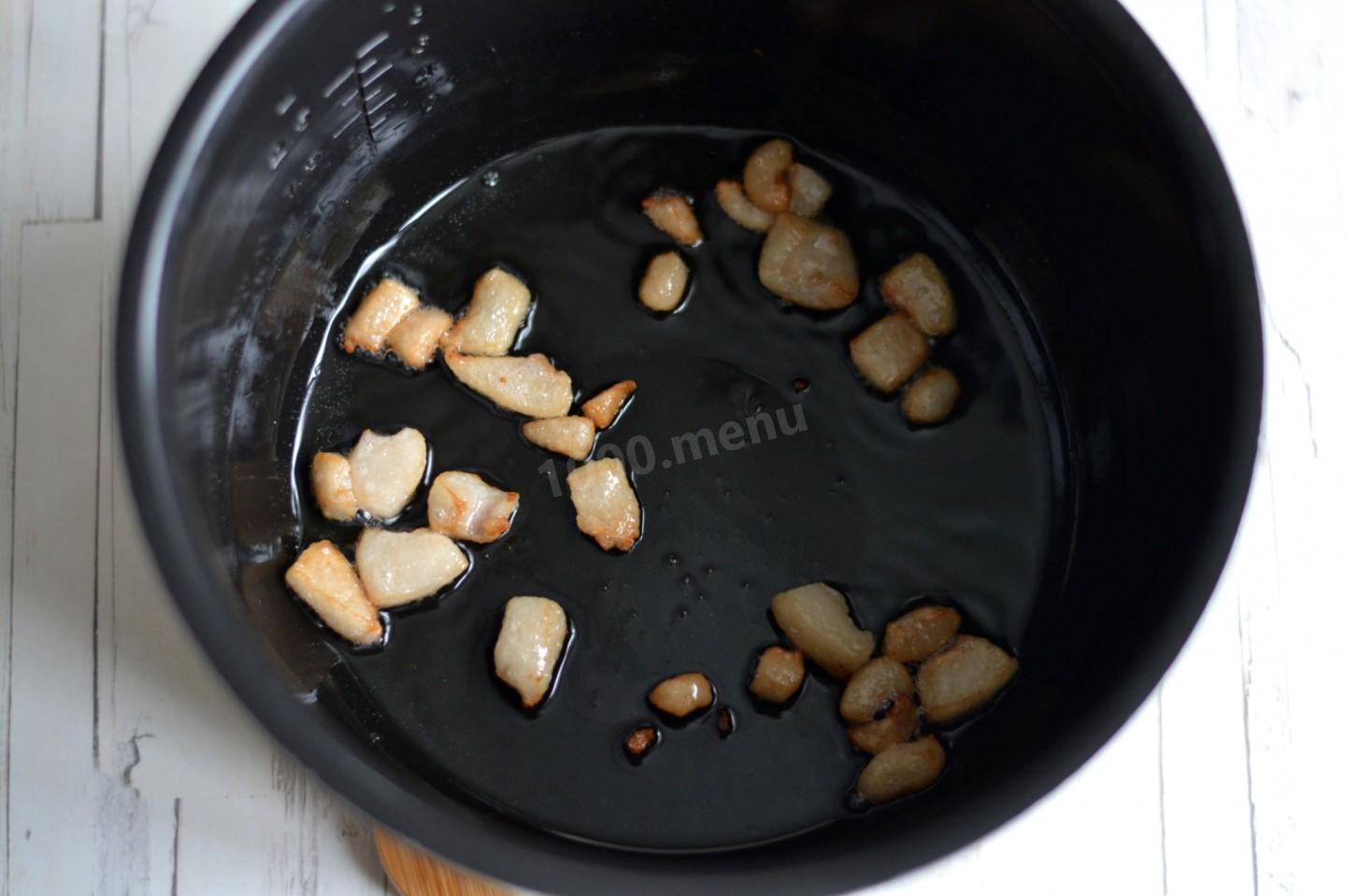
In a cauldron or a heavy-bottomed pot, render the lamb fat until it turns into crisp cracklings. Scoop the cracklings out onto a plate.
-
Step 8:
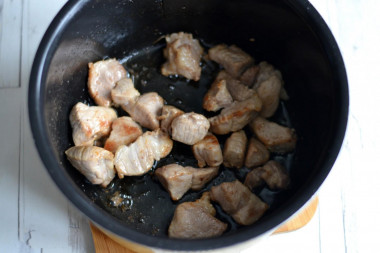
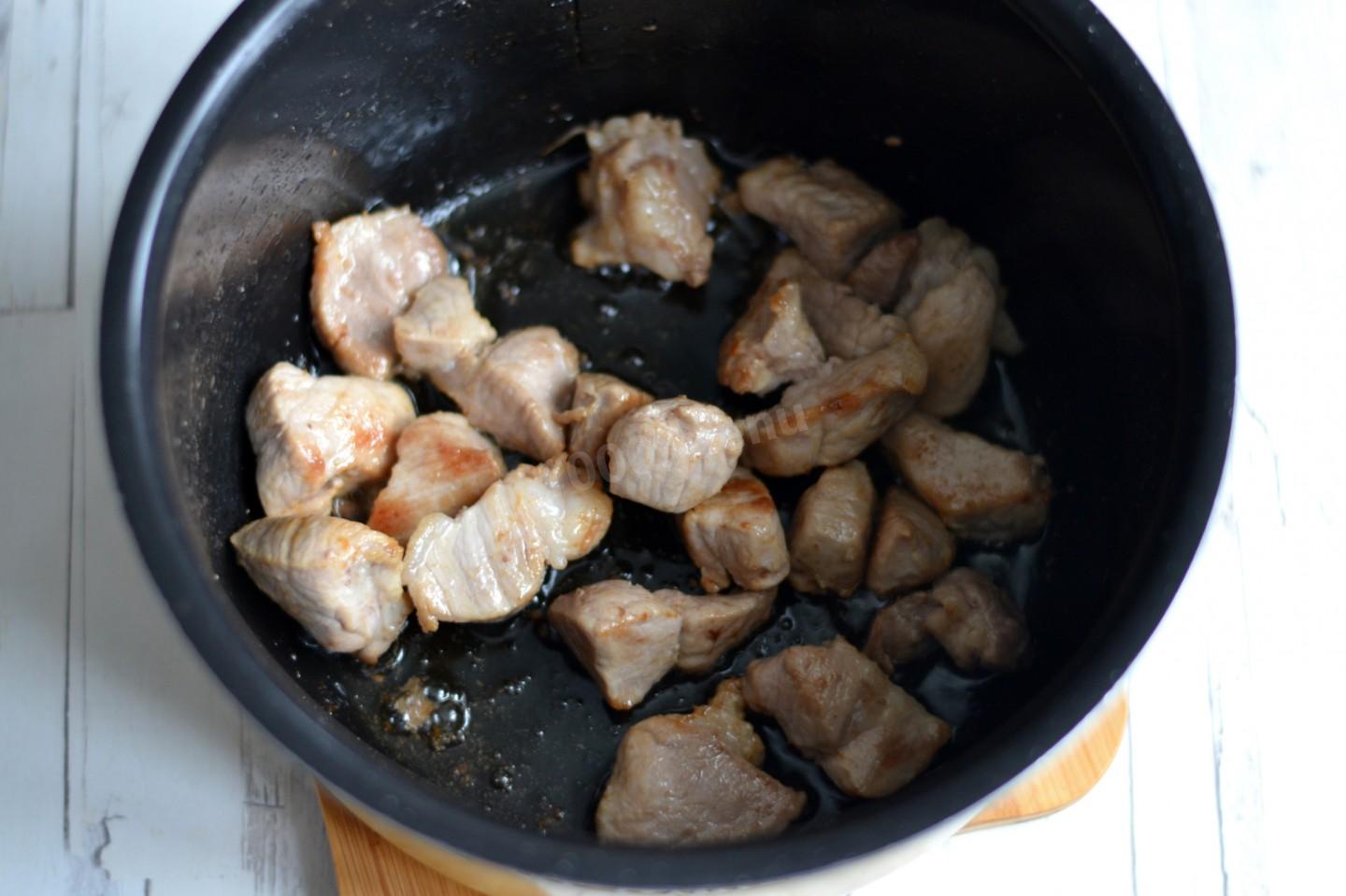
Add the meat to the pot and fry until browned.
-
Step 9:
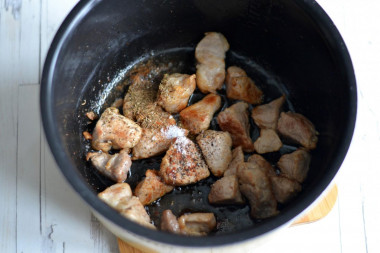
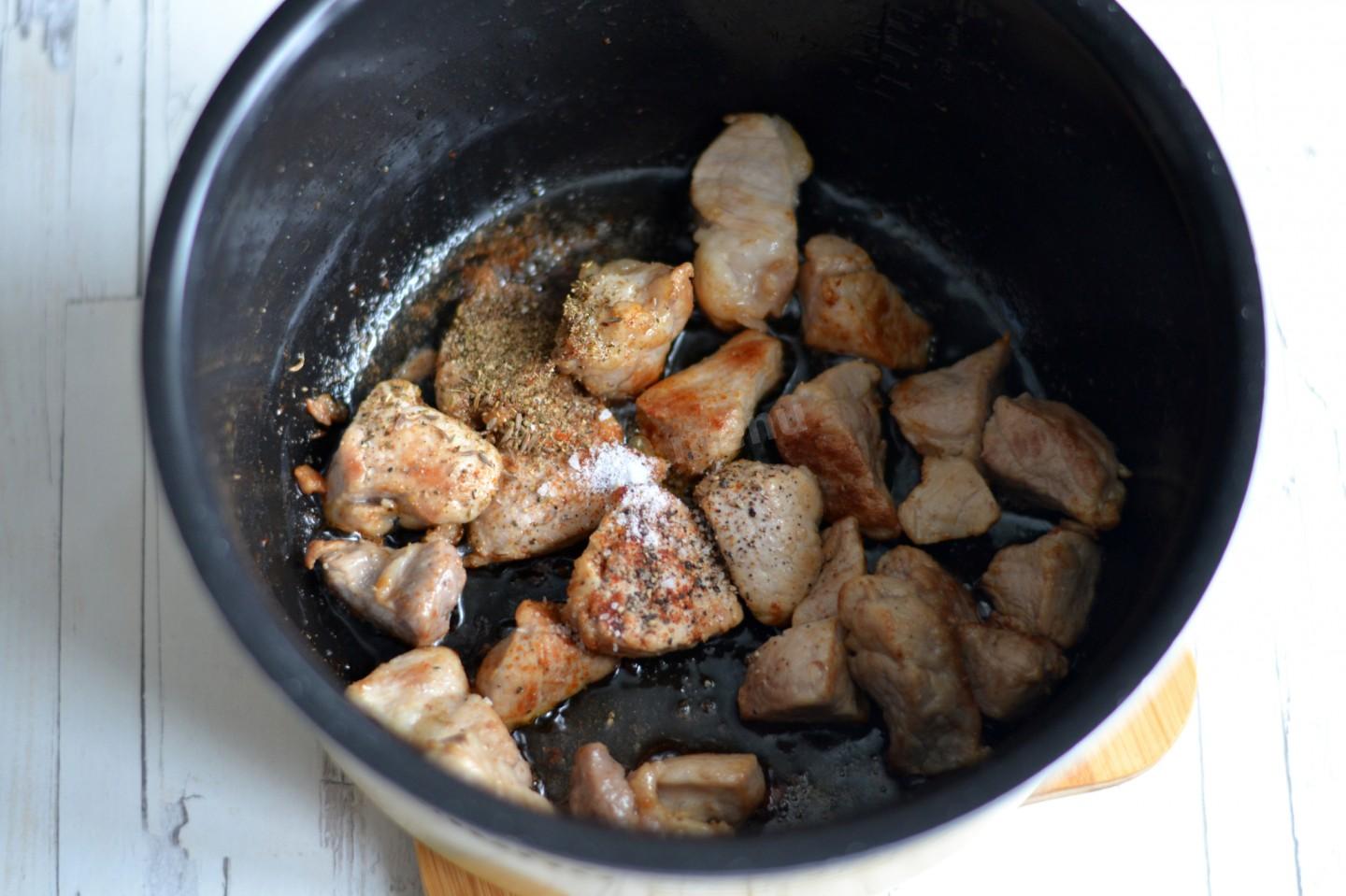
At the end, add the coriander, khmeli-suneli, paprika, and salt. Stir to combine.
-
Step 10:
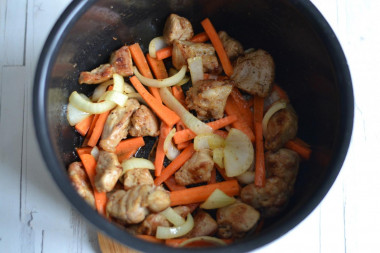
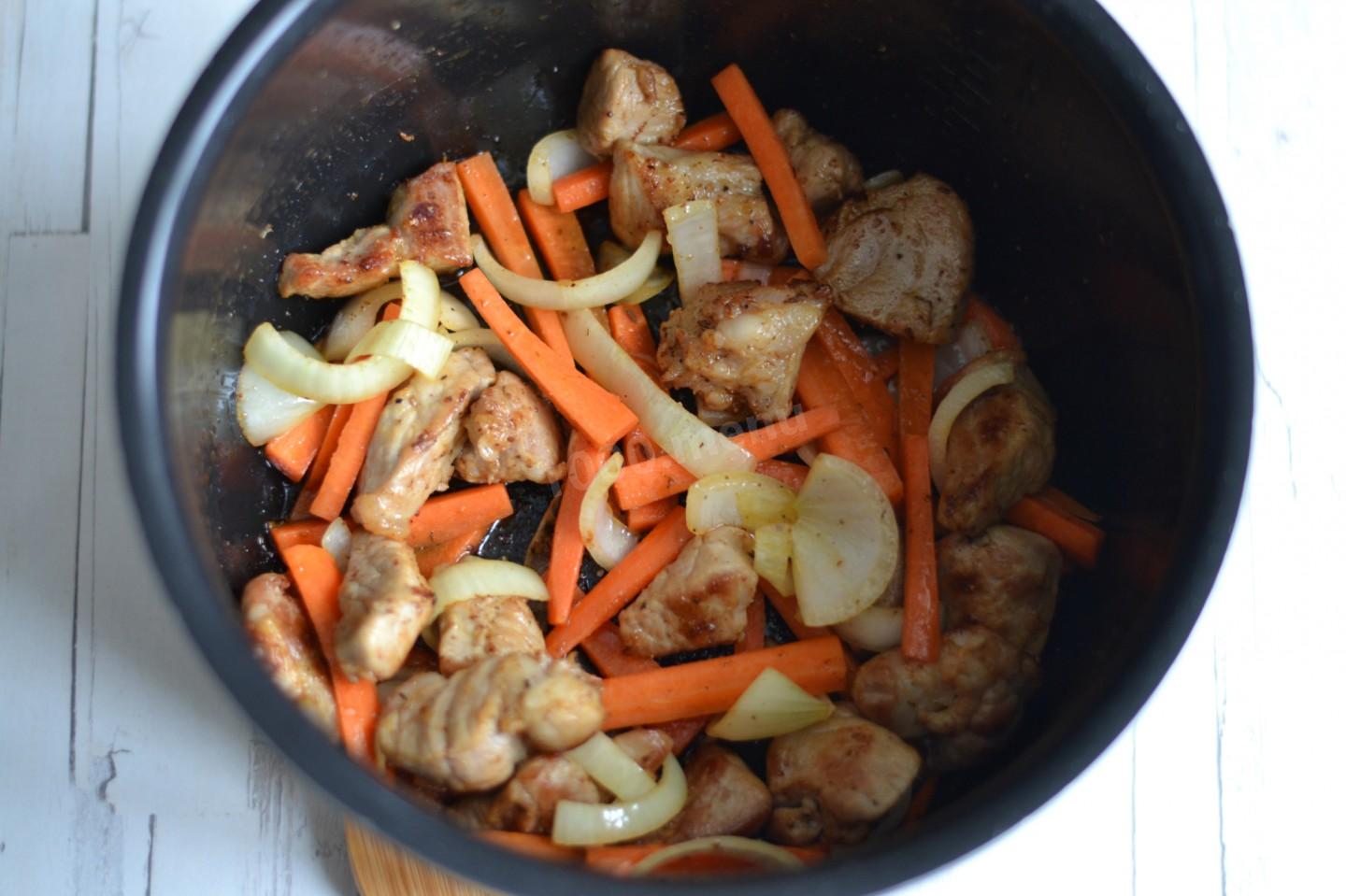
Add the onion and carrot to the meat. Cook everything together, stirring, for about 5 minutes.
-
Step 11:
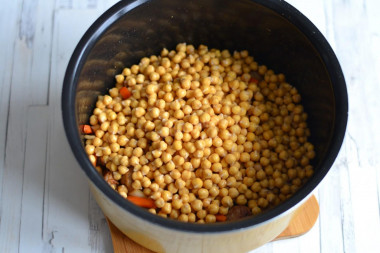
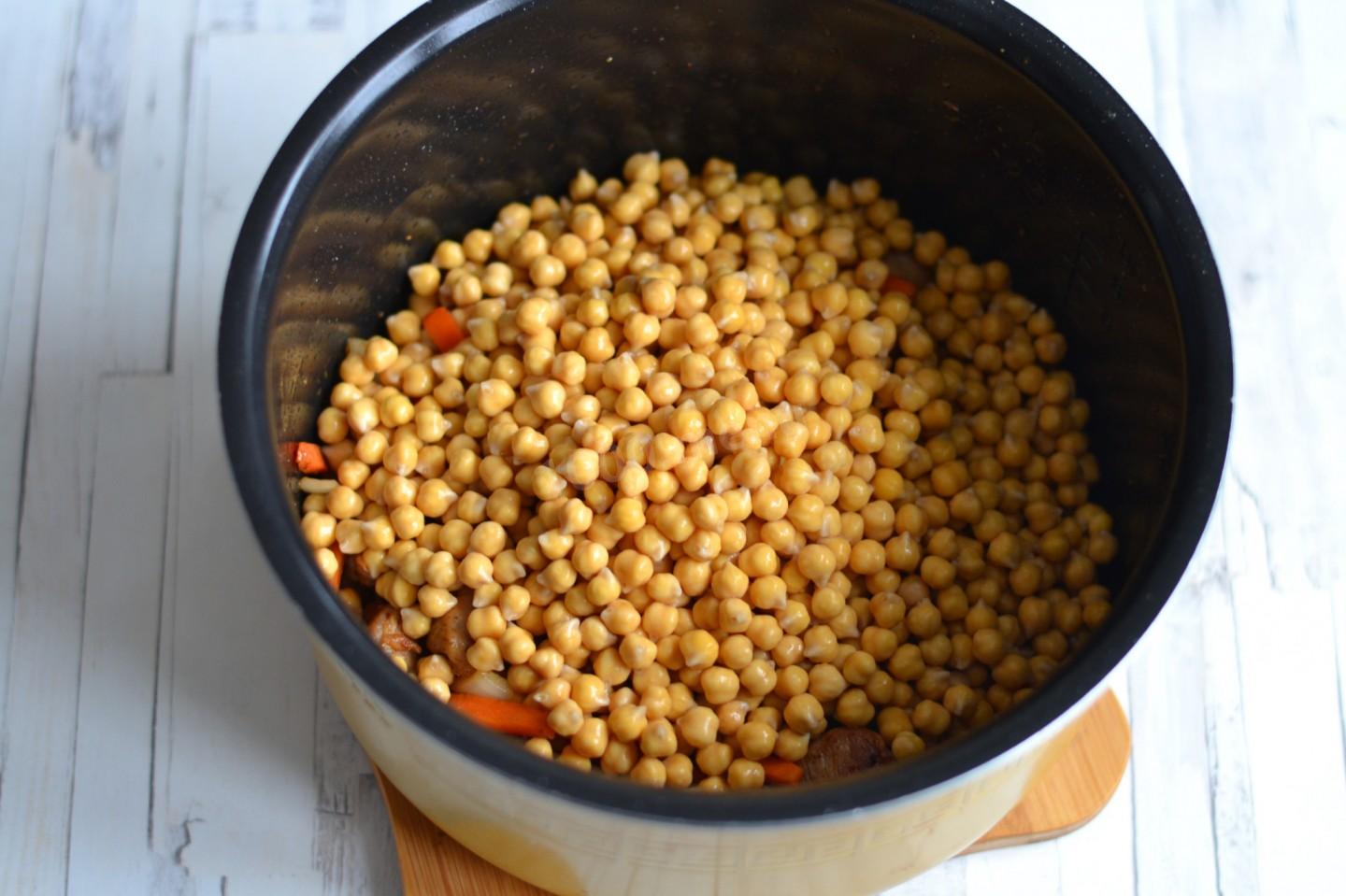
Add the chickpeas to the pot.
-
Step 12:
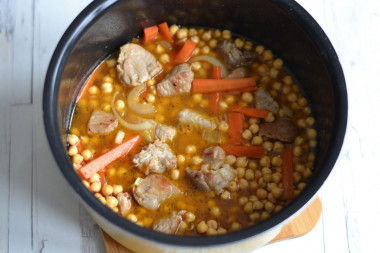
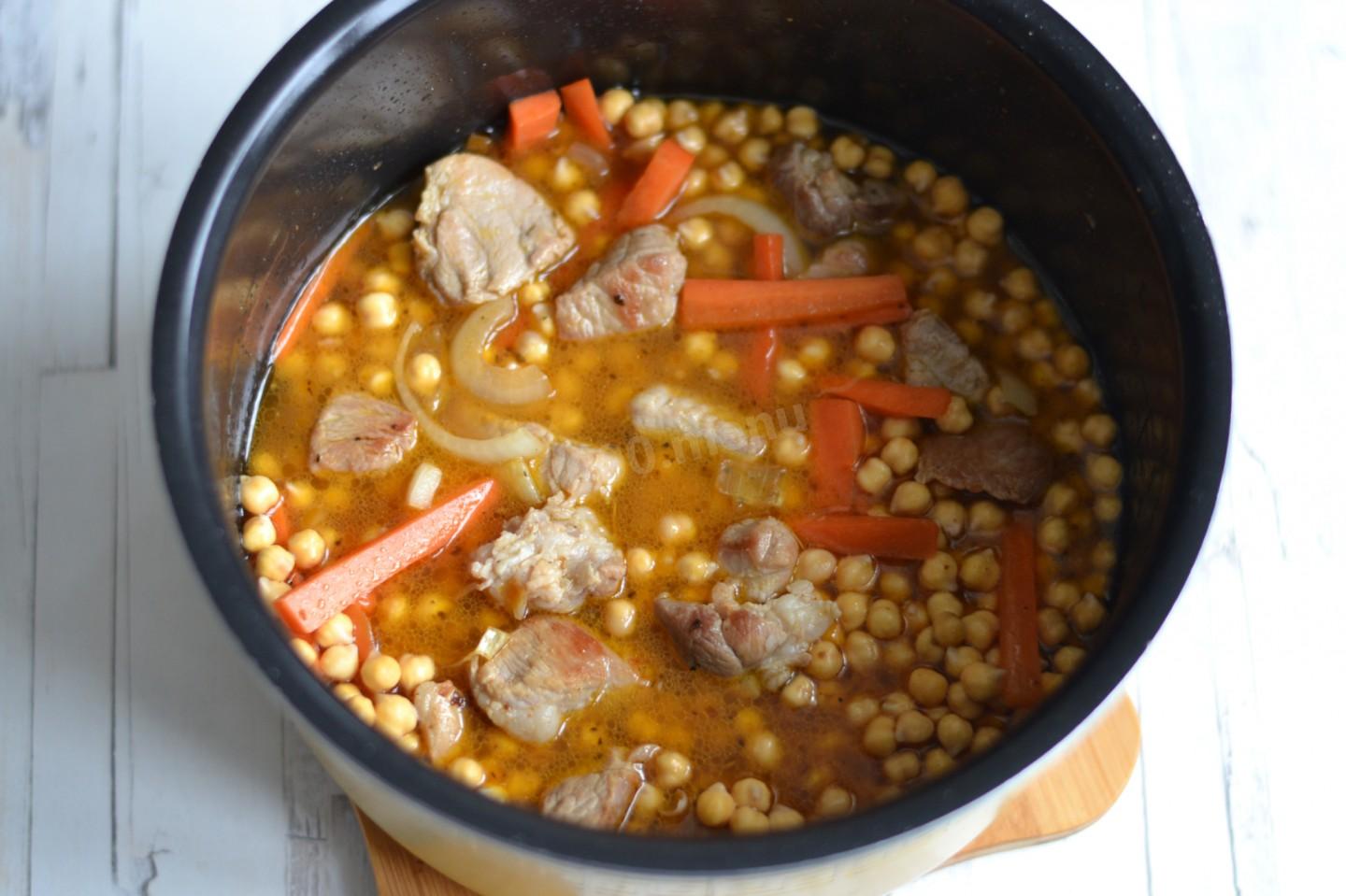
Pour in 300 ml (about 1¼ cups) of water.
-
Step 13:
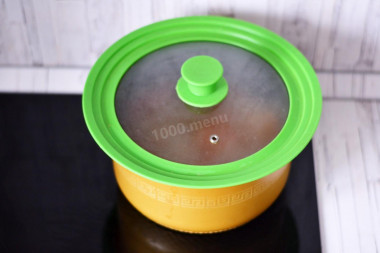
Bring to a boil. Cook covered, skimming off the foam now and then, for about 45 minutes, until the chickpeas are tender.
-
Step 14:
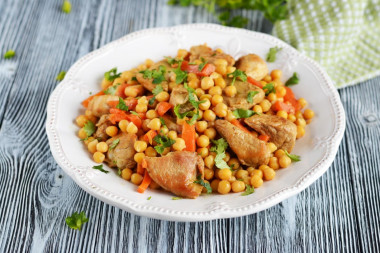
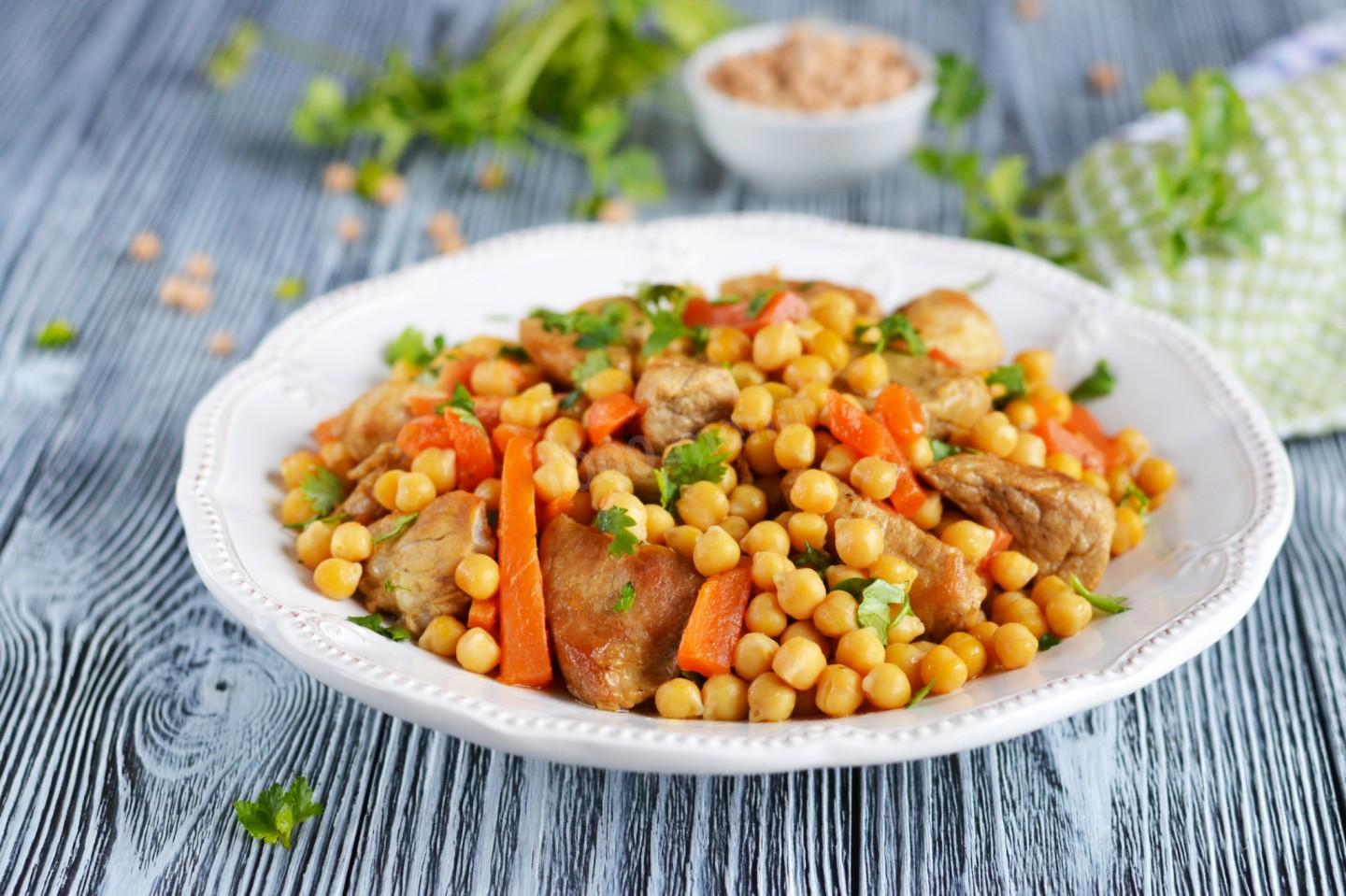
Once the time is up, the lamb with chickpeas is ready. Enjoy!
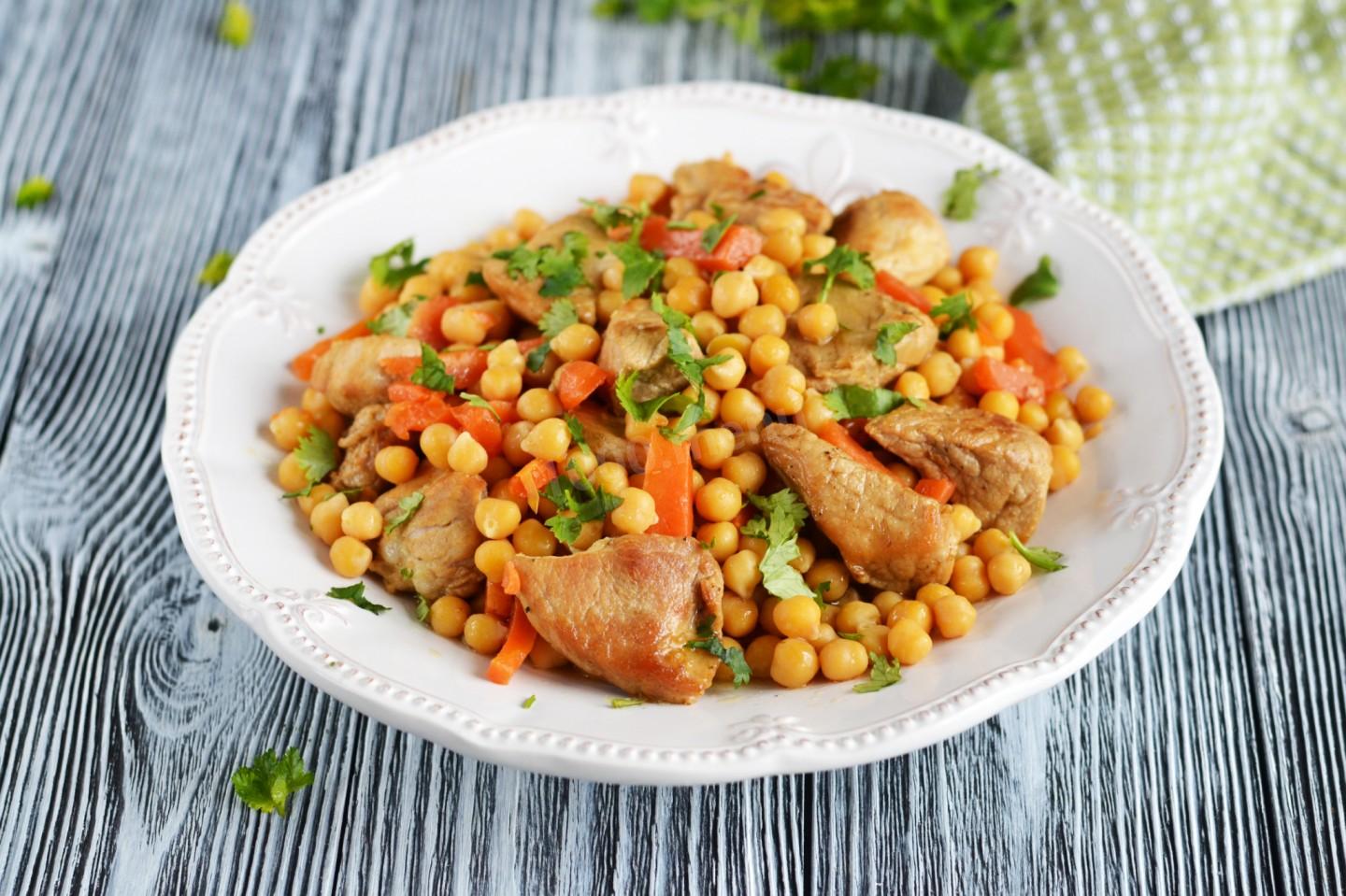
- Not long ago I made a fragrant Samarkand plov, which differs from the pilaf we're used to mainly by the chickpeas in it. I fell so hard for this wonderful legume — which I was trying for the first time — that I wanted to get better acquainted with other chickpea dishes and with Samarkand cooking in general. In Samarkand this dish is called nohat shurak, and it's served over slices of a Samarkand flatbread called patyr. Sometimes a whole flatbread doubles as the plate: it's a substantial round with a golden, firm crust and a hollow that dips from the edges toward the center, so it looks a lot like a dinner plate. Spoon the finished dish onto the slices of patyr and ladle broth over the top, and the bread doesn't fall apart at all — it just soaks up the broth and softens. You tear off a piece of the broth-soaked flatbread and eat it along with the chickpeas and meat. Strictly speaking the dish is made without meat, but people apparently grew so fond of meat that nohat shurak came to be served with it.
Caloric content of the products possible in the composition of the dish
- Onion - 41 kcal/100g
- Lean mutton - 169 kcal/100g
- Fat mutton - 225 kcal/100g
- Lamb - brisket - 533 kcal/100g
- Mutton - ham - 232 kcal/100g
- Lamb chop on a bone - 380 kcal/100g
- Lamb shoulder - 284 kcal/100g
- Mutton - dorsal part - 459 kcal/100g
- Carrots - 33 kcal/100g
- Dried carrots - 275 kcal/100g
- Boiled carrots - 25 kcal/100g
- Ground black pepper - 255 kcal/100g
- Hop-suneli - 417 kcal/100g
- Salt - 0 kcal/100g
- Chickpeas - 364 kcal/100g
- Paprika - 289 kcal/100g
- Ground coriander - 25 kcal/100g
- Chicken fat - 897 kcal/100g
Similar recipes
- National cuisine
- Second course
- Meat and meat products
- Vegetables
- Legumes
- Spices seasonings spices
- Fats and oils
- From peas
- Кинза
- Pepper
- Salt
- Hops suneli
- Chicken fat
- Indian cuisine
- Frying
- Stewing
- In a frying pan
- Stewed vegetables
- Meat second course
- From carrots
- From onion
- No eggs
- Recipes for lean dishes without butter