















One of the oldest kinds of cereal on Earth, buckwheat (which got its name from the ancient Greeks, who cultivated it thanks to the Hindus), is good in every respect. No wonder in the 20th century it was named the queen of all cereals. That is how impressed scientists were by its vitamin and mineral composition. Which, by the way, is fully preserved if you grind the flour yourself at home from buckwheat that has not undergone heat treatment (it will be less bright in color).
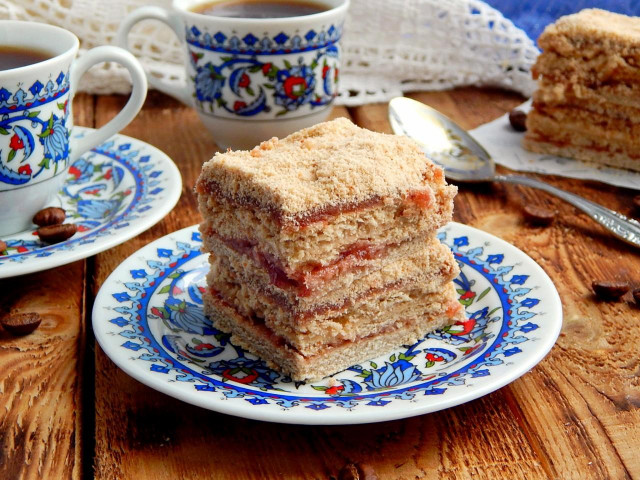
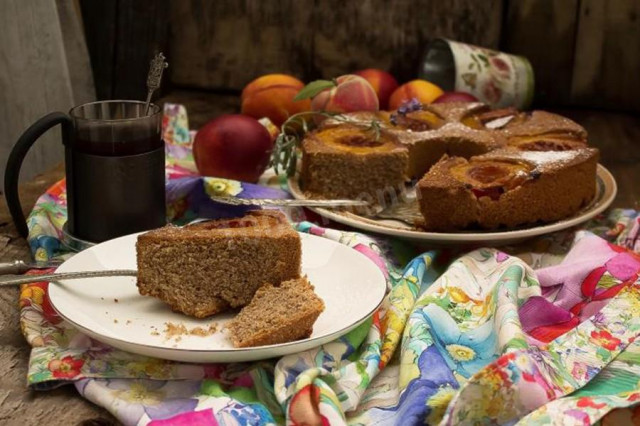
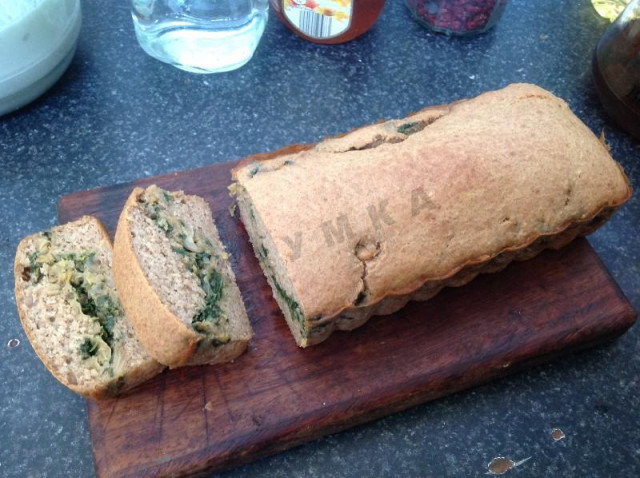
Buckwheat flour is most often found in recipes with these five products:
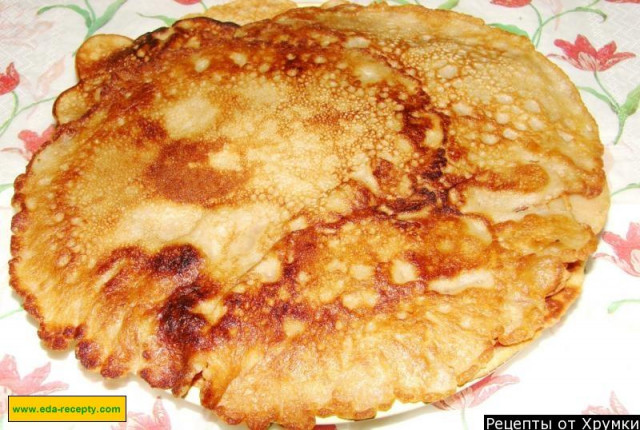
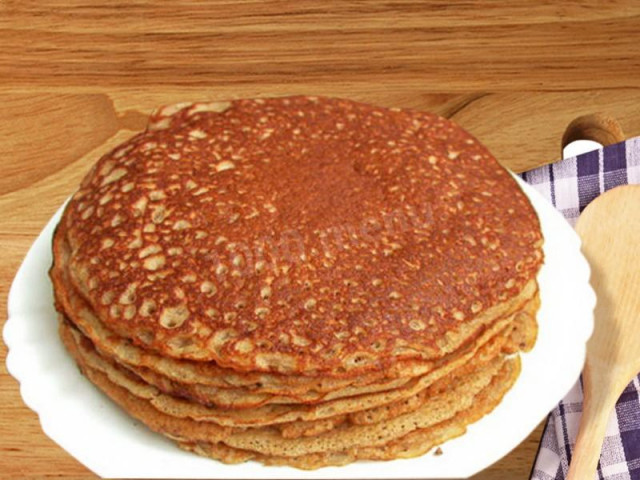
Since ancient times in Russia, real Russian pancakes have been made with this flour, but with the mandatory addition of wheat flour. This is done because of buckwheat's lack of binding properties — more precisely, gluten. And any dough mixed with only this kind of flour will fall apart, no matter how many eggs are added to it.
Buckwheat flour dishes are strongly recommended for people for whom gluten is contraindicated. Because this substance is simply not present in buckwheat. Buckwheat removes toxins, lowers elevated blood sugar levels and draws excess water out of all tissues. It can be included in almost any diet and eating restrictions — for its high energy properties and its content of active chemical substances.
Buckwheat flour can be mixed not only with wheat flour, but also with oat or rice flour. Which in many cases is better, since both are much healthier than wheat flour (which is too high in calories).
Properties of buckwheat flour
Calories: 353
Protein, fat, carbs per 100 grams: 13.6; 1.2; 71.9
Contains: the B, C, E and PP vitamins.
Contains minerals: iodine, calcium, potassium, copper, magnesium, sodium, sulfur, fluorine, phosphorus, zinc.
How to make buckwheat flour at home
First, the buckwheat needs to be sorted. Then rinse it in water and dry it in the oven. It should become completely dry. In this form it can be ground in a coffee grinder, blender, food processor or hand mill. Store it in a dry, tightly closed container away from sunlight.