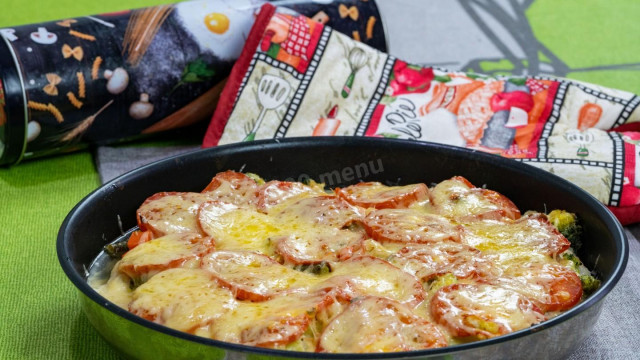

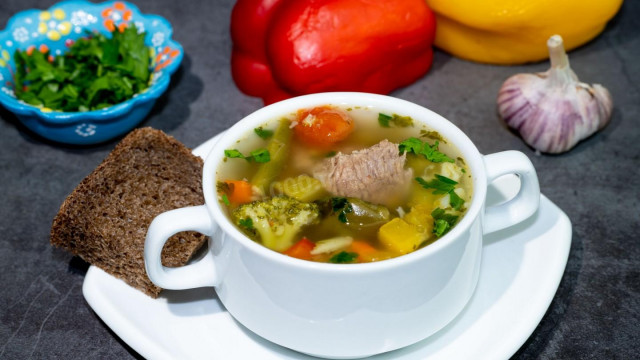
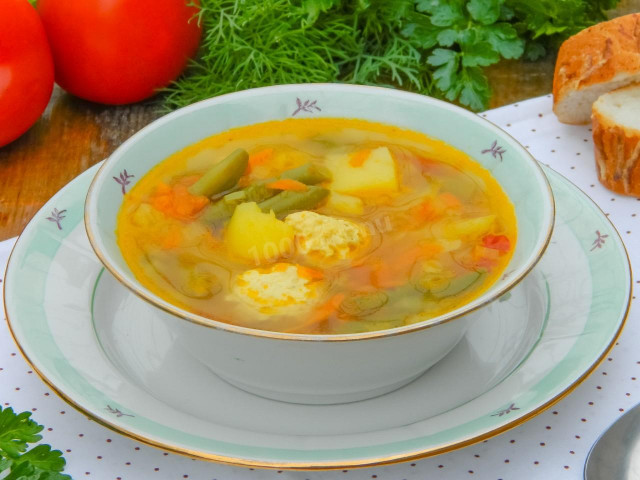
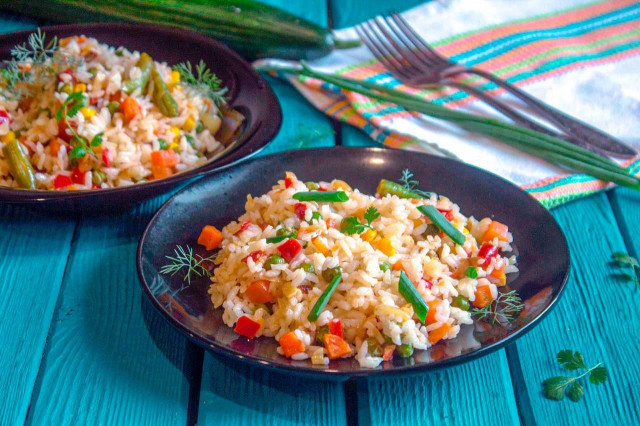
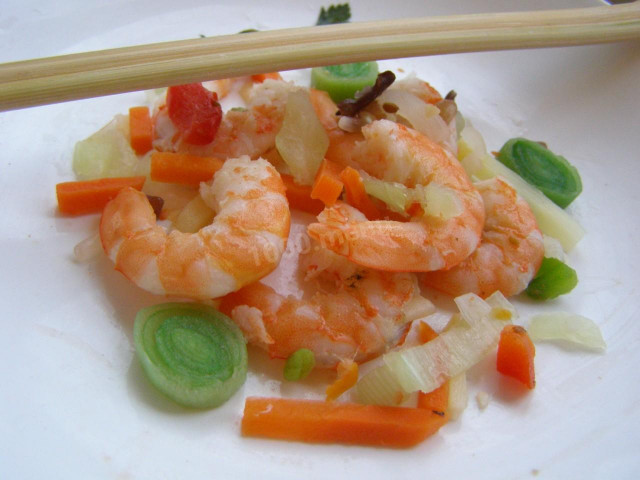
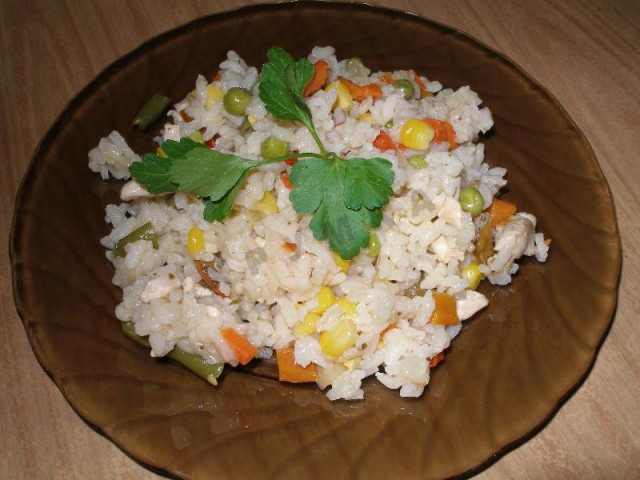
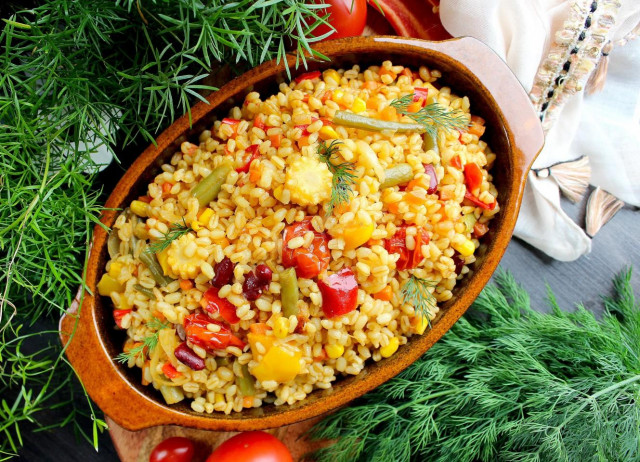
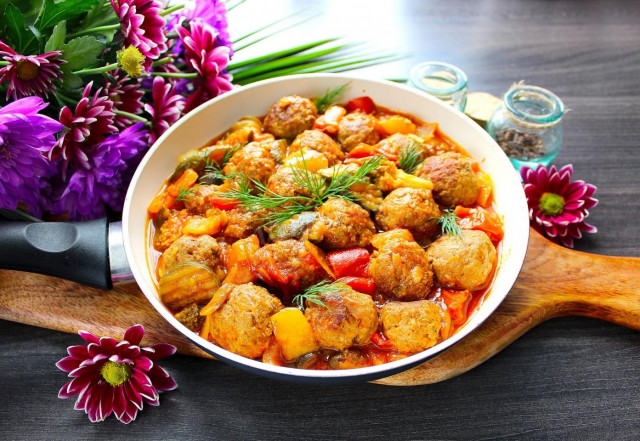
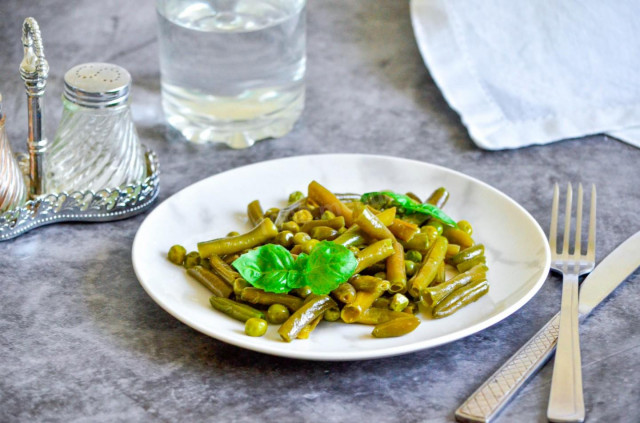
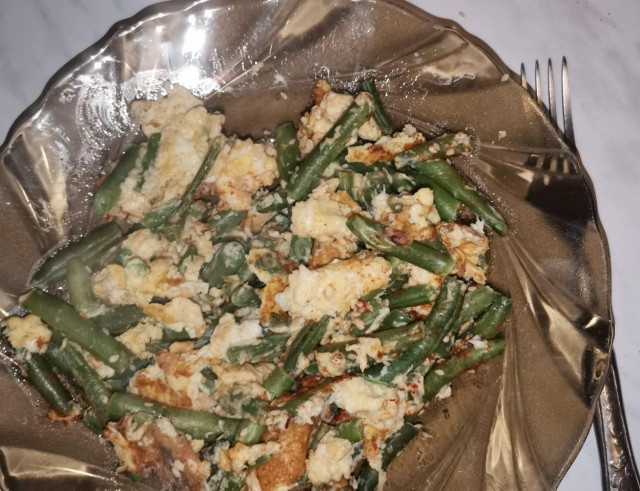
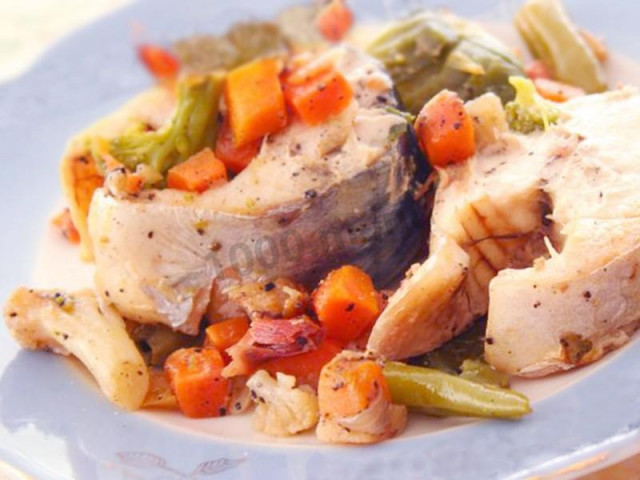
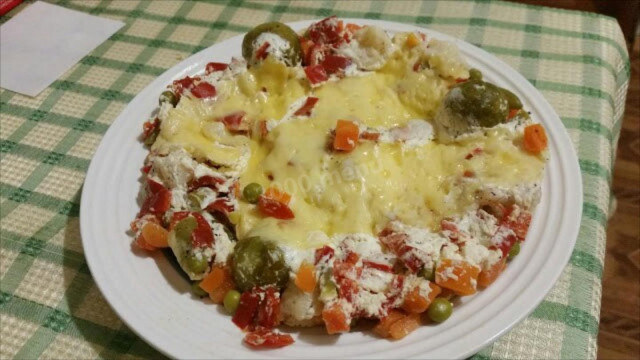
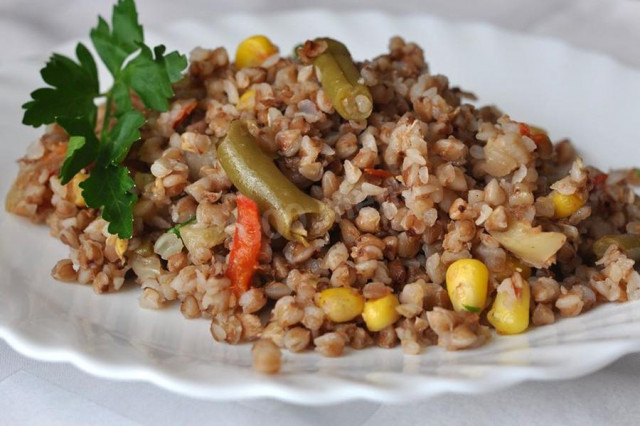
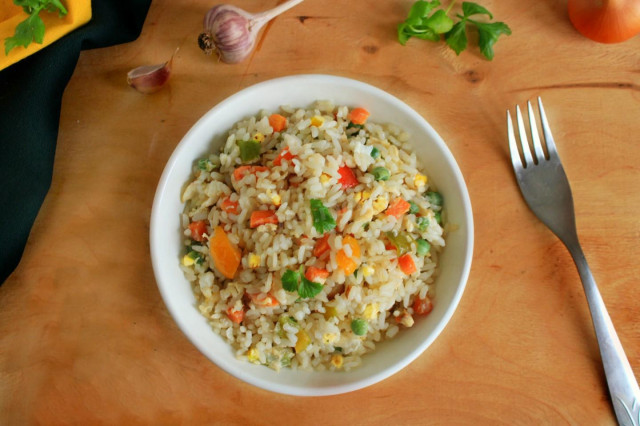
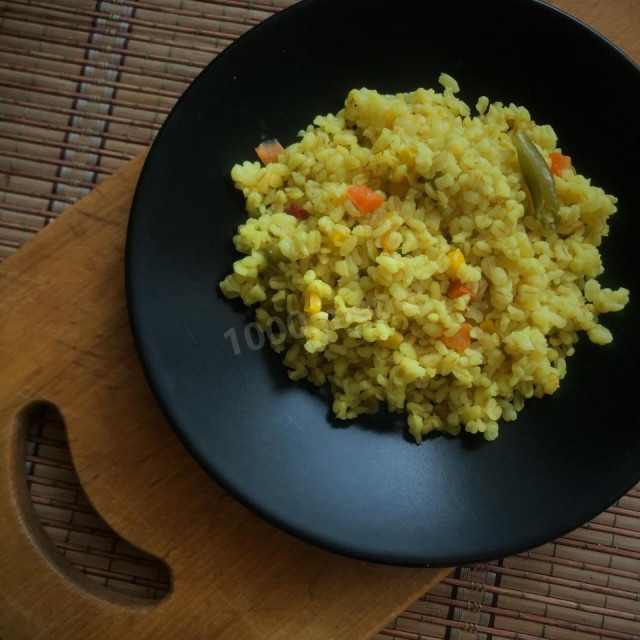
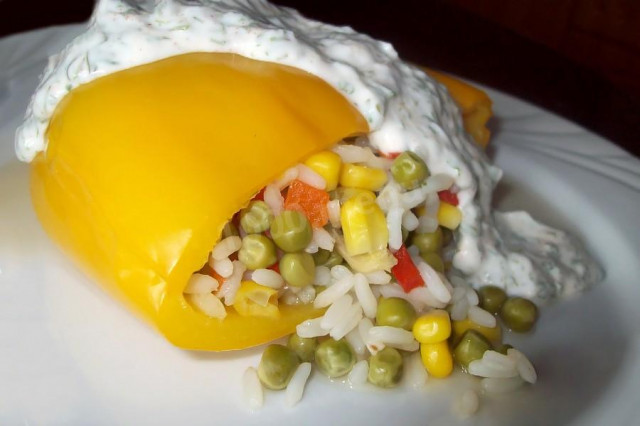
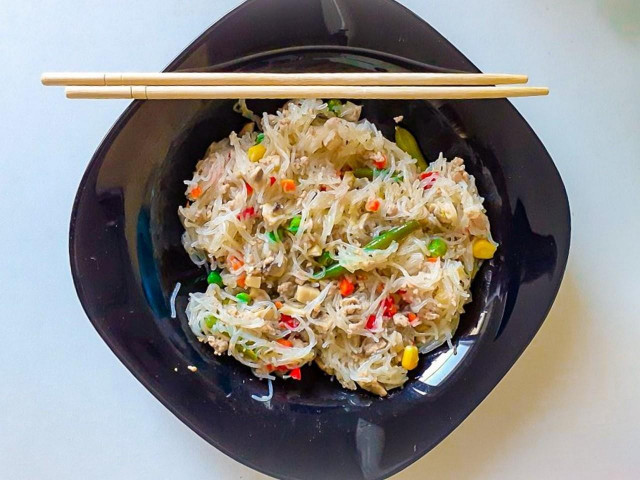
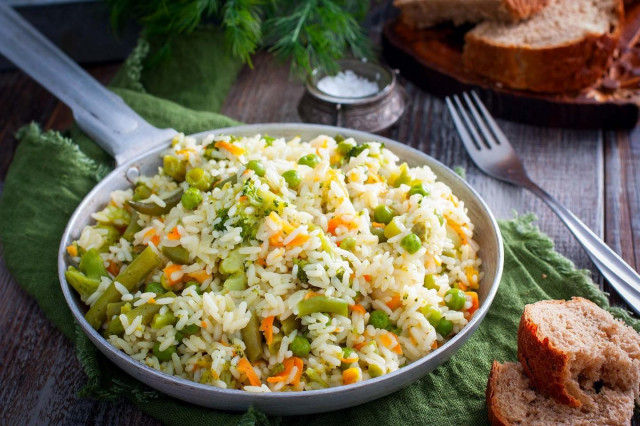
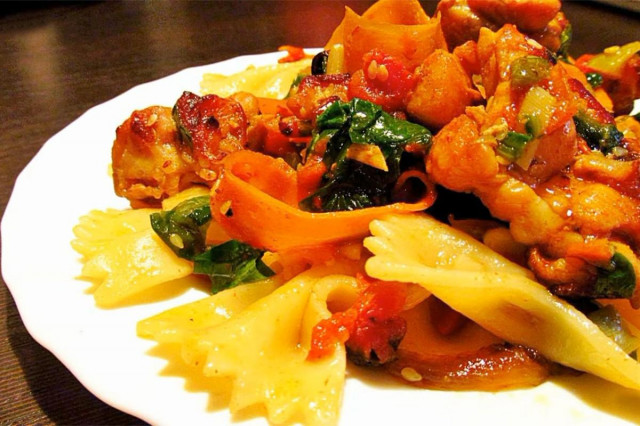
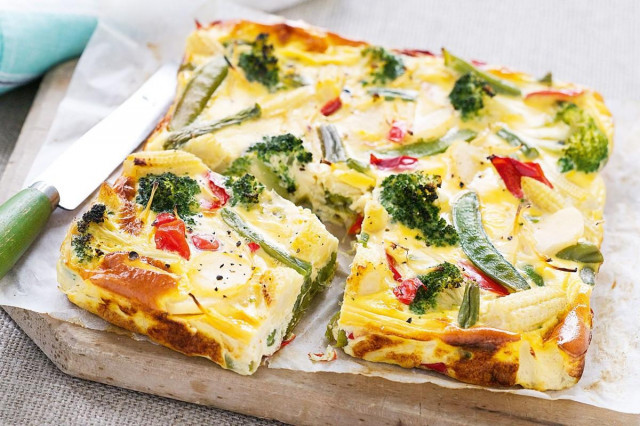
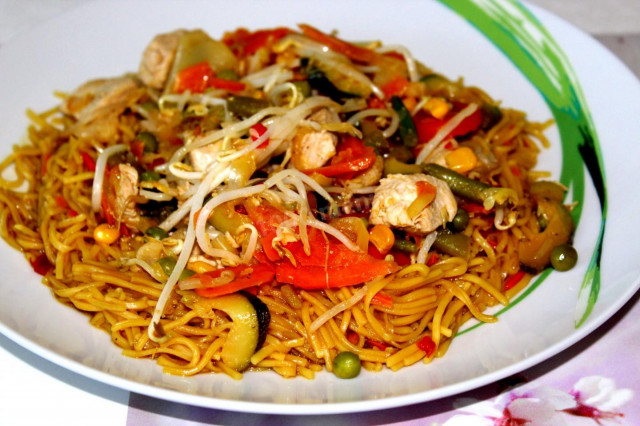

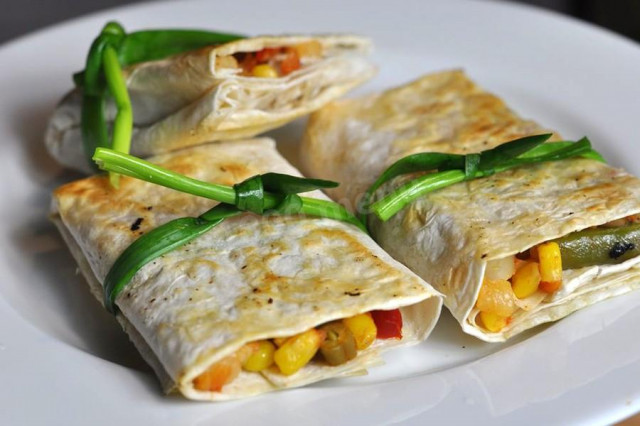
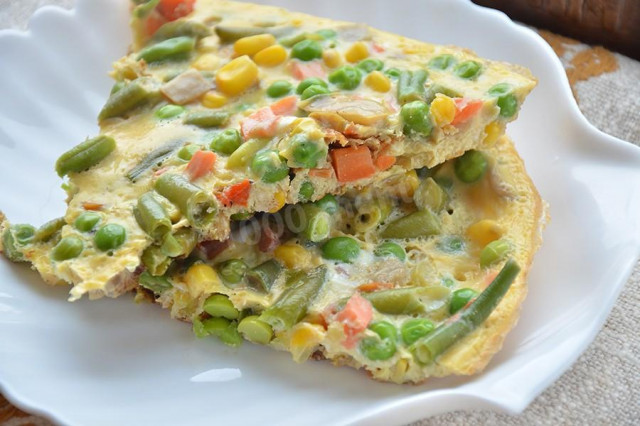
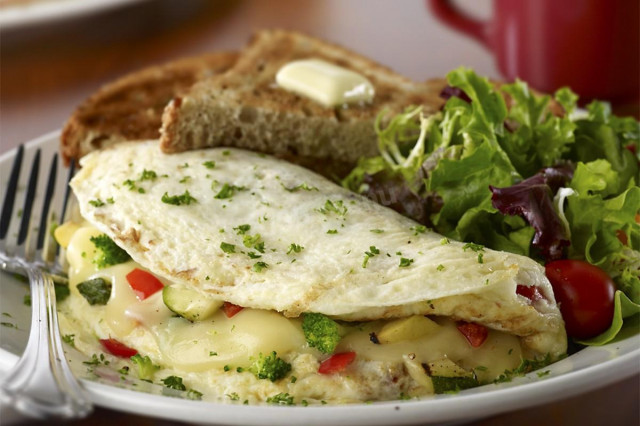
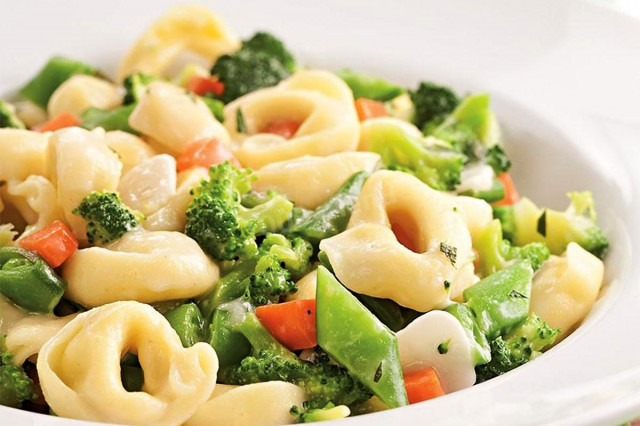
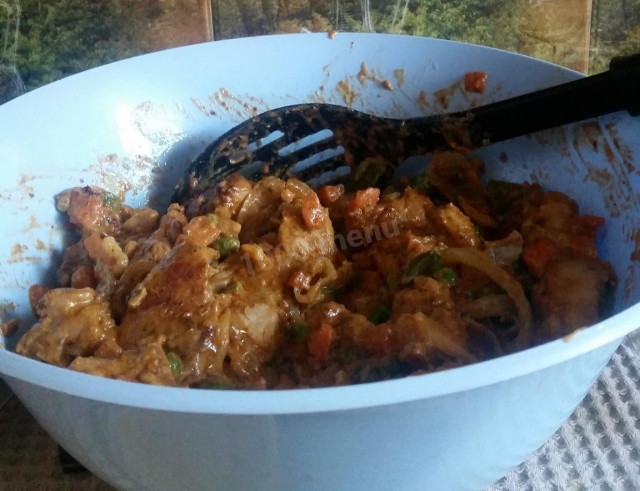
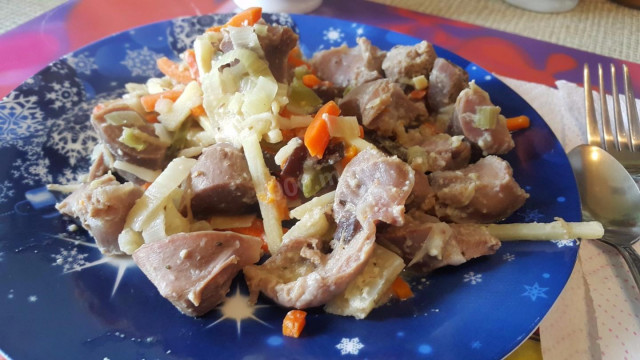

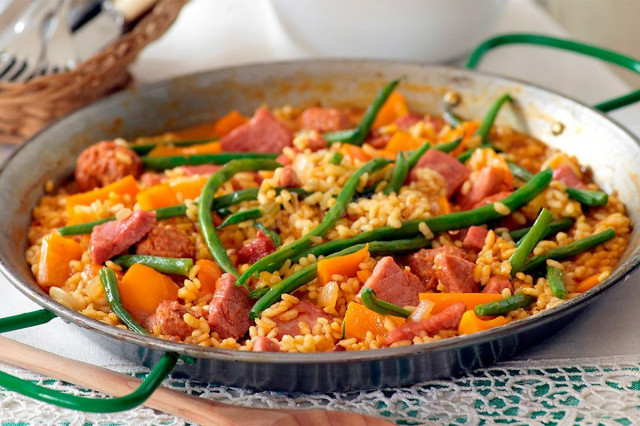
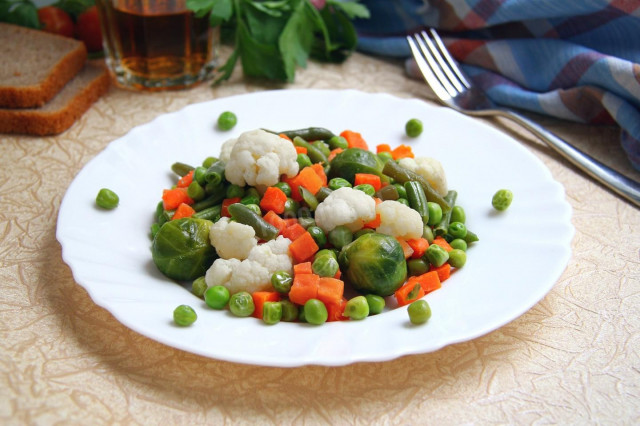
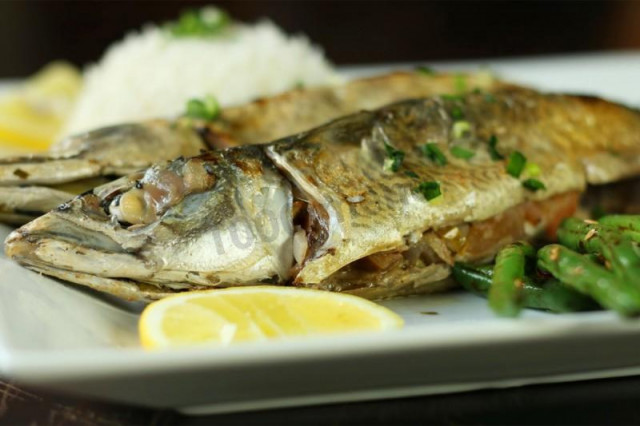
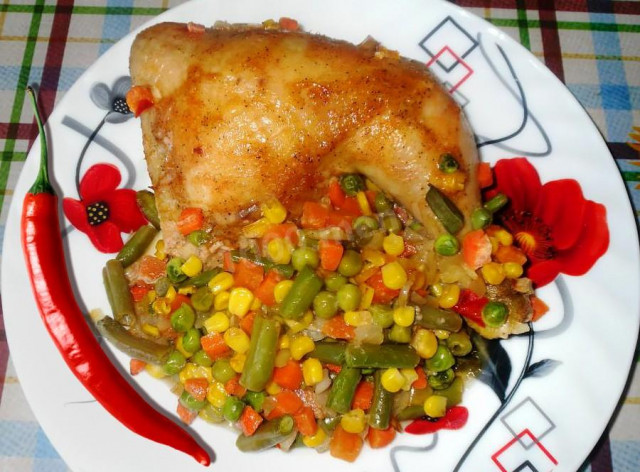
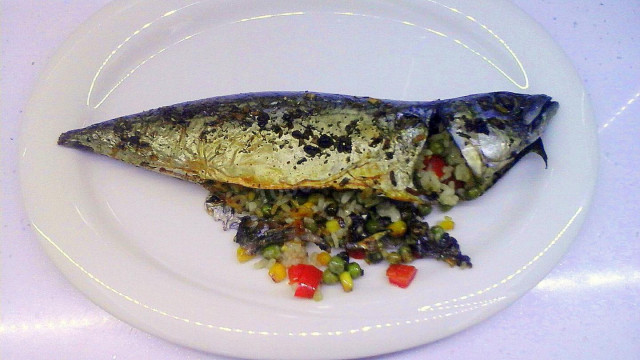
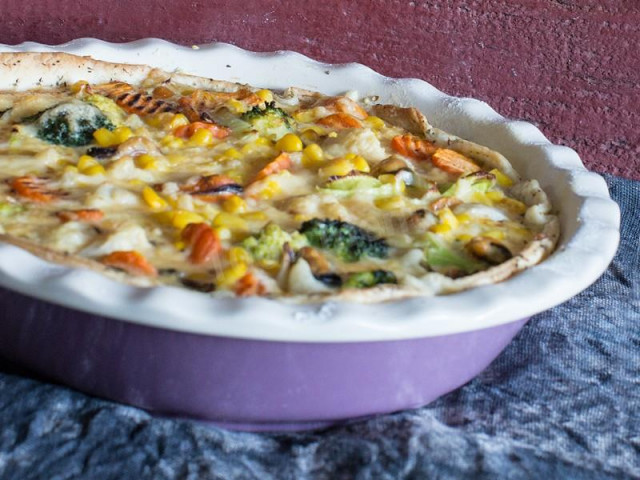
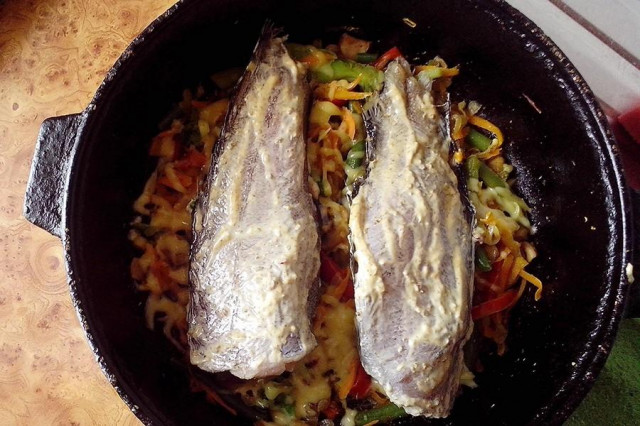
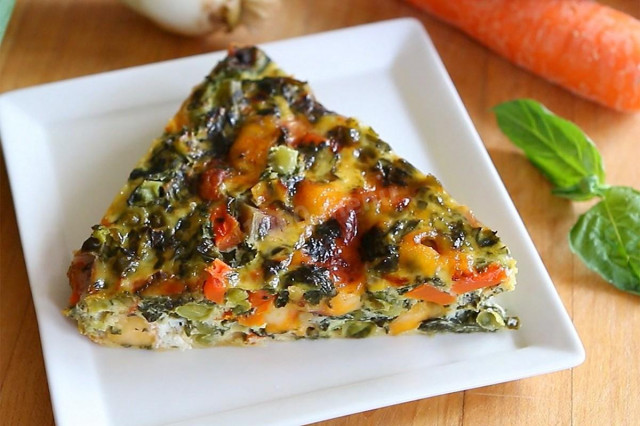
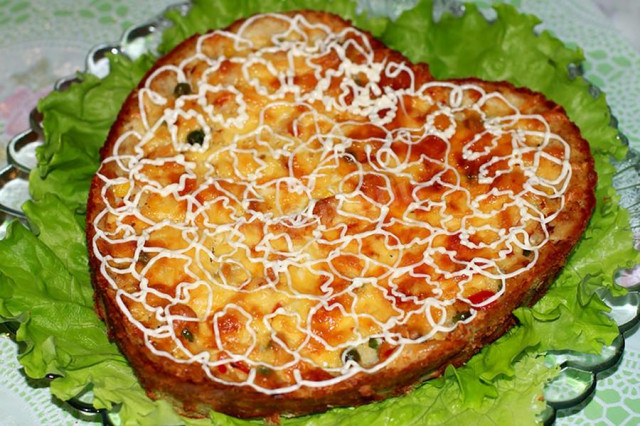
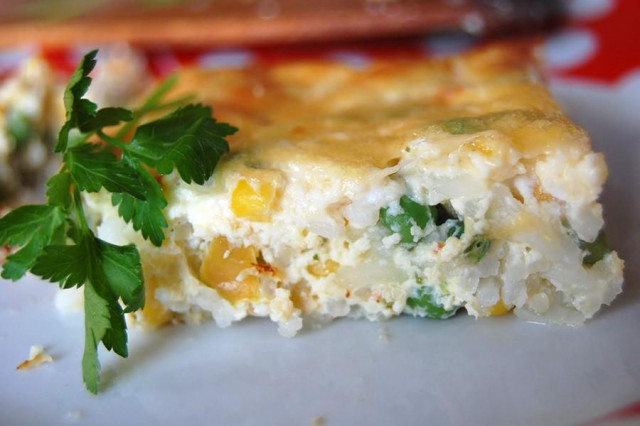
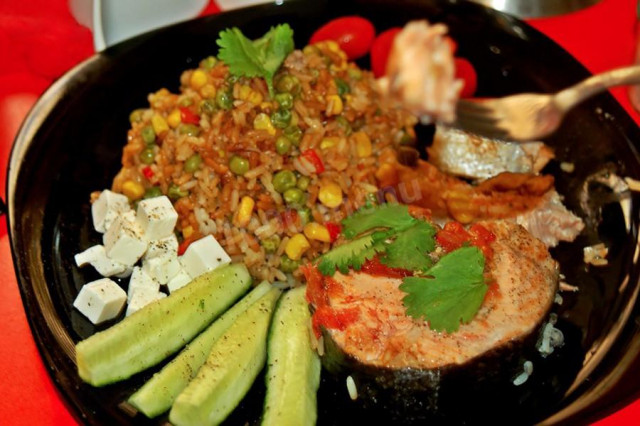
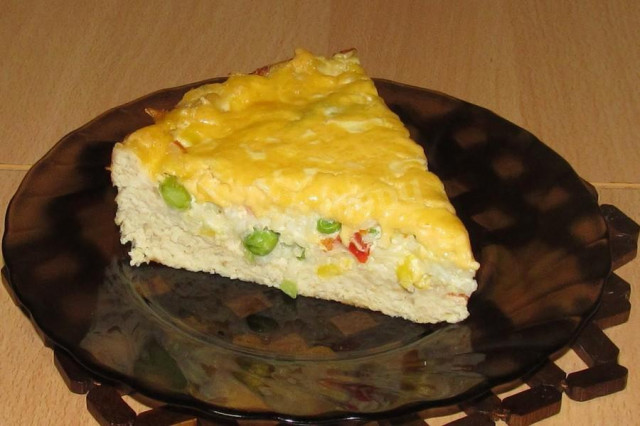
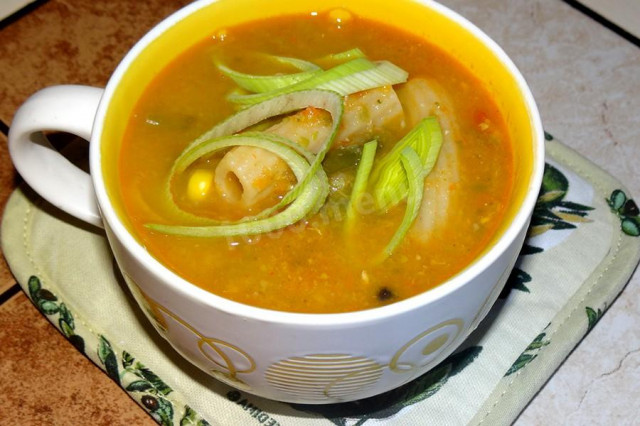
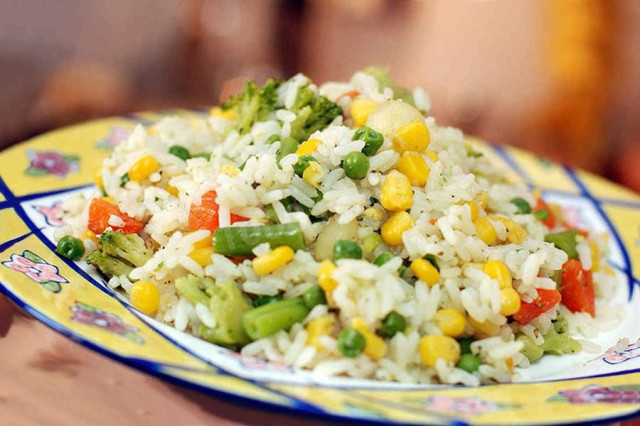
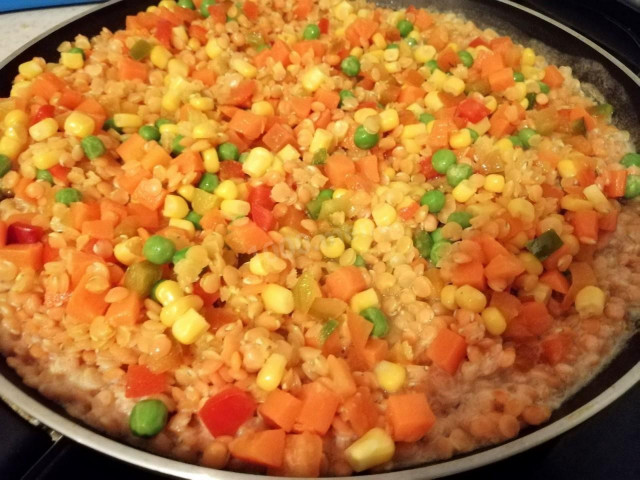
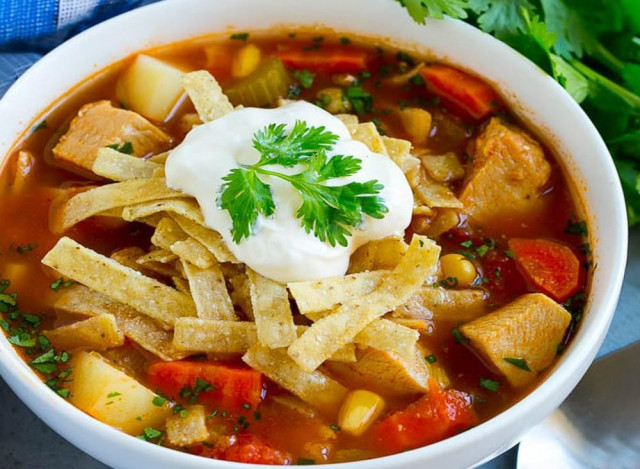
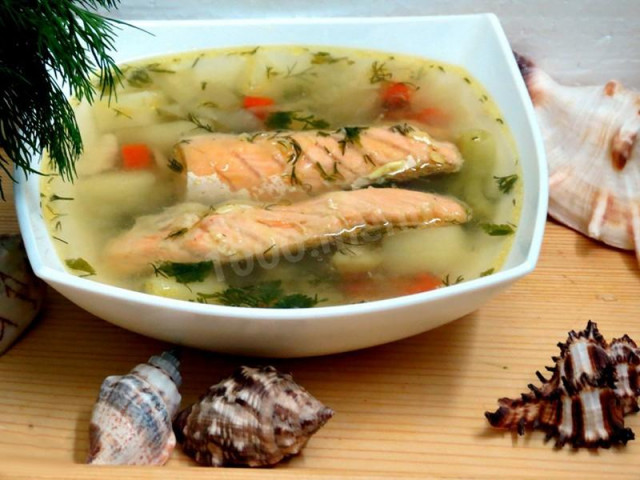
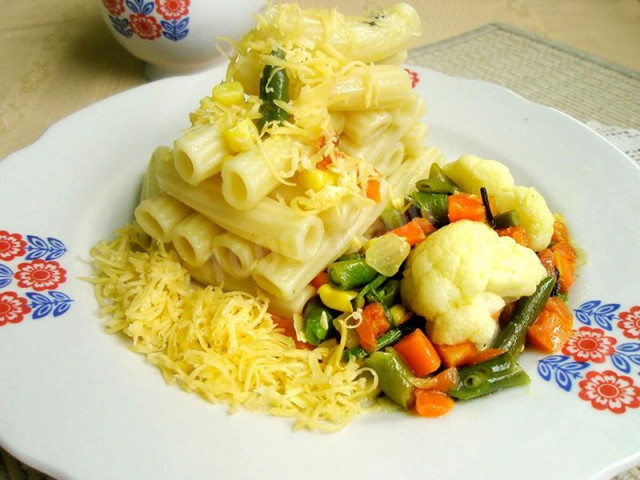
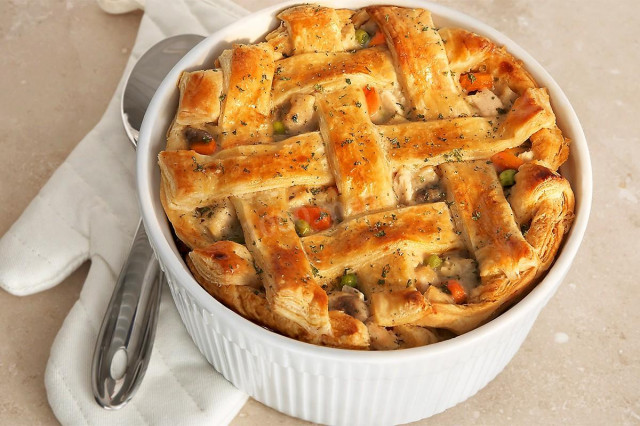
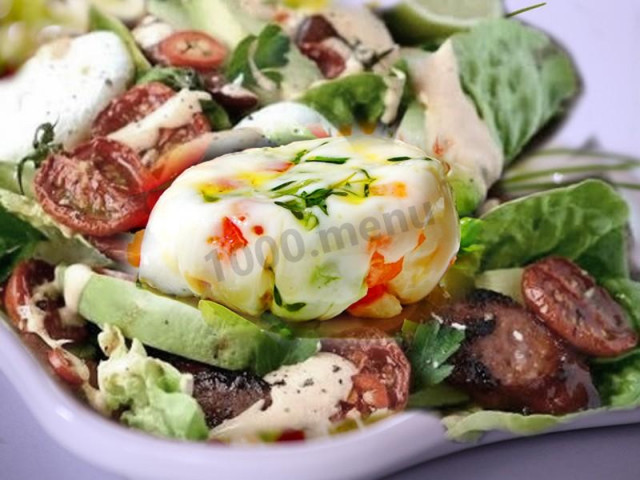
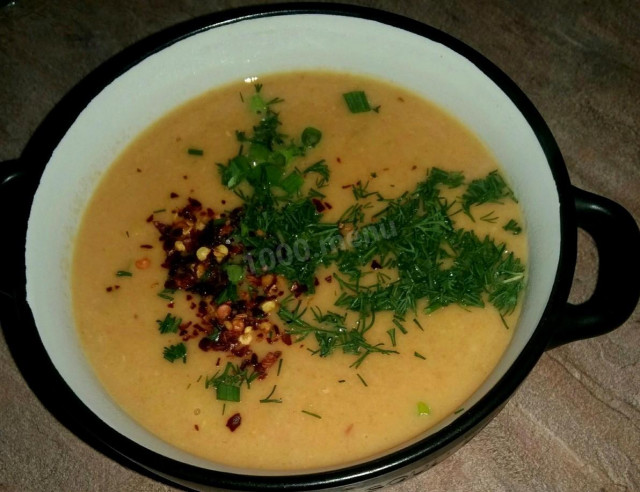
The most varied first and second courses are made from such mixes. They're stewed, baked in the oven, cooked in the microwave, boiled, fried, and used as a filling for pies — and the food turns out just as tasty as if made from fresh vegetables. The mixes can consist of various components: green peas, new potatoes, eggplant, broccoli, fragrant bell pepper, tomatoes, herbs, onion and more. That's exactly why there are all kinds of recipes with frozen vegetables that even lazy or very busy people can cook.
Frozen vegetables are most often found in recipes with these five products:
| Product | Number of recipes with a pairing | Calories per 100g | Protein g per 100g | Fats g per 100g | Carbohydrates g per 100g |
|---|---|---|---|---|---|
| Greens | 14 | 41 | 3.7 | 0.4 | 7 |
| Onion | 14 | 41 | 1.4 | 0 | 10.4 |
| Hard cheese | 11 | 366 | 24.1 | 29.5 | 0.3 |
| Chicken eggs | 10 | 80 | 12.7 | 10.9 | 0.3 |
| Olive oil | 8 | 913 | 0 | 99.8 | 0 |
A healthy meal from prepared vegetables will be ready in a few minutes, since they don't need to be washed, peeled or cut. All you need is a bag of produce and the desire to treat your family to a hearty lunch or light dinner. The products are frozen using a special technology called "deep freezing" — the ingredients are instantly cooled to a temperature at which all the moisture in them turns into microscopic ice crystals. The method is unique: all the vitamins, flavor, color and aroma are preserved for a long time. So that the crystallized juices don't rupture the cell walls and the vegetables keep an attractive look, they're cut into pieces. And what to make from them — an appetizing soup, a fragrant roast or a colorful side dish — is up to you!