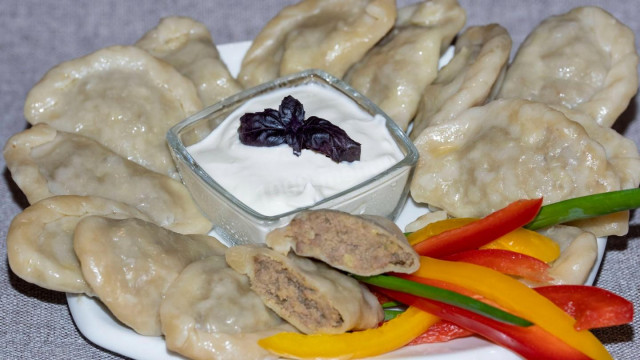
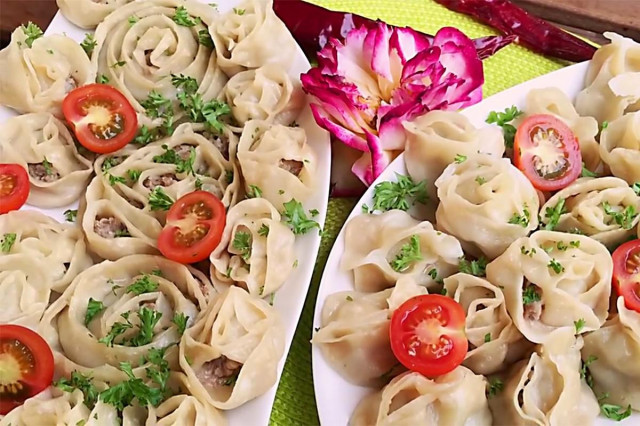
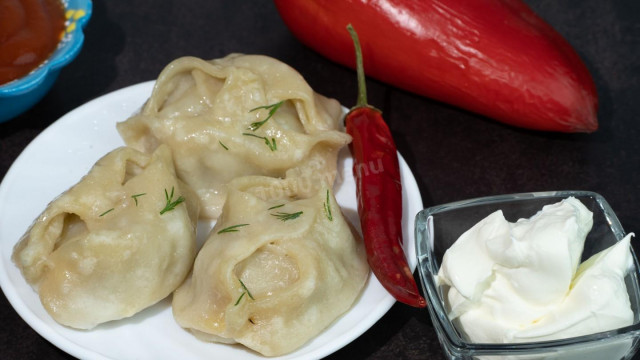
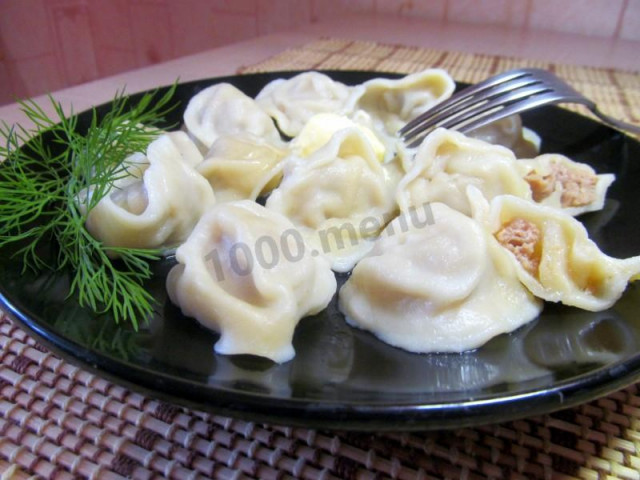
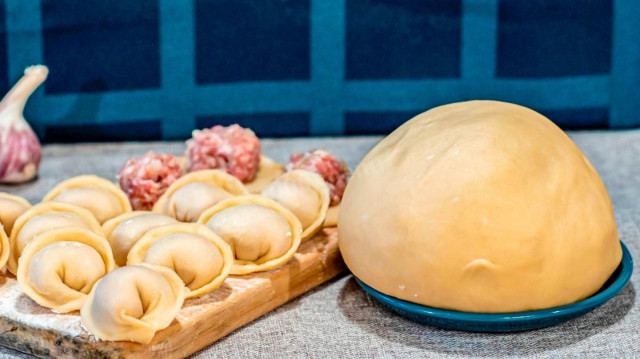
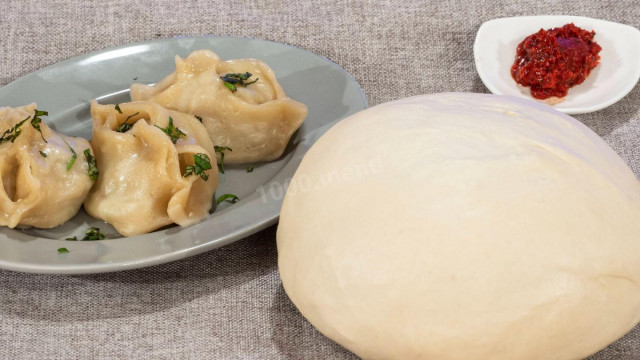

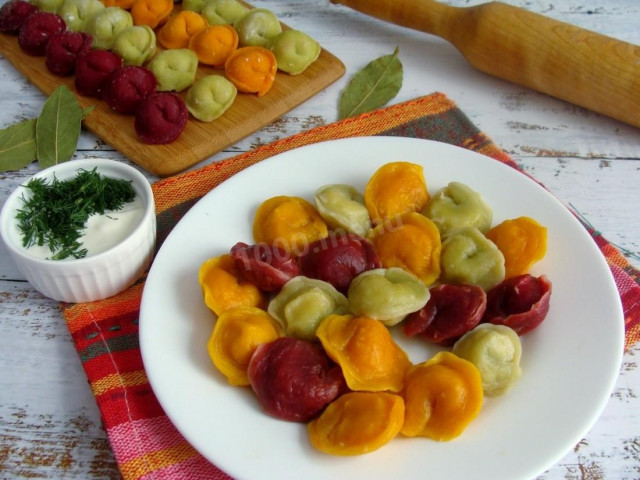
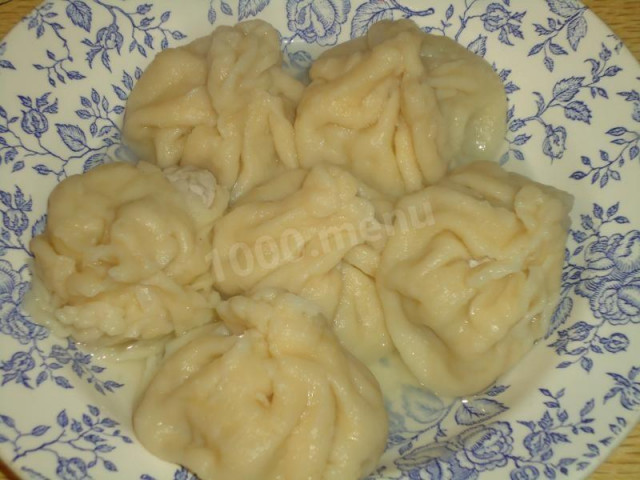
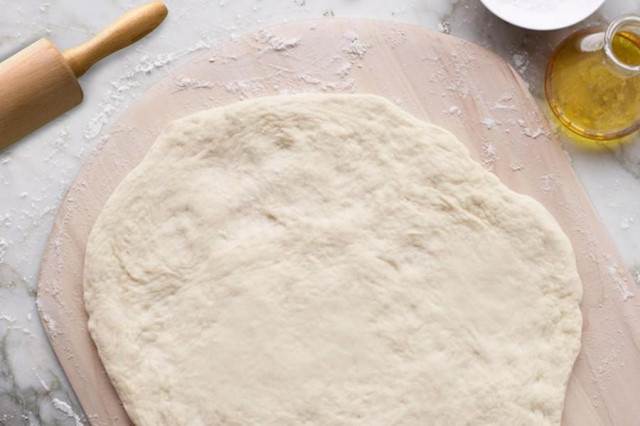
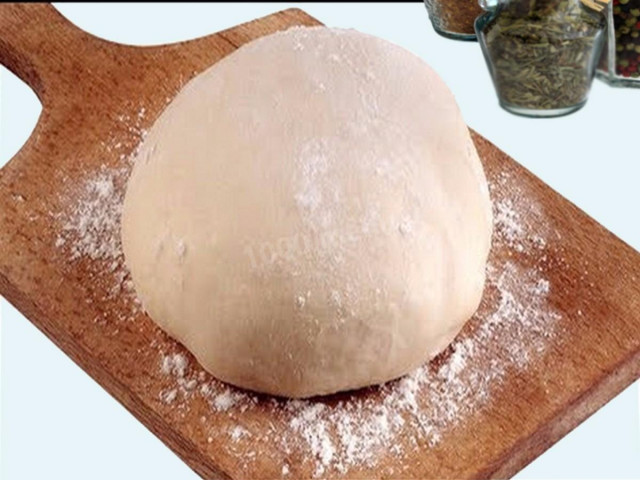
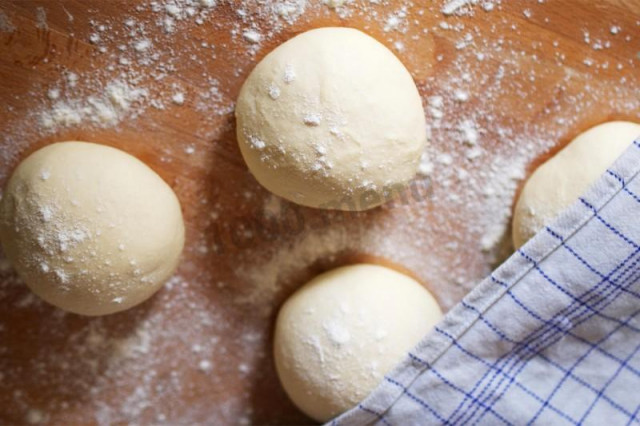
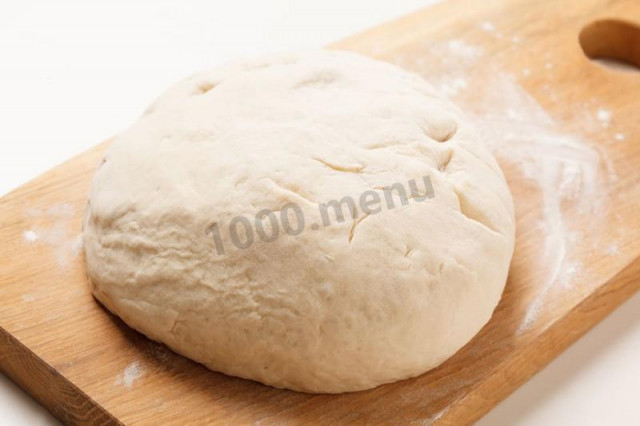
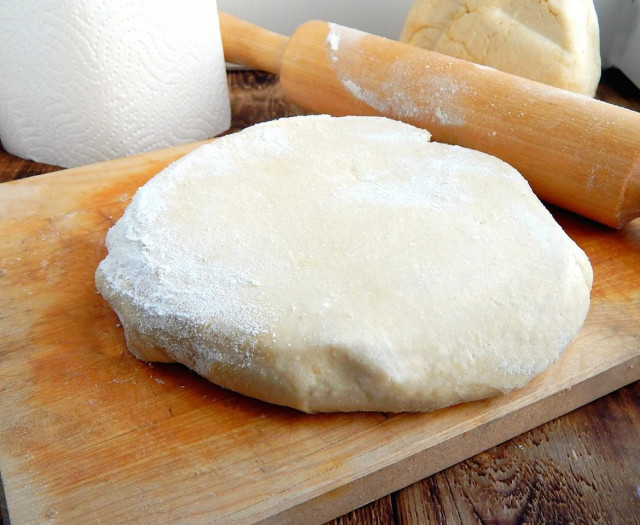
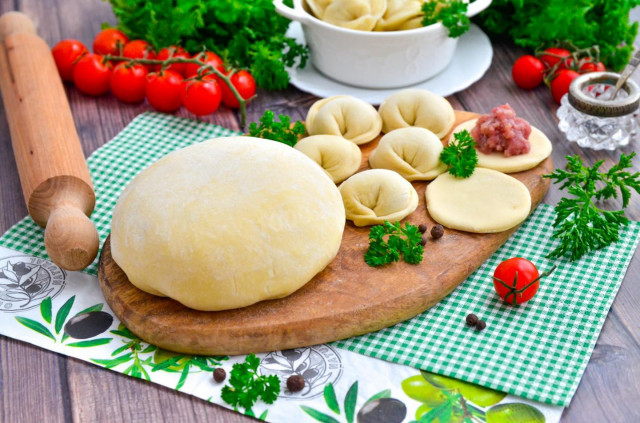
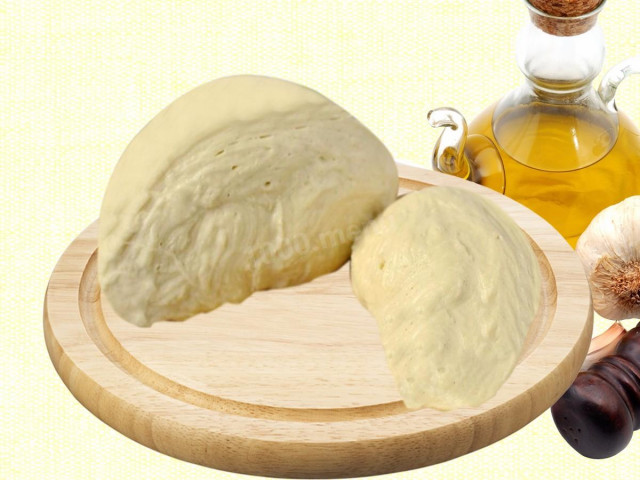
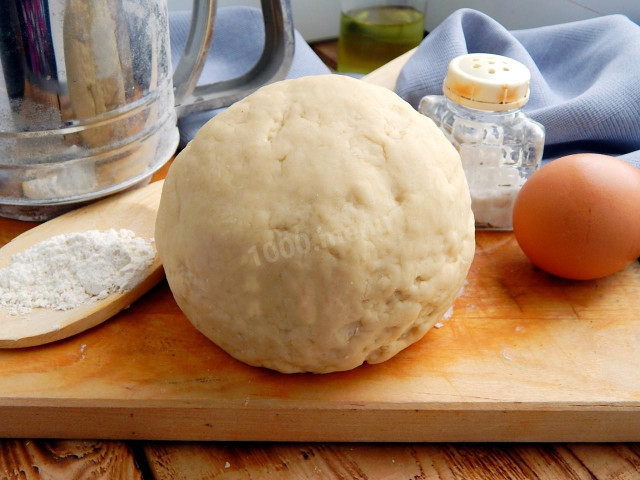
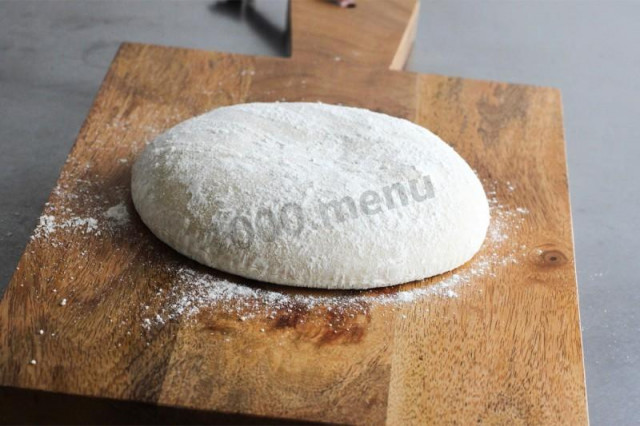
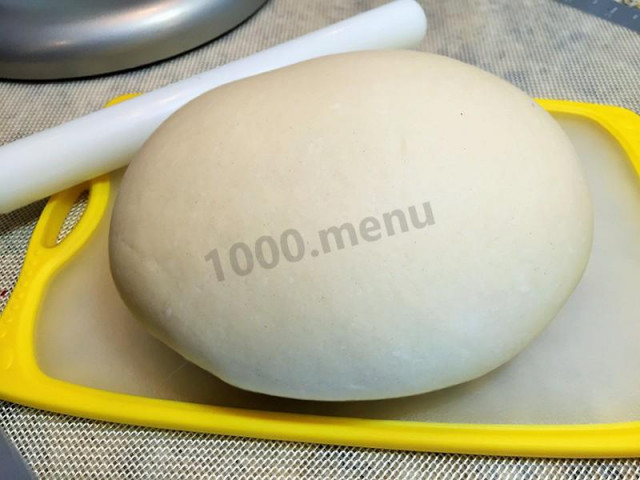
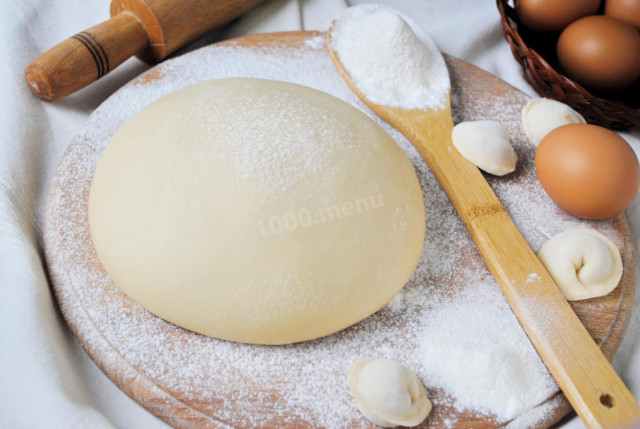
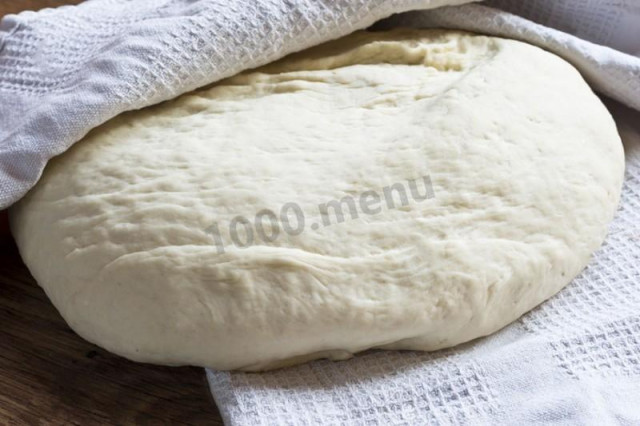
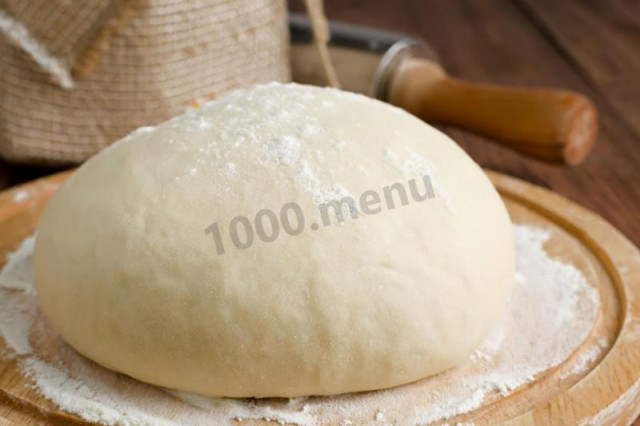
The dough for vareniki takes only a short time to knead; the main thing is that it comes out elastic and smooth, doesn't tear and seals well along the edges of the vareniki. In this kind of dough, the main thing isn't the taste but the resistance to falling apart in boiling water. After all, everyone loves vareniki not for the dough but for the filling)) So the best recipe for vareniki dough is the one that gives a sturdy but not rubbery dough.
The five most commonly used ingredients in vareniki dough recipes:
| Product | Calories per 100g | Protein g per 100g | Fats g per 100g | Carbohydrates g per 100g |
|---|---|---|---|---|
| Flour | 325 | 12 | 1 | 67 |
| Wheat flour | 325 | 12 | 1 | 67 |
| Eggs | 157 | 12.7 | 10.9 | 0.7 |
| Chicken eggs | 80 | 12.7 | 10.9 | 0.3 |
| Sugar | 398 | 0 | 0 | 99.7 |
The lean option is the best choice
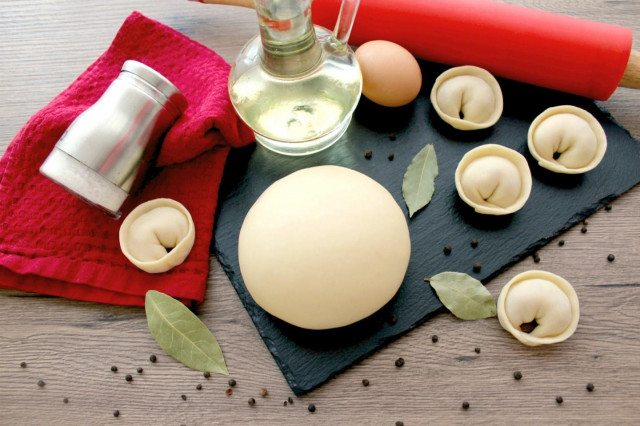
It's the lean dough for vareniki that's considered the most successful. It's made from a minimal set of products, kneads quickly, keeps in the refrigerator for a long time and doesn't distract from the delicious filling. The products for it:
- wheat flour
- water
- salt
- vegetable oil
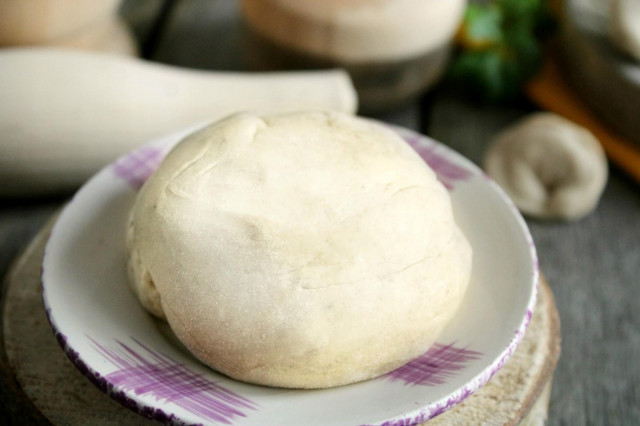
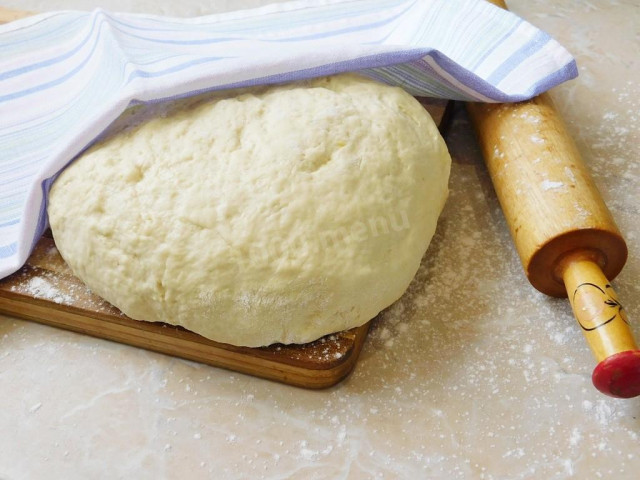
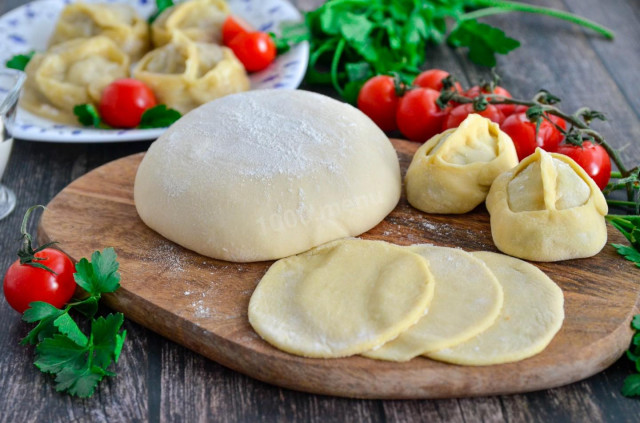
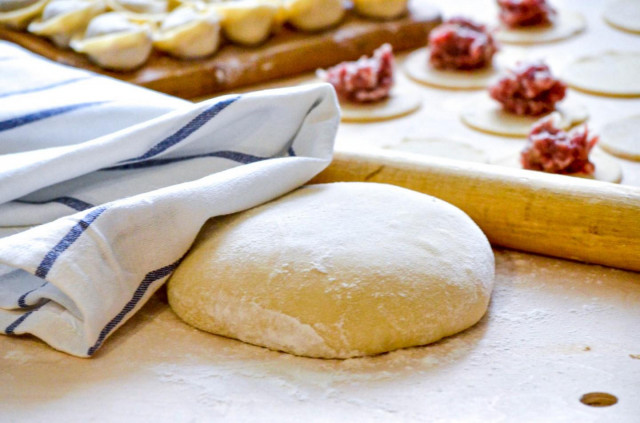
The kneaded dough is rolled into a ball and put in the refrigerator for an hour, after which it becomes easier to work with. It rolls out thin and doesn't tear. Be sure to use premium flour — after boiling, the vareniki won't turn dark. Long kneading isn't needed, since vareniki don't have to rise in the oven. To make the dough seal well, you can moisten it with water as you shape it. When cooking, drop the vareniki into the water one at a time, or they'll stick together.
Getting ready to make dough for vareniki? A step-by-step recipe with photos will help you.