





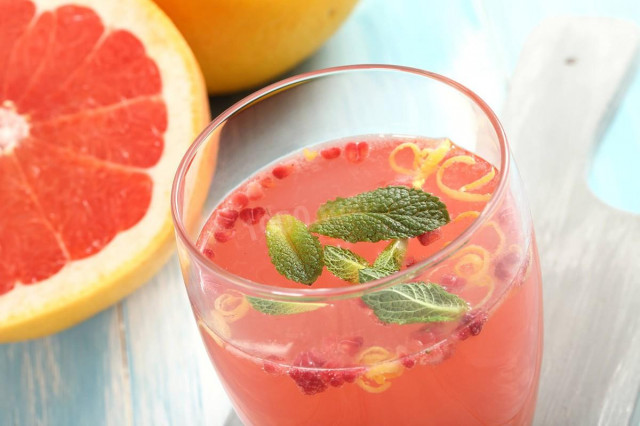






Thin skin and reddish flesh — that's grapefruit. It is larger than an orange, and it tastes slightly bitter. Long ago, back when it was first discovered, it was called the "forbidden fruit". Apparently the man who found it, a certain priest named Hughes from Wales, saw in it something like the fruit growing in the gardens of Paradise. Later that poetic name was dropped in favor of a second one, also not quite fitting: the "little shaddock", since there was already a shaddock — the pomelo. And it was only at the start of the nineteenth century that grapefruit became grapefruit, thanks to the merchants.
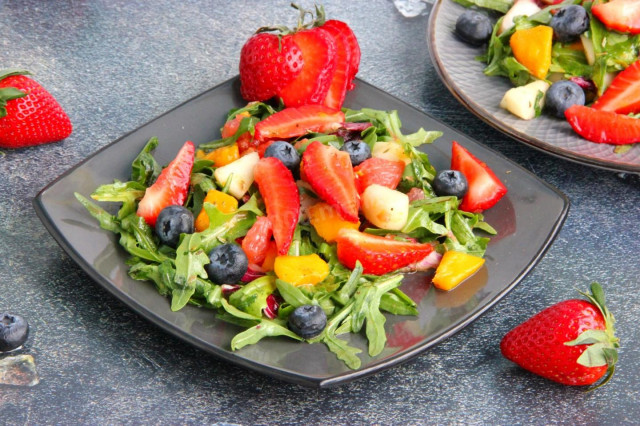
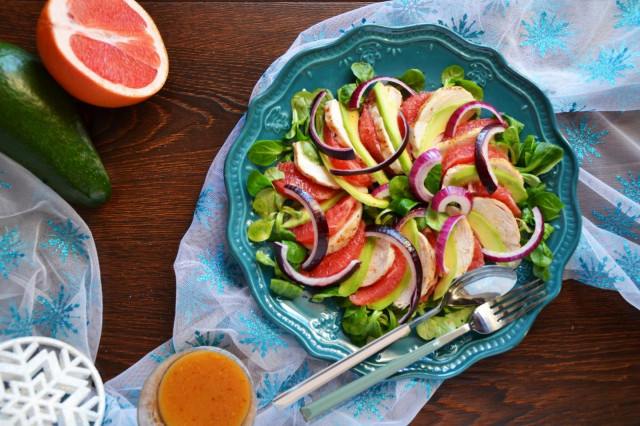
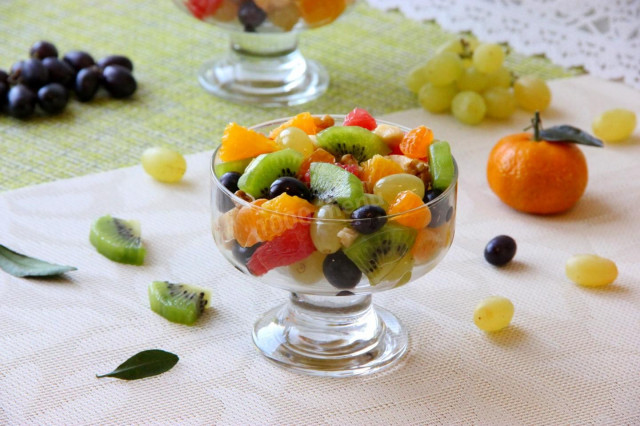
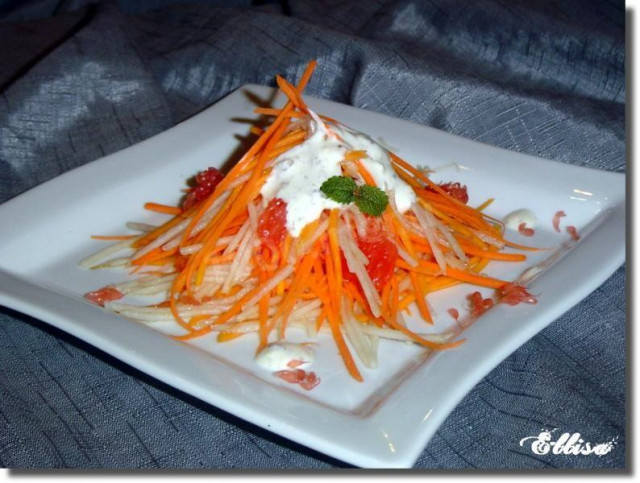
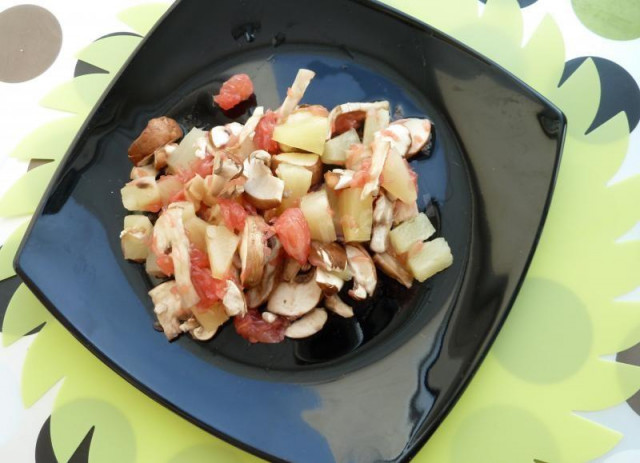
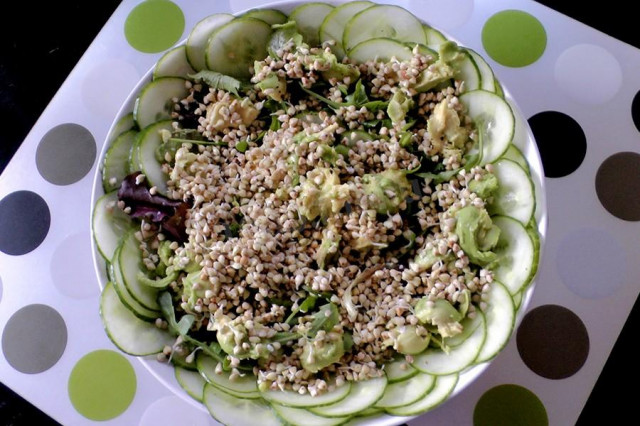
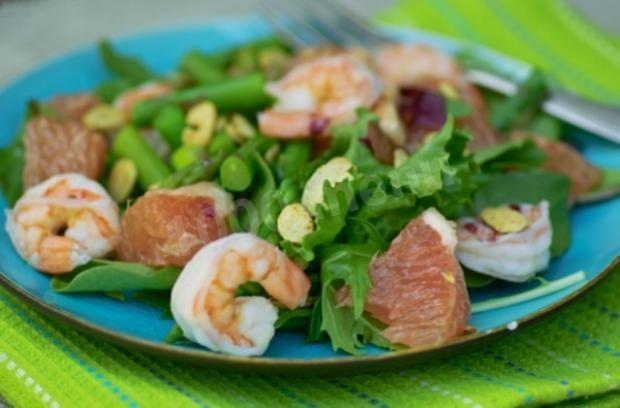
Grapefruit shows up most often in recipes with these five ingredients:
This citrus is actually the offspring of two others: the pomelo and the orange. What's more, the cross happened by accident (you'll never know exactly how). That's why it has something in common with both parents. In the wild, grapefruit takes about a year to ripen. Today there are around twenty known varieties, half with red flesh and half with yellow. The red kind is sweeter, so it's more widely available. You won't find yellow grapefruit for sale, at least not in ordinary stores.
Grapefruit peel contains a great deal of essential oils and acids. There have been cases where the substance melted cheap plastic. So when you peel the fruit, wash your hands afterward just to be safe (with soap — there's a lot of oil in it).
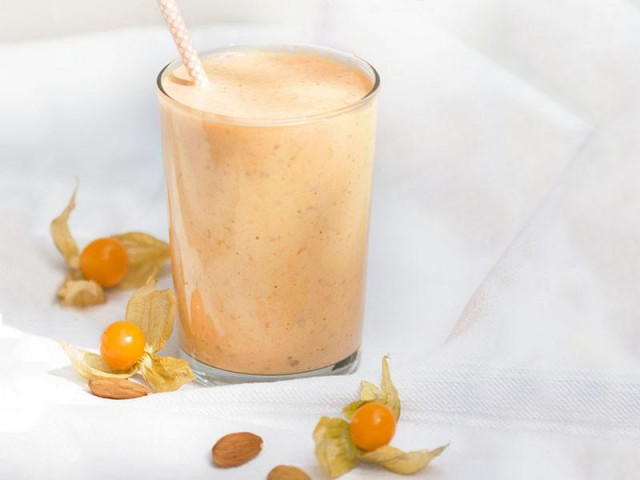
In cooking, grapefruit is used mainly for salads, drinks (alcoholic and non-alcoholic), smoothies and fruit desserts. In other words, it is not heat-treated but eaten raw.
Its juice is full of active substances that affect the whole body and its individual parts. It's believed, for instance, that it can help strengthen the cardiovascular system and lower cholesterol levels in the blood.